When to Cut Back Grasses for Healthier Growth and Maintenance
Last updated: September 17, 2026
Cutting back grasses at the right time keeps them looking sharp and healthy. Most ornamental grasses do best when you cut them back in late winter or early spring, just before new growth kicks in.
This timing prevents damage and encourages a flush of fresh shoots.
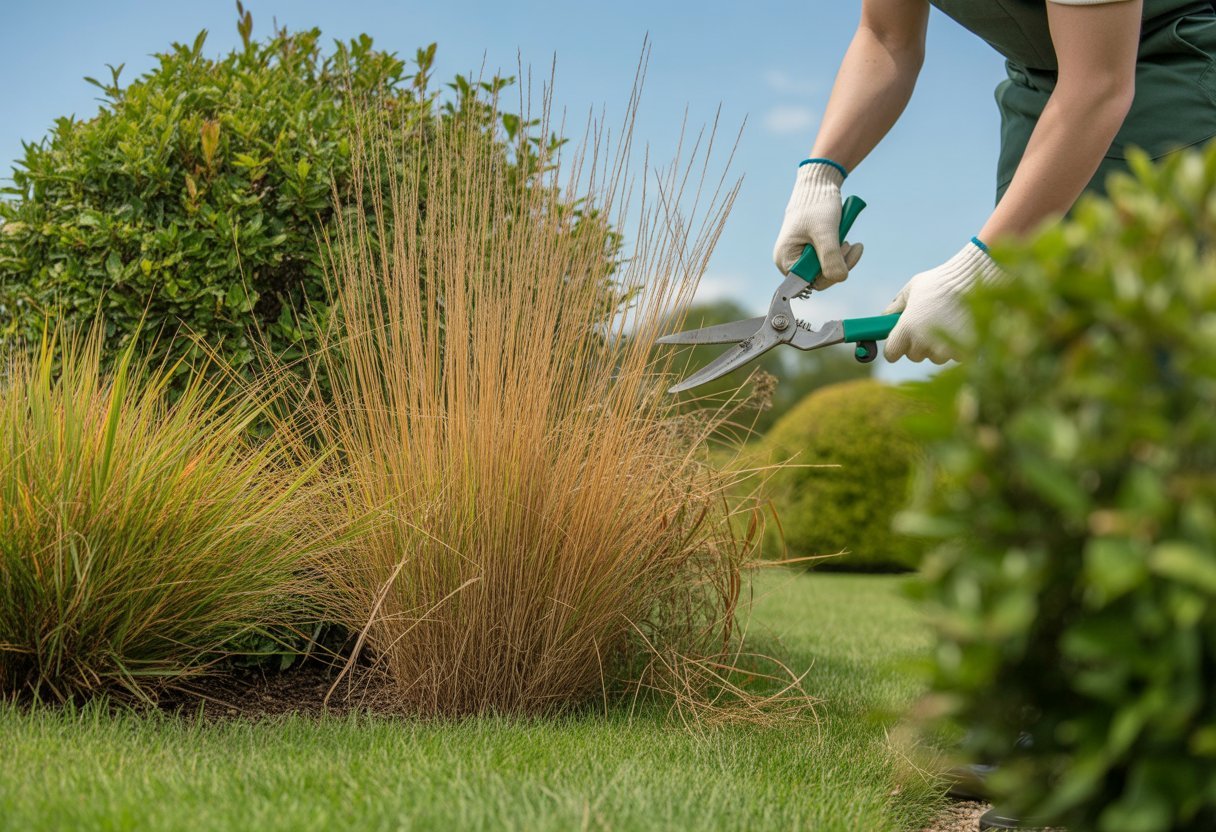
Different types of grasses don’t always follow the same schedule, but it’s key to wait until the old foliage has died back. If you cut too early or too late, you might hurt the plant or throw off the look of your garden.
Knowing when to cut back grasses helps you control their size and shape. It’s a simple move that keeps your landscape tidy and supports strong growth all season.
Understanding When to Cut Back Grasses
The right time to cut back grasses depends on their growth cycles, the season, and how the plant looks. Spotting the signs that grasses need pruning helps keep them vigorous.
Seasonal Timing for Pruning
Perennial grasses really shine when you cut them back in late winter or early spring, before new growth starts. This clears out the old stuff and gives new shoots room to push up.
Cutting in early spring lets the plant put all its energy into spring growth. You probably shouldn’t prune in late fall unless you have to, since many grasses add structure and shelter over winter.
Warm-season grasses usually get their haircut in late winter, just before things warm up again. Cool-season types can handle a similar schedule but don’t mind light trims during the season.
Signs Grasses Need Cutting
If you see brown, dead, or tangled growth, it’s probably time to cut. Thick, matted foliage blocks airflow and can invite disease.
Sparse or weak grass in spring, especially if dead stems are hanging around, will bounce back after a good trim. Wilting or faded blades are another clue that it’s time for a reset.
Growth Cycles and Dormancy
Grasses have clear cycles—growth and dormancy—that tell you when to prune. During dormancy, they look lifeless above ground but still work below the surface.
Prune while grasses are dormant to clear away dead stuff without disturbing the roots. This preps them for that burst of spring growth.
If you prune too late, you risk stressing the plant. Too early, and you waste the plant’s stored resources.
| Grass Type | Dormancy Period | Optimal Cut Back Time |
|---|---|---|
| Warm-season grasses | Late fall to winter | Late winter to early spring |
| Cool-season grasses | Summer or mid-winter | Early spring or early fall |
Types of Grasses and Appropriate Cutting Schedules
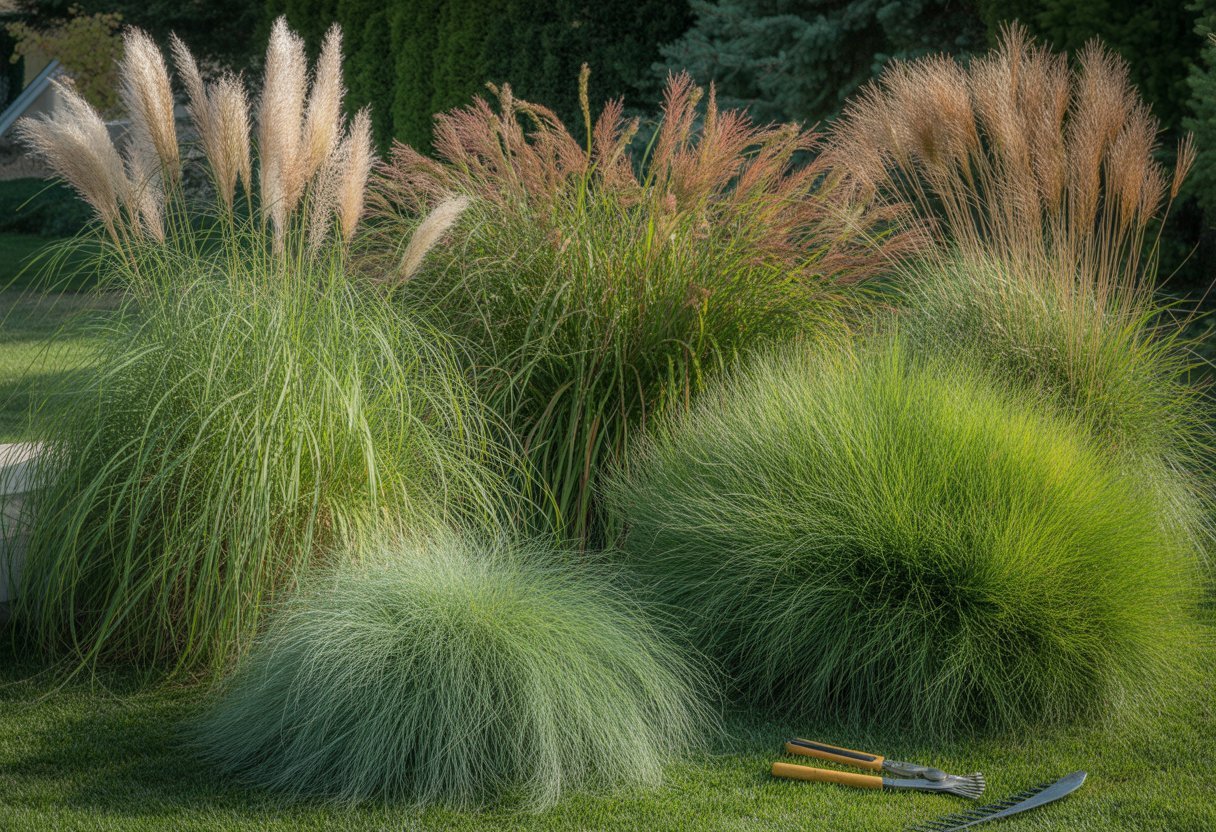
Different grasses call for specific cutting times based on their habits and cycles. Knowing the difference between ornamental and turf types, and how their seasons work, helps you plan the best approach.
Ornamental Grasses Versus Non-Ornamental Varieties
Ornamental grasses like Japanese forest grass or other perennials usually get cut back in late winter or early spring. Leaving them up through winter adds visual interest.
Non-ornamental or turf grasses, though, get trimmed often during the growing season to keep them healthy and neat. Their cutting schedules depend on whether they’re for looks or just for function.
Cutting ornamental grasses too soon risks harming new shoots, but waiting too long can make them more prone to disease. A heavier cut can help keep them dense and in check.
Cool-Season and Warm-Season Grasses
Cool-season grasses get going in spring and fall, so that’s when you want to cut them back. Early spring works best to clear out winter’s dead material.
Warm-season grasses go dormant in winter but take off in late spring and summer. Cut them back in late winter or early spring, right before they wake up.
The schedule depends on the type—cool-season grasses might need more frequent trims, while warm-season grasses often just need a once-a-year cutback.
Popular Species: Miscanthus, Pennisetum, and Little Bluestem
Miscanthus, a favorite ornamental, should be cut back in late winter. Its dried stems add winter interest and protect the plant.
Pennisetum, or fountain grass, also needs a trim in late winter or early spring. Removing dead leaves keeps airflow up and pests down.
Little Bluestem, a native warm-season grass, gets cut back in early spring. Clearing out the old stuff lets new shoots come in strong and upright.
| Species | Type | Cutting Time | Notes |
|---|---|---|---|
| Miscanthus | Ornamental | Late winter/early spring | Leave seed heads for birds in winter |
| Pennisetum | Ornamental | Late winter/early spring | Don’t cut too early—protect new shoots |
| Little Bluestem | Warm-season native | Early spring | Remove dead material for best growth |
Methods and Tools for Cutting Back Grasses
Cutting back grasses is easier when you pick the right tools and use solid technique. The tool you choose makes a difference in speed, precision, and safety.
Hand Pruners, Hedge Trimmers, and Shears
Hand pruners, or pruning shears, work well for small clumps or individual stalks. They give you control and help avoid damaging nearby plants.
Hedge shears, with their long blades, can handle several stems at once. They’re handy for shaping and keeping edges neat.
Hedge trimmers, whether electric or gas-powered, make quick work of big jobs. They’re efficient but take a steady hand.
For really thick or tall grasses, a machete can do the trick. It’s powerful but not super precise, so use it carefully.
Manual Versus Power Tools
Manual tools like pruners and shears give you more control but take more effort. They’re best for small jobs or delicate grasses.
Power tools, like hedge trimmers, cover ground fast and save your arms. You’ll need some skill to avoid scalping the grass or damaging crowns.
Pick your tool based on the grass type, the size of the area, and what you’re comfortable with. Manual is great for detail work, while power tools are a lifesaver for big patches.
Safety Tips and Best Practices
Gloves and eye protection are a must—grass blades can be sharp, and flying debris is no joke. Sharp tools make cleaner cuts and keep plants healthier.
Keep cords and fuel away from water, and always handle blades with care. Work in good light so you can see what you’re doing.
Stand steady and cut at angles that feel natural. Clean your tools after you’re done to prevent rust and disease.
Cutting Back Grasses and Garden Health Implications
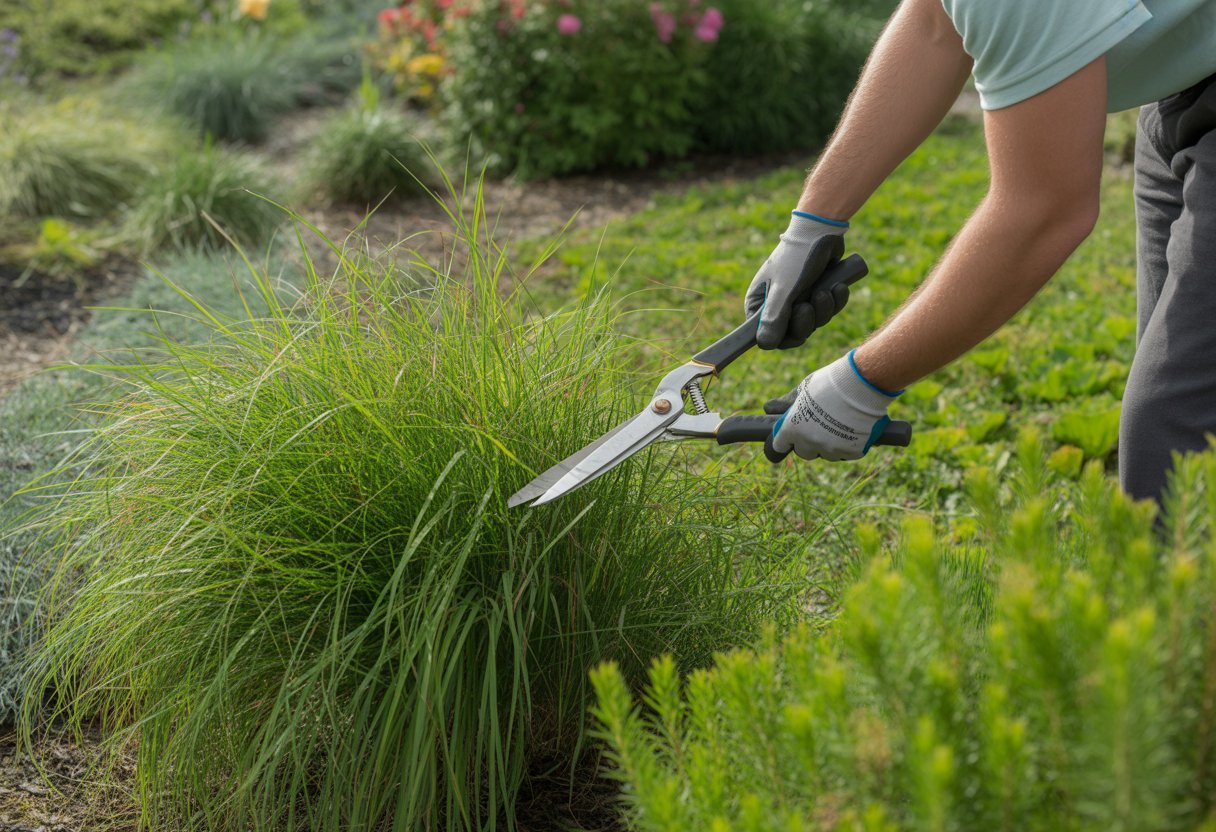
Getting the timing and technique right when cutting back grasses can make a big difference in how your garden looks and how healthy your plants stay. It also affects wildlife habitats and the overall vibe of your landscape.
Encouraging Spring Growth and Landscape Appeal
If you cut back grasses in late winter or early spring, you clear out dead leaves and let new shoots pop up without anything in the way. This helps grasses grow denser and healthier.
Trimming old stems makes the garden look cleaner and keeps winter debris from piling up. It also helps prevent fungal diseases that like to hang out on dead stuff.
Timing matters. Cut too soon and you might nip new shoots; wait too long and growth could slow down. Usually, trimming when you spot new green shoots is about right.
Supporting Pollinators and Wildlife
Leaving grass and debris in fall gives overwintering insects—especially pollinators—a place to hide. But when you cut back at the right time, you open up space for spring blossoms that attract bees and butterflies.
Grasses also shelter small wildlife in winter. Try to balance clearing old growth with leaving enough cover for birds and helpful insects.
You can help pollinators even more by timing grass cutting with the blooming of nearby plants. That way, you keep food and shelter available without too much disruption.
Integration with Other Plants: Sedums and Daffodils
If you cut back grasses before the last frost, you won’t damage emerging daffodils or other bulbs. Leaving old grass blades lying around? Those can smother bulbs and hurt their chances of blooming.
Sedums actually thrive when you prune back grasses nearby. They get more sunlight and don’t have to fight as hard for nutrients.
Trimming grasses also makes the garden look tidier, with clearer boundaries between plants. I find it really helps sedums and daffodils stand out, both in health and appearance.