Desert Bahia (Bahia absinthifolia)
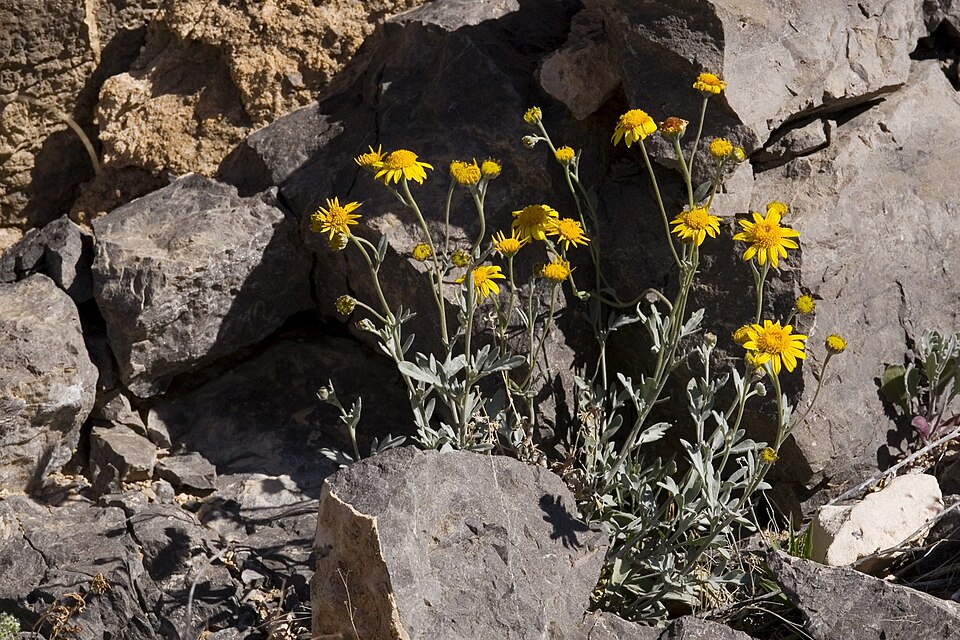
Bahia absinthifolia, commonly called Desert Bahia or Wormwood Bahia, is a charming, low-growing perennial wildflower native to the rocky desert grasslands and open ranges of the southwestern United States and northern Mexico. This diminutive member of the sunflower family (Asteraceae) forms compact mounds of finely divided, silvery-gray aromatic foliage topped with cheerful bright yellow daisy-like flowers — bringing color and life to some of the harshest desert environments at low cost to water and care.
Desert Bahia grows to about 1 foot tall, making it one of the smaller native wildflowers of the desert Southwest. The species name “absinthifolia” means “wormwood-leaved” — referring to the similarity of its leaves to those of Artemisia absinthium (Common Wormwood), reflecting the finely dissected, grayish-green, aromatic foliage that helps the plant minimize water loss in its harsh desert environment. The fragrant foliage is deer-resistant and the compact size makes Desert Bahia ideal for rock gardens, low borders, and naturalizing in desert plantings.
While not as dramatic in scale as some larger desert wildflowers, Desert Bahia more than compensates with its cheerful, long-lasting bloom season and remarkable adaptability. In its native habitat, it grows in rocky, gravelly soils on limestone hillsides, desert flats, and along desert washes, providing important early-season nectar for native bees and other pollinators. For Arizona and New Mexico gardeners seeking a true ground-level native wildflower, Desert Bahia is a rewarding and underutilized choice.
Identification
Desert Bahia is a low, spreading perennial herb forming compact mounds 6–12 inches tall and 12–18 inches wide. The plant has a somewhat shrubby base with herbaceous stems that die back partially in winter and regenerate from the woody rootstock in spring. It is easily recognized by the combination of finely divided silvery-gray foliage and bright yellow composite flowers.
Leaves
The leaves are the plant’s most distinctive vegetative feature. They are deeply pinnately divided (cut) into narrow segments, giving them a feathery or wormwood-like appearance. Each leaf is 1–3 inches long, grayish-green to silvery-gray in color, and covered with fine hairs that give it a soft, woolly texture. The foliage has a distinctive aromatic scent when crushed — slightly medicinal or sage-like. The aromatic compounds also make the plant naturally resistant to deer and other herbivores.
Flowers & Seeds
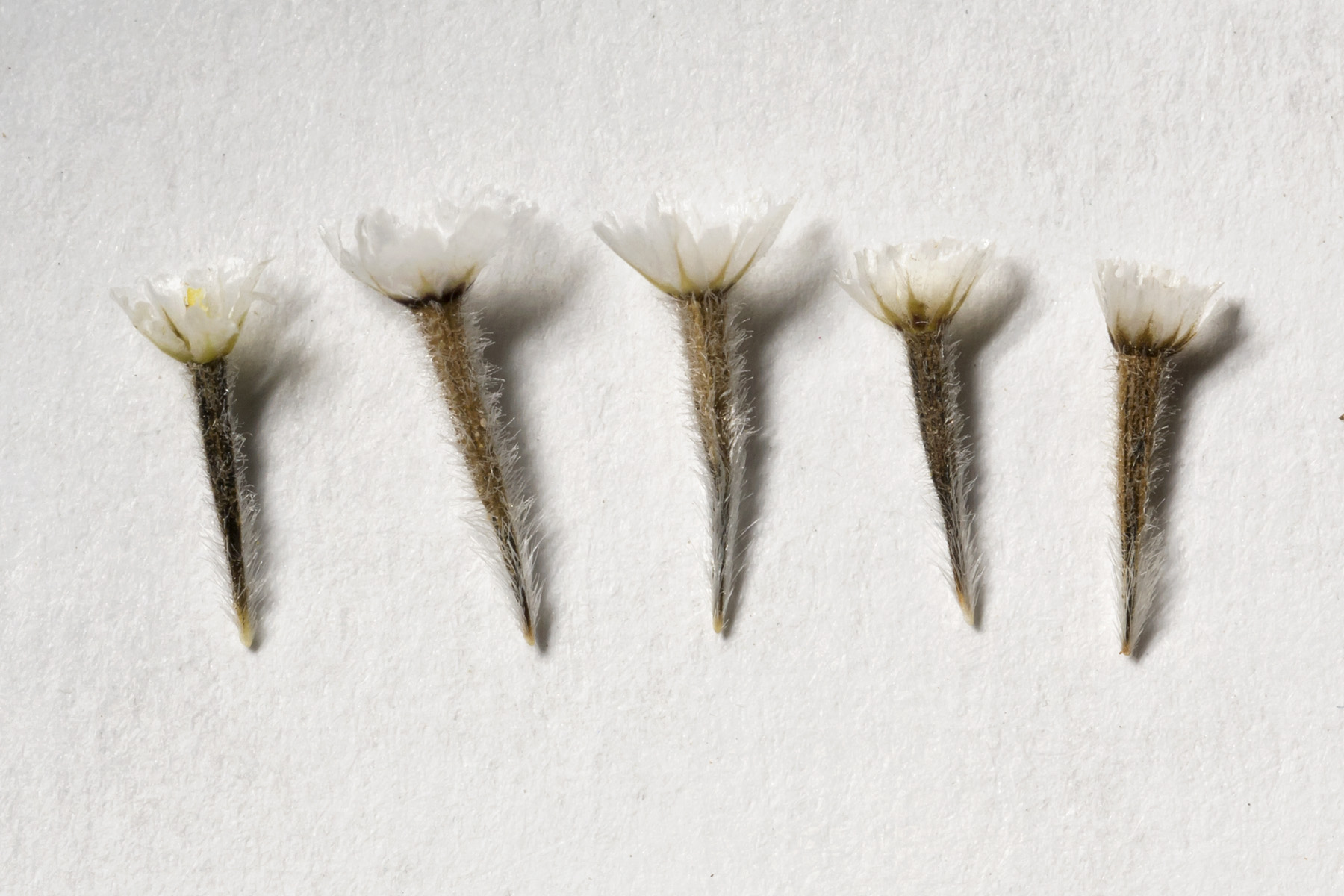
The bright yellow flower heads are composite structures typical of the Asteraceae family: a central disk of small fertile florets surrounded by 5–8 strap-like ray florets (petals). Each flower head is about ½–¾ inch across, held on slender stems above the foliage. Flowers appear from March through October, with peak blooms following both winter rains (spring bloom) and summer monsoon rains (late summer bloom). The seeds are small achenes, dispersed by wind. Desert Bahia often self-seeds to create natural colonies.
Quick Facts
| Scientific Name | Bahia absinthifolia |
| Family | Asteraceae (Daisy / Sunflower Family) |
| Plant Type | Perennial Herb |
| Mature Height | 1 ft |
| Sun Exposure | Full Sun |
| Water Needs | Low (Drought Tolerant) |
| Bloom Time | March – October (spring and post-monsoon peaks) |
| Flower Color | Bright Yellow |
| USDA Hardiness Zones | 7–10 |
Native Range
Desert Bahia is native to the Chihuahuan and Sonoran desert regions of the southwestern United States and northern Mexico. In the United States, it occurs primarily in southern and central Arizona, southern New Mexico, and western Texas, where it grows in rocky desert grasslands, limestone outcrops, and desert flats at elevations from about 2,000 to 5,500 feet. It is most common in areas that receive 10–16 inches of annual precipitation, with a distinct summer monsoon peak.
Within Arizona, Desert Bahia is most common in the southeastern corner of the state — the Chihuahuan Desert grassland transition zone — where it grows on rocky hillsides, limestone bajadas, and desert grassland flats alongside black grama, sideoats grama, and desert marigold. In New Mexico and Texas, it occurs on similar rocky, calcareous soils in the Chihuahuan Desert region. The species thrives in the open, sun-exposed habitats typical of desert grassland ecotones.
Desert Bahia extends throughout Chihuahua, Sonora, and other northern Mexican states, where it is a characteristic component of the native desert grassland flora. The species is well-adapted to the extreme temperature swings of the desert Southwest, tolerating freezing winter nights and triple-digit summer days with equal equanimity.
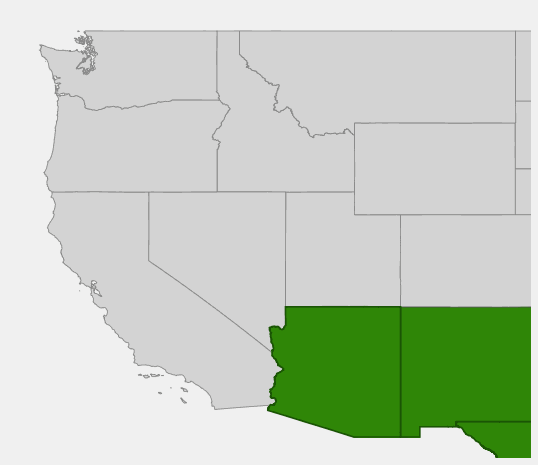
📋 Regional plant lists featuring Desert Bahia: Arizona
Growing & Care Guide
Desert Bahia is an excellent, low-maintenance wildflower for rock gardens, desert borders, and naturalistic desert landscapes. It thrives on neglect and is highly tolerant of the heat, drought, and poor soils that challenge many cultivated plants.
Light
Full sun is required for best growth and flowering. Desert Bahia evolved on open, exposed desert hillsides and grassland flats where it receives intense direct sunlight throughout the day. It will not perform well in shaded or partially shaded locations. Site it where it receives at least 8 hours of direct sun daily.
Soil & Water
Desert Bahia thrives in rocky, gravelly, or sandy well-drained soils with low fertility. It performs particularly well in limestone or calcareous soils, which mirror its natural growing conditions. Avoid clay soils or any conditions where water may stand. Once established, this plant is highly drought-tolerant and will thrive on rainfall alone in most Arizona and New Mexico locations. Supplement with occasional deep watering during prolonged dry spells. Do not overwater — excess moisture causes root rot and crown diseases.
Planting Tips
Plant container-grown Desert Bahia in fall or early spring. Seeds can be direct-sown in fall for spring germination, or sown in spring in warm soil. Space plants 12–18 inches apart for ground cover effect, or plant individually as specimen plants in rock gardens. Top-dress with gravel mulch to improve drainage and reduce weed competition. The plant self-seeds readily and may naturalize across a planting area — allow it to do so for a natural-looking colony effect.
Pruning & Maintenance
Cut back stems lightly after each main bloom period (spring and late summer) to encourage fresh growth and extend flowering. Remove dead flower stems but leave some to set seed for natural reseeding. Trim back to about 4–6 inches in late winter if the plant becomes leggy. Desert Bahia requires no fertilization and is naturally resistant to most pests and diseases in its native range.
Landscape Uses
- Rock gardens — ideal scale and texture for desert rock gardens
- Low desert borders and front-of-border plantings
- Naturalistic desert meadows — self-seeds and spreads naturally
- Ground cover on dry slopes and banks
- Wildlife gardens — excellent pollinator plant
- Containers — works well in large, well-drained desert pots
Wildlife & Ecological Value
Desert Bahia’s long bloom season — spanning much of the growing season with two main flowering peaks — makes it one of the most sustained native pollinator plants in the desert Southwest.
For Birds
The small seeds of Desert Bahia are consumed by desert sparrows, goldfinches, and other seed-eating birds. The compact, low-growing form provides ground-level cover for small birds foraging for insects and seeds. The plant’s aromatic foliage may help deter parasites from nearby ground nests.
For Mammals
The strongly aromatic foliage makes Desert Bahia resistant to deer and most browsing mammals, though jackrabbits may nibble stems occasionally. Small rodents collect and store the seeds. The low mounds provide cover for lizards and small ground insects.
For Pollinators
Desert Bahia is a reliable nectar and pollen source for small native bees, sweat bees, and other native pollinators throughout its long bloom season. The accessible, open flower structure is particularly attractive to smaller bee species, beneficial flies, and butterflies. The two peak bloom periods — spring and post-monsoon late summer — align with key pollinator activity windows in the desert Southwest.
Ecosystem Role
As a low-growing perennial herb, Desert Bahia contributes to the structural diversity of desert grassland plant communities. Its aromatic compounds may have allelopathic effects on competing plants, helping it maintain its growing space. The fibrous root system stabilizes rocky and gravelly soils, and the plant’s ability to persist and reseed after drought and grazing disturbance makes it an indicator of rangeland health in Chihuahuan Desert grasslands.
Cultural & Historical Uses
Desert Bahia has modest but interesting ethnobotanical history in the desert Southwest. The Tohono O’odham and other southwestern peoples recognized the plant’s aromatic properties and used the leaves in various traditional applications. The strongly scented foliage was used to repel insects and as a fragrant addition to sachets and bedding material. The aromatic compounds were also reportedly used in small quantities as a mild medicinal herb for digestive complaints and headaches — similar to the uses of its botanical relative, wormwood (Artemisia).
The genus name Bahia honors Juan Francisco de Bahí i Fonseca (1775–1841), a Spanish botanist and physician who made significant contributions to botanical science in the early 19th century. The species name “absinthifolia” connects the plant to the traditional herb absinthe (Artemisia absinthium), whose wormwood leaves share the same deeply divided, aromatic character as Desert Bahia’s foliage. This naming convention reflects the early botanists’ practice of describing new New World species by comparison to familiar European plants.
In modern ecological restoration and native plant horticulture, Desert Bahia is gaining recognition as a valuable component of low-water desert gardens and wildlife habitats in the Southwest. Nurseries specializing in native plants have increasingly made it available as both seeds and container plants, recognizing its value as a low-maintenance, drought-tolerant ground cover with year-round ornamental appeal and significant pollinator value. Its long bloom season and attractive silvery foliage make it especially valuable in designed desert meadow plantings.
Frequently Asked Questions
Is Desert Bahia annual or perennial?
Desert Bahia is a perennial herb — it regrows from its woody rootstock each spring. In its native range with mild winters, the plant may retain some foliage year-round. In colder areas, stems die back in winter but the plant resproutes reliably in spring.
How long does Desert Bahia bloom?
Desert Bahia has an exceptionally long bloom season, flowering from March through October in most Arizona locations. It typically has two main flowering peaks: one in spring (March–May) following winter rains, and another in late summer and fall (August–October) following the summer monsoon season.
Does Desert Bahia attract deer?
Desert Bahia is naturally deer-resistant due to its strongly aromatic foliage. The aromatic compounds that give the plant its wormwood-like scent are generally unpalatable to deer, making it a good choice for gardens in areas with high deer pressure.
Will Desert Bahia self-seed?
Yes, Desert Bahia self-seeds readily in suitable growing conditions. In a well-drained, sunny location, you may find seedlings appearing nearby each year, which can be a desirable feature for naturalizing desert plantings. Allow some spent flowers to mature and drop seed for this effect.
Can Desert Bahia grow in containers?
Yes, Desert Bahia works well in containers with excellent drainage. Use a gritty cactus mix, ensure the pot has large drainage holes, and avoid overwatering. Its compact size (1 foot) makes it ideal for large pots, rock gardens in containers, or desert-themed container arrangements.

Looking for a nursery that carries Desert Bahia?
Browse our native plant nursery directory: Arizona