Drummond Phlox (Phlox drummondii)
Phlox drummondii, commonly called Drummond Phlox or Annual Phlox, is the wildflower that first put the Texas spring bloom on the world’s map. A member of the Polemoniaceae (phlox family), it is native only to Texas, where it grows as a low, sticky-hairy annual covering pastures, prairie remnants and roadsides in sheets of magenta, pink, red, salmon and white. English plant collector Thomas Drummond gathered seed of this species near Velasco, Texas, in the 1830s and sent it back to Europe, where it became an immediate garden sensation — European and American breeders have been selecting new colors and forms from it ever since.
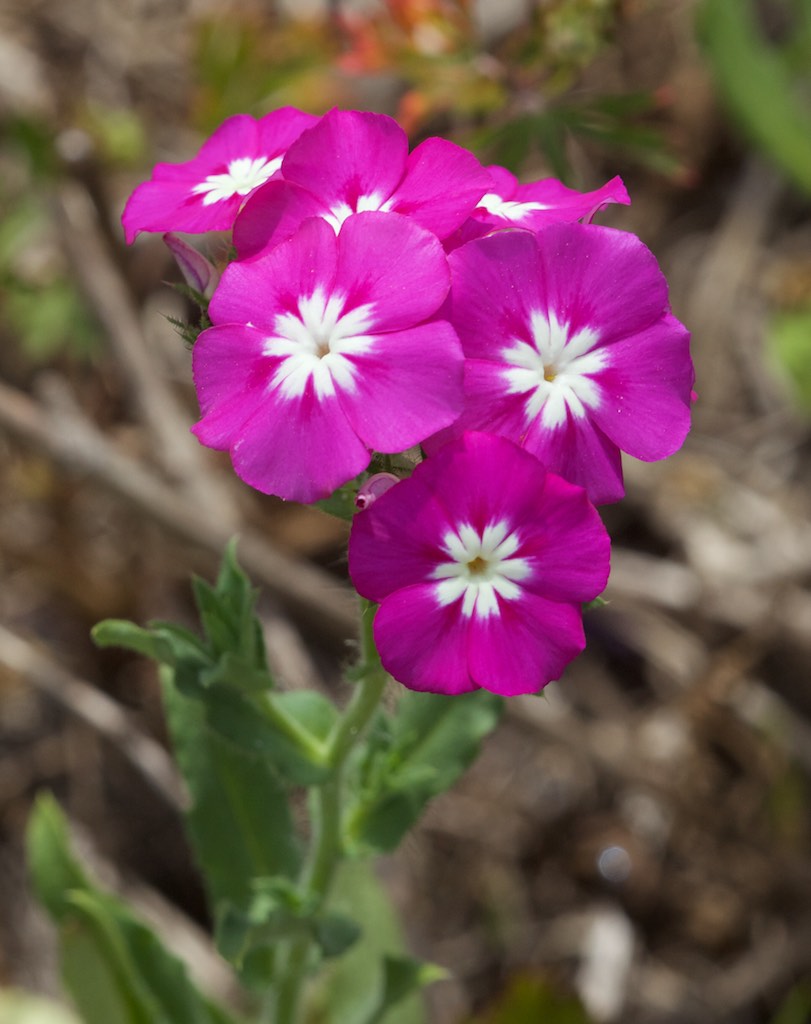
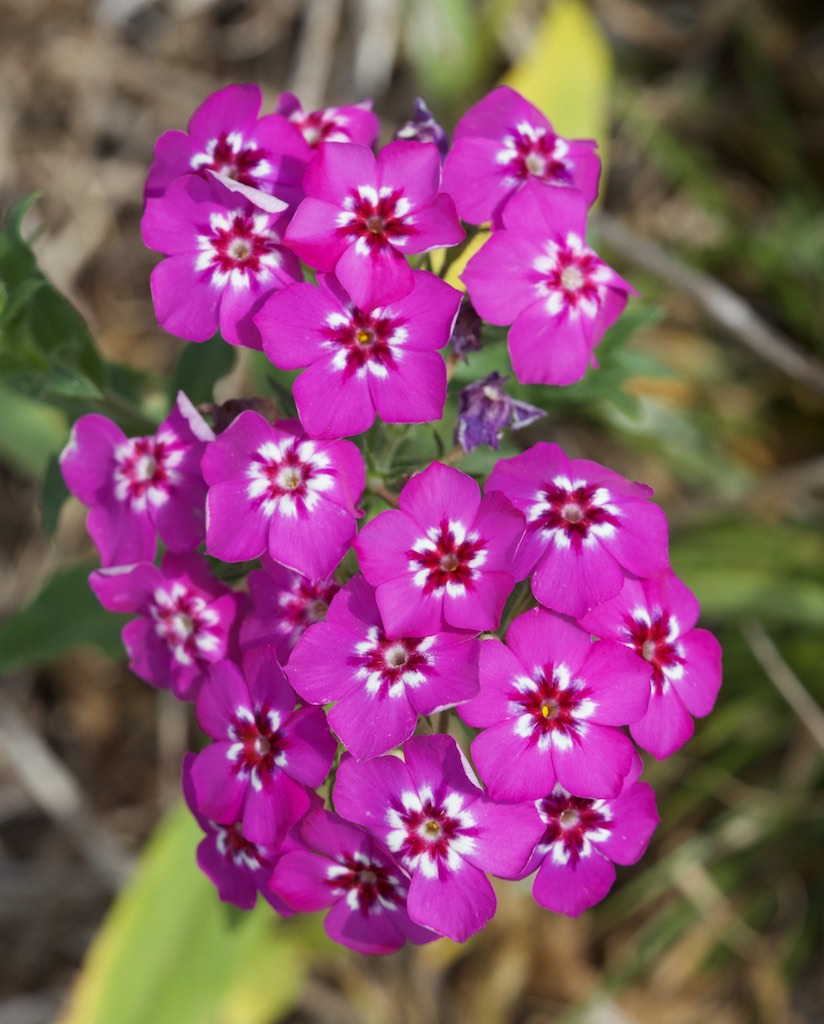
In the wild, Drummond Phlox is a modest plant, usually 6 to 18 inches tall, with five-petaled flowers about an inch across held in flat-topped clusters at the stem tips. Each flower has a contrasting “eye” of white, dark red or deep pink at its throat, and a single plant can carry dozens of blooms from March through May. Because it is an annual that reseeds freely, a healthy population looks different every year, shifting across a field as last year’s seed finds the open, disturbed ground it needs to germinate.
Drummond Phlox is an easy, high-reward plant for Texas gardens: sow seed in fall, do nothing more than keep weeds down, and enjoy a spring flower bed that asks for no irrigation once established. It is also an important early-season nectar source for butterflies and native bees, making it a staple of pocket prairies, wildflower meadows and highway plantings across its home state.
Identification
Drummond Phlox is a low-growing, branching annual forb that rarely exceeds 18 inches in height, often forming loose mounds or mats where conditions are favorable. The entire plant — stems, leaves and sepals — is covered in fine, sticky glandular hairs that give it a slightly tacky feel and a faint resinous scent when handled.
Leaves & Stems
Leaves are simple and lance-shaped to oblong, 1 to 3 inches long, with smooth margins and no teeth. Lower leaves are opposite on the stem; upper leaves become alternate as the plant grows. Stems are round, hairy, and often tinged reddish, branching repeatedly from the base to produce a bushy, many-flowered plant by bloom time.
Flowers
The flowers are the plant’s claim to fame: five flat, rounded petal lobes fused into a slender tube about ¾ inch long, flaring to a face roughly 1 inch across. Wild populations are typically magenta-pink with a white or dark-red central eye, though red, salmon, lavender and white-flowered individuals occur naturally within mixed populations. Flowers are arranged in dense, flat-topped cymes at the ends of branches and open in succession over many weeks, giving a long bloom season from March into May, occasionally lingering into June in cooler years.
Fruit & Seeds
After pollination, each flower produces a small three-chambered capsule that dries and splits open explosively, flinging seeds a short distance from the parent plant. This self-sowing habit is why a good Drummond Phlox stand tends to hold its ground and even expand slightly year to year, as long as some bare soil is available each fall for the seed to reach.
Quick Facts
| Scientific Name | Phlox drummondii |
| Family | Polemoniaceae (Phlox) |
| Plant Type | Annual Wildflower |
| Mature Height | 6–18 in |
| Mature Spread | 8–14 in |
| Growth Rate | Fast (annual) |
| Sun Exposure | Full Sun to Part Shade |
| Water Needs | Low to Moderate |
| Soil Type | Sandy, loamy or caliche; well-drained |
| Soil pH | 6.0–8.0 (neutral to alkaline) |
| Bloom Time | March – May |
| Flower Color | Magenta, pink, red, salmon, white (often bicolor eye) |
| Fall Color | Not applicable (annual, dies back after seed set) |
| Fruit | Small three-valved seed capsule |
| Deer Resistant | Moderate (sometimes browsed when young) |
| USDA Hardiness Zones | 7–10 (grown as a cool-season annual) |
Native Range
Drummond Phlox is endemic to Texas, meaning the entire wild species originates there and nowhere else. Its core range runs through the eastern two-thirds of the state, from the Blackland Prairies and Post Oak Savannah east to the Pineywoods and south along the Gulf Prairies toward the coastal bend, with scattered populations reaching into the Edwards Plateau and South Texas Plains.
Because of its garden popularity, Drummond Phlox has escaped cultivation and now appears as a roadside volunteer well outside Texas, from the Gulf Coast states to as far north as the upper Midwest and parts of New England. Those populations are introduced, not native, and typically persist only where they are reseeded along highway right-of-ways rather than forming the dense, self-sustaining stands seen on Texas rangeland.
Within Texas, Drummond Phlox favors open, disturbed or periodically grazed ground — sandy fields, prairie openings, roadside ditches and the edges of post oak woodlands — where competition from taller perennial grasses is kept in check. It is especially abundant in years following good fall rains, when the shallow-buried seed bank germinates in large numbers.
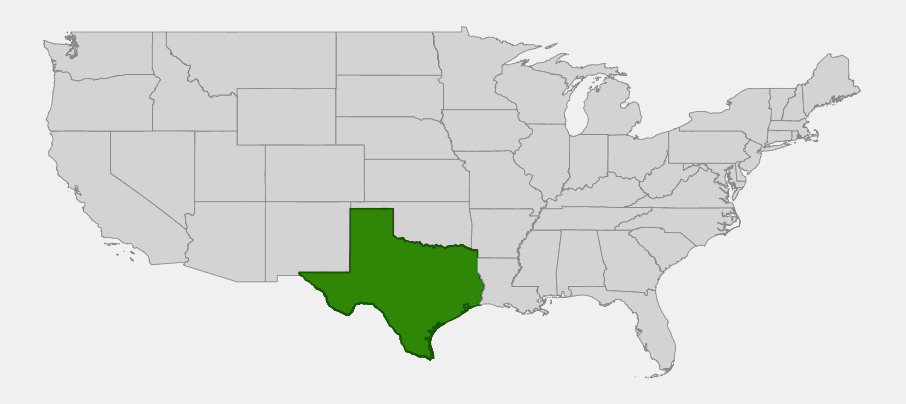
📋 Regional plant lists featuring Drummond Phlox: South and West Texas
Growing & Care Guide
Drummond Phlox is one of the easiest Texas wildflowers to establish from seed and rewards very little effort with weeks of color.
Light
Give it full sun for the heaviest bloom; it will tolerate light afternoon shade, especially in the hottest parts of the state, but flowering thins out noticeably in deeper shade.
Soil & Water
This phlox is unfussy about soil type — it grows in sand, clay loam and caliche alike — as long as drainage is reasonable. Established plants need little supplemental water; natural rainfall is usually sufficient from fall germination through spring bloom. Avoid heavy irrigation, which encourages fungal problems and lanky, floppy growth.
Planting Tips
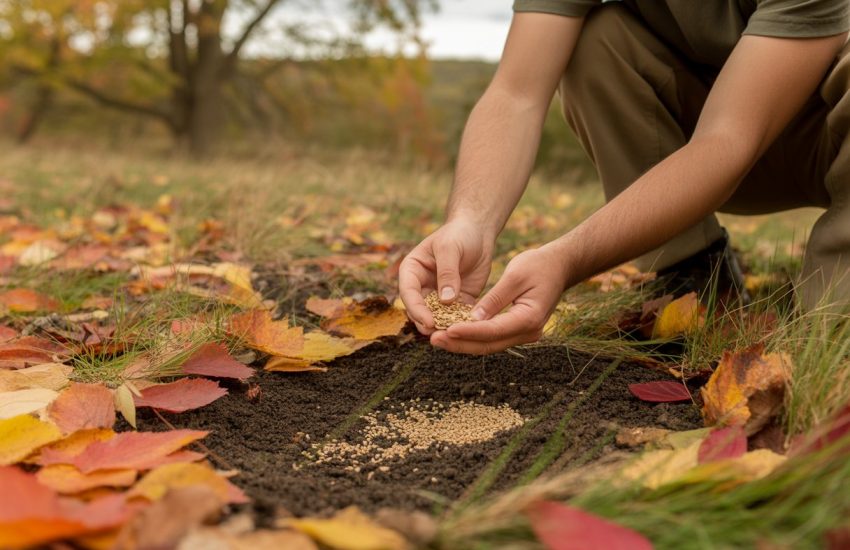
Sow seed directly on bare or lightly raked soil in September or October so it can germinate with fall rains and overwinter as a small rosette before bolting and blooming in spring. Seed needs light to germinate, so press it into the soil surface rather than burying it. Once a patch is established, resist the urge to mulch heavily over it, since next year’s seedlings need open ground to sprout.
Pruning & Maintenance
No pruning is needed. Let spent plants stand until seed capsules have dried and split to maximize next year’s return bloom, then remove the dried stalks for tidiness. In formal beds, deadheading spent clusters can extend bloom slightly but will reduce self-seeding.
Landscape Uses
Drummond Phlox earns a place in many planting styles:
- Wildflower meadows and pocket prairies, mixed with bluebonnets and other spring annuals
- Roadside and slope plantings where low maintenance and reseeding are assets
- Cottage garden borders for spring color before summer perennials take over
- Container and raised-bed plantings in small urban gardens
- Pollinator gardens as an early nectar source
Wildlife & Ecological Value
Despite its small size and short annual life cycle, Drummond Phlox plays an outsized role in supporting early-season pollinators across its Texas range.
For Pollinators
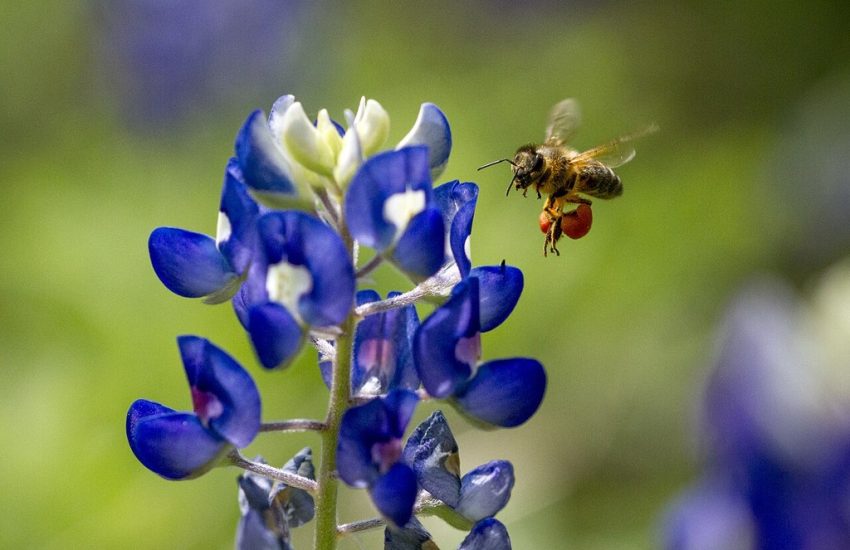
The tubular flowers are built for long-tongued visitors: swallowtail and sulphur butterflies, skippers, bumblebees, and solitary native bees all work the blooms for nectar. Because it flowers earlier than many prairie perennials, it provides a critical nectar bridge in late winter and early spring when few other food sources are available.
For Birds
While not a major bird-food plant, the dense low growth of a blooming patch offers cover for ground-feeding sparrows and towhees, and the insects it attracts in turn feed insectivorous songbirds during spring migration.
For Mammals
Young foliage is occasionally browsed by deer and rabbits, though it is not a preferred forage plant; the sticky, glandular hairs on stems and leaves likely discourage heavier grazing.
Ecosystem Role
As a fast-cycling annual, Drummond Phlox helps stabilize and color disturbed ground between bouts of grazing or mowing, and its reliance on a persistent soil seed bank makes it a useful indicator of healthy, undisturbed topsoil in Texas prairie remnants.
Cultural & Historical Uses
Drummond Phlox has a history that is almost entirely horticultural rather than utilitarian. Scottish botanist Thomas Drummond collected seed of the species near the mouth of the Brazos River in the early 1830s during his plant-hunting expedition through the newly independent Republic of Texas, sending it to the Glasgow Botanic Garden.
The plant was an instant hit in Europe, where it quickly became one of the most widely grown annual bedding flowers of the Victorian era. Breeders in England, Germany and later the United States selected dozens of color forms and flower shapes from the wild Texas stock, including star-shaped, double, and dwarf cultivars still sold today as “Drummond’s phlox” or simply “annual phlox.”
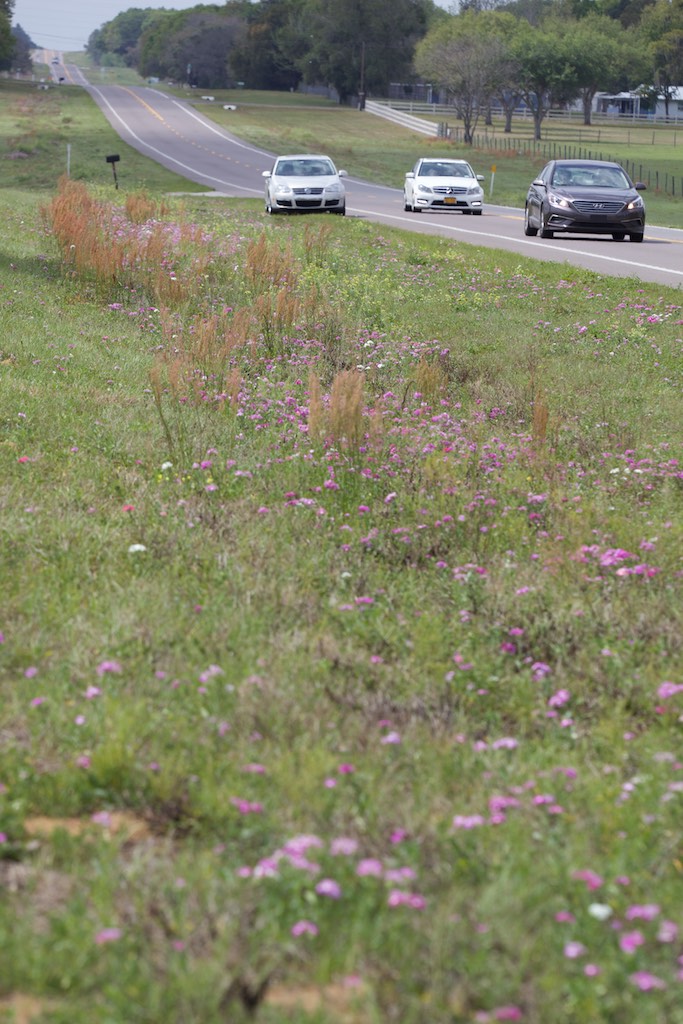
In Texas itself, the species has long been a beloved harbinger of spring, carpeting pastures and roadsides alongside bluebonnets and Indian paintbrush. The Texas Department of Transportation has planted it along highways for decades as part of its wildflower program, cementing its place as an icon of the Texas spring landscape.
Frequently Asked Questions
Is Drummond Phlox the same plant sold as “annual phlox” at garden centers?
Often, yes — many nursery seed packets labeled “annual phlox” or “Phlox drummondii” are cultivated selections bred from this wild Texas species, though some have been selected for colors and forms not seen in the wild population.
Will Drummond Phlox come back every year?
It is a true annual, so individual plants die after setting seed. A healthy patch returns year after year from self-sown seed, provided some bare soil is available each fall for germination.
Does Drummond Phlox need to be deadheaded?
No. Leaving spent flowers to form and drop seed capsules is how the patch renews itself the following spring. Deadhead only if you prefer tidiness over self-seeding.
Is Drummond Phlox native outside of Texas?
No. It is native only to Texas. Populations found growing along roadsides in other Southern and Midwestern states are escapes from cultivation, not naturally occurring wild populations.
What other wildflowers pair well with Drummond Phlox?
In Texas meadow plantings it is traditionally combined with Texas bluebonnet, Indian paintbrush, and Indian blanket, all of which bloom on a similar spring schedule and share the same sunny, well-drained growing conditions.

Looking for a nursery that carries Drummond Phlox?
Browse our native plant nursery directory: Texas