Smooth Sotol (Dasylirion leiophyllum)
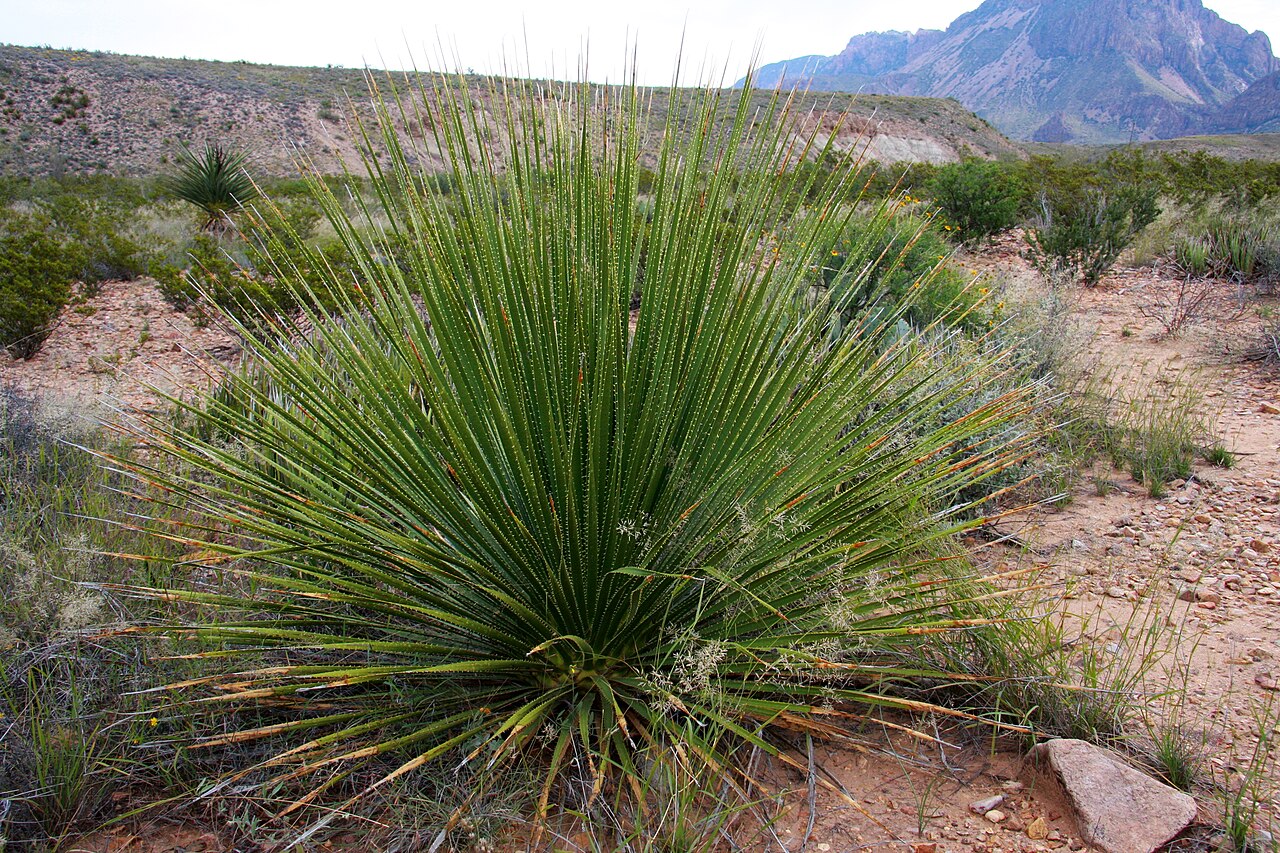
Dasylirion leiophyllum, commonly known as Smooth Sotol or Green Sotol, is a striking, long-lived succulent that forms a dense, globe-shaped rosette of narrow, fibrous leaves across the limestone hills and desert grasslands of the Trans-Pecos and southern New Mexico. A member of the Asparagaceae family, it is closely related to true sotols and the Texas state plant, Sotol (Dasylirion wheeleri and relatives), and serves a nearly identical ecological role: a tough, drought-defying anchor plant of the Chihuahuan Desert.
Smooth Sotol grows slowly from a short, thick underground stem, eventually developing a visible woody trunk after many years and producing hundreds of stiff, blue-green to yellow-green leaves that radiate outward in a nearly perfect sphere. Despite the “smooth” in its common name — a reference to its glossier leaf surface compared to some relatives — the leaf margins bear small, hooked teeth that curve toward the leaf base, a detail worth knowing before handling the plant.
For gardeners across the Trans-Pecos, southern New Mexico, and similar hot, dry climates, Smooth Sotol offers an unusually long-lived, architecturally bold accent that asks for almost nothing beyond sun and drainage. Mature specimens, some many decades old, become genuine landscape landmarks — a living record of the desert’s patience.
Identification
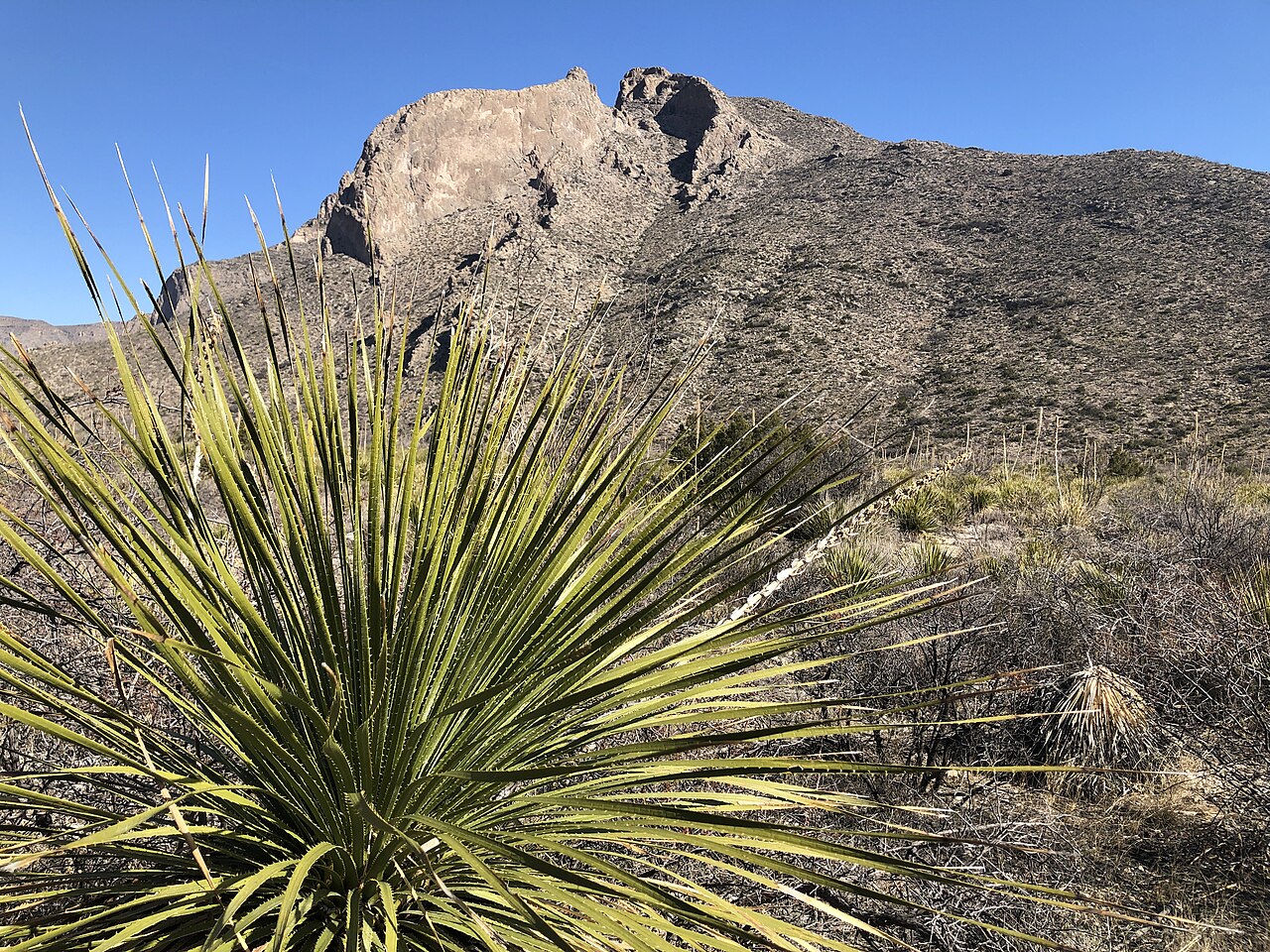
Smooth Sotol forms a dense, rounded rosette 3 to 6 feet tall and wide, composed of hundreds of narrow leaves radiating from a central crown. With age, a short, thick trunk becomes visible beneath the rosette, though the plant remains much shorter and more compact than tree-forming yuccas. Growth is extremely slow, and sizable specimens may be decades old.
Leaves
The leaves are thin, stiff, and strap-like, typically 2 to 3 feet long and under an inch wide, colored blue-green to yellow-green with a relatively smooth, glossy surface compared to the rougher-leaved Desert Spoon (Dasylirion wheeleri). The leaf margins carry small, hooked teeth that curve back toward the leaf base — a key identification feature distinguishing Smooth Sotol from other sotol species, whose teeth may point outward or in a different pattern. Leaf tips are not as sharply dagger-like as a yucca’s but can still scratch skin.
Flowers
Smooth Sotol is dioecious, meaning individual plants are either male or female. Mature plants, typically after many years of growth, send up a dramatic flowering stalk 8 to 15 feet tall from the center of the rosette, bearing a long, plume-like panicle crowded with thousands of tiny cream to pale yellow flowers. Bloom occurs in late spring to early summer, and the stalk’s sheer height makes flowering Smooth Sotol visible from a considerable distance across open desert terrain.
Fruit & Seeds
Female plants produce small, dry, winged seeds carried in papery, three-sided fruits along the flower stalk. The dried flower stalks often remain standing for a year or more after blooming, providing a long-lasting architectural and wildlife feature even after the main flowering display has finished.
Quick Facts
| Scientific Name | Dasylirion leiophyllum |
| Family | Asparagaceae |
| Plant Type | Evergreen Succulent Shrub |
| Mature Height | 3–6 ft (leaves); flower stalk 8–15 ft |
| Mature Spread | 4–6 ft |
| Growth Rate | Very slow |
| Sun Exposure | Full Sun |
| Water Needs | Low |
| Soil Type | Rocky, limestone or caliche, well-drained |
| Soil pH | 7.0–8.5 (neutral to alkaline) |
| Bloom Time | May – July |
| Flower Color | Cream to pale yellow |
| Fall Color | None (evergreen) |
| Fruit | Small, dry, winged, papery three-sided fruit |
| Deer Resistant | Yes (tough, toothed leaves) |
| USDA Hardiness Zones | 7–10 |
Native Range
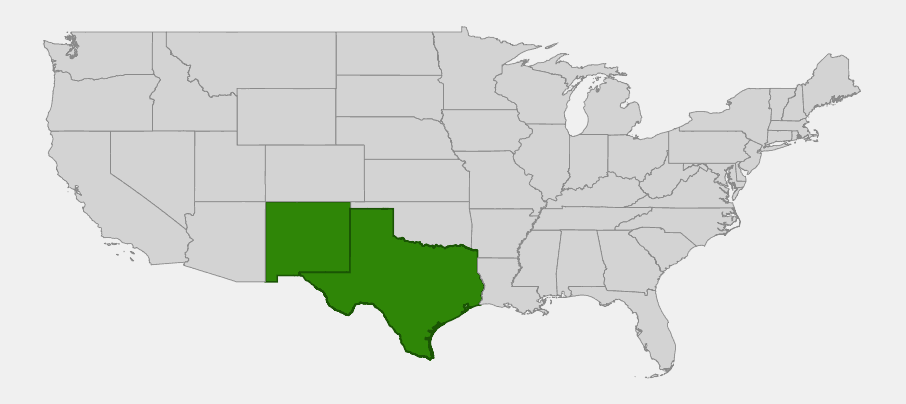
Smooth Sotol is native to the Chihuahuan Desert, occurring across the Trans-Pecos region of far west Texas and extending into southern New Mexico, with its range continuing south into Chihuahua and Coahuila, Mexico. Within Texas it is especially common in the Big Bend region, the Davis Mountains, and the Guadalupe Mountains, often forming extensive stands on open limestone slopes.
Across this range, Smooth Sotol favors rocky, well-drained limestone hillsides, desert grassland flats, and canyon slopes, typically between 3,000 and 7,000 feet elevation. It is a defining component of Chihuahuan Desert scrub and grassland, frequently growing alongside agaves, yuccas, and sotol relatives in classic Trans-Pecos plant communities.
Because Smooth Sotol’s confirmed native range spans both Texas and New Mexico, it is appropriate for regional native-plant lists covering the South and West Texas Trans-Pecos as well as Arizona and New Mexico landscapes. It is not native to Arizona itself, though it is sometimes grown there and in other arid western gardens outside its natural range.
📋 Regional plant lists featuring Smooth Sotol: South and West Texas · Arizona & New Mexico
Growing & Care Guide
Smooth Sotol is an extremely low-maintenance, long-lived accent plant, but its very slow growth rate means patience is part of the deal.
Light
Full sun is essential for a dense, healthy rosette and eventual flowering. Plants grown in shade become sparse and etiolated and rarely reach flowering maturity.
Soil & Water
Sharp drainage is critical. Smooth Sotol is built for thin, rocky limestone or caliche soils and will rot in heavy clay or any site where water stands. Once established, it requires no supplemental irrigation across most of its native range and should be watered only sparingly during the first year or two after planting.
Planting Tips
Plant from containers in spring or fall, siting the specimen with its eventual 4- to 6-foot spread in mind and well away from walkways given the toothed leaf margins. Raised beds, slopes, or soil amended with crushed limestone or decomposed granite improve drainage in gardens with heavier native soil.
Pruning & Maintenance
Maintenance is minimal. Remove only dead or damaged leaves at the base; the plant does not need shaping. Spent flower stalks may be left standing for a season or more as a dramatic winter silhouette, or cut back once fully dry if a tidier look is preferred. Wear thick gloves when handling the plant, since the hooked marginal teeth can catch skin and clothing.
Landscape Uses
Smooth Sotol’s bold, rounded form and extreme toughness suit several landscape roles:
- Specimen or focal point in desert and xeriscape gardens
- Chihuahuan Desert habitat restoration plantings
- Rock gardens paired with agave, yucca, and native grasses
- Erosion control on dry limestone or caliche slopes
- Long-term landscape anchor for xeriscapes meant to mature over decades
- Wildlife gardens supporting native pollinators and ground-dwelling animals

Wildlife & Ecological Value
Smooth Sotol is a significant resource for Chihuahuan Desert wildlife, particularly during its dramatic but infrequent flowering events.
For Pollinators
The towering flower stalks, when they appear, produce an enormous number of small flowers that attract a wide range of native bees and other insects, providing a concentrated nectar and pollen source visible and accessible from a considerable distance in open desert terrain.
For Birds
The dense, spiny rosette provides secure nesting and roosting cover for desert birds, while the tall dried flower stalks are sometimes used as perches by raptors and other birds surveying open desert grassland.
For Mammals
Javelina and other desert mammals will feed on the flower stalks and tender basal tissue, especially in drought years when other forage is scarce. The dense leaf base provides shelter for small mammals and reptiles.
Ecosystem Role
As an extremely long-lived, slow-growing structural plant, Smooth Sotol provides stable vertical habitat in desert grassland and scrub for decades, and its root system helps anchor rocky slopes against erosion. Because individual plants may take many years to flower, mature stands represent a significant, hard-to-replace ecological investment within Chihuahuan Desert plant communities.
Cultural & Historical Uses
Like other sotols of the Chihuahuan Desert, Smooth Sotol has long been used by Indigenous peoples of the region, including Apache and other groups, for food and fiber. The tender core of the stem — the “head” of the plant, resembling the agave heart used to make tequila and mezcal — was traditionally roasted in earthen pits for an extended period to convert its starches into digestible sugars, producing a sweet, fibrous food.
The tough leaf fibers of sotol species were used for cordage, basketry, and matting, and the dried flower stalks served as lightweight building material and tool handles. In parts of the Trans-Pecos and northern Mexico, related sotol species remain the base ingredient for Sotol, a traditional distilled spirit with protected regional status similar to mezcal.
Today, Smooth Sotol is primarily valued in xeriscape and native-plant horticulture as a long-lived, architecturally distinctive accent plant, and it continues to play a cultural role in the traditional foodways and craft practices of communities across its Chihuahuan Desert range.
Frequently Asked Questions
How is Smooth Sotol different from Desert Spoon (Dasylirion wheeleri)?
Smooth Sotol has somewhat glossier, smoother leaves and is native to Texas and New Mexico, while Desert Spoon is more silvery-blue and is primarily native to Arizona and New Mexico. The two can be difficult to distinguish without close inspection of leaf texture and marginal teeth.
How long does Smooth Sotol take to flower?
Growth is very slow, and plants may take many years — sometimes a decade or more from a young specimen — before reaching flowering maturity. Flowering is not guaranteed every year even in mature plants.
Is Smooth Sotol dangerous to have in the yard?
The leaf margins bear small, hooked teeth that can scratch skin and catch on clothing, so it should be sited away from walkways and areas where people or pets brush against plants regularly. It is not reported as toxic.
Can Smooth Sotol survive cold winters?
Yes, within its native Trans-Pecos and New Mexico range it tolerates winter temperatures well into the teens or lower Fahrenheit without damage, reflecting its adaptation to high desert elevations with cold winter nights.
Can I eat the stem of my garden Smooth Sotol like traditional sotol roasting?
Traditional pit-roasting of sotol hearts is a historical food-preparation practice requiring specific knowledge and equipment; harvesting the core kills the plant, so this is not a casual or recommended activity for an established landscape specimen.

Looking for a nursery that carries Smooth Sotol?
Browse our native plant nursery directory: Texas · New Mexico