Blackbrush Acacia (Vachellia rigidula)
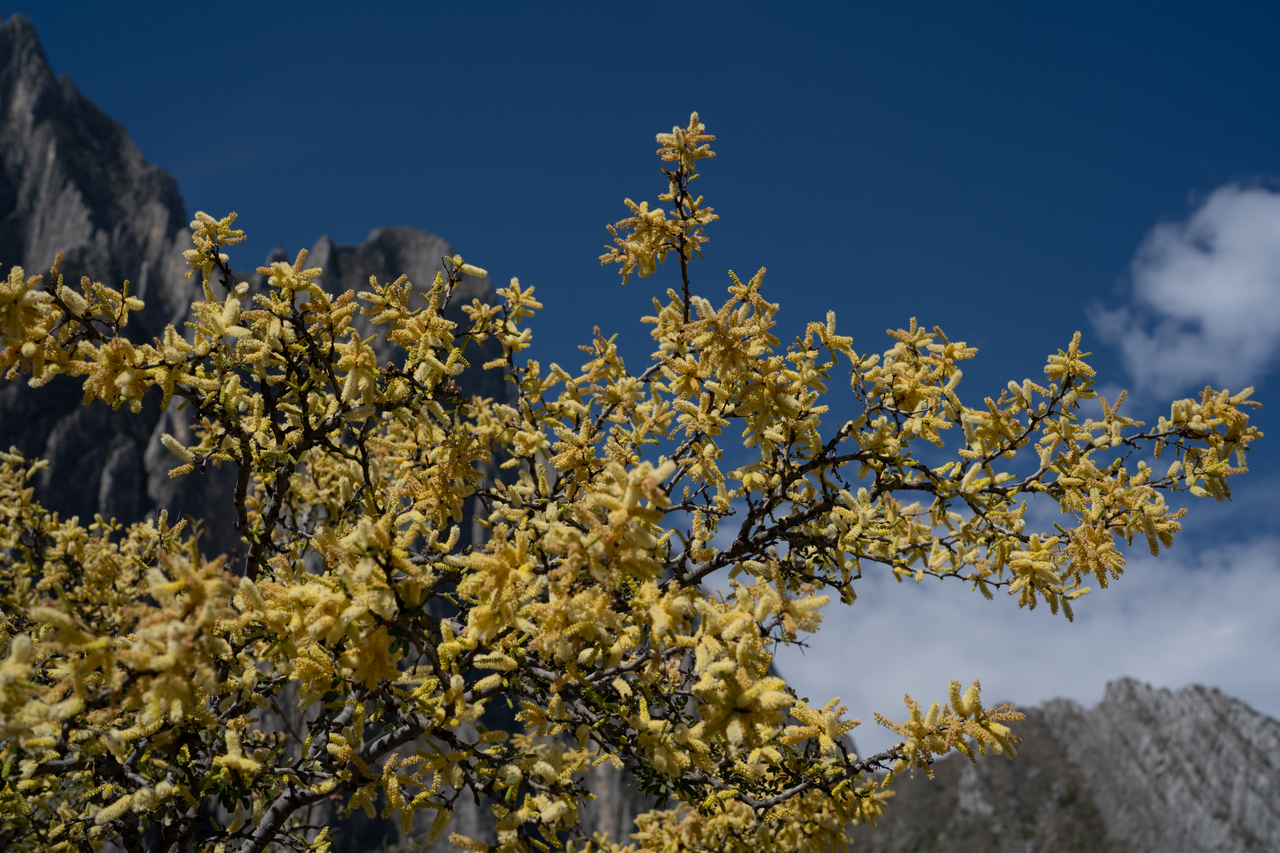
Vachellia rigidula, known to most Texans simply as Blackbrush Acacia or by its Spanish name, chaparro prieto, is one of the toughest and most characteristic shrubs of the South Texas brush country. Formerly classified as Acacia rigidula, it belongs to the legume family (Fabaceae) and shares the familiar puffball flower clusters and paired thorns of its acacia relatives. Dense, dark, and thorny, blackbrush acacia forms thickets on limestone hillsides and canyon slopes across its native range, where early spring brings a spectacular flush of small, fragrant, pale-yellow flower clusters that cover the plant before the leaves fully emerge.
Growing 5 to 15 feet tall as a many-branched shrub or small tree, blackbrush acacia is built for heat, drought, and thin rocky soil. Its finely divided, feathery leaves and gray, thorny stems give it a soft look from a distance that belies how impenetrable a mature thicket actually is up close — a trait ranchers and wildlife both have long put to use, the former for living fences, the latter for secure nesting and escape cover.
For South and West Texas gardeners wanting an authentic, low-water native thicket or screening shrub, blackbrush acacia delivers reliable spring fragrance, excellent drought tolerance, and genuine wildlife value, though its stout thorns mean it is best sited away from walkways and play areas.
Identification
Blackbrush acacia is a densely branched, thorny shrub or small tree typically reaching 5 to 15 feet tall, occasionally more under good conditions, with a rounded to irregular crown and dark gray to blackish bark that gives the plant its common name.
Bark & Stems
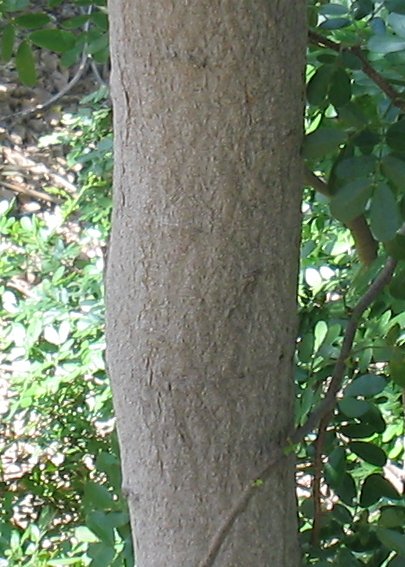
Young stems are slender and gray-brown, armed with paired, straight to slightly curved thorns up to about 1 inch long at the nodes. Older bark darkens to a dusky gray-black, rough and furrowed, contributing to the “black” in blackbrush.
Leaves
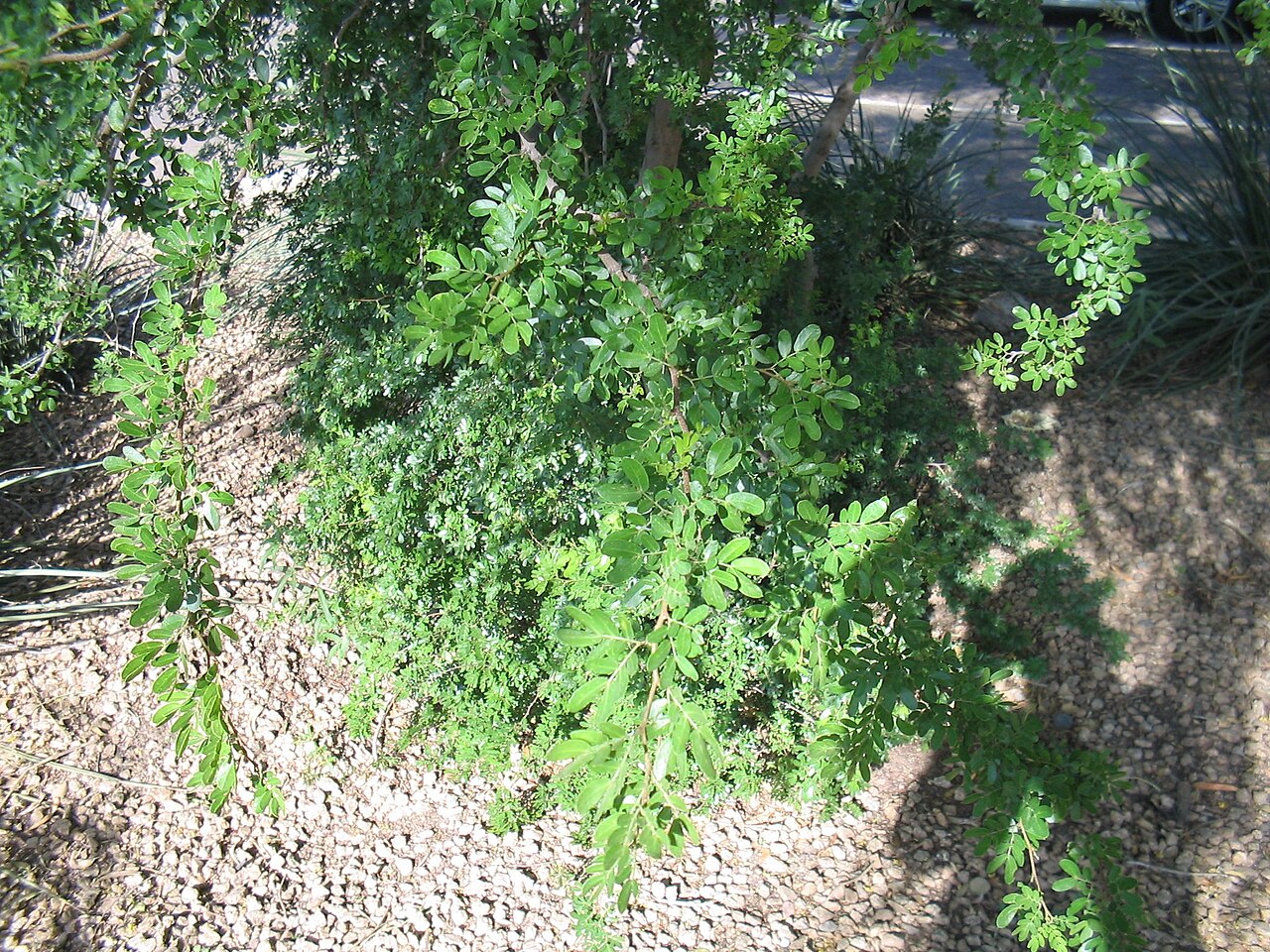
Leaves are bipinnately compound (twice-divided, feather-like), with several pairs of pinnae each bearing numerous tiny, narrow leaflets, giving the foliage a soft, lacy texture typical of acacias. The fine-textured leaves are evergreen to semi-evergreen depending on winter severity.
Flowers
Flowers appear in dense, round to slightly elongated puffball clusters about ½ inch across, pale yellow to cream, and strongly fragrant. Bloom is heaviest in late winter to early spring, often from February through April, frequently appearing on bare or nearly bare branches ahead of new leaf growth, with lighter repeat bloom possible after summer rains.
Fruit & Seeds
Flowers are followed by flattened, narrow seed pods 2 to 4 inches long that ripen from green to reddish-brown, each containing several hard, bean-like seeds. Pods persist on the shrub well after ripening and split open to release seed.
Quick Facts
| Scientific Name | Vachellia rigidula (syn. Acacia rigidula) |
| Family | Fabaceae (Legume) |
| Plant Type | Evergreen to Semi-evergreen Shrub / Small Tree |
| Mature Height | 5–15 ft |
| Mature Spread | 5–12 ft |
| Growth Rate | Slow to moderate |
| Sun Exposure | Full Sun |
| Water Needs | Low |
| Soil Type | Rocky, caliche or limestone-derived; well-drained |
| Soil pH | 7.0–8.5 (neutral to alkaline) |
| Bloom Time | February – April (light repeat after rain) |
| Flower Color | Pale yellow to cream |
| Fall Color | None; evergreen to semi-evergreen |
| Fruit | Flat reddish-brown seed pods, 2–4 in |
| Deer Resistant | Yes (thorny) |
| USDA Hardiness Zones | 8–11 |
Native Range
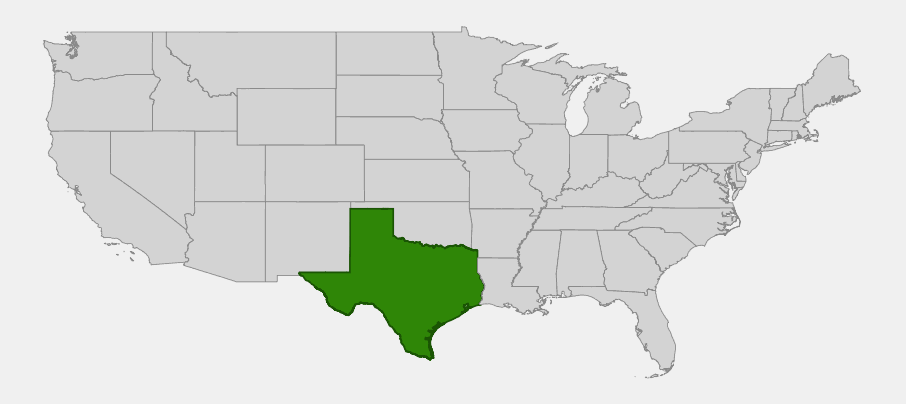
Blackbrush acacia is native to South Texas, where it is a dominant and defining shrub of the Tamaulipan thornscrub that covers much of the Rio Grande Plains, extending south through the brushlands of northeastern Mexico into the central part of the country.
It grows on dry limestone hillsides, caliche flats, canyon slopes, and brushy rangeland, usually in full sun, often forming dense thickets in association with other thornscrub shrubs. It is especially characteristic of the South Texas brush country around the Rio Grande Plains and the lower Rio Grande Valley.
Blackbrush acacia is not native outside this South Texas and northeastern Mexico range; it is occasionally planted in warm, dry landscapes elsewhere in Texas but should not be assumed hardy or appropriate much beyond USDA zone 8.
📋 Regional plant lists featuring Blackbrush Acacia: South & West Texas
Growing & Care Guide
Blackbrush acacia is extremely low-maintenance once established, asking for little beyond full sun and soil that drains quickly after rain.
Light
Plant in full sun. Blackbrush acacia is adapted to open, unshaded brush country and flowers and fills in most densely when it gets a full day of direct sunlight; in shadier spots it grows thinner and blooms less.
Soil & Water
Rocky, caliche, or limestone-derived soils with sharp drainage are ideal, mirroring its native hillsides. It is highly drought tolerant once established, needing supplemental irrigation only during the first year or two while the root system develops; established plants tolerate long dry spells typical of South Texas summers without decline.
Planting Tips
Set out container-grown plants in spring after the last frost, siting them well away from walkways, patios, and areas with foot traffic because of the stout thorns. Space plants 6 to 10 feet apart if planting for a thicket or screen. Young plants benefit from occasional deep watering until a deep taproot is established.
Pruning & Maintenance
Little pruning is needed beyond removing dead or damaged wood. Where a cleaner, more tree-like form is wanted, lower branches can be selectively removed to raise the canopy, but blackbrush acacia is often left unpruned and allowed to develop its naturally dense, thicket-forming habit. Wear heavy gloves when working around the plant due to its thorns.
Propagation
Propagate from seed, which benefits from scarification (nicking the hard seed coat) or a hot-water soak to improve germination, mimicking the scarring effect of passage through an animal’s digestive tract or natural weathering in the wild.
Landscape Uses
Blackbrush acacia is well suited to:
- Living hedges and security screens, thanks to its dense, thorny growth
- Wildlife thickets for nesting and escape cover
- Xeriscape and low-water landscaping in South and West Texas
- Native hedgerows along property lines
- Erosion control on dry, rocky slopes
Wildlife & Ecological Value
Blackbrush acacia is one of the most important nectar and cover plants of the South Texas brush country, prized by ranchers and wildlife managers alike.
For Pollinators
The fragrant spring flower clusters draw heavy traffic from honeybees and native bees; blackbrush acacia is regarded as one of the best honey plants in South Texas, producing a well-regarded light, mild honey wherever it blooms in abundance.
For Birds
The dense, thorny thickets provide excellent nesting cover and protection from predators for a range of South Texas brushland birds, including quail, which use blackbrush stands heavily for escape cover and roosting.
For Mammals
White-tailed deer browse the foliage, and the seed pods are eaten by various small mammals. The dense thicket structure blackbrush acacia forms is valuable escape and bedding cover for deer and other brushland wildlife across its range.
Ecosystem Role
As a nitrogen-fixing legume, blackbrush acacia helps enrich the thin, rocky soils of the Tamaulipan thornscrub it inhabits, and its dense thicket growth habit is a defining structural element of South Texas brush country, providing the vertical cover that many thornscrub wildlife species depend on.
Cultural & Historical Uses
Blackbrush acacia, known locally as chaparro prieto, has long been recognized by South Texas ranchers as one of the region’s best honey-producing plants, and its wood has traditionally been used for fence posts and firewood because of its density and durability.
The plant’s leaves have been the subject of phytochemical research after unusually high numbers of trace alkaloid compounds were reported in laboratory analyses; these findings led to its inclusion in some weight-loss dietary supplements marketed under the related historical name Acacia rigidula. Subsequent regulatory review found some of those supplements adulterated with a synthetic stimulant not naturally present in the plant, and questions remain among researchers about whether some of the originally reported trace compounds reflected genuine plant chemistry or laboratory artifacts. This history is a caution about unregulated supplements, not a basis for any home use of the plant, and blackbrush acacia should not be considered a safe plant to consume.
Historically, dense stands of blackbrush acacia also served ranchers as natural living fences, its thorny thickets forming an effective barrier for containing livestock on South Texas rangeland long before the widespread use of wire fencing.
Frequently Asked Questions
Is blackbrush acacia the same plant as Acacia rigidula?
Yes. Acacia rigidula is the older scientific name for this species; it was reclassified into the genus Vachellia and is now properly called Vachellia rigidula, though the older name is still widely used in nursery trade and older references.
Is blackbrush acacia safe to eat or use medicinally?
No. The species has been linked to dietary supplements found to contain an unapproved synthetic stimulant, and its safety for human consumption has not been established. It should not be eaten or used as a home remedy.
How much water does blackbrush acacia need?
Very little once established. Regular watering during the first one to two years helps the root system develop, after which it is highly drought tolerant and needs supplemental water only in extended dry spells.
Does blackbrush acacia have thorns?
Yes, paired thorns up to about an inch long grow at the leaf nodes along the stems, so it is best planted away from walkways, patios, and play areas.
What is blackbrush acacia good for in a wildlife garden?
Its fragrant spring flowers are an excellent nectar source for bees, and its dense, thorny growth provides valuable nesting and escape cover for quail, songbirds, and deer in South Texas landscapes.

Looking for a nursery that carries Blackbrush Acacia?
Browse our native plant nursery directory: Texas