Golden Cholla (Cylindropuntia echinocarpa)
Cylindropuntia echinocarpa, commonly known as Golden Cholla (also Silver Cholla or Wiggins’ Cholla), is a shrubby, many-branched cactus of the Mojave and western Sonoran Deserts, instantly recognizable by its dense coat of long, straw-yellow to silvery-white spines that catch the low desert sun and seem to glow from a distance. It is one of the smaller shrub chollas, typically forming a rounded, densely branched bush 1.5 to 4 feet tall, built up from cylindrical, spine-covered segments that readily detach and root where they fall.
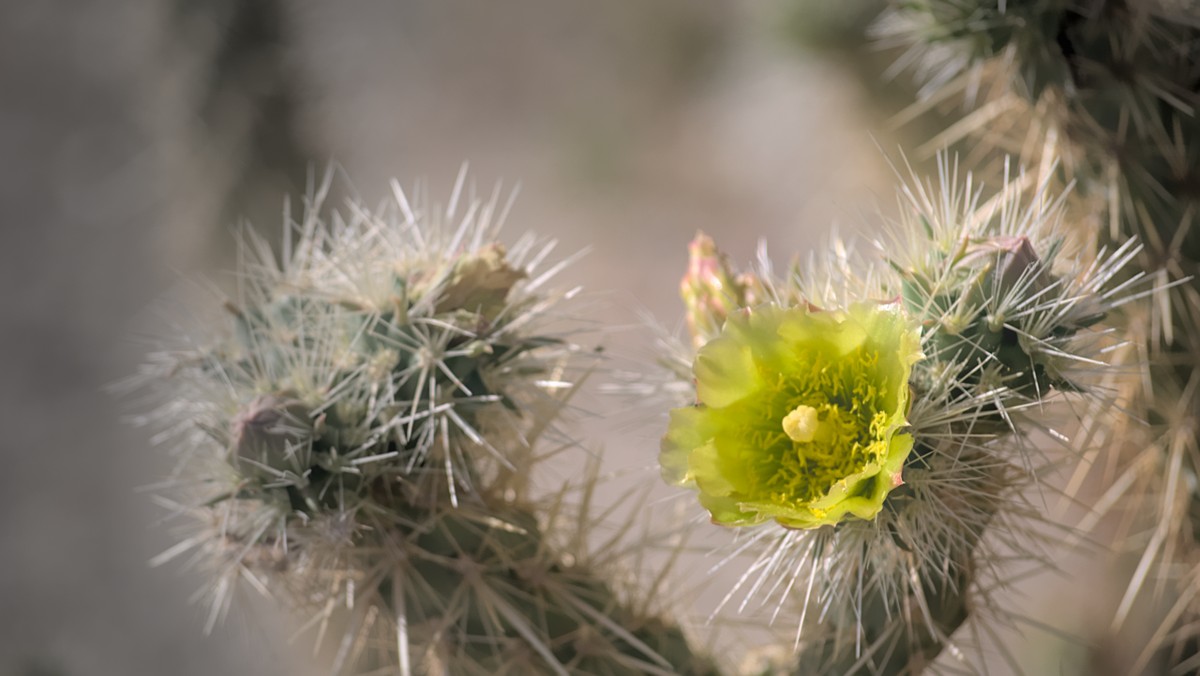
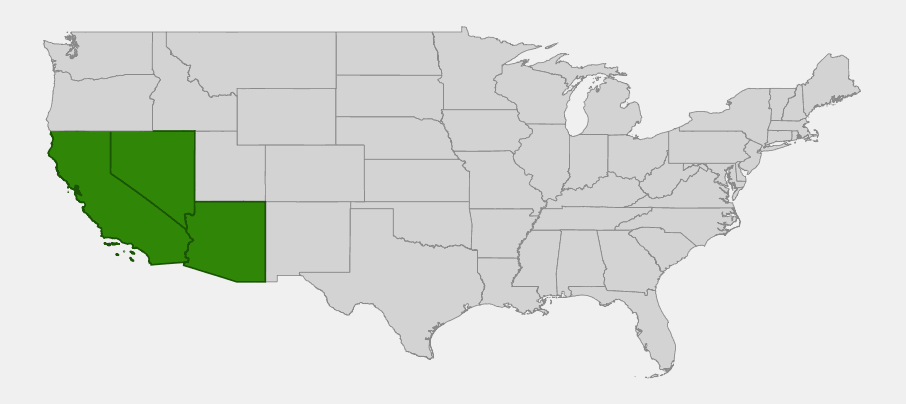
Golden cholla is a true plant of the open desert, growing on gravelly bajadas, sandy flats and rocky slopes across the Mojave Desert of California and Nevada and into western Arizona, usually in the company of creosote bush, white bursage and other low desert shrubs. Its pale yellow-green flowers, tipped with a flush of pink or bronze on the outer petals, open in mid-spring and are followed by distinctive dry, spiny, bur-like fruits that persist on the plant through much of the year.
In the native-plant garden, golden cholla offers a striking silvery-gold silhouette and a tough, carefree constitution, but it demands respect: the spines are needle-sharp, barbed, and detach easily on contact, making placement away from paths and play areas essential. Handled thoughtfully, it is an excellent accent and barrier plant for xeriscape gardens throughout its native range.
Identification
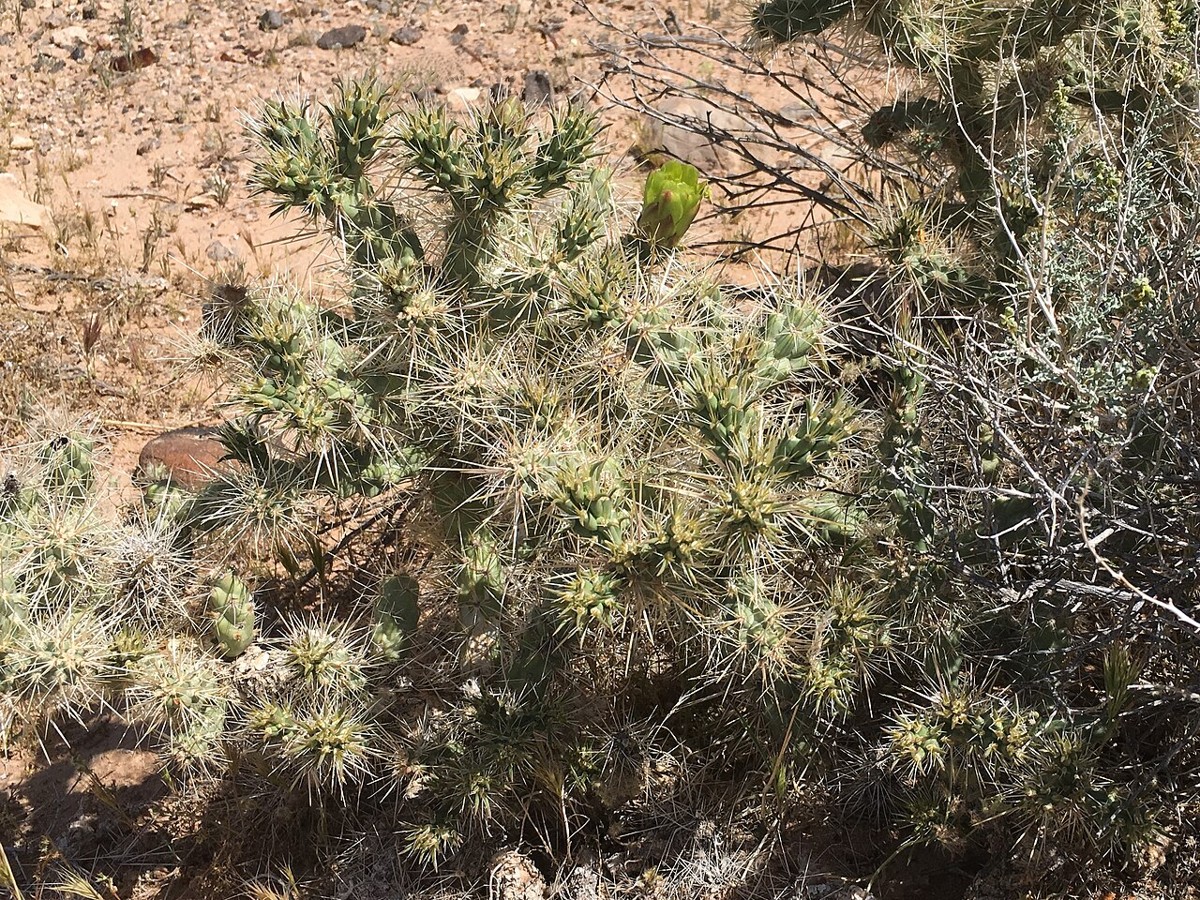
Golden cholla grows as a many-branched, rounded to sprawling shrub, usually 1.5 to 4 feet tall and somewhat wider, built from cylindrical stem segments (“joints”) 2 to 6 inches long and about 1 inch thick. Older plants develop a short, woody trunk at the base, with younger green joints radiating outward and upward from it.
Spines
The spines are the plant’s defining feature: numerous, straight to slightly curved, 1 to 1.5 inches long, and colored straw-yellow to silvery-white, sometimes with a golden sheen in direct sun — hence both common names, golden and silver cholla. Each areole bears several spines along with a tuft of fine, barbed bristles (glochids) that detach at the lightest touch and are more irritating to skin than the larger spines themselves.
Flowers
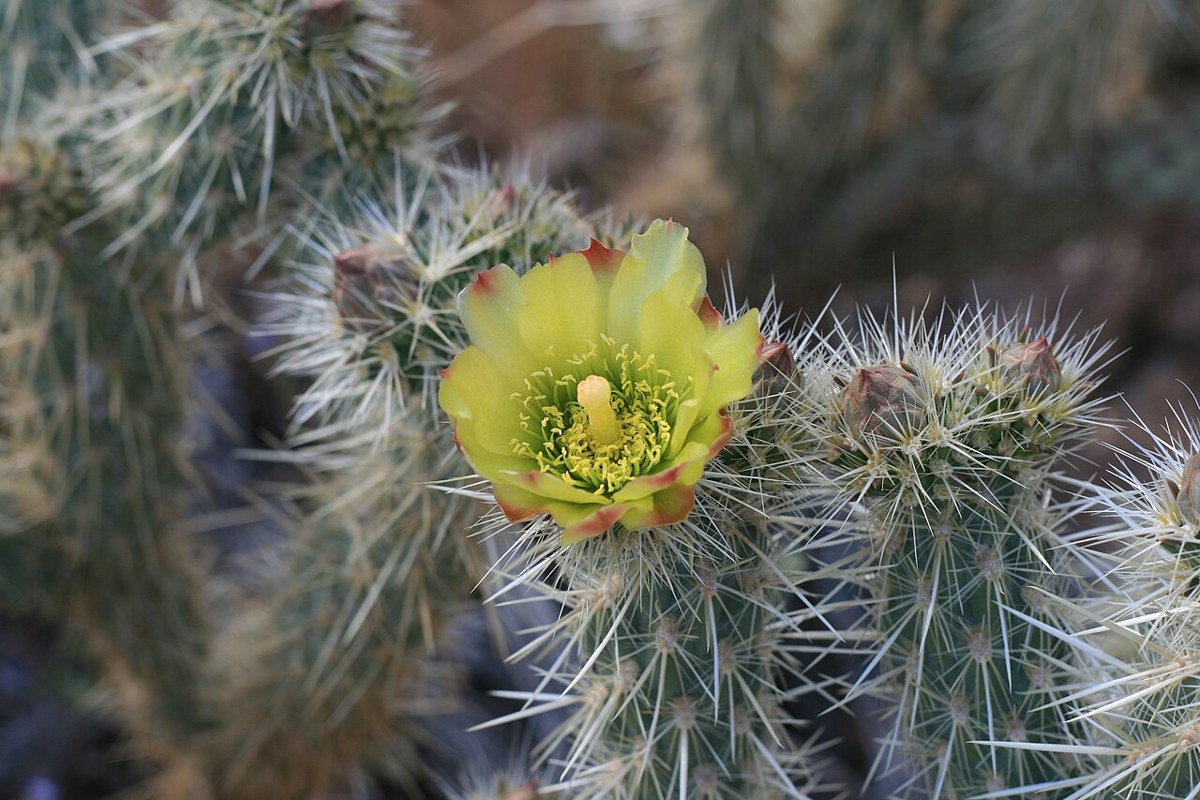
Flowers appear from March through May, roughly 1.5 to 2 inches across, pale yellow-green to greenish-bronze, often flushed with pink or copper tones on the outer tepals. They open for a few hours each day, typically in the afternoon, and are borne singly at the tips of the stem segments.
Fruit & Seeds
The fruit is dry, tan to yellowish, bur-like and heavily spined, roughly 1 inch long, and persists on the plant for a year or more after ripening rather than dropping quickly like fleshy fruit. Unlike many chollas, the fruit is not edible. Detached stem segments (“joints”) that fall to the ground root readily, and clonal spread by rooted joints is often a more important means of reproduction locally than seed.
Quick Facts
| Scientific Name | Cylindropuntia echinocarpa (syn. Opuntia echinocarpa) |
| Family | Cactaceae (Cactus) |
| Plant Type | Shrubby cholla cactus |
| Mature Height | 1.5–4 ft |
| Mature Spread | 2–4 ft |
| Growth Rate | Slow to moderate |
| Sun Exposure | Full Sun |
| Water Needs | Very Low; highly drought tolerant |
| Soil Type | Gravelly, sandy or rocky; fast-draining |
| Soil pH | Neutral to alkaline (7.0–8.5) |
| Bloom Time | March – May |
| Flower Color | Pale yellow-green, often pink- or bronze-tinged |
| Fall Color | None (evergreen succulent) |
| Fruit | Dry, spiny bur-like fruit, persistent, inedible |
| Deer Resistant | Yes |
| USDA Hardiness Zones | 8a–10b |
Native Range
Golden cholla is native to the Mojave Desert of southeastern California and southern Nevada, extending into the western edge of Arizona near the Colorado River, with its range continuing south into the Sonoran Desert of northwestern Mexico (Baja California and Sonora). In the United States it is especially common across the deserts around Death Valley, the Mojave National Preserve, and the Lake Mead region.
It typically grows on gravelly bajadas, desert pavement, and rocky or sandy slopes between about 500 and 5,000 feet elevation, often in open creosote bush scrub alongside white bursage, Mojave yucca and various chollas and barrel cacti. It tolerates a wide range of well-drained desert soils, from fine wind-blown sand to coarse rocky alluvium.
The species remains common and widespread through most of its native range, and is not considered at risk, though localized stands near expanding desert communities have been lost to development and off-road vehicle disturbance.
📋 Regional plant lists featuring Golden Cholla: California & Nevada · Arizona & New Mexico
Growing & Care Guide
Golden cholla thrives on neglect. It is best suited to gardeners who want a tough, sculptural, low-water accent plant and are prepared to give it the room and the respect its spines require.
Light
Plant in full sun. Golden cholla grows naturally in some of the most exposed, shadeless terrain in the Mojave Desert, and it needs the same unfiltered light in the garden to maintain its dense, compact branching and bright spine color.
Soil & Water
Fast drainage is essential. Plant in gravelly, sandy or rocky soil, amending heavy clay generously with coarse sand or crushed rock if necessary. Water sparingly: an occasional deep soak during the hottest summer months is enough for an established plant, and no supplemental water at all is needed once the plant is settled in a suitable desert garden. Wet soil in cool weather is the most common cause of stem and root rot.
Planting Tips
Site golden cholla well away from paths, patios, and anywhere people or pets brush past, since its spines detach at the slightest contact and are difficult and painful to remove. Use long tongs, thick leather gloves, or a rolled towel to handle stem segments when planting or transplanting. Space plants at least 3 to 4 feet apart to allow for their mature spread.
Pruning & Maintenance
Little pruning is needed; remove only damaged or overly long branches that threaten to encroach on walkways, cutting at a joint with long-handled tools and disposing of trimmings carefully, since detached segments can root wherever they land. The plant has few pests or diseases and needs no fertilizer in typical desert soils.
Propagation
Golden cholla propagates very easily from stem segments. Allow a cleanly removed joint to callus in a dry, shaded spot for one to two weeks, then set it upright in gritty, barely moist soil, where it typically roots within a few weeks to a couple of months. Seed propagation is possible but slower and less commonly used by gardeners.
Landscape Uses
- Xeriscape and desert-themed gardens as a textural, silvery-gold accent
- Barrier and security plantings below windows or along property edges
- Wildlife habitat gardens paired with creosote bush and other Mojave natives
- Rock gardens on well-drained slopes and raised beds
- Erosion control on dry, sunny banks where little else will establish
Wildlife & Ecological Value
Golden cholla provides food, shelter and nesting structure in a landscape where dense cover is scarce, making it a valuable component of intact Mojave Desert plant communities.
For Pollinators
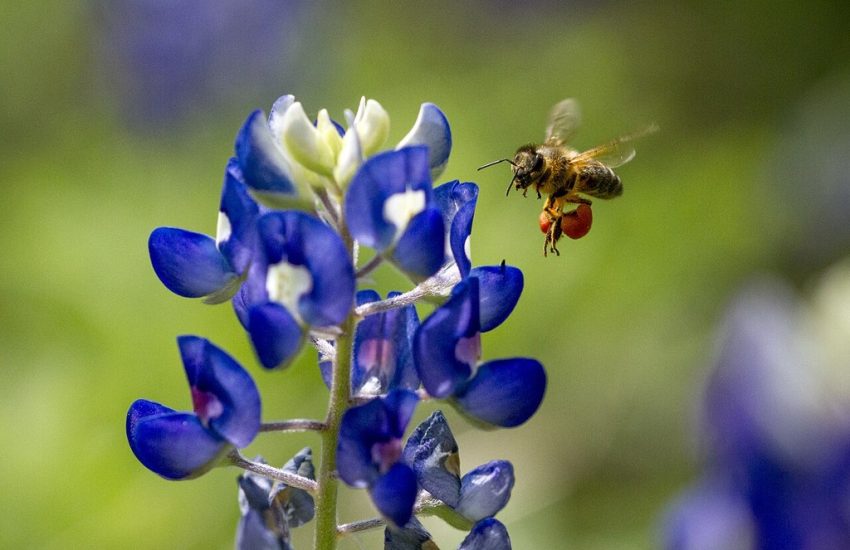
The spring flowers are visited by native bees, including cactus-specialist bees, which gather pollen from the dense cluster of yellow stamens. Flowers open mainly in the afternoon, offering a nectar and pollen source distinct in timing from many other desert wildflowers.
For Birds
The dense, spiny branching of golden cholla makes it valuable nesting habitat for small desert birds such as cactus wrens and various sparrows, which build nests tucked deep within the spine-protected interior where predators cannot easily follow. Some desert birds also use the old, dried fruit for forage.
For Mammals
Woodrats frequently incorporate fallen cholla joints into the outer walls of their dens, using the spines as a defensive barrier against predators. Desert rodents may gnaw on the stems for moisture during severe drought, and larger herbivores generally avoid the plant altogether because of its dense spine armor.
Ecosystem Role
As a common shrub-layer cactus across the Mojave Desert, golden cholla adds structural complexity to otherwise open, low-growing desert scrub, and its persistent dry fruit and detached rooting joints allow it to spread and stabilize disturbed, gravelly ground over time.
Cultural & Historical Uses
Golden cholla has fewer documented traditional uses than some of its larger relatives such as cane cholla, likely because its smaller stature and dry, inedible fruit offered less practical value to desert peoples compared to species with edible buds or fruit. Indigenous groups across the Mojave region were certainly familiar with the plant as a feature of the desert landscape and likely used its wood, once dried, in small construction and craft applications as they did with other chollas.
The species carries two common botanical names reflecting different features noticed by early observers: “golden cholla” for the warm straw-yellow glow of its spines in sunlight, and “silver cholla” for the same spines seen in flatter or overcast light, when they appear more silvery-white. It is sometimes also called Wiggins’ cholla, honoring botanist Ira L. Wiggins, who studied the flora of the Sonoran Desert extensively.
Today golden cholla is primarily appreciated by desert gardeners and photographers for its striking form and spine color, and it is a frequent subject in Mojave Desert wildflower and cactus photography, especially when backlit by low morning or evening sun.
Frequently Asked Questions
Why is it called golden cholla if some call it silver cholla?
Both names describe the same dense covering of straw-yellow to whitish spines, which can look golden in direct, low-angle sunlight and more silvery-white in flat or overcast light. The two common names simply reflect different lighting conditions under which people have observed the plant.
Is golden cholla dangerous to touch?
Its long spines and especially the fine, barbed glochids detach very easily on contact and can be painful and difficult to remove from skin or clothing. Plant it well away from paths and handle it only with thick gloves or long-handled tools.
Can golden cholla fruit be eaten?
No. Unlike the fleshy, sometimes edible fruit of some other chollas and prickly pears, golden cholla produces a dry, spiny, bur-like fruit that is not used as food and persists on the plant rather than ripening into something palatable.
How do you propagate golden cholla?
The easiest way is from a cleanly removed stem segment (“joint”). Let it dry and callus in a shady spot for one to two weeks, then set it upright in well-draining, barely moist soil, where it typically roots within a few weeks to a couple of months.
How big does golden cholla get?
Most plants reach 1.5 to 4 feet tall and a similar width, forming a dense, rounded, many-branched shrub. It grows slowly to moderately and can take many years to reach its full mature size.

Looking for a nursery that carries Golden Cholla?
Browse our native plant nursery directory: California · Nevada · Arizona