Winecup Clarkia (Clarkia purpurea)
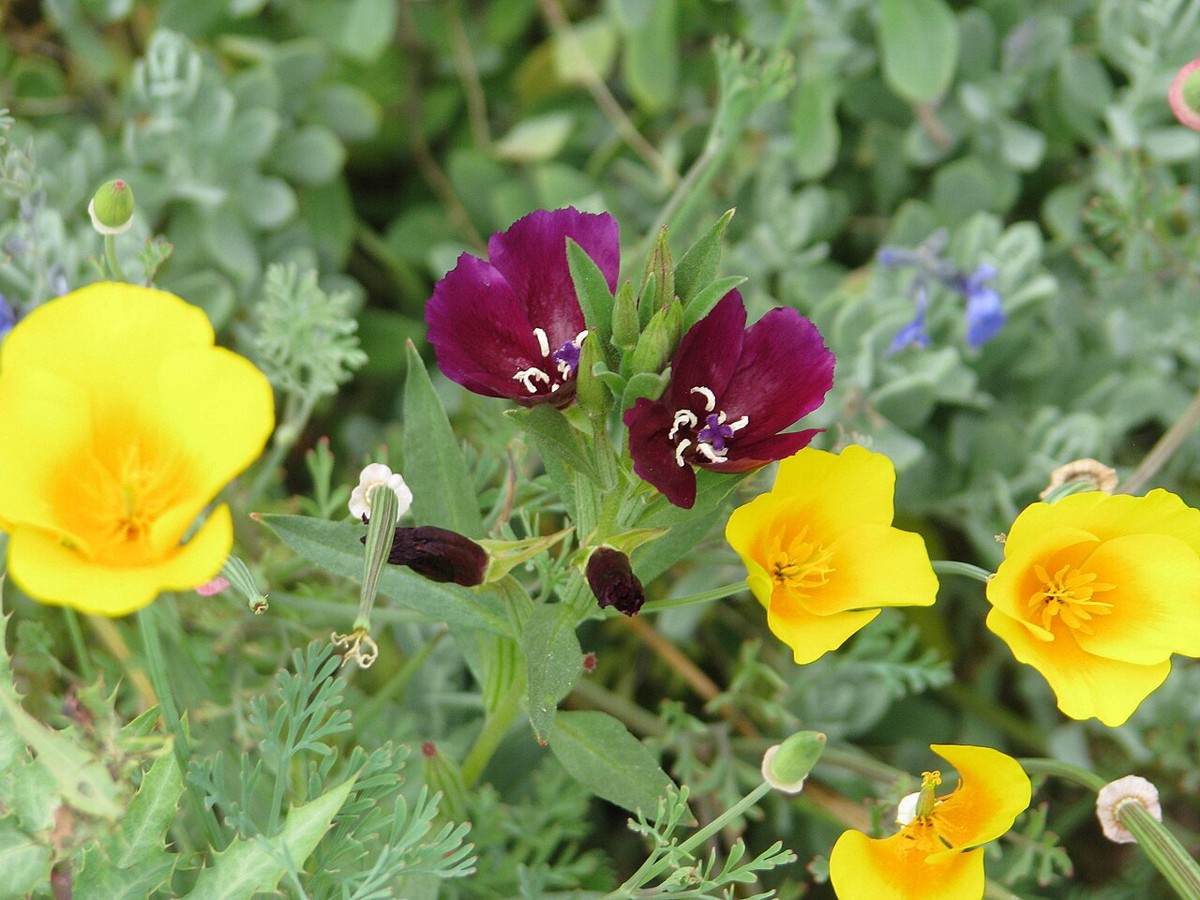
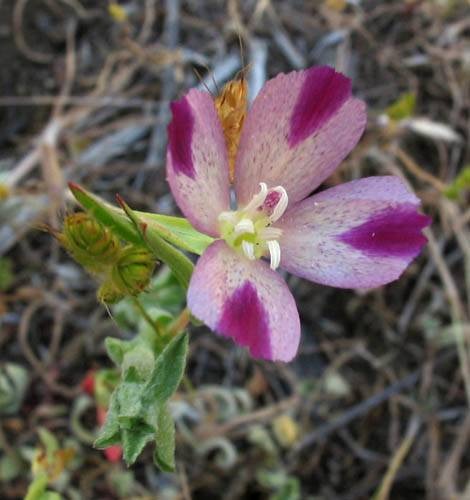
Clarkia purpurea, commonly called winecup clarkia, purple clarkia, or winecup fairyfan, is a slender, fast-growing native annual wildflower of the Pacific Coast and inland chaparral country. It belongs to the evening primrose family (Onagraceae) and produces cup- or fan-shaped flowers in shades ranging from deep wine-red and magenta to pale lavender-pink, often with a distinctive darker blotch at the base of each petal that gives the species its common name.
Winecup clarkia is a true California wildflower in the broadest sense, growing in open grassland, chaparral openings, foothill woodland, coastal scrub, and openings in pine and mixed-conifer forest from sea level into the lower mountains. It germinates with fall and winter rains, grows quickly through late winter, and bursts into bloom in mid- to late spring, often alongside California poppies, lupines, and other spring annuals in a classic Western wildflower display.
For gardeners in California, the Pacific Northwest west of the Cascades, and Arizona’s higher grasslands, winecup clarkia is an easy, reseeding annual that asks for little beyond well-drained soil and a dry summer rest. It is a natural choice for wildflower meadows, pollinator gardens, and dryland restoration plantings where its showy, long-blooming flowers reward minimal care.
Identification
Winecup clarkia is a slender, erect to sprawling annual herb, typically 6 inches to 2 feet (15–60 cm) tall, with thin, often reddish stems that branch loosely from the base. The whole plant has a delicate, airy appearance compared to bulkier garden annuals, and it tends to grow in loose clusters or drifts rather than as isolated specimens.
Leaves & Stems
The stems are thin, wiry, and frequently tinged red or maroon, especially in full sun. Leaves are narrow and lance-shaped to elliptical, about ½ to 2 inches (1–5 cm) long, arranged alternately along the stem, with smooth to slightly toothed margins. The foliage is sparse enough that the flowers, rather than the leaves, dominate the plant’s appearance.
Flowers
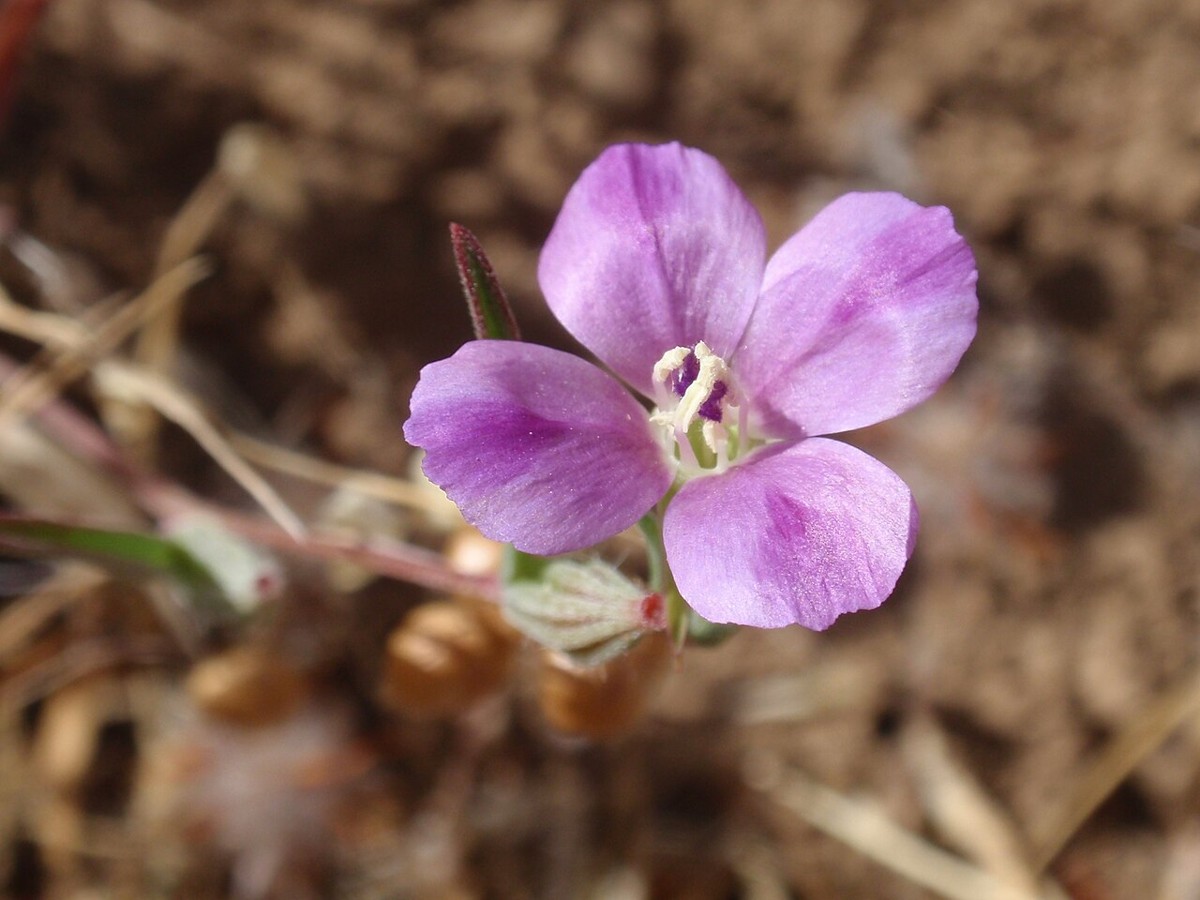
Each flower has four broad, fan-shaped petals that together form a loose cup or bowl shape, ½ to 1½ inches (1.5–4 cm) across. Petal color is highly variable even within a single population, ranging from deep wine-red or magenta through lavender-pink to pale pink, and many flowers show a darker maroon or purple blotch near the petal base that forms a bold pattern at the flower’s center. Eight stamens and a four-lobed stigma sit at the center of the flower. Flowering runs from April into June depending on elevation and rainfall, with individual plants often blooming for several weeks.
Fruit & Seeds
After pollination, the flower forms a narrow, slightly curved seed capsule up to an inch long that splits open at maturity to release numerous tiny seeds. As an annual, winecup clarkia completes its life cycle in a single season, setting seed in early summer before the parent plant dries up and dies, relying on the seed bank to regenerate the following year.
Quick Facts
| Scientific Name | Clarkia purpurea |
| Family | Onagraceae (Evening Primrose) |
| Plant Type | Annual Wildflower |
| Mature Height | 6 in – 2 ft (15–60 cm) |
| Mature Spread | 8–15 in (20–38 cm) |
| Growth Rate | Fast (single growing season) |
| Sun Exposure | Full Sun to Partial Shade |
| Water Needs | Low to Moderate |
| Soil Type | Well-drained; loam, sand, or clay-loam |
| Soil pH | 6.0–7.5 (neutral) |
| Bloom Time | April – June |
| Flower Color | Wine-red, magenta, lavender-pink |
| Fall Color | None; plant dies back after seed set |
| Fruit | Narrow dry seed capsule |
| Deer Resistant | Generally yes (not a preferred browse) |
| USDA Hardiness Zones | 7–10 (grown as a self-sowing annual) |
Native Range
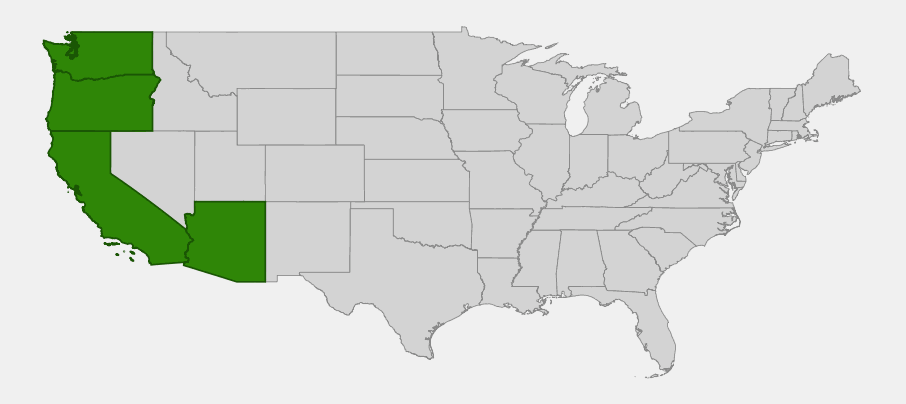
Winecup clarkia is native along the Pacific Coast from Washington and Oregon south through California, and it also occurs in the higher grasslands and oak woodlands of central and southern Arizona. In California it is one of the most widespread spring annuals, found from the coast to the Sierra foothills, while in the Pacific Northwest it is concentrated in the valleys and foothills west of the Cascades. Its Arizona populations occupy a disjunct range in the mountains and grasslands of the state’s southeastern counties.
Throughout this range, winecup clarkia favors open, sunny ground: grassland, chaparral clearings, foothill oak woodland, coastal scrub, and the open understory of yellow pine and mixed-conifer forest. It grows from near sea level to around 5,000 feet (1,500 m) in elevation, and it is especially common on disturbed or recently burned ground, where it can form dense, colorful drifts the following spring.
Because it is an annual that regenerates from a persistent soil seed bank, winecup clarkia’s populations can fluctuate dramatically from year to year depending on rainfall, appearing abundantly after wet winters and sparsely during drought years. This boom-and-bust pattern is typical of many California spring annuals and should be expected rather than treated as a sign of decline.
📋 Regional plant lists featuring winecup clarkia: California & Nevada · Western Oregon & Western Washington · Arizona & New Mexico
Growing & Care Guide
Winecup clarkia is one of the easiest native annuals to grow from seed, and it rewards minimal effort with weeks of colorful bloom in a Mediterranean-climate garden.
Light
Full sun produces the most compact plants and heaviest flowering, matching the open grassland and chaparral settings where it grows wild. In hotter inland gardens, light afternoon shade can extend the bloom period by slowing the plant’s progression toward seed set.
Soil & Water
Winecup clarkia is unfussy about soil type, growing in loam, sand, or clay-loam as long as drainage is reasonable, and it does not need or want rich, heavily amended garden soil. Water to establish seedlings after fall or winter sowing, then taper off as the rainy season ends; established plants are drought-tolerant and bloom best when allowed to dry down naturally toward late spring, mimicking the seasonal rainfall pattern of its native range.
Planting Tips
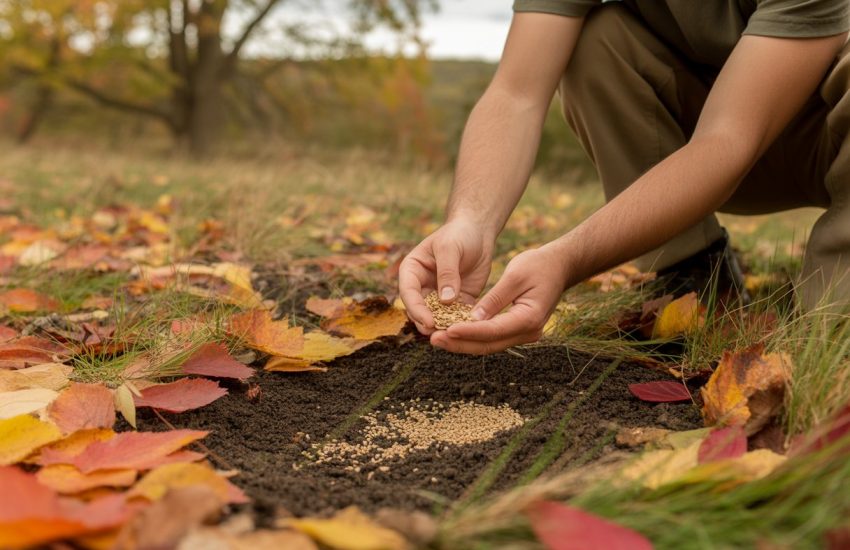
Sow seed directly in fall or early winter, since winecup clarkia germinates with cool-season rains and does not transplant well once established. Scatter seed over cleared, lightly raked soil and press it in rather than burying it deeply. In a wildflower meadow planting, mix the seed with companion annuals such as California poppy and lupine for a naturalistic, long-blooming display. No fertilizer is needed.
Pruning & Maintenance
No pruning is required. Deadheading is optional and mainly useful for tidiness, since most gardeners let the plant set seed to ensure it self-sows for the following year. Once the plant finishes blooming and dries out in early summer, it can be left in place to drop seed or cleared away as part of normal garden cleanup.
Landscape Uses
Winecup clarkia works well in several informal planting styles:
- Spring wildflower meadows mixed with poppies, lupines, and other annuals
- Pollinator gardens that benefit from an easy, reseeding nectar source
- Dryland and fire-recovery restoration plantings on disturbed ground
- Container and border accents for a casual, cottage-garden look
- Low-water gardens that rely on seasonal rainfall rather than irrigation
Wildlife & Ecological Value
As a widespread spring annual, winecup clarkia plays a modest but meaningful role in supporting pollinators and seed-eating wildlife during the peak of the California wildflower season.
For Pollinators
The flowers attract native bees, including specialist bees in the genus Clarkia‘s associated pollinator guild, along with syrphid flies, small butterflies, and occasional hummingbird visits. The open, bowl-shaped flower form makes pollen and nectar easily accessible to a wide range of visiting insects.
For Birds & Other Wildlife
Seed-eating birds, including sparrows and finches, forage on the small seeds released from the dry capsules in early summer. The dense stands winecup clarkia can form after a wet winter also provide brief cover for small ground-dwelling insects and other invertebrates during the bloom season.
Ecosystem Role
Winecup clarkia is part of the broader guild of California spring annuals that fill the gap between winter rains and summer drought, completing their life cycle quickly and contributing to the soil seed bank that sustains grassland and chaparral plant diversity. Its tendency to colonize recently disturbed or burned ground also makes it a useful early successional species in fire-adapted plant communities.
Cultural & Historical Uses
The genus Clarkia is named for Captain William Clark of the Lewis and Clark Expedition, which collected specimens of a related species during its journey through the West in the early 1800s. Winecup clarkia itself has long been recognized by California botanists and naturalists as one of the signature spring wildflowers of the state’s grasslands and chaparral.
Unlike some of its showier garden relatives bred for the cut-flower trade, winecup clarkia has remained primarily a wild species, valued today chiefly for native plant gardening, wildflower seed mixes, and habitat restoration rather than for any documented historical food, medicinal, or craft use among Indigenous peoples of the region.
In recent decades, native plant nurseries and seed companies throughout California, Oregon, and the Southwest have promoted winecup clarkia as an easy, colorful addition to low-water wildflower plantings, helping reintroduce the species to gardens and roadside plantings within its historic range.
Frequently Asked Questions
Is winecup clarkia the same as purple clarkia?
Yes. “Winecup clarkia,” “purple clarkia,” and “winecup fairyfan” are all common names used for Clarkia purpurea, and flower color within the species ranges widely from deep wine-red to pale lavender-pink.
Does winecup clarkia come back every year?
It is a true annual that completes its life cycle in one growing season and dies after setting seed. It returns year after year by self-sowing, with new plants germinating from the seed bank when fall and winter rains arrive.
How much water does winecup clarkia need?
Very little once established. It relies on winter and spring rainfall in its native range and generally does not need supplemental irrigation in a Mediterranean-climate garden, though occasional watering during an unusually dry spring can extend bloom.
Can I grow winecup clarkia outside California?
Yes, within its native range in western Oregon, western Washington, and parts of Arizona, and it is also grown as a garden annual elsewhere with a similar winter-wet, summer-dry climate. Gardeners outside this range should check local growing conditions before planting.
What does winecup clarkia look like when not in bloom?
Out of flower, it is a slender, sparsely leaved annual with thin, often reddish stems and narrow leaves, easy to overlook until the fan-shaped, often maroon-blotched flowers open in mid- to late spring.

Looking for a nursery that carries winecup clarkia?
Browse our native plant nursery directory: California · Oregon · Washington · Arizona