Beach Sunflower (Helianthus debilis)
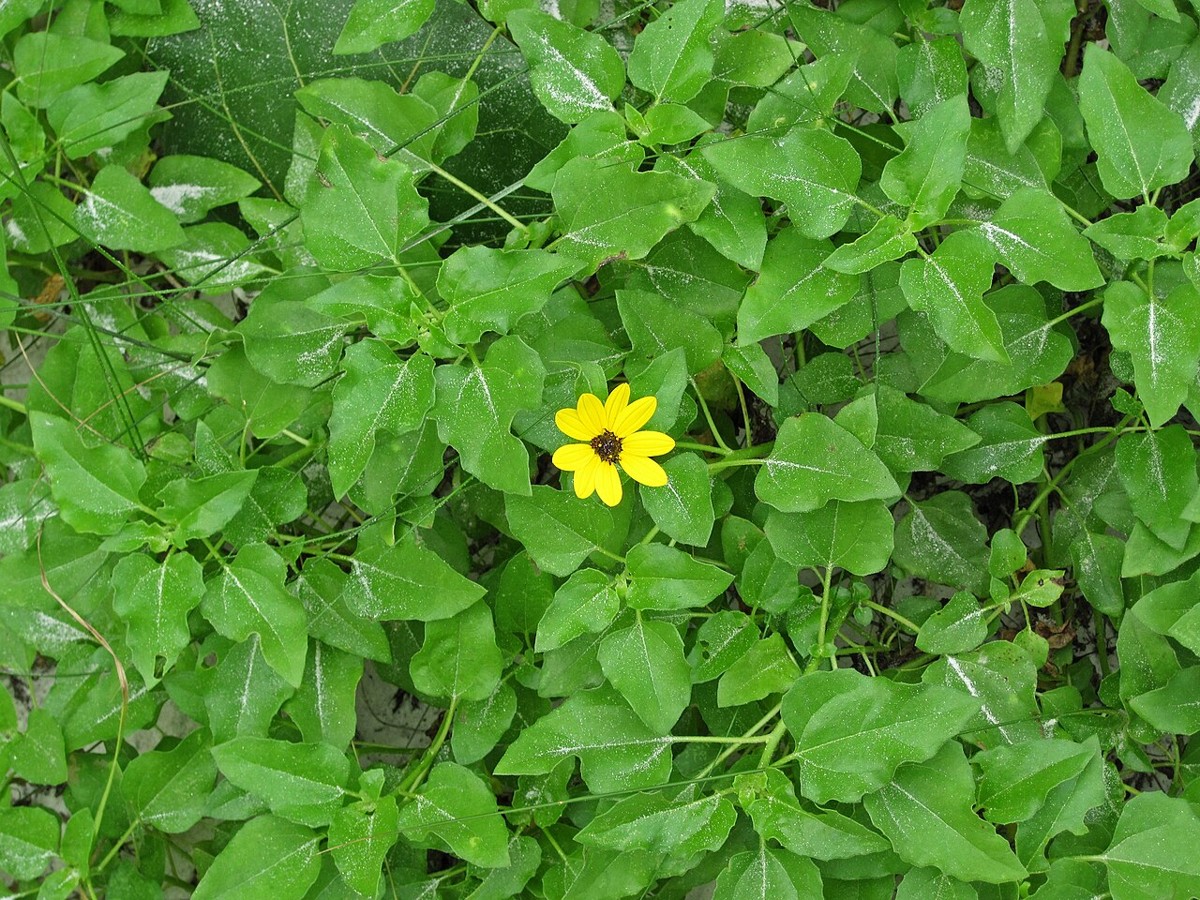
Helianthus debilis, commonly called Beach Sunflower, Dune Sunflower, or Cucumberleaf Sunflower, is a sprawling, salt-tolerant perennial of Gulf and South Atlantic coastal sands. A member of the Asteraceae (aster/daisy family), it forms a low, trailing mat of triangular, slightly rough leaves studded with cheerful yellow, daisy-like flowerheads that open almost year-round in frost-free climates. In Florida, where it is most abundant, it is one of the most recognizable native dune plants, often seen tumbling over beach parking lot berms and roadside plantings as readily as it does on wild dunes.
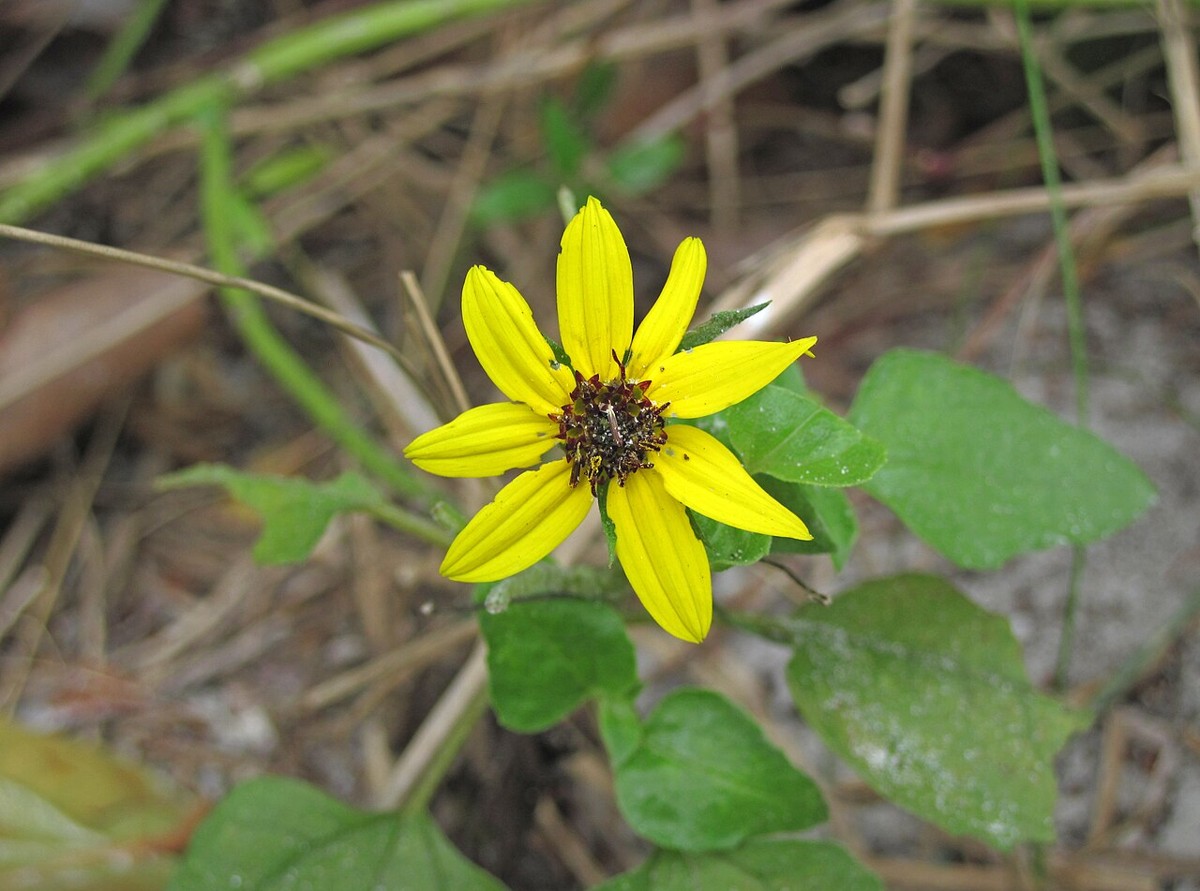
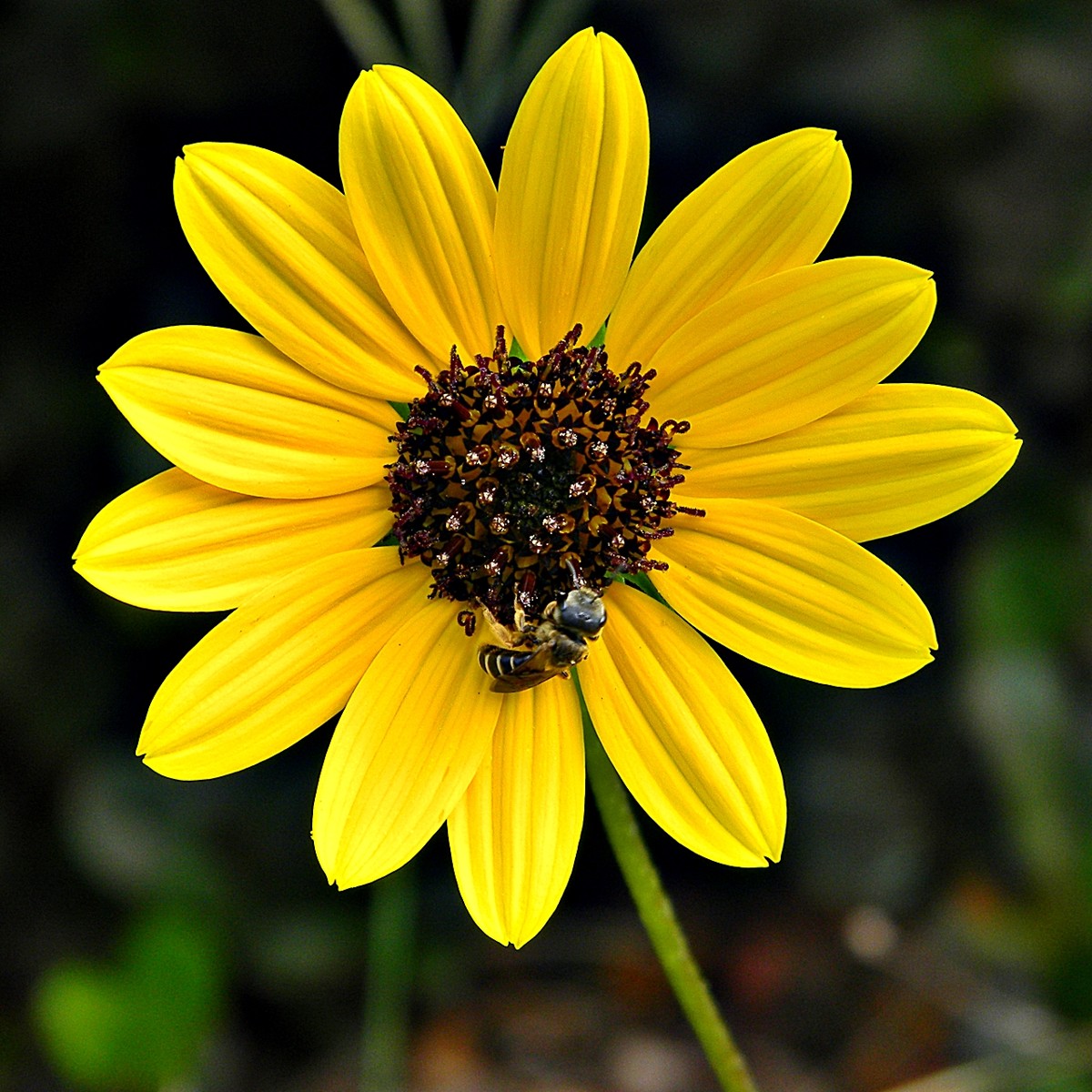
Beach Sunflower grows as a woody-based, branching perennial 6 inches to 2 feet tall but spreading several feet wide, rooting opportunistically where trailing stems touch sand. The 1.5 to 2.5 inch flowerheads, with bright yellow rays around a dark red-brown or purplish-brown center disk, appear in flushes throughout the warm season and sporadically through winter in the deep South. The coarse, somewhat succulent leaves are covered in short stiff hairs that help the plant conserve moisture and resist salt spray and sandblasting on open dunes.
Because it tolerates poor, well-drained sandy soil, salt wind, and drought once established, Beach Sunflower is widely used along the Gulf Coast for dune stabilization, xeric beds, and groundcover in full sun. It has also been planted ornamentally far outside its native range — gardeners from the Carolinas to California grow it as a bedding plant — but this guide addresses the species where it occurs as a true wild native: the Gulf and South Atlantic coastal plain.
Identification
Beach Sunflower is a low, mounding to trailing perennial, usually under 2 feet tall but capable of spreading 3 to 6 feet across as stems creep along the ground. New plantings establish quickly from seed or cuttings and knit together into a dense, weed-suppressing mat within a season.
Stems
Stems are branching, somewhat woody at the base, and covered in short, bristly hairs. They root at the nodes where they contact moist sand, which is how the species forms large colonies from a single original plant.
Leaves
Leaves are opposite below and often alternate higher on the stem, broadly triangular to ovate, 1 to 4 inches long, with coarsely toothed margins and a rough, sandpapery texture from stiff hairs on both surfaces. The leaf base is often somewhat heart-shaped to truncate, and long petioles attach the leaf to the stem.
Flowers
Flowerheads are solitary on long stalks, 1.5 to 2.5 inches across, with 10 to 20 bright yellow ray florets surrounding a domed center of dark red-brown to purple-brown disk florets. Bloom is heaviest in spring through fall but can continue nearly year-round in South Florida.
Fruit & Seeds
Like other sunflowers, the fruit is a small, dry achene produced in the disk after flowering. Seed set is prolific, and the species self-sows readily on open sand, which along with its rooting stems makes it an effective, fast colonizer of disturbed dune edges.
Quick Facts
| Scientific Name | Helianthus debilis |
| Family | Asteraceae (Aster/Daisy) |
| Plant Type | Trailing Perennial Wildflower / Groundcover |
| Mature Height | 6 in – 2 ft |
| Mature Spread | 3–6 ft |
| Growth Rate | Fast |
| Sun Exposure | Full Sun |
| Water Needs | Low |
| Soil Type | Sandy, well-drained |
| Soil pH | 6.0–8.0 (tolerates alkaline, saline sand) |
| Bloom Time | Spring – Fall (year-round in South Florida) |
| Flower Color | Yellow rays, red-brown to purple-brown disk |
| Fall Color | None notable (evergreen in mild climates) |
| Fruit | Small dry achenes |
| Deer Resistant | Yes, generally |
| USDA Hardiness Zones | 8b–11 |
Native Range
Beach Sunflower is native to the beaches and coastal sands of Florida, where it is especially common, and extends west along the Gulf Coast through Alabama, Mississippi, Louisiana, and the Texas coast, with additional native populations recorded on the Georgia coast. County-level botanical records confirm genuinely wild, native occurrences concentrated on barrier islands, dune systems, and sandy coastal flats in these states, rather than a uniform native presence across the entire Southeast.
The species has been widely planted as an ornamental groundcover well beyond this native range — including the Carolinas, the mid-Atlantic, and California — where it persists around plantings or escapes locally but is not considered a native component of those landscapes. This guide and its regional plant lists reflect only the confirmed native Gulf and South Atlantic coastal range; gardeners outside that range can still grow it as a well-behaved, non-invasive ornamental, but it is not treated as native there.
Within its native range, Beach Sunflower is a pioneer species of foredunes and back-dune flats, often among the first plants to colonize bare or storm-disturbed sand. It grows in full sun on excessively drained, nutrient-poor soils that few other wildflowers tolerate, making it a key stabilizer of the active dune edge alongside sea oats and railroad vine.
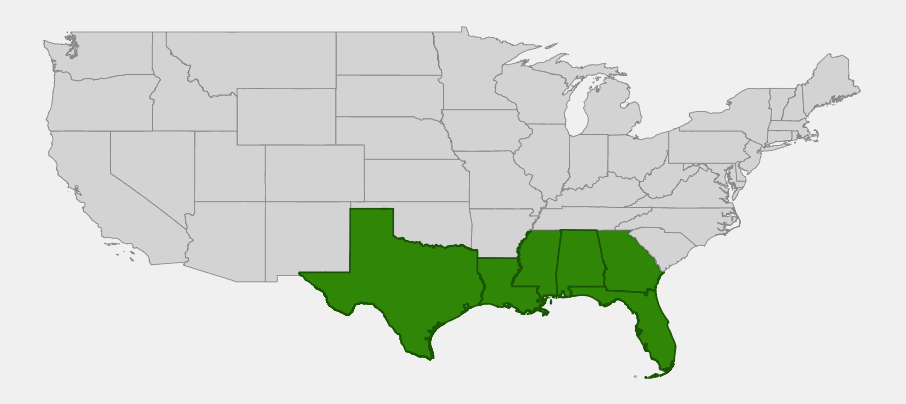
📋 Regional plant lists featuring Beach Sunflower: South and West Texas · Arkansas, Louisiana, Eastern Oklahoma & Eastern Texas · Georgia, Alabama & Mississippi
Growing & Care Guide
Beach Sunflower is one of the easiest Gulf Coast natives to establish, thriving on neglect once its roots take hold in sandy soil. It is a go-to choice for hot, dry, sunny spots where little else will grow.
Light
Full sun is essential. Beach Sunflower blooms sparsely and grows leggy in shade; it performs best with at least 6 to 8 hours of direct sun, including exposed, reflective sites such as parking strips and seaside slopes.
Soil & Water
It demands sharp drainage and actually prefers lean, sandy soil over rich garden loam — overly fertile or constantly moist soil leads to weak, floppy growth and fewer flowers. Once established (usually within 6 to 8 weeks), it is highly drought tolerant and needs supplemental water only during extended dry spells. It also tolerates salt spray and occasional salt water inundation, a rare trait among flowering groundcovers.
Planting Tips
Set out container plants in spring or fall, spacing them 2 to 3 feet apart since they spread quickly. Beach Sunflower also grows readily from seed sown directly on bare sand in warm weather. Avoid heavy mulch or compost at planting, which holds excess moisture against the crown.
Pruning & Maintenance
Shear plants back by a third after a heavy bloom flush or if they become woody and sparse in the center; this encourages fresh, compact new growth and renewed flowering. In the northern edge of its range, light frost may kill plants back to the ground, but they typically resprout from the root crown in spring.
Landscape Uses
- Dune and beachfront stabilization on open, sandy sites
- Groundcover for hot, dry, sunny beds and slopes
- Pollinator gardens along the immediate coast
- Erosion control on sandy road shoulders and parking berms
- Container and hanging basket plantings in coastal courtyards
Wildlife & Ecological Value
Beach Sunflower punches well above its weight as a wildlife plant, offering season-long nectar and pollen on dune habitat where few other flowering plants persist.
For Pollinators
The open, accessible flowerheads attract a wide range of native bees, including sweat bees such as Halictus poeyi, along with honeybees, skipper butterflies, and other small pollinators. Because it blooms nearly year-round in South Florida, it serves as a reliable nectar source during lean periods for other coastal wildflowers.
For Birds
Seed-eating birds, including sparrows and finches, feed on the small achenes once flowerheads mature and dry. The low, tangled growth also offers ground-level cover for shorebirds and small songbirds foraging along the dune edge.
For Mammals
Small mammals browse the foliage and seed heads opportunistically, though Beach Sunflower is not a primary forage species; its chief ecological role on the dune is structural rather than as a major food source for mammals.
Ecosystem Role
As a fast-colonizing pioneer of open sand, Beach Sunflower helps bind loose dune soil with its rooting stems, reducing wind erosion and creating microhabitat that allows other dune species to establish. Along with sea oats and railroad vine, it is part of the foredune plant community that protects inland habitat from storm overwash.
Cultural & Historical Uses
Beach Sunflower has no significant documented history of medicinal or culinary use among Indigenous peoples of the Gulf Coast, unlike some of its showier sunflower relatives. Its primary historical value has been ecological and, more recently, horticultural rather than utilitarian.
In the twentieth century, as Florida’s coastline urbanized, Beach Sunflower became a favored choice for dune restoration after storm damage and beachfront development, prized for how quickly it reestablishes cover on bare sand. Florida and Gulf Coast transportation departments and coastal land managers have long used it in erosion-control plantings along causeways and beach access roads.
Its cheerful, long-blooming flowers also made it a popular pass-along plant in home gardens throughout the Gulf South long before formal native-plant nurseries carried it, and it remains a staple recommendation for low-maintenance coastal landscaping today.
Frequently Asked Questions
Is Beach Sunflower the same as the giant Common Sunflower?
No. Beach Sunflower (Helianthus debilis) is a low, trailing perennial reaching at most 2 feet tall, quite distinct from the tall, annual Common Sunflower (Helianthus annuus). They share the family and general flower shape but differ greatly in size and growth habit.
Will Beach Sunflower survive salt spray and occasional flooding?
Yes. It is one of the more salt-tolerant native wildflowers and handles occasional salt spray and brief saltwater inundation from storm surge better than most flowering perennials, which is why it is so useful right at the dune edge.
Is Beach Sunflower native where I live outside the Gulf Coast?
Not necessarily. It is widely sold and planted as an ornamental groundcover far beyond its native range, including areas of the Carolinas and California, but it is only confirmed native to the Gulf and South Atlantic coastal counties of Florida, Georgia, Alabama, Mississippi, Louisiana, and Texas covered in this guide.
Does Beach Sunflower need deadheading?
Not strictly, but shearing spent flowers encourages repeat blooming and keeps the mat tidy. Left alone, it will self-sow and continue flowering in flushes on its own.
How do I keep Beach Sunflower from spreading too far?
Trim back trailing stems that creep past their intended bed edge; because stems root where they touch soil, cut pieces should be removed rather than left in place if you want to contain its spread.

Looking for a nursery that carries Beach Sunflower?
Browse our native plant nursery directory: Florida & Georgia · Alabama · Mississippi & Louisiana · Texas