Velvetpod Mimosa (Mimosa dysocarpa)
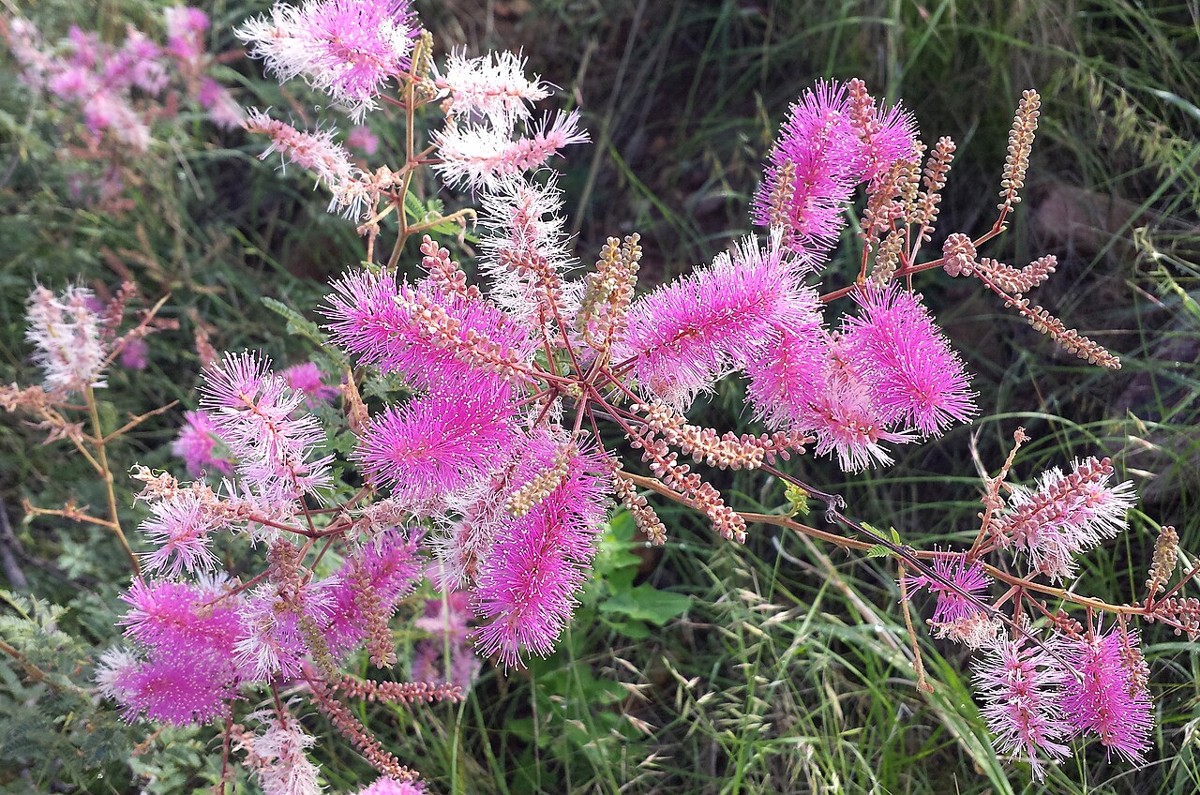
Mimosa dysocarpa, known as Velvetpod Mimosa or Velvet-pod Mimosa, is a thorny, drought-adapted shrub of the Sonoran and Chihuahuan desert borderlands, native to southern Arizona, New Mexico, and far west Texas. It belongs to the legume family, Fabaceae, in the same mimosoid group as the familiar fern-leaf mimosas and acacias, and it shares their finely divided, almost feathery foliage and fuzzy, ball-shaped flower spikes.
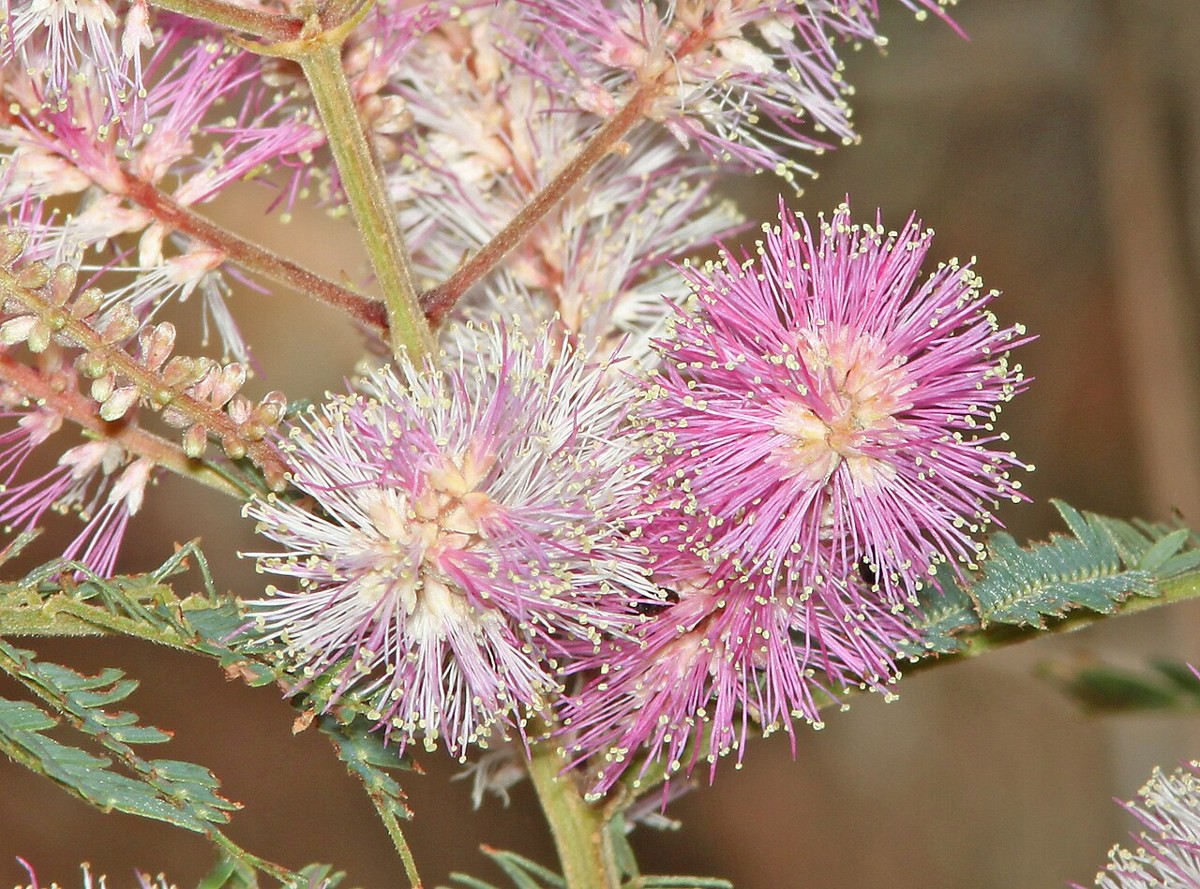
The plant takes its common name from the dense, velvety hairs that cover its seed pods, a texture that sets it apart from the smoother pods of related species. In summer, after the first good monsoon rains, Velvetpod Mimosa produces an eye-catching flush of bottlebrush-like flower spikes in shades from pale pink to nearly white, densely packed with protruding stamens that give each cluster a soft, puffball appearance.
Armed with small recurved thorns along its stems, Velvetpod Mimosa forms a dense, tangled, rounded shrub that provides valuable cover and forage in the rocky foothills, grasslands, and desert scrub it calls home. It is an excellent choice for a wildlife-friendly, low-water native garden in its range, offering structure, thorny shelter, and a reliable nectar source timed to the desert’s summer rains.
Identification
Velvetpod Mimosa is a many-branched, rounded to spreading shrub typically reaching 3 to 6 feet tall and wide, occasionally larger in favorable sites. Its fine-textured, twice-compound leaves and thorny stems give it a lacy yet defensive profile recognizable at a distance.
Stems
Stems are slender, gray-brown, and armed with small, hooked or recurved thorns that help the shrub scramble through surrounding vegetation and deter browsing animals. Young growth is finely hairy.
Leaves
Leaves are bipinnately compound (twice-divided), 1 to 3 inches long, composed of numerous small, narrow leaflets arranged in opposite pairs along each leaflet stalk, giving the foliage a soft, fern-like texture. Like many mimosas, the leaflets can fold or droop slightly when touched or during intense heat.
Flowers
Flowers are tiny and individually inconspicuous, but massed into dense, cylindrical spikes 1 to 2 inches long that resemble fuzzy pink or pinkish-white bottlebrushes. Each spike is made up of many small flowers with long, showy stamens that extend well beyond the petals, creating the characteristic puffball effect. Bloom follows summer rains, typically July through September.
Fruit & Seeds
The fruit is a flattened, curved seedpod 1½ to 3 inches long, densely covered in soft, velvety hairs — the feature that gives the species both its common and scientific names (dysocarpa roughly translates to “offensive fruit,” a reference to the irritating hairs). Pods split open at maturity to release several hard, flattened seeds.
Quick Facts
| Scientific Name | Mimosa dysocarpa |
| Family | Fabaceae (Legume) |
| Plant Type | Thorny Deciduous Shrub |
| Mature Height | 3–6 ft |
| Mature Spread | 3–6 ft |
| Growth Rate | Slow to Moderate |
| Sun Exposure | Full Sun to Part Sun |
| Water Needs | Low |
| Soil Type | Rocky, gravelly or sandy; well-drained |
| Soil pH | 6.5–8.5 (neutral to alkaline) |
| Bloom Time | July – September |
| Flower Color | Pink to white |
| Fall Color | None notable |
| Fruit | Flat, velvety-haired seedpods |
| Deer Resistant | Yes (thorny, low browse preference) |
| USDA Hardiness Zones | 8–10 |
Native Range
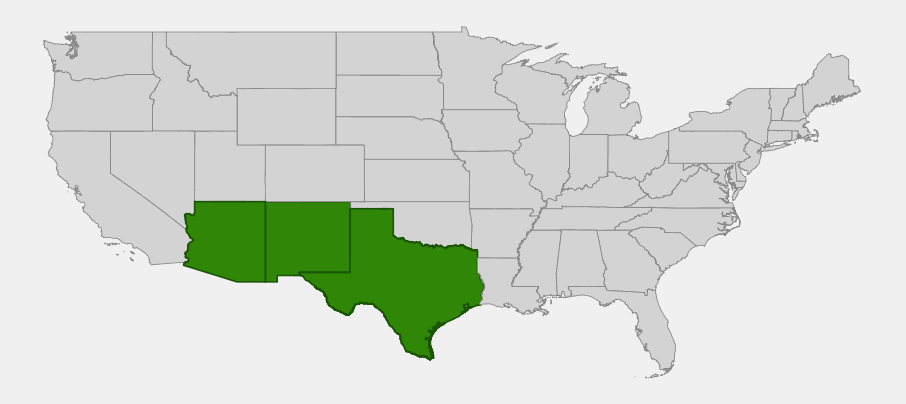
Velvetpod Mimosa is native to the desert borderlands of the American Southwest, found in southern Arizona, southern and central New Mexico, and the Trans-Pecos and west-central regions of Texas. Its range continues south into northern Mexico, where it is a common component of Chihuahuan and Sonoran desert scrub and foothill grassland.
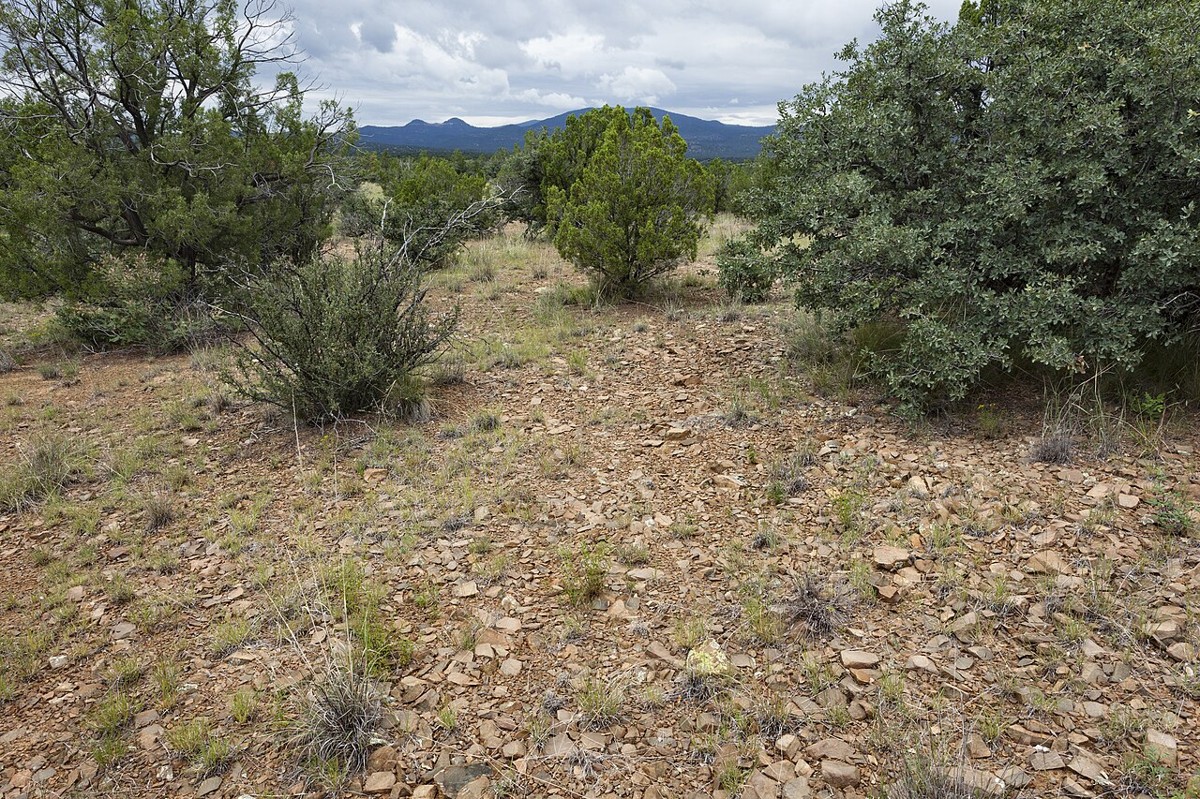
It typically grows on rocky slopes, bajadas, and foothills between desert scrub and oak-juniper woodland, often alongside other thorny legumes and desert shrubs. It favors well-drained, gravelly or rocky soils and is commonly found along washes and canyon bottoms where extra runoff moisture collects, as well as on drier upland sites.
Because it tolerates heat, drought, and poor rocky soil, Velvetpod Mimosa is a widespread and locally common shrub across its range, often forming dense thickets in disturbed or recovering desert grassland.
📋 Regional plant lists featuring Velvetpod Mimosa: Arizona & New Mexico · South & West Texas
Growing & Care Guide
Velvetpod Mimosa is a rugged, low-water shrub suited to hot, dry gardens and restoration plantings across the desert Southwest. Give it the heat, sun, and sharp drainage it evolved with, and it needs very little further attention.
Light
Plant in full sun for the densest growth and best flowering, though it tolerates light filtered shade, especially in its natural foothill-woodland-margin habitat. More shade generally means fewer flower spikes.
Soil & Water
Rocky, gravelly, or sandy soils with excellent drainage suit it best; it does not tolerate heavy clay or poorly drained sites. Once established, it needs little supplemental irrigation and relies mainly on seasonal monsoon rains, though occasional deep watering during long dry spells can encourage more vigorous bloom.
Planting Tips
Set out container-grown plants in fall or early spring to allow root establishment before summer heat. Space plants 4 to 6 feet apart if planting as a hedge or thicket. Because of its thorns, site it away from walkways and areas with foot traffic.
Pruning & Maintenance
Little pruning is required. Remove dead or damaged wood in late winter, and thin congested growth if a more open form is desired. Wear sturdy gloves when working near this plant, as the recurved thorns catch readily on skin and clothing.
Landscape Uses
Velvetpod Mimosa serves several practical roles in a dry-climate landscape:
- Wildlife hedge or barrier planting, using its thorns for security screening
- Desert and xeriscape gardens needing structure and summer bloom
- Pollinator gardens timed to the summer monsoon flowering window
- Erosion control on rocky slopes and bajadas
- Habitat restoration in desert grassland and foothill scrub
Wildlife & Ecological Value
Velvetpod Mimosa offers nectar, forage, and thorny shelter across the desert grassland and foothill communities where it grows, making it a valuable component of Southwest wildlife habitat.
For Pollinators
The fragrant, nectar-rich flower spikes attract a wide range of native bees, honeybees, and butterflies during the summer bloom period, which conveniently follows the monsoon rains when many other nectar sources are scarce.
For Birds & Mammals
The dense, thorny growth provides excellent nesting cover and predator protection for small birds, while the foliage and seedpods are browsed by deer and other wildlife, particularly in winter when more palatable forage is limited. Quail and other ground-dwelling birds use the thickets for cover.
Ecosystem Role
As a nitrogen-fixing legume, Velvetpod Mimosa improves soil fertility in the rocky, nutrient-poor sites it colonizes, benefiting neighboring plants. Its thorny structure also adds valuable architectural complexity to desert grassland and scrub communities, increasing habitat diversity for small animals.
Cultural & Historical Uses
Indigenous peoples of the Southwest borderlands, including groups in the Sonoran and Chihuahuan desert regions, were familiar with Velvetpod Mimosa as part of the native desert scrub flora, though it was not among the major food, fiber, or medicinal plants used by regional communities compared with mesquite or agave.
Historically, ranchers across its range have recognized Velvetpod Mimosa as both a minor forage resource for livestock during lean seasons and a nuisance shrub where its thorny growth impeded movement through rangeland, a reputation shared with many of its thorny legume relatives.
Today, the species draws interest mainly from native-plant gardeners and habitat restoration projects in the desert Southwest, valued for its drought tolerance, wildlife value, and showy summer flowers rather than any traditional use.
Frequently Asked Questions
Is Velvetpod Mimosa the same as the invasive Mimosa tree?
No. The large ornamental tree often called “mimosa” (Albizia julibrissin) is a different, non-native species known for aggressive seeding in the eastern U.S. Velvetpod Mimosa is a true Mimosa species, a smaller native desert shrub that is not considered invasive anywhere in its range.
Why are the seedpods fuzzy?
The dense, velvety hairs covering the seedpods are a defining feature of this species, giving rise to both its common name and the Latin epithet dysocarpa. The hairs can be mildly irritating to the skin, so gloves are recommended when handling mature pods.
Does it need monsoon rain to bloom?
Flowering is strongly tied to summer rainfall. Established plants typically flush into bloom within days of a good monsoon rain, so bloom timing can vary from year to year depending on when the rains arrive.
Is it safe to plant near walkways?
Because of its recurved thorns, it’s best planted away from paths, patios, and other high-traffic areas. It works well as a barrier or security hedge specifically because of this thorniness.
Will deer eat it?
Deer browse the foliage and pods occasionally, especially in winter, but the thorny stems generally discourage heavy browsing, making it more deer-resistant than many unarmed native shrubs.

Looking for a nursery that carries Velvetpod Mimosa?
Browse our native plant nursery directory: Arizona · New Mexico · Texas