Anacua (Ehretia anacua)
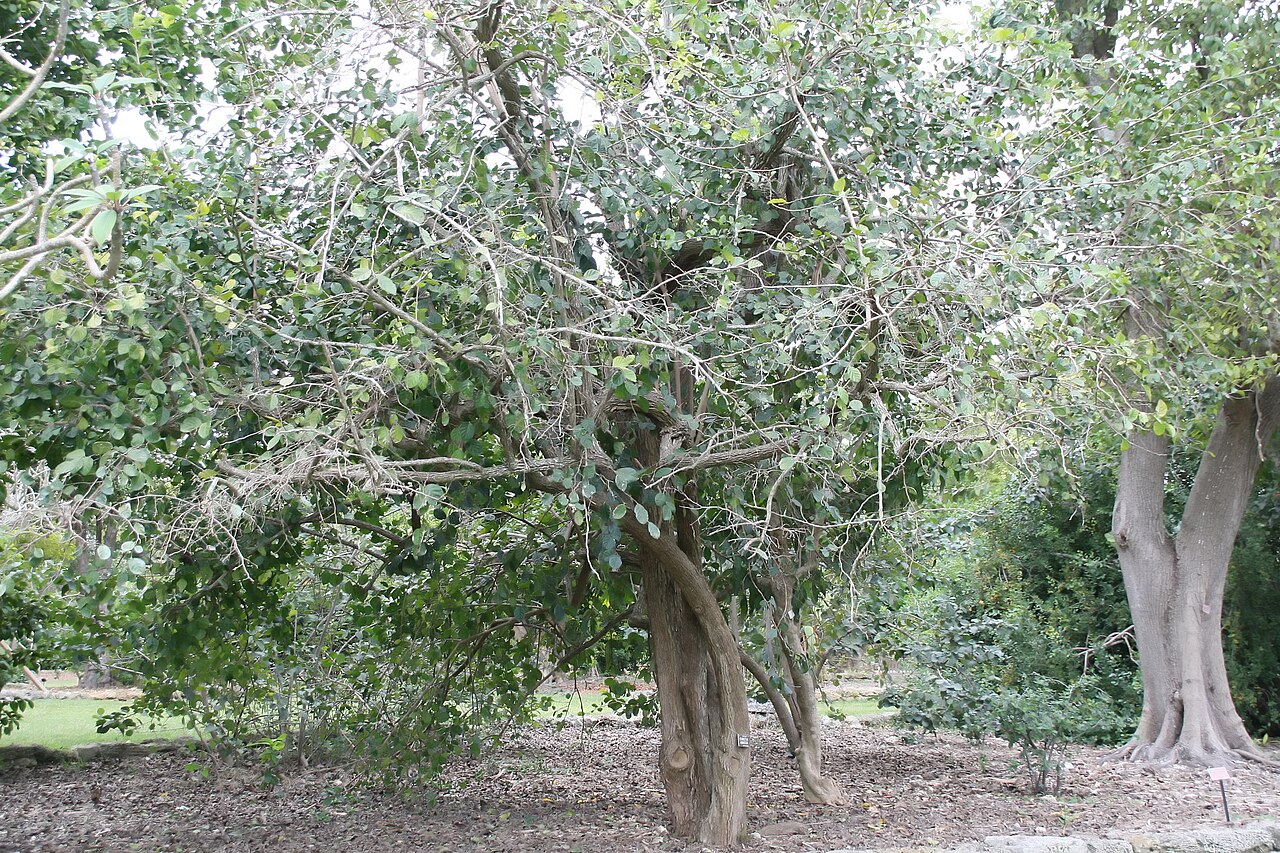
Ehretia anacua, commonly called Anacua (also spelled anaqua or anacahuita, and known as knockaway or sandpaper tree), is a tough, slow-growing native tree of South and Central Texas and northeastern Mexico. Its name comes from the Nahuatl words for “paper” and “tree,” a nod to the tree’s thin, flaking bark, and gardeners who have brushed against its foliage know exactly why it also earned the nickname sandpaper tree: the upper leaf surface is genuinely rough to the touch, like fine-grit sandpaper.
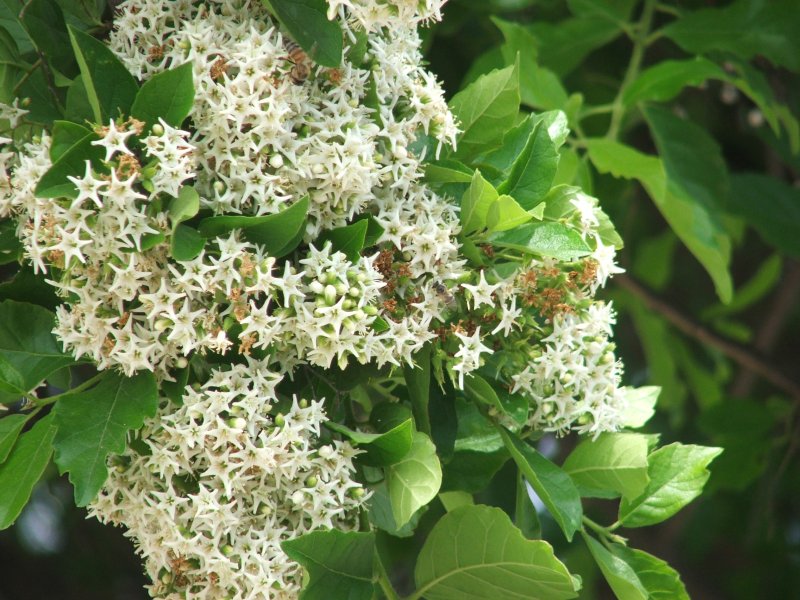
Anacua is a member of the borage family (Boraginaceae, sometimes placed in the related Ehretiaceae) and is one of the most distinctive trees of the South Texas brush country. Left alone, it slowly develops a gnarled, almost sculptural form, with several trunks twisting and sometimes fusing together into a thick, fluted base topped by reddish-brown, scaly bark. In spring and again later in the growing season it disappears under dense, fragrant clusters of small white flowers so profuse that old-timers say a blooming Anacua looks dusted with snow.
For Texas gardeners working in alkaline, caliche-heavy soils where many shade trees struggle, Anacua is a dependable, long-lived choice. It is evergreen to semi-evergreen depending on the winter, needs very little supplemental water once established, and feeds an impressive list of birds and other wildlife with its small orange fruits. Because it is sensitive to hard freezes, it is best suited to Central and South Texas rather than the northern half of the state.
Identification
Anacua typically grows 20 to 45 feet tall with a broad, rounded crown, though old specimens in favorable sites can be taller. It is usually multi-trunked, with several stems rising from the base and often fusing together with age into a thick, fluted, almost braided-looking trunk up to 2 feet in diameter. Younger trees have a single leader but tend to develop suckers and secondary trunks over time unless these are pruned away.
Bark & Stems
The bark is reddish-brown to gray and breaks into narrow, closely spaced ridges with thin, papery scales that flake and curl, especially on older trunks. This scaly texture, combined with the twisting, multi-stemmed habit of mature trees, gives Anacua a rugged, aged look even on relatively young specimens. Twigs are slender and grayish, and the whole tree often has a gnarled, wind-sculpted silhouette that is part of its landscape appeal.
Leaves
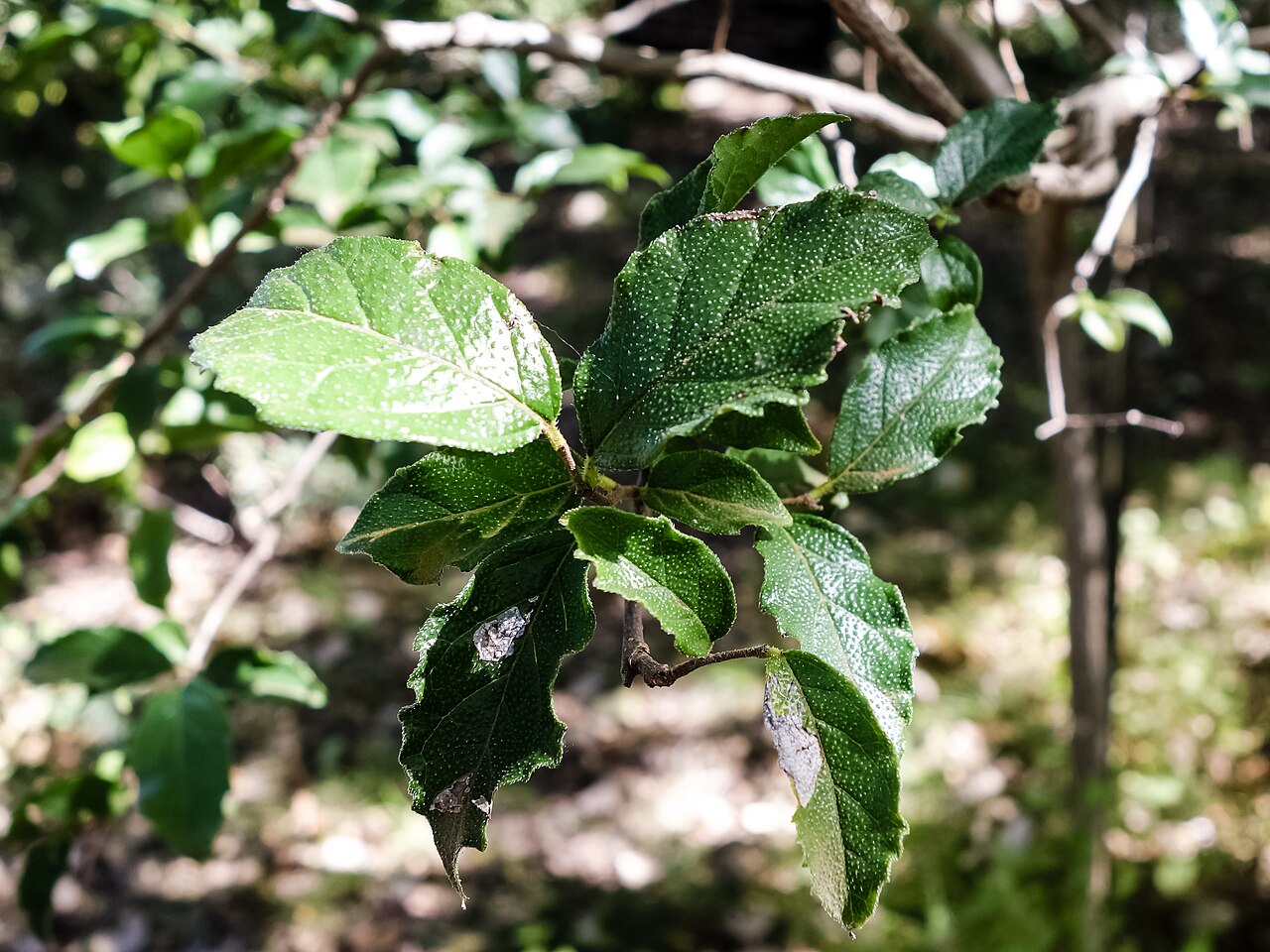
Leaves are simple, alternate, dark glossy green, elliptical to ovate, and 1 to 3 inches long with smooth to slightly wavy margins and a pointed tip. The defining feature is texture: the upper surface is distinctly rough and sandpapery, caused by tiny calcified hairs, while the underside is softer and paler. Anacua is technically evergreen to semi-evergreen, meaning it keeps most of its leaves through a mild winter but drops and quickly replaces them in early spring; in a hard freeze it can lose its leaves entirely for a short period.
Flowers & Fruit
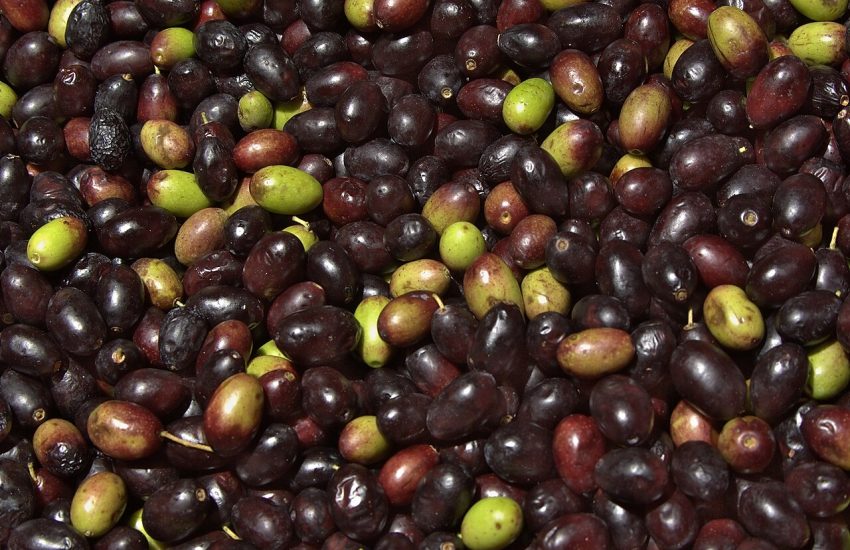
Small, fragrant, white, star-shaped flowers about a third of an inch across form in dense, showy clusters at the branch tips. Bloom is heaviest from late winter into spring, with scattered rebloom through summer and fall after rain, and a flowering Anacua hums with honeybees and other pollinators. The flowers give way to small, round, orange to yellow drupes about a third of an inch across, each containing two hard stones with two seeds apiece. The fruit is edible and mildly sweet, though mostly eaten by wildlife rather than people.
Quick Facts
| Scientific Name | Ehretia anacua |
| Family | Boraginaceae (Borage); sometimes placed in Ehretiaceae |
| Plant Type | Evergreen to semi-evergreen tree |
| Mature Height | 20–45 ft |
| Mature Spread | 20–40 ft, often wider than tall with age |
| Growth Rate | Slow to moderate |
| Sun Exposure | Full Sun to Part Shade |
| Water Needs | Low once established; appreciates regular water while young |
| Soil Type | Adaptable; thrives in caliche, clay, loam and sand |
| Soil pH | Neutral to alkaline (about 7.0–8.5) |
| Bloom Time | February – April, with sporadic rebloom through fall |
| Flower Color | White, fragrant |
| Fall Color | None notable; semi-evergreen |
| Fruit | Small orange-yellow drupes, edible, spring–summer |
| Deer Resistant | High |
| USDA Hardiness Zones | 8b–11 (foliage damage possible below the mid-teens °F) |
Native Range
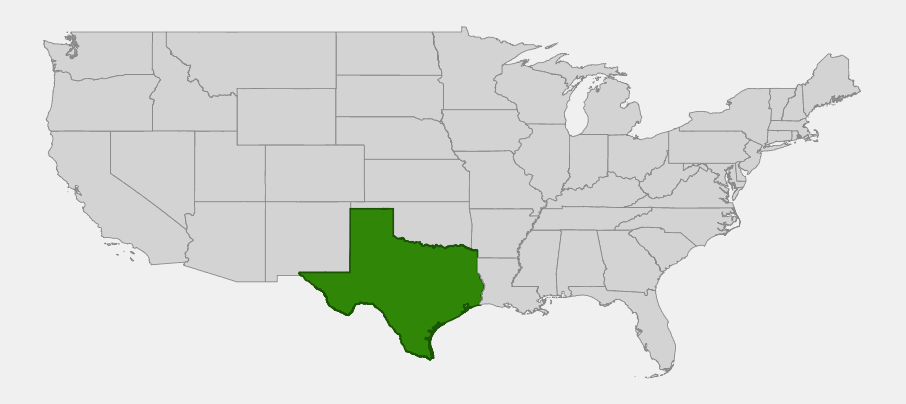
Anacua is native to South and Central Texas, reaching roughly as far north as the Edwards Plateau and the southern Blackland Prairie, and south through the Rio Grande Valley into eastern Mexico as far as Chiapas. Within Texas it is most abundant in the Rio Grande Plains, the Coastal Bend and the brush country around San Antonio, where it is a common and recognizable element of native woodlands.
In the wild, Anacua is found along streambanks and in riparian woodlands, where deep soil moisture lets it reach full tree size, as well as on drier upland sites such as thickets, chaparral and fence rows, where it tends to stay smaller and more shrub-like. It tolerates a wide range of soils, including the shallow, alkaline, caliche-based soils common across its South Texas range, and this adaptability is a large part of why it has remained such a dependable landscape tree.
Because Anacua is sensitive to extended hard freezes, it dies back or struggles when planted well north of its native range; gardeners as far north as Dallas have grown it successfully but report freeze damage and reduced flowering in cold winters. Within its natural Central and South Texas range, however, it is a long-lived, drought-tolerant tree, with wild specimens known to live 50 years or more.
📋 Regional plant lists featuring Anacua: South and West Texas
Growing & Care Guide
Anacua rewards patience. It grows slowly for its first several years and then settles into a tough, low-maintenance tree that shrugs off heat, alkaline soil and drought, three conditions that defeat many other shade trees across its native range.
Light
Plant Anacua in full sun to part shade. Trees grown in full sun develop the fullest, most rounded canopy and bloom most heavily; part shade is tolerated and can be useful under the high, dappled shade of larger trees, but flowering and form are usually better with more light.
Soil & Water
Anacua is not fussy about soil, growing well in sandy loam, clay and the shallow, alkaline, caliche-based soils typical of South Texas. Good drainage is more important than soil type. Water young trees regularly during their first two to three growing seasons to build a deep root system; once established, Anacua is genuinely drought tolerant and needs supplemental water only during extended dry spells.
Planting Tips
Plant container-grown Anacua in fall or early spring so roots have time to establish before summer heat or winter cold. Because mature trees often develop multiple trunks, decide early whether you want a single-trunk shade tree or a multi-stemmed specimen, and prune accordingly while the tree is young. Give it plenty of room: a mature canopy can spread 20 feet or more. Avoid planting Anacua in low spots that collect cold air, since it is more freeze-sensitive than many South Texas natives.
Pruning & Maintenance
Prune in late winter to remove dead, crossing or damaged wood and to shape young trees, whether toward a single leader or a clump form. Established Anacua needs little upkeep: it has no serious pest or disease problems, tolerates heat and wind well, and requires no regular fertilization in reasonable soil. After a hard freeze, wait until new growth resumes in spring before pruning back any damaged tips, since some apparent dieback often sprouts again.
Propagation
Anacua is propagated mainly from seed. Collect ripe orange fruit in late spring or summer, remove the pulp, and sow fresh seed or stratify it in moist sand for better germination. It can also be rooted from softwood or juvenile cuttings and will sprout from root suckers, which is one reason established trees often develop a clumping, multi-trunked habit over time.
Landscape Uses
- Shade tree for South and Central Texas yards, especially where soil is alkaline or rocky
- Wildlife garden centerpiece alongside Texas persimmon and Texas olive
- Xeriscaping and drought-tolerant landscapes once established
- Specimen or accent tree, prized for its gnarled, sculptural mature form
- Privacy and screening when allowed to grow as a dense, multi-trunked clump
- Pollinator and bird gardens, thanks to its heavy bloom and fruit set
Wildlife & Ecological Value
Anacua is one of the more wildlife-productive native trees of South Texas, offering food and cover across most of the year thanks to its evergreen habit and repeated bloom and fruit cycles.
For Pollinators
The fragrant, nectar-rich flowers draw large numbers of honeybees as well as native bees and other insects, especially during the heavy late-winter and spring bloom. Because flowering can continue sporadically after rain through summer and fall, Anacua provides a longer pollinator resource window than many South Texas trees that bloom only briefly in spring.
For Birds
The small orange fruits are eaten by a wide range of birds, including the clay-colored thrush and other fruit-eating species that pass through or reside in South Texas brush country. The dense, evergreen canopy also offers good nesting cover and shelter, which is valuable in a region where tall, broad-canopied native trees are relatively scarce.
For Mammals
Mammals including raccoons, coyotes and various rodents feed on the fallen fruit, and the tangled, multi-trunked form of older trees provides cover for small wildlife at ground level. Deer tend to avoid browsing Anacua, making it a reliable choice in areas with heavy deer pressure.
Ecosystem Role
As one of the larger native trees of the South Texas brush country, Anacua adds structural diversity to landscapes otherwise dominated by shorter mesquite, acacia and thorn-scrub species. Its deep roots help stabilize streambanks and the soil of riparian corridors, and its dense canopy moderates summer heat for understory plants and wildlife alike.
Cultural & Historical Uses
The name Anacua comes from “anacahuite,” itself derived from the Nahuatl words āmatl (paper) and cuahuitl (tree), likely a reference to the tree’s thin, papery, flaking bark. The English name knockaway is simply an anglicized corruption of anacua, and the tree is also widely known in South Texas by its Spanish names, including manzanita and manzanillo.
Historically, Anacua’s dense, close-grained wood was valued locally for fence posts and tool handles, prized for its durability in the harsh South Texas climate. The small orange fruits were and still are eaten fresh off the tree, especially by children in rural communities, though they are mild and seedy rather than a significant food crop.
Today Anacua is most valued as a landscape tree. Its drought tolerance, alkaline-soil adaptability and striking mature form have made it a long-time favorite for South Texas shade plantings, and in recent years it has also become popular in bonsai cultivation, where growers prize its small leaves and naturally gnarled, aged appearance even in young specimens.
Frequently Asked Questions
Is Anacua evergreen?
It is evergreen to semi-evergreen depending on the winter. In mild years it holds most of its leaves, dropping and quickly replacing them in early spring; a hard freeze can defoliate the tree temporarily, but it typically releafs vigorously once warm weather returns.
How cold-hardy is Anacua?
Anacua is reliably hardy in USDA zones 8b through 11 and is best suited to Central and South Texas. Trees planted farther north, such as around Dallas, can survive but often suffer freeze damage and bloom poorly in cold winters.
Can you eat Anacua fruit?
Yes, the small orange drupes are edible and mildly sweet, though mostly seed with little flesh. They are eaten fresh and are primarily valuable as wildlife food rather than a garden food crop.
Why do Anacua leaves feel rough?
The upper leaf surface is covered in tiny calcified hairs that give it a genuinely sandpaper-like texture, which is where the common name “sandpaper tree” comes from. This rough texture is a reliable field mark for identifying the species.
How fast does Anacua grow?
Anacua grows slowly to moderately, especially in its first several years. Regular water while young speeds establishment, but even mature trees are not fast growers compared with many shade trees, which is part of why older specimens with their gnarled, fluted trunks are so valued.

Looking for a nursery that carries Anacua?
Browse our native plant nursery directory: Texas. See also our guides to shade trees for San Antonio and evergreen trees.