
Georgia Oak (Quercus georgiana)
Quercus georgiana, the Georgia Oak (also called Stone Mountain oak), is a rare, small red oak endemic to a handful of rocky outcrops and dry ridges in the Piedmont of the southeastern United States. It is best known from Georgia’s granite domes, especially Stone Mountain near Atlanta, where it grows in thin, droughty soil pockets that few other trees can tolerate. Globally, the IUCN lists it as Endangered, and it is one of the rarer native oaks a southeastern gardener is likely to encounter.
In the wild, Georgia oak is often shrubby rather than tree-like, a response to the harsh, exposed, rocky sites it favors, though on better soil it can grow into a small tree 25 to 50 feet tall. Its glossy, deeply lobed leaves turn reddish brown in fall and often persist on the tree well into winter, a trait called marcescence that it shares with several other small oaks. The tight, finely checkered bark and compact crown give older trees real character, especially where they grow twisted and sculptural among exposed granite.
Its slow, unhurried growth on lean rock-outcrop soil is typical of stress-adapted oaks; see our general guide to how fast oak trees grow for more context. Because Georgia oak is naturally so restricted and uncommon, it is primarily grown by conservation-minded gardeners, botanical gardens, and collectors rather than as a mainstream landscape tree. Where it is available, it makes an excellent small specimen tree for a sunny, well-drained, rocky or lean-soil site, and planting it is a direct way to support a genuinely rare piece of the southeastern flora.
Identification
Georgia oak is a small tree or large shrub, typically 25 to 50 feet tall where soil allows real growth, though plants rooted directly in granite outcrop crevices often stay shrub-sized. It has a compact, rounded crown and, on better sites, a single discernible trunk; on the harshest rock outcrops it is often multi-stemmed.
Bark
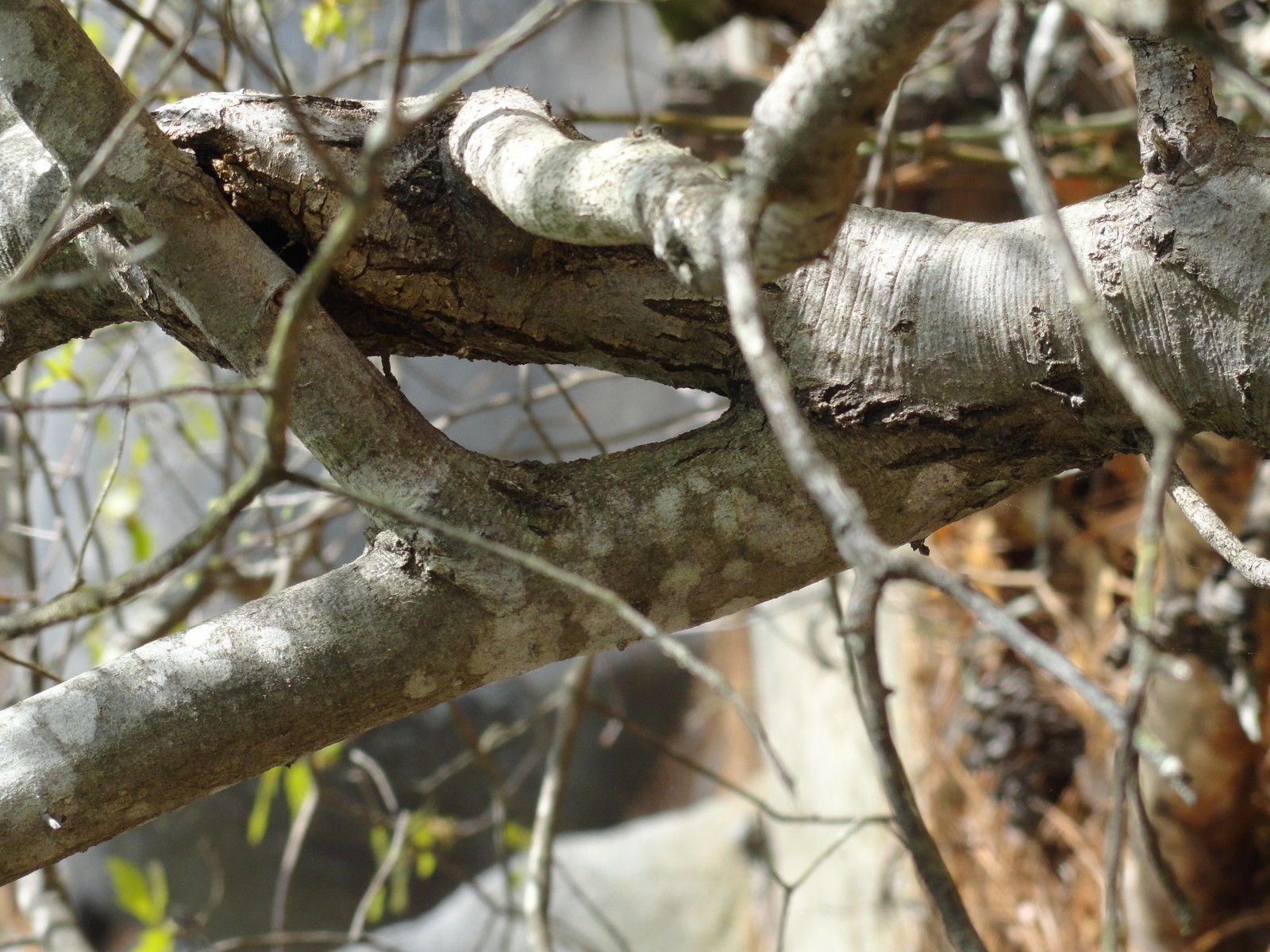
Young bark is smooth and gray to light brown, developing a tight, finely checkered or scaly texture with age rather than the deep furrows of larger oaks. The relatively smooth bark, combined with the tree’s small stature, can make Georgia oak resemble a shrubby blackjack oak or turkey oak at a glance, so leaf and habitat details matter for a confident identification.
Leaves
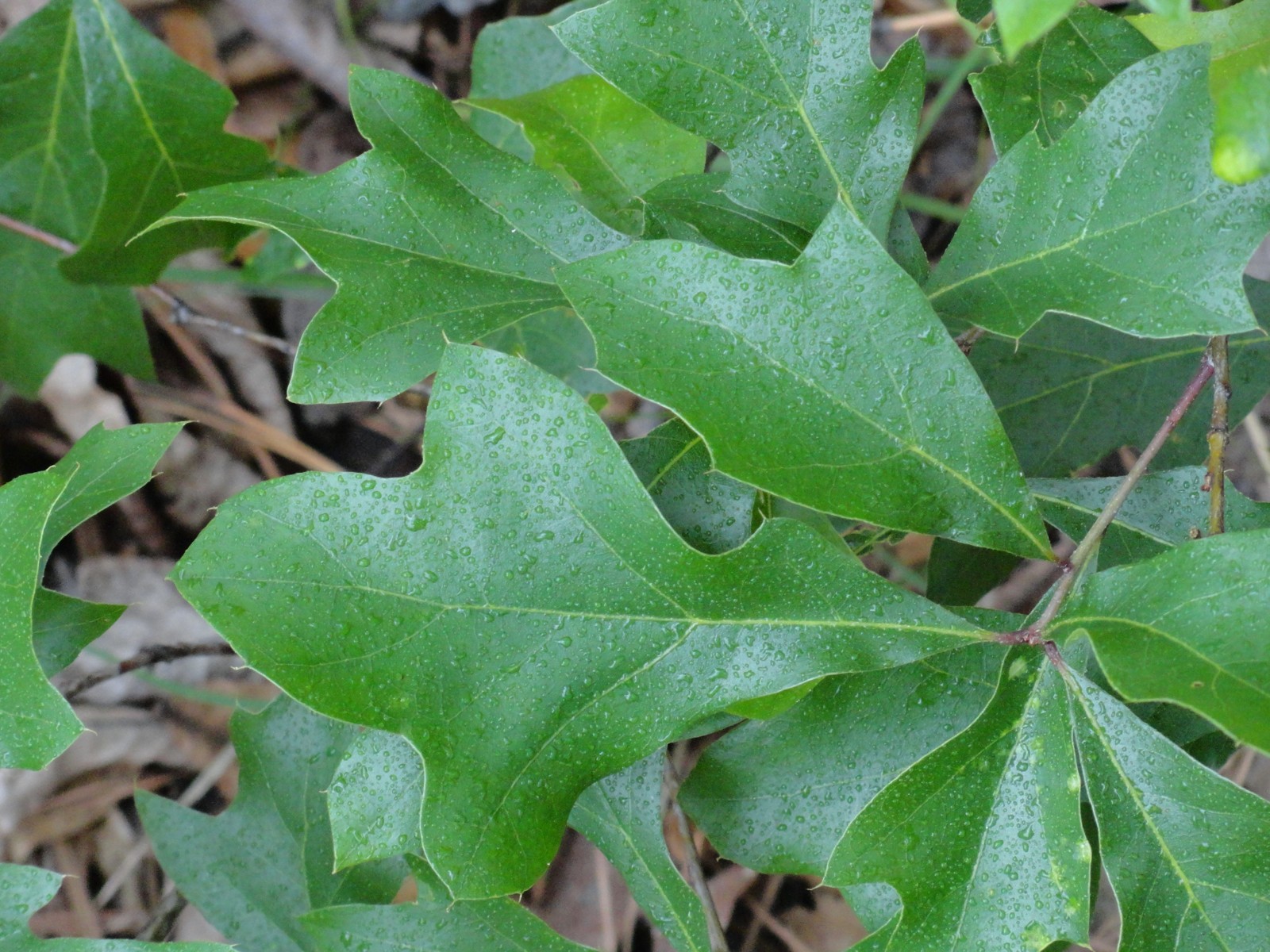
Leaves are small for a red oak, typically 1.5 to 5 inches long and 1 to 3.5 inches wide, with five irregular, pointed, bristle-tipped lobes. They are glossy, hairless dark green above, with small but noticeable tufts of hair in the vein axils on the underside. In autumn the leaves turn dark red to brown, and unlike many oaks they frequently stay attached through winter, dropping only as new growth emerges in spring.
Flowers & Acorns
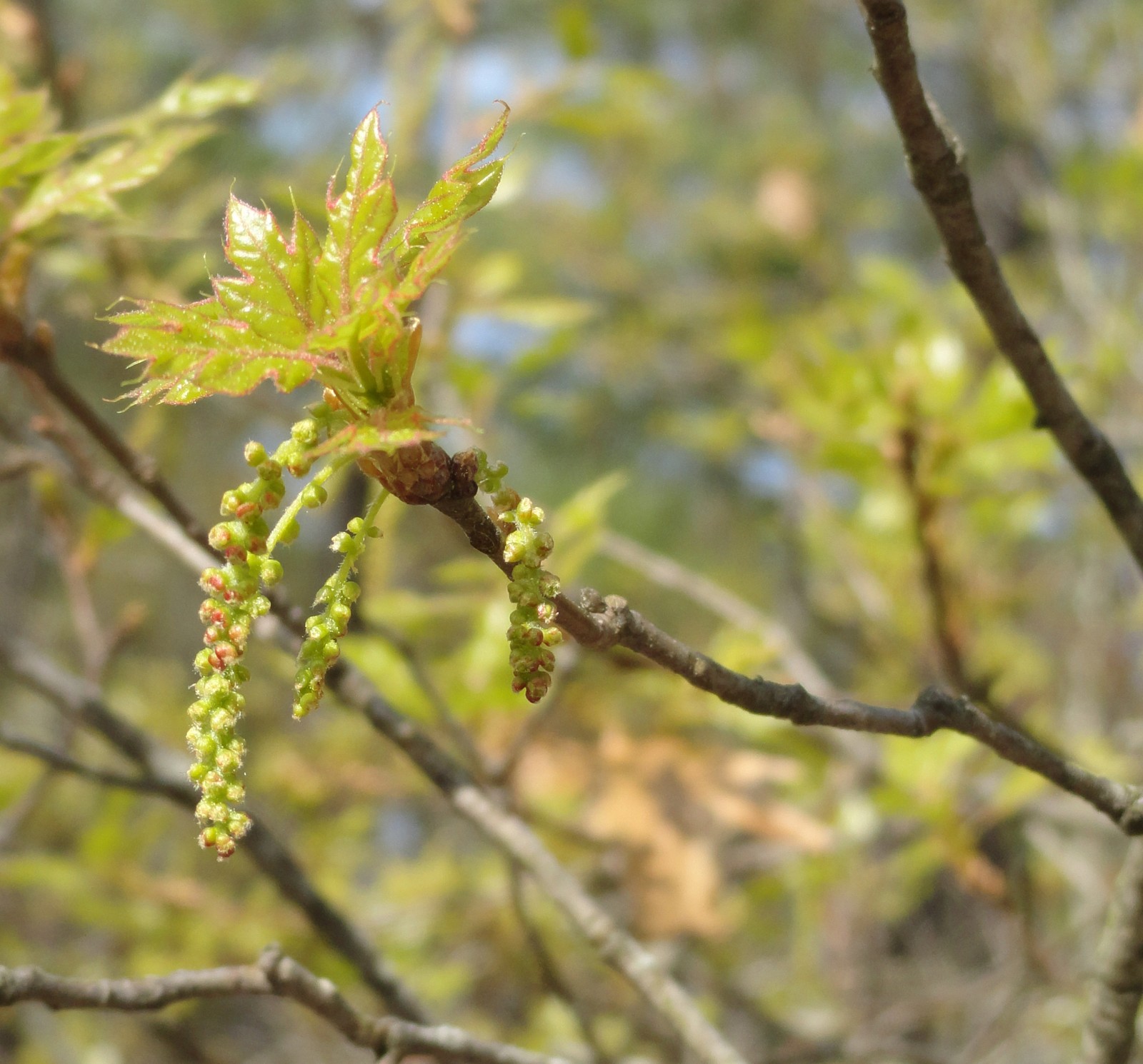
Like other oaks, Georgia oak flowers in spring as the new leaves unfurl, with slender, pale green to yellowish male catkins hanging from the twigs and inconspicuous female flowers tucked near the leaf axils. As a member of the red oak group, its acorns take two growing seasons to mature, forming small, rounded nuts about half an inch long in a thin, shallow, scaly cap.
Quick Facts
| Scientific Name | Quercus georgiana |
| Family | Fagaceae (Beech/Oak) |
| Plant Type | Deciduous small tree or large shrub |
| Mature Height | 25–50 ft (shrubby on rock outcrops) |
| Mature Spread | 20–35 ft |
| Growth Rate | Slow |
| Sun Exposure | Full Sun |
| Water Needs | Low; very drought tolerant once established |
| Soil Type | Thin, rocky or sandy, well-drained soil; tolerates granite outcrop crevices |
| Soil pH | Acidic to neutral |
| Bloom Time | March – April |
| Flower Color | Pale green-yellow (inconspicuous catkins) |
| Fall Color | Dark red to brown; often persists through winter |
| Fruit | Small acorns about 1/2 in, maturing over two seasons |
| Deer Resistant | Yes |
| USDA Hardiness Zones | 5–8 |
Native Range
Georgia oak’s core range is the Piedmont of Georgia and Alabama, with its best-known populations centered on granite outcrop monadnocks like Stone Mountain and Panola Mountain near Atlanta. Historical specimens are recorded from South Carolina, but the species is now considered historic (effectively gone) there, and reported populations in North Carolina are believed, based on genetic and morphological study, to represent hybrids with other red oaks rather than pure Georgia oak. For that reason this profile focuses on its confirmed modern range in Georgia and Alabama.
Typical habitat is thin, rocky, acidic soil on and around granite outcrops, dry ridgetops, and exposed Piedmont uplands, often alongside other stress-tolerant species adapted to shallow soil and intense summer heat. It is uncommon even within Georgia and rare everywhere else it has been recorded, making intact populations ecologically significant wherever they persist.
The IUCN lists Georgia oak as Endangered, reflecting its small number of populations, limited habitat, and vulnerability to disturbance of the specialized rock-outcrop and dry-ridge communities it depends on. Conservation of existing granite outcrop preserves, several of which are now protected parkland, is central to the species’ survival, and botanical gardens have taken an active role in propagating and distributing it to reduce pressure on wild stands.
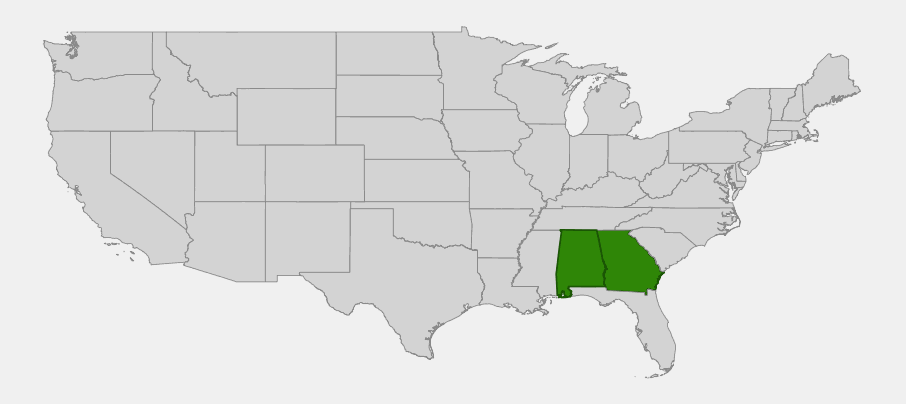
📋 Regional plant lists featuring Georgia Oak: Georgia, Alabama & Mississippi
Growing & Care Guide
Georgia oak is tougher than its rarity suggests, well suited to lean, rocky garden sites where more common trees struggle, as long as it gets the sun and drainage it needs.
Light
Plant Georgia oak in full sun. In the wild it grows on exposed, sun-baked outcrops with little competing shade, and it performs best in gardens with at least six to eight hours of direct sun each day.
Soil & Water
Georgia oak is naturally adapted to thin, rocky, well-drained, acidic soil and is not a good fit for rich, consistently moist garden beds, where it can be outcompeted or prone to root problems. It is highly drought tolerant once established, reflecting its origin in shallow soil pockets on bare granite. Water new plantings for the first one to two years, then expect the tree to need little supplemental irrigation.
Planting Tips
Choose a sunny, rocky, or sandy well-drained site, ideally one that mimics a Piedmont outcrop margin rather than a typical garden border. Raised beds or rock gardens with lean soil work well. Avoid heavy fertilization or rich amended soil, which can encourage weak, floppy growth out of character with this naturally tough, compact tree.
Pruning & Maintenance
Little pruning is needed; remove dead or damaged wood in late winter and let the tree develop its naturally compact, sometimes multi-stemmed form. Because Georgia oak is adapted to stressful sites, avoid the temptation to over-water or over-fertilize it in cultivation, which can shorten its naturally long lifespan on lean soils.
Propagation
Propagation is from acorns, collected in fall of their second year. As with other red oaks, seed can be stored over winter with cold, moist stratification before spring sowing. Because wild populations are limited and ecologically important, gardeners and restoration projects should source seed or nursery stock from reputable native-plant growers or botanical garden programs rather than collecting from wild outcrop populations.
Landscape Uses
- Rock gardens and outcrop-style plantings that mimic its native granite habitat
- Small specimen tree for a sunny, lean-soil front yard or courtyard
- Piedmont native plant collections alongside post oak and blackjack oak
- Conservation and botanical garden plantings to support an endangered native species
- Drought-tolerant landscaping once established, needing little supplemental water
Wildlife & Ecological Value
Despite its rarity, Georgia oak plays the same essential ecological roles as its more common oak relatives, concentrated in a very specialized habitat.
For Pollinators
As a wind-pollinated species, Georgia oak does not depend on insect pollinators, but like all oaks it hosts an unusually large number of native moth and butterfly caterpillars, supporting the wider insect community of the rock outcrop habitats where it grows.
For Birds
Its acorns, though produced on a small scale given the tree’s size and scattered habitat, provide food for jays, woodpeckers, and other birds, while its canopy offers nesting habitat in otherwise sparsely wooded outcrop margins.
For Mammals
Squirrels and other small mammals eat and cache Georgia oak acorns, aiding seed dispersal into new rock crevices and soil pockets. Because the species is already scarce, seed predation can be a meaningful pressure on local reproduction.
Ecosystem Role
Georgia oak is a characteristic woody species of granite outcrop and dry Piedmont ridge communities, which are themselves globally rare ecosystems hosting many specialized plants. Its presence helps anchor these unusual habitats and signals ecologically significant, often legally protected ground.
Cultural & Historical Uses
Georgia oak has no significant history of timber or commercial use; its small size, slow growth, and naturally scattered distribution on rocky outcrops made it unsuitable for the forestry that shaped the use of larger regional oaks. Moses Ashley Curtis first described the species in the nineteenth century, and its unusual, restricted habitat on granite domes like Stone Mountain made it a subject of ongoing botanical interest well before modern conservation genetics confirmed how narrow its true range actually is.
Today Georgia oak’s significance is primarily ecological and educational. Stone Mountain Park and similar protected outcrops where it grows are popular hiking destinations, and interpretive programs there often highlight Georgia oak as an example of a highly specialized, locally adapted native tree found almost nowhere else on Earth.
For gardeners, growing Georgia oak is less about historical use and more about participating directly in the conservation of a genuinely rare piece of the southeastern Piedmont’s natural heritage, in the same spirit as the broader push toward planting native trees for biodiversity.
Frequently Asked Questions
Is Georgia oak the same as the oak on Stone Mountain?
Yes, Stone Mountain near Atlanta holds one of the best-known populations of Georgia oak, which is why it is sometimes called Stone Mountain oak. It also occurs on other granite outcrops across the Georgia and Alabama Piedmont.
Is Georgia oak endangered?
Yes. The IUCN Red List classifies Georgia oak as Endangered due to its small number of populations, narrow habitat requirements, and vulnerability to disturbance of the rock-outcrop and dry-ridge communities it depends on.
Does Georgia oak grow in North Carolina or South Carolina?
Historical specimens are known from South Carolina, but the species is now considered historic there. Reported North Carolina populations are now believed to be hybrids with other red oaks rather than genuine Georgia oak, so current confirmed range is limited to Georgia and Alabama.
Can Georgia oak grow in normal garden soil?
It can, but it does best in lean, rocky, well-drained soil similar to its native granite outcrop habitat. Rich, consistently moist soil is less suited to this naturally tough, slow-growing species.
Why does Georgia oak keep its leaves in winter?
Like several other small oaks, it shows marcescence, meaning dead leaves often stay attached through winter instead of dropping in fall, falling only as new growth pushes them off in spring.


