
Boynton Oak (Quercus boyntonii)
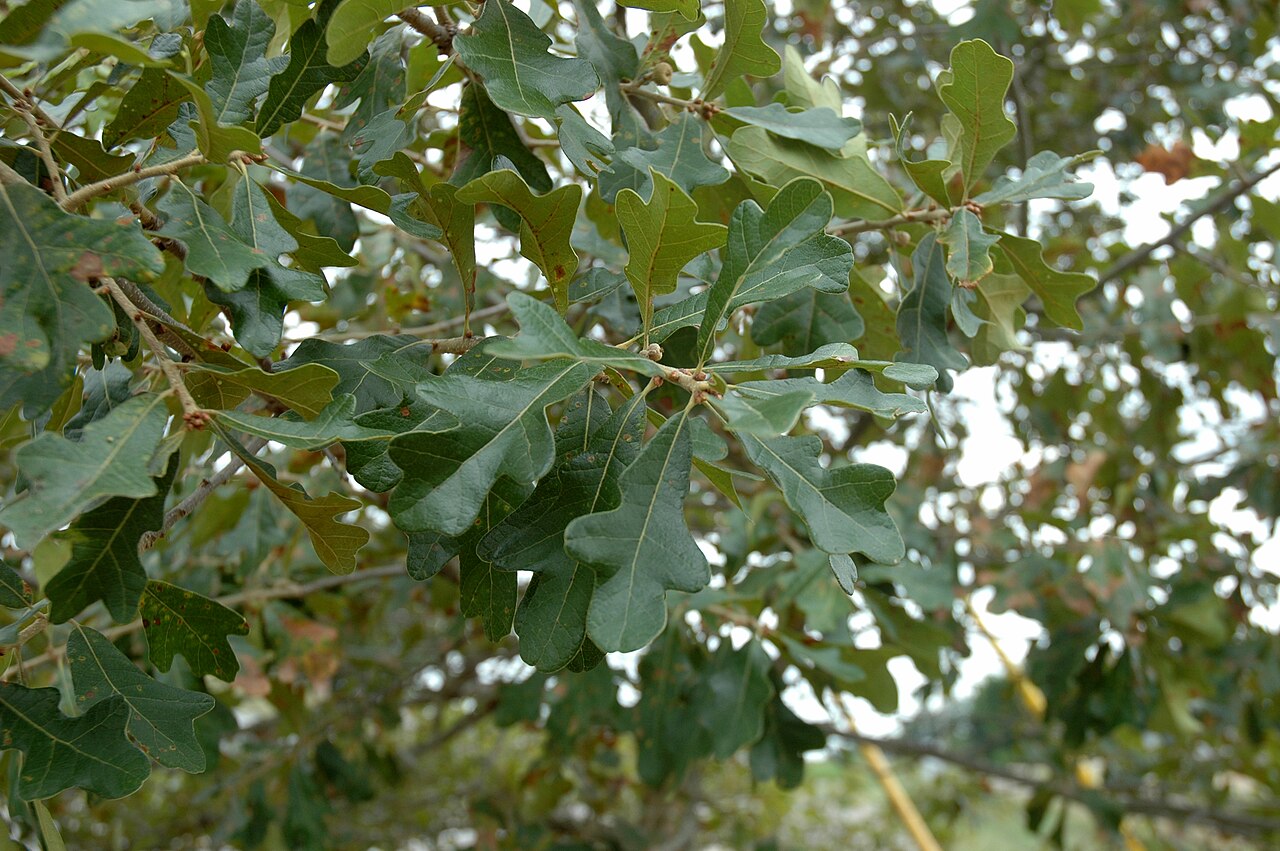
Quercus boyntonii, commonly called Boynton Oak (also Boynton sand post oak or Alabama sandstone oak), is one of the rarest oaks in North America. It is a critically endangered shrubby oak found in only a handful of counties in central Alabama, where it clings to exposed sandstone outcrops in the Ridge and Valley physiographic province. Long treated by some botanists as little more than a dwarf, shrubby variant of post oak (Quercus stellata), Boynton Oak is now recognized as a distinct species with its own conservation priority.
Boynton Oak rarely grows taller than a large shrub, forming dense, low thickets through extensive clonal root sprouting rather than growing as a single-trunked tree. Botanical gardens including the Auburn University Donald E. Davis Arboretum and the Huntsville Botanical Garden now collect and propagate its acorns for ex situ conservation, since the wild population is both small and vulnerable to habitat disturbance.
Because of its rarity, Boynton Oak is not commercially available and should never be collected from the wild. This page documents its identification and ecology for conservation awareness and for Alabama gardeners interested in supporting regional oak conservation through institutional propagation programs, rather than as a typical landscape recommendation.
Identification
Boynton Oak is usually a low, multi-stemmed, thicket-forming shrub rather than a single-trunked tree, typically reaching just 10 to 20 feet tall, though scattered individuals may grow larger under favorable conditions. Its shrubby, clonal growth habit — spreading by root sprouts to form dense colonies — is one of its most distinctive field characteristics and sets it apart from the single-trunked post oak it was once confused with.
Leaves
The leaves are typical of the white oak group: alternate, simple, and shallowly lobed with rounded (not bristle-tipped) lobe tips, generally 2 to 4 inches long. The upper surface is a dull to semi-glossy dark green, and like many white oaks the foliage can show a leathery texture. Fall color tends toward russet-brown, typical of oaks in the stellata relationship group.
Bark & Twigs
Bark on older stems is gray and scaly, similar in texture to other white oak group species, though individual stems rarely reach the size needed to develop deeply furrowed bark. Twigs are slender and often show the fine, star-shaped (stellate) hairs characteristic of the post oak group.
Acorns
Acorns are small, as in most white oaks, maturing in a single season and enclosed in a shallow, scaly cup over roughly the lower third of the nut. Acorn production is an important focus of ongoing conservation seed-banking efforts by regional arboreta.
Quick Facts
| Scientific Name | Quercus boyntonii |
| Family | Fagaceae (Beech) |
| Plant Type | Deciduous, clonal, thicket-forming shrub oak |
| Mature Height | 10–20 ft (rarely more) |
| Growth Rate | Slow |
| Sun Exposure | Full Sun to Part Shade |
| Water Needs | Low; drought tolerant on thin sandy soils |
| Soil Type | Deep sands and crevices over sandstone |
| Soil pH | Acidic |
| Bloom Time | Spring |
| Flower Color | Inconspicuous green catkins (wind-pollinated) |
| Fall Color | Russet-brown |
| Fruit | Small acorns, shallow scaly cup, annual maturation |
| Conservation Status | Critically endangered; actively propagated ex situ |
| USDA Hardiness Zones | 7a–8a |
Native Range
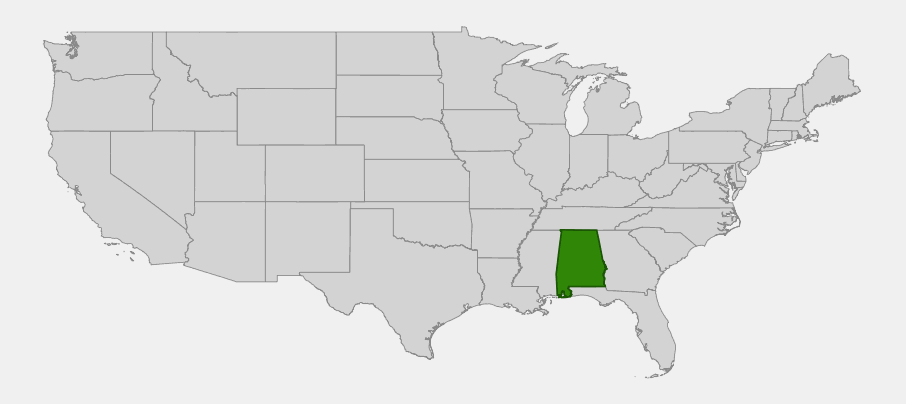
Boynton Oak is endemic to central Alabama, where it is currently documented from roughly six to nine counties in the Ridge and Valley physiographic province. Historical records suggest it may once have grown in Texas as well, but no current populations are confirmed outside Alabama, so this page treats its native range as limited to that state. Within Alabama, it is a true habitat specialist, found almost exclusively on exposed sandstone outcrops and the deep sandy soils and rock crevices associated with them.
Typical habitat is open, dry pine-oak-hickory forest on sandstone, often on ridgelines and bluffs where thin, acidic, well-drained soils limit competition from larger trees. Because this habitat type is itself uncommon and easily disturbed by development, quarrying and fire suppression, Boynton Oak’s populations are small, scattered and considered highly vulnerable.
Given its extremely limited and sensitive range, Boynton Oak is not a species to plant outside conservation contexts, and it is not realistic to expect to find nursery stock through normal retail channels. Interested gardeners and land managers in central Alabama should contact regional conservation programs, such as the Auburn University Donald E. Davis Arboretum, about participating in approved propagation and reintroduction efforts.
📋 Regional plant lists featuring Boynton Oak: Georgia, Alabama & Mississippi
Conservation Status & Why It Matters
Boynton Oak is ranked as critically endangered and is a focus species in national oak conservation gap analyses, which identify it among North America’s most vulnerable native oaks. Its combination of an extremely restricted range, a disturbance-prone sandstone habitat, and a reliance on clonal root-sprouting rather than widespread seed dispersal makes it especially susceptible to local extirpation from any single land-use change, quarrying operation or severe fire event.
Conservation organizations, including the Botanic Gardens Conservation International network and regional Alabama arboreta, actively collect acorns from known populations for ex situ seed banking and cultivated backup collections, helping guard against the loss of the species’ genetic diversity even if wild populations continue to decline. This kind of institutional, science-based propagation — not home gardening or casual wild collection — is the appropriate way for the public to support this species.
Because the wild population is small, scattered and classified as critically endangered, this page does not treat Boynton Oak as a typical “plant this in your yard” native; it is presented primarily for identification, conservation awareness, and as a reference for land managers and institutions working on oak conservation in central Alabama’s forests, which host a notable diversity of oak species alongside the evergreen pines and hollies more commonly featured in regional planting guides.
Wildlife & Ecological Value
Like other oaks, Boynton Oak contributes to the food web of the dry sandstone woodlands where it grows, even though its total contribution is necessarily limited by its small population size.
For Wildlife
Acorns, where produced, are a food source for small mammals and birds typical of Alabama’s pine-oak-hickory woodlands, similar to the role played by the related post oak. The dense, low thickets formed by its clonal growth also provide ground-level cover in otherwise open, rocky terrain.
Ecosystem Role
As a specialist of sandstone outcrop habitats, Boynton Oak is part of a broader community of rock-outcrop plants adapted to thin, well-drained, nutrient-poor soils. These outcrop communities are themselves considered conservation priorities in the southeastern United States, hosting other specialized and sometimes rare plants alongside Boynton Oak.
Taxonomy Notes
Boynton Oak was historically treated by some authors as a dwarf, shrubby form of post oak (Quercus stellata), reflecting its similar leaf shape and shared placement in the white oak group. Current treatments by the Flora of North America and regional conservation assessments recognize it as a distinct species based on its consistent morphological differences, strongly clonal growth habit, and highly restricted sandstone habitat, which together set it apart from the widespread and ecologically generalist post oak.
Frequently Asked Questions
Is Boynton Oak endangered?
Yes. It is considered critically endangered, known from only a handful of counties in central Alabama, and is a priority species in national oak conservation planning efforts.
Can I buy or grow Boynton Oak?
It is not commercially available through typical retail nurseries. Propagation is currently managed by botanical gardens and conservation institutions for seed banking and research. Never collect acorns or plants from wild populations.
How is Boynton Oak different from post oak?
Boynton Oak is much smaller and shrubbier, spreading by root sprouts into low clonal thickets rather than growing as a single-trunked tree like post oak. It is also restricted to a tiny range of sandstone outcrops in central Alabama, while post oak is widespread across the eastern and central United States.
Where can I see Boynton Oak?
Wild populations occur on sandstone outcrops in a few central Alabama counties, and cultivated conservation specimens can sometimes be seen at regional botanical gardens, including the Auburn University Donald E. Davis Arboretum and the Huntsville Botanical Garden, which participate in its ex situ conservation.

Looking for a nursery that carries native Alabama oaks?
Browse our native plant nursery directory: Alabama

