Purple Coneflower Seedlings Disappearing: Checking Slugs, Drying, and Disturbance
Last updated: November 6, 2026
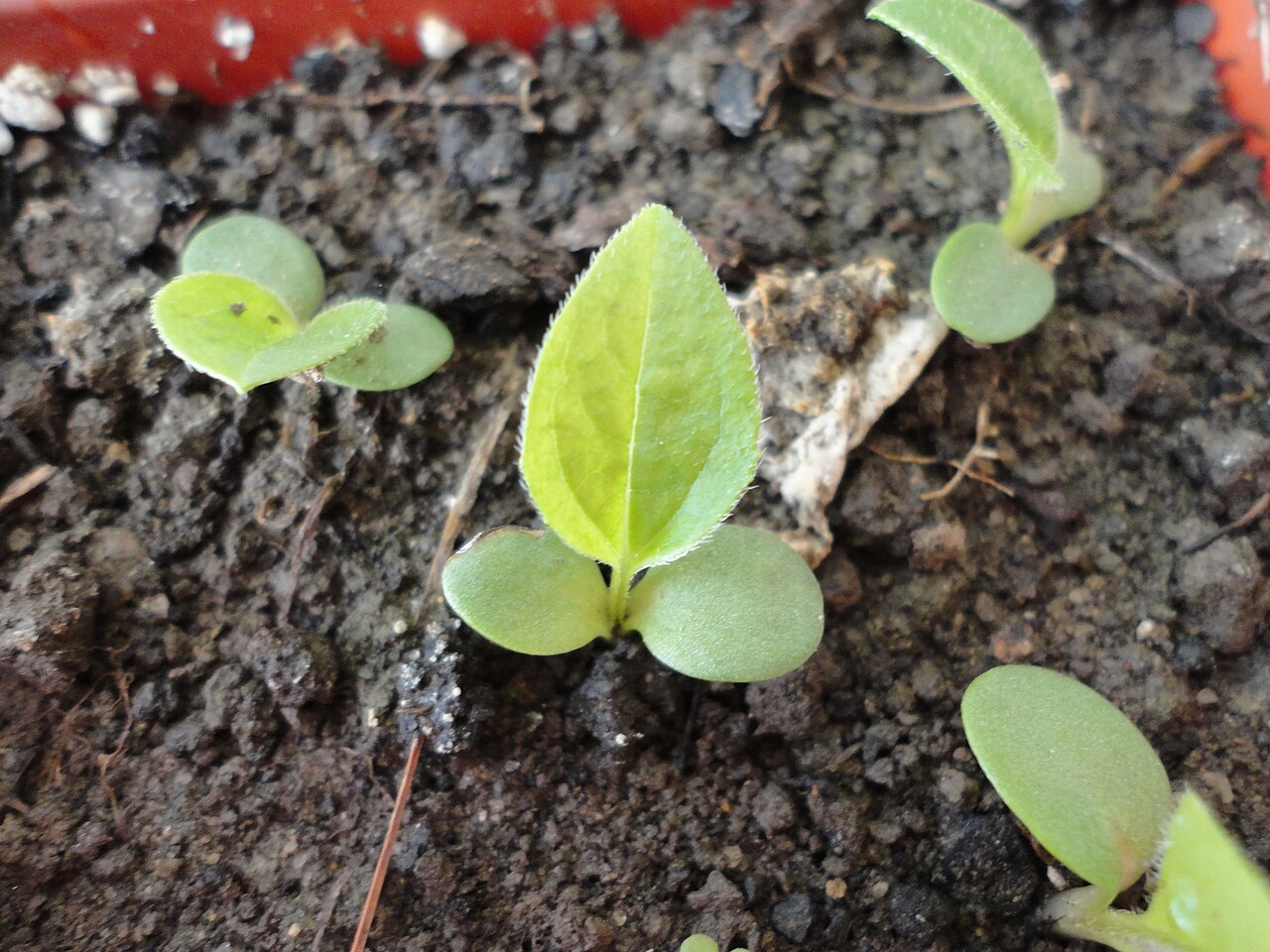
Last week there were neat little rows of purple coneflower seedlings. Now there are bare patches, a few stubs, or nothing at all.
Disappearing seedlings are one of the most frustrating problems with coneflowers. They are also one of the easiest to solve once you know which cause you’re dealing with. The culprit usually leaves clues, if you look the right way and at the right time of day.
This guide walks through the three main suspects, slugs, drying, and disturbance, plus a few others, and shows you how to protect the next flush of seedlings.
The Short Answer
Purple coneflower (Echinacea purpurea) seedlings usually disappear for one of these reasons:
- Slugs or snails eating them at night, especially in damp, mulched, or shady spots.
- Drying out during a warm, dry spell before the roots reach moist soil.
- Disturbance from weeding, raking, mulching, digging animals, or heavy rain.
- Cutworms chewing through stems at the soil line.
- Rabbits grazing young leaves.
- Damping-off, a seedling disease, in cool, wet conditions.
How Coneflower Seedlings Start Out
Purple coneflower reseeds readily in gardens, and the Chicago Botanic Garden found that most seedlings come up close to the parent plant. Seed can also be sown deliberately in fall, winter, or spring.
Prairie Moon Nursery rates purple coneflower seed as needing no pretreatment. The Lady Bird Johnson Wildflower Center notes that two months of cold, moist stratification improves germination. Fall or winter sowing outdoors gives seeds that cold period naturally.
A new seedling opens two oval seed leaves first. The rough, oval, slightly toothed true leaves follow over the next few weeks. Until the plant has several true leaves and a deeper root, it’s small, soft, and close to the soil surface.
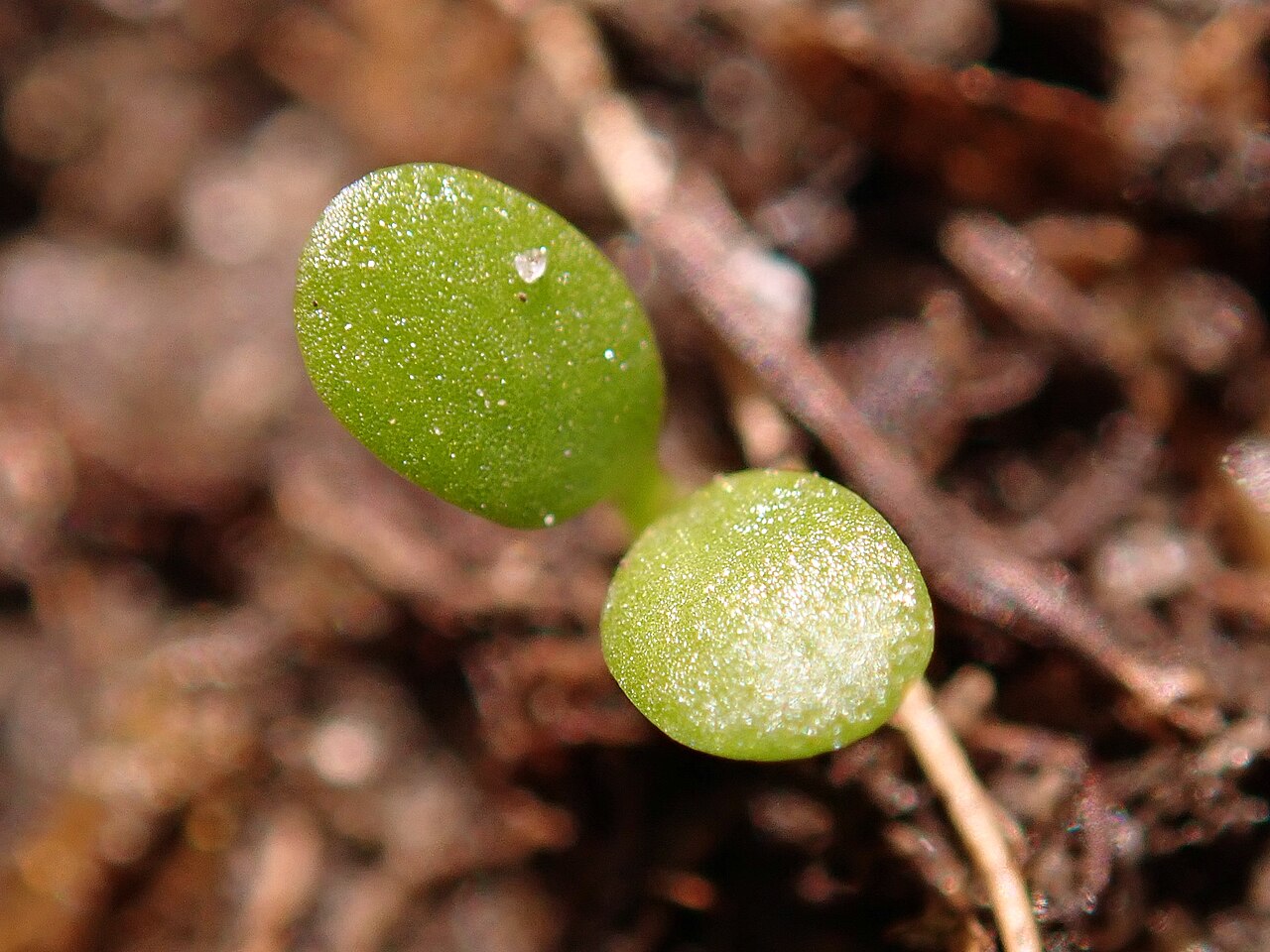
That’s why the first month matters so much. A young seedling has almost no reserves. One night of slug feeding or one hot afternoon on dry soil can finish it.
Check 1: Look for Slugs After Dark
Slugs are the most common suspect, and they’re easy to miss because they feed at night. University of Minnesota Extension notes that slugs are most active when it’s cool and damp, and that their feeding is especially damaging to seedlings. The University of Maryland adds that slugs and snails may completely consume young seedlings.
Go out with a flashlight about two hours after sunset. That’s when the University of Maryland suggests hand-picking. Look at soil level around the seedlings, under mulch edges, and along nearby stones or boards.
Daytime clues include:
- Shiny, dried slime trails on soil, mulch, or leaves.
- Ragged holes in surviving seed leaves, or leaves eaten back to the stem.
- Losses that cluster near damp hiding spots like mulch piles, stepping stones, edging, or groundcovers.
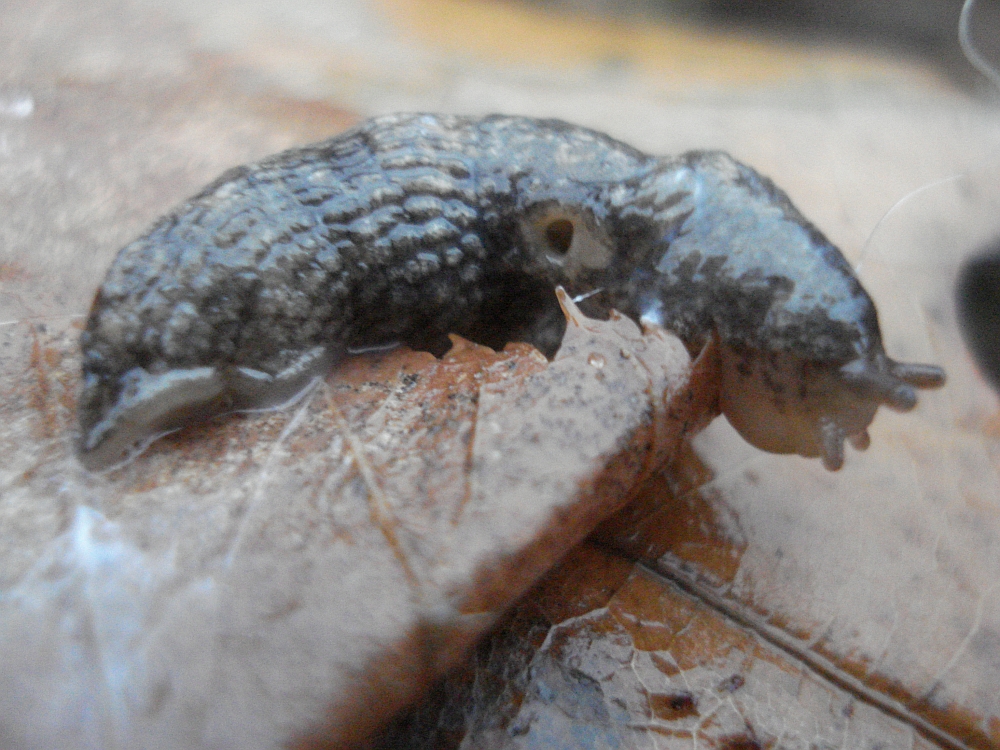
If slugs are the problem, make the area less welcoming. Maryland Extension notes that wood-chip mulch makes excellent slug habitat, and both Extension services recommend removing boards, stones, and excess mulch where slugs hide. Minnesota recommends watering in the morning rather than the evening, so the surface dries before slugs come out.
Hand-pick at night, set simple traps, or use barriers around small seedbeds. Our guide to copper tape for slugs covers one barrier option. Maryland Extension warns against salt, vinegar, or boiling water, which damage plants. If you consider a bait, read the label and keep it away from pets and wildlife.
Check 2: Feel the Soil for Drying
Seedlings that dried out don’t vanish completely. They shrivel, flatten, and turn papery, then become very hard to see against the soil within a day or two.
Push a finger into the soil right next to where the seedlings were. If the top half-inch is dry and crusted after a warm, sunny, or windy spell, drying is a strong suspect. Seedlings in pots, raised beds, and sandy soil dry fastest.
Clemson’s growing guide advises keeping a seedbed misted until germination occurs. After that, keep the surface lightly moist until seedlings have several true leaves. Gentle, frequent watering works better than an occasional heavy soak that washes seedlings out.
Mulch helps once seedlings are big enough. Keep it thin and pulled back from tiny plants, though, since thick mulch can bury them and shelter slugs. Our mulching techniques for native gardens explain how to adjust depth around young plants.
Check 3: Think About Disturbance
Sometimes the seedlings weren’t eaten or dried out. They were moved, buried, or pulled.
- Weeding. Coneflower seedlings look like many common weeds at the seed-leaf stage. They’re easy to pull by mistake.
- Spring cleanup. Raking leaves or spreading fresh mulch over a bed can bury seedlings that just emerged.
- Digging animals. Squirrels, cats, and birds scratching for food can uproot small plants. Look for small pits and scattered soil.
- Heavy rain or hose spray. Water can wash seed and seedlings out of a fine seedbed, especially on slopes.
The fix is mostly about marking and patience. Label sown areas, keep a small “no-weeding” zone around parent plants, and wait until seedlings have true leaves before you weed nearby.
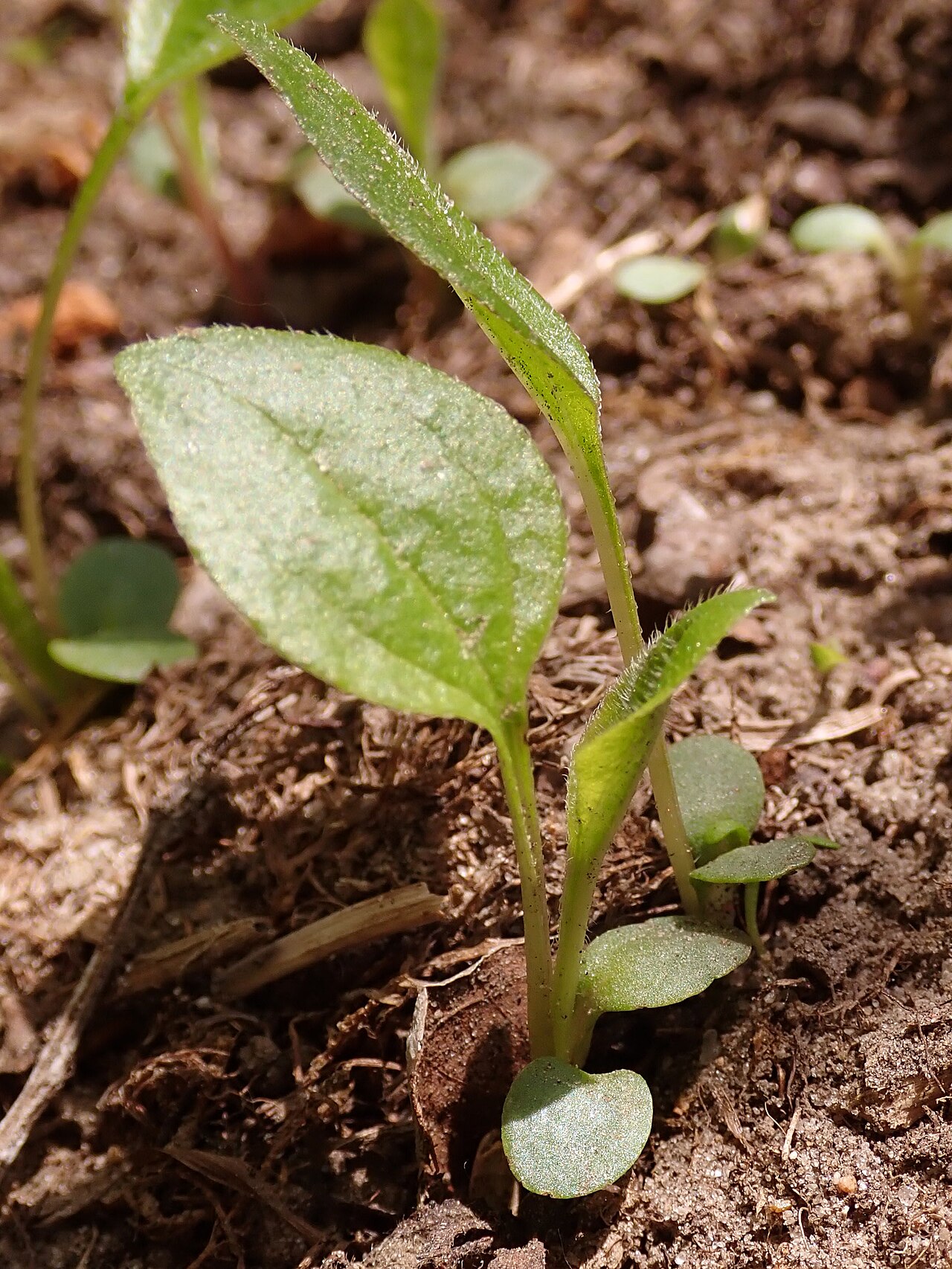
Learning seedling ID helps a lot. Our guides to recognizing blue mistflower seedlings and evening primrose seedlings use the same approach: wait for the true leaves, then compare leaf shape and texture before pulling.
Check 4: Look for Stems Cut at the Soil Line
If you find seedlings lying on the ground with their stems cut cleanly near the soil surface, suspect cutworms. University of Minnesota Extension notes that cutworms curl around a stem and feed on it, cutting the plant off just above the soil. They feed at night and hide in soil or debris by day.
Minnesota recommends checking in the morning, when damage is fresh. Dig gently in the top inch of soil around a cut seedling. You may find a smooth, gray or brown caterpillar that curls into a tight “C” shape.
Hand-picking works well in a small bed. For transplants, Minnesota Extension suggests a collar of cardboard or aluminum foil around each stem, with one end pushed a few inches into the soil. Our guide to protecting seedlings from pests covers cutworm collars and other barriers.
Check 5: Rule Out Rabbits
Rabbits like tender new growth. Clemson notes that they can eat coneflower foliage down to ground level, and Wikipedia’s summary of purple coneflower ecology mentions rabbits and slugs feeding on young foliage.
Rabbit damage shows as leaves and stems clipped at a sharp angle, often with small round droppings nearby. No slime trails, and no cut stems lying on the ground, which helps separate it from slugs and cutworms.
A small cage of hardware cloth or chicken wire over the seedbed is the most reliable fix until the plants are established.
Check 6: Consider Damping-Off
Damping-off is a disease caused by several soil fungi and water molds. It kills seeds or seedlings before or just after they emerge, and it’s most common in cool, wet conditions.
The classic sign is seedlings that collapse in patches, often with a pinched, discolored stem at the soil line. It’s a familiar problem in indoor seed trays and in dense, overwatered sowings.
For indoor sowing, use fresh seed-starting mix and clean containers. Water from below or lightly, and give seedlings good air circulation. Remove collapsed seedlings promptly. Outdoors, avoid sowing so thickly that seedlings stay crowded and damp.
Troubleshooting at a Glance
| Gone overnight, slime trails, damp spot | Slugs. Hand-pick at night, remove hiding spots, water in the morning. |
| Shriveled after warm dry weather | Drying. Keep the surface lightly moist until true leaves form. |
| Gone after weeding, raking, or mulching | Disturbance. Mark seedbeds and weed later. |
| Small pits and scattered soil | Digging animals. Cover with netting or wire. |
| Stems cut at soil line, plant left lying | Cutworms. Dig and hand-pick; collar transplants. |
| Clean angled cuts, droppings | Rabbits. Cage the bed. |
| Patches collapse at the base | Damping-off. Improve drainage and airflow; sow thinner. |
How to Protect the Next Batch
Sow where you can watch. A small, labeled seedbed or a few pots are easier to protect than seed scattered across a large bed. Once seedlings have several true leaves, transplant them where you want them.
Use pots for a head start. Starting seeds in containers lets you control moisture and keep slugs at bay. Plant the young coneflowers out when their roots fill the pot. Our step-by-step echinacea planting guide covers transplanting.
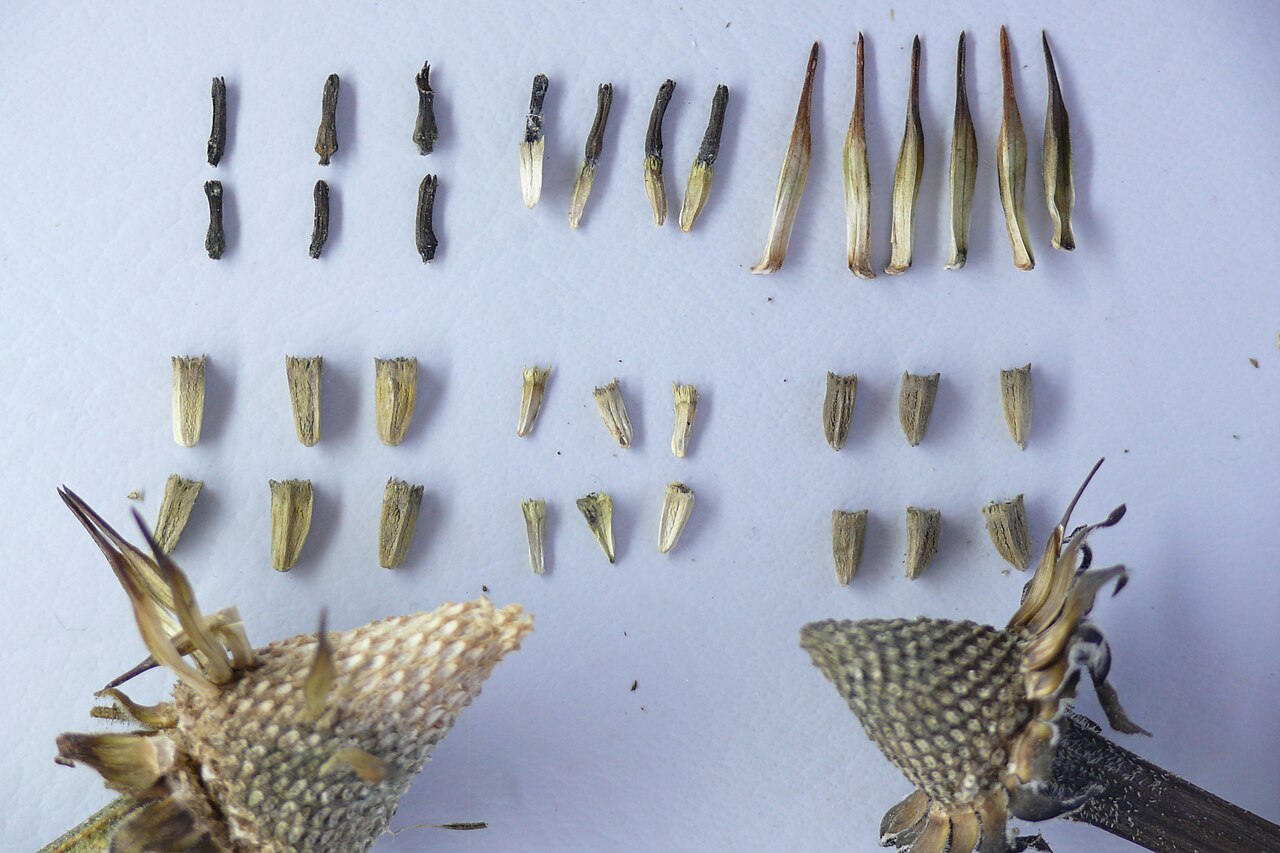
Leave seed heads standing. Every coneflower left to set seed is a backup supply. If one flush of seedlings is lost, another usually follows. Our guide to deadheading or leaving seed heads shows how to keep enough for seed while still tidying the plant. Our guide to dividing purple coneflower covers another way to get more plants if seedlings keep failing.
Thin, don’t crowd. When volunteers come up thickly around a parent plant, thin or move them while small. Crowded seedlings compete, stay damp, and are easier for slugs to reach.
A Season-by-Season Seedling Plan
- Late fall to winter: sow seed outdoors on prepared soil and mark the spot. Leave some seed heads on parent plants.
- Early spring: hold off on raking and mulching around coneflowers until you can see what’s sprouting. Set slug traps and check after dark.
- Late spring: water seedbeds lightly during dry spells. Weed only after seedlings have true leaves.
- Early summer: thin crowded volunteers and transplant extras on a cloudy day. Cage young plants if rabbits are around.
- Late summer: mulch lightly around established young plants. Collect a little seed as backup.
📋 More on this plant: read the full Purple Coneflower (Echinacea purpurea) profile, or see it in our native plant lists for Kentucky & Tennessee, Arkansas, Louisiana, Eastern Oklahoma & Eastern Texas, and Illinois, Iowa & Missouri.
Frequently Asked Questions
What eats coneflower seedlings overnight?
Slugs are the most common culprit, followed by cutworms. Both feed at night. Slugs leave slime trails and ragged leaves, and cutworms leave seedlings cut off at the soil line.
Do purple coneflower seeds need cold stratification?
It helps but isn’t required. Prairie Moon Nursery rates the seed as needing no pretreatment, while the Lady Bird Johnson Wildflower Center notes that two months of cold, moist stratification improves germination. Sowing outdoors in late fall or winter handles this naturally.
What do coneflower seedlings look like?
They start with two oval seed leaves. The true leaves that follow are oval to lance-shaped, rough to the touch, and often slightly toothed, like small versions of the adult plant’s leaves.
Should I mulch over coneflower seedlings?
No. Keep mulch thin and pulled back from tiny seedlings until they have several true leaves. Thick mulch can bury them and gives slugs a place to hide.
How long until a coneflower seedling flowers?
Seed-grown plants typically bloom in their second year. Clemson notes that coneflowers grown from seed can take two or more years to become a sizable plant.
Sources
- University of Minnesota Extension, Slugs and Cutworms: night feeding, seedling damage, habitat changes, morning watering and monitoring.
- University of Maryland Extension, Slugs and Snails on Flowers: seedling losses, hiding places, mulch habitat and hand-picking.
- Clemson Cooperative Extension Home & Garden Information Center, How to Grow Echinacea (HGIC 1182): sowing, seedbed moisture, rabbits and time to a sizable plant.
- Lady Bird Johnson Wildflower Center, Echinacea purpurea: fall sowing and cold-moist stratification.
- Prairie Moon Nursery, Echinacea purpurea species page: germination code and dormant seeding.
- Chicago Botanic Garden, A Comparative Evaluation of Echinacea Cultivars (2024): self-seeding near parent plants.
- Wikipedia, Damping off and Echinacea purpurea: seedling disease, prevention, and animals feeding on young foliage.