How to Divide Purple Coneflower: Finding and Separating Healthy Crowns
Last updated: November 6, 2026
Dividing a purple coneflower sounds simple. Dig it up, chop it in half, replant. In practice, the job goes better when you know what you’re looking for once the clump is out of the ground.
Coneflower doesn’t form a tidy ring of separate plants the way some perennials do. It grows from a crowded crown of rosettes joined by short, woody rhizomes, and not every rosette is worth keeping.
This guide walks you through deciding whether to divide at all, timing the dig, finding the healthy crowns, and getting the divisions settled so they bloom again.
The Short Answer
- Divide only when the clump needs it. Look for a dead or woody center, fewer and smaller flowers, or crowding. Clemson Extension suggests about every three to four years at most.
- Time it for spring or fall. Early spring, as new growth appears, is the easiest time to see live crowns.
- Lift the whole clump with a spade or digging fork and shake off the soil.
- Keep outer pieces with several healthy shoots and their own roots. Discard the old woody center.
- Replant at the same depth, water well, and keep the divisions moist while they settle in.
How a Coneflower Crown Is Built
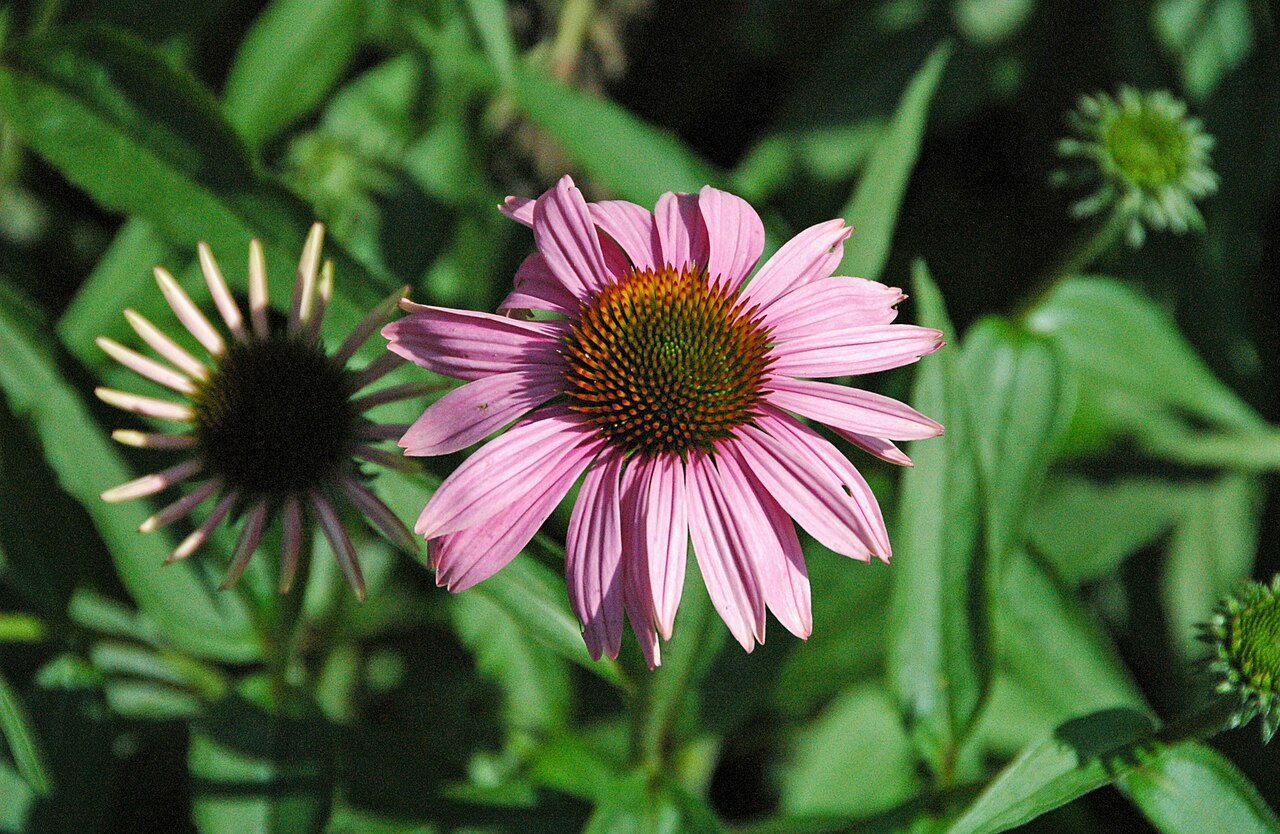
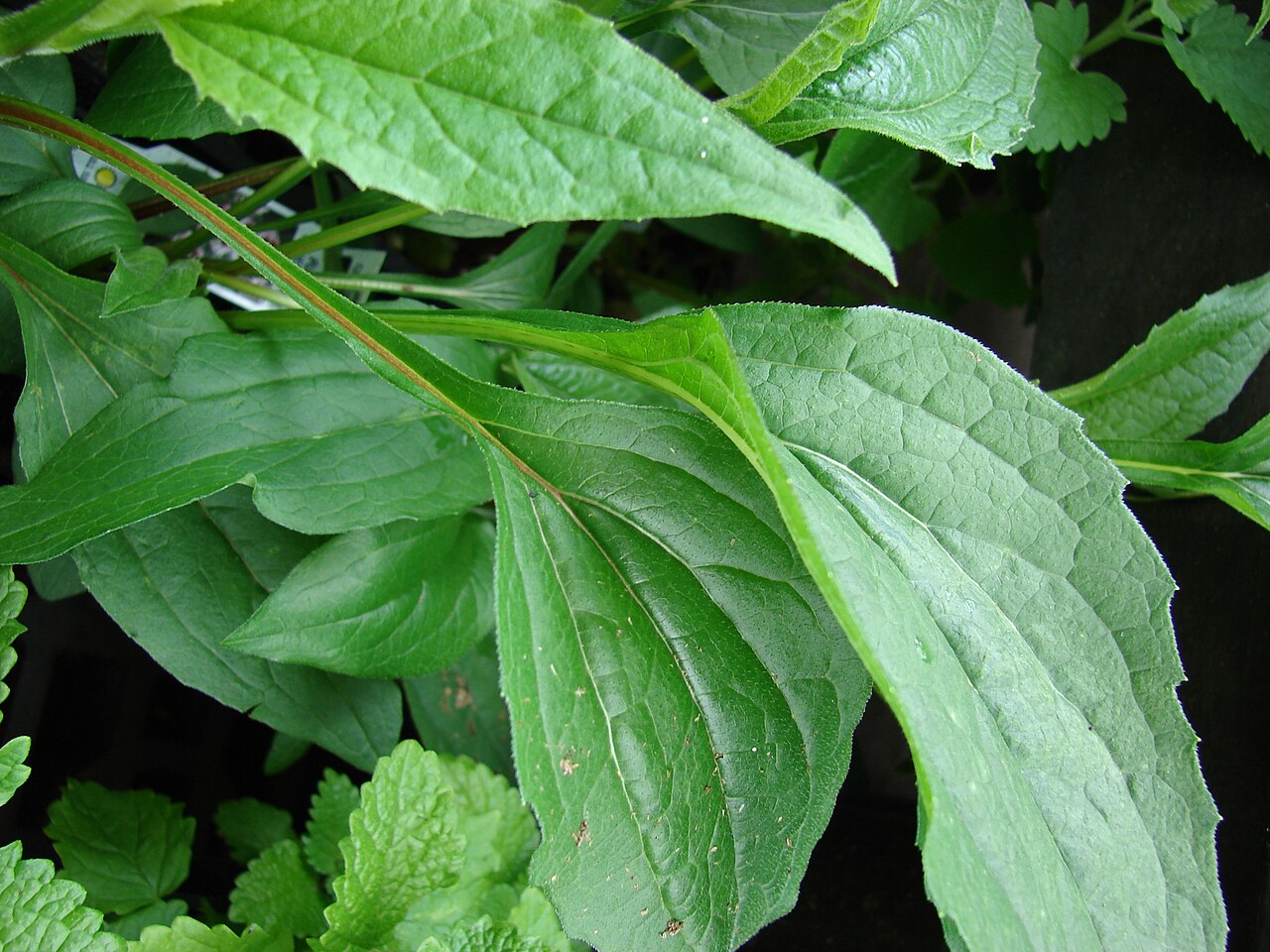
Purple coneflower (Echinacea purpurea) has a fibrous root system with short, woody rhizomes, according to Prairie Moon Nursery and the Lady Bird Johnson Wildflower Center. Each growing point at the crown makes a rosette of broad, rough leaves, and flowering stems rise from those rosettes.
Over a few years, the rosettes multiply and press against each other. The oldest part of the crown, usually the center, gets woody and less productive. The younger rosettes around the edge carry most of the plant’s vigor.
That structure tells you what to keep. Your goal is to separate firm, young rosettes, each with a good share of fresh roots, from the tired middle.
Divide or Leave It?
| Blooming well, healthy center | Leave it. Plants growing and blooming well don’t need dividing. |
| Dead or woody center, growth at the edges | Divide. Keep the outer rosettes. |
| Fewer, smaller flowers on a crowded clump | Divide, after ruling out shade and wet soil. |
| One or two small rosettes, plant shrinking | Don’t divide. There isn’t enough to split. Replace or let seedlings fill in. |
| Green, distorted flowers, stunted plant | Never divide. Possible aster yellows. Remove the whole plant. |
Step 1: Decide Whether Division Will Help
Division solves one problem: a crowded crown. Clemson’s guide to dividing perennials lists the classic signs: flowers smaller than normal, a hollow or dead center, and sparse lower foliage. The same guide says plants that are growing and blooming well should be left alone unless you want more plants.
Coneflower adds a wrinkle. The Lady Bird Johnson Wildflower Center notes that division seems to stimulate too many stems and too few flowers. Treat division as a fix for a real problem, not as yearly maintenance.
Rule out other causes before you dig. A coneflower that shrinks because of shade, wet winter soil, rabbits, or simple old age won’t be rescued by splitting it. Our guide to a purple coneflower that returns smaller each year covers those checks.
Most important: never divide a plant you suspect has aster yellows. The disease lives in the roots and crown, so every division carries it. If flowers have been green, tufted, or misshapen, read our guide to documenting distorted coneflower symptoms first.
Step 2: Pick the Right Time
Purple coneflower can be divided in spring or fall. Spring is usually easier for beginners.
Early spring. Clemson’s guide recommends dividing in early spring as soon as the growing tips have emerged. At that stage you can see exactly which rosettes are alive. The Wildflower Center also lists early spring for coneflower root divisions. Expect spring divisions to bloom a little later than usual that first summer.
Fall. Fall division works too, but give the pieces time to root before the ground freezes. Clemson advises allowing at least four to six weeks. In colder regions, that means dividing in early fall rather than late.
Whatever the season, choose a cool, cloudy day, ideally with light rain in the forecast. Avoid dividing during hot, sunny weather, when exposed roots dry out fast.
Step 3: Prepare the Plant and the New Spot
Water the clump thoroughly a day or two before you dig. Moist soil holds together around the roots and lifts more cleanly.
Prepare the new planting holes before you lift anything, so divisions spend as little time out of the ground as possible. Pick spots with full sun and soil that drains well. Space new plants about 18 to 24 inches apart, the spacing recommended in our profile and by Prairie Moon Nursery.
If last year’s stems are still standing, cut them back. Clemson suggests cutting stems and foliage to about six inches before dividing, so the plant is easier to handle and loses less water.
Step 4: Dig and Lift the Clump
Use a sharp spade or a digging fork. Clemson’s method is to dig down on all four sides about four to six inches out from the plant, then pry underneath and lift the whole clump.
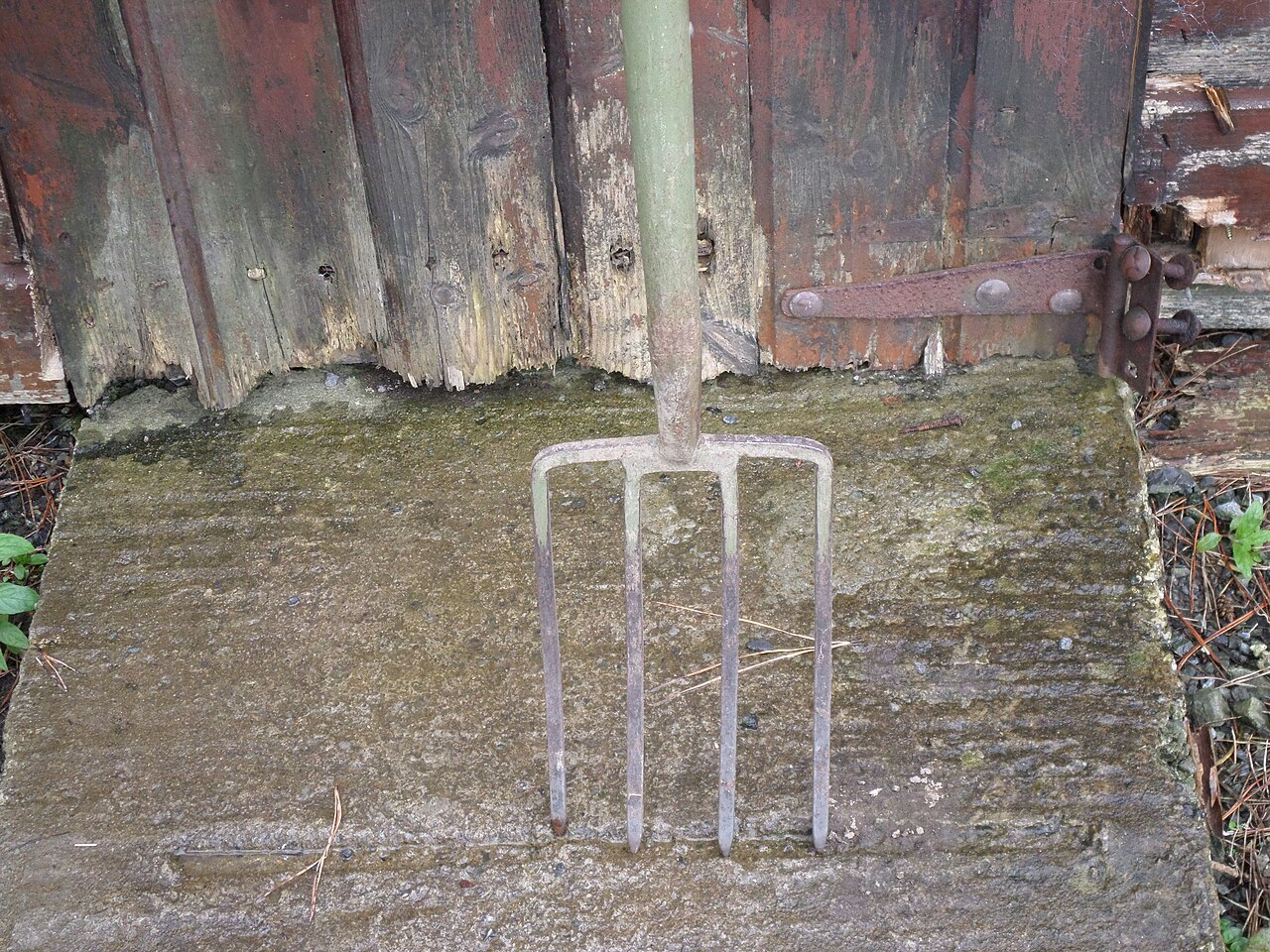
Don’t try to pull the plant up by its stems. Work the tool around and under the root mass until it comes free. If the clump is large and heavy, you can cut it into a few big pieces in place before lifting.
Shake or gently hose off the loose soil. Seeing the crown clearly makes the next step far easier. Clemson’s guide on dividing perennials recommends the same.
Step 5: Find the Healthy Crowns
Turn the clump over and study it. You’re sorting it into three kinds of material.
- Keep: firm rosettes of new leaves or plump buds, usually around the outer edge, with plenty of fresh, light-colored roots below them.
- Maybe: smaller rosettes with only a few roots. They’ll grow, but slowly. Pot them up rather than putting them straight into the garden.
- Discard: the old woody center, any dead or hollow sections, and any soft, dark, or mushy tissue.
Soft, discolored crown tissue is a warning sign of rot, often from wet soil. If much of the clump looks like that, plan to replant the healthy pieces somewhere with better drainage. Our tips on improving clay soil can help if you need to fix the bed itself.
Step 6: Separate the Pieces
Start with your hands. Coneflower crowns are tough, but younger rosettes often pull or tease apart where the short rhizomes join.
Where they don’t, use a sharp knife, pruners, or a clean spade to cut through the woody connection. Two digging forks pushed back to back into the clump and pried apart work for bigger, tangled crowns.
Aim for divisions that each have several healthy shoots or rosettes and a good mass of roots. Clemson’s general guidance is three to five vigorous shoots per division. Bigger pieces re-establish and bloom faster than single rosettes.
Trim off broken or damaged roots with clean pruners. While you work, keep finished divisions in a bucket of water or wrapped in damp burlap or newspaper so they never dry out.
Step 7: Replant at the Same Depth
Set each division in its prepared hole with the crown at the same level it grew before. Planting the crown too deep can invite rot, especially on heavy soil.
Fill around the roots and firm the soil gently with your hands to remove air pockets. Water thoroughly right away to settle the soil.
Mulch lightly around, not over, the crown. Our guide to mulching native gardens explains how much to use. For fall divisions in cold areas, Clemson recommends a loose winter mulch the first winter to reduce frost heaving.
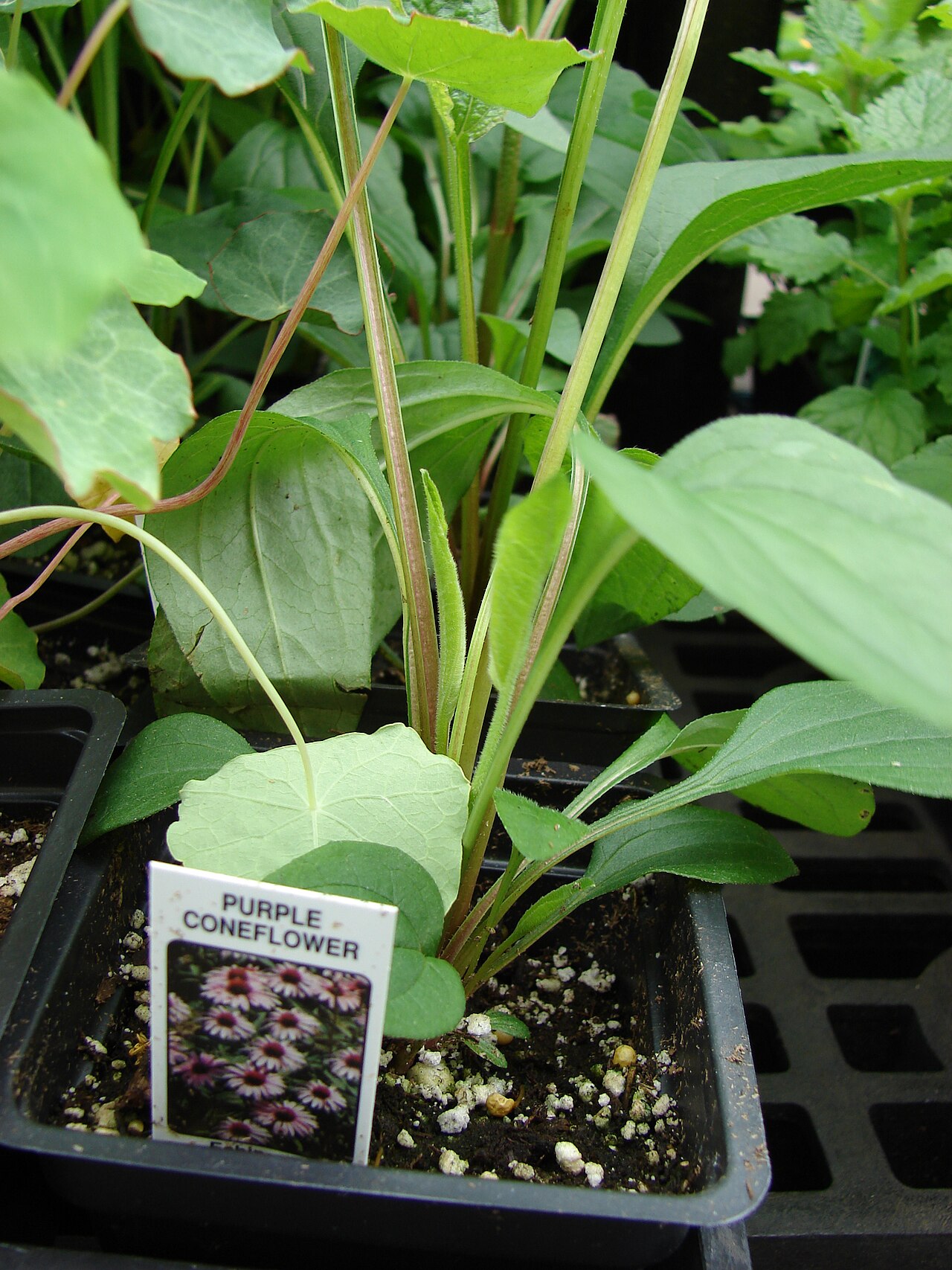
Step 8: Care for the Divisions
New divisions have lost much of their root system, so treat them like new plants for the first season.
- Water deeply whenever the top inch or two of soil dries, especially during the first few weeks and in summer heat.
- Skip fertilizer. Coneflowers prefer average to lean soil, and feeding encourages soft, floppy growth.
- Protect new growth from rabbits if they’re active in your yard.
- Be patient with blooms. Spring divisions often flower later and lighter the first summer.
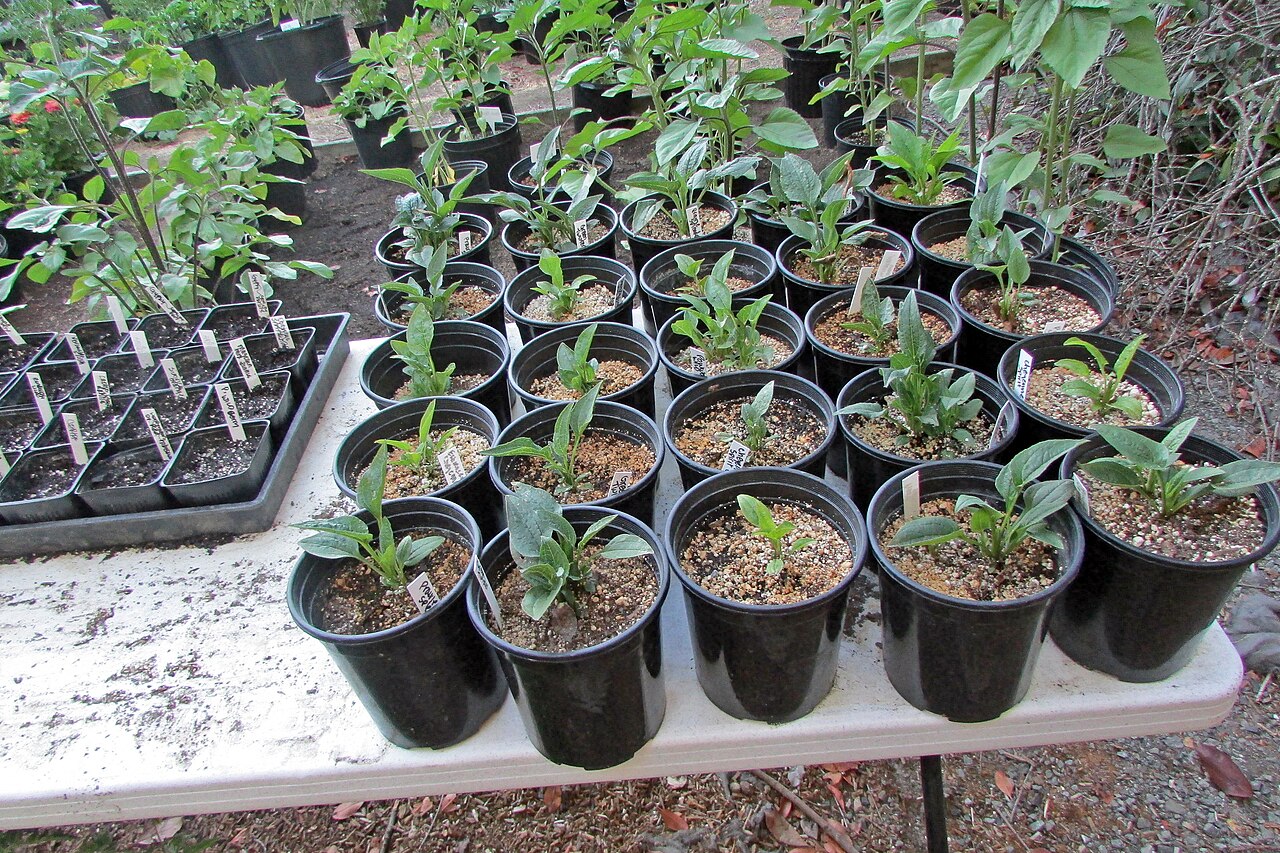
Pot up the smaller “maybe” pieces in a well-drained mix and keep them in a bright, sheltered spot. Plant them out once they’ve rooted and are actively growing, or share them with other gardeners.
Quick Reference
| How often | Only when crowded; about every 3–4 years at most |
| Best timing | Early spring as growth emerges, or early fall with 4–6 weeks before freeze |
| Tools | Spade or digging fork, sharp knife or pruners, bucket of water |
| Division size | Several healthy shoots plus roots each |
| Spacing | 18–24 inches apart |
| Never divide | Plants with suspected aster yellows |
When Division Isn’t the Best Way to Get More Plants
If all you want is more coneflowers, division may be the hardest route. Purple coneflower reseeds readily. Leaving seed heads standing over winter usually gives you volunteers to move in spring. Our guide to deadheading versus leaving seed heads explains how to plan for that, and our guide to disappearing coneflower seedlings helps you keep the volunteers alive.
Division matters most for named cultivars. Their seedlings don’t come true, so dividing or taking cuttings is the way to get more of the same plant. Clemson notes that for one cultivar with reliable, consistent color, propagation should be by division or stem cuttings. Some cultivar tags restrict propagation, so check before you share.
Other options exist. Wikipedia’s summary of propagation methods mentions pencil-thick root cuttings started in late autumn or early winter, and basal cuttings taken in spring. These take more care than division but avoid disturbing the whole clump.
The same crown-reading approach works for other prairie perennials. See our guides to dividing blazing star, dividing little bluestem, and a division and spacing plan for New England aster.
A Season-by-Season Plan
- Late winter: cut back last year’s stems and decide which clumps actually need dividing.
- Early spring: divide as new rosettes appear. Replant the best outer pieces right away and pot up small ones.
- Late spring to summer: water divisions during dry spells. Expect later, lighter blooms in the first year.
- Early fall: the second division window, with four to six weeks before freeze. Leave seed heads on undivided plants for the birds.
- Winter: mulch fall divisions loosely in cold regions to reduce frost heaving.
📋 More on this plant: read the full Purple Coneflower (Echinacea purpurea) profile, or see it in our native plant lists for Kentucky & Tennessee, Arkansas, Louisiana, Eastern Oklahoma & Eastern Texas, and Illinois, Iowa & Missouri.
Frequently Asked Questions
When is the best time to divide purple coneflower?
Early spring, as the new rosettes appear, is the easiest time, because you can see which parts are alive. Early fall also works if the divisions have four to six weeks to root before the ground freezes.
How often should coneflowers be divided?
Only when they need it. Clemson suggests every three to four years to prevent overcrowding. A clump that is healthy and blooming well can be left alone.
Will divided coneflowers bloom the same year?
Often, yes, if the divisions are a good size. Spring-divided perennials tend to bloom a little later than usual, and very small pieces may wait until the following year.
Does purple coneflower have a taproot?
No. The Lady Bird Johnson Wildflower Center and Prairie Moon Nursery describe purple coneflower’s roots as fibrous, with short, woody rhizomes. That makes it straightforward to lift and split like other clumping perennials.
Can I divide a coneflower in summer?
It’s best avoided. Heat and active flowering make it hard for divisions to establish. If you must move a plant in summer, take a big root ball, water heavily, and shade it for a few days.
Sources
- Clemson Cooperative Extension Home & Garden Information Center, Dividing Perennials (HGIC 1150): signs a clump needs dividing, timing, lifting, separating, replanting and winter mulch.
- Clemson Cooperative Extension Home & Garden Information Center, How to Grow Echinacea (HGIC 1182): coneflower division interval and propagation of cultivars.
- Lady Bird Johnson Wildflower Center, Echinacea purpurea: fibrous roots, early-spring root division and its effect on flowering.
- Prairie Moon Nursery, Echinacea purpurea species page: root system and plant spacing.
- Wikipedia, Echinacea purpurea: division season, root cuttings and basal cuttings.