New England Aster Crowding Its Neighbors: A Division and Spacing Plan
Last updated: November 5, 2026

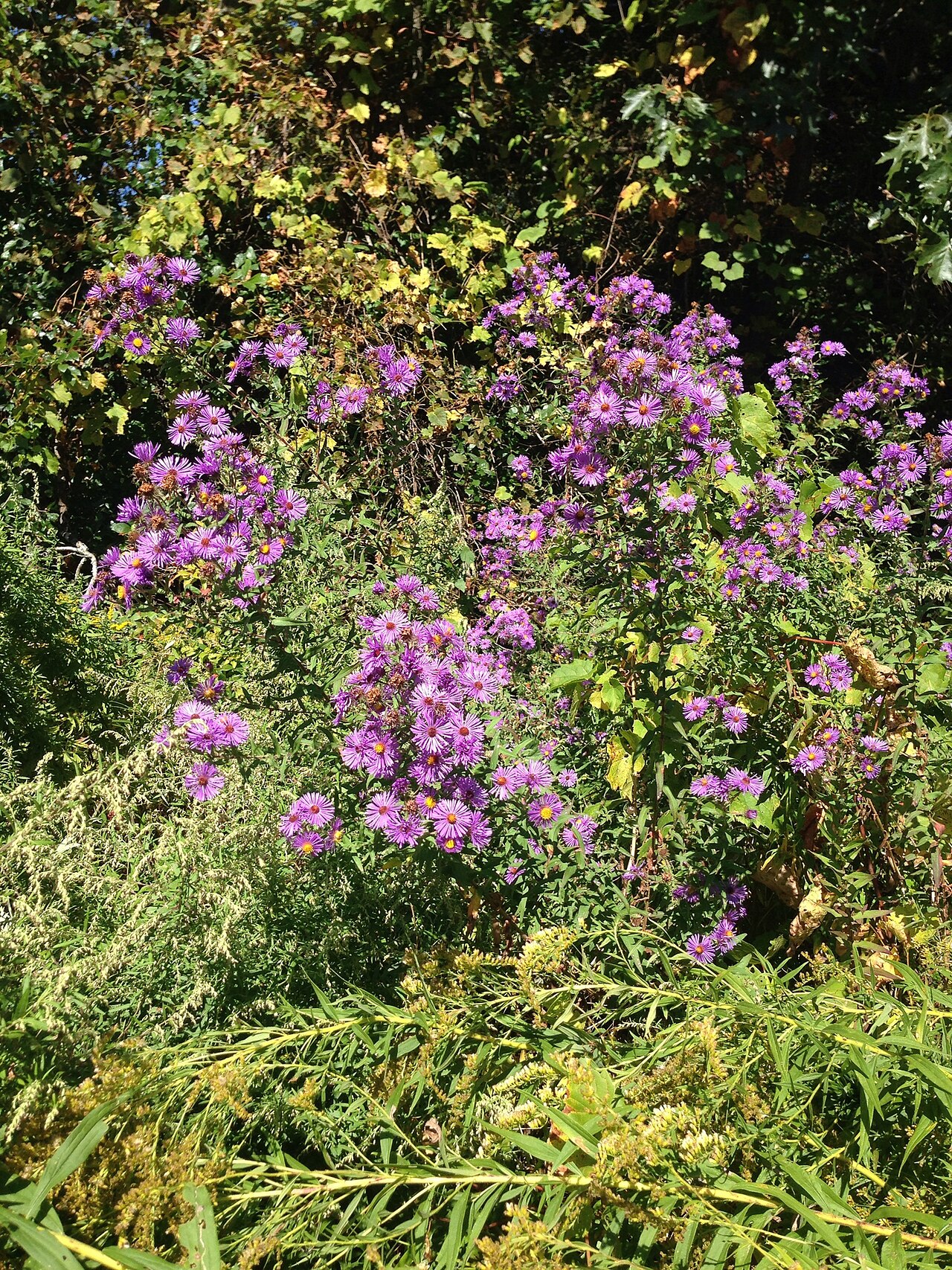
You planted one New England aster a few years ago. Now it’s a wide, dense clump, there are seedlings popping up nearby, and the coneflowers next to it have all but disappeared.
This aster is generous. It forms big clumps, spreads slowly from short rhizomes, and seeds itself in moist, sunny ground. Those habits are useful in a meadow but can crowd out smaller neighbors in a garden bed.
The fix is not to rip it out. It’s a simple plan: divide the clump, replant at the right spacing, manage seedlings, and put it next to neighbors that can hold their own.
The Short Answer
To keep New England aster (Symphyotrichum novae-angliae) from crowding its neighbors:
- Divide the clump in spring, every few years, when shoots are just emerging.
- Replant at about 2 to 3 feet apart, or keep that much space between the aster and smaller plants.
- Keep the vigorous outer pieces and discard the tired center.
- Pull extra seedlings in spring, or cut some seed heads before they shed if self-sowing is the problem.
- Choose sturdy neighbors and put short plants in front, not underneath.
How New England Aster Spreads
New England aster grows as a clump. Several stout stems rise from a single woody base each year.
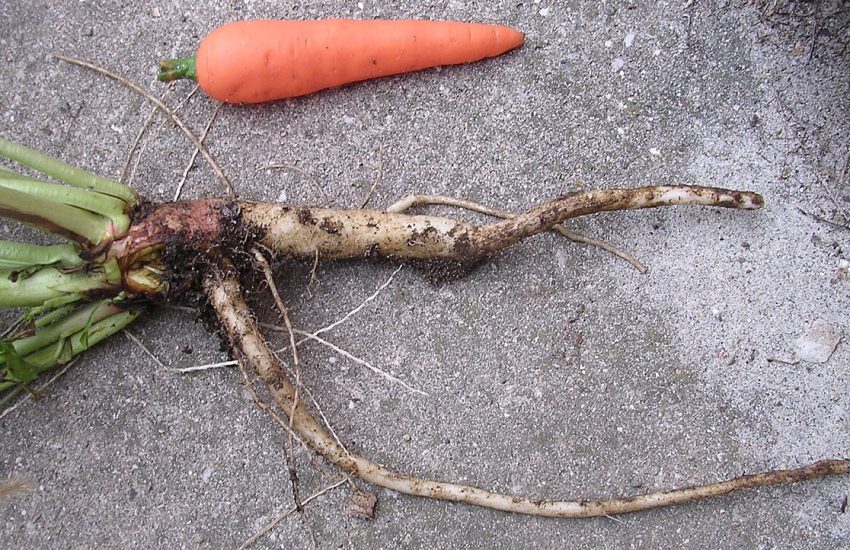
The Illinois Wildflowers site describes the root system as a stout caudex with fibrous roots that often produces short, thick rhizomes. That lets the plant creep outward a little each year. The same source notes it sometimes becomes aggressive and spreads vegetatively.
It also spreads by seed. Wikipedia notes that the plant reproduces both by wind-dispersed seeds and by short rhizomes. The Lady Bird Johnson Wildflower Center simply calls it “can be aggressive.”
Two Ways It Crowds Neighbors
| Clump expansion | The base widens as short rhizomes push outward. Stems lean and shade plants beside them. Fix with division and spacing. |
| Self-seeding | Fluffy seeds blow into nearby gaps and sprout, especially in moist, open soil. Fix with spring weeding or partial seed-head removal. |
| Both at once | Common in rich, moist beds in full sun. Plan on a light edit every spring. |
Before you start digging, figure out which one you’re dealing with. A wide single clump calls for division. A scatter of young plants a foot or more away calls for weeding.
Step 1: Measure the Clump and the Gap
Start with a tape measure in summer or fall, while you can still see the plant’s full size.
Measure the width of the aster at its widest point. Then measure from the edge of the aster’s foliage to the nearest neighbor you want to protect.
For reference, NC State Extension lists New England aster at 1 to 3 feet wide, and Wikipedia gives 2 to 3 feet as a typical width. If your clump is much wider than that, or its stems are lying on the plants next to it, it’s time to divide.
Mark the clump with a stake or a photo so you can find its edges in early spring, before the new shoots are tall.
Step 2: Pick the Right Time to Divide
Spring is the standard window. Wisconsin Extension recommends dividing aster clumps every two or three years in spring. The Lady Bird Johnson Wildflower Center also lists spring division, and says regular division keeps the plant vigorous.
The ideal moment is when the new shoots are just a few inches tall. You can see exactly where the crowns are, and the plant has a full season to recover before bloom.
Fall division is possible in many gardens, but it means cutting off the flowers that late-season bees and butterflies rely on. If you must divide in fall, wait until bloom is finished. Give fall divisions enough time to root before the ground freezes.
Step 3: Dig and Split the Clump
You’ll need a sharp spade, a garden fork, a tarp, and a bucket of water.
- Water the day before so the soil holds together around the roots.
- Cut a circle around the clump with the spade, a few inches outside the outermost shoots.
- Lever the clump out with the fork and set it on the tarp.
- Look at the crown. The outer edge usually has the strongest new shoots. An old center may be woody, sparse, or dead.
- Split it into pieces with the spade or a pruning saw. Each piece needs several healthy shoots and a good mass of roots. The Wildflower Center describes dividing by sectioning off stems with their attached roots.
- Discard the weak center and any pieces with few roots.
Keep divisions shaded and moist while you work. Replant the same day if you can. Our step-by-step guide on how to propagate asters covers division alongside cuttings and seed.
One caution from the Xerces Society: many native bees nest in the ground, often in garden beds. Keep digging limited to the clump you’re dividing rather than turning over the whole bed.
Step 4: Replant on a Spacing Plan
Now decide how many pieces go back in, and where.
Spacing Plan at a Glance
| Aster to aster | About 2 to 3 feet apart, center to center, matching the plant’s typical mature width. |
| Aster to short perennials | Leave at least the aster’s full mature width, and put short plants in front where they get sun. |
| Aster to sturdy tall plants | Closer is fine. Grasses and tall perennials can share space and help hold the aster up. |
| Pieces to replant | Usually one or two strong divisions in the original spot. Pot up or give away the rest. |
| Small beds | One division per spot. Consider a compact cultivar or a smaller native aster instead. |
Wisconsin Extension recommends spacing asters widely for good air circulation, which also limits powdery mildew. Wide spacing pays off twice: fewer disease problems and fewer crowded neighbors.
Set each division at the same depth it grew before. Firm the soil, water deeply, and keep it evenly moist for the first few weeks. Spread mulch around the plant but keep it off the new shoots.
Step 5: Deal With the Extras
A big clump can yield far more divisions than one bed needs.
- Pot them up in ordinary potting mix and keep them watered until they root in.
- Start a new drift in a sunny, moist corner where spreading is welcome, such as a rain garden or meadow edge.
- Share them with neighbors or a local native plant swap.
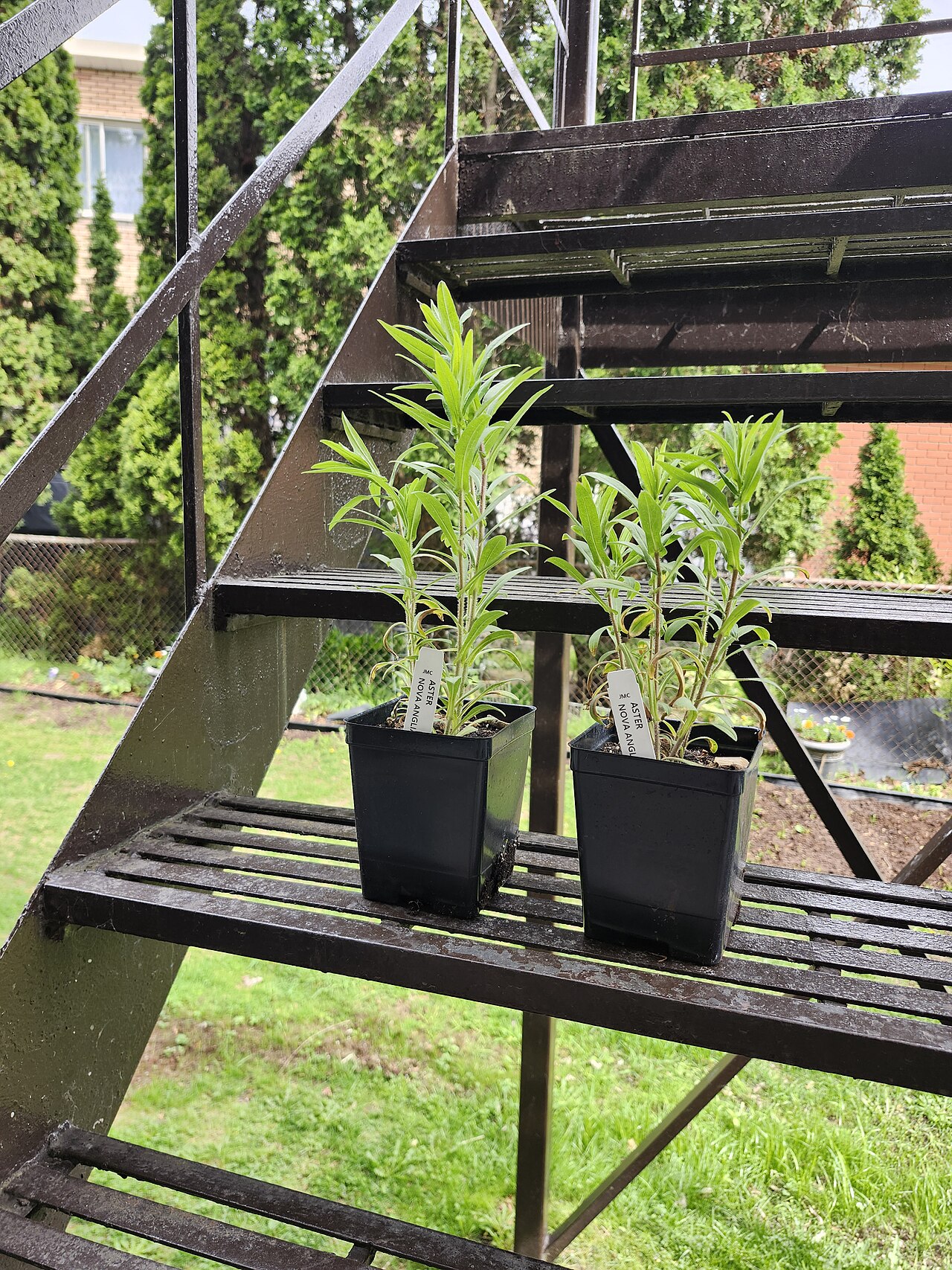
Compost only pieces that are healthy. Bag anything with signs of disease.
Step 6: Manage Seedlings Without Losing the Seed Heads
Self-sown seedlings are the other half of the crowding story. They are easiest to deal with when small.
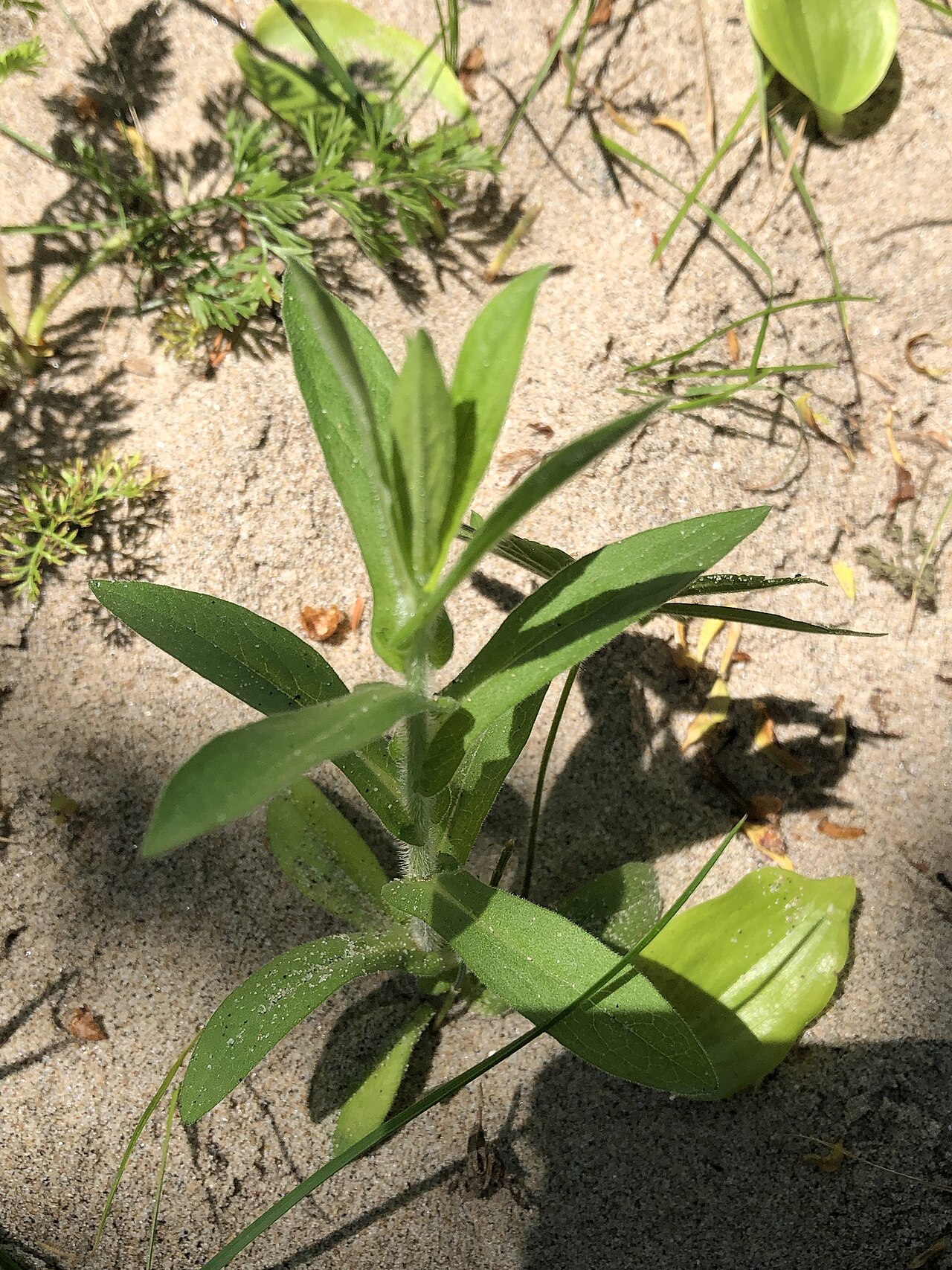
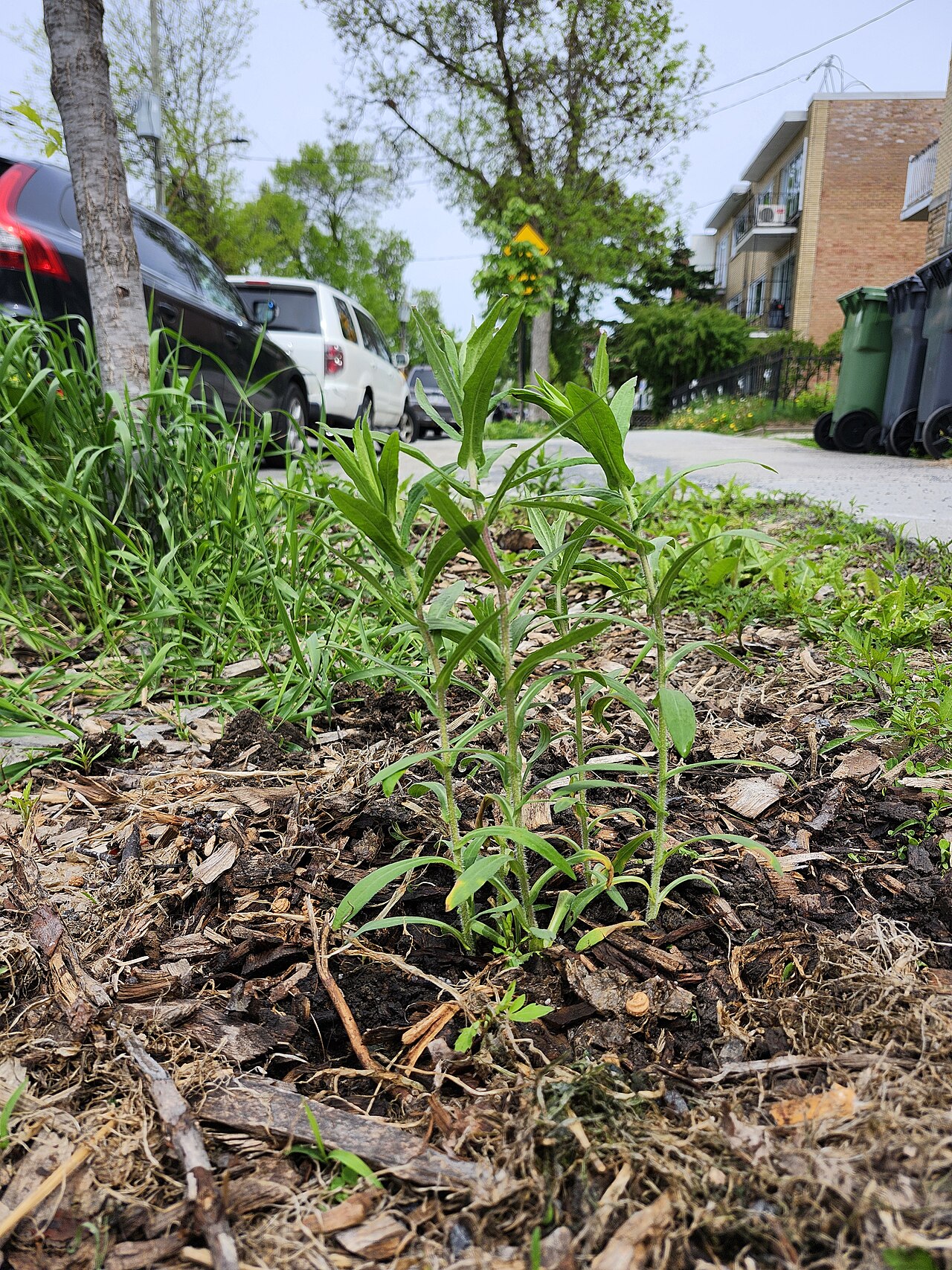
Learn to recognize the young plants: narrow, lance-shaped, slightly hairy leaves on a short stem. In spring, pull or dig the ones you don’t want, and transplant a few to empty spots.
Avoid cutting off every seed head. Wikipedia notes the seeds are an important fall and winter food for songbirds. A middle path works well:
- Cut off seed heads only on the stems nearest to beds where seedlings cause trouble.
- Leave the rest standing for birds.
- Keep a thick mulch in areas where you don’t want seedlings, since bare, moist soil is where most of them sprout.
Step 7: Choose Neighbors That Can Hold Their Own
Crowding is partly a matter of who’s next door. Short, delicate plants placed beside a 5-foot aster will be shaded out by late summer, regardless of spacing.
Better partners are plants with similar vigor and height. NC State Extension suggests pairing New England aster with a fall-blooming goldenrod. Native bunchgrasses and other tall prairie perennials are also good matches.
If you want the aster look in a small bed, consider a shorter native aster. Smooth blue aster is a widely native alternative that suits the middle of a border. Always check which species are native to your own region before buying.
Taller asters planted too close together also flop onto their neighbors. If that’s part of your problem, see our guide to New England asters flopping. And if a crowded clump shows brown lower leaves, our guide to New England aster leaves drying from the bottom walks through the causes.
Quick Reference
| Clump much wider than 3 feet | Divide in spring and replant one or two outer pieces. |
| Dead or sparse center | Overdue for division. Discard the center. |
| Seedlings scattered through the bed | Pull in spring, mulch bare soil, cut a few nearby seed heads. |
| Neighbors shaded out by late summer | Move short plants to the front or replace them with taller, sturdier companions. |
| Bed too small for a 3-foot clump | Use a compact cultivar or a smaller native aster. |
What to Do Right Now
If it’s late summer or fall: don’t divide yet. Measure the clump, note which neighbors are suffering, and enjoy the bloom. Mark the edges for spring.
If it’s early spring: this is the time. Divide as soon as new shoots are a few inches tall, replant at 2 to 3 feet apart, and pot or share the rest.
If it’s late spring: focus on seedlings. Pull or move them while they’re small, and mulch bare soil.
If it’s summer: hold off on digging. If a neighbor is being smothered, cut back a few of the aster’s leaning stems for now and plan to divide next spring.
A Season-by-Season Plan
- Early spring: divide clumps every few years. Replant strong outer pieces on a 2-to-3-foot spacing.
- Late spring: pull or transplant seedlings. Refresh mulch on bare soil.
- Summer: water new divisions during dry spells. Watch neighbors for shading.
- Fall: enjoy the bloom. Cut seed heads only near beds where seedlings cause trouble.
- Winter: leave remaining stems and seed heads for birds. Note the clump’s size for spring.
📋 More on this plant: read the full New England Aster (Aster novae-angliae) profile, or see it in our native plant lists for New Hampshire, Maine & Vermont, Connecticut, Massachusetts & Rhode Island, New York, Pennsylvania & Northern New Jersey, Maryland, Virginia & West Virginia, Ohio & Indiana, Michigan, Wisconsin & Eastern Minnesota, Illinois, Iowa & Missouri, North Dakota, South Dakota & Western Minnesota, and Nebraska, Kansas & Eastern Colorado.
Frequently Asked Questions
How often should I divide New England aster?
Every few years. Wisconsin Extension suggests every two or three years in spring for asters. Divide sooner if the clump is crowding neighbors or the center is dying out.
How far apart should I plant New England asters?
About 2 to 3 feet apart, which matches the plant’s typical mature width. Give short neighbors at least that much room, and plant them on the sunny side.
Is New England aster invasive?
No. It’s native across much of eastern and central North America. It can be aggressive in a garden, spreading by short rhizomes and seed, so plan on dividing and editing seedlings.
Can I divide New England aster in the fall?
It’s possible after bloom, but spring is the standard timing and avoids cutting off late flowers that pollinators use. Fall divisions need time to root before the ground freezes.
Should I deadhead to stop self-seeding?
Only selectively. The seeds feed songbirds in fall and winter, so cut seed heads only near beds where seedlings are a problem and leave the rest standing.
Sources
- Illinois Wildflowers, New England Aster: caudex and short rhizomes, vegetative spread, and aggressive tendencies.
- Lady Bird Johnson Wildflower Center, Symphyotrichum novae-angliae: spring division by sectioning stems with roots, dividing to maintain vigor, aggressiveness.
- Wisconsin Horticulture (UW–Madison Extension), Aster, Symphyotrichum spp.: dividing every two or three years in spring and spacing widely for air circulation.
- North Carolina Extension Gardener Plant Toolbox, Symphyotrichum novae-angliae: mature width and goldenrod pairing.
- Wikipedia, Symphyotrichum novae-angliae: clump-forming habit, width, reproduction by seed and rhizomes, seeds as songbird food.
- Xerces Society, Leave the Leaves!: ground-nesting bees and limiting soil disturbance in garden beds.