Purple Coneflower Returning Smaller Each Year: What to Check
Last updated: November 6, 2026
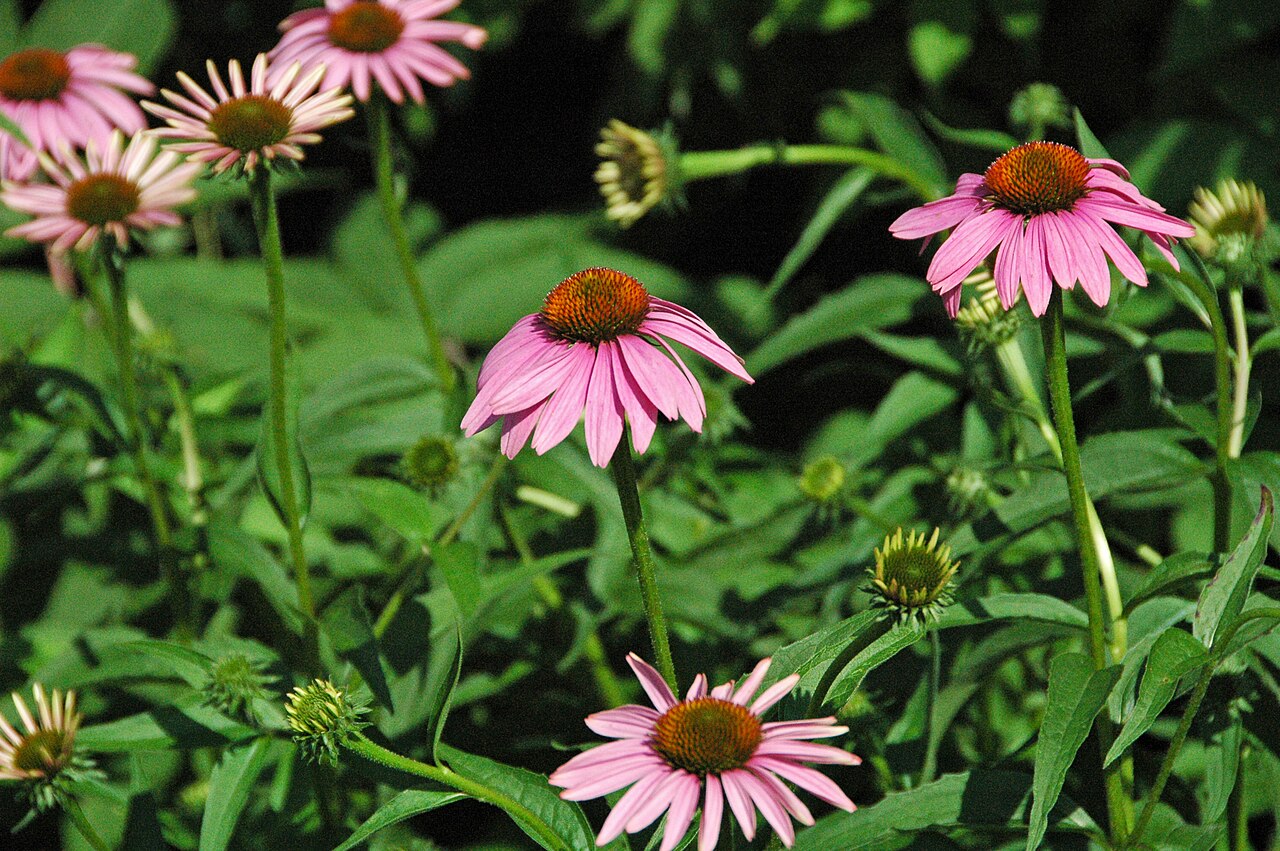
Your purple coneflower was a big, busy clump two summers ago. Last year it had fewer stems. This year it came back as a small rosette with one or two flowers.
That pattern is common, and it doesn’t always mean you did something wrong. Purple coneflower is a shorter-lived perennial than many gardeners expect, and several ordinary site problems can speed up the decline.
Work through the checks below before you buy a replacement or start digging. Most of them take a few minutes, and the answers tell you whether to divide, move, replace, or simply let the next generation take over.
The Short Answer
A purple coneflower (Echinacea purpurea) that comes back smaller each year usually traces to one of these:
- Normal aging. Individual plants often live only a few years and are replaced by their own seedlings.
- A crowded or worn-out crown with a weak center.
- Too much shade from trees or taller neighbors that grew in.
- Wet soil in winter that weakens or rots the crown.
- Soil that is too rich, or regular fertilizer.
- Rabbits, slugs, or other animals eating the new growth in spring.
- Aster yellows, a disease that stunts the plant and gets worse every year.
How a Coneflower Clump Changes Over Time
Purple coneflower grows from a crown at the soil line. It has a fibrous root system with short, woody rhizomes, so a clump widens slowly rather than running across the bed.
Each spring the crown sends up a rosette of broad, rough leaves, followed by flowering stems. A healthy, established plant makes several of these stems. A struggling one makes fewer and shorter ones.
The surprise for many gardeners is how short a single plant’s life can be. In its five-year coneflower trial, the Chicago Botanic Garden noted that purple coneflower is short-lived, with two or three years being common. The same report notes that it reseeds readily, so a planting often persists even when the original plants don’t.
What to Expect From One Plant
| First season | Container plants often bloom the year they’re planted. Seed-grown plants usually wait until their second year. |
| Next two to three years | The clump bulks up and produces its best display. |
| After that | Many plants fade, especially on heavy or wet soil. Some keep going for years on a good site. |
| Every year | Seed heads left standing drop seed, and new plants appear nearby. |
A plant in its fourth or fifth year that is slowly fading may simply be old. A two-year-old plant that is shrinking points to a site or pest problem.
Check 1: How Old Is the Plant, Really?
Start with the planting date. Look for an old plant tag, a receipt, or a photo on your phone that shows when the clump went in.
If the plant is four or more years old and has been shrinking gradually, age is the most likely explanation. You’re seeing the normal life cycle of a plant that renews itself mainly by seed.
The fix here is replacement, not rescue. Let some seedlings grow on, move a few into the gaps, or add new plants. If the old crown is still producing a few healthy outer shoots, you can also try lifting and dividing it in spring. Our step-by-step guide to dividing purple coneflower shows how to find the healthy crowns.
Check 2: Is the “Same Plant” Actually a Seedling?
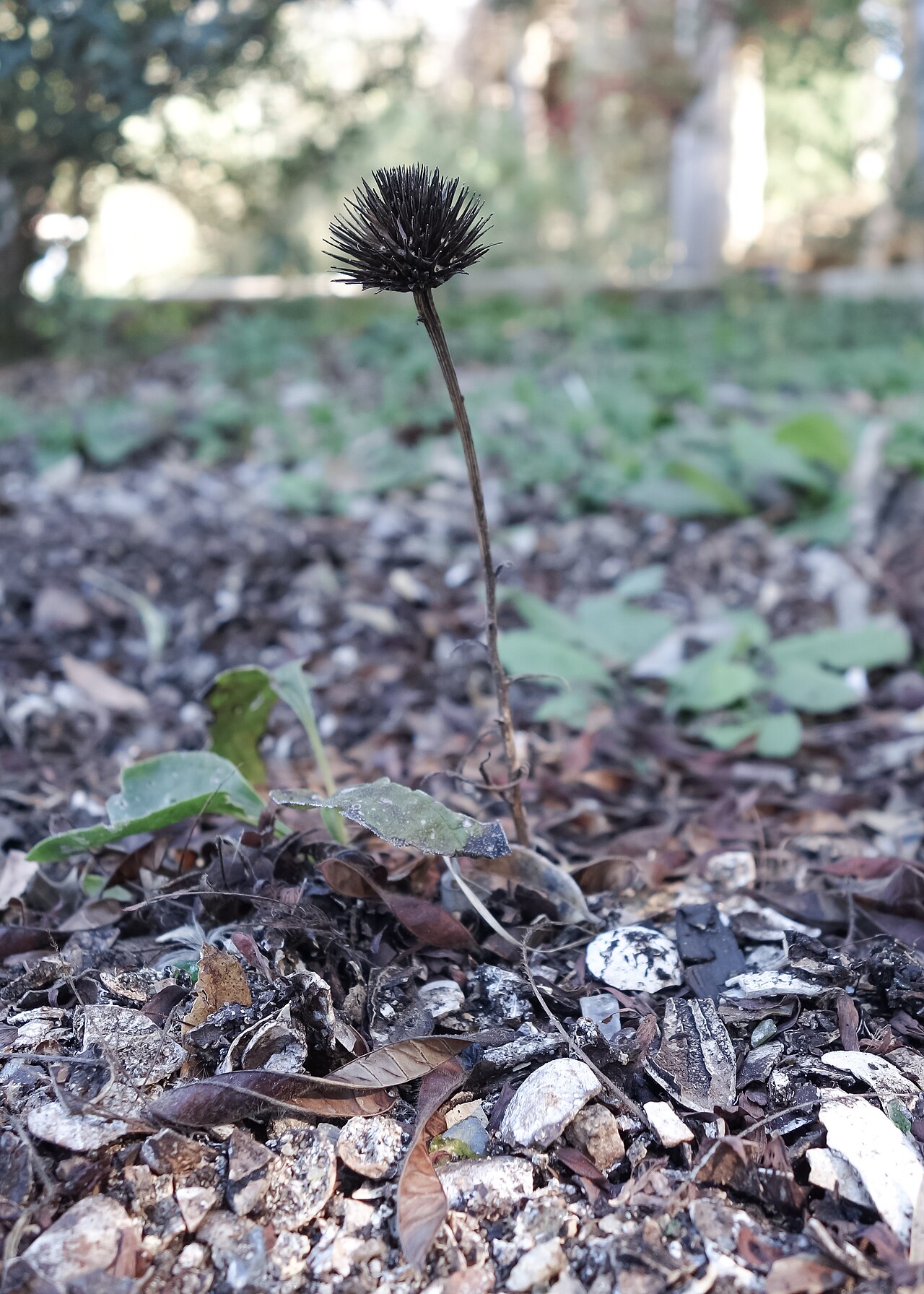
The original plant dies quietly over winter, and a seedling that sprouted right next to it takes its place. The seedling is smaller and younger, so the clump looks like it shrank.
The Chicago Botanic Garden ran into this constantly. Seedlings grew up inside the trial rows, outcompeted weaker plants, and filled gaps where original plants had died. They often went unnoticed until they flowered.
Clues that you’re looking at a replacement rather than the original:
- The flower color or form is a little different from what you planted. This happens often with named cultivars, because their seedlings don’t come true.
- Several small rosettes sit where one large crown used to be.
- The plant flowers later or less than the original did in its first years.
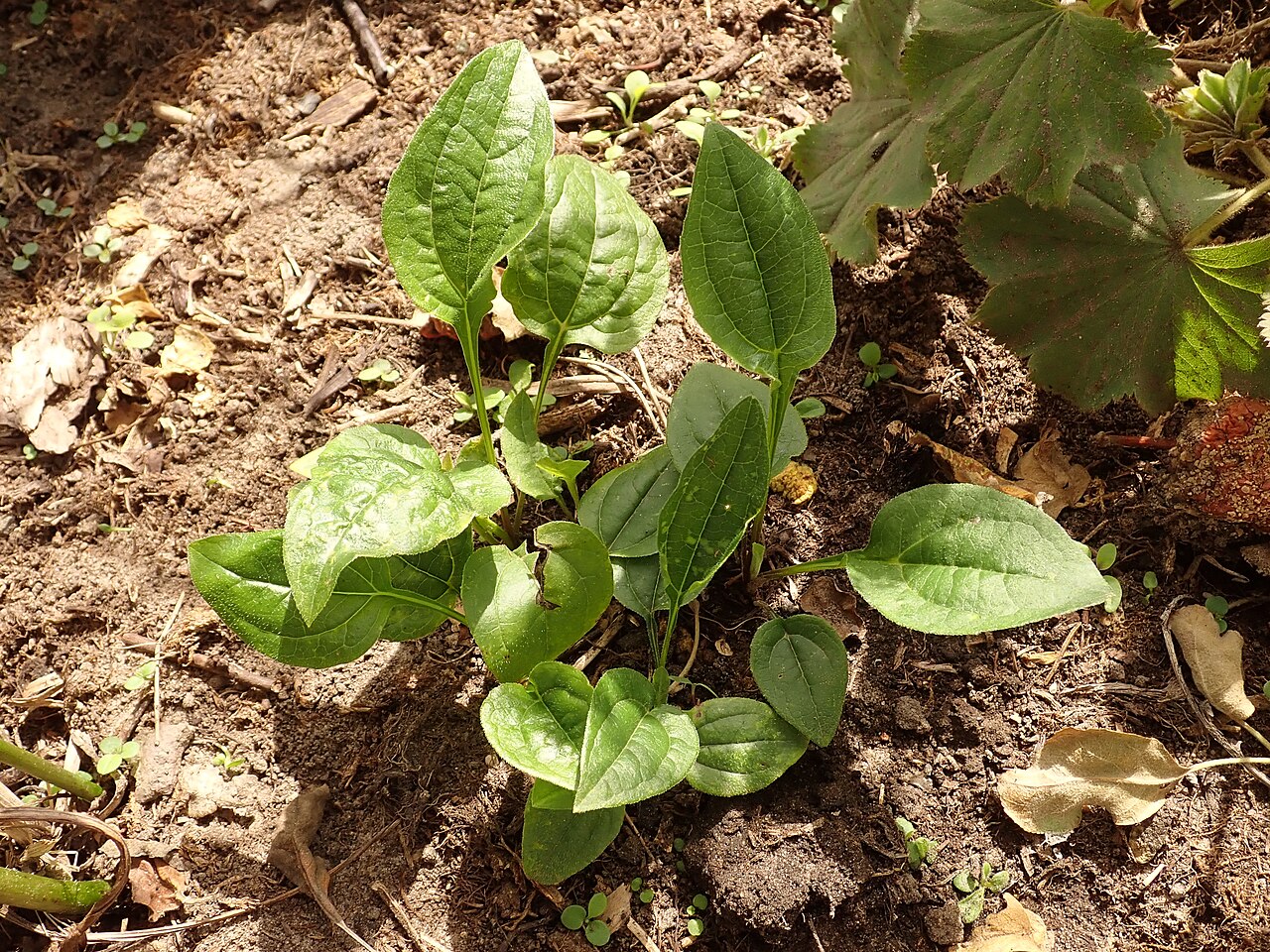
If this is what happened, you have a choice. Thin the cluster to the strongest one or two plants so they aren’t competing, or lift extras while small and move them where you want more coneflowers. If young volunteers keep vanishing before they establish, see our guide to coneflower seedlings disappearing.
Check 3: Look at the Center of the Clump
In early spring, before the stems get tall, kneel down and look at the crown. Healthy coneflower crowns show several rosettes of firm, dark green leaves around the base.
Extension guidance on perennials lists a few classic signs that a clump needs dividing: smaller-than-normal flowers, a hollow or dead center, and sparse lower foliage. Clemson’s Home & Garden Information Center suggests dividing coneflowers every three to four years to prevent overcrowding.
If new growth comes only from the outer edge and the middle is woody or bare, the plant is a good candidate for division. Replant the vigorous outer pieces and discard the tired center. Our guide to reading a blazing star clump before digging uses the same approach for another prairie perennial.
One caution: division isn’t a cure-all for coneflower. The Lady Bird Johnson Wildflower Center notes that division can stimulate too many stems and too few flowers. Divide when the crown clearly needs it, not as routine maintenance.
Check 4: Measure the Light
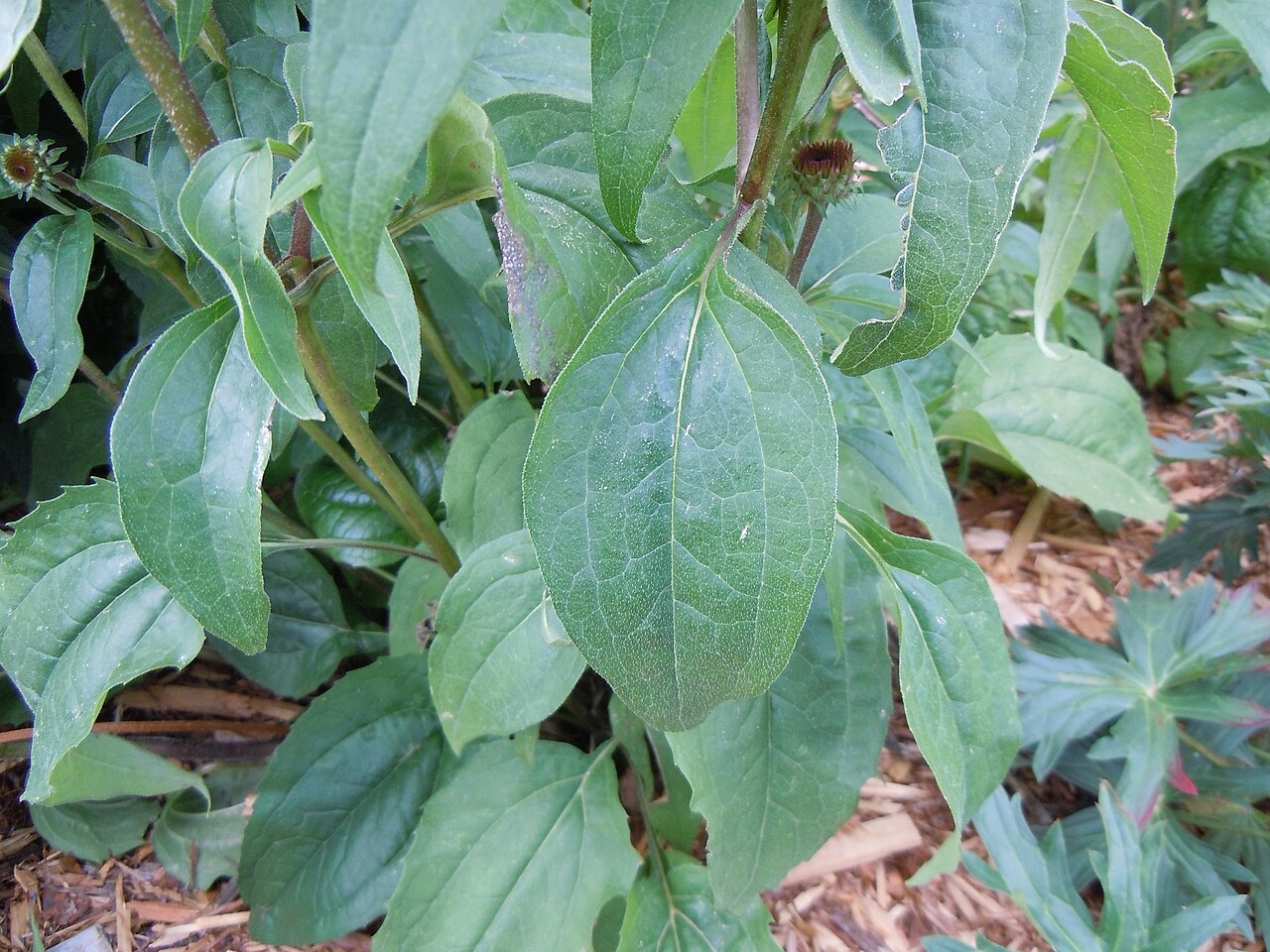
Purple coneflower grows best in full sun. It tolerates some light shade. In reduced light the plant gets taller and more open, and makes fewer flowering stems.
Shade problems tend to creep up. A young tree grows, a shrub fills out, or taller perennials like asters and grasses close in around the coneflower by midsummer.
Count the hours of direct summer sun the plant actually receives. If it’s getting much less than six, light is a likely contributor. Move the plant to a sunnier spot in spring or fall, or open up the space around it.
Check 5: Think About Winter Wetness
Coneflower tolerates a wide range of soils, including clay, as long as drainage is reasonable. What it handles poorly is a crown sitting in cold, saturated soil for weeks.
The Chicago Botanic Garden trial lost 75 of its 274 coneflower plants over winters. The staff attributed those losses to weak vigor going into winter, or to wet soil in winter, rather than to cold. Most of the plants that died had gone into winter without robust basal growth.
Signs that wet soil is a factor:
- Water stands in the bed after rain or snowmelt.
- The crown feels soft or mushy in early spring, or parts of it pull away easily.
- Plants on a slope or raised edge do better than plants in the low spot.
If the bed stays wet, move coneflowers to higher, better-drained ground, or improve the bed before replanting. Our tips on improving clay soil cover the basics. Keep heavy mulch pulled back from the crown, too. Our mulching techniques for native gardens explain how to mulch without smothering the base of a plant.
Check 6: Look at Soil Fertility
Rich soil can sound like a good thing, but coneflower doesn’t need it. It performs well in average to lean ground. Very fertile soil, or regular feeding, tends to produce soft, leafy growth and weaker stems.
Clemson describes coneflowers as light feeders. If your plant shares a bed with heavily fertilized annuals or vegetables, or gets lawn fertilizer drift, cut back. If you’re unsure what your soil holds, a basic soil test is more useful than guessing.
Check 7: Rule Out Animals
Sometimes the crown is fine and the new growth is being eaten as fast as it appears. Clemson notes that rabbits can eat coneflower foliage down to ground level. Slugs also feed on young foliage as it emerges in spring.
Look for these clues:
- Rabbits: leaves and stems clipped off cleanly at an angle, often with droppings nearby.
- Slugs: ragged holes in young leaves and shiny slime trails, mostly after damp nights.
- Gophers: a plant that wilts and pulls up easily with few roots attached.
A plant grazed down every spring burns through its reserves and comes back weaker each year. A simple wire cage over the crown in early spring gives it a chance to recover.
Check 8: Rule Out Aster Yellows
This is the one problem on the list that can’t be fixed. Aster yellows is a disease caused by a phytoplasma, a bacterium-like organism spread by leafhoppers. Infected coneflowers are stunted and often have yellowed foliage and odd, distorted flowers, sometimes with small leafy tufts growing out of the cone.
The Chicago Botanic Garden notes that the infection overwinters in the roots, so symptoms tend to worsen in later years. A plant that gets smaller every year and has strange-looking flowers should be checked closely. Our guide to documenting distorted coneflower flowers walks through how to tell aster yellows from look-alike problems.
There is no cure. University of Wisconsin plant pathologists recommend removing suspect plants promptly so they don’t act as a source for nearby plants. Remove the roots too, and don’t compost them. The same advice appears in our New England aster winter cleanup guide, since asters get the same disease.
Check 9: Is It a Hybrid?
Look at the original tag. Many coneflowers sold today are hybrids or named cultivars with unusual colors or double flowers. Most have purple coneflower as one parent.
The Chicago Botanic Garden notes that longevity can be an issue for hybrids too, though results varied widely. Some cultivars survived all five years in its trial, and others steadily lost plants.
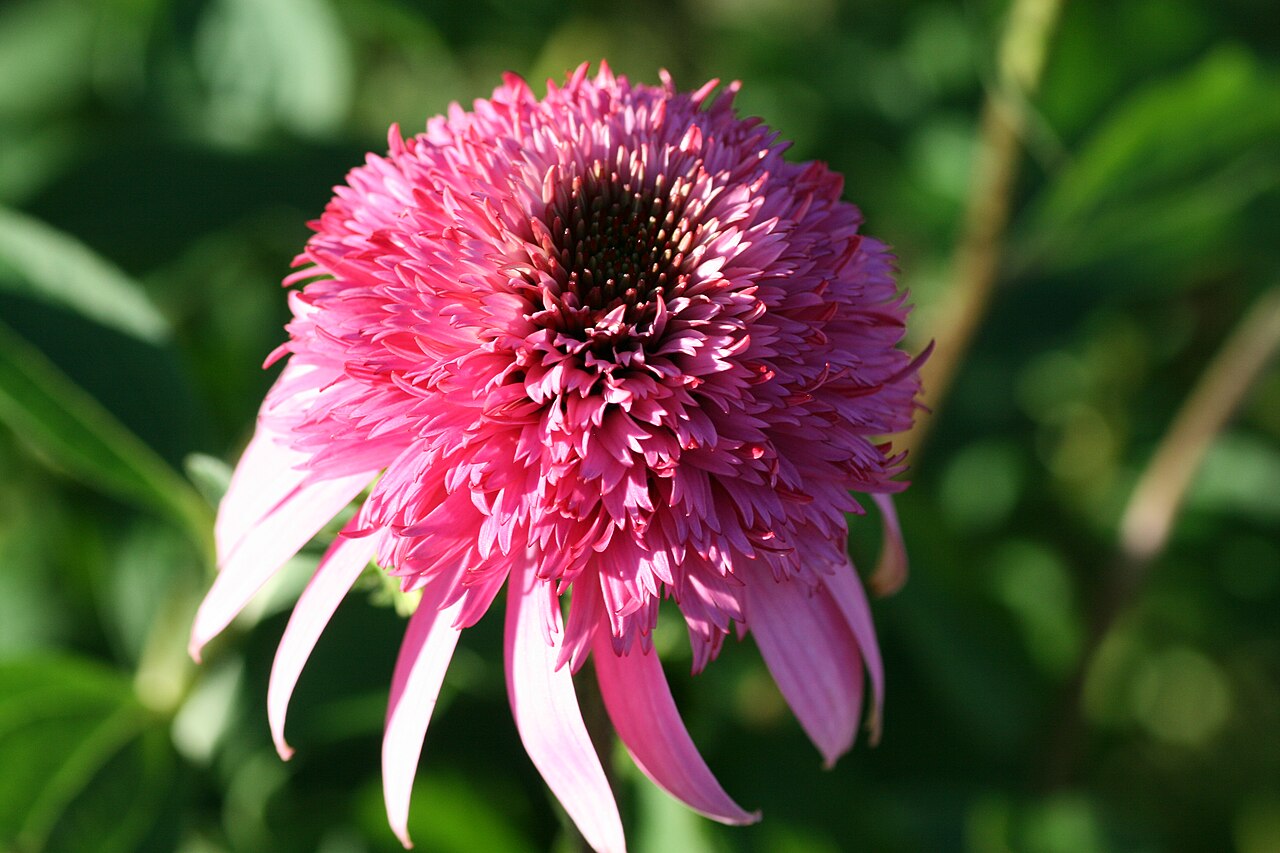
If your shrinking plant is a named hybrid, and especially a double, consider replacing it with the straight species. Seed-grown Echinacea purpurea also gives you seedlings that resemble the parent, so the planting renews itself.
Troubleshooting at a Glance
| Plant 4+ years old, slow decline | Normal aging. Let seedlings replace it or replant. |
| Several small rosettes, slightly different flowers | Seedlings took over. Thin to the strongest plants. |
| Growth only at the edges, dead center | Crowded crown. Divide in spring and replant the outer pieces. |
| Tall, floppy, few flowers | Too much shade. Move to full sun. |
| Soft crown, low wet spot | Winter wetness. Replant on better-drained ground. |
| Lush leaves, weak stems | Too much fertility. Stop feeding. |
| Shoots clipped or shredded in spring | Rabbits or slugs. Cage or protect new growth. |
| Stunted, yellowish, odd green or tufted flowers | Possible aster yellows. Remove the whole plant. |
What to Do Now
If the plant is old and declining slowly: plan a replacement. Leave some seed heads standing this fall so you get volunteers, and add a few new plants nearby in spring or fall. Our guide to deadheading versus leaving seed heads helps you balance a tidy plant with a steady supply of seedlings.
If the clump is crowded with a dead center: divide it in early spring as new growth appears. Keep only the healthy outer sections, each with its own roots and shoots.
If the site is the problem: move the plant rather than fight the conditions. Choose a spot with at least six hours of sun and soil that doesn’t stay wet in winter.
If you suspect aster yellows: remove the plant, roots and all, and bag it for the trash. Don’t divide it or share pieces, since the disease travels with the roots.
A Season-by-Season Plan
- Early spring: inspect the crown as rosettes appear. Protect new growth from rabbits if they’ve been a problem. Divide crowded clumps now.
- Late spring: thin crowded seedlings and move extras into gaps while they’re small. Keep mulch away from the crown.
- Summer: water during long dry spells in the first year only. Watch flowers for signs of aster yellows and remove any suspect plants right away.
- Fall: leave at least some seed heads standing so the planting can renew itself. Skip fertilizer.
- Winter: note where water collects in the bed. Plan to move plants out of wet spots in spring.
📋 More on this plant: read the full Purple Coneflower (Echinacea purpurea) profile, or see it in our native plant lists for Kentucky & Tennessee, Arkansas, Louisiana, Eastern Oklahoma & Eastern Texas, and Illinois, Iowa & Missouri. On dry, open sites, the related pale purple coneflower is another native option.
Frequently Asked Questions
How long does purple coneflower live?
Individual plants are often short-lived. The Chicago Botanic Garden describes two or three years as common, though plants on good sites can last longer. Because coneflower reseeds readily, a planting can persist for many years even as individual plants come and go.
Will dividing a shrinking coneflower bring it back?
Sometimes. Division helps when the crown is crowded and the center has died out but the outer shoots are healthy. It won’t help a plant that is declining because of shade, wet soil, or aster yellows.
Should I fertilize a coneflower that’s getting smaller?
Usually not. Coneflowers grow well in average to lean soil, and extra fertilizer tends to produce soft, leafy growth rather than a stronger plant. Check light, drainage, and pests first.
Why do my coneflowers look different from the ones I planted?
You are probably looking at seedlings. Coneflowers cross freely, and seedlings of named cultivars rarely match the parent. New colors in an established planting usually come from seedlings, not from the original plant changing.
Can I save a coneflower with aster yellows?
No. There is no cure, and infected plants stay infected. Remove the whole plant, including the roots, and dispose of it in the trash so it can’t serve as a source of infection for other plants.
Sources
- Chicago Botanic Garden, A Comparative Evaluation of Echinacea Cultivars (Plant Evaluation Notes, Issue 51, 2024): short lifespan, seedling replacement, winter losses, aster yellows and hybrid longevity.
- Clemson Cooperative Extension Home & Garden Information Center, How to Grow Echinacea (HGIC 1182) and Dividing Perennials (HGIC 1150): division interval, signs a clump needs dividing, fertility, rabbits and diseases.
- Lady Bird Johnson Wildflower Center, Echinacea purpurea: fibrous roots, native distribution, and notes on division.
- University of Wisconsin Plant Disease Diagnostics Clinic, Aster Yellows: symptoms on purple coneflower and removal of infected plants.
- North Carolina Extension Gardener Plant Toolbox, Echinacea purpurea: light, soil and reseeding.
- Prairie Moon Nursery, Echinacea purpurea species page: fibrous root system with short woody rhizomes.