Purple Coneflower Deadheading or Seed Heads: Choosing a Care Routine
Last updated: November 6, 2026
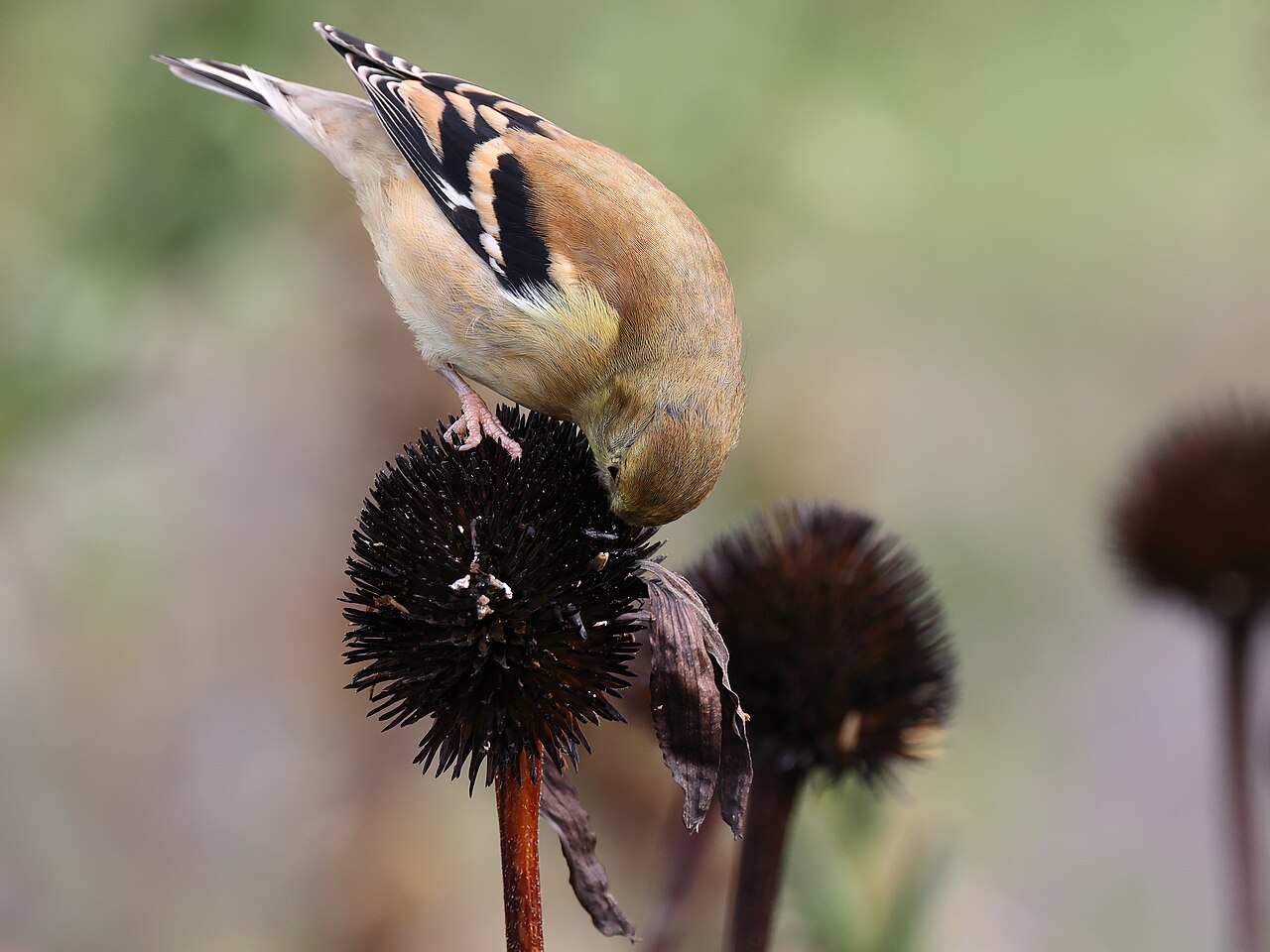
Every summer, gardeners with purple coneflower face the same question. Should you snip off the fading flowers to keep the plant tidy and blooming, or leave them to ripen into seed heads for the birds?
There isn’t one right answer. Deadheading and leaving seed heads each do something useful, and each has a cost.
This guide lays out what each approach actually does, so you can pick a routine that fits your garden. That might be full deadheading, no deadheading, or, for most people, something in between.
The Short Answer
- Deadheading keeps the plant looking fresh, can encourage more flowers, and reduces self-sown seedlings.
- Leaving seed heads feeds goldfinches and other birds, adds winter structure, and lets the planting renew itself from seed.
- A split routine works for most gardens: deadhead early in the season, then let later flowers ripen into seed heads from late summer on.
- Remove diseased or mite-damaged flowers whichever routine you choose.
- Cut old stems back in late winter or early spring, not in fall.
What Happens After a Coneflower Blooms
Purple coneflower (Echinacea purpurea) blooms over a long stretch of summer. Clemson’s Home & Garden Information Center notes it flowers from midsummer and continues sporadically until frost.
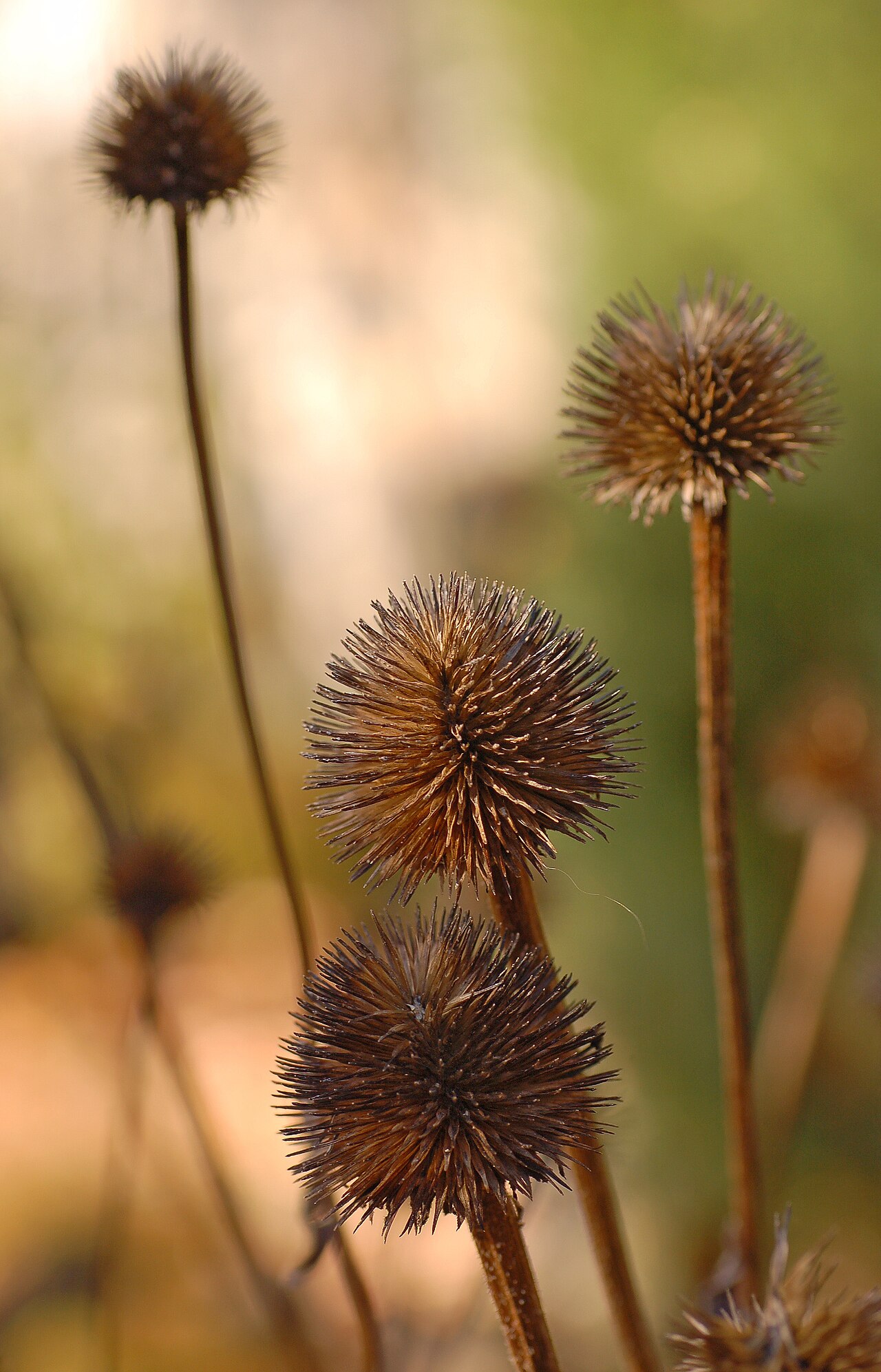
Each flower head lasts a long time. As it ages, the ray petals fade and droop, and the cone darkens. Seeds develop in the cone. Once the rays drop, the spiny cone hardens and turns dark brown, holding seed into fall and winter.
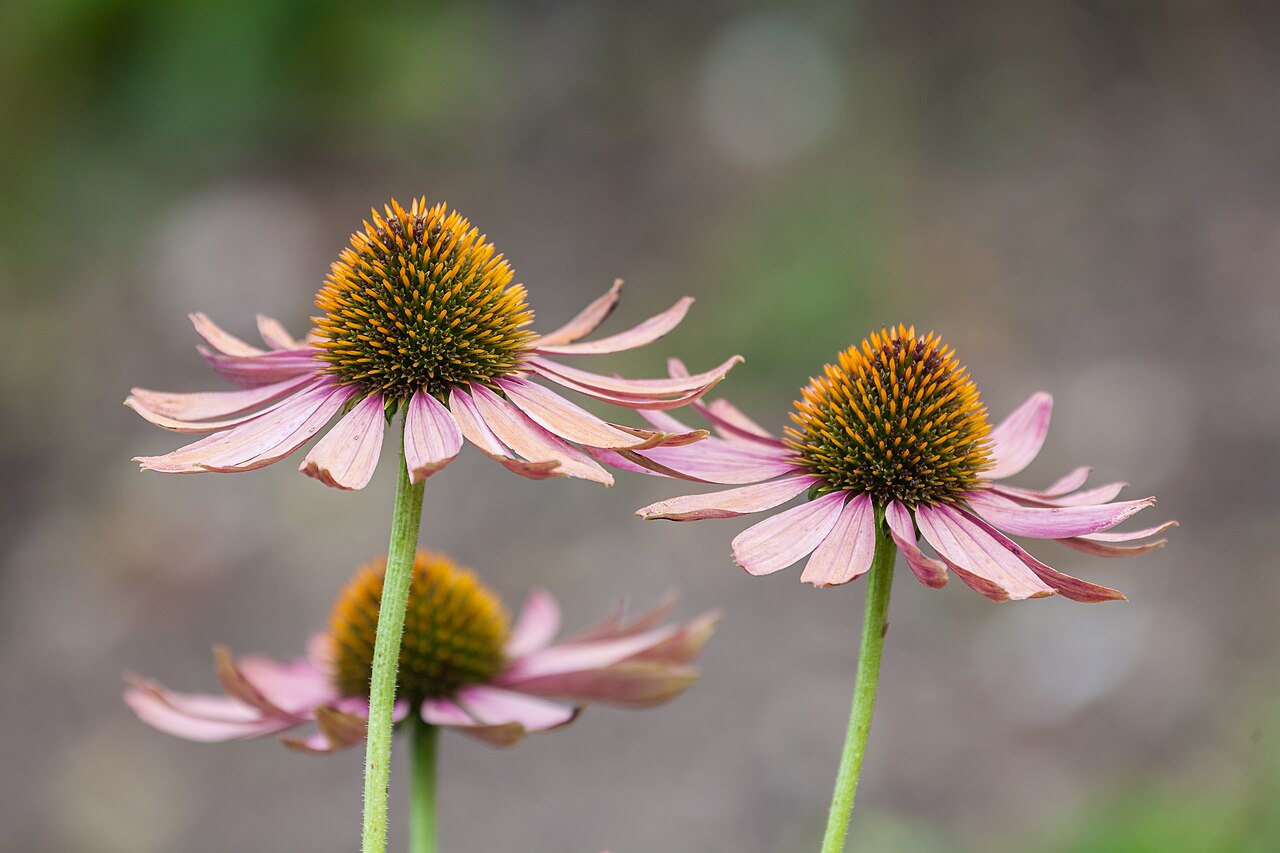
Those seed heads are what birds come for. Your choice is really about how many of them to let develop, and how many to cut off early for more bloom and a tidier look.
What Deadheading Does
Deadheading means cutting off spent flowers before they set seed. On coneflower it has three main effects.
It improves the look of the plant. The Chicago Botanic Garden’s coneflower trial found that most coneflowers declined in ornamental value late in the season, when many spent flowers were present. It concluded that deadheading improves the floral display.
It can extend bloom. Our species profile notes that deadheading prolongs blooming by preventing seed set. Prairie Moon Nursery adds that some plants may rebloom in fall, especially if deadheaded early on.
It reduces seedlings. The same trial report notes that deadheading reduces self-sown seedlings. That matters if you grow named cultivars, since their seedlings don’t come true. It also matters in a small or formal bed where volunteers become weeds.
What Leaving Seed Heads Does
It feeds birds. Clemson recommends delaying deadheading because the seed heads are very attractive to goldfinches in winter. The Chicago Botanic Garden saw American goldfinches feeding commonly in its trial garden, with house finches and female red-winged blackbirds as occasional visitors.
It renews the planting. Individual coneflower plants are often short-lived. Seedlings from standing seed heads are how a patch keeps going as older plants fade. Our guide to a coneflower returning smaller each year explains why that matters.
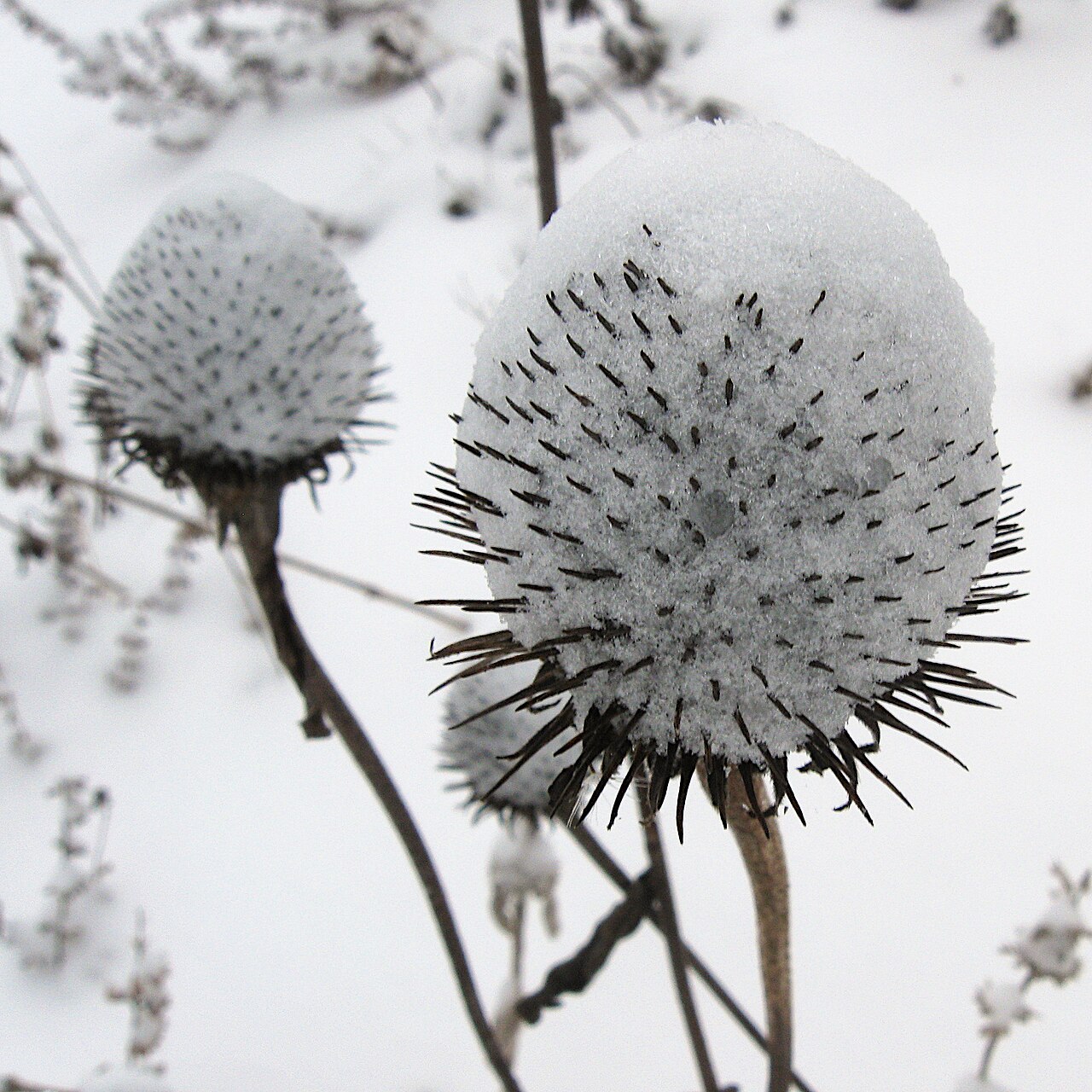
It adds winter structure. Dark cones on upright stems stand out against snow and dormant grasses, and they catch frost on cold mornings.
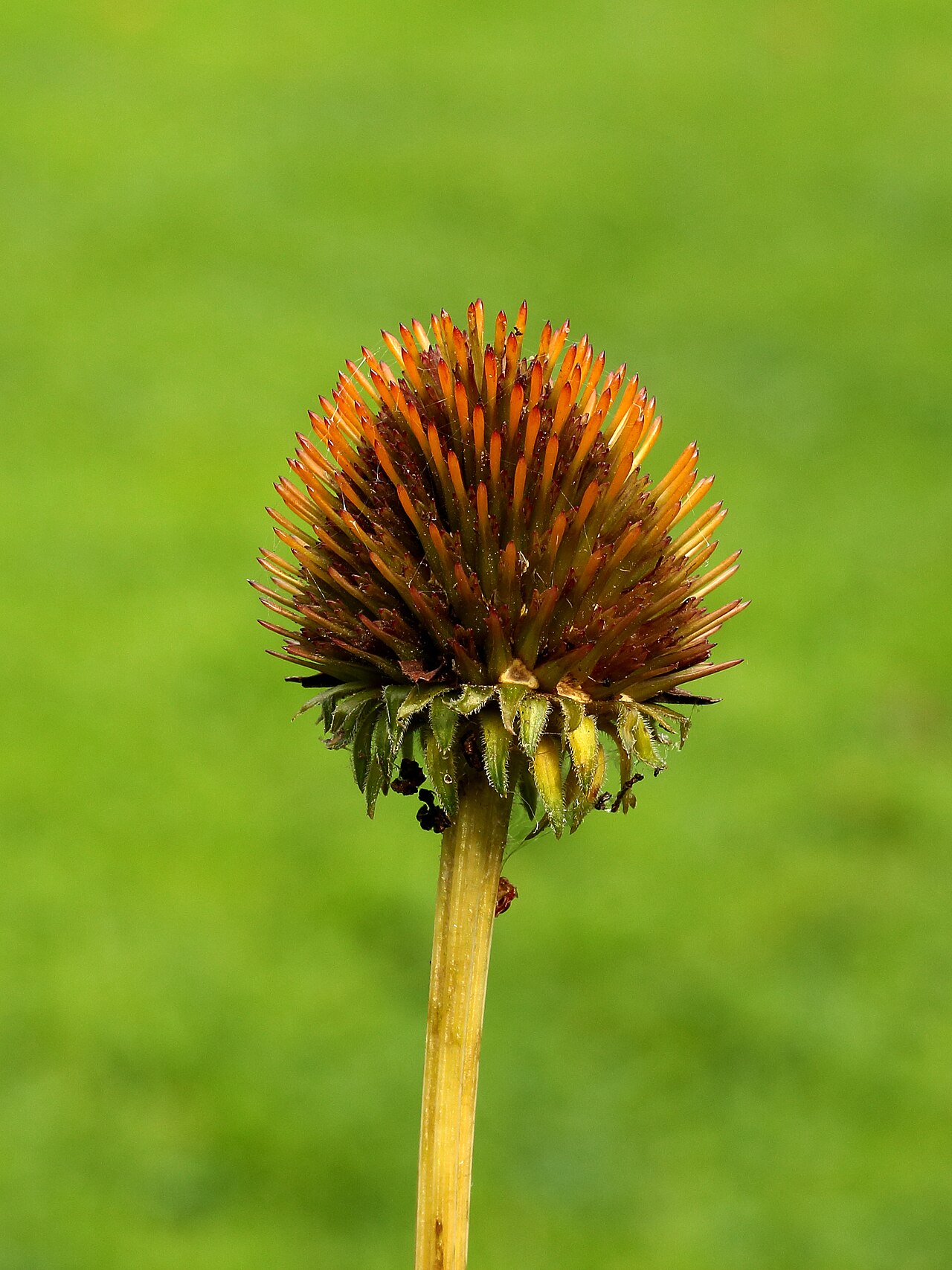
It supports insects too. NC State Extension notes that native bees nest in the dead, hollow stems of coneflower. It encourages gardeners to cut dead stems back to 12 to 24 inches and leave them standing rather than removing them entirely.
Step 1: Decide What You Want From the Plant
Before you pick up pruners, decide what matters most in this particular spot. The answer is often different in a front-yard border than in a back-corner meadow.
- Maximum bloom and a tidy look (entryway, formal bed, cut-flower patch): lean toward deadheading.
- Wildlife and low maintenance (pollinator garden, meadow, wildlife planting): lean toward leaving seed heads.
- More coneflowers over time: leave seed heads, at least on the straight species.
- Named cultivars you want to keep pure: deadhead to limit off-type seedlings, and keep cultivars by division instead.
Step 2: Choose a Routine
Three Routines Compared
| Full deadheading | Cut every spent flower all season. Best for: formal beds and cultivars. Cost: no bird food, few seedlings, more work. |
| Split routine | Deadhead the first flush, then leave flowers from late summer on to ripen. Best for: most home gardens. Cost: a little summer work. |
| Seed-head routine | Leave all flowers to set seed. Remove only damaged ones. Best for: meadows and wildlife gardens. Cost: a shaggier late-season look, more volunteers. |
The split routine gets you most of both worlds. Early deadheading keeps the plant fresh and may push more flowers. The later flowers still produce a crop of seed heads for fall and winter birds.
You can also split by plant instead of by season. Deadhead the coneflowers near the house and leave the ones along the back fence for the birds.
Step 3: Deadhead the Right Way
When you deadhead, cut the whole spent flower stalk, not just the cone. Follow the stem down to the next leaf or side bud and cut just above it. Side buds there may produce later flowers.
A flower is “spent” when the rays have faded and drooped and the cone has darkened. Bees and butterflies still visit flowers that look a bit tired, so there’s no need to cut a head the moment it starts to fade.
Use clean, sharp pruners or snips. Pinching coneflower stems by hand tends to tear them, because they’re stiff and rough.
The same basic technique applies to many summer perennials. Our guide to deadheading Shasta daisies shows it on another daisy-type flower.
Step 4: Remove Damaged Flowers No Matter What
Some flowers should come off regardless of your routine.
Mite-damaged heads. Eriophyid mites cause tufted, distorted growth on the cone. The Chicago Botanic Garden found that removing affected flowers reduced the mites, and later flowers came out undamaged. Clemson also recommends cutting mite-affected plants to the ground in fall and clearing away the debris.
Signs of aster yellows. Green, leafy flower parts and small heads sprouting from the cone can mean aster yellows. That calls for removing the whole plant, not just the flowers. Our guide to distorted coneflower flowers shows how to tell these problems apart.
Step 5: Manage the Seedlings You Get
If you leave seed heads, expect volunteers. The Chicago Botanic Garden found seedlings mostly near the parent plants, sometimes crowding into existing clumps.
That’s a good thing in a naturalistic planting, but it needs a light touch in tidier beds. In spring, thin seedlings that come up inside a clump, and move extras where you want more coneflowers while they’re small. Our guide to coneflower seedlings that disappear explains how to keep young volunteers alive once you’ve decided to keep them.
Want seed to share or sow? The Lady Bird Johnson Wildflower Center suggests collecting mature seed heads in fall and breaking them open to extract the seed. Take a few, and leave the rest for the birds.
Step 6: Time the Final Cutback
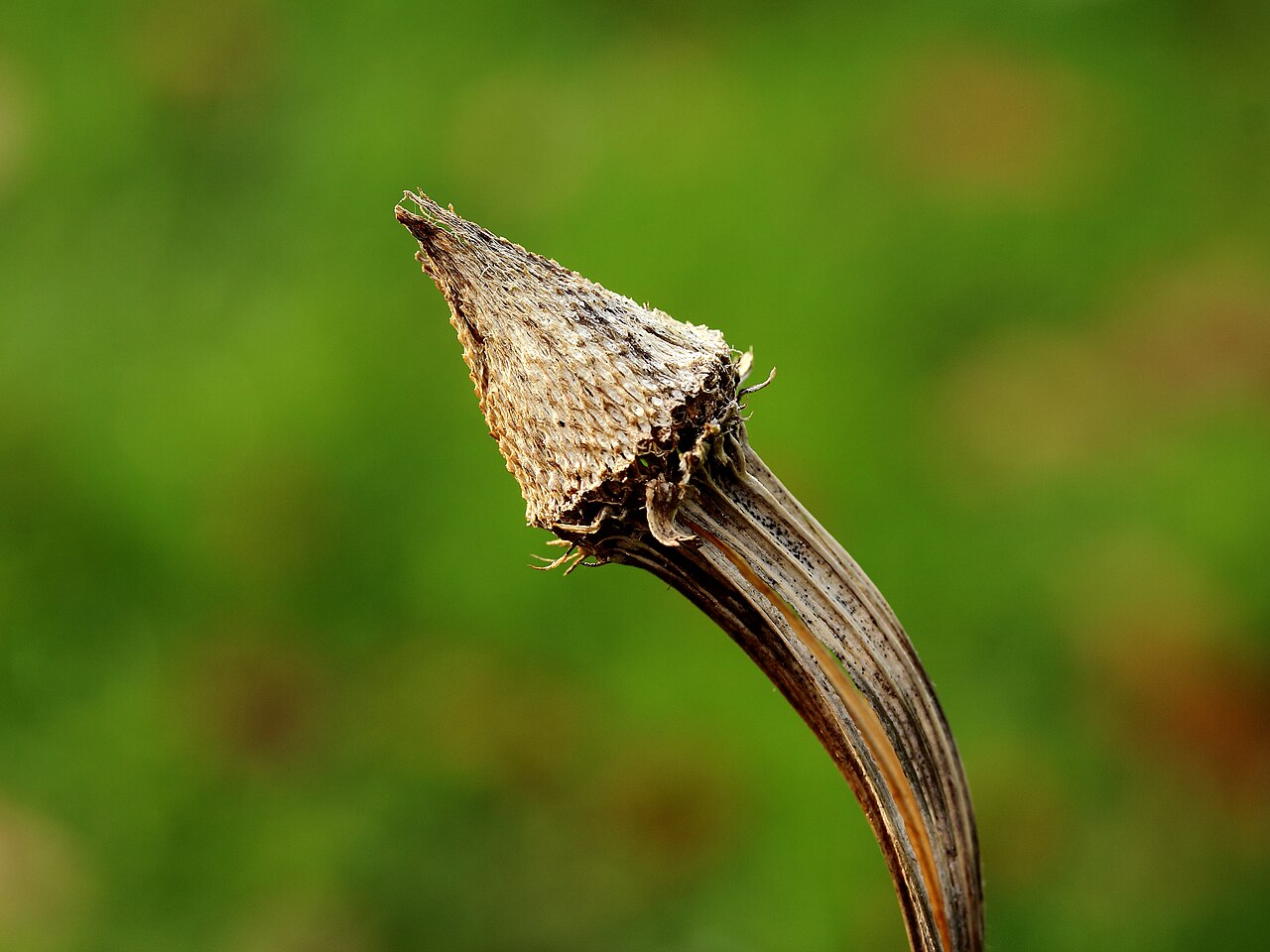
Whatever you did in summer, hold off on cutting coneflowers to the ground in fall. Our species profile recommends leaving seed cones standing through winter and cutting stems back in late winter or early spring, before new growth emerges.
When you do cut back, consider NC State’s suggestion for stem-nesting bees. Cut stems to 12 to 24 inches rather than to the ground, and let the stubs stand. New growth will hide them within weeks.
Exceptions: cut back and remove plants that had eriophyid mites, and remove any plant with aster yellows entirely. For more on balancing cleanup with wildlife, see our New England aster winter cleanup guide and our guide on when to cut back little bluestem.
A Season-by-Season Routine
- Early summer: enjoy the first flush. If you’re deadheading, cut spent flower stalks back to a leaf or side bud once a week.
- Midsummer: keep deadheading if you want. Remove any flowers with tufted or distorted cones right away.
- Late summer: stop deadheading so later flowers can ripen into seed heads. Collect a little seed if you want some.
- Fall and winter: leave healthy seed heads and stems standing. Watch for goldfinches.
- Late winter to early spring: cut stems back, ideally to 12 to 24 inches for stem-nesting bees, before new growth starts. Thin crowded seedlings once they appear.
For more ways to make coneflowers part of a bird-friendly yard, see our guides to attracting songbirds with native plants and pollinator garden design basics.
📋 More on this plant: read the full Purple Coneflower (Echinacea purpurea) profile, or see it in our native plant lists for Kentucky & Tennessee, Arkansas, Louisiana, Eastern Oklahoma & Eastern Texas, and Illinois, Iowa & Missouri.
Frequently Asked Questions
Does deadheading coneflowers make them bloom more?
It can. Deadheading prevents seed set, which can prolong blooming, and Prairie Moon Nursery notes some plants rebloom in fall when deadheaded early. Coneflowers also bloom for a long time without it, so the effect is a bonus, not a necessity.
Do birds really eat coneflower seeds?
Yes. American goldfinches are the best-known visitors. The Chicago Botanic Garden recorded them as common feeders on coneflower seed heads, with house finches and red-winged blackbirds visiting occasionally.
Will leaving seed heads make coneflowers spread everywhere?
They’ll self-sow, mostly close to the parent plant. Thin or transplant seedlings in spring if you don’t want them. If you grow named cultivars, deadheading limits off-type seedlings.
Should I cut coneflowers down in the fall?
It’s better to wait until late winter or early spring. Standing seed heads feed birds, and hollow stems can shelter native bees. The exceptions are plants with eriophyid mite damage or aster yellows.
Where do I cut when deadheading a coneflower?
Follow the spent flower’s stem down to the next leaf or side bud and cut just above it. Cutting only the cone leaves a bare stalk standing.
Sources
- Chicago Botanic Garden, A Comparative Evaluation of Echinacea Cultivars (2024): deadheading and floral display, seedlings, bird visitors and eriophyid mite management.
- Clemson Cooperative Extension Home & Garden Information Center, How to Grow Echinacea (HGIC 1182): bloom period, delaying deadheading for goldfinches, cleanup timing and mites.
- North Carolina Extension Gardener Plant Toolbox, Echinacea purpurea: stem-nesting bees, 12–24 inch stem stubs and leaving flower heads for birds.
- Prairie Moon Nursery, Echinacea purpurea species page: fall rebloom after early deadheading.
- Lady Bird Johnson Wildflower Center, Echinacea purpurea: seed collection.