Lilac Not Blooming After Pruning: What to Review Before Cutting Again
Last updated: November 6, 2026
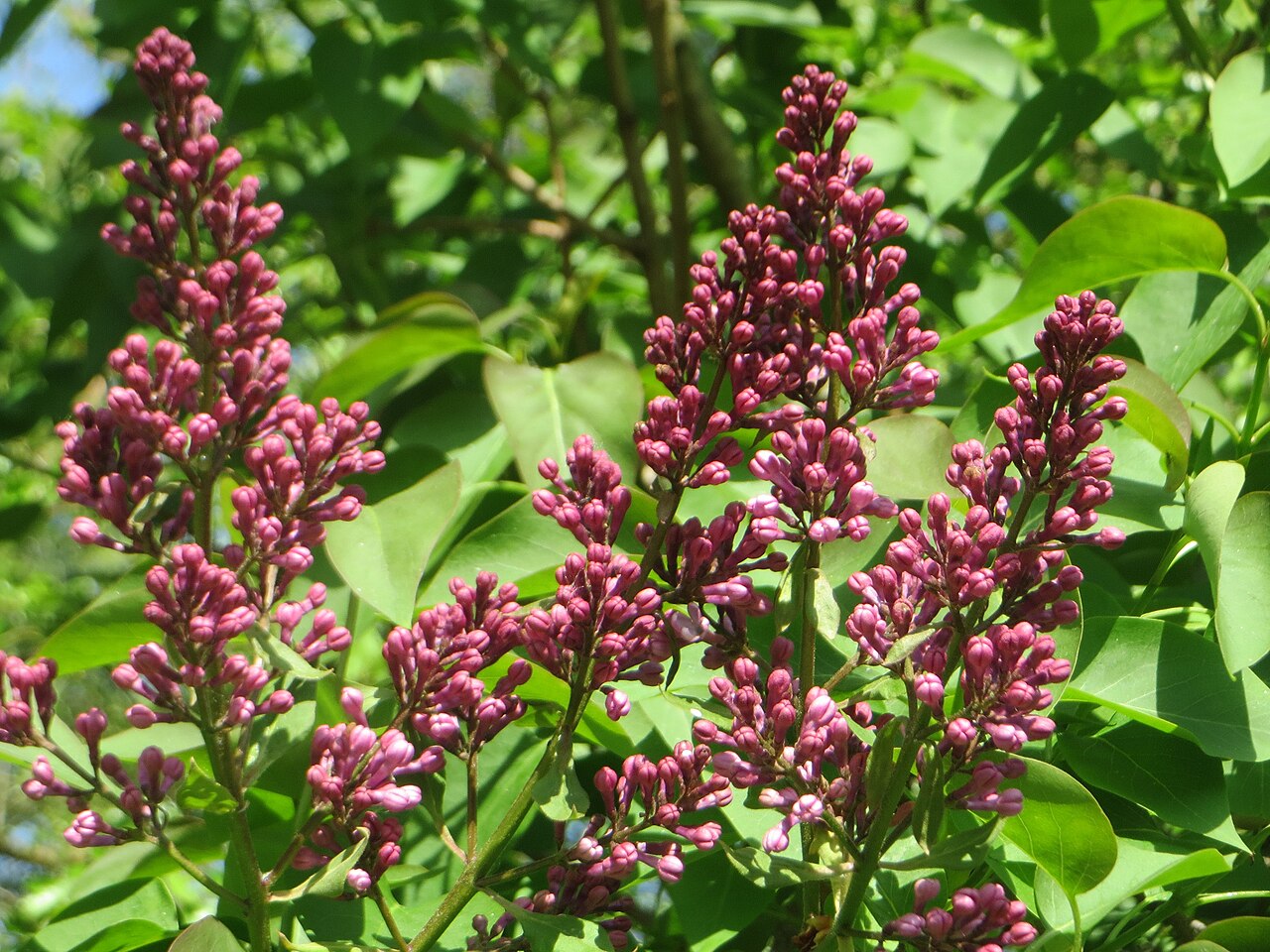
You pruned your lilac to tidy it up, shrink it, or bring it back from a tangle. Now spring has come and gone, and there were few flowers or none at all.
Before you reach for the loppers again, stop. Cutting a second time without knowing what went wrong is the surest way to lose another year of bloom.
This guide walks you through what to review first: when you cut, how much, which stems, and whether pruning was even the real problem. Most of the answers are visible on the shrub right now.
The Short Answer
Lilacs bloom on buds formed the summer before. A lilac that skipped flowering after pruning usually lost those buds in one of these ways:
- It was pruned in late summer, fall, or winter, after next year’s buds had already formed.
- It was sheared, which clips off the branch tips where flower buds sit.
- It was cut back hard, which can delay flowering for several years.
- Something other than pruning is to blame: shade, a young plant, heavy fertilizer, a late freeze, or summer stress.
How a Lilac Sets Next Year’s Flowers
Lilacs are old-wood bloomers. Iowa State University Extension explains that they set flower buds for the following season in midsummer, not long after the spring flowers fade.
Those buds sit through fall and winter, then open the next spring. Anything that removes them between midsummer and bloom time removes the flowers along with them.
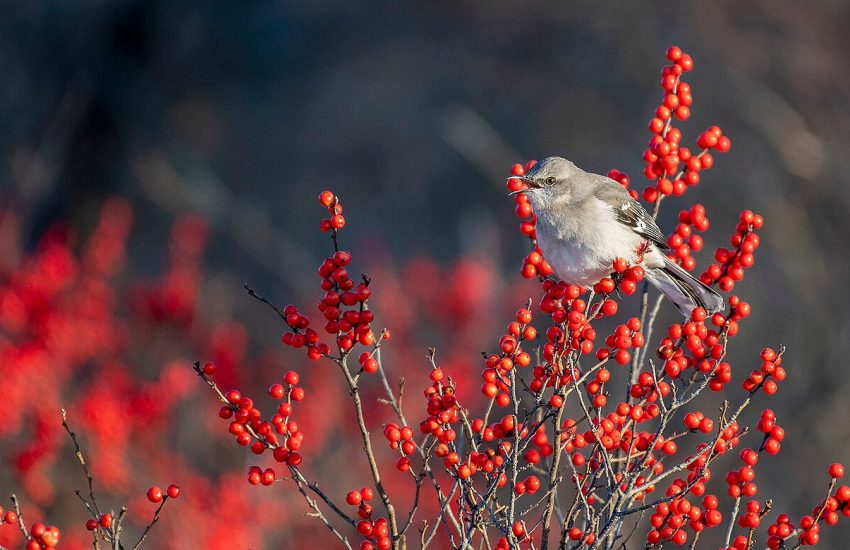
That’s the opposite of shrubs like American beautyberry, which flower on growth made the same year and can be cut back in late winter without losing a season.
The Lilac Bud Calendar
| Spring | Flowers open from buds formed last summer. |
| Right after bloom | The best pruning window. Next year’s buds haven’t formed yet. |
| Midsummer | Next year’s flower buds form at the shoot tips. |
| Late summer – winter | Buds are in place. Any cut here removes some of next spring’s flowers. |
| Late winter | Acceptable for removing a few large, old stems, at the cost of the buds on them. |
The Chicago Botanic Garden puts the window plainly: prune at the same time you remove spent flowers, within a couple of weeks after the plant blooms.
Check 1: When Did You Make the Cuts?
This is the first and most common answer. Think back to the date, not just the season.
- Within a few weeks after flowering: timing wasn’t the problem. Move on to Check 2.
- Midsummer through fall: you likely removed buds that had already formed. Iowa State notes that pruning in late summer, fall, or winter may remove many flower buds.
- Winter or early spring, before bloom: every cut tip took its buds with it. Oregon State University Extension says winter pruning removes those buds and eliminates the following spring’s blooms.
If timing was the cause, the fix is simple and free. Leave the shrub alone until it flowers again, then do any pruning right afterward.
Check 2: Did You Shear or Did You Thin?
How you cut matters as much as when. Lilac flower clusters form at the branch tips, so a shrub that has been sheared into a neat shape has lost the very tips that would have bloomed.
Iowa State says lilacs respond best to removing select branches at their point of origin, or whole stems at the base, rather than shearing or clipping. Thinning cuts leave most of the shrub’s tips, and their buds, untouched.
Look at the outer surface of the shrub. Lots of short stubs with clusters of new shoots below them are the mark of shearing. Clean cuts at the base of a few thick stems are the mark of thinning.
Check 3: How Much Did You Remove?
A light trim and a full renovation lead to very different waiting times.
Removing a few of the oldest stems costs little. Iowa State notes that taking out the oldest, largest stems near the base every three to five years promotes new growth that blooms better than the old wood.
Cutting the whole shrub to the ground is a different story. Iowa State warns that lilacs renovated this way may not bloom for three to five years. Nebraska Extension estimates about three years, and the Chicago Botanic Garden says the bloom cycle is interrupted for one season, maybe more.
If you cut the entire shrub back, a year without flowers is expected rather than a sign that something is wrong. The new shoots need time to mature.
Check 4: Which Stems Did You Keep?
Some gardeners remove all the young shoots coming up from the base and keep only the big old trunks. That keeps the shrub tidy but starves it of future flowering wood.
Nebraska Extension notes that lilac wood needs to be about three or more years old before it blooms. Oregon State adds that lilacs produce the most flowers on healthy, newer growth rather than on old stems.
The goal is a mix of ages: a few vigorous young shoots coming along, several productive middle-aged stems, and only a few old trunks that you’ll eventually replace. If you’re working toward that kind of balance on an old shrub, plan it as a multi-year rejuvenation schedule rather than one big cut.
On a grafted lilac, Oregon State cautions against pruning below the graft union. Shoots from the rootstock below the graft won’t produce the flowers of the variety you bought. Our guide to managing lilac suckers explains how to spot them.
Check 5: Look for Flower Buds Right Now
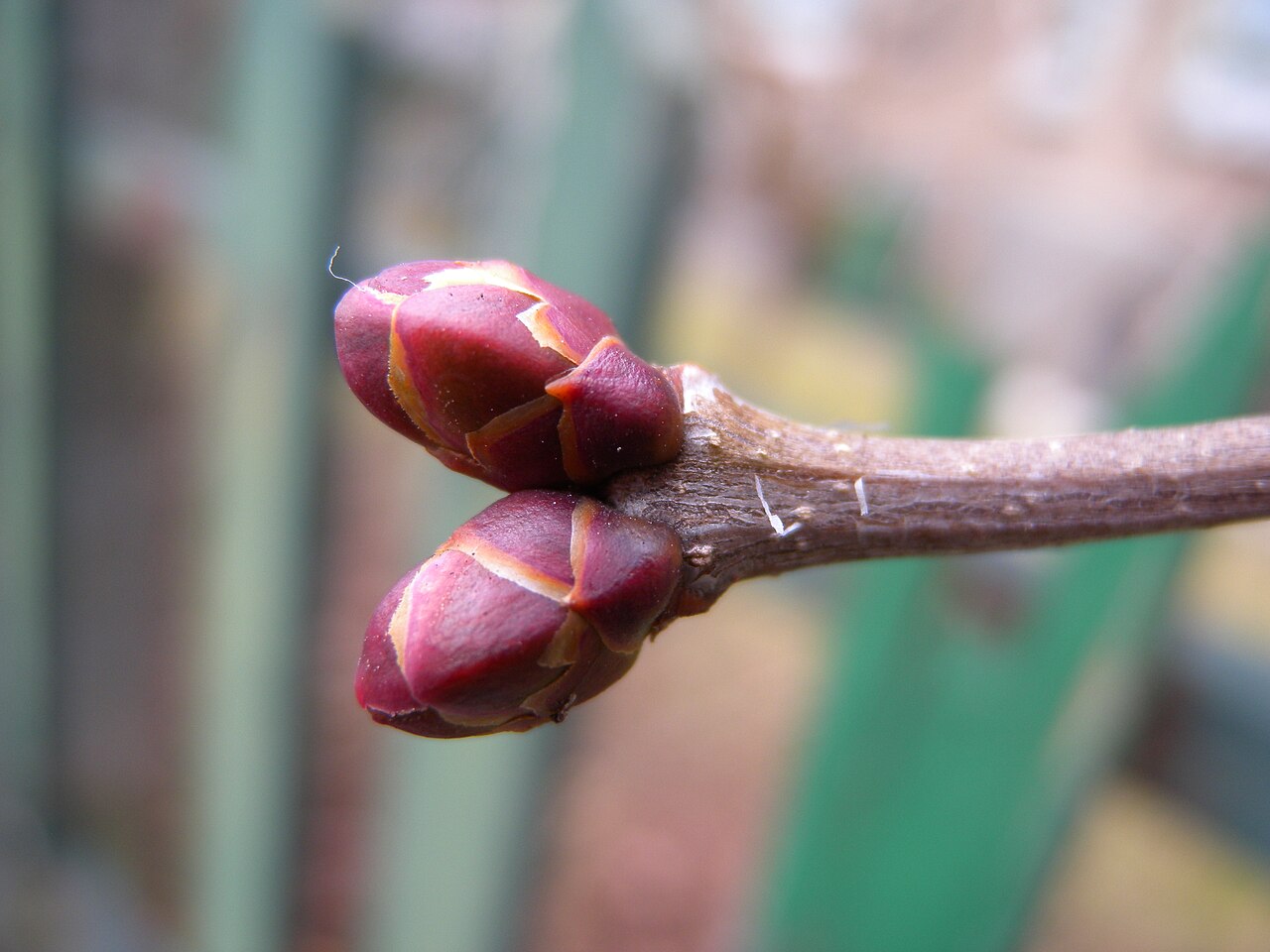
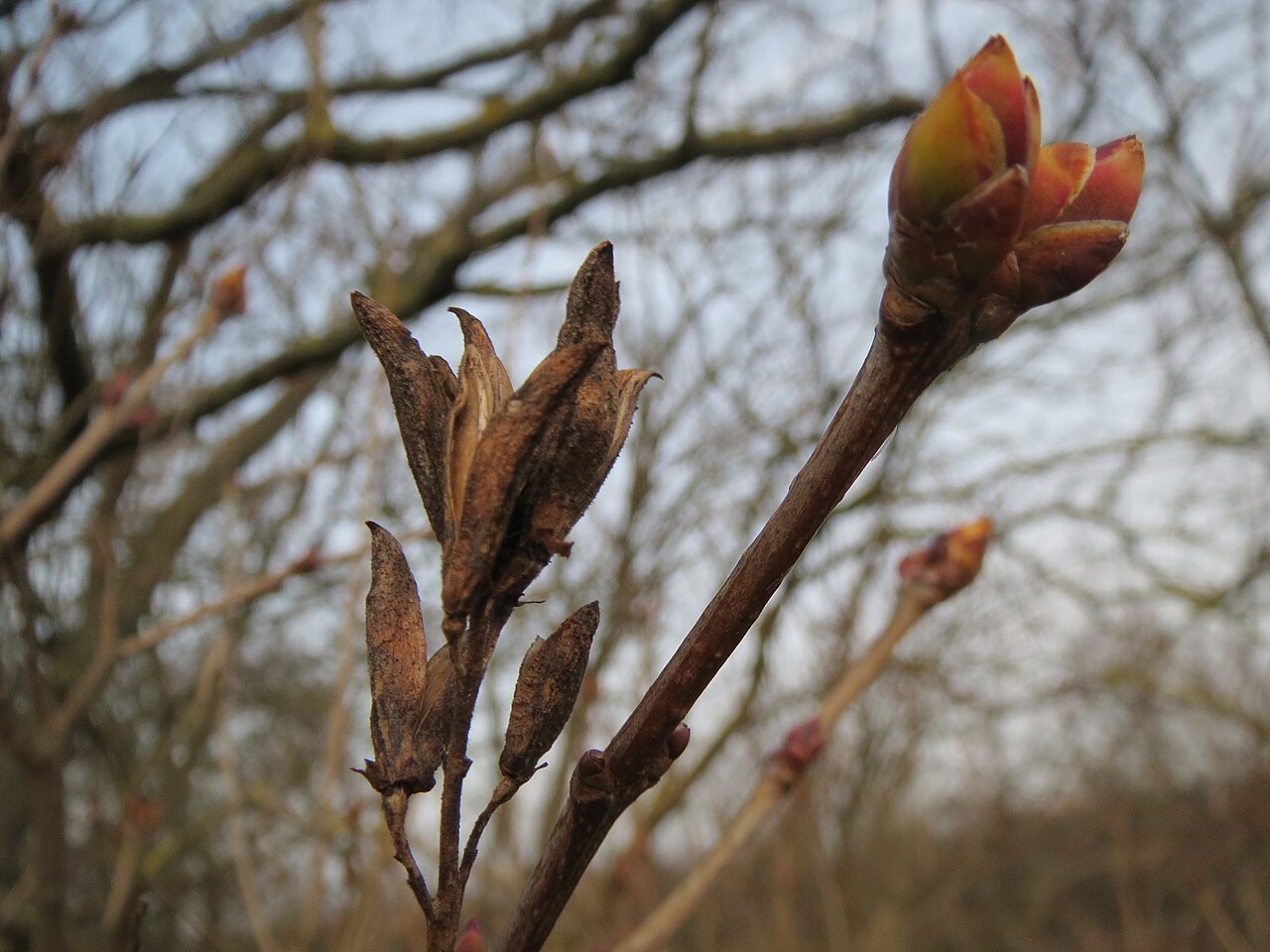
Instead of guessing, look. Lilac flower buds and leaf buds are different, and you can tell them apart from late summer until bloom.
The University of Maine Extension describes leaf buds as smaller and more pointed, and flower buds as larger, rounder, and lighter green. Lilac flower clusters open at the branch tips, so start your search there.
- Plenty of large, round buds at the tips: the shrub is set to bloom next spring. Don’t cut.
- Only small, pointed buds: few flowers are coming. Use Checks 1 through 4 and 6 to find out why.
- Large buds on some stems but not others: compare those stems. Shaded, recently cut, or very young stems are often the ones without flower buds.
Check 6: Rule Out the Causes That Aren’t Pruning
Pruning gets blamed for a lot, but a lilac can skip blooming for reasons that have nothing to do with your pruners.
Shade. The Chicago Botanic Garden calls lack of sun the most common cause of poor lilac bloom. Iowa State recommends at least six hours of direct sun and notes that lilacs in partial shade will not bloom well. Trees that have grown up nearby can shade a lilac that once flowered heavily.
Age. Iowa State says common lilac cultivars often don’t bloom for five or more years after planting. Smaller types like dwarf Korean lilac and ‘Miss Kim’ often flower within one or two years. If a young lilac is also drooping, start with our checks for a newly planted lilac wilting.
Fertilizer. Lilacs are not heavy feeders. The Chicago Botanic Garden warns that excess nitrogen, including runoff from a regularly fertilized lawn nearby, can push leaves at the expense of flowers. If you’re unsure what your soil needs, try our soil testing tips before adding anything.
A late freeze. Flower buds on early-blooming varieties can be damaged by a hard freeze after they begin to swell, according to the Chicago Botanic Garden. Our page on frost protection covers short-term covers for cold snaps.
Summer stress. Iowa State explains that heat, drought, heavy defoliation, or heavy pruning can trigger some buds to open in fall instead of spring. The shrub then has fewer flowers the next spring. If your lilac lost much of its foliage last summer, our guide to lilac leaf scorch and leaf spot can help you sort out why.
Troubleshooting at a Glance
| Cut after midsummer | Buds removed. Skip pruning until after the next bloom. |
| Sheared all over | Tips and buds removed. Switch to thinning cuts at the base. |
| Cut to the ground | Expect one to several years without bloom. Thin the new shoots and wait. |
| All young shoots removed | Not enough maturing wood. Keep some strong new shoots each year. |
| Shade, age, fertilizer | Not a pruning issue. Increase sun, be patient, stop extra nitrogen. |
| Fall flowers last year | Summer stress. Water through dry spells and protect foliage. |
What to Do Before You Cut Again
If there are flower buds on the shrub now, put the pruners away until after it blooms. Any cut between now and then costs flowers.
If the shrub is too big and you can’t wait, take out only a few of the oldest, thickest stems at ground level in late winter, as Iowa State allows. You’ll lose the buds on those stems, but the rest of the shrub will still bloom.
If you cut it to the ground, don’t cut again in frustration. In late winter of the following year, Iowa State recommends keeping several strong, healthy new shoots and removing the rest at ground level. Then give those shoots time.
If none of the pruning checks fit, focus on light. Oregon State suggests thinning overhead tree branches so the lilac gets plenty of sun. For larger limbs or trees near structures, hire a certified arborist rather than working from a ladder.
For general pruning cuts and tools, see our guide on how to prune trees and shrubs. The same “prune right after bloom” logic applies to many spring-flowering shrubs, as our hydrangea pruning guide explains for old-wood hydrangeas.
Deadhead Instead of Pruning Hard
Removing spent flower clusters is the gentlest pruning a lilac gets, and it fits the right timing automatically.
Iowa State recommends cutting at the base of each faded cluster, just above the uppermost leaves. Promptly deadheaded lilacs often bloom more heavily the next season, because the shrub puts less energy into seed capsules.
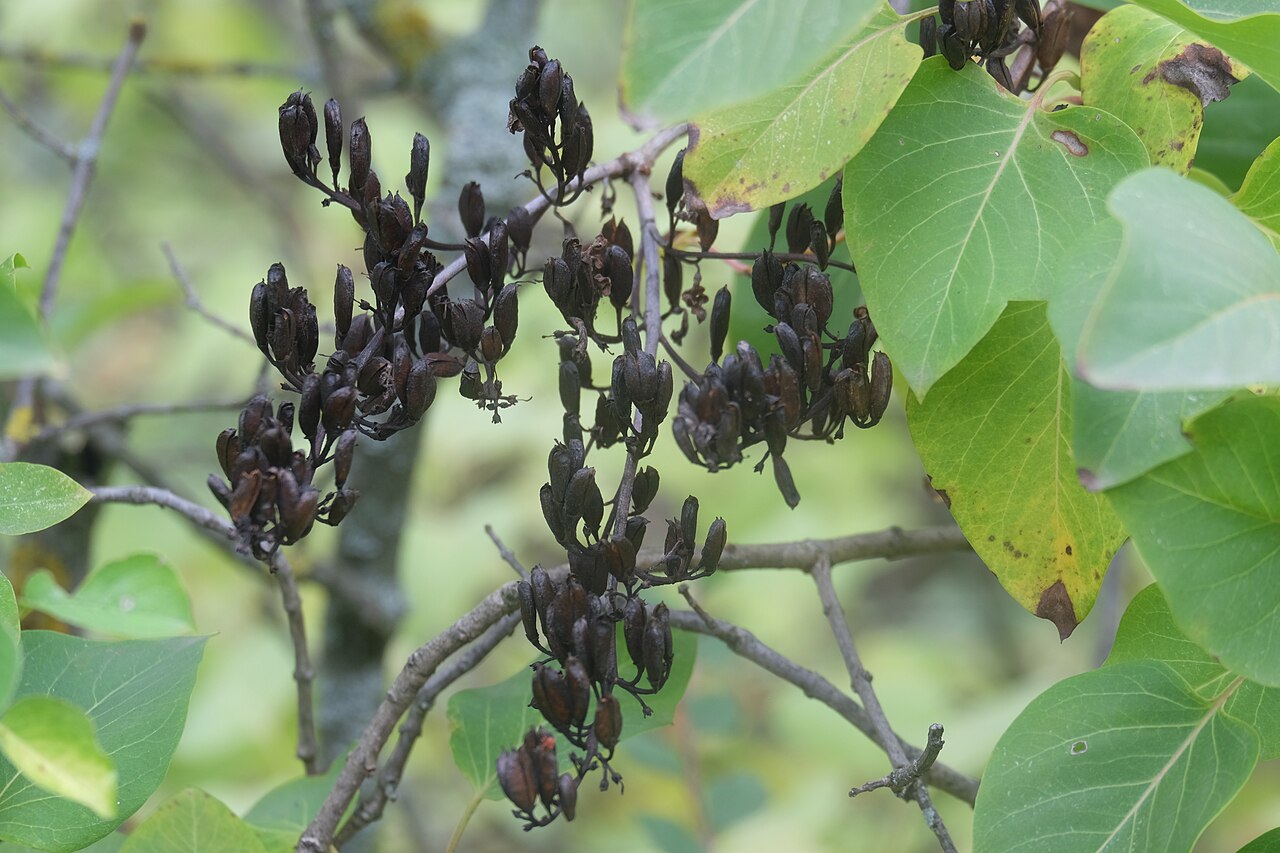
Deadheading is optional. Iowa State notes that lilacs still bloom in later years without it, so skip it on large shrubs you can’t reach safely.
A Season-by-Season Plan for Next Year’s Flowers
- Late winter: Check for fat, round flower buds. If you must remove old stems, take only a few at ground level.
- Spring bloom: Enjoy it, and note which stems flowered and which didn’t.
- Within two weeks after bloom: Deadhead and do any thinning or size reduction now.
- Summer: Leave the shrub alone while it forms next year’s buds. Water deeply during drought; our watering guide for shrubs and trees covers how.
- Fall: No pruning. Rake fallen leaves if the shrub had leaf spot, and skip fertilizer.
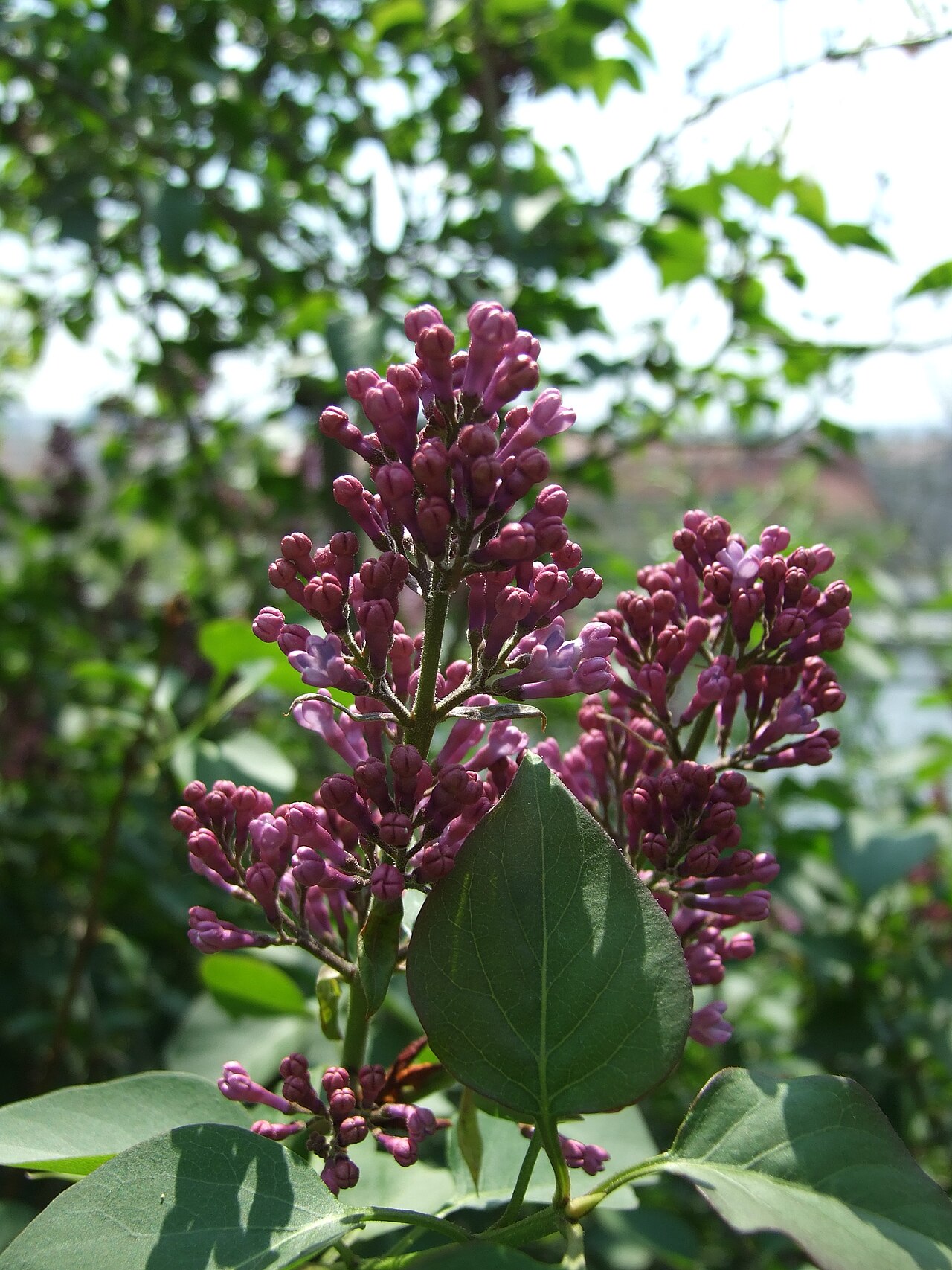
Lilac is a European shrub, not a North American native. If you’re looking for a fragrant spring bloomer that supports local wildlife, consider native fringetree, a lilac relative, or sweetshrub. Our page on caring for native shrubs covers the basics.
Frequently Asked Questions
How long after pruning will my lilac bloom again?
If you pruned at the wrong time but didn’t cut hard, it should bloom the following spring as long as you leave the new buds alone. After cutting the whole shrub to the ground, extension estimates range from one season to three to five years.
Can I prune my lilac in fall?
You can, but you’ll remove flower buds that formed over the summer. Prune within a few weeks after spring bloom instead, or take out just a few old stems in late winter if you must.
Will fertilizer make my pruned lilac bloom faster?
No. Heavy fertilizer, especially nitrogen, tends to push leafy growth instead of flowers. Iowa State says lilacs generally don’t need fertilizer, though a light feeding in early spring is acceptable.
Why did my lilac bloom in the fall?
Iowa State links fall bloom to summer stress such as heat, drought, defoliation, or heavy pruning. It doesn’t hurt the plant, but there will be fewer flowers the next spring.
Is my lilac too old to bloom again?
Usually not. Old, leggy lilacs often bloom poorly because their stems are old and the shrub is shaded inside. Gradually replacing the oldest stems over a few years generally brings flowering back. If your leaves are also browning, start with our overview of lilac leaves turning brown.
Sources
- Growing Lilacs in the Home Garden, Iowa State University Extension
- How to Manage Potential Problems Growing Lilacs, Iowa State University Extension
- Pruning Large, Overgrown Shrubs, Iowa State University Extension
- Lack of Flowers on Lilacs, Chicago Botanic Garden
- Keep Lilacs Healthy and Blooming With Regular Pruning, Oregon State University Extension
- Rejuvenating Older Lilacs, Nebraska Extension in Lancaster County
- Common Lilac Fact Sheet, University of Maine Cooperative Extension