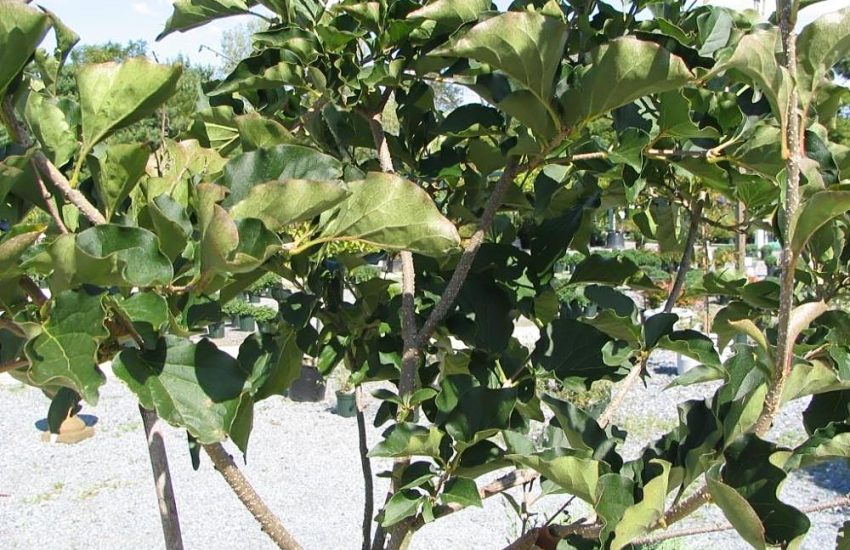
Winterberry Holly Losing Leaves in Summer: What Is Not Normal?
Last updated: November 6, 2026
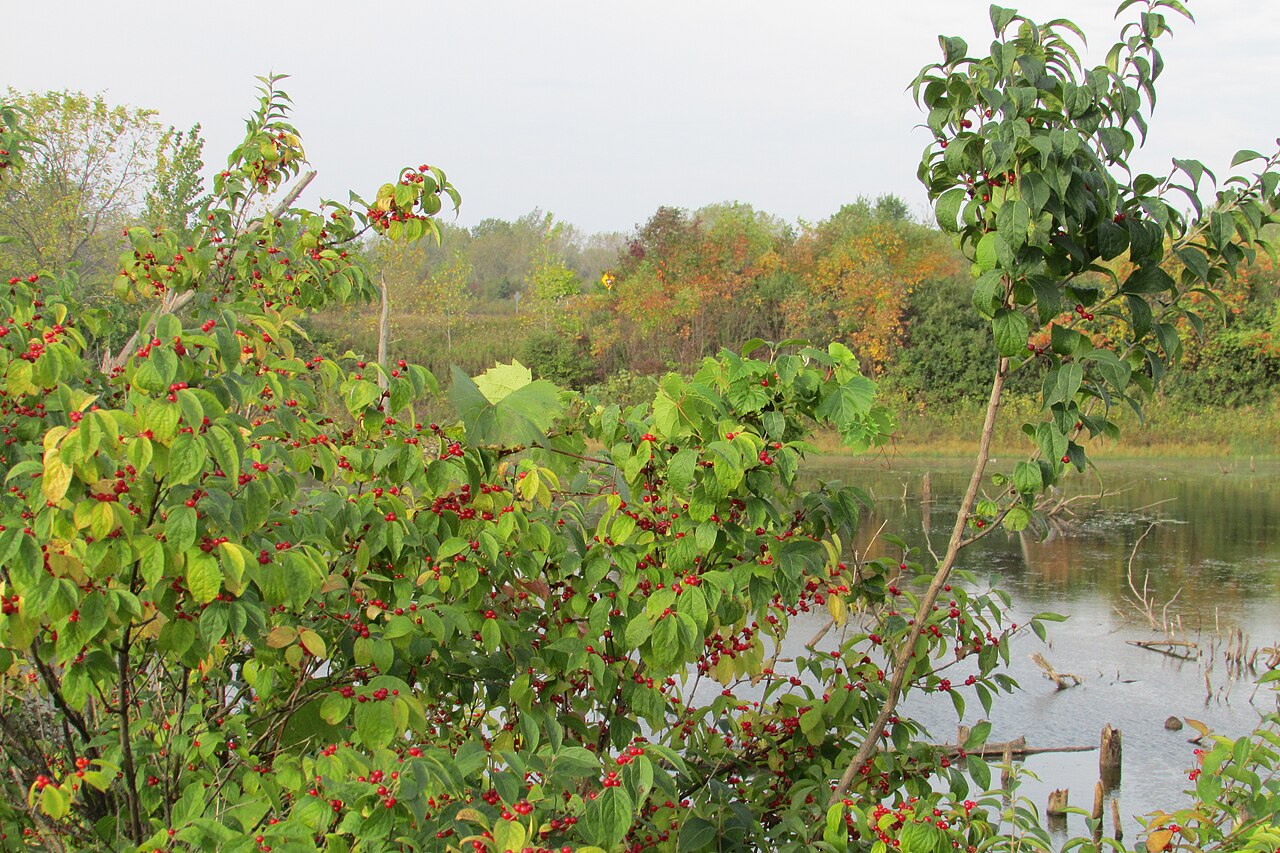
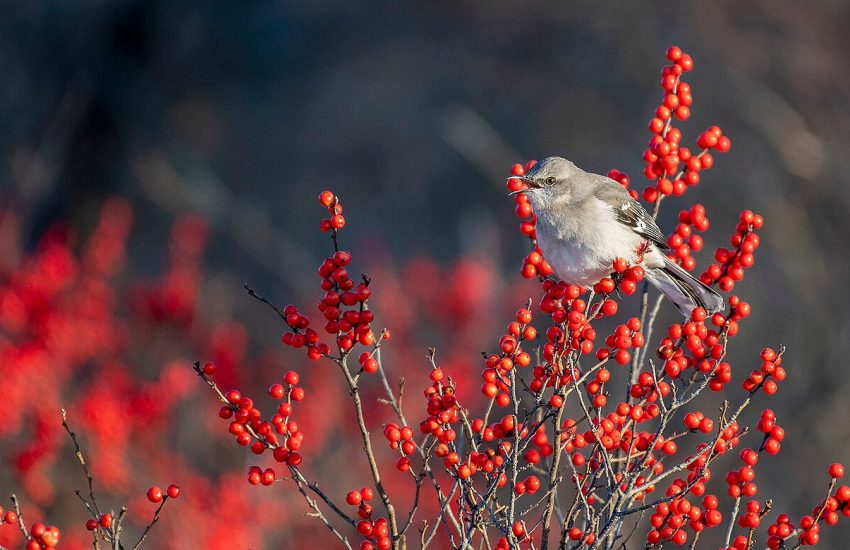
Winterberry holly is supposed to lose its leaves. That’s part of its charm: the foliage drops in fall and leaves the red berries on bare stems all winter.
But leaves yellowing and falling in June, July, or August is a different story. Mid-summer leaf drop is the shrub telling you something is off, usually about water.
This guide helps you sort normal shedding from real trouble. It walks through the checks in order of how often they explain summer leaf loss, starting with the soil.
The Short Answer
Winterberry (Ilex verticillata) is deciduous, so fall leaf drop is normal. Heavy leaf drop in summer is not. The usual causes, roughly in order:
- Dry soil. Winterberry can shed leaves, flowers, and green berries when it gets too dry, even before it wilts.
- A new planting whose root ball is drying out faster than the surrounding soil.
- Alkaline soil, which causes yellow (chlorotic) leaves and a weak plant.
- Branch damage such as old insect egg-laying scars, deer antler rubbing, or a buried root flare.
- De-icing salt near drives and walks.
Leaf spots and powdery mildew late in the season are common but usually cosmetic.
What Normal Leaf Loss Looks Like
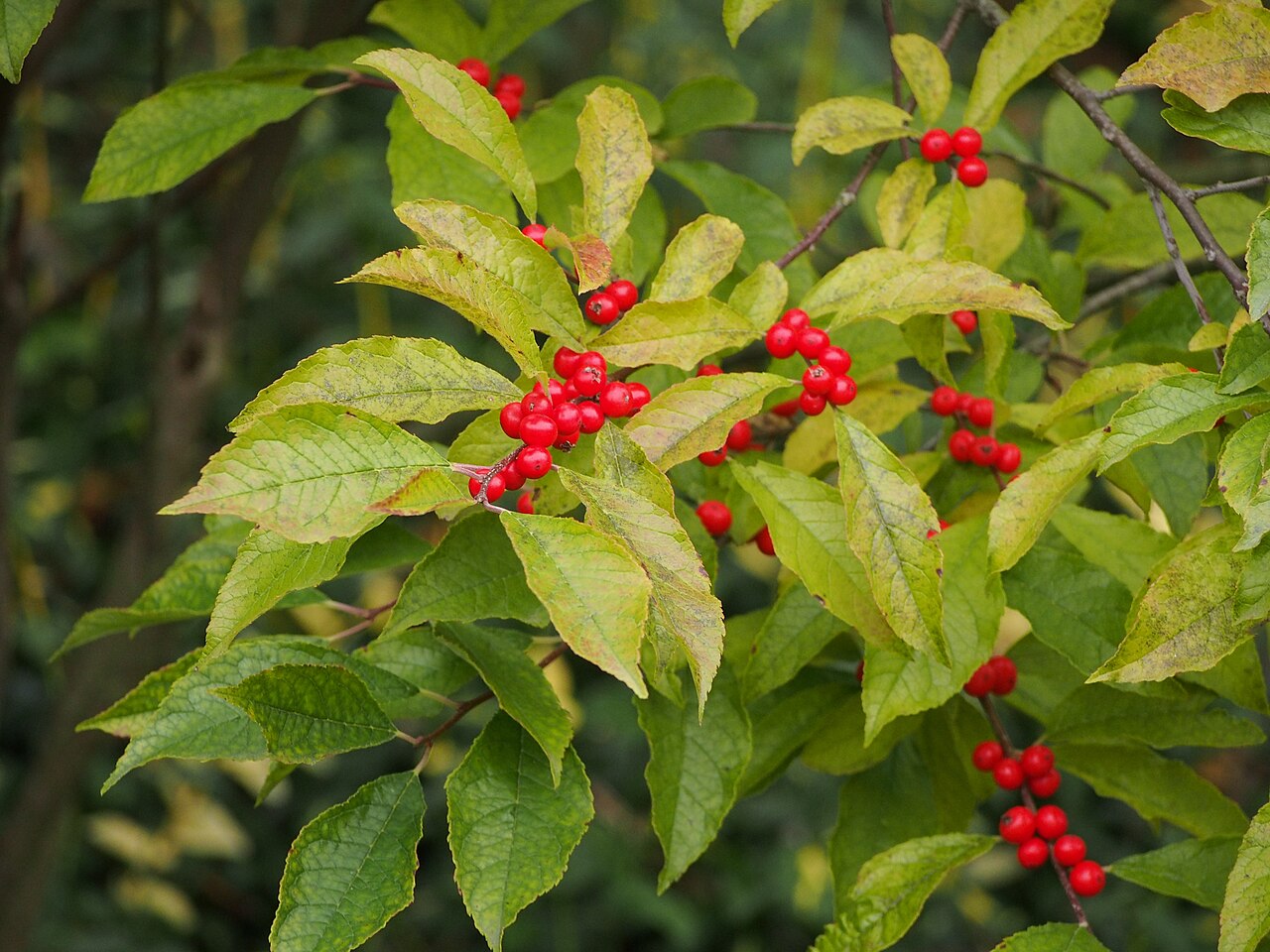
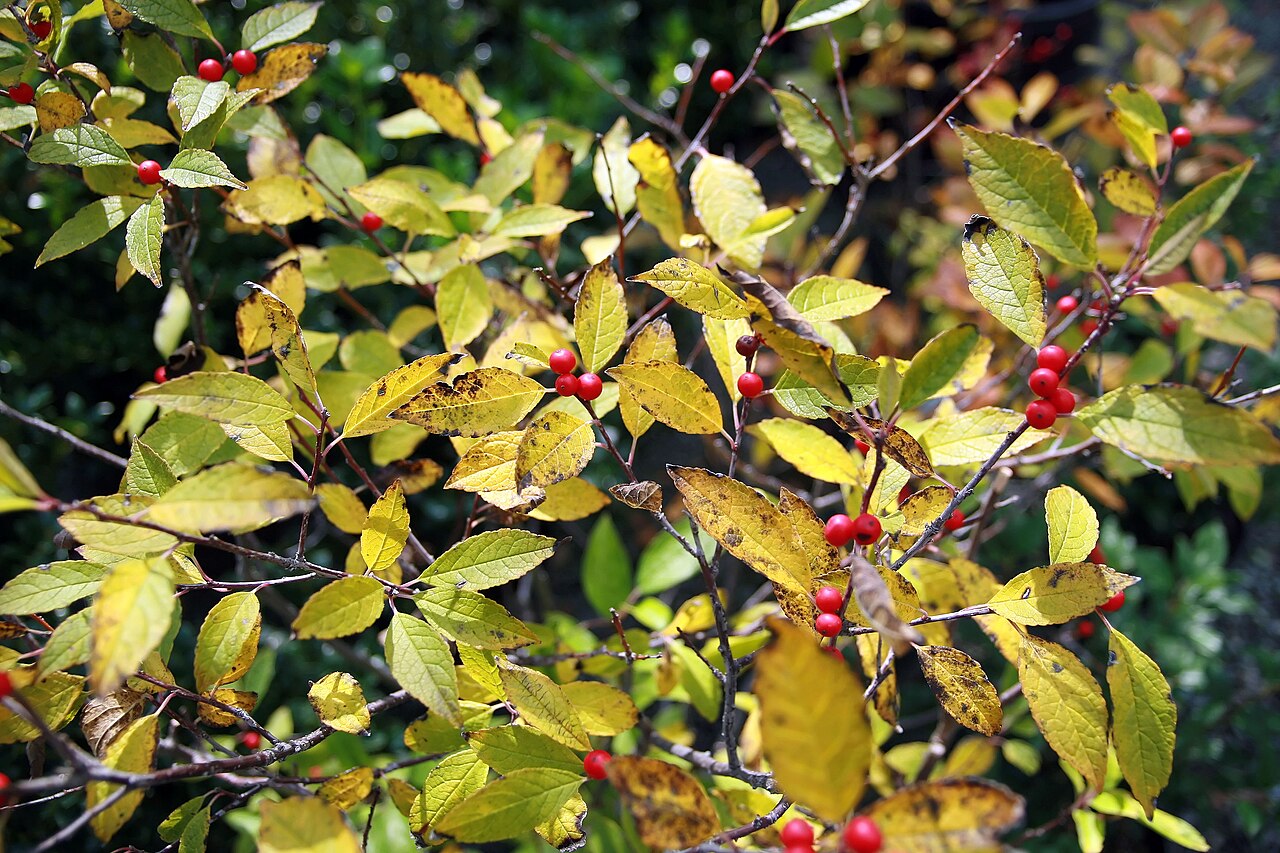
In fall, winterberry leaves turn yellow, yellow-green, or sometimes maroon before dropping. Sources describe the color as modest rather than showy. The Lady Bird Johnson Wildflower Center notes that the foliage can blacken with the first frost.
The timing is the key. Normal leaf drop happens as days shorten and nights cool, at about the same time the berries finish coloring. The whole shrub changes together, and it does so after the growing season, not during it.
A few older leaves yellowing deep inside a dense shrub is also ordinary for many shrubs. Leaves in heavy shade are less useful to the plant, and it lets some go.
Normal or Not?
| Late summer, a few interior leaves | Usually normal. Shaded inner leaves yellow and drop. |
| Fall, whole shrub yellows together | Normal autumn leaf drop. Berries stay on the stems. |
| First hard frost, leaves blacken | Normal. The frost kills remaining foliage. |
| June – August, many leaves yellow or brown and fall | Not normal. Start with soil moisture. |
| Any season, one branch wilts or browns while the rest stays green | Not normal. Look for damage on that branch. |
| Leaves stay pale yellow with green veins all season | Not normal. Suspect soil pH. |
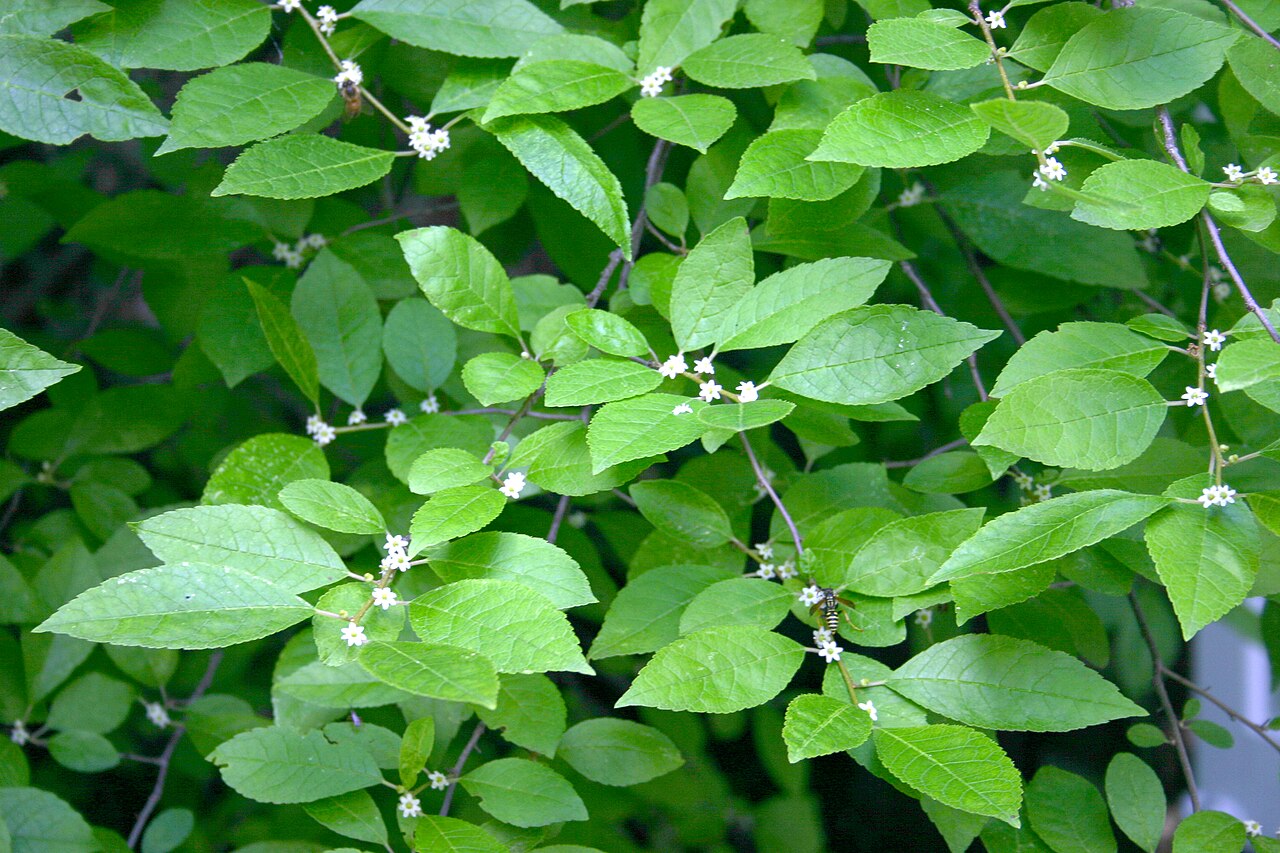
Check 1: Is the Soil Dry Below the Surface?
Start here. In the wild, winterberry grows in swamps, along streams, and around ponds. In gardens, it’s often planted in ordinary beds that dry out in July.
A University of Maryland Extension answer describes exactly this pattern. Winterberries can shed foliage, flowers, and unripe berries when they get too dry between waterings, even if they aren’t wilting yet. Another Ask Extension answer lists leaf scorch, leaf drop, and twig dieback as drought symptoms in hollies.
The surface can fool you, especially under mulch. Push a trowel or your fingers about five inches down near the roots. If the soil is dry at that depth, water slowly and deeply. If it’s damp, water isn’t your problem.
Drought-dropped leaves often brown at the edges first, or yellow and fall while still soft. The newest growth may droop on hot afternoons and recover overnight.
Once you resume watering, don’t expect the shrub to replace lost leaves right away. The Maryland answer notes that it’s normal for a recovering plant not to regrow them late in the season. Watch the buds next spring instead.
Check 2: Was It Planted in the Last Two Years?
New shrubs drop leaves for a different reason. Their roots are still confined to the original root ball, and that ball dries out faster than the soil around it. UMass Extension makes this point directly and recommends checking moisture by probing gently to about 12 inches.
The University of Minnesota Extension considers a shrub established only when its roots have spread as wide as its canopy. In Minnesota, that likely takes at least two growing seasons. Until then, a hot week without water can push a new winterberry into dropping leaves.
If your shrub is new, see our guide to watering winterberry after planting for a full routine.
Check 3: Are the Leaves Yellow With Green Veins?
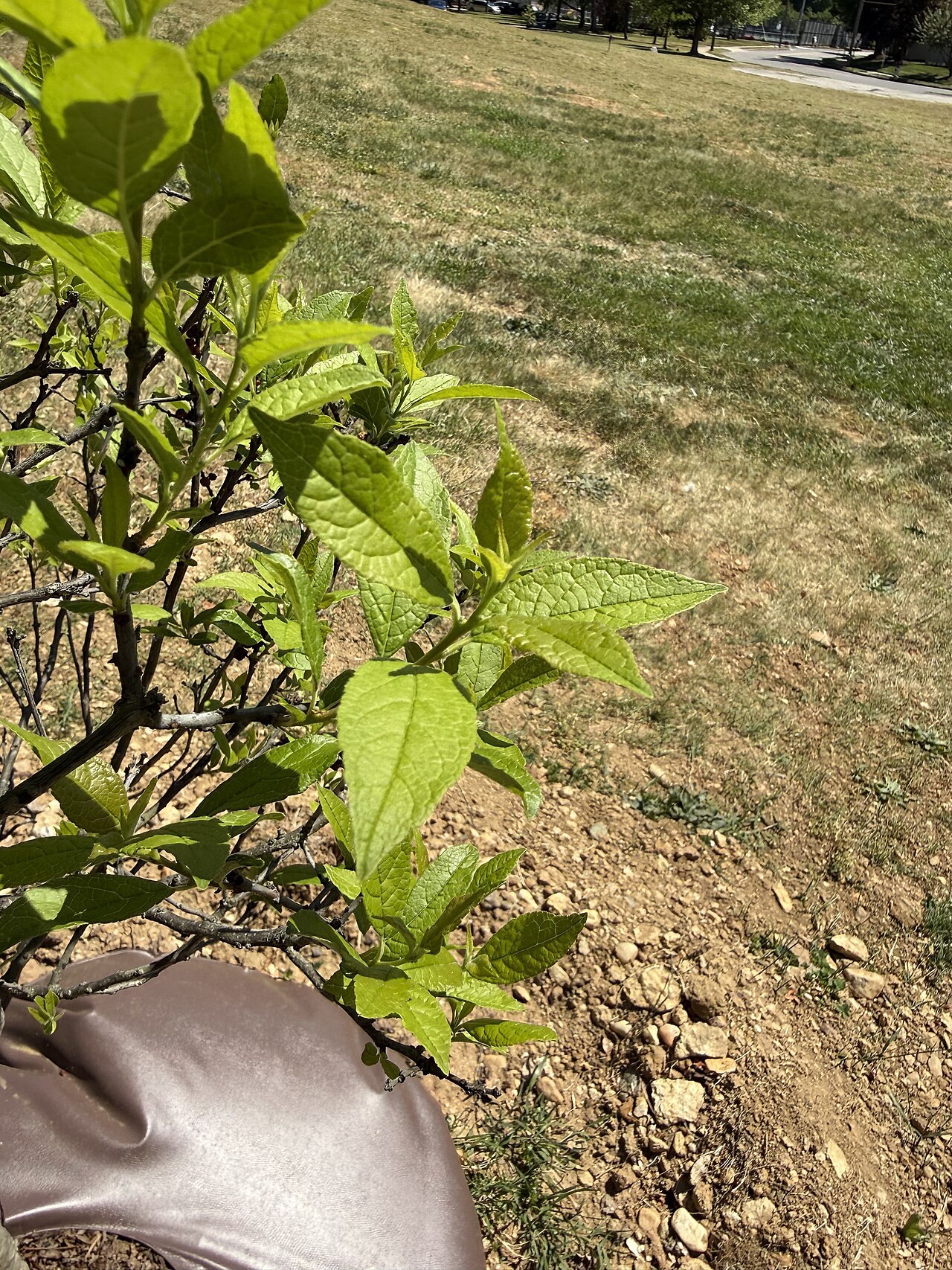
This pattern points to soil chemistry rather than water. Winterberry is an acid-soil plant. University of Minnesota Extension notes its leaves may turn yellow when soil pH is above 6.5, and NC State Extension warns that neutral to alkaline soils can cause chlorosis and even death.
Chlorotic leaves are pale and stay that way. Over time the plant weakens, grows slowly, and may drop some leaves early. You often see this where winterberry was planted next to a concrete foundation, walk, or limestone gravel.
A soil test is the only way to confirm it. If pH is high, adding acidifying amendments or moving the shrub to a better site are both options. Follow your soil test lab’s recommendations rather than guessing at rates.
For a broader look at yellow foliage on evergreen and deciduous hollies, see our guide to reasons holly leaves turn yellow.
Check 4: Is the Problem on One Branch or the Whole Shrub?
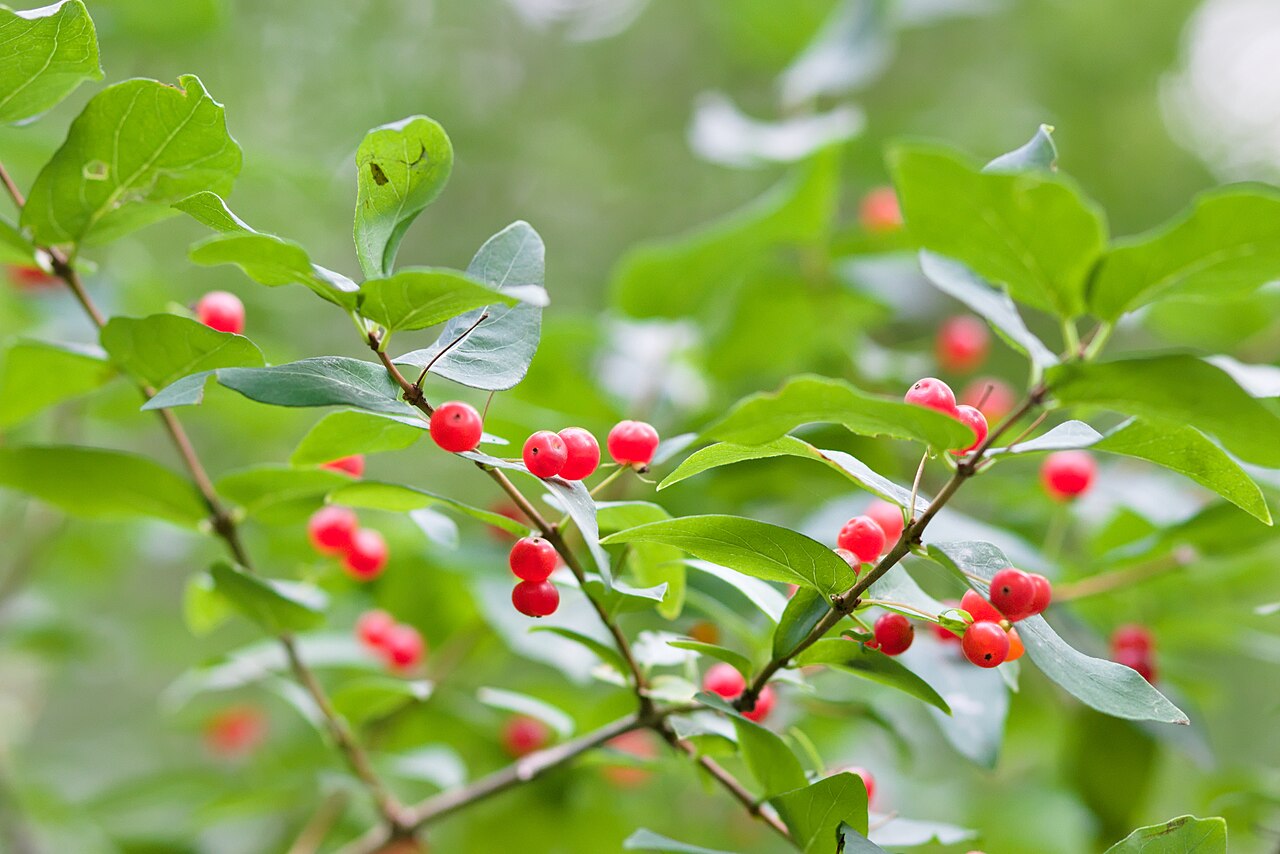
Whole-shrub symptoms point to roots, soil, or water. Symptoms on one stem point to damage on that stem.
Follow the affected branch down toward the base. Look for:
- Rows of slits or scars in the bark. The Maryland Extension answer notes that old periodical cicada egg-laying damage can make twigs more vulnerable to drought stress.
- Shredded or rubbed bark about knee to chest height. Piedmont Master Gardeners in Virginia report winterberry stems damaged when bucks rubbed their antlers on them; the shrubs recovered within a growing season.
- Cracks or wounds from mowers or string trimmers near the base.
To tell whether a twig is alive, scratch the bark lightly with a fingernail. Green tissue underneath means it’s alive. Brown and dry means that section is dead and can be cut out. Save structural pruning for late winter.
Check 5: Is Mulch Piled Against the Stems?
Thick mulch piled up against the base of the shrub can cause trouble. University of Minnesota Extension cautions against more than a 3-inch layer. Deep mulch can keep rain from reaching the roots, encourage roots to grow up into the mulch, and reduce oxygen around them.
Pull mulch back so the base of the stems is visible, and keep the layer about 2 to 3 inches deep across the root zone. An Ask Extension answer on a struggling holly gives the same advice: remove excess mulch and expose the root flare.
Check 6: Is the Shrub Near a Road, Driveway, or Walk?
University of Minnesota Extension lists winterberry as sensitive to de-icing salts. Sources differ here: NC State lists it as salt resistant, and Penn State gives it moderate tolerance of salt spray. In practice, a shrub that gets plowed snow piled on it each winter is under extra stress.
Salt damage often shows as browning leaf edges and weak growth on the side facing the pavement. Flushing the soil with water in spring and moving snow piles elsewhere both help.
Check 7: Spots, Mildew, or Insects?
Winterberry has few serious pest or disease problems. University of Minnesota Extension describes late-season leaf spots and powdery mildew as cosmetic and non-fatal. The UConn Plant Database says they are rarely disfiguring.
NC State Extension lists holly leafminer, Japanese wax scale, and southern red mites as the most frequently reported holly pests in the Southeast. Look at the undersides of leaves with a hand lens if leaves are stippled or bronzed, and check twigs for scale.
If you find insects, have them identified before treating. A healthy, well-watered shrub tolerates light leaf damage, and sprays can harm the bees that pollinate its flowers.
Troubleshooting at a Glance
| Leaves yellow or brown and drop in a dry spell | Drought stress. Check soil 5 inches down; water deeply. |
| New shrub drops leaves in its first summers | Root ball drying out. Check moisture in the root ball itself. |
| Pale leaves with green veins, slow growth | High soil pH. Get a soil test. |
| One branch wilts or browns | Bark damage, old cicada scars, or rubbing. Scratch-test and follow the stem down. |
| Browning on the side facing pavement | Possible de-icing salt. Flush soil and move snow piles. |
| Spots or white powder in late summer | Leaf spot or powdery mildew. Usually cosmetic. |
What to Do Now
If the soil is dry: water slowly and deeply, then recheck a few days later. Keep checking weekly through the rest of summer and into fall. Don’t fertilize a drought-stressed shrub.
If the shrub is new: water directly over the root ball and check it separately from the surrounding soil.
If leaves are chlorotic: test the soil before adding anything.
If one branch is affected: mark it now and remove dead wood in late winter. Leave living stems alone. Our guide to pruning winterberry around flowers and fruit explains where to cut.
If berries dropped along with leaves: that’s the same drought response. See our guide to winterberry holly with no berries for the full fruiting checklist.
A Season-by-Season Plan
- Spring: check new growth as it emerges. Refresh mulch to 2 to 3 inches, kept off the stems.
- Early summer: start weekly soil checks a few inches down, especially for shrubs planted in the last two years.
- Midsummer: water deeply in dry spells. Look for stippling, scale, or branch damage if leaves start to fall.
- Fall: enjoy normal yellowing and leaf drop. Keep watering new plants if fall is dry.
- Late winter: prune out stems that died last summer.
📋 More on this plant: read the full Winterberry Holly (Ilex verticillata) profile, or find it in our native plant lists for New Hampshire, Maine & Vermont, Connecticut, Massachusetts & Rhode Island, New York, Pennsylvania & Northern New Jersey, Delaware, Southern New Jersey & Long Island, Maryland, Virginia & West Virginia, North Carolina & South Carolina, Georgia, Alabama & Mississippi, Kentucky & Tennessee, Ohio & Indiana, Michigan, Wisconsin & Eastern Minnesota, and Arkansas, Louisiana, Eastern Oklahoma & Eastern Texas.
Frequently Asked Questions
Is it normal for winterberry to lose its leaves?
Yes, in fall. Winterberry is a deciduous holly, and its leaves yellow and drop as the season ends, leaving berries on bare stems. Heavy leaf drop in midsummer is not normal and usually means water stress.
Why is my winterberry dropping leaves in July?
Dry soil is the most likely cause. Winterberry prefers moist soil and can shed leaves, flowers, and green berries when it gets too dry between waterings. Check moisture about five inches down and water deeply if it’s dry.
Will my winterberry grow its leaves back this year?
Possibly not. A shrub that drops leaves late in summer often waits until next spring to leaf out again. Keep it watered and look for healthy buds on the twigs over winter.
Why are my winterberry leaves yellow with green veins?
That pattern usually means chlorosis from soil that isn’t acidic enough. University of Minnesota Extension notes yellowing above pH 6.5. Get a soil test before amending.
Can too much water make winterberry lose leaves?
Winterberry tolerates wet and poorly drained soil better than most shrubs. Problems are more likely from deep mulch piled against the stems, which can limit oxygen around roots, than from ordinary watering.
Sources
- Ask Extension (University of Maryland Extension answer), Winterberry holly disease: shedding of foliage, flowers and unripe berries in dry soil, checking moisture about five inches down, no regrowth late in the season, cicada egg-laying damage.
- Ask Extension, Holly in distress: drought symptoms in holly, fingernail scratch test, removing excess mulch from the root flare.
- University of Minnesota Extension, Winterberry: yellowing above pH 6.5, sensitivity to de-icing salt, cosmetic late-season leaf spot and powdery mildew.
- University of Minnesota Extension, Watering newly planted trees and shrubs: establishment time for shrubs and mulch depth cautions.
- UMass Extension, Watering New Plantings: root ball drying faster than backfill; probing to 12 inches.
- North Carolina Extension Gardener Plant Toolbox, Ilex verticillata: chlorosis on neutral to alkaline soils, common holly pests in the Southeast, salt resistance.
- University of Connecticut Plant Database, Ilex verticillata, Common Winterberry: autumn color, leaf spot and mildew rarely disfiguring, chlorosis on high pH.
- Piedmont Master Gardeners (Virginia), Winterberry Holly: autumn color and deer antler rubbing damage.
- Lady Bird Johnson Wildflower Center, Ilex verticillata: foliage blackening with first frost and wet native habitat.
- Penn State Extension, Rain Garden Plants: Winterberry: moderate tolerance of salt spray.