Lilac Suckers Taking Over: How to Manage the Patch
Last updated: November 6, 2026

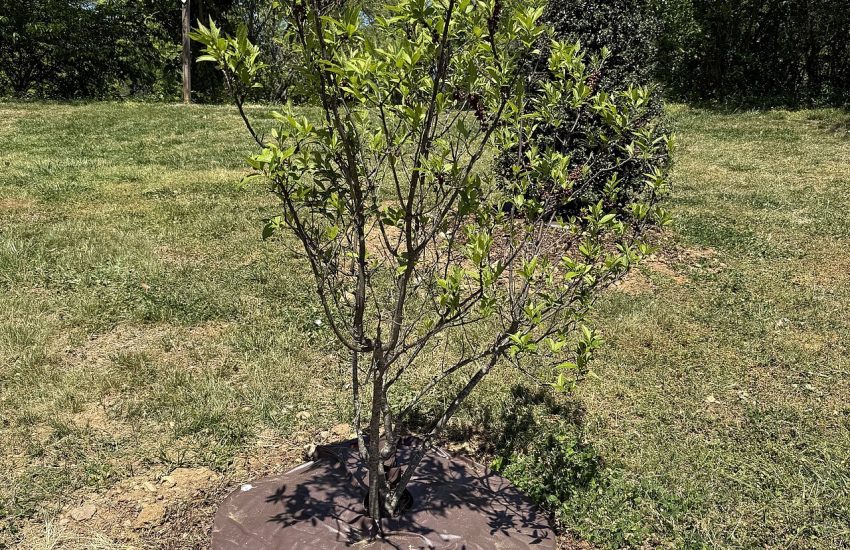
It started as one lilac. Now there are shoots coming up in the lawn, under the fence, and in the flower bed next door, and the shrub has become a thicket.
That’s normal lilac behavior, not a sign that something is wrong. Common lilac spreads by sending up new stems from its roots, and left alone it will keep widening for decades.
The good news is that you get to decide how big the patch should be. This guide covers how to tell which shoots to keep, how to remove the rest so they stay gone longer, and what not to do.
The Short Answer
- Decide on a boundary for the patch before you start cutting.
- Keep a few strong shoots near the main crown as future replacement stems; remove the rest.
- Dig out unwanted suckers with the root piece attached where you can. Cutting at ground level works but has to be repeated.
- Don’t spray suckers with herbicide. They’re connected to the shrub you want to keep.
- Edge the bed and mow the lawn side to hold the line.
- Avoid cutting the whole shrub to the ground, which can trigger a flush of new suckers.
How a Lilac Patch Spreads
Iowa State University Extension describes lilacs as suckering shrubs. New stems arise from the base and from roots running outward from the original plant.
An extension expert answering a reader on the national Ask Extension service puts it simply: lilacs send up root suckers, usually around the base of the plant, but they can emerge farther away from the parent as well.
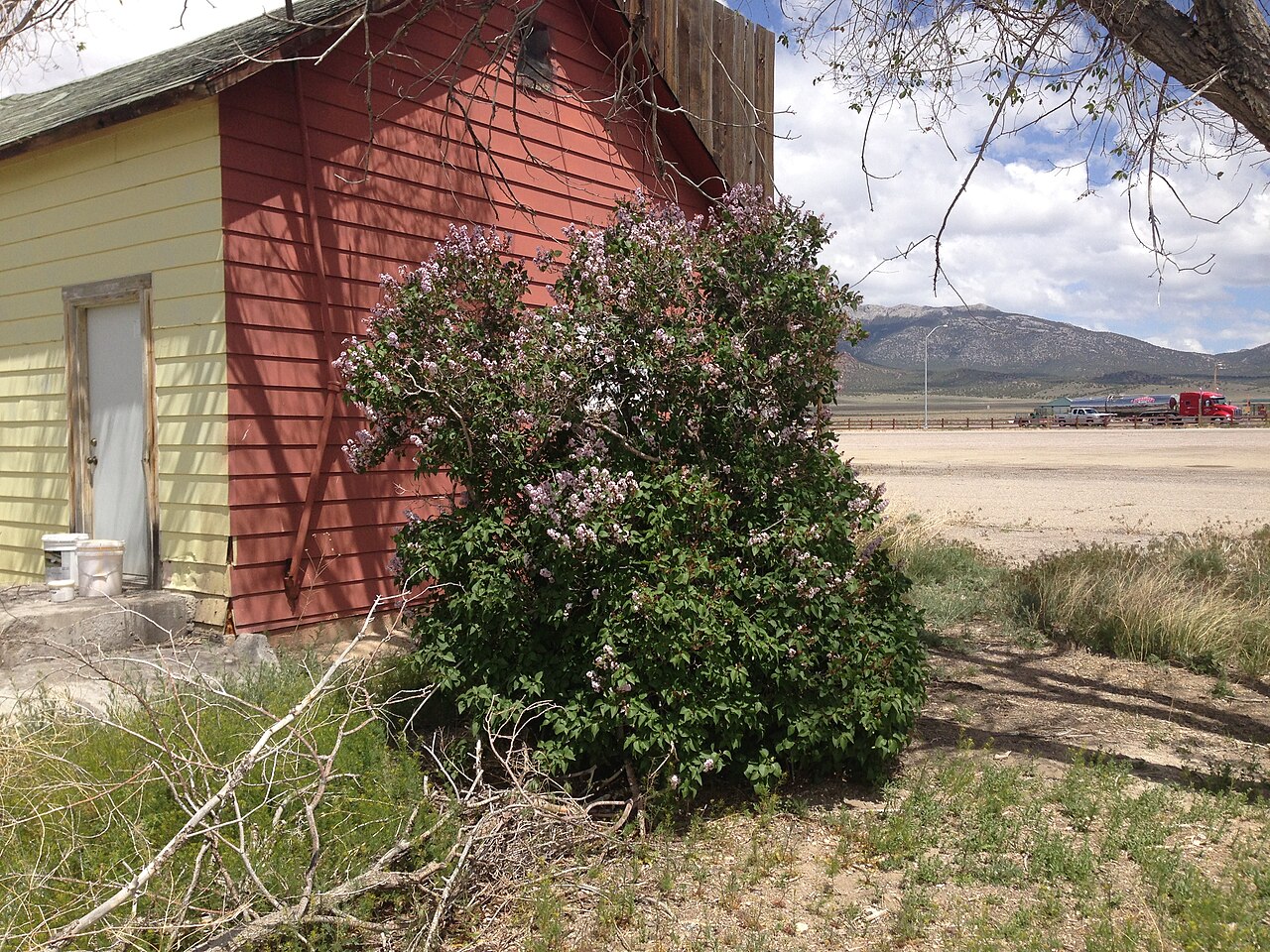
Each sucker is a new stem on the same root system. Over time those stems thicken, flower, and send out roots of their own, so the clump keeps widening. That’s why an old homestead lilac can cover a space far larger than the shrub that was planted.
Step 1: Find Out Whether Your Lilac Is Grafted
This matters because it decides whether suckers are worth keeping at all.
Own-root lilacs are growing on their own roots, so every sucker is the same plant as the parent. Iowa State notes that own-root lilacs are also far more cold hardy than grafted ones.
Grafted lilacs have the variety you bought joined to a separate rootstock. Oregon State University Extension warns against pruning below the graft union. Shoots coming up from below the graft are rootstock, not your variety, so they’re best removed rather than kept as replacements.
Look at the base of the main stems for a knob or change in bark where a graft might be. Also compare the suckers to the main shrub when they flower or leaf out: if their leaves or flowers look clearly different, treat them as rootstock and remove them. If you can’t tell, assume the suckers match the parent but keep an eye on them.
Step 2: Decide How Big the Patch Should Be
There’s no single right size. Pick a footprint that fits the space and the role you want the lilac to play.
- A single specimen shrub: remove nearly all suckers beyond the main crown. Iowa State suggests 10 to 15 feet between lilacs grown as individual specimens.
- A hedge or screen: let suckers fill in along a line and remove those that stray to either side. Iowa State gives 5 to 8 feet between plants for a hedge effect.
- A naturalized patch: let it spread within a fixed boundary, such as a bed edge, a fence, or a mown lawn line.
Mark the boundary with stakes or a garden hose. Every sucker outside that line goes; inside it, you choose what stays.

Step 3: Choose Which Suckers to Keep
Not every sucker is a problem. The ones close to the main crown are the shrub’s future stems.
Nebraska Extension recommends a pruning cycle where you remove the oldest, thickest stems at the base over time. Iowa State’s guidance for renewing shrubs calls for keeping several well-spaced, vigorous new shoots and removing the others.
So each year, keep a few of the strongest young shoots growing close to the crown, spaced around it rather than crowded together. Remove weak, spindly, or crowded ones, and every sucker outside your boundary.
If the old stems in the middle are tall, bare, and flowering poorly, combine this with a gradual stem-replacement plan. Our guide to rejuvenating an old lilac lays out a three-year schedule that uses these suckers as replacements.
Step 4: Remove Unwanted Suckers the Right Way
The Ask Extension expert describes two options: cut the stems to the ground and repeat as needed, or dig out the roots attached to the unwanted stems. Digging takes more effort but lasts longer.
Cutting at ground level is quick and works for shoots in tight spots or close to the main shrub. Use sharp loppers or hand pruners and cut as low as you can. Expect regrowth and plan to repeat.
Digging is the better choice for suckers out in a lawn or bed. Push a spade straight down next to the shoot, find the root it’s growing from, and cut that root on the side toward the parent shrub. Then lift the shoot with its root piece attached.
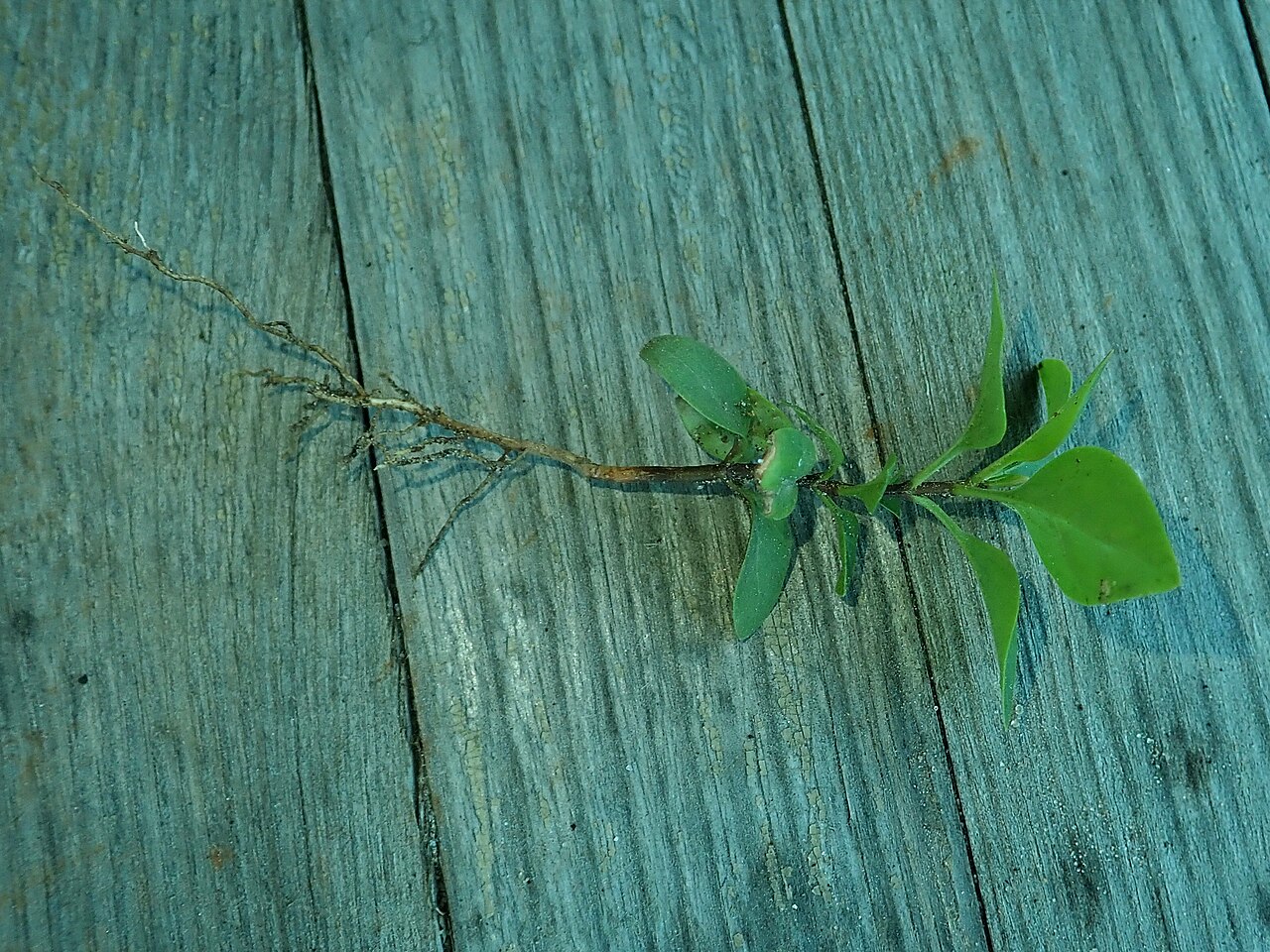
Small, young shoots are easiest to remove completely, so check the patch often during the growing season rather than waiting for a yearly cleanup. For basic pruning cuts and tool care, see our guide on how to prune trees and shrubs.
Step 5: Don’t Spray the Suckers
It’s tempting to reach for a weed killer, especially for shoots in the lawn. Don’t.
The Ask Extension expert is direct about it: unwanted lilac stems are attached to the parent plant, and spraying them with herbicide can injure or kill the whole shrub.
Mechanical removal is slower, but it’s the only method that targets the sucker without risking the lilac you’re trying to keep.
Step 6: Hold the Line With Edging and Mowing
Once you’ve set a boundary, make it easy to maintain.
The same Ask Extension answer discusses buried steel barriers 8 to 12 inches deep. The expert’s view was that they may help to some extent, but roots can eventually grow under them and come back up. Edging the bed helps contain most of the roots.
The combination the expert recommends is edging plus digging out the roots of any volunteers that do get through. Along a lawn, regular mowing cuts off young shoots as they appear, which works the same way as repeated cutting.
Mulch inside the bed also makes new shoots easier to spot and pull while they’re small. Our guide to mulching techniques covers depth and placement.
Sucker Control at a Glance
| Cut at ground level | Fast, works anywhere. Regrows; repeat through the season. |
| Dig with the root | More work, longer-lasting. Best for lawn and bed strays. |
| Edging or barrier | Contains most roots; some may go under. Combine with digging. |
| Mowing | Keeps lawn-side shoots cut down every week or two. |
| Herbicide spray | Avoid. Can injure or kill the connected parent shrub. |
Step 7: Avoid the Cuts That Make Suckering Worse
Some pruning choices invite more suckers. Nebraska Extension notes that cutting the whole lilac back to a few inches above the ground often causes a very large number of new shoots at the base, and that gardeners trying to limit a wide shrub may find renovation makes the problem worse.
Gradual removal of a few old stems each year, by contrast, encourages what Nebraska Extension calls an equally moderate number of new shoots. If spread is your main concern, choose the gradual approach.
Timing still matters for flowers. Lilacs set next year’s buds in midsummer, so heavy cutting late in the season costs bloom. If your shrub stopped flowering after an earlier attempt to tame it, our guide to a lilac not blooming after pruning explains why.
Shrinking a Patch That’s Already Too Big
If the lilac has already taken over, work from the outside in over a few seasons rather than all at once.
- Season 1: Set the new boundary. Remove everything outside it, digging where you can.
- Season 2: Remove regrowth outside the line. Inside, start removing the oldest, thickest stems on the gradual schedule.
- Season 3 and after: Keep a few young shoots near the crowns each year and remove the rest. Maintain the edge.
Large old stems take a saw. Cut tall stems down in sections, wear eye protection, and call a certified arborist for anything leaning on a structure or near power lines.
Can You Transplant the Suckers?
Many gardeners share lilacs this way. It works best with own-root shrubs, since suckers from a grafted lilac are rootstock rather than the variety you know.
As a general practice, dig a sucker with a good piece of root while the shrub is dormant, replant it at the same depth, and water it through its first season. Iowa State notes that the standard propagation method for lilacs is softwood cuttings, so treat sucker transplants as a bonus rather than a sure thing.
Newly moved suckers often wilt in their first summer. Our watering guide for shrubs and trees explains how to water deeply without drowning the roots, and our checks for a newly planted lilac wilting help if one droops after the move.

A Season-by-Season Plan for the Patch
- Late winter: Dig out dormant suckers outside the boundary while the ground is workable. Do any gradual old-stem removal.
- Spring: Compare sucker leaves and flowers with the main shrub to spot rootstock. Pull or cut new shoots while they’re small.
- After bloom: Deadhead and finish any pruning. Choose which young shoots near the crown to keep.
- Summer: Mow along the edge and cut or pull new shoots every few weeks. No heavy pruning.
- Fall: Check the edging, top up mulch, and note where suckers keep appearing.
Common lilac is native to southeastern Europe, according to the Morton Arboretum, and the University of Maine Extension notes that it has naturalized across much of the northeastern United States and Canada. If you’d rather have a spreading shrub that supports local wildlife, a native like black chokeberry forms colonies in a similar way; our guide to managing black chokeberry suckers covers the same boundary-setting approach. For fragrant spring flowers from a native shrub, consider fringetree, a lilac relative.
Other native trees handle root suckers differently. See our guides to sassafras suckers in the lawn and pawpaw root suckers for comparison.
Frequently Asked Questions
Should I remove all lilac suckers?
Not necessarily. On an own-root lilac, a few strong suckers near the crown are useful replacements for old stems. Remove the ones outside your chosen boundary and any rootstock suckers from a grafted plant.
Why do suckers keep coming back after I cut them?
Cutting a sucker at the ground leaves the root alive, and it resprouts. The Ask Extension expert notes that digging out the attached root lasts longer than repeated cutting.
Can I use a root barrier to stop lilac suckers?
It can help. An extension expert suggested that edging or a buried barrier will contain most roots, but some may grow underneath, so pair it with digging out any that come through.
Will cutting my lilac to the ground stop the suckers?
No. Nebraska Extension reports that hard renovation often triggers a large flush of new shoots at the base. Gradual pruning produces fewer.
Can I kill lilac suckers with weed killer?
Not while the parent shrub is alive and wanted. Suckers share its root system, and an extension expert warns that spraying them can injure or kill the whole plant.
Sources
- Control of Lilac Roots and Suckering, Ask Extension
- Growing Lilacs in the Home Garden, Iowa State University Extension
- Pruning Large, Overgrown Shrubs, Iowa State University Extension
- Pruning Lilacs, Nebraska Extension in Lancaster County
- Keep Lilacs Healthy and Blooming With Regular Pruning, Oregon State University Extension
- Common Lilac Fact Sheet, University of Maine Cooperative Extension
- Common Lilac, The Morton Arboretum