Tomato Flowers Dropping Without Fruit: Check Weather Before Fertilizing
Last updated: November 6, 2026
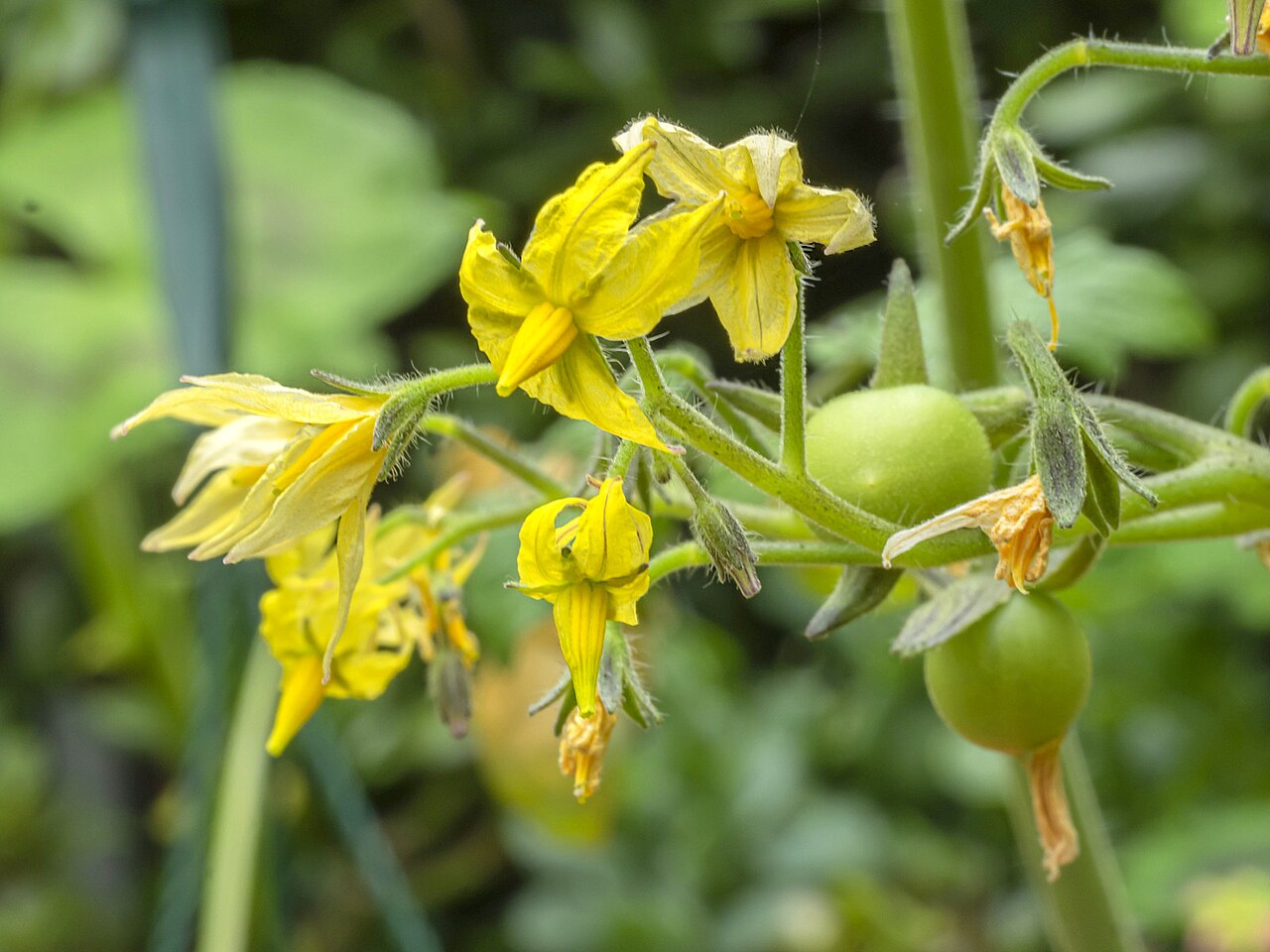
Your tomato plants look healthy. They’re covered in yellow flowers. Then the flowers wither, the little stems turn yellow, and the whole lot drops off without leaving a single tomato behind.
The usual instinct is to reach for a bloom-booster fertilizer. In most cases, that won’t help, and extra nitrogen can make things worse.
Start by checking the weather from the past week or two. Temperature is the most common cause of blossom drop, and it’s the one that tells you whether to act or simply wait.
The Short Answer
Alabama Cooperative Extension describes blossom drop as a weather-related condition, not a nutrient disorder, disease, or insect problem. The usual causes, in rough order of likelihood:
- Hot days and warm nights. Flowers often abort when days run above 85°F and nights stay above 72°F.
- Cool nights below about 55°F, common early in the season.
- Drought stress or uneven watering.
- Too much nitrogen, which pushes leaves at the expense of flowers and fruit.
- Poor pollination, especially in still air or under cover.
- A heat-sensitive variety, such as many heirlooms.
How a Tomato Flower Becomes a Fruit
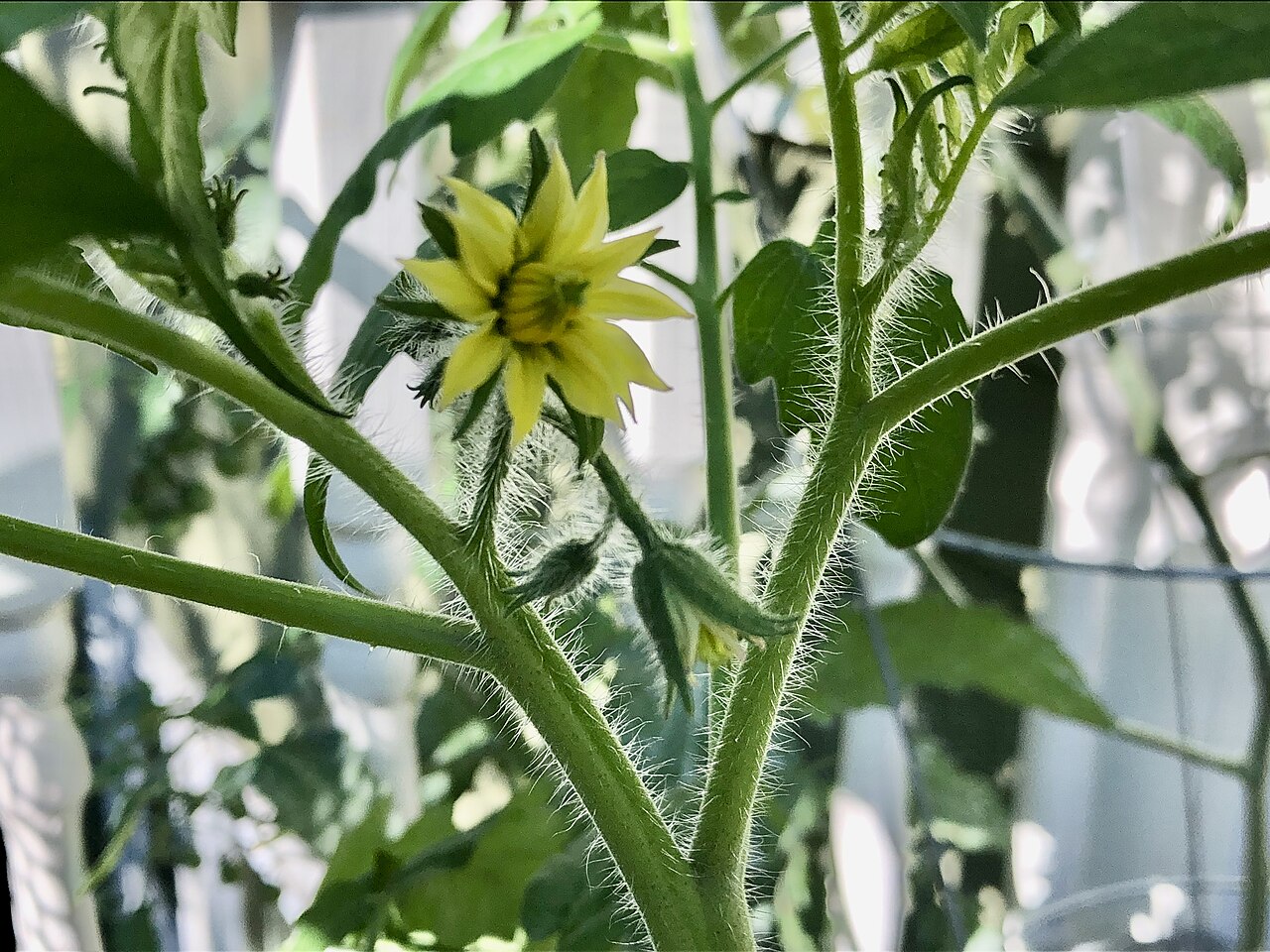
Tomato flowers are bisexual and able to fertilize themselves. But Wikipedia’s tomato article points out an important detail: they don’t pollinate themselves well without help.
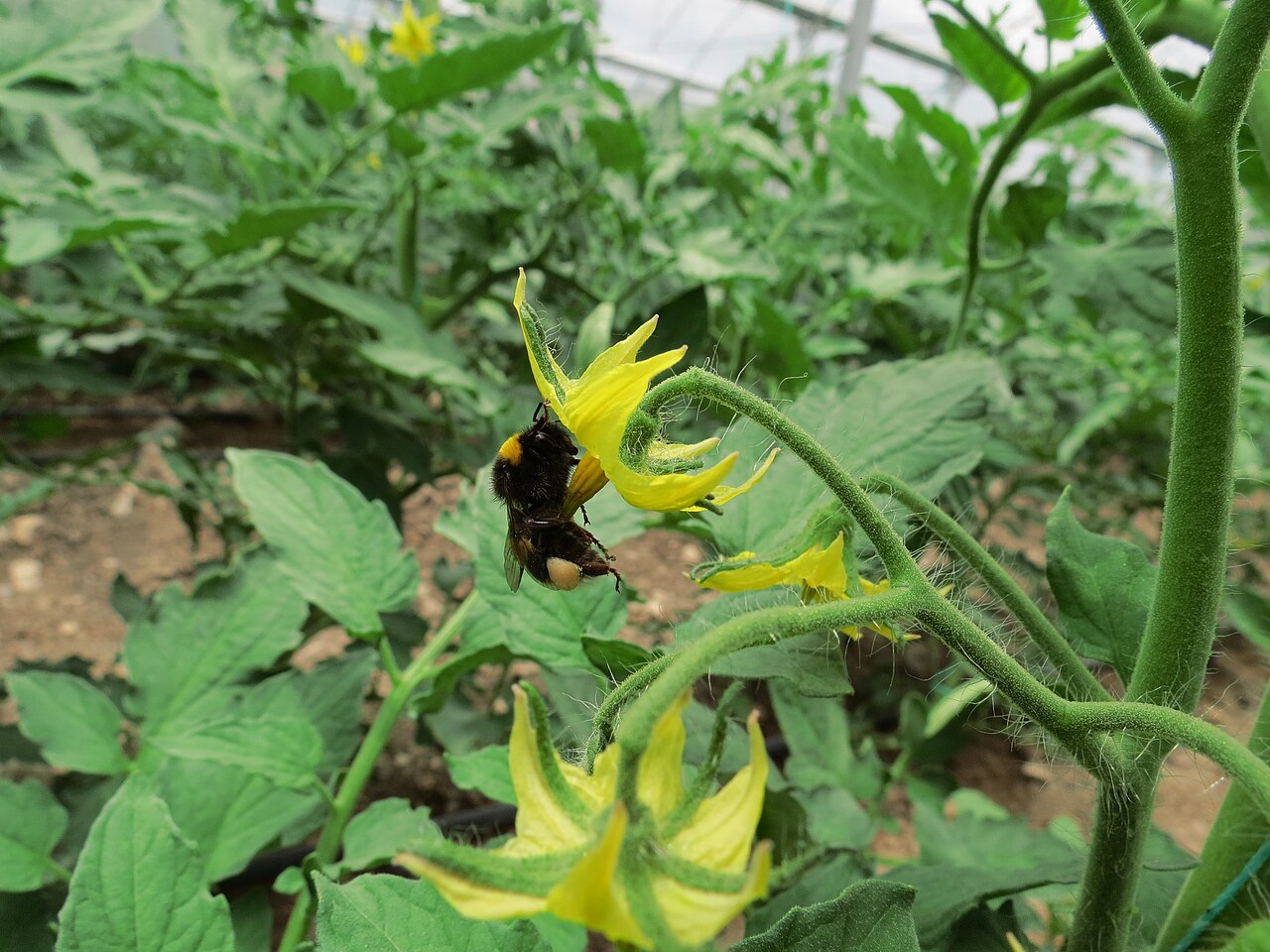
The pollen has to be shaken loose from the cone of anthers onto the stigma. Outdoors, wind and visiting bees do this. In greenhouses, growers use fans, vibration, or bumblebees.
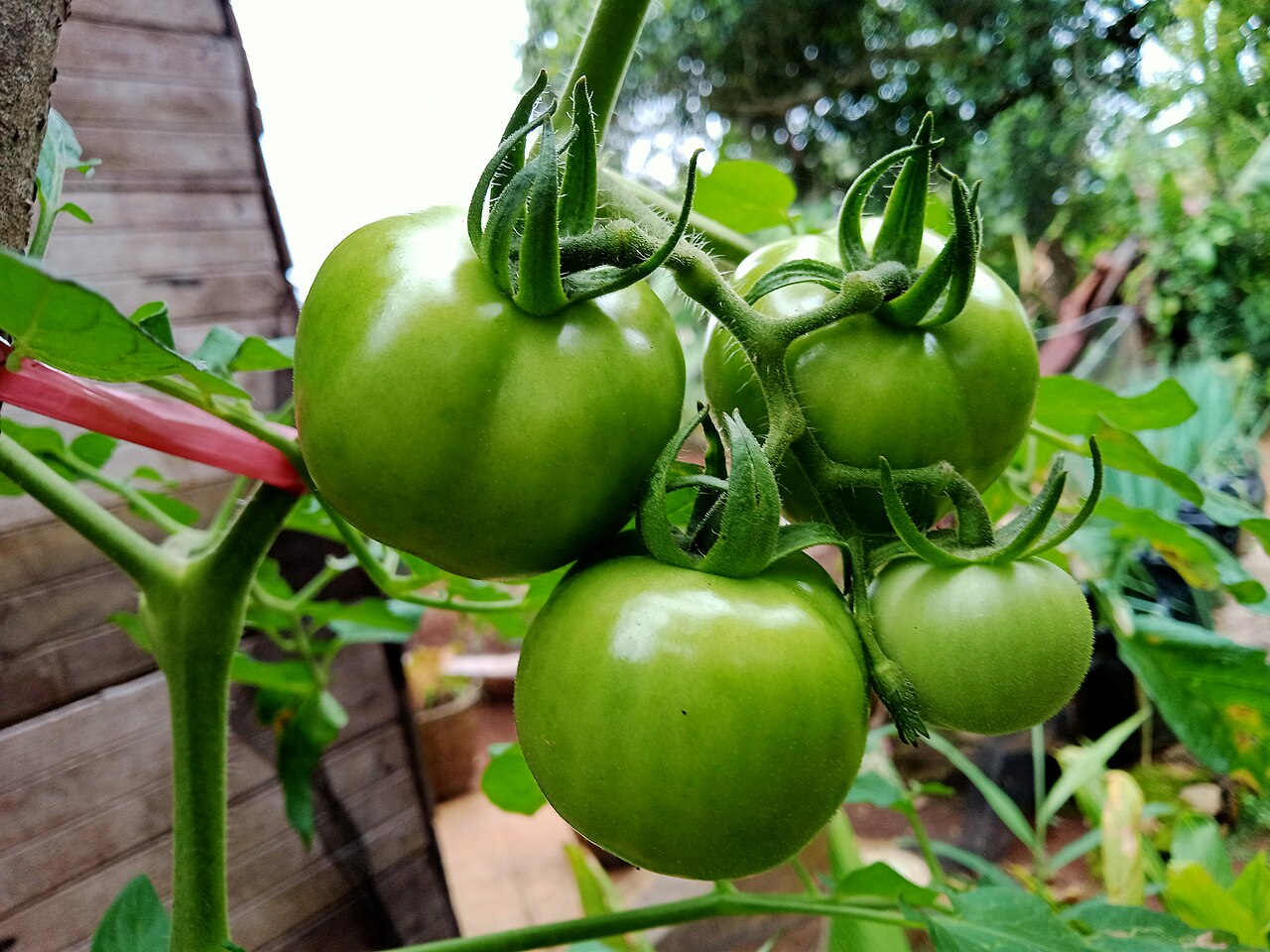
Once a flower is pollinated, the base swells into a small green fruit and the petals wither. If pollination or fertilization fails, the plant sheds the flower at the “knuckle,” a joint on the flower stem, and moves on.
Temperature Thresholds for Fruit Set
| Nights below about 55°F | Fruit set is inhibited (Alabama Extension). |
| Nights roughly 55–70°F | The range cited by Ask Extension for effective pollination. |
| Nights above 72°F | Enough on its own to hurt flowering in some varieties. |
| Days above 85°F with warm nights | Flowers often abort. |
| Days above 90°F with wind | Associated with blossom drop, especially when prolonged. |
Night temperature matters more than many gardeners expect. Ask Extension notes that outside the comfortable range, pollen becomes tacky and non-viable, so flowers that look perfect can’t set fruit.
Check 1: Confirm It’s Blossom Drop
Look at the flower stems on the affected trusses. In blossom drop, the flowers dry and turn brown, the small flower stalk yellows, and the flower falls off cleanly at the joint.
That’s different from a flower that withers after setting fruit. Spent petals hanging onto a tiny green tomato are normal. Check behind the petals before deciding anything is wrong.
Also note how many trusses are affected. A few lost flowers on a plant that is setting fruit elsewhere is ordinary. Nearly every flower dropping across several plants points to weather or growing conditions.
Check 2: Look Up the Last Two Weeks of Weather
This is the “check weather before fertilizing” step. Pull up daily highs and, more importantly, overnight lows for your area for the past one to two weeks.
Compare them with the thresholds above. Alabama Extension notes that length of exposure matters: a week or less of heat shouldn’t cause much trouble, but longer hot spells cause longer and more serious flower loss.
- Warm nights above 70°F for a week or more: heat is very likely the cause.
- Cool nights in the 40s or low 50s: cold is likely the cause, typical of early-season plantings.
- Nights in the comfortable range: move on to water, fertilizer, and pollination.
If your plants sit next to a south-facing wall, pavement, or inside a greenhouse or hoop house, the temperature around them may be higher than the local forecast shows. A cheap min-max thermometer at plant height tells you what the flowers actually experienced.
Check 3: Review Your Watering
Alabama Extension notes that both insufficient watering and drought stress can cause flowers to abort, and also warns against overwatering. It gives about 1 to 1.5 inches of water per week as a guide for tomatoes.
Ask Extension’s advice for blossom drop is to keep plants consistently moist, never letting the soil dry out, and to mulch to cut moisture loss.
Plants in containers are the most likely to swing between wet and dry. If yours are in bags or pots that dry out daily, work through our grow bag watering audit before blaming the weather alone.
For in-ground plants, a soaker hose or drip line on a timer is the easiest way to keep moisture even. Our drip irrigation tips for beginners explain how to set one up.
Check 4: Add Up Your Fertilizer
Here’s why fertilizer comes after weather. Alabama Extension warns that too much nitrogen causes excessive leafy growth, resulting in blossom drop or delayed flowering. Ask Extension says the same about lush vegetative growth.
Too much of any fertilizer can also raise salt levels around the roots, which Alabama Extension lists as another cause of blossom drop.
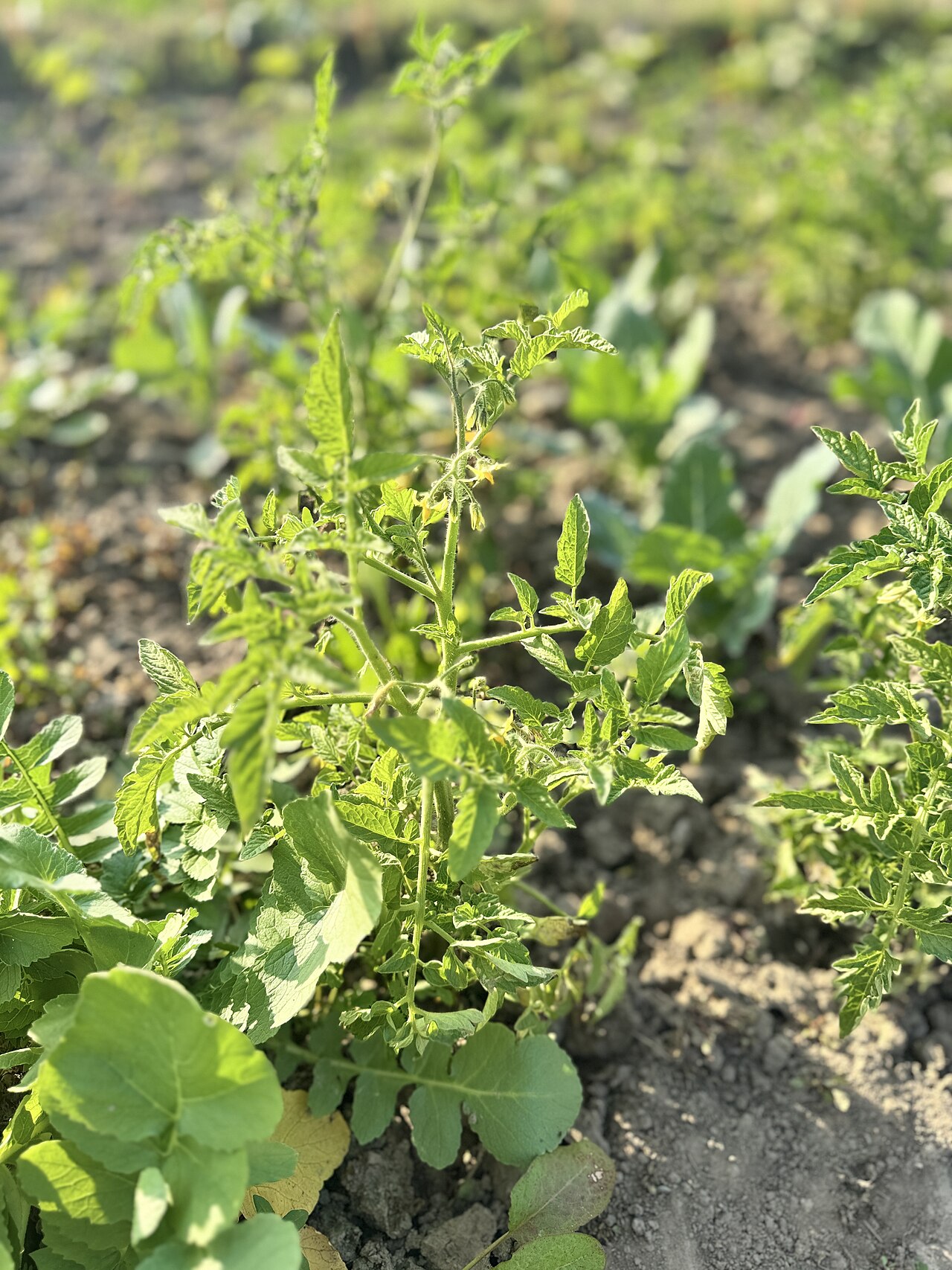
Look at the plant. Very large, dark green plants with thick stems and lots of leaves but few fruits suggest nitrogen is already plentiful. Adding more will feed the leaves, not the flowers.
The fix is to follow recommended rates for tomatoes and base them on a soil test. If you’ve been feeding often, stop and let the plant use what’s already there.
Check 5: Think About Pollination
Outdoor plants in an open, breezy garden usually get enough movement to pollinate. Problems show up in sheltered corners, on still and humid days, and especially under cover.
Wikipedia’s tomato article notes that greenhouse tomatoes pollinate poorly without artificial wind, vibration, or bumblebees. A hoop house, enclosed porch, or tight courtyard can act the same way.
- Gently tap or shake flowering trusses around midday on warm, dry days.
- Open hoop house sides or doors during the day to move air.
- Invite bumblebees. Native bee plants such as wild bergamot near the vegetable garden draw them in. Our pollinator garden design basics show how to plan a pollinator border.
Keep in mind that pollination help can’t fix heat-damaged pollen. If nights are too warm, shaking flowers does little until the weather breaks.
Check 6: Check the Variety
Alabama Extension notes that heritage and heirloom varieties tend to be more sensitive to the conditions that cause blossom drop than modern varieties.
Heat-set or heat-tolerant varieties were bred to keep setting fruit through hot days and nights. Look for “heat-set,” “hot-set,” or “heat-tolerant” in seed catalog descriptions. Alabama Extension names ‘Solar Fire,’ ‘Bella Rosa,’ ‘Phoenix,’ ‘Red Bounty,’ and ‘Tribute’ as performers in its trials.
If you grow several varieties and only some are dropping flowers, that’s a strong hint the variety is part of the answer. For more on how plant type affects flowering, see our guide to determinate and indeterminate tomatoes.
Check 7: Rule Out Other Plant Stress
Alabama Extension advises keeping plants healthy and controlling pests that stress the plant, because stress makes blossom drop worse.
Look under leaves and along stems for insects and leaf spots. Our guide to organic pest control for tomatoes covers the common ones.
Leaves rolled into stiff tubes after a heat wave are another stress sign. Severe leaf roll can also cost flowers; our guide to tomato leaves curling after a hot day explains how to tell it from more serious problems.
A plant still recovering from transplanting is under stress too, so a few lost early flowers on a new plant are not a reason to change your feeding.
Troubleshooting at a Glance
| Hot spell, warm nights | Wait it out. Keep plants watered and mulched. Consider light shade. |
| Cold nights early in the season | Wait for warmer nights. Plant later next year. |
| Soil swinging wet to dry | Water deeply and regularly. Mulch. |
| Huge leafy plants, few fruits | Stop nitrogen feeding. Soil test before next season. |
| Under cover or no air movement | Open up, tap trusses, attract bees. |
| Only heirlooms affected | Add a heat-set variety next year. |
What to Do Right Now
If the cause is heat, the honest answer is that little can be done until temperatures come down. Ask Extension notes that blossom-set hormone sprays are ineffective during high temperatures.
What you can do is reduce stress. Ask Extension mentions that shading of about 30 percent and overhead watering can lower temperatures, though their value drops during long heat waves. Shade cloth over the hottest afternoon hours is the practical version of that advice.
Keep watering and mulching steadily, hold off on extra fertilizer, and keep an eye out for pests. Even watering also pays off later, when it helps reduce fruit cracking after rain. Alabama Extension notes that once temperatures become more favorable, the plants will flower and set fruit again.
If the cause is cold nights, patience is the fix. For future springs, our guide to frost protection for tender plants covers row covers and other ways to keep early plantings warm.
A Season-by-Season Plan
- Before planting: get a soil test and choose at least one heat-set variety if your summers are hot. Our step-by-step tomato planting guide covers setting plants in.
- Spring: don’t rush transplants into cold soil. Early flowers may drop when nights are cool.
- Early summer: set up drip or soaker hose and mulch. Feed at recommended rates only.
- Midsummer heat: expect some flower loss in long hot spells. Water steadily, consider afternoon shade, and wait.
- Late summer: as nights cool, fruit set usually picks up again. Keep plants healthy so they can use that window.
- Fall: note which varieties kept setting fruit through the heat. Grow more of those next year.
For an overview of tomato care from seed to harvest, see our beginner’s guide to growing tomatoes.
Frequently Asked Questions
Why are my tomato flowers falling off without fruit?
Most often it’s weather. Hot days with warm nights, or cold nights early in the season, interfere with pollination. Uneven watering, too much nitrogen, poor pollination, and heat-sensitive varieties also contribute.
Will fertilizer stop blossom drop?
Usually not. Alabama Extension and Ask Extension both note that excess nitrogen can cause blossom drop by pushing leafy growth. Follow recommended rates based on a soil test instead.
Do blossom-set sprays work?
Ask Extension notes these sprays are ineffective during high temperatures, which is when most blossom drop happens.
Should I shake my tomato plants to help pollination?
Gently tapping flowering trusses can help when air is still or plants are under cover. It won’t help when heat has made the pollen non-viable.
Will my tomato plants start producing again?
Yes, in most cases. Alabama Extension notes that once temperatures become more favorable, plants will produce flowers and set fruit again.
Sources
- Alabama Cooperative Extension System, Blossom Drop in Tomato (ANR-2717): temperature thresholds, exposure length, heirloom sensitivity, heat-set varieties, watering and fertilizer effects.
- Ask Extension, Tomato blossom drop: night temperature range, non-viable pollen, wind, nitrogen, shading, mulching, and blossom-set sprays.
- Wikipedia, Tomato: flower structure, self-fertility and the need for wind, vibration or bumblebees.
- University of Minnesota Extension, Growing tomatoes in home gardens: consistent moisture and mulching.