Cracked Tomatoes After Rain: Harvesting and Watering Decisions
Last updated: November 6, 2026
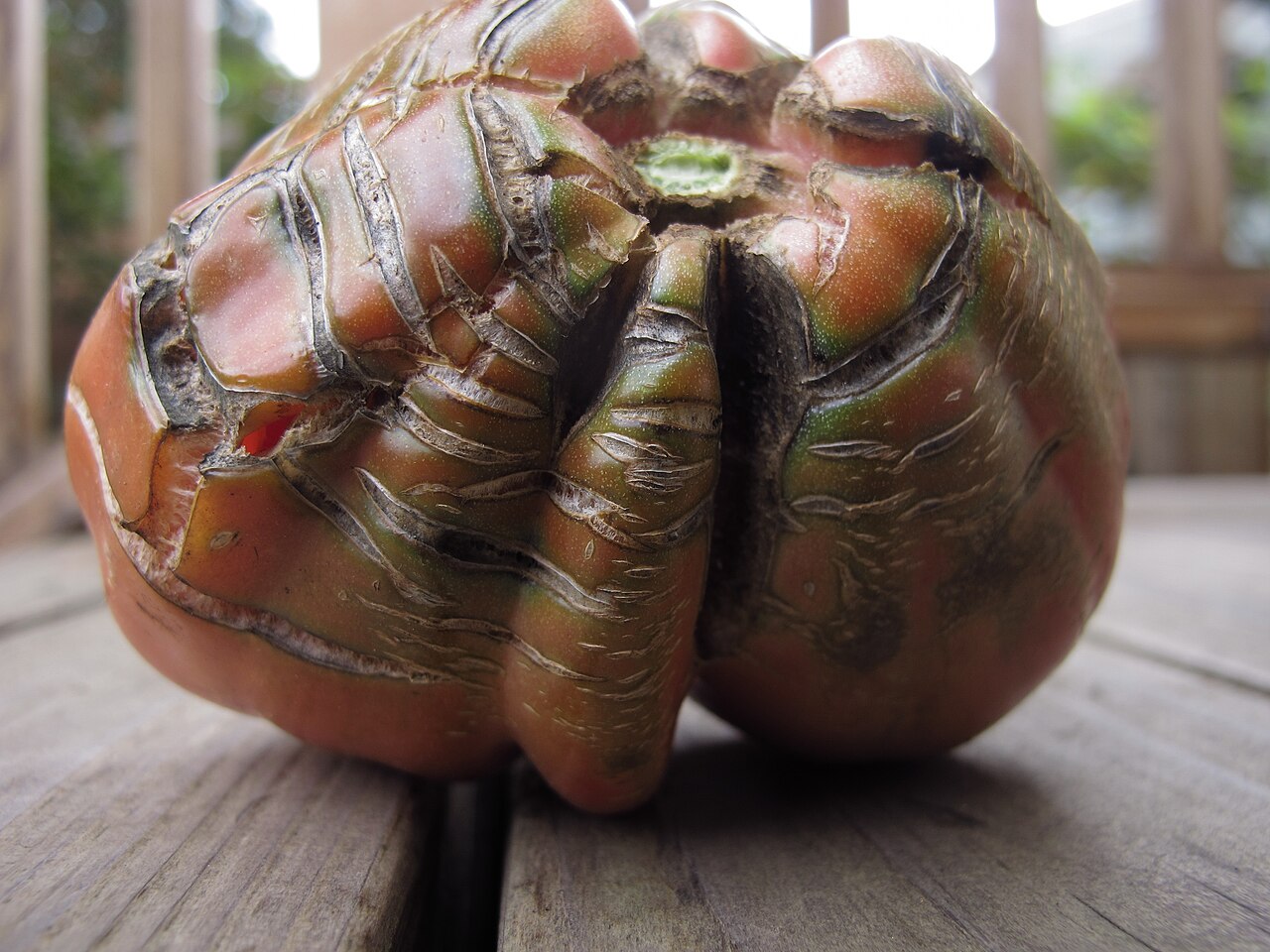
A dry spell, then a soaking rain. The next morning, half the tomatoes you were about to pick have split open around the stem or down the sides.
Cracking after rain is one of the most common tomato problems, and you can’t undo it. What you can control is what happens next: which fruit to pick now, what to do with the cracked ones, and how to water so the next storm does less damage.
This guide covers those decisions in the order you’ll face them, starting with the fruit already on the vine.
The Short Answer
N.C. Cooperative Extension names heavy rain after dry weather as the leading cause of tomato cracking. What to do:
- Pick cracked fruit now, before rot sets in. It’s edible and can finish ripening indoors.
- Compost any fruit that smells sour or is oozing.
- Pick near-ripe fruit at the breaker-to-pink stage when more rain is coming.
- Don’t flood the plants to “catch up” after a dry spell. Water evenly instead.
- For next year: drip irrigation, mulch, good leaf cover, and crack-resistant varieties.
Why Rain Cracks Tomatoes
Penn State Extension explains that cracking is tied to how water moves into the fruit. When the flesh expands faster than the skin can stretch, the skin splits. That stress is greatest near the stem end.
After a dry spell, the roots suddenly have plenty of water. Penn State notes that this rapid change from dry to wet raises the pressure inside the fruit. Water can also enter ripening fruit directly through small openings around the stem scar during rain or overhead watering.
Ripeness matters too. Penn State notes that tomato skin naturally weakens as fruit ripen, and that cracking is most common as fruit start changing color. Heat makes it worse, because warm fruit build pressure while the skin becomes less elastic.
Two Kinds of Cracks
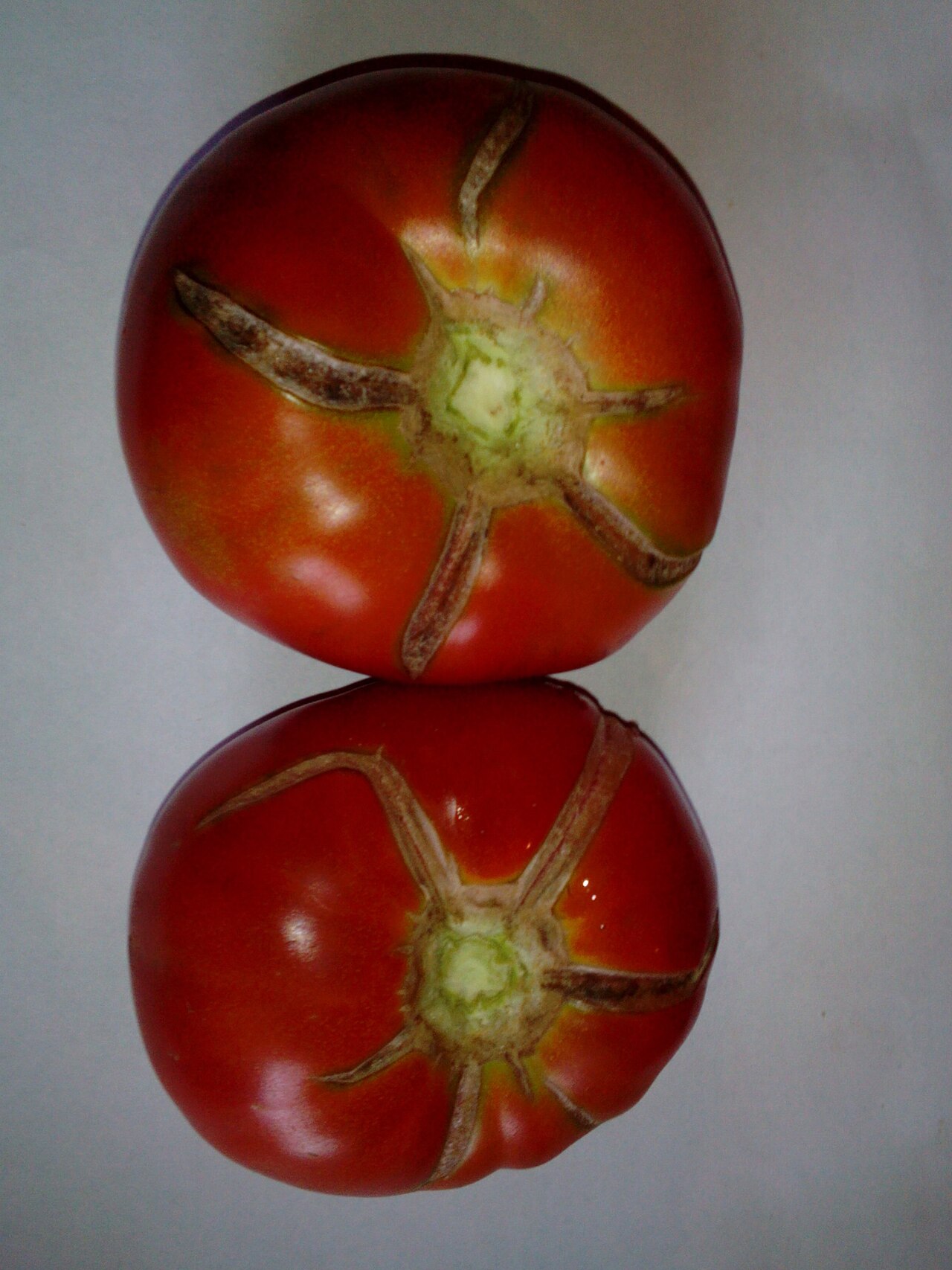
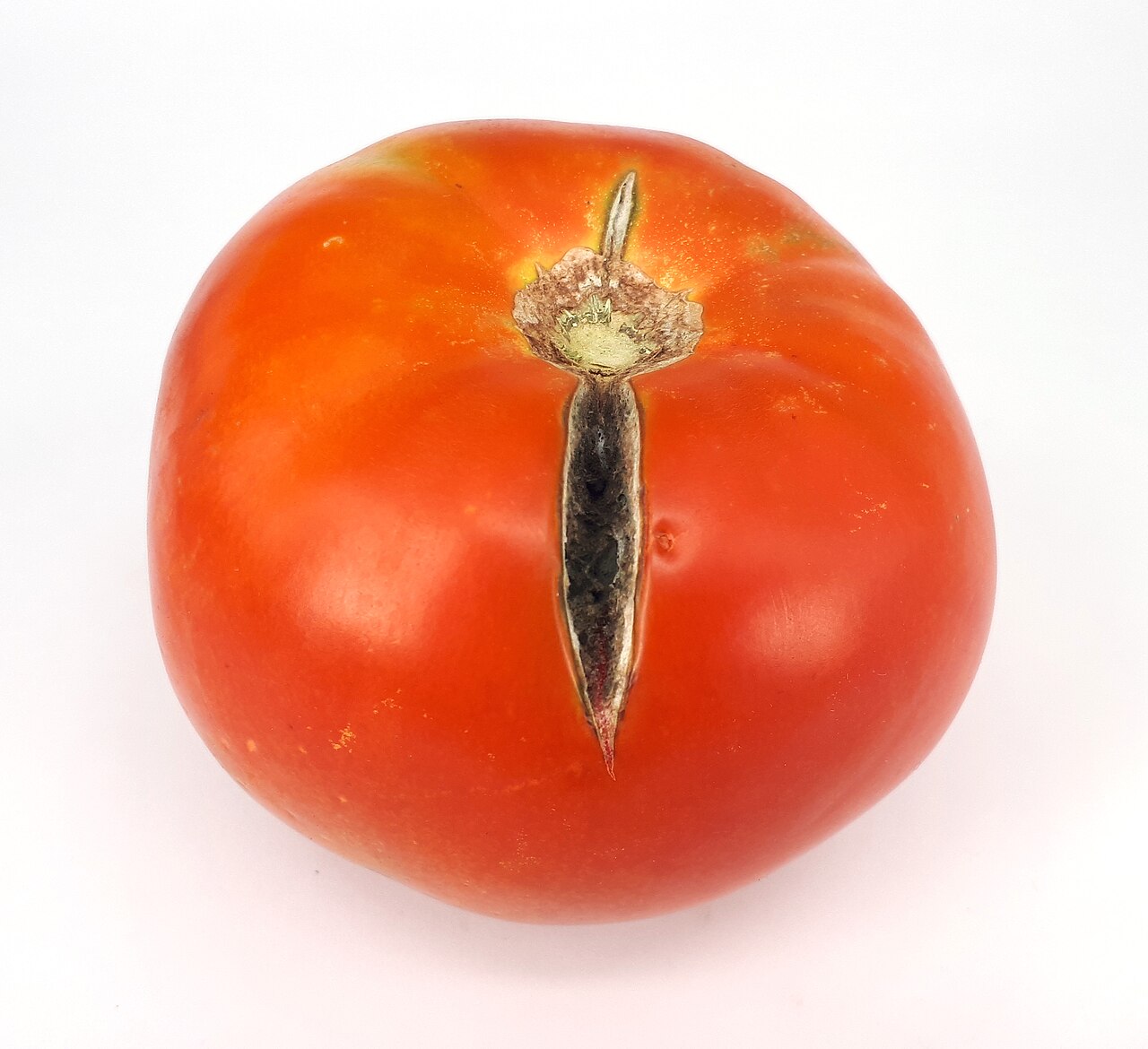
| Radial | Splits run outward from the stem, down the sides. Often deep. N.C. Extension calls these the more serious type, common in hot, humid weather. |
| Concentric | Circular cracks ringing the stem end. Often shallower, but still an entry point for rot. |
Decision 1: Sort the Fruit on the Vine
Walk the rows the morning after the rain and sort what you see into three groups. Each one gets a different decision.
- Cracked, fresh, and clean: pick now.
- Cracked with mold, ooze, or a sour smell: pick and compost.
- Not cracked: leave or pick early, depending on ripeness and the forecast (Decision 3).
Don’t leave cracked fruit hanging in the hope it will “heal.” N.C. Extension notes that cracked fruit, especially those with radial cracks, rot quickly if left on the vine. Minnesota Extension adds that cracks are often invaded by fungi and bacteria that rot the fruit further.
Decision 2: Eat, Ripen, or Compost the Cracked Ones
N.C. Extension’s advice is clear: cracked fruit are edible and can finish ripening indoors. Any fruit that develops a sour smell or starts to ooze should go straight to the compost pile.
Use this quick sort for each cracked tomato:
- Ripe or nearly ripe, crack dry or healed over: use within a day or two. Cut away the cracked area before eating or cooking.
- Turning color, crack fresh but clean: ripen indoors, check daily, and use as soon as it colors up.
- Green with a crack: N.C. Extension notes cracked green fruit are likely to rot before they ripen if left on the vine. Bring them in, but expect some losses.
- Moldy, leaking, soft, or sour-smelling: compost.
Cracked fruit doesn’t store well, so put it to use quickly. Sauces, soups, and salsas are a good fit. Cherry tomatoes with small splits can be dried. Our guide on how to dehydrate cherry tomatoes walks through it.
Decision 3: Pick Early Before the Next Rain
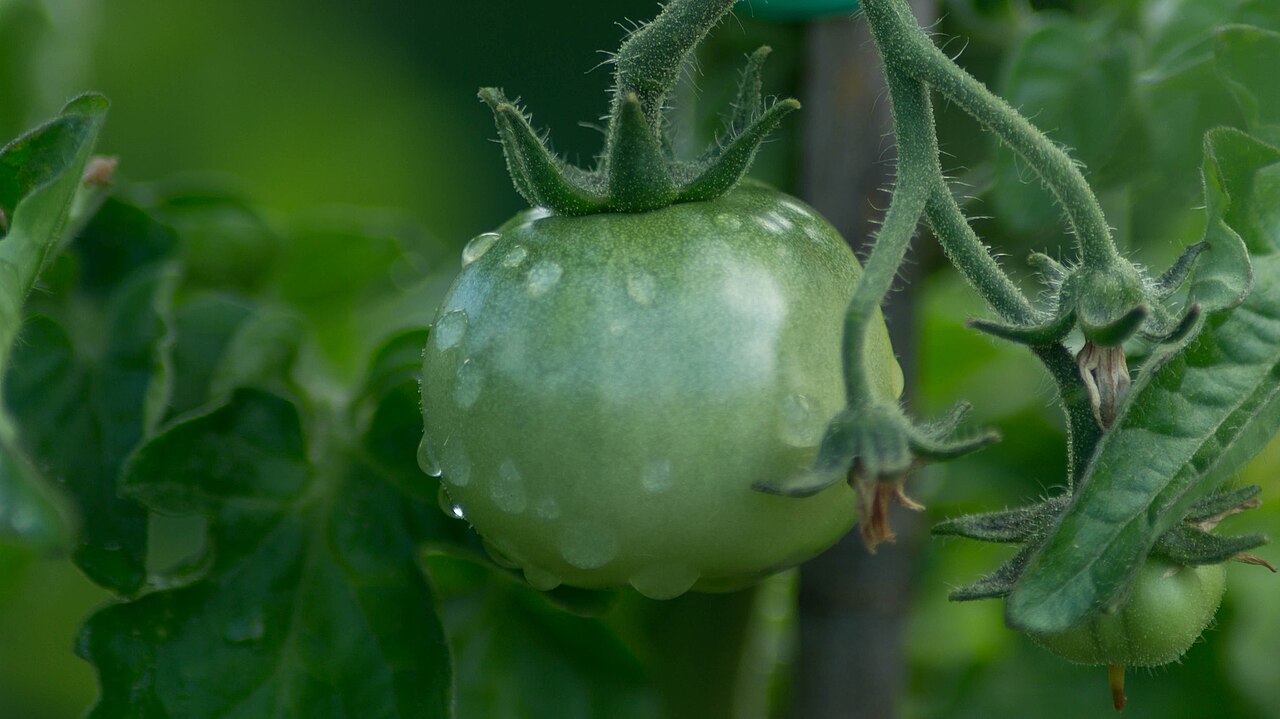
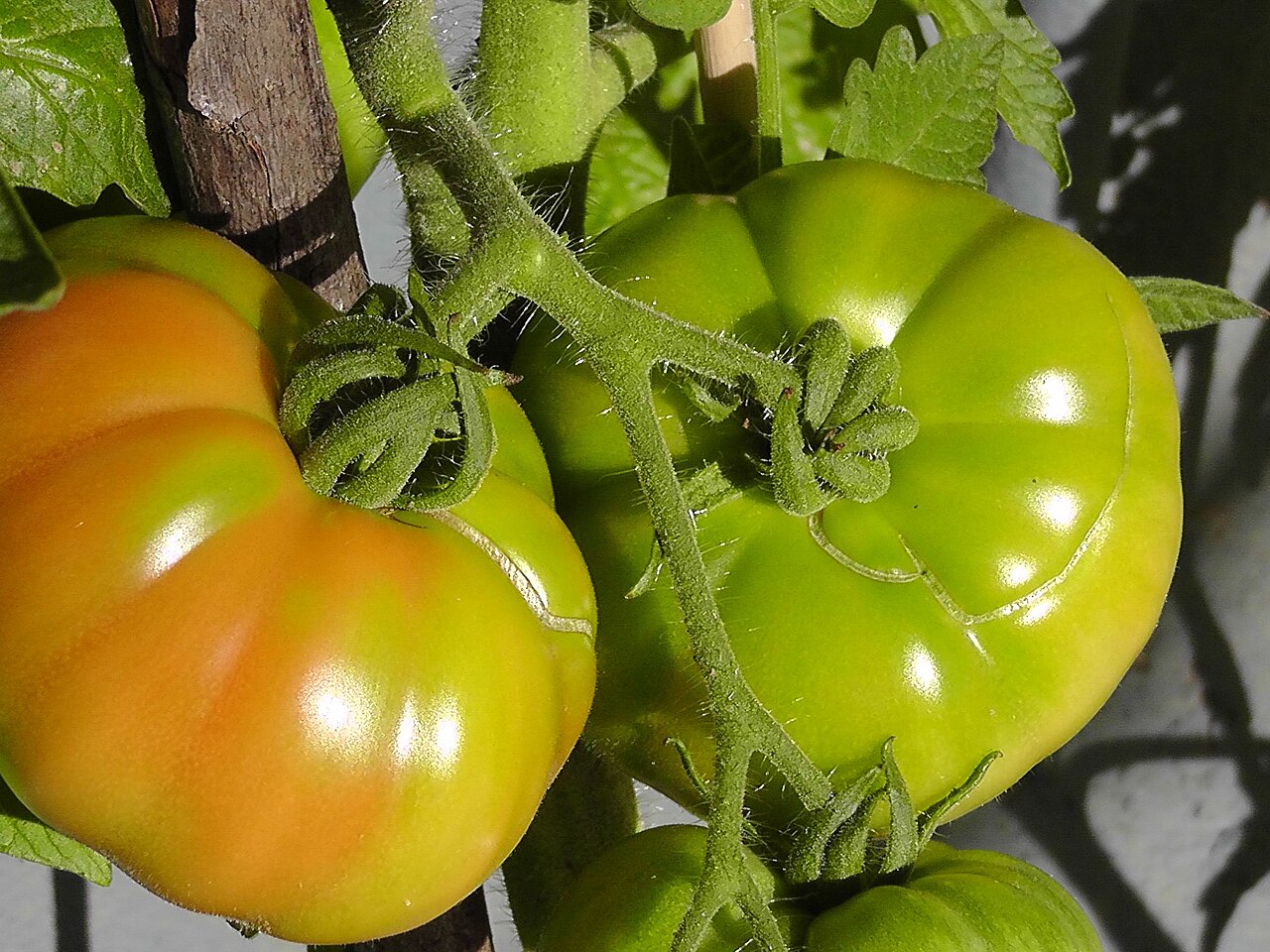
If more rain is in the forecast, the uncracked fruit that’s starting to color is your biggest risk. Penn State notes that harvesting at the breaker-to-pink stage, rather than fully vine-ripe, can reduce cracking late in development.
“Breaker” is the point when the first blush of color appears. Minnesota Extension says fruit that are full-size and starting to turn white or pink should ripen with good flavor indoors. Fruit picked truly green probably never will.
Minnesota Extension also recommends ripening fruit at room temperature, one layer deep, not touching. Light isn’t needed, since warmth matters more than light for ripening.
There’s a trade-off. N.C. Extension notes that fruit ripened off the vine, or on the vine during cloudy, rainy weather, will taste less rich than fruit that ripen in sunny weather. Saving the fruit from cracking usually wins.
Setting Up an Indoor Ripening Spot
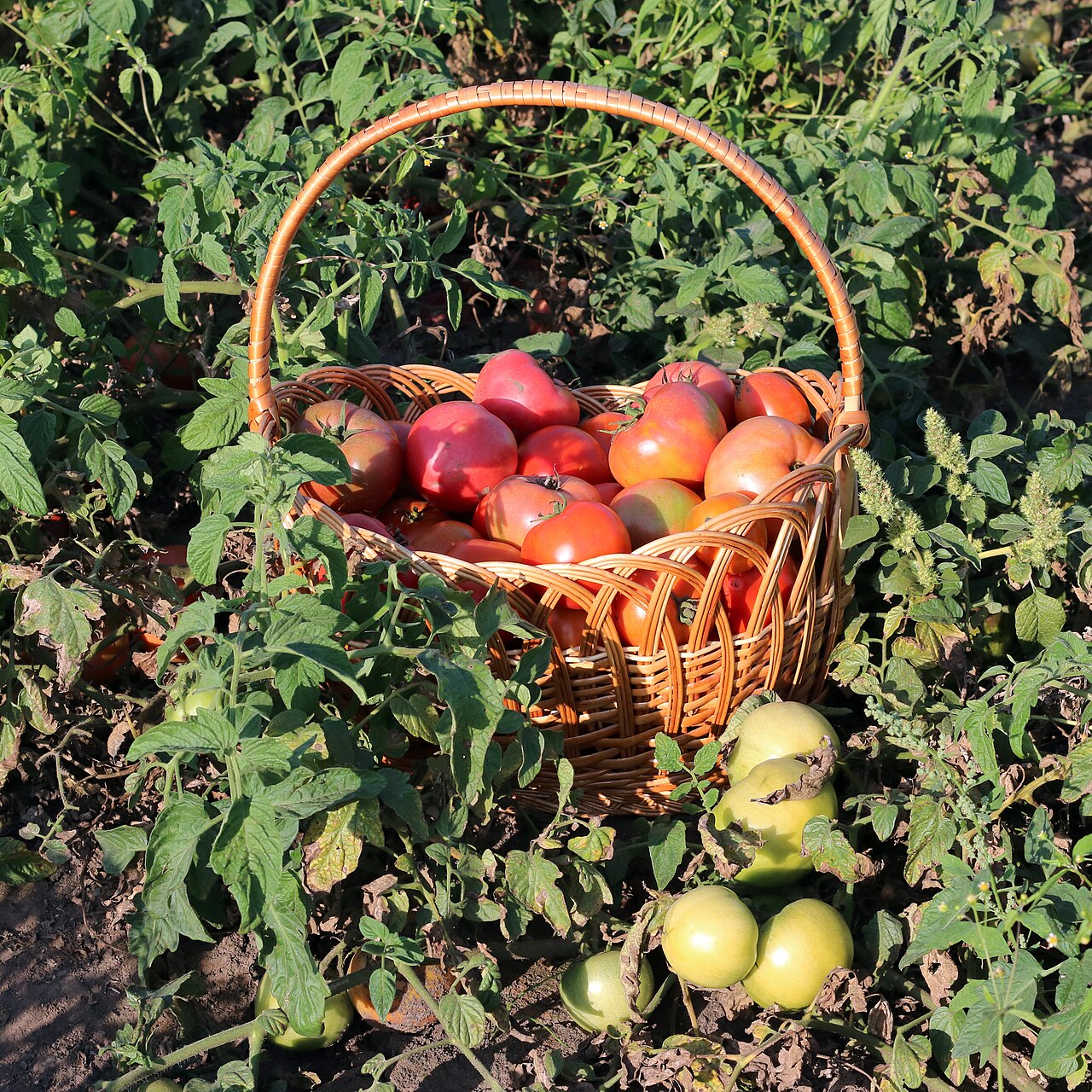
Once you start picking early, you’ll have more fruit indoors than usual. A simple setup keeps the cracked and uncracked fruit from spoiling each other.
- Keep two groups. Put cracked fruit where you’ll see it every day, and uncracked breakers in a separate tray. Cracked fruit spoils faster and should be used first.
- One layer, not touching. Minnesota Extension recommends ripening fruit one layer deep, spaced apart, so you can spot problems early.
- Room temperature, no sun needed. Minnesota Extension notes warmth matters more than light for ripening. A windowsill in hot sun isn’t necessary.
- Check daily. Use fruit as it colors up, and remove anything that turns soft, leaks, or smells sour.
Minnesota Extension notes ripening takes place over the next few weeks. If you have more ripe fruit than you can eat fresh, cook it down into sauce the same day.
Decision 4: Adjust Your Watering Now
The tempting response after a dry spell is to give the plants a huge soak. That’s the same dry-to-wet swing that rain causes, and Penn State notes heavy irrigation after a dry spell carries the same cracking risk.
Instead, aim for steady moisture. Minnesota Extension suggests about an inch of water per week from rain or irrigation for tomatoes, applied as thorough soakings rather than light sprinkles.
- After heavy rain: skip watering until the soil starts to dry a few inches down.
- During a dry spell: keep watering on a regular schedule so the soil never gets bone dry.
- Water at the base: Penn State notes that overhead irrigation can let water enter ripening fruit directly.
Container tomatoes swing between wet and dry fastest. If yours are in bags, see our grow bag watering audit.
Decision 5: Protect Next Year’s Crop
Penn State and Minnesota Extension point to the same set of practices. None of them prevents cracking completely, but together they reduce it.
Drip irrigation. Penn State recommends drip because it delivers water consistently and minimizes dry-wet swings. Our drip irrigation tips for beginners and DIY drip irrigation guide cover the setup.
Mulch. Penn State notes that organic or plastic mulch slows soil drying and supports even moisture. Minnesota Extension adds that watering regularly and mulching can help reduce growth cracks.
Leaf cover. Penn State notes that fruit in direct sun warm up more and crack more. Avoid heavy pruning and manage leaf diseases so the canopy shades the fruit. Heavy pruning can also cause leaf roll, as we explain in our guide to tomato leaves curling after a hot day.
Variety. Minnesota Extension and Penn State both note that varieties differ in crack susceptibility. Check seed catalog descriptions for crack resistance. Penn State’s trials found ‘Stellar’ (determinate) and ‘Beef Maestro’ (indeterminate) gave more marketable than unmarketable fruit. Our guide to determinate and indeterminate tomatoes covers the difference in growth habit.
Quick Reference
| Ripe, cracked, clean | Pick and use within a day or two. |
| Coloring, cracked, clean | Pick and ripen indoors. Check daily. |
| Green, cracked | Pick. Expect some to rot before ripening. |
| Sour, oozing, or moldy | Compost. |
| Uncracked, breaker to pink, rain coming | Pick now and ripen indoors. |
| Soil soaked | Hold off watering. Resume a steady schedule as it dries. |
A Season-by-Season Plan
- Before planting: choose at least one crack-resistant variety, and plan drip lines under mulch. Our step-by-step tomato planting guide covers bed prep.
- Early summer: mulch once the soil warms. Water on a regular schedule so dry spells don’t build up.
- Midsummer: prune lightly to keep leaf cover over the fruit. Keep watering steady through heat waves, which can also cause tomato flowers to drop without fruit.
- Harvest season: check the forecast. Before heavy rain, pick fruit at breaker to pink. After rain, pick cracked fruit the next morning.
- Fall: note which varieties cracked least and grow more of them next year. Clear the vines and clean and store your tomato supports before winter.
For harvest timing and storage basics, see our beginner’s guide to growing tomatoes.
Frequently Asked Questions
Are cracked tomatoes safe to eat?
Yes, if they are fresh and clean. N.C. Extension notes cracked fruit are edible and can ripen indoors. Cut away the cracked area, and compost any fruit that smells sour, oozes, or shows mold.
Should I pick tomatoes before it rains?
Picking full-size fruit at the breaker-to-pink stage before heavy rain can reduce cracking, according to Penn State Extension. Truly green fruit is better left on the vine.
Will a cracked tomato heal on the vine?
Shallow cracks may scar over with corky tissue, but cracks are an easy entry point for rot. N.C. Extension recommends picking cracked fruit right away.
Does overwatering cause tomatoes to split?
Sudden heavy watering after a dry spell can, much like rain. Steady, regular watering is the goal.
Can I prevent tomatoes from cracking completely?
No. Penn State notes cracking is a natural occurrence, especially as fruit ripen. Even moisture, mulch, good leaf cover, timely harvest, and resistant varieties reduce it.
Sources
- Penn State Extension, Why Are My Tomatoes Cracking and What Can I Do About It?: causes, water uptake, temperature, drip and mulch, leaf cover, breaker-stage harvest, and cultivar trial results.
- N.C. Cooperative Extension, Pender County Center, What Causes Tomatoes to Crack?: rain after dry weather, radial vs. concentric cracks, harvesting and using cracked fruit.
- University of Minnesota Extension, Tomato disorders: growth cracks, secondary rot, moisture and mulching, variety differences.
- University of Minnesota Extension, Growing tomatoes in home gardens: weekly water, ripening indoors and mature-green fruit.