
Creeping False Holly (Jaltomata procumbens)
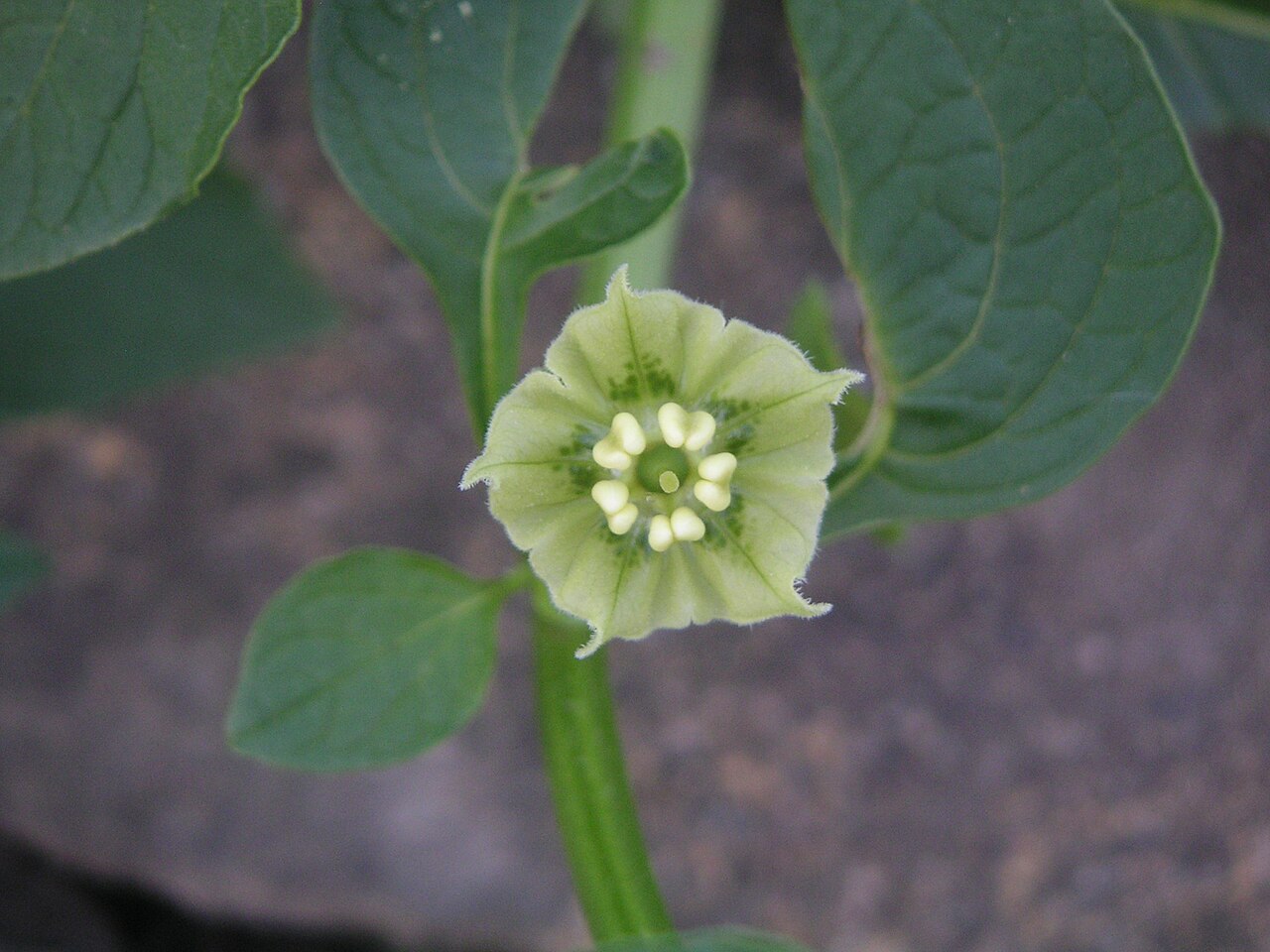
Jaltomata procumbens, called Creeping False Holly in the United States and jaltomate in much of Mexico, is a sprawling member of the nightshade family (Solanaceae) known for its sweet, dark purple berries. It grows from a single perennial root into a tangle of trailing to upright stems with soft, dark green leaves, small pale green flowers, and glossy berries that smell faintly of grapes.
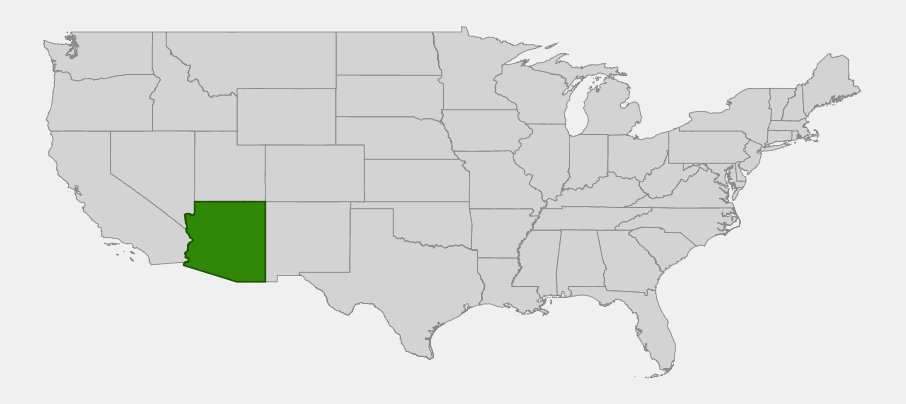
It is a widespread plant of the American tropics and subtropics, growing from Mexico through Central America to Colombia, Venezuela and Ecuador. Its range just reaches the United States in southeastern Arizona, where it grows in shaded canyons, along creeks and at the edges of oak and pine woodlands. USDA PLANTS also lists an old record from Maryland, but that was a stray occurrence outside its natural range, and this guide treats Arizona as its only native state.
In Mexico, farmers often spare jaltomate when they weed their fields because of its fruit, and botanists cite it as an example of how wild plants begin the long road toward domestication. For gardeners it is an unusual edible native for frost-free or warm-summer gardens, grown much like a tomatillo or ground cherry.
Identification
Creeping false holly looks at first glance like a black nightshade or a ground cherry. The combination of a spreading, star-like calyx under a black berry, pale green bell-shaped flowers spotted green inside, and a grape-like scent sets it apart.
Habit & Stems
Plants grow from a thick, perennial root and send out many stems, trailing along the ground or leaning on other plants, usually 1 to 3 feet long or tall. The stems are green, angled and nearly hairless to finely hairy. In tropical cloud forests it sometimes grows as an epiphyte on tree trunks.
Leaves
Leaves are alternate, soft and dark green, broadly lance-shaped to egg-shaped with a pointed tip, and up to about 8 inches long on vigorous plants. The edges are smooth or shallowly wavy. They often come in unequal pairs, a habit typical of the nightshade family.
Flowers
Small clusters of flowers hang on slender stalks from the stems between the leaves. Each flower is about ½ inch across, bell- to wheel-shaped, pale yellow-green with darker green spots or a green star toward the center, and has five white to pale yellow anthers. The stigma becomes receptive before the anthers release pollen in the same flower. Flowering runs mainly from June to September in Arizona.
Fruit
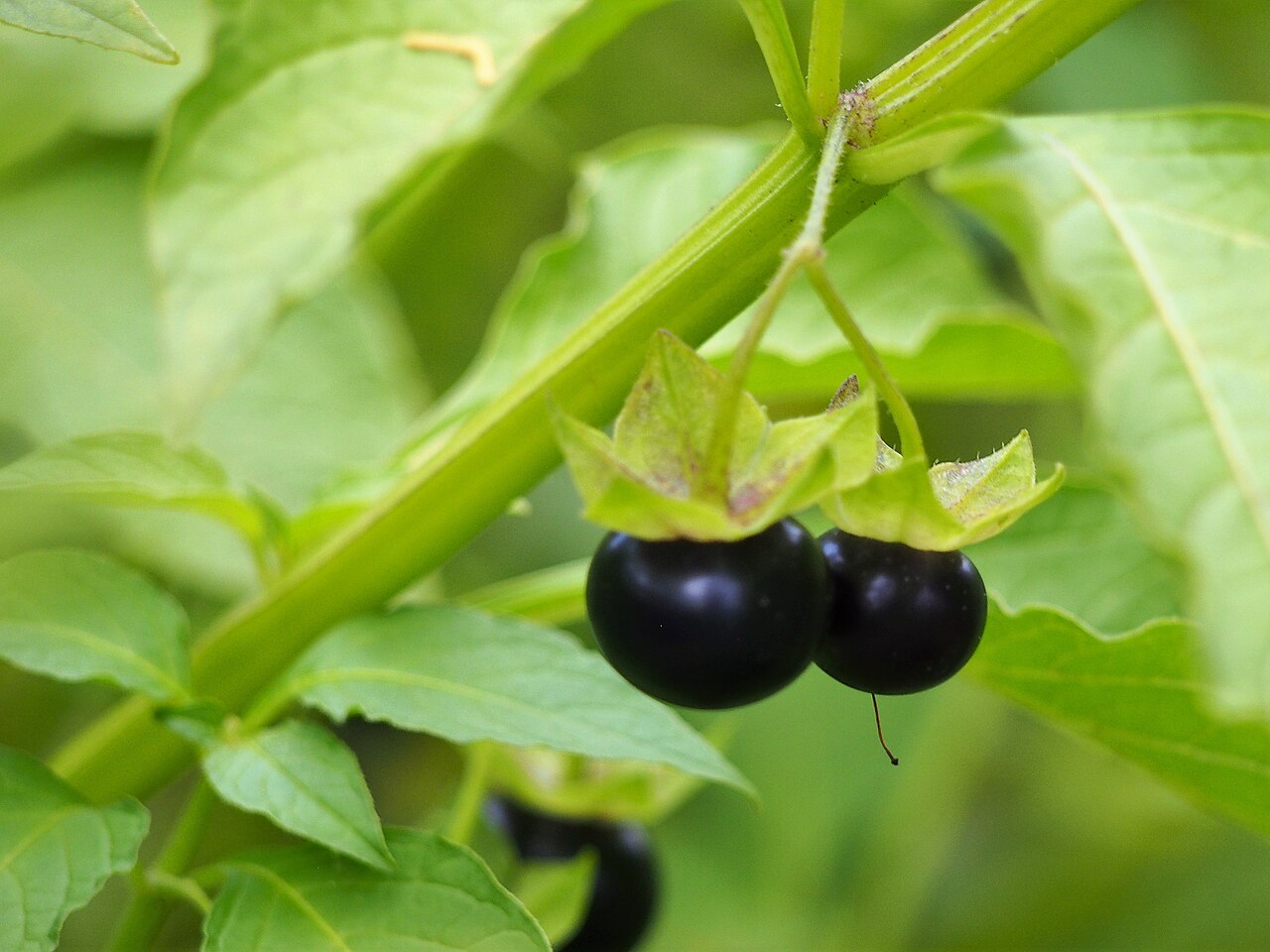
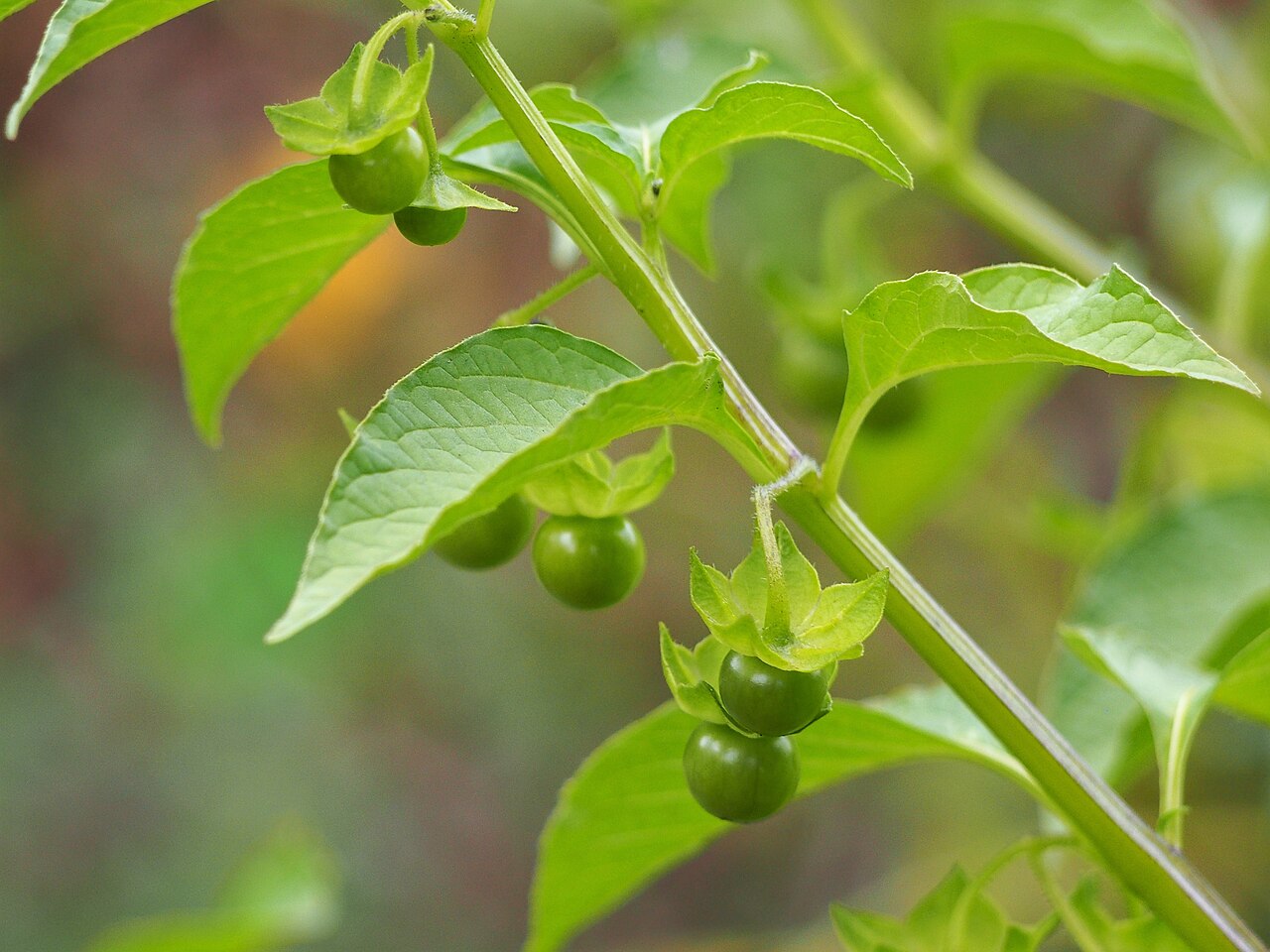
The fruit is a round, juicy berry ⅓ to ½ inch across that ripens from green to glossy dark purple or black. It sits on a green calyx that enlarges and spreads into a flat, five-pointed star. Ripe berries are sweet and fragrant.
Look-alikes
Black nightshades (the Solanum nigrum group) have smaller white flowers with a yellow cone of anthers and smaller black berries without the spreading calyx. Ground cherries such as Clammy Groundcherry enclose their fruit in a papery, lantern-like husk. Deadly nightshade (Atropa belladonna), a European plant, has purplish-brown bell flowers and a shiny black berry; it is not native to North America but is a reminder never to eat a black berry you can’t identify with certainty.
Quick Facts
| Scientific Name | Jaltomata procumbens (Cav.) J.L. Gentry (syn. Saracha procumbens, Saracha edulis) |
| Family | Solanaceae (nightshade family) |
| Plant Type | Herbaceous perennial from a thick root; often grown as an annual |
| Mature Height | 1–3 ft |
| Mature Spread | 2–4 ft (sprawling) |
| Growth Rate | Fast |
| Sun Exposure | Partial shade to full sun |
| Water Needs | Moderate; summer moisture |
| Soil Type | Rich, well-drained loam or rocky canyon soil |
| Soil pH | About 6.0–7.5 |
| Bloom Time | June–September (Arizona) |
| Flower Color | Pale yellow-green with green spots |
| Fall Color | None; dies back with frost |
| Fruit | Sweet purple-black berry, ⅓–½ in, on a star-shaped calyx |
| Deer Resistant | Unknown; foliage is probably distasteful, like most nightshades |
| USDA Hardiness Zones | 9–11 as a perennial; grown as an annual elsewhere |
Native Range
In the United States, creeping false holly is native only to southeastern Arizona, at the northern tip of a large range that runs south through the mountains of Mexico and Central America to Colombia, Venezuela and Ecuador. Arizona plants grow in the “sky island” ranges near the Mexican border, in moist, shaded canyon bottoms, along creeks, on rocky slopes and at the edges of oak, pine-oak and mixed forest.
USDA PLANTS also shows a record for Maryland. Creeping false holly is not part of the native flora of the eastern United States, and that record reflects a plant growing far outside its range, so it is not shown on the map above.
Across Mexico it is a common plant of field edges, fencerows, roadsides and other disturbed ground as well as natural woodland openings. In Arizona it depends on the summer monsoon rains, which trigger its growth and flowering from early summer into fall.
📋 Regional plant lists featuring Creeping False Holly: Arizona & New Mexico
Growing & Care Guide
Creeping false holly is rarely sold by nurseries, but seed is offered by some specialist seed companies and seed exchanges, usually under the name jaltomate. It is easy to grow from seed and fruits in its first summer, so in most of the country it is grown like a tomatillo, as a warm-season annual.
Safety note: creeping false holly belongs to the nightshade family, and many of its relatives are poisonous. Eat only fully ripe, dark purple berries from a plant you have identified with certainty, never green berries, and don’t eat the leaves or stems. Keep children from eating any wild black berries.
Light
Partial shade to full sun. In hot, dry climates such as the low deserts, give it afternoon shade, as it grows in shaded canyons in the wild. In cooler regions full sun gives the best fruit set.
Soil & Water
It prefers rich, well-drained soil with steady moisture during the growing season, similar to tomatoes. Let the soil dry slightly between waterings. In Arizona, plants in the ground grow mostly during the summer monsoon and need supplemental water in dry spells.
Planting Tips
Start seed indoors 6 to 8 weeks before the last frost, at warm temperatures (about 75 to 85°F). Transplant after frost danger, 2 to 3 feet apart, or grow one plant in a large container. Its stems sprawl, so give it room or a low cage to lean on.
Pruning & Maintenance
Little care is needed. Pick ripe berries every few days during the season. In frost-free gardens cut back dead stems in late winter; the root often sprouts again in spring. Elsewhere, treat it as an annual and save seed from ripe fruit.
Propagation
From seed. Mash ripe berries, rinse the pulp from the small seeds, dry them and store them cool and dry. Plants also self-sow in warm gardens. Arizona populations are small, so collect from wild plants only with permission and only a few fruits.
Landscape Uses
- Edible gardens: sweet berries eaten fresh, like a native relative of the tomatillo and ground cherry
- Shade and woodland-edge gardens in Arizona: canyon-style plantings with walnut, sycamore and deergrass
- Container plant: one plant fills a large pot and fruits in its first summer
- Wildlife gardens: berries for birds; flowers for small native bees
- Ethnobotany and seed-saving collections: an example of a wild plant on the path to domestication
Wildlife & Ecological Value
Like other berry-producing nightshades, creeping false holly feeds a range of animals, and its seeds are spread by the birds and mammals that eat the fruit.
For Pollinators
The small, nodding flowers produce nectar and pollen and are visited mainly by small native bees. Studies of the genus Jaltomata have found that its flowers vary a lot in nectar color and volume across species, which suggests adaptation to different pollinators; in J. procumbens the flowers are small and open, suited to bees.
For Birds
Fruit-eating birds take the ripe berries and spread the seeds, which helps explain the plant’s habit of appearing along fencerows and woodland edges.
For Mammals
Small mammals and other wildlife likely eat fallen berries. The foliage, like that of most nightshades, contains bitter compounds that discourage browsing.
Ecosystem Role
In southeastern Arizona it is part of the rich understory of Madrean canyons, where many plants reach the northern edge of their Mexican ranges. These canyons are biodiversity hot spots for birds, insects and plants.
Cultural & Historical Uses
The genus name Jaltomata comes from the Nahuatl name of the fruit, xaltomatl, often translated as “sand tomato.” The species name procumbens means “lying along the ground,” for its trailing stems. It was long known as Saracha procumbens and was moved to Jaltomata in the 20th century.
In northwestern Mexico, the Tarahumara (Rarámuri) and Mountain Pima peoples recognize jaltomate when it comes up in their cornfields, protect it while weeding and harvest the fruit. Crop historians point to this kind of tolerance of a useful “weed” as an early step in plant domestication, and Jaltomata is studied for that reason.
Jaltomata is a close relative of the tomato, potato and eggplant genus Solanum, and researchers study its many species for their varied flower shapes and colored nectar. Creeping false holly is the only member of the genus native to the United States.
Frequently Asked Questions
Are creeping false holly berries edible?
Yes, the fully ripe, dark purple berries are eaten fresh in Mexico and Central America and have a sweet, grape-like flavor. Eat only ripe berries from a plant you have positively identified, never green ones, and don’t eat the leaves or stems. Many relatives in the nightshade family are poisonous.
Is creeping false holly related to holly?
No. It is a member of the nightshade family, related to tomatoes, tomatillos and ground cherries. The common name probably refers to its dark berries, not to any real resemblance to holly.
Where does creeping false holly grow in the United States?
Only in southeastern Arizona, in canyons and woodland edges of the mountains near the Mexican border. Its main range is in Mexico, Central America and northern South America.
Can I grow creeping false holly outside the Southwest?
Yes, as a warm-season annual. Start seed indoors like tomatoes, plant out after frost, and it will flower and fruit the same summer. Save seed from ripe berries for the next year.
What does jaltomate mean?
It comes from the Nahuatl word xaltomatl, usually translated as “sand tomato,” the name given to the fruit in central Mexico.

Looking for a nursery that carries Creeping False Holly?
Browse our native plant nursery directory: Arizona

