
Pyne’s Ground-plum (Astragalus bibullatus)
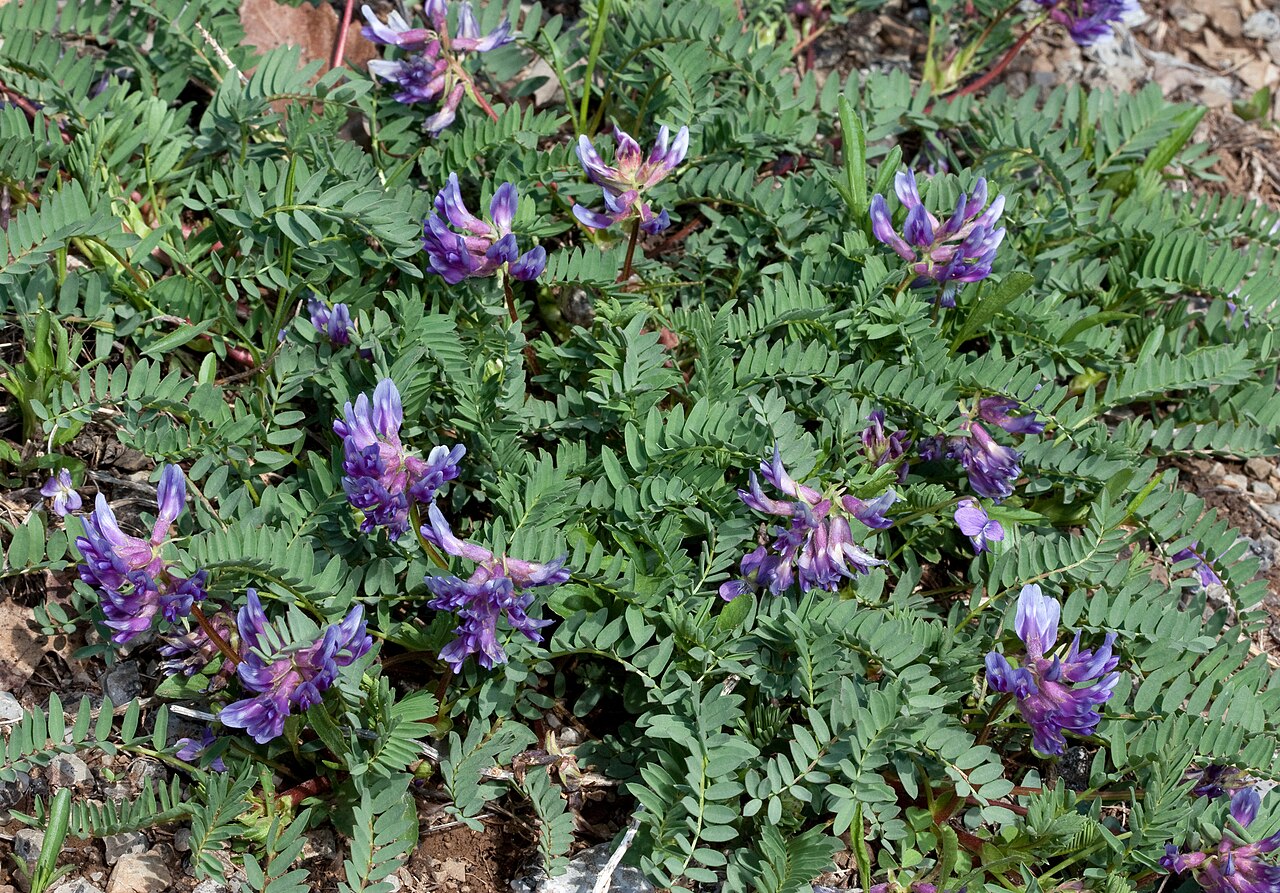
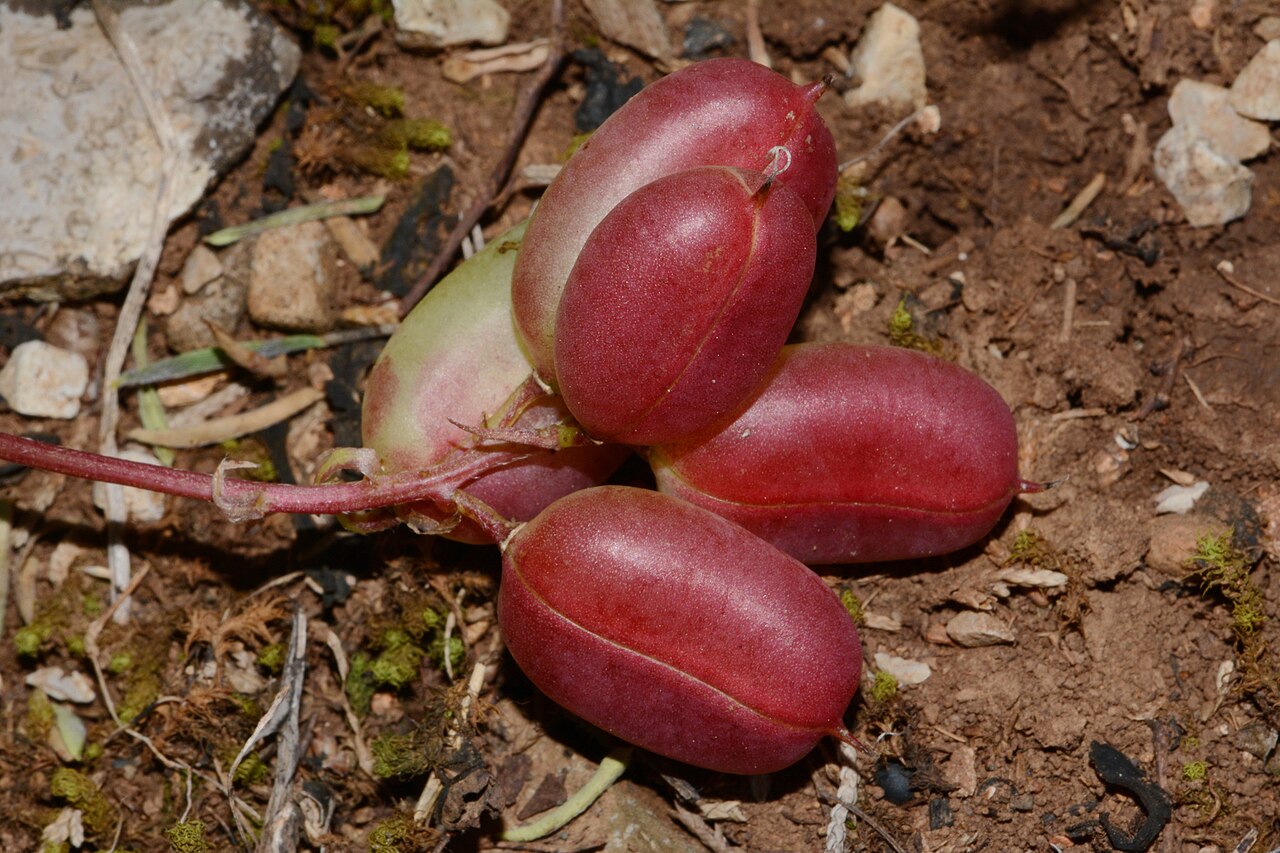
Astragalus bibullatus, known as Pyne’s Ground-plum or limestone glade milkvetch, is a low, sprawling wildflower in the pea family (Fabaceae). In April and May it holds short clusters of lavender to pinkish-purple pea flowers just above rosettes of finely divided, almost hairless leaves, and in late spring it sets smooth, reddish, plum-shaped pods that ripen lying on the bare rock.
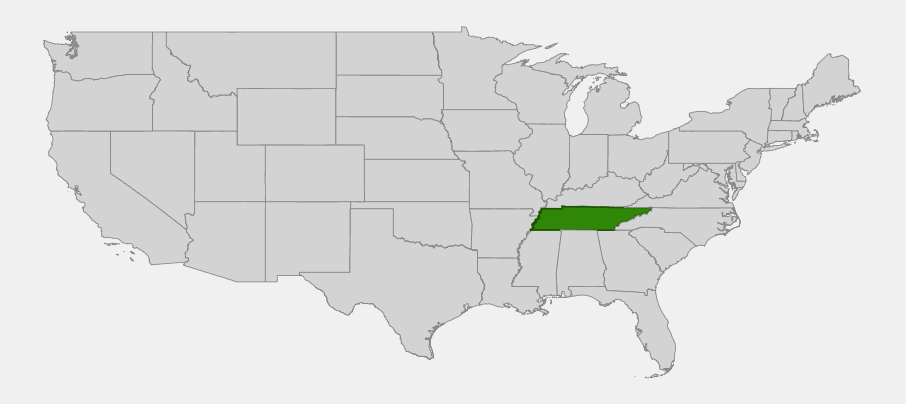
It is one of the rarest plants in the eastern United States. It grows nowhere in the world except the limestone cedar glades of Rutherford County in the Central Basin of Tennessee, where only a handful of populations are known within a few miles of one another. A historic population in neighboring Davidson County was lost when the area was flooded by J. Percy Priest Reservoir.
Pyne’s ground-plum has been listed as federally endangered under the U.S. Endangered Species Act since 1991. This page is an identification and appreciation guide: the plant is not sold by nurseries, it cannot be grown from ordinary garden stock, and it must never be dug up or have its seeds collected from the wild. The best way to help it is to protect the cedar glades where it lives.
Identification
Look for a low, spreading rosette of smooth, ferny leaves on thin soil over flat limestone, with short clusters of lavender-purple pea flowers in spring and, later, smooth red pods the size of a small grape lying on the rock.
Growth Habit
Pyne’s ground-plum is a long-lived perennial with a deep taproot. Its leafy stems spread outward from the root crown and lie close to the ground, so the plant rarely stands more than about 6 inches tall, though a mature plant can sprawl a foot or more across. The tops die back after the pods ripen, and new growth comes from the crown the following spring.
Leaves
Each plant has several pinnately compound leaves with about 19 to 27 small, elliptic to slightly egg-shaped leaflets. Stems and leaves are nearly smooth, with only a few fine hairs pressed flat against the surface. Small papery stipules sheath the base of each leaf stalk.
Flowers
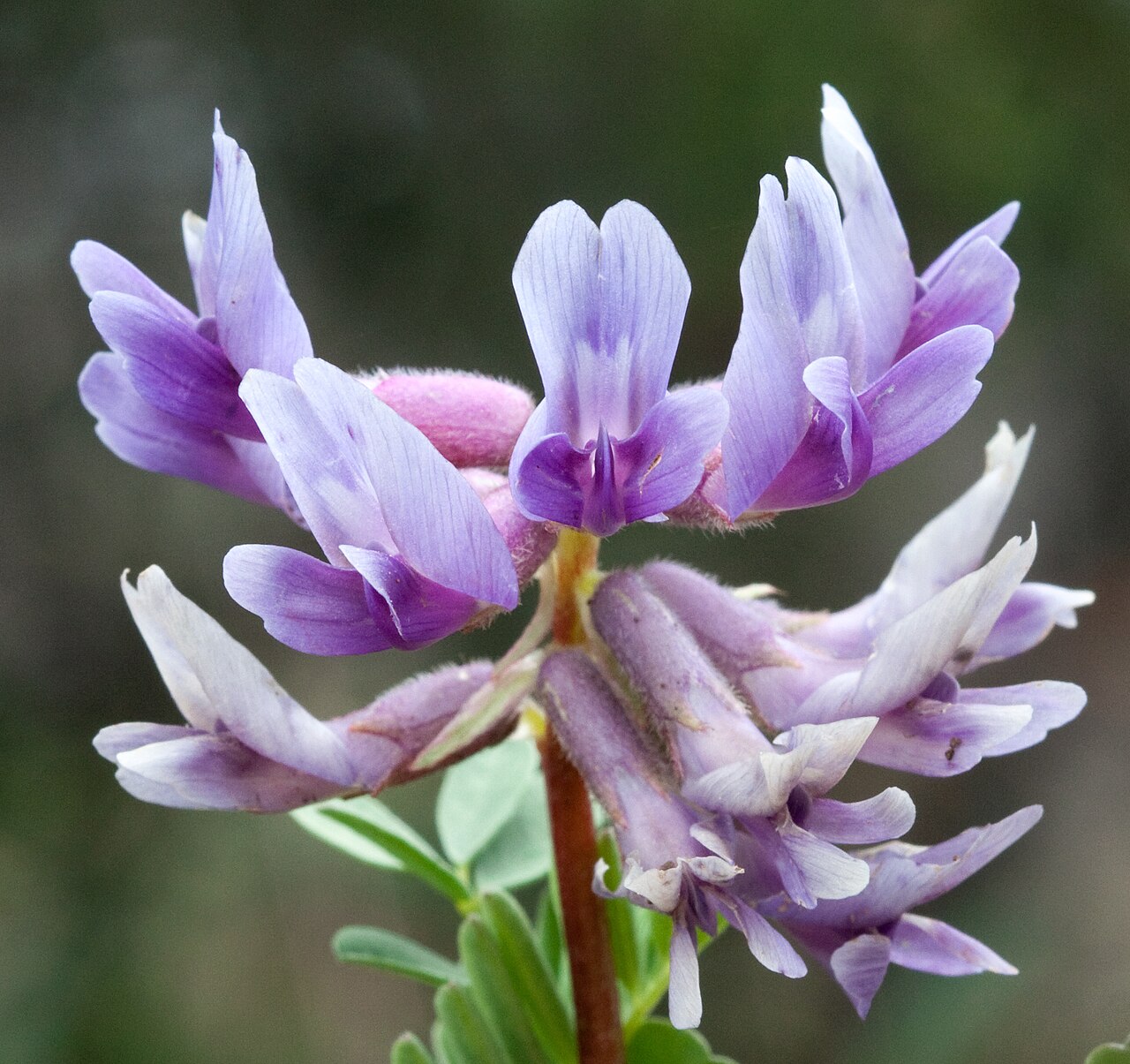
It blooms in April and May. Each flower stalk carries a raceme of about 10 to 16 pea-shaped flowers. The banner petal is pale lavender to pinkish purple, and the keel and wings are a deeper purple, so a cluster looks two-toned.
Fruit
The fruit is the plant’s signature. The pods are round to egg-shaped, smooth and fleshy, green at first and turning red to purplish red as they ripen in May and June. They usually rest on the ground around the plant, which is why they look like small fallen plums. The species name bibullatus refers to the pod’s swollen, bubble-like shape.
Look-alikes
Tennessee milkvetch (Astragalus tennesseensis), another cedar glade plant, looks similar before it blooms, but its stems, leaves and pods are covered in soft hairs, its flowers are yellowish white, and its pods are longer, hairy and greenish. The prairie Ground Plum (Astragalus crassicarpus) of the Great Plains has similar round pods but does not grow in Tennessee’s cedar glades.
Quick Facts
| Scientific Name | Astragalus bibullatus |
| Family | Fabaceae (pea family) |
| Plant Type | Low, sprawling herbaceous perennial |
| Mature Height | 2–6 in |
| Mature Spread | About 1 ft |
| Growth Rate | Slow |
| Sun Exposure | Full sun to light shade at glade edges |
| Water Needs | Wet in winter and spring, dry in summer |
| Soil Type | Thin, rocky soil over flat limestone |
| Soil pH | Alkaline (above 7.2) |
| Bloom Time | April–May |
| Flower Color | Lavender to pinkish purple |
| Fall Color | Dormant after fruiting |
| Fruit | Smooth, red, plum-like pods |
| Deer Resistant | Not applicable; protected wild species |
| USDA Hardiness Zones | 6–7 (wild range) |
Native Range
Pyne’s ground-plum is a narrow endemic of Tennessee. USDA PLANTS lists it only from Tennessee, and all known wild populations are in Rutherford County, in the Central Basin south and east of Nashville. It was historically known from a site in adjacent Davidson County, which now lies under the waters of J. Percy Priest Reservoir.
It grows only in limestone cedar glades: open, rocky openings where thin, calcareous soil lies over nearly flat beds of limestone. The ground is waterlogged and cold in winter and spring, then hot and bone dry in summer, and few plants other than glade specialists can tolerate those extremes. Pyne’s ground-plum usually grows in the deeper soil pockets and cracks between flagstones and toward the shrubby glade margins, under scattered eastern red cedars.
Cedar glades in the Nashville Basin are among the most threatened habitats in Tennessee. Residential and commercial development, road building, off-road vehicles, dumping and the spread of invasive shrubs have destroyed or damaged many glades around Murfreesboro. Several populations are now protected on state natural areas, including Flat Rock Cedar Glades and Barrens State Natural Area and Manus Road Cedar Glade.
📋 Regional plant lists featuring Pyne’s Ground-plum: Kentucky & Tennessee
Can You Grow It?
Pyne’s ground-plum is not a garden plant. It is a federally endangered species, it is not sold by nurseries, and digging plants or collecting seed from the wild is illegal without permits and harms the few remaining populations. Never dig, transplant or collect any part of a wild plant. Here is what its life cycle tells us about why it needs such a specialized habitat.
Light
In the wild it grows in open sun or the light, broken shade of scattered red cedars at the edges of glades. Dense shade from invading shrubs and trees causes populations to decline, so land managers keep glades open.
Soil & Water
It needs thin, alkaline soil over limestone that is soaked in winter and spring and dries out completely in summer. That pattern is very hard to reproduce in a garden, and rich, evenly moist garden soil would not suit it.
Planting Tips
Plants are reintroduced only by agencies and conservation partners working under federal permits, into protected glade habitat. Gardeners in Middle Tennessee who want cedar glade character can plant nursery-grown Tennessee Coneflower or Widow’s Cross in a sunny rock garden instead.
Pruning & Maintenance
Wild populations need protection rather than care: keeping vehicles and foot traffic off glades, preventing dumping, removing invasive shrubs such as privet and bush honeysuckle, and keeping the glade margins from filling in with woody growth.
Propagation
It reproduces only from seed. Like many legumes, the seed has a hard coat that must be scratched before it can absorb water. Conservation programs hold banked seed and grow plants for reintroduction under permit. Home propagation is not appropriate.
Where to See It
- Flat Rock Cedar Glades and Barrens State Natural Area: a protected glade complex near Murfreesboro that is home to several rare glade plants; visit in April and May and stay on the trails
- Cedar glade wildflower walks: Tennessee State Parks and natural area staff sometimes lead spring walks through Rutherford County glades
- Best time to look: April to early May for flowers; late May and June for the red pods on the ground
- Respectful viewing: stay on trails and bare rock paths, never pick flowers or pods, and report sightings to land managers
- Support conservation: volunteer with groups that clear invasive shrubs from glades or support land trusts protecting cedar glade habitat
Wildlife & Ecological Value
Pyne’s ground-plum is part of one of the most unusual plant communities in eastern North America, the cedar glades of the Nashville Basin, which hold many plants found almost nowhere else.
For Pollinators
Its purple pea flowers are pollinated by bees strong enough to open the keel, such as bumble bees and other spring native bees. Because the plants grow in small, scattered groups, bees moving between them help keep seed set healthy.
For Birds
Ground-feeding birds may pick at the pods or seeds, but it is too rare to be an important food plant for birds.
For Mammals
Small mammals and rabbits may nibble the pods and foliage. Because populations are so small, any loss of seed affects how well the species can replace itself.
Ecosystem Role
Like other legumes, its roots host nitrogen-fixing bacteria, adding nitrogen to the thin glade soils. It is one of the glade endemics that make the Central Basin a botanical hotspot, and protecting it also protects many other rare glade species growing alongside it.
Cultural & Historical Uses
The species was described in 1987 by the botanists Rupert Barneby and Edwin Bridges. Its common name honors Milo Pyne, the botanist who found it in the cedar glades of Rutherford County in the 1980s.
Despite the name, ground-plums are not related to true plums, which belong to the rose family. The name simply describes the round, smooth, reddish pods lying on the ground. Milkvetches got their family name from an old belief that some species increased the milk yield of goats and cattle.
Pyne’s ground-plum has become a symbol of Middle Tennessee’s cedar glades and of how fast-growing suburbs can squeeze out plants found nowhere else. Its survival depends on protected natural areas, careful land management and the people who monitor its populations each spring.
Frequently Asked Questions
Is Pyne’s ground-plum endangered?
Yes. It has been listed as endangered under the federal Endangered Species Act since 1991. It grows only in a few cedar glades in Rutherford County, Tennessee.
Where does Pyne’s ground-plum grow?
Only in limestone cedar glades in Rutherford County, in the Central Basin of Tennessee near Murfreesboro. It is found nowhere else in the world.
Can I grow Pyne’s ground-plum in my garden?
No. It is not sold by nurseries, and digging plants or collecting seed from the wild is illegal without permits. Plant nursery-grown cedar glade natives such as Tennessee coneflower instead, and support glade conservation.
Is Pyne’s ground-plum a real plum?
No. It is a milkvetch in the pea family. The name comes from its smooth, round, reddish pods, which lie on the ground and look like small plums. They should not be eaten.
How do you tell it from Tennessee milkvetch?
Pyne’s ground-plum is nearly hairless, with lavender-purple flowers and smooth, round red pods. Tennessee milkvetch is fuzzy all over, has yellowish-white flowers and longer, hairy, greenish pods.

Pyne’s Ground-plum is not sold by nurseries. Looking for a nursery that carries cedar glade natives to plant instead?
Browse our native plant nursery directory: Tennessee

