
ʻĀhinahina (Artemisia australis)
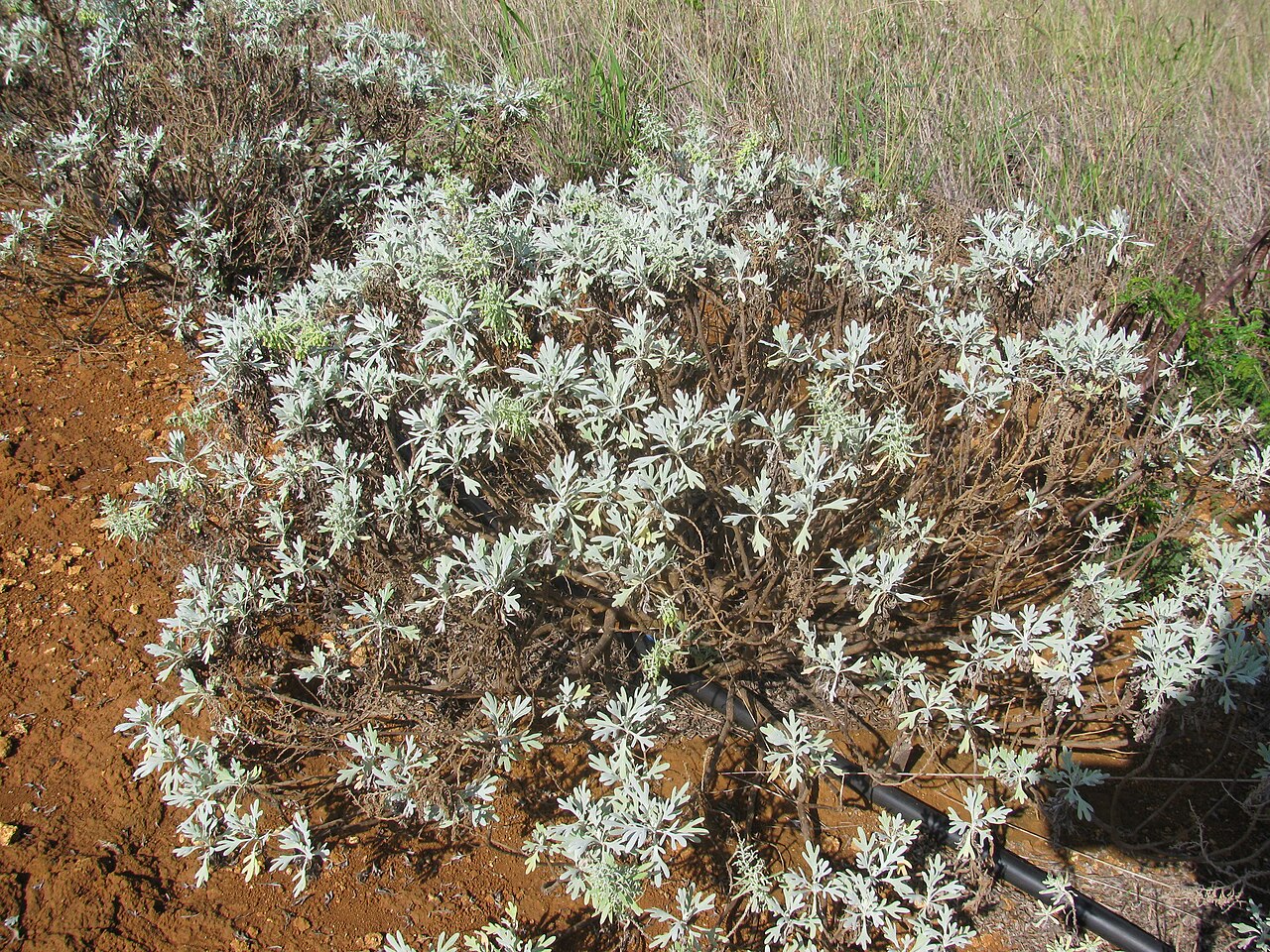
Artemisia australis, called ʻĀhinahina or hinahina in Hawaiian and Hawaiian wormwood or Oʻahu wormwood in English, is a small, aromatic, silvery shrub of the aster family (Asteraceae). Its finely cut, gray-green to silver leaves give it the Hawaiian name, which means “very gray” or “silvery,” the same name given to the famous Haleakalā silversword. The two plants are not closely related.
Hawaiian wormwood is endemic to the Hawaiian Islands, found nowhere else in the world. It grows on all the main islands, most often on exposed, windswept cliffs and rocky slopes, especially on windward coasts, from near sea level to about 3,500 feet. It is not federally listed under the Endangered Species Act, but conservation ranks treat it as vulnerable because its cliff populations are small and scattered.
It is also one of the easiest Hawaiian natives to grow. Its soft, silvery foliage makes a striking contrast with green plants in dry, sunny gardens, and it roots readily from cuttings. This guide covers how to identify it, where it grows, how to grow it and its place in Hawaiian culture.
Identification
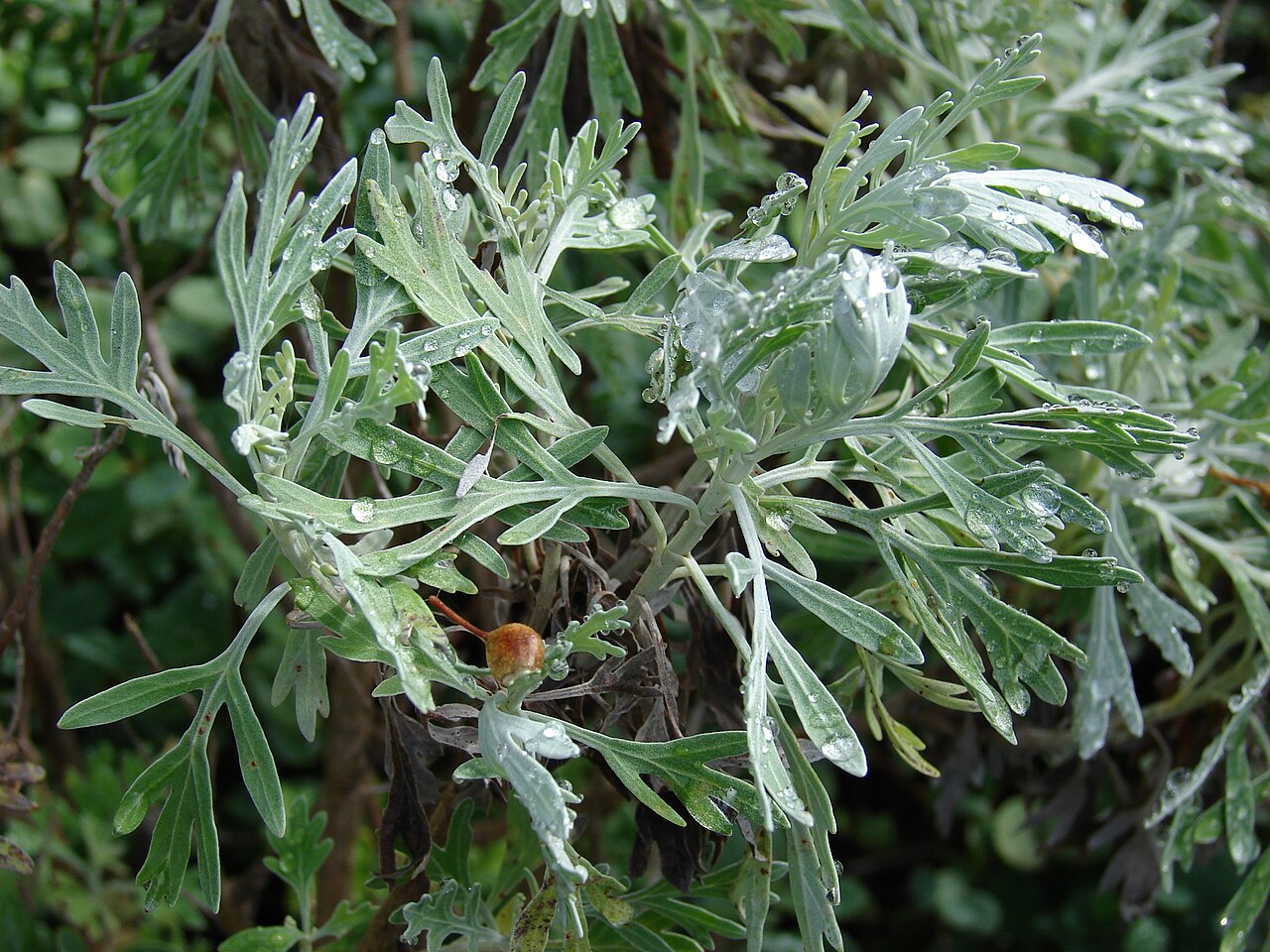
No other native Hawaiian shrub combines finely divided, silvery leaves with the sage-like scent of a wormwood. Crush a leaf and the aroma confirms it.
Growth Habit
A small to medium, much-branched shrub, usually 2 to 5 feet tall and about as wide, occasionally to about 10 feet. On exposed cliffs plants are often low and compact; in gardens they become rounded mounds. Older stems are woody and gray.
Leaves
Leaves are alternate and finely divided into narrow, almost thread-like or linear segments, giving the plant a soft, feathery texture. They are gray-green to silvery, especially underneath, and slightly fuzzy, and they are strongly aromatic when crushed.
Flowers
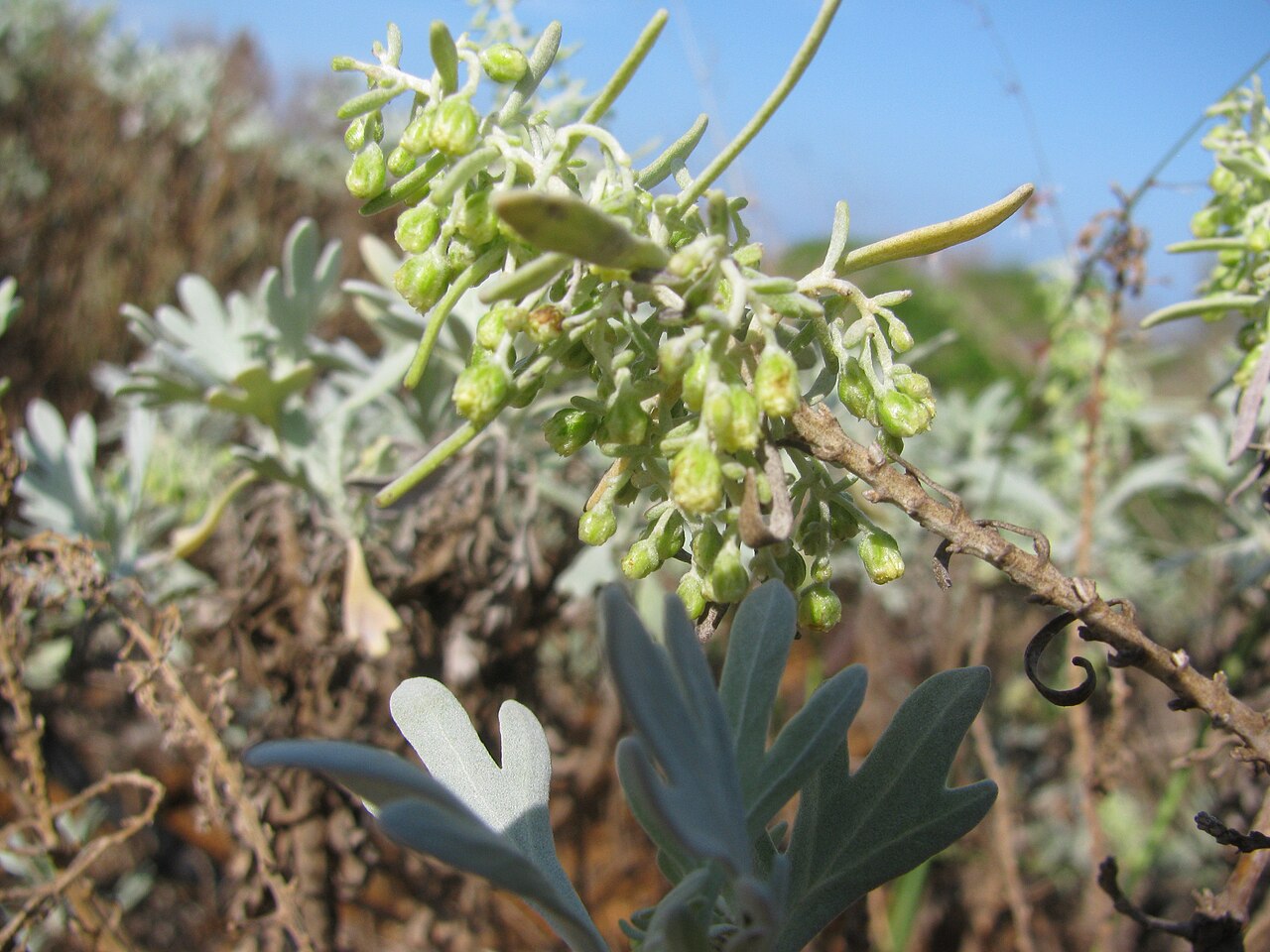
The flowers are tiny and inconspicuous, packed into small, nodding, rounded, yellowish to greenish heads about ⅛ inch across. The heads hang along slender, upright, mostly leafless branches that rise just above the foliage. Like other wormwoods, it is wind-pollinated and has no showy petals.
Fruit & Look-alikes
The fruit is a tiny, dry achene with no pappus. The non-native dusty miller and the introduced garden wormwoods and mugworts sometimes planted in Hawaiʻi look similar; check the source of any plant you buy. Despite the shared Hawaiian name, silverswords (Argyroxiphium) have rigid, sword-shaped leaves in a rosette and look nothing like this shrub.
Quick Facts
| Scientific Name | Artemisia australis Less.; older names include A. eschscholtziana and A. hillebrandii |
| Family | Asteraceae (aster or sunflower family) |
| Plant Type | Aromatic evergreen shrub; Hawaiian endemic |
| Mature Height | 2–5 ft (rarely to 10 ft) |
| Mature Spread | 2–5 ft |
| Growth Rate | Moderate to fast |
| Sun Exposure | Full sun |
| Water Needs | Low; drought tolerant once established |
| Soil Type | Rocky, cinder or sandy soils with excellent drainage |
| Soil pH | Slightly acidic to slightly alkaline |
| Bloom Time | Mainly in the cooler months, roughly fall to spring |
| Flower Color | Yellowish to greenish, inconspicuous |
| Fall Color | None; silvery all year |
| Fruit | Tiny dry achene |
| Deer Resistant | Fairly; aromatic foliage is not a preferred browse |
| USDA Hardiness Zones | 10–12 |
Native Range
ʻĀhinahina is endemic to the Hawaiian Islands and grows on all the main islands. According to the Manual of the Flowering Plants of Hawaiʻi, it is usually found on exposed cliff faces, especially on the windward sides of the islands, at elevations up to about 3,500 feet. It also grows on rocky slopes, ridges and coastal bluffs in dry to mesic shrubland, and in places such as ʻĪao Valley and Māliko Gulch on Maui.
Its cliff habitat has protected many populations from goats, deer and fire, but the plants that survive are often scattered in small groups on rock faces that are hard to reach. Invasive grasses and shrubs, landslides and browsing animals all limit its spread onto gentler ground.
It is widely used in restoration. On Kahoʻolawe, an island stripped of most of its vegetation by more than a century of goat and sheep grazing and military use, ʻāhinahina is among the hardy native shrubs being replanted to hold the eroding red soil.
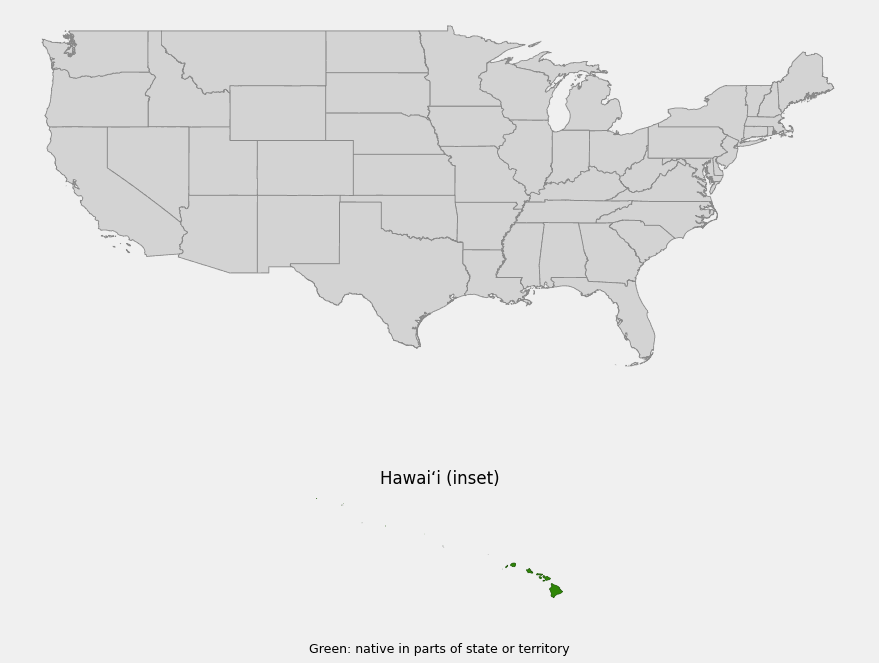
📋 Regional plant lists featuring ʻĀhinahina: Hawaii
Growing & Care Guide
ʻĀhinahina is sold by native plant nurseries throughout Hawaiʻi and is one of the easiest natives for a sunny, dry garden. Buy nursery-propagated plants and never take plants or cuttings from wild cliff populations, which are small and vulnerable. Hawaiʻi restricts bringing plants in from other states, and outside Hawaiʻi this endemic is rarely available.
Light
Full sun keeps it compact, silvery and healthy. In shade it becomes leggy, green and short-lived.
Soil & Water
It needs excellent drainage: rocky, cinder or sandy soil, a raised bed or a slope. Water regularly until established, then only during long dry spells. Overwatering and heavy, wet soil are the main causes of failure, leading to root rot.
Planting Tips
Use it as a silvery accent among green-leaved natives, in rock gardens, on dry banks and walls, along coastal bluffs, or in large containers. Space plants 3 to 4 feet apart. It is suited to frost-free climates (zones 10 to 12) and grows from the coast to middle elevations in Hawaiʻi.
Pruning & Maintenance
Prune lightly after flowering to remove the old flower stalks and keep plants dense. Plants can become woody and open after several years; cut back by up to a third to renew them, or replace them with new plants grown from cuttings. Watch for aphids and mealybugs.
Propagation
It roots easily from 3- to 4-inch tip cuttings. Remove the lower leaves, place the cuttings in a well-drained mix such as perlite and potting soil, and keep them humid and shaded; they root in about 4 to 8 weeks. Seeds are tiny and germinate best when fresh; sow them on moist potting mix and cover them only lightly.
Landscape Uses
- Dry native gardens: a silvery, aromatic accent shrub for sun and poor soil
- Rock gardens and slopes: thrives where drainage is sharp
- Coastal landscapes: tolerates wind and some salt spray
- Lei: the silvery foliage is used in lei
- Restoration plantings: used to revegetate dry, eroded sites such as Kahoʻolawe
Wildlife & Ecological Value
On exposed cliffs and slopes, ʻāhinahina is one of the shrubs that holds thin soil in place and shelters smaller plants and animals.
For Pollinators
It is wind-pollinated and not a major nectar source, but its dense foliage shelters native insects, including small moths and other insects whose larvae feed on native shrubs.
For Birds
Its tiny seeds are eaten by small seed-eating birds, and the shrubs provide cover on open cliffs and slopes.
For Mammals
Hawaiʻi’s only native land mammal is the Hawaiian hoary bat, which hunts insects along cliffs and ridges. Goats and deer can damage plants, and fencing has helped protect wild populations.
Ecosystem Role
As a hardy, drought-tolerant shrub of cliffs and eroded slopes, it helps stabilize soil and is a useful pioneer in dryland restoration.
Cultural & Historical Uses
The Hawaiian name ʻāhinahina, from hina, “gray,” means “very gray” or “silvery.” The same name is used for silverswords and for other silvery plants, so Hawaiian plant names are often paired with the scientific name to avoid confusion. Hinahina and hinahina kuahiwi (“mountain hinahina”) are other recorded names.
Its silvery, aromatic foliage is used in lei, either on its own or as a contrast to brightly colored flowers. Like many wormwoods worldwide, it has also been used in traditional medicine. Wormwoods contain strongly aromatic oils, so don’t use the leaves as a remedy without guidance from a knowledgeable practitioner.
The German botanist Christian Friedrich Lessing named the species in the early 19th century. Its name australis, “southern,” reflects its tropical Pacific home. Like all of Hawaiʻi’s native plants, its ancestors reached the islands naturally across the open Pacific, most likely as tiny seeds carried by birds or wind.
Frequently Asked Questions
Is ʻāhinahina the same as the silversword?
No. Both share the Hawaiian name ʻāhinahina, which means “silvery,” but this plant is Hawaiian wormwood (Artemisia australis), a feathery shrub, while the silversword (Argyroxiphium sandwicense) is an alpine rosette plant.
Is Hawaiian wormwood native to Hawaiʻi?
Yes. It is endemic to the Hawaiian Islands and grows on all the main islands, mostly on windward cliffs and rocky slopes up to about 3,500 feet.
Is it endangered?
It is not federally listed, but it is ranked vulnerable because its wild populations are small and scattered. Buy only nursery-grown plants and never collect from the wild.
How do I grow ʻāhinahina?
Plant it in full sun in rocky, sandy or cinder soil with excellent drainage, water it until it is established, and then water sparingly. It roots easily from cuttings.
Is it used in lei?
Yes. Its soft, silvery, aromatic foliage is popular in lei, often combined with colorful flowers.

Looking for a nursery that carries ʻĀhinahina?
Browse our native plant nursery directory: Hawaii

