
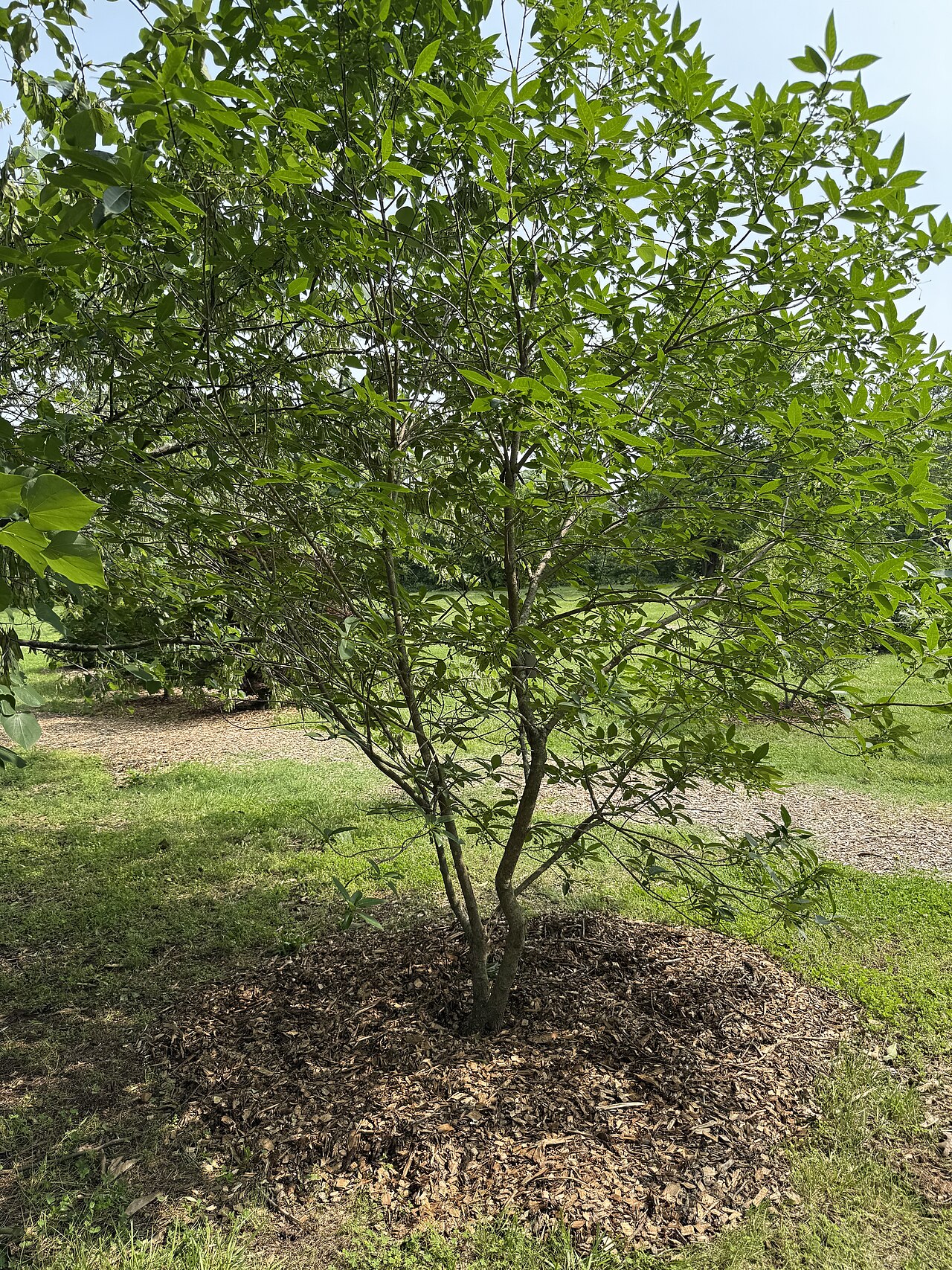
A young fringetree with a wide mulch ring and no grass over its roots, the setup that makes first-season watering easy. Photo: Cossey25, Wikimedia Commons
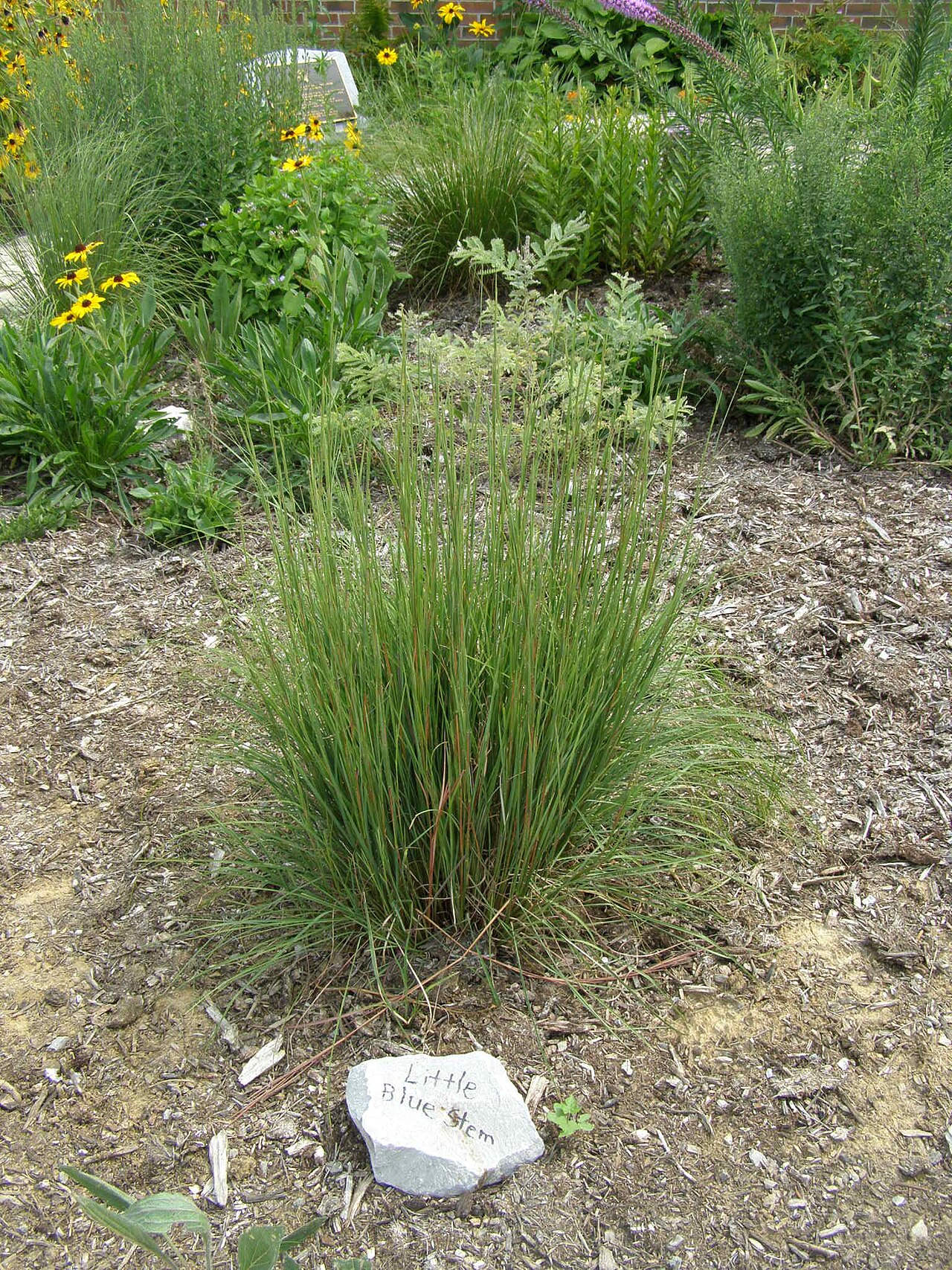
A young clump in a mulched native bed in late July at the Lewis and Clark State Historic Site, Illinois. Getting a plug to this
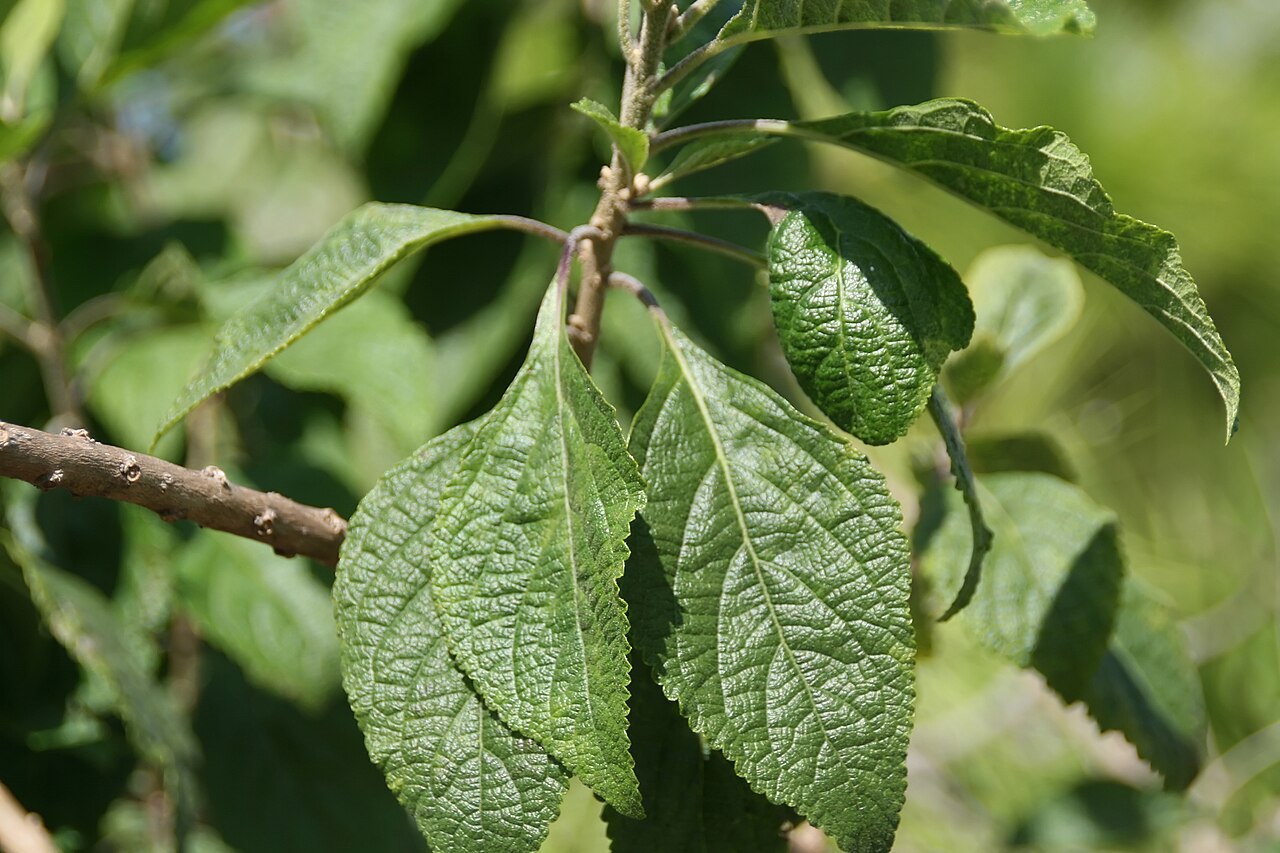
A soft, leafy current-season shoot growing from older brown wood. Shoots like this, taken before they flower, are the raw material for softwood cuttings. Fairchild
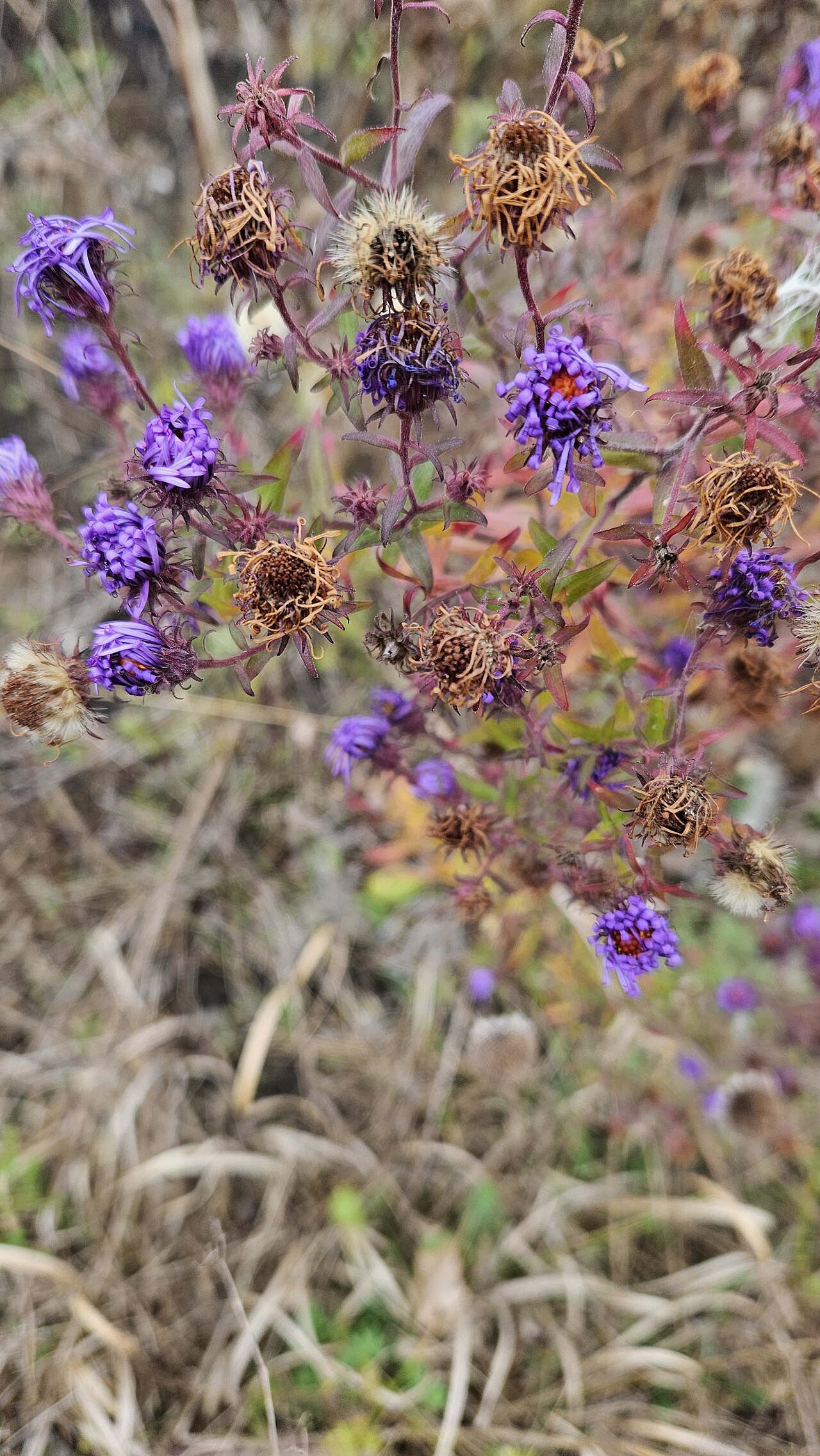
Early winter: fluffy seed heads and a few last flowers. This is the stage when most gardeners reach for the pruners, and the stage worth
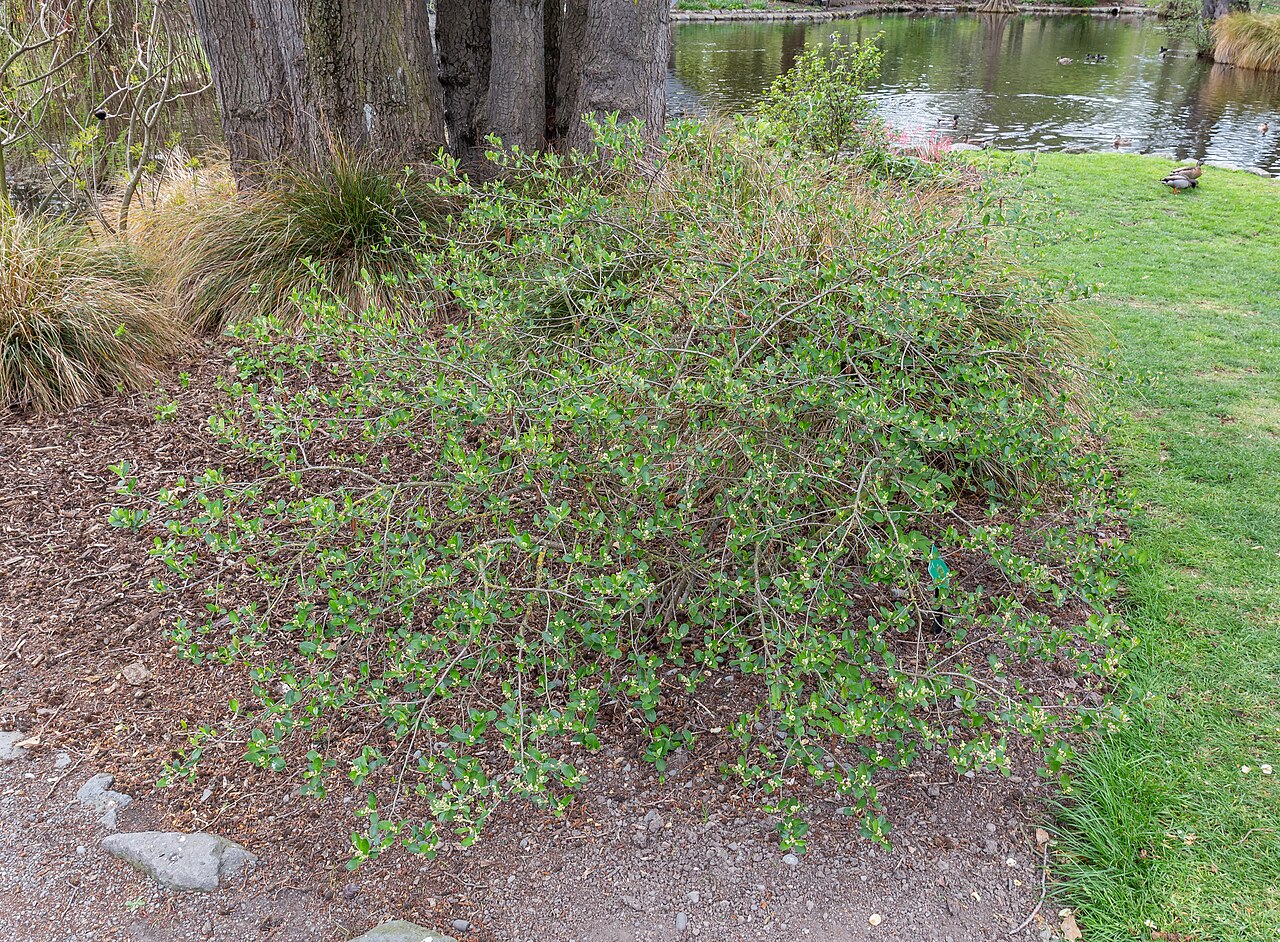
Black chokeberry widening across its bed toward the lawn. Left alone, the clump keeps moving outward. Christchurch Botanic Gardens, New Zealand. Photo: Michal Klajban, Wikimedia
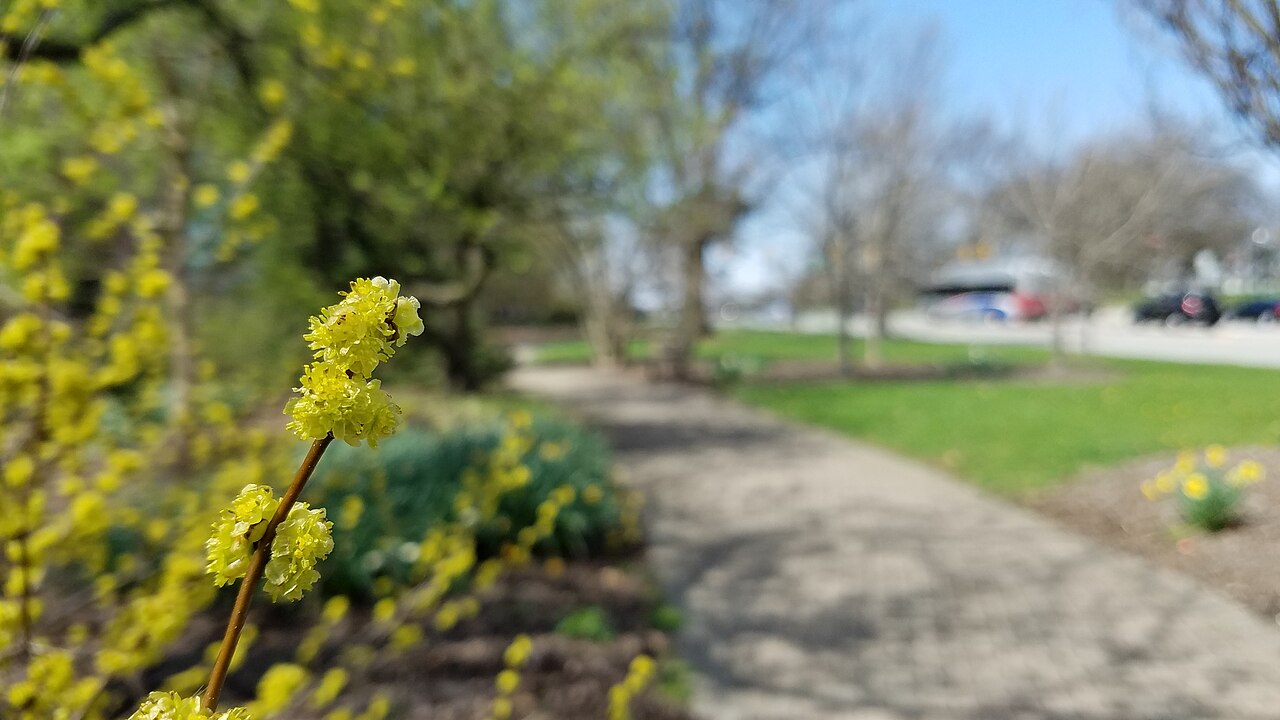
Spicebush in bloom beside a garden walk at Chadwick Arboretum, Ohio. Right after this show ends is the best time to make selective cuts. Photo:
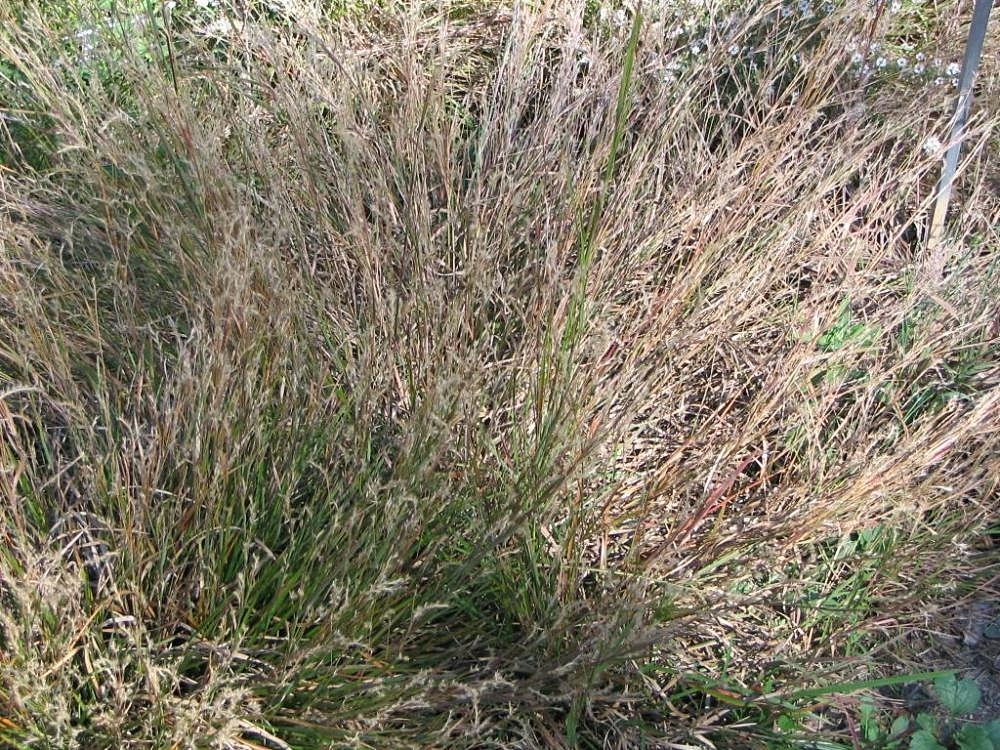
A big, dense clump in October at the U.S. National Arboretum, Washington, D.C. Size alone isn’t a reason to divide. What matters is what’s happening
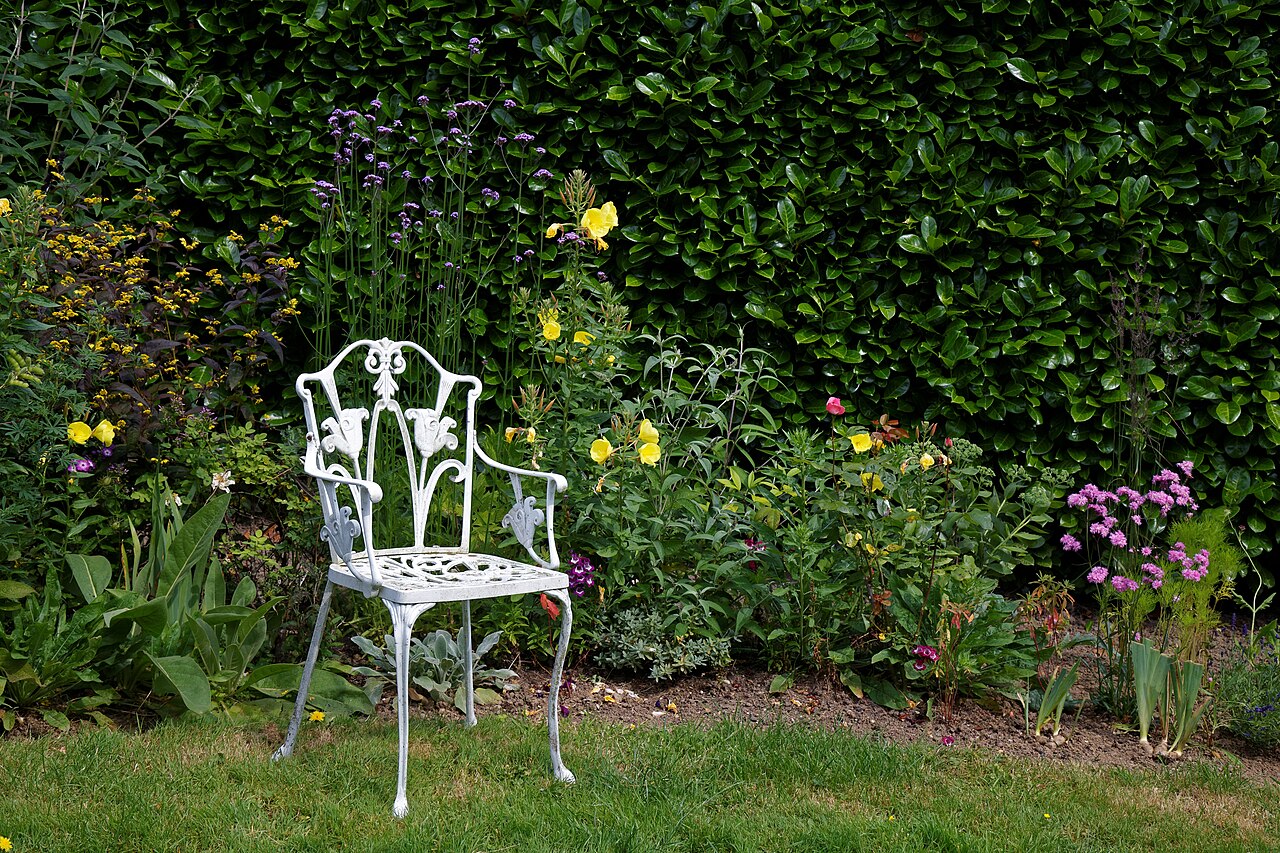
Evening primrose earns its place in a small border, as long as you decide how many plants come back next year. Nuthurst, West Sussex, England.
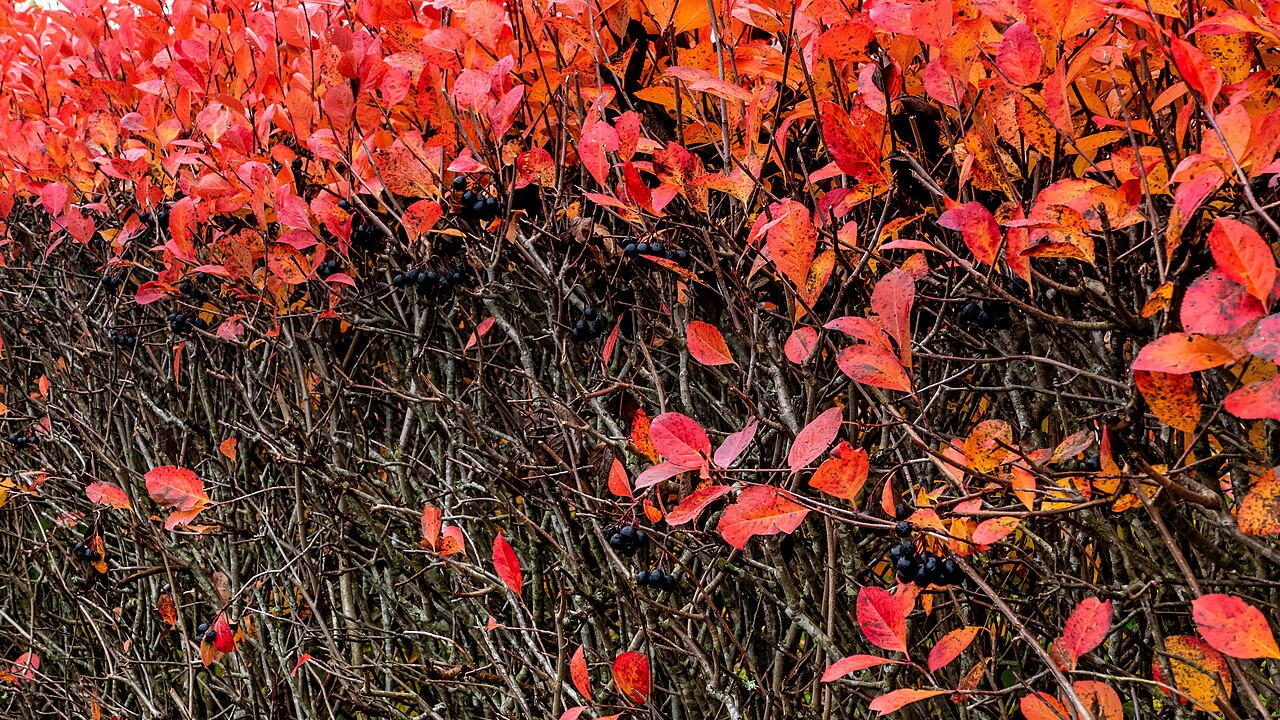
A classic overgrown look: leaves and fruit crowded into the top, with a thicket of bare, woody stems underneath. Tuntorp, Sweden. Photo: W.carter, Wikimedia Commons
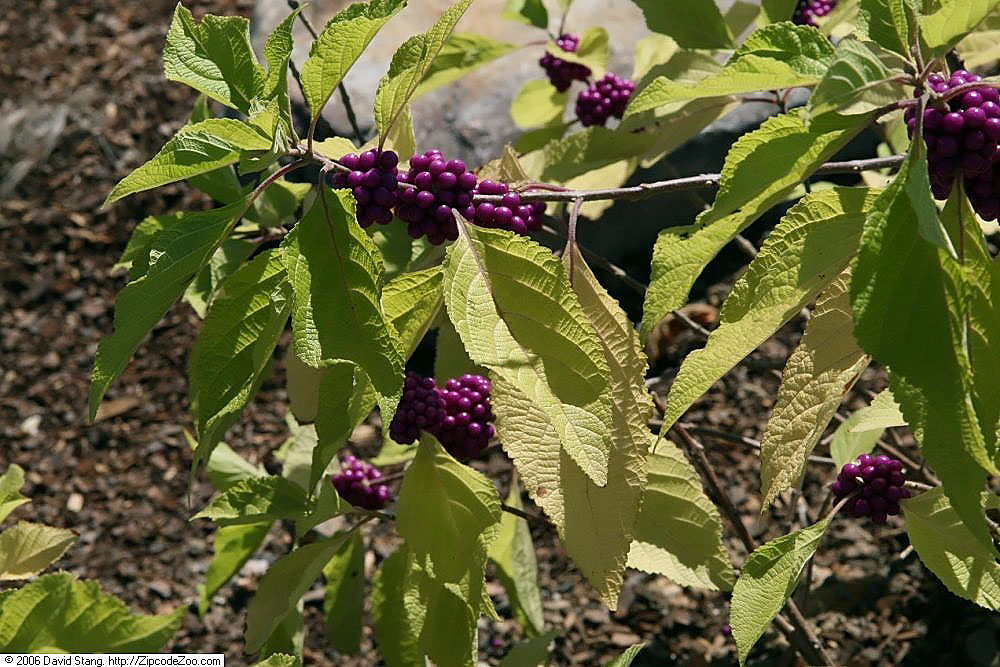
American beautyberry fruiting in a cultivated bed at the United States Botanic Garden, Washington, D.C. Every berry cluster here grew on a shoot that formed
View More