Air Plant Pups: When to Leave Them Attached and When to Separate
Last updated: November 6, 2026
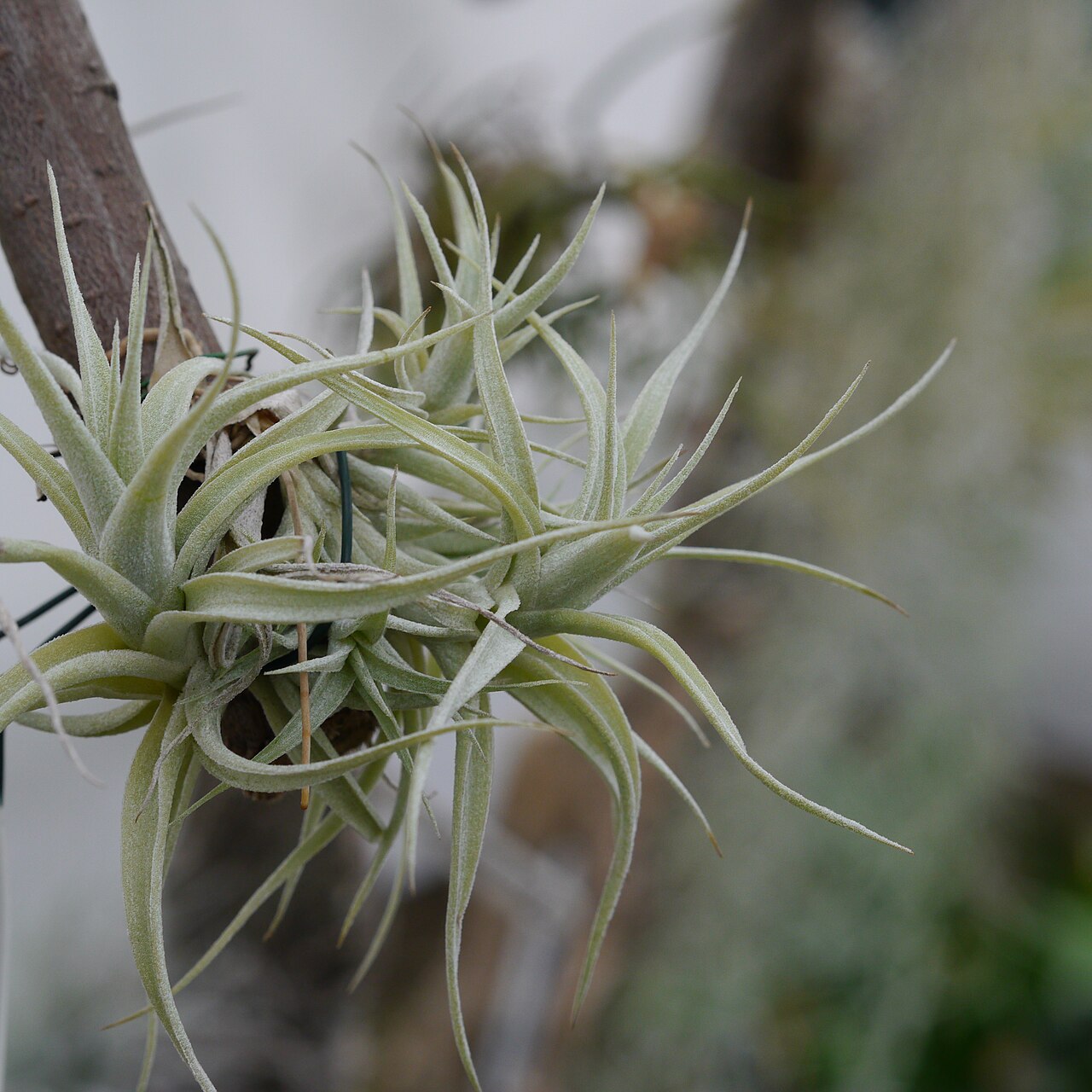
Your air plant has a baby. A small rosette is growing from the base, and now you’re wondering whether to pull it off or leave it alone.
Both choices are fine. What matters is timing. Separate a pup too early and it may struggle on its own. Leave a clump unmanaged and the old mother plant can turn into a damp, dead core in the middle.
This guide explains how air plant pups form, when it makes sense to leave them attached, and how to separate them cleanly when the time is right.
The Short Answer
- Leave pups attached if you want a fuller clump, the pup is still small, or it won’t come away with a gentle twist.
- Separate pups once they reach about a third of the mother plant’s size, if you want more single plants or the mother is clearly dying.
- Always remove a dead mother once she’s dry and pulls away easily, so she doesn’t hold water inside the clump.
- Never force it. If a pup resists, wait a few more weeks.
How Air Plants Make Pups
Most air plants (Tillandsia) flower once from each rosette. University of Florida’s Gardening Solutions explains that the mother plant slowly dies after it blooms, but new plants sprout from it. Clemson’s Home & Garden Information Center describes the same pattern, with pups developing from the base of the parent plant.
Wikipedia’s Tillandsia article adds that plants can take months or years to reach flowering, and that after flowering the plant forms offsets and dies. “Dies” here is slow. The mother can keep growing pups for a good while as she declines.
Some species clump readily. NC State’s Plant Toolbox notes that Tillandsia ionantha lives for several years and produces pups to become a clump, and that these can be removed to make new plants.
The Pup Timeline
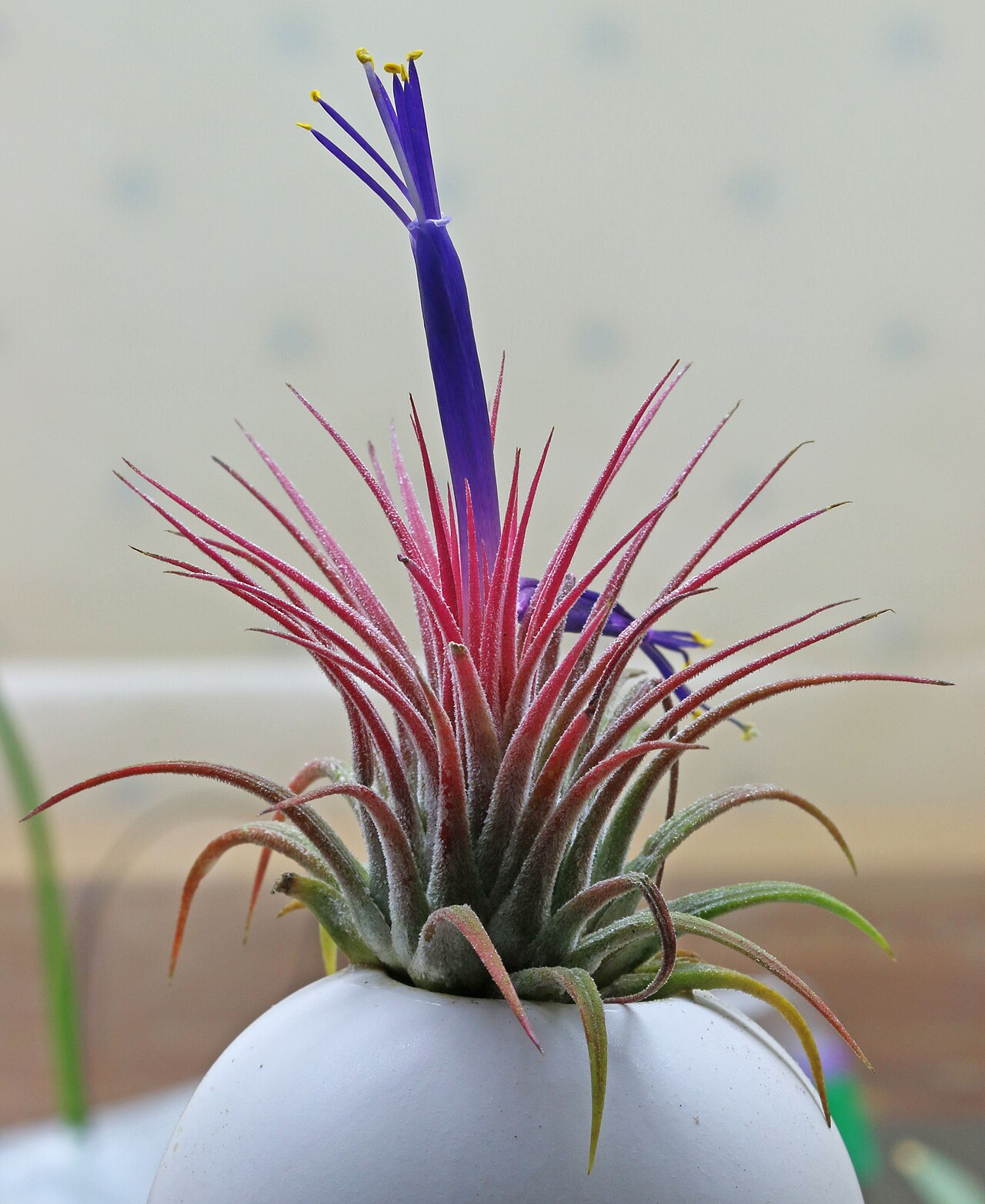
| Before bloom | Mature rosette. In some species, like T. ionantha, the inner leaves blush red. |
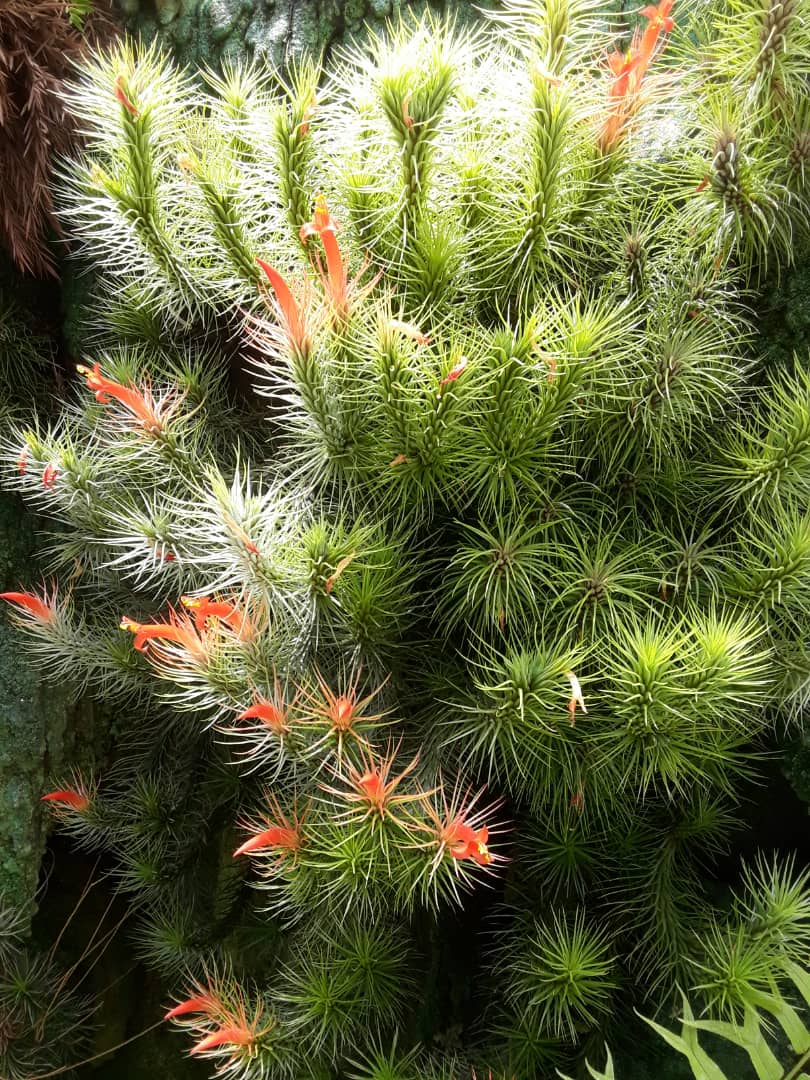
| Bloom | Flower spike or tube appears. Flowers can last days to months. |
| After bloom | One or more pups appear at the base or between lower leaves. |
| Pup about 1/3 mother’s size | Ready to separate if you want to. |
| Mother declines | Leaves dry from the outside in. Remove her once she’s dry and loose. |
This life cycle isn’t unique to air plants. Many agaves do the same thing on a much bigger scale. Our Parry’s agave profile describes a native succulent that blooms once, then leaves a ring of pups around the dying rosette.
Step 1: Confirm It’s Really a Pup
A pup is a complete miniature rosette with its own center. It grows from the base of the mother or from between her lowest leaves.
Don’t confuse it with a new leaf, a flower bud, or a seed pod in the center of a spent bloom. Look for a separate cluster of leaves pointing in its own direction.
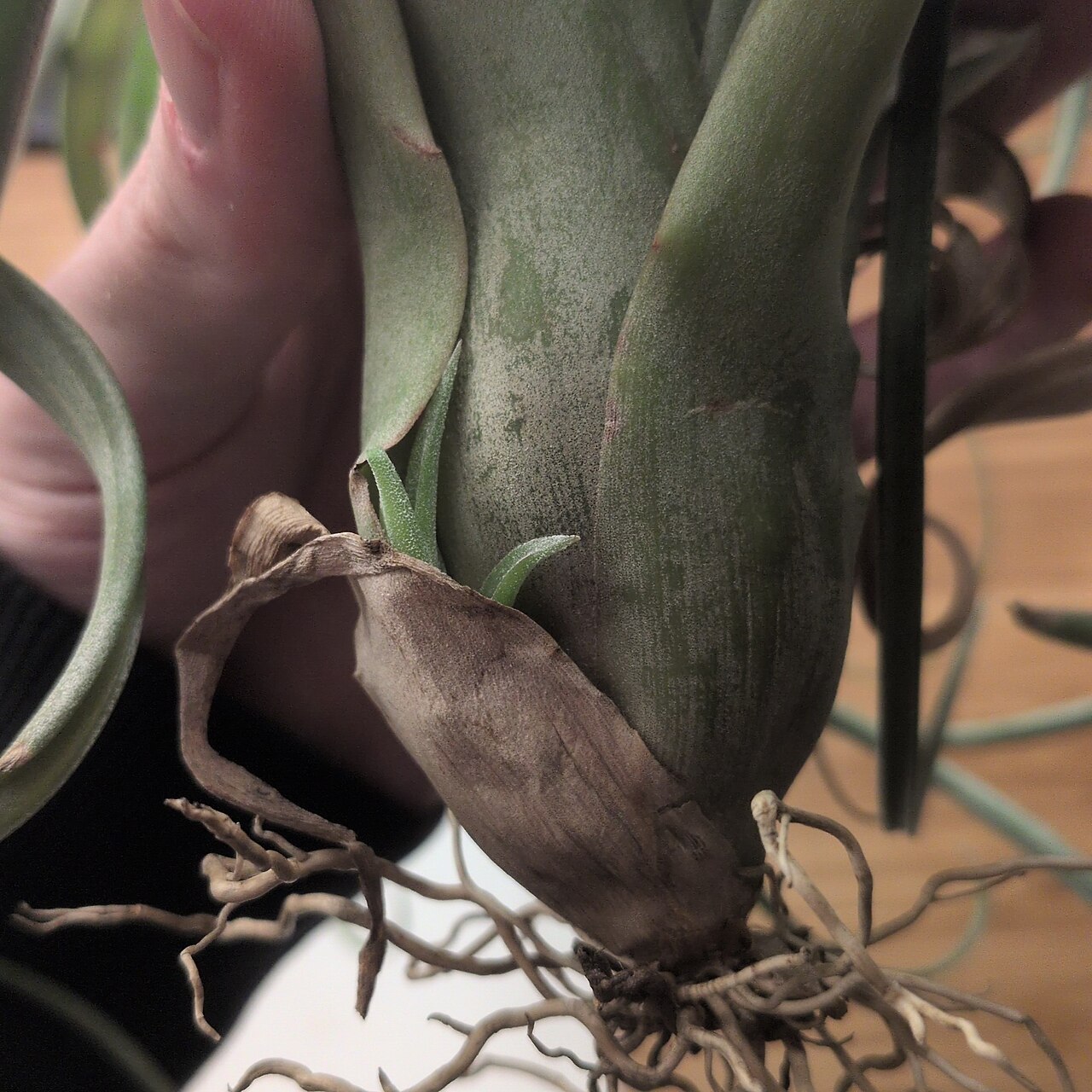
At first, a pup is just a few small leaves. Over the following months, it builds into a recognizable rosette while the mother keeps feeding it.
Step 2: Measure the Pup Against the Mother
Size is the main signal. The University of Wisconsin’s horticulture program says bromeliad offsets can be separated once they’re about one-third the size of the mother plant. Our air plant care guide gives a similar range of one-third to one-half.
Bigger is safer. A larger pup has more leaf area to take up water and is more likely to thrive on its own. If you’re unsure, wait. There’s no penalty for leaving a pup attached longer.
Step 3: Decide Whether to Leave It Attached
Leaving pups on is a real option, not a lazy one. Here’s when it’s the better choice.
- You want a clump. A cluster of rosettes makes a bold display, especially on a mount.
- The pup is still small. Under about a third of the mother’s size, it’s better off attached.
- The connection is tight. If the pup doesn’t release with a gentle twist, it isn’t ready.
- The mother is still healthy. A green, firm mother can keep supporting the pup for some time.
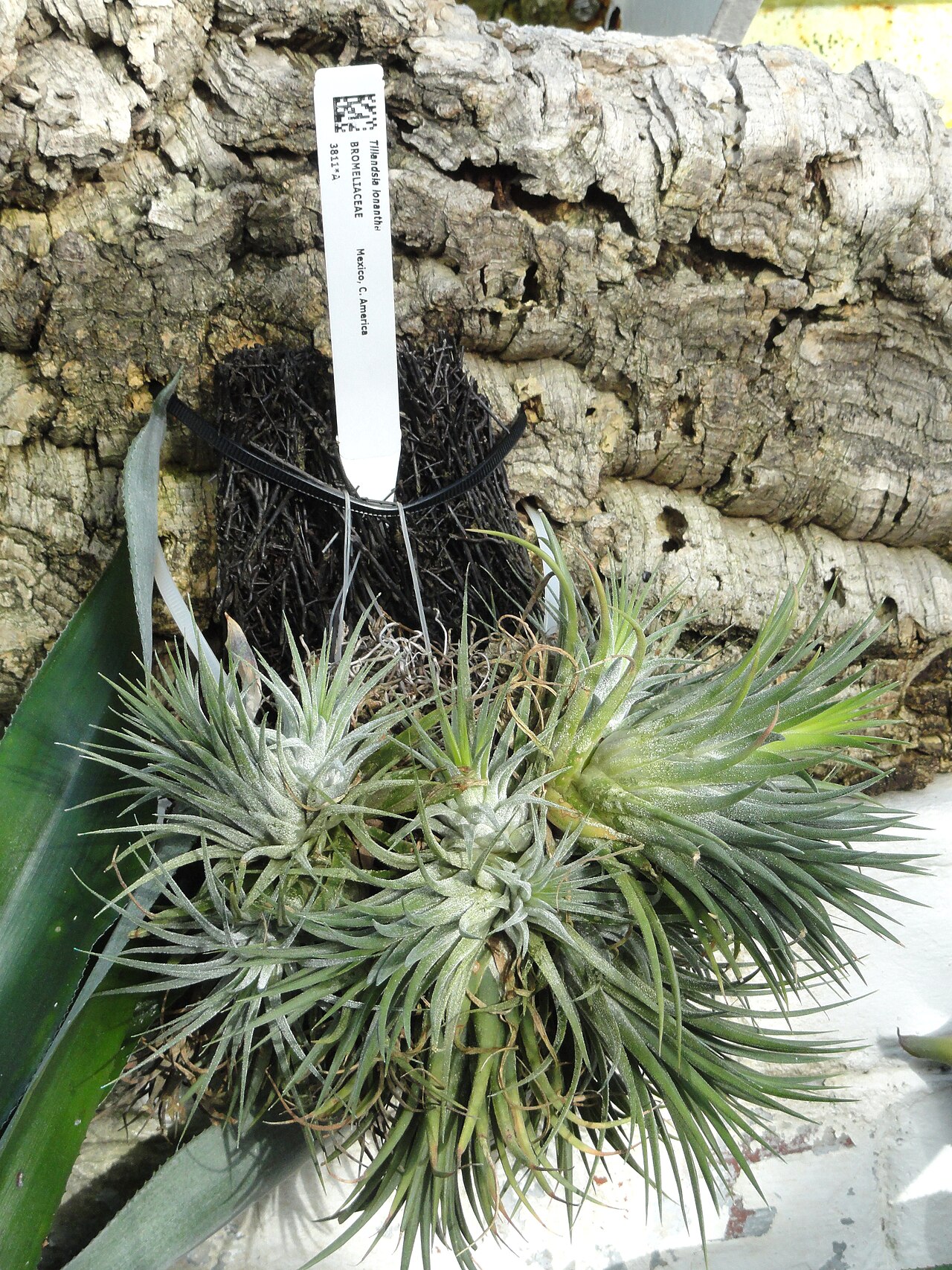
Clumps do need a little more care when you water. With more leaves packed together, water has more places to sit. Shake clumps well and dry them upside down; our guide to drying air plants after watering covers the routine.
Step 4: Decide Whether to Separate It
Separating makes sense in these situations:
- You want more plants to share, display separately, or replace an older one.
- The mother is clearly dying. Brown, dry outer leaves and a shrinking rosette mean she’s near the end.
- The clump stays wet in the middle. If the core never dries well, splitting it reduces rot risk.
- You’ve seen rot at the base. Move healthy pups away from a rotting mother right away.
If you see dark, soft tissue at the base, compare the signs in our guide to air plant brown tips vs. base rot before deciding.
Step 5: Separate the Pup Cleanly
Water the plant first, or soak it briefly. Hydrated leaves bend more and tear less. Let the surface dry before you start so you can grip it.
Hold the mother in one hand and the pup at its very base in the other. Gently twist the pup down and away from the mother. A ready pup usually comes free with little effort.
If it doesn’t, stop. You can wait a few weeks and try again. Some growers use a clean, sharp knife to cut right at the point of attachment, but take care not to slice into either plant’s base.
Peel off any dry, papery leaves at the base of both plants afterward. They can trap moisture.
Step 6: Care for the New Plant
New pups need a gentle start. Wisconsin’s guidance for bromeliad offsets is to keep them in a shadier, more humid spot until new roots begin to grow, and to keep them rather dry during that time to discourage rot.
For an air plant, that means bright but filtered light and normal watering, followed by careful drying. Skip any glue or tight wire for the first few weeks. Rest the pup on an open, dry surface instead.
Once it’s growing, mount or display it like any other air plant. Our roundup of air plant holders includes open designs that suit small plants.
Step 7: Clear Out a Spent Mother
If you keep the clump, the mother still has to go eventually. A dead rosette in the middle of living pups acts like a sponge, holding water right where you least want it.
Wait until her leaves are mostly brown and dry. Then hold the pups steady and gently twist or tease the old rosette out. Remove what comes away easily and leave any parts still firmly attached for another week or two.
Once she’s out, the pups have more light and air, and the clump dries much faster after watering.
Leave or Separate? Quick Reference
| Pup under 1/3 of mother’s size | Leave it attached. |
| Pup 1/3 to 1/2 size, twists off easily | Separate if you want more plants. |
| You want a full clump | Leave pups on and shake well after watering. |
| Mother dry, brown and loose | Remove the mother; keep the pups as a clump or split them. |
| Rot at the mother’s base | Separate firm, healthy pups now and discard the rest. |
| Pup won’t release | Wait several weeks. Don’t force it. |
Can You Encourage More Pups?
Healthy, well-grown plants flower and pup more reliably. NC State’s Plant Toolbox notes that air plants need high light to flower. If your windows are dim, our guide to air plants under grow lights shows how to supplement. For T. xerographica, it says a liquid fertilizer diluted to half strength or less, once or twice a month, can encourage growth, pup formation and flowering.
Clemson suggests a lighter rate: a bromeliad fertilizer at one-quarter strength once a month, added to normal watering. Either way, go easy. More fertilizer isn’t better for plants this small.
A Season-by-Season Pup Plan
- Spring: a good time to separate pups that reached a third of the mother’s size over winter. Growth picks up and new plants settle in faster.
- Summer: keep feeding lightly and give strong, filtered light. Watch blooming plants for new pups at the base.
- Fall: clean out dead mothers from clumps so they don’t hold water as indoor conditions change.
- Winter: leave small pups attached. Indoor air is dry, and attached pups are more forgiving than newly separated ones.
- Before travel: avoid separating pups right before a trip. New plants need checking; our air plant travel checklist covers prepping the rest of your collection.
Growing a native air plant? Spanish moss (Tillandsia usneoides) spreads in a very different way, as long strands rather than rosettes. Our Spanish moss care guide explains how to grow it, and our bromeliad guide covers pups in the wider family.
Frequently Asked Questions
How big should an air plant pup be before separating?
About one-third the size of the mother plant is the usual minimum. Bigger pups, up to about half the mother’s size, establish more easily.
Will the mother air plant die after making pups?
Yes, eventually. The mother declines slowly after flowering, often over months, while the pups grow. Remove her once she’s dry and comes away easily.
Can I leave pups attached forever?
You can. Many growers keep clumps for years. Just remove dead mothers and dry the clump carefully after watering so water doesn’t sit in the middle.
What if a pup breaks off too small?
Give it bright, filtered light, water it normally and dry it carefully. A very small pup may grow slowly or fail, so it’s worth trying but don’t expect too much.
Why hasn’t my air plant made pups?
Most rosettes pup after they flower, and flowering can take months or years. Low light is a common reason plants don’t bloom indoors, so improve light first.
Sources
- University of Wisconsin–Madison Extension, Wisconsin Horticulture, Bromeliads: offsets after flowering, separating at about one-third of the mother’s size, aftercare for new offsets.
- University of Florida IFAS Gardening Solutions, Air Plant – Tillandsia: mother plant slowly dies after blooming as new plants sprout.
- Clemson Cooperative Extension Home & Garden Information Center, Air Plants (HGIC 1515): pups from the base of the parent after flowering, fertilizer rate.
- North Carolina Extension Gardener Plant Toolbox, Tillandsia ionantha, T. xerographica and Tillandsia: clumping, red leaves before bloom, fertilizer and pup formation, light for flowering.
- Wikipedia, Tillandsia: time to flowering, offsets forming after bloom.