How to Dry Air Plants After Watering in a Humid Home
Last updated: November 6, 2026
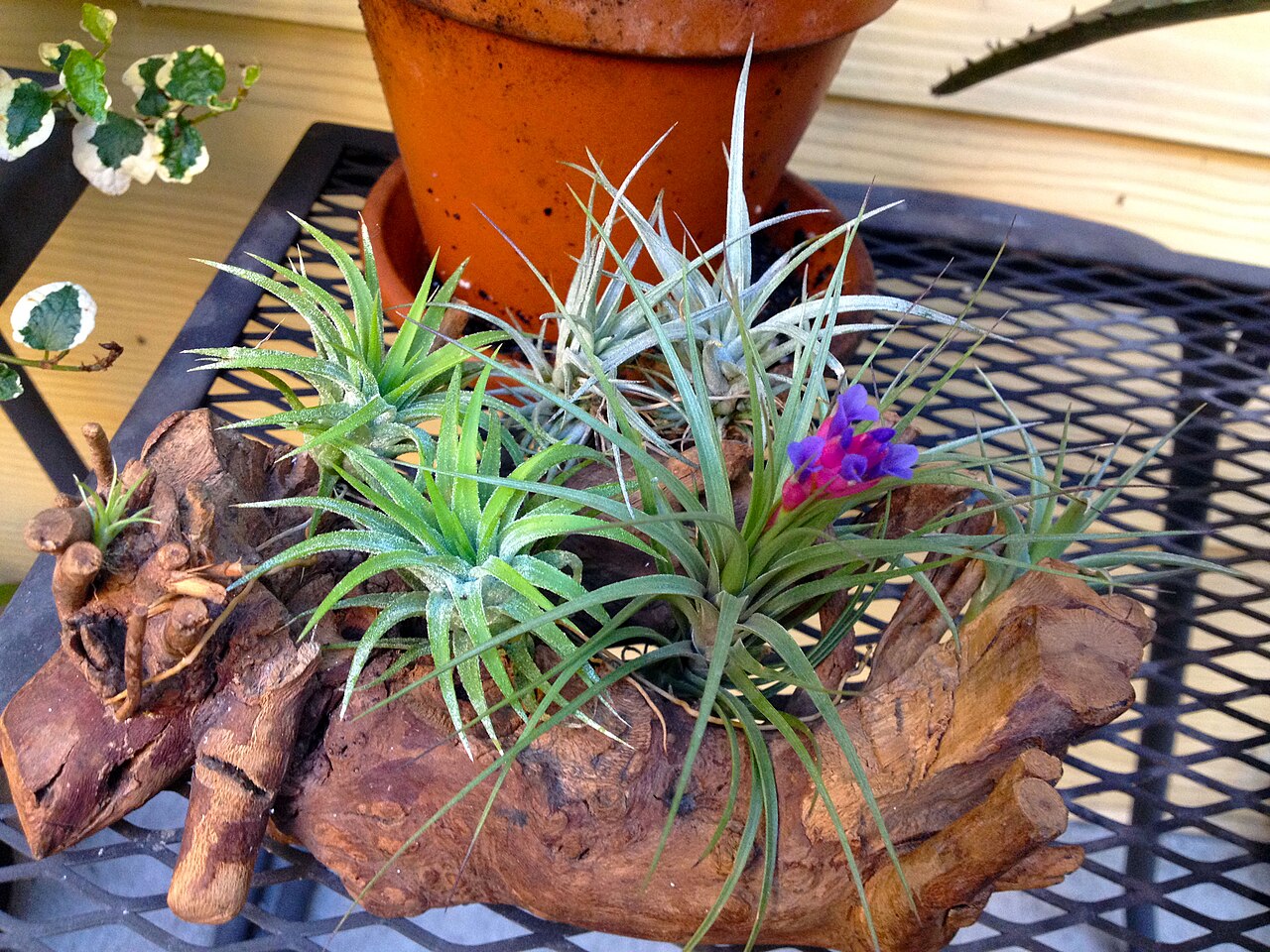
Watering an air plant is the easy part. Getting it dry again is where things go wrong, especially if your home is humid.
In a muggy bathroom, a coastal apartment or a house in a Gulf Coast summer, a soaked air plant can stay wet for a long time. Water that lingers between the leaves is how rot gets started.
This step-by-step guide shows you how to dry air plants properly after watering. It also covers how to adjust your routine when the air around them never really dries out.
The Short Answer
After every soak or drenching:
- Shake it gently to throw water out from between the leaves.
- Dry it upside down on a towel or rack so the base drains.
- Give it moving air, such as an open shelf, a cracked window or a fan on low.
- Wait until the leaves turn back to silvery gray and the base feels dry before you return it to its display.
- Water in the morning so the plant has all day to dry.
Why Drying Matters More in a Humid Home
Air plants (Tillandsia) absorb water through scales on their leaves, not through roots. Their leaves overlap tightly at the base, and that’s where leftover water collects.
Clemson’s Home & Garden Information Center explains that excess water can gather between the leaves around the center of the plant. It recommends shaking the plant and turning it upside down to drain and dry, to prevent rot.
Humidity slows evaporation. In dry winter air, a damp plant can dry fairly quickly on its own. When the air is already moist, the same plant stays wet longer, so your drying routine has to do more of the work.
What Speeds Up or Slows Down Drying
| Dries faster | Moving air, bright light, warm room, open mount, thin or fine leaves, plant upside down. |
| Dries slower | Still air, closed bathroom, cool evening, cup or globe, large tight rosette, plant upright. |
| Highest-risk shapes | Big rosettes like T. xerographica and bulb-based species that hold water in their swollen bases. |
| Lower-risk shapes | Open, airy plants with thin leaves, and stringy types like Spanish moss. |
Step 1: Water Early in the Day
Timing is the simplest change you can make. If you water in the morning, the plant has daylight, warmth and household air movement working for it.
There’s a plant-biology reason too. Tillandsia species use CAM photosynthesis, closing their pores during the day and opening them at night to take in carbon dioxide. Many growers aim to have plants dry before evening so they aren’t sitting wet through the cooler night hours.
If you can only water at night, choose a quick rinse instead of a long soak, and dry the plant extra carefully.
Step 2: Shake Out the Center
Lift the plant out of the water and hold it by the base. Turn it upside down and give it a few gentle shakes, like shaking water off a paintbrush.
NC State’s Plant Toolbox recommends gently shaking excess water from the leaves of Tillandsia ionantha. For T. xerographica, it specifically advises shaking the plant out and letting it dry upside down after soaking to prevent crown rot.
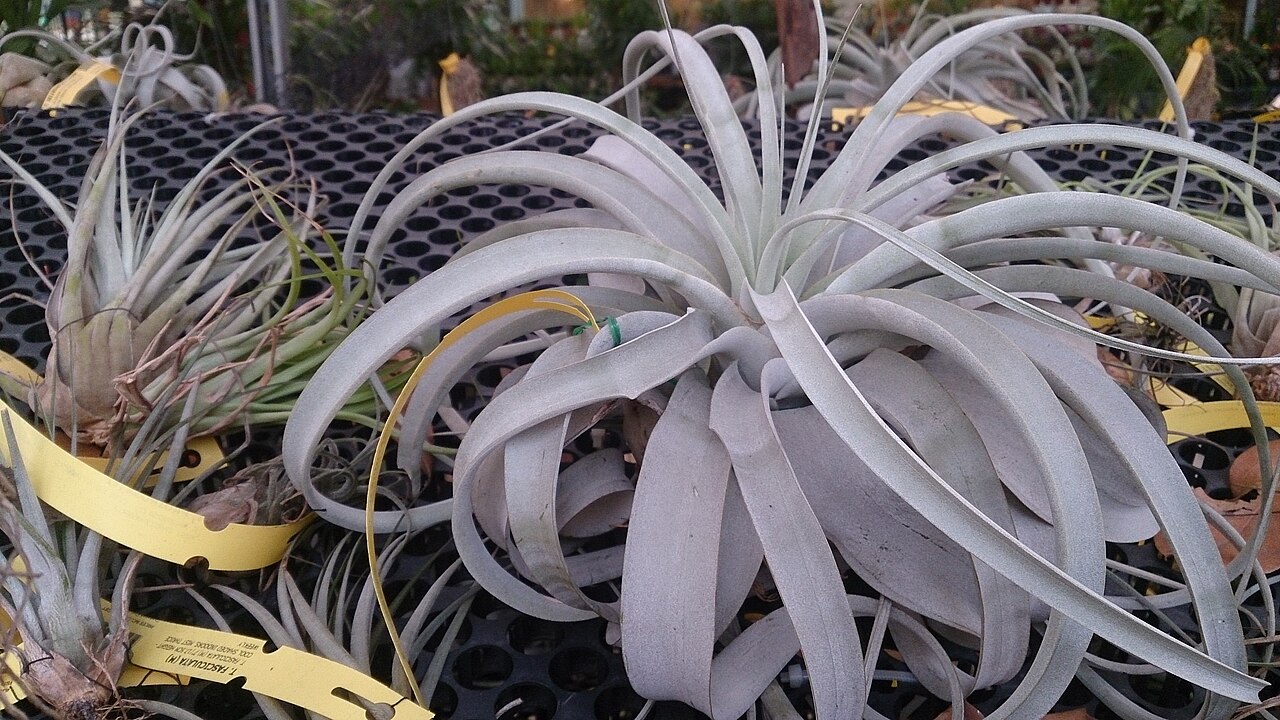
Be firm but gentle. You’re trying to move water, not snap leaves. Large rosettes may need a few rounds of shaking with a short pause in between. Clumps of mother plants and attached pups need the same extra attention.
Step 3: Set It Upside Down to Drain
Lay a folded towel on a counter or use a dish rack. Set the plant upside down or on its side so the base points down and away from the leaves.
Clemson calls turning the plant upside down “important” for letting excess water drain and dry. Gravity does what a branch does in the wild. Water runs out of the center instead of pooling in it.
Swap the towel if it gets soaked. A plant resting on a wet towel in a humid room will dry much more slowly.
Step 4: Add Moving Air
Air movement is your best tool in a humid home. Clemson notes that good air circulation helps air plants dry between waterings and helps prevent disease.
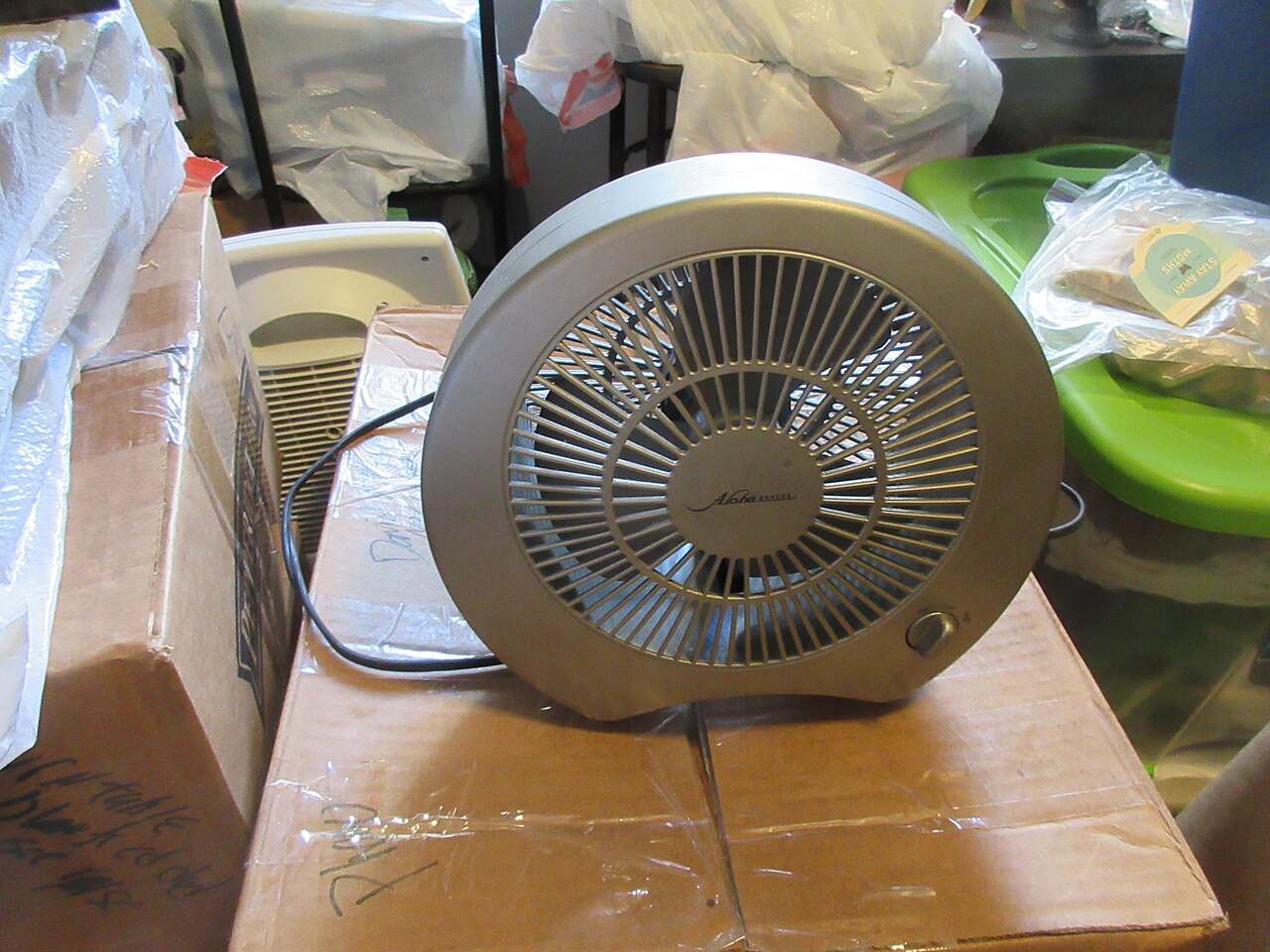
Good options include an open shelf in your main living area, a room with a ceiling fan on low, or a small desk fan set a few feet away. Avoid closed bathrooms and cabinets for drying, even if the plants live there.
A gentle breeze is enough. In very dry air, the University of Wisconsin’s horticulture program warns that strong air movement can dry leaf tips out. Humid homes rarely have that problem, but there’s no need to blast the plant.
Step 5: Check That It’s Actually Dry
Your plant will tell you. When gray-leaved tillandsias are wet, the green tissue under their scales shows through and they look greener. As they dry, they turn silvery again. Wikipedia’s Tillandsia article describes this “greening” when wet and whitening as plants dry.
Look for three signs before you put the plant back:
- Leaves have returned to their normal gray or silvery color.
- No water shakes out when you tip the plant upside down.
- The base feels dry, not cool and damp, when you touch it.
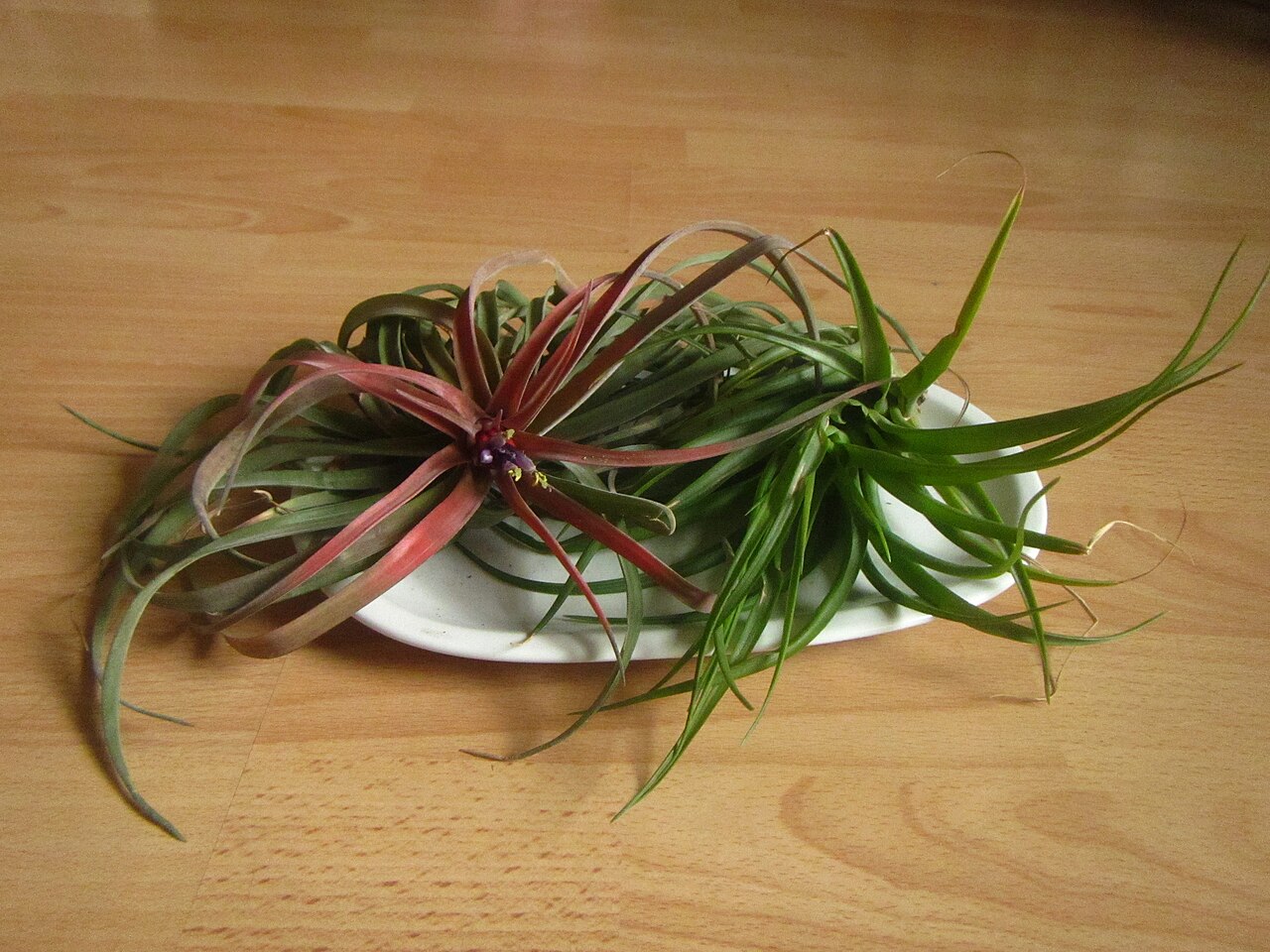
Green-leaved, soft species won’t change color as much. For those, rely on the shake test and the feel of the base.
Step 6: Return It to an Open Display
Only put the plant back once it passes the dry check. University of Florida’s Gardening Solutions and Clemson both advise using display materials that don’t hold water.
Closed glass globes, deep cups and moss beds trap humidity around the base. In a humid home, they can keep a plant damp for a long time. If you love glass, choose open-sided designs and treat them as display only, never as a drying spot. Our roundup of air plant holders covers ventilated styles.
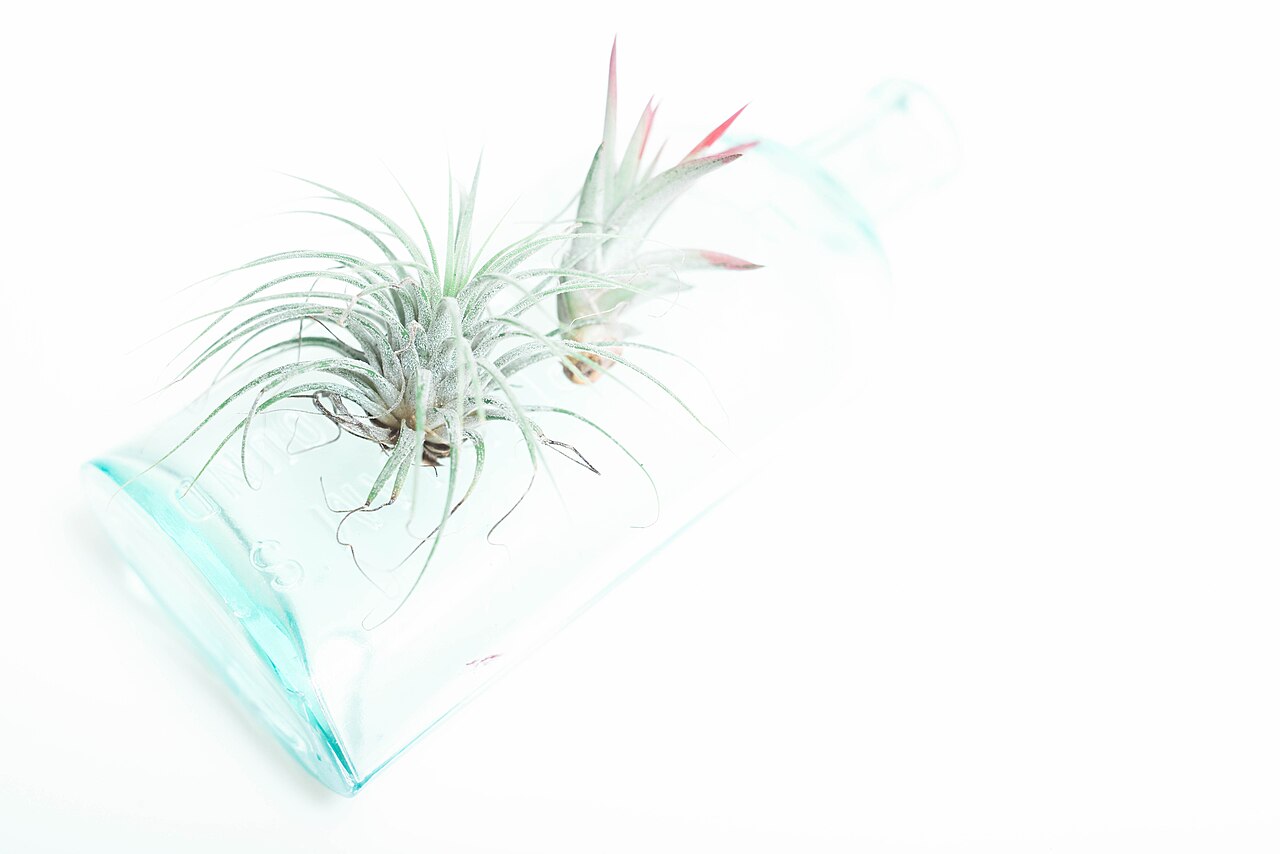
Closed terrariums are better suited to moisture-loving plants like mosses and ferns. If that’s the look you want, our guide to terrarium kits for beginners is a better place to start.
Step 7: Adjust How Much You Water
Humid air changes the whole routine, not just the drying. Clemson’s bromeliad factsheet notes that tillandsias can be grown in a kitchen or bathroom window, where humidity from dishes or showers helps supply them with water.
That means a plant in a steamy room may need less water from you. Try a shorter soak or a quick drenching rinse instead of a long bath. Then watch the leaves over the next week. Curling and dullness mean you’ve cut back too far.
Leaf type matters too. Clemson advises keeping soft green tillandsias moister, while silvery or banded plants need less water and more light. Fuzzy silver plants in a humid room are the most likely to be overwatered.
Light changes things too. Plants under a lamp dry faster than those on a dim shelf; our guide to air plants under grow lights explains how to adjust watering there.
Quick Reference
| Best time to water | Morning, so the plant dries in daylight. |
| Right after watering | Shake gently, then set upside down on a dry towel or rack. |
| Where to dry | Open room with moving air, not a closed bathroom. |
| Dry enough when | Leaves are silvery again and the base feels dry. |
| Humid season change | Shorter soaks or quick rinses, watched closely. |
| Avoid | Returning wet plants to globes, cups or moss. |
Is Your Home Too Humid for Air Plants?
Usually not. The University of Wisconsin notes that bromeliads generally prefer 50 to 75% relative humidity, and that Tillandsia tends to dehydrate in the dry air of most homes. Humidity itself is rarely the enemy.
The real risk is water that can’t leave. A humid room with still air and a plant sitting in a cup is a recipe for rot. The same room with an open mount and a little airflow can grow excellent air plants.
If you run a humidifier for other houseplants, keep air plants out of the direct mist so their bases don’t stay damp between waterings.
If you see soft, dark tissue at the base, use our guide to air plant brown tips vs. base rot to confirm what’s happening. For general watering, light and feeding routines, see our complete air plant care guide.
A Season-by-Season Drying Plan
- Spring: water in the morning and dry upside down in an airy room. Notice how long drying takes as the weather warms.
- Summer: in humid heat, switch to shorter soaks or rinses. Use a fan on low if rooms are still. Plants kept outdoors in light shade dry fastest when hung, not set in dishes.
- Fall: as windows close, check the dry signs more carefully. Cooler rooms slow drying.
- Winter: indoor heat usually dries air plants quickly, so you may need fuller soaks again. Keep the upside-down drying habit anyway.
- Before any trip: soak a day or two ahead so plants are fully dry when you leave. Our air plant travel checklist covers the rest.
Curious how a Tillandsia handles humidity in the wild? Spanish moss (Tillandsia usneoides) is a native air plant of the humid Southeast that hangs in open, moving air. Read our Spanish moss care guide or meet the wider family in our bromeliad guide.
Frequently Asked Questions
How long should an air plant dry after soaking?
There’s no fixed time. It depends on humidity, air movement and the plant’s shape. Use the signs instead: leaves back to silvery gray, no water when you tip it, and a dry base.
Can I use a hair dryer to dry my air plant?
It isn’t a good idea. Hot, fast air can damage leaves and dry the tips. A gentle fan on low and an upside-down position are safer.
Is it OK to keep air plants in the bathroom?
Yes, if there’s bright light. Clemson notes that shower humidity can help supply water. Dry the plant in a more open room after watering, and make sure the bathroom gets some air movement.
Should I mist less in humid weather?
Often, yes. Humid air means the plant loses water more slowly. Watch the leaves. Curling and dullness mean it needs more water; a soft, dark base means it’s staying wet too long.
Do air plants need to be upside down to dry?
For most rosette-shaped plants, yes. Clemson calls it important to let water drain from the center, and NC State recommends it for T. xerographica. Very open, stringy types are less fussy.
Sources
- Clemson Cooperative Extension Home & Garden Information Center, Air Plants (HGIC 1515): water collecting in the center, shaking and upside-down drying to prevent rot, air circulation, display materials.
- Clemson Cooperative Extension Home & Garden Information Center, Bromeliads: tillandsias in kitchen and bathroom windows, soft green vs. silvery leaf types.
- North Carolina Extension Gardener Plant Toolbox, Tillandsia xerographica and Tillandsia ionantha: shaking out water and drying upside down to prevent crown rot.
- University of Florida IFAS Gardening Solutions, Air Plant – Tillandsia: drying between waterings, mounts that don’t hold water.
- University of Wisconsin–Madison Extension, Wisconsin Horticulture, Bromeliads: preferred humidity range, Tillandsia dehydration in home air, air movement in dry conditions.
- Wikipedia, Tillandsia: trichomes, CAM photosynthesis, color change as plants dry.