Dahlias Growing Tall but Not Flowering: What to Review
Last updated: November 6, 2026
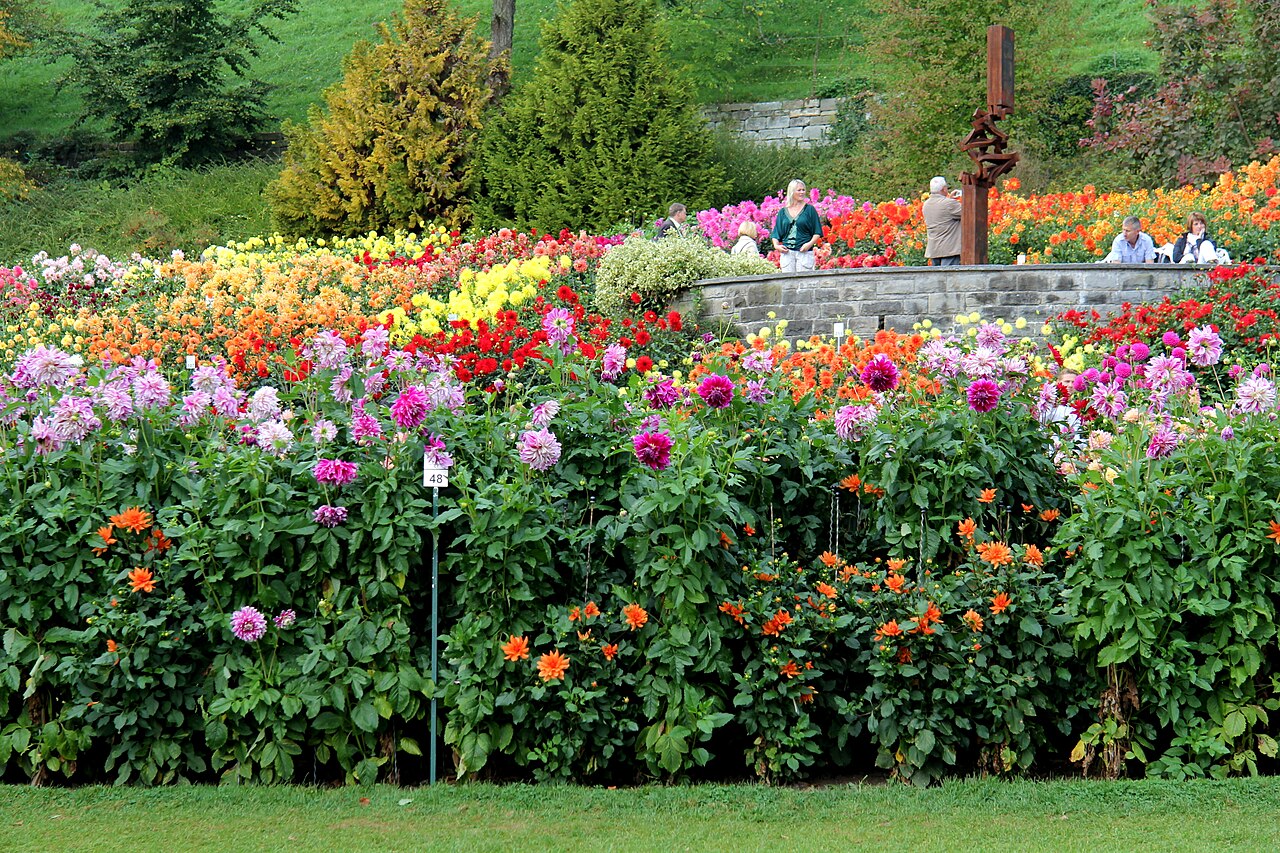
Your dahlias are taller than you are. The stems are thick, the leaves are dark and glossy, and it’s already midsummer. But there isn’t a single flower.
Tall, leafy growth with no blooms is one of the most common dahlia complaints. It’s frustrating because the plant looks healthy, so nothing seems obviously wrong.
Usually the answer is in the plant’s conditions or calendar rather than a disease. Work through the checks below before you reach for more fertilizer, which can make the problem worse.
The Short Answer
Tall dahlias without flowers usually trace back to one of these:
- It’s simply too early for that variety, especially large-flowered types planted late.
- Not enough direct sun, which produces tall, stretched, leafy plants.
- Too much nitrogen from fertilizer or a nearby lawn.
- Dry spells while buds were forming.
- Midsummer heat causing a temporary bloom pause.
- Buds that are there but hidden, or a plant that was never pinched and put everything into one tall stem.
How Dahlias Build Up to Flowering
Dahlias grow from tuberous roots and spend their first weeks building stems, leaves and roots. Flower buds form at the tips of stems and side branches once the plant has enough structure and energy.
NC State Extension describes the bloom season as late summer to first frost in North Carolina, and notes that dahlias may languish during the heat of summer. In cooler regions, the main show often comes in late summer and early fall.
So a dahlia with no flowers in early July isn’t necessarily a problem. A dahlia that is six feet tall in August with no buds at all is worth investigating.
A Typical Dahlia Season
| Spring planting | Tubers go in after frost once soil warms. Shoots emerge over the following weeks. |
| Early growth | Stems and leaves develop. Pinching at 3–4 leaf pairs encourages branching. |
| Midsummer | Early and compact varieties start flowering. Large types are still building. |
| Late summer – fall | Peak bloom for many varieties, especially as nights cool. |
| First frost | Foliage blackens and flowering ends. |
Check 1: Compare the Calendar with the Variety
Start with dates. When did you plant, and what kind of dahlia is it?
UC Master Gardeners in Placer County note that a dahlia planted in early April there can flower in June, but late-blooming varieties may not flower until September. Longfield Gardens, a commercial bulb grower, puts most varieties at roughly 80 to 100 days from planting to full flowering.
Large-flowered “dinnerplate” types and tall cultivars generally take longer than small border dahlias, because they build more stem and leaf first. If your tuber went in late or sprouted slowly, count from when the shoots appeared rather than from planting day.
If you’re still within that window, the plant may just need time. Look closely for buds before changing anything.
Check 2: Measure the Sun
Light is the first thing to check on a tall, leafy dahlia. Plants reaching for light stretch upward and produce soft growth at the expense of flowers.
Illinois Extension recommends planting dahlias in full sun for optimal flowering, and the University of Minnesota Landscape Arboretum lists full sun among the keys to good dahlias. NC State notes dahlias can grow in partial shade, but that usually means fewer blooms than in a sunny spot.
Longfield Gardens recommends at least six to eight hours of direct sun. Check the bed at mid-morning, early afternoon and late afternoon. A spot that was sunny in spring may now be shaded by a tree in full leaf or by taller neighbors.
If the plant leans hard in one direction, it’s probably reaching for light.
Check 3: Look for Extra Nitrogen
Nitrogen drives leaf and stem growth. A dahlia with plenty of it will happily grow huge and dark green while putting off flowering.
Common sources are all-purpose or lawn fertilizers, fresh manure, and lawn feed drifting into a bed next to the grass. Longfield Gardens notes that dahlias planted near a regularly fertilized lawn often run into this problem.
If you’ve been feeding often with a high-nitrogen product, stop. A soil test will tell you whether phosphorus or potassium are actually low before you add anything else.
Compost is a gentler way to support growth than repeated feeding. Our explainer on the difference between compost and fertilizer covers when each makes sense.
Check 4: Review Summer Watering
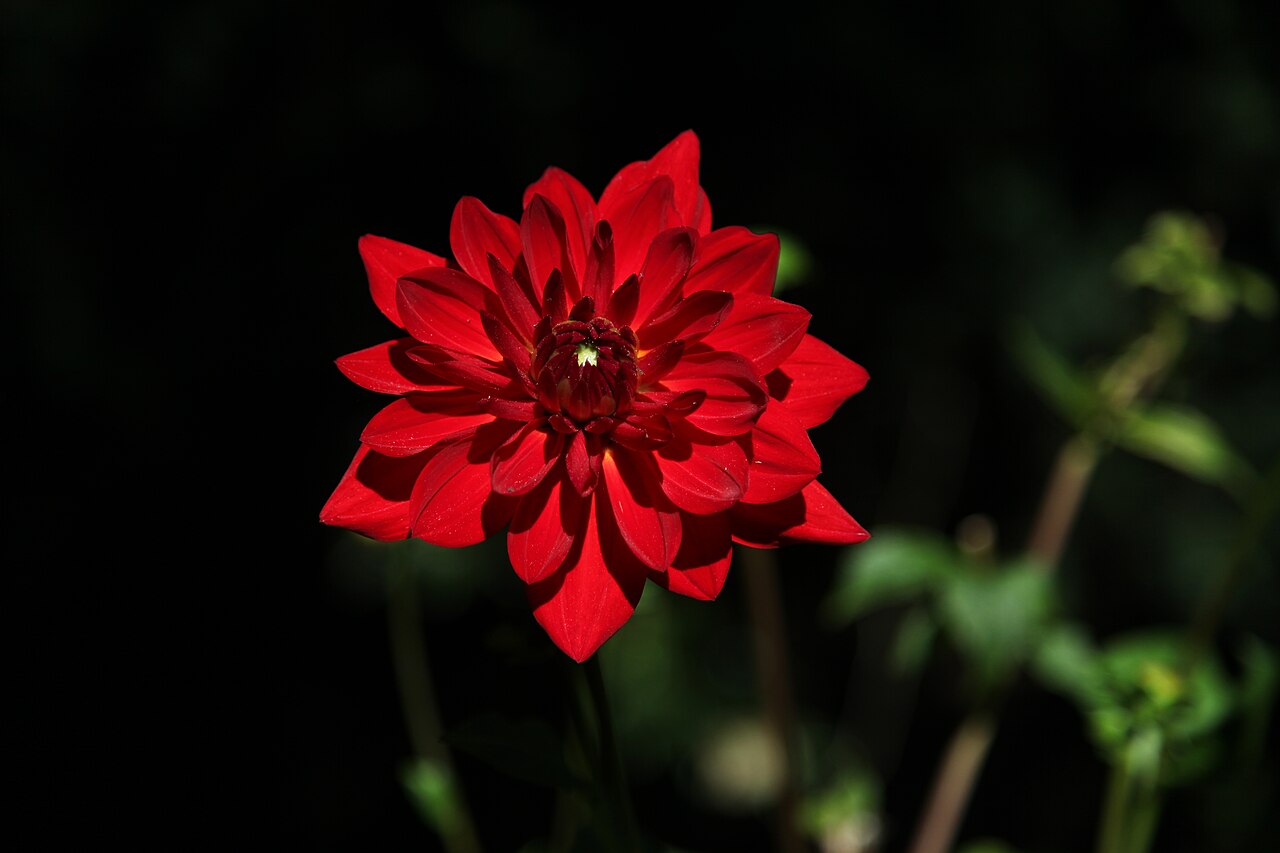
Dahlias need steady moisture while buds form. Illinois Extension’s state Master Gardener specialist notes that consistent watering is key for blooming, and that she has lost blooms during dry periods.
Drought stress doesn’t always show as wilting. A plant may hold its leaves but abort small buds or delay forming them.
Water deeply rather than often, so moisture reaches the whole root zone. UC master gardeners in Placer County water established dahlias deeply several times a week in their hot foothill summers; your schedule will depend on soil and weather.
A layer of mulch helps keep moisture even. Don’t swing the other way into soggy soil, though; waterlogged roots can rot.
Check 5: Consider the Heat
NC State notes that dahlias may languish in summer heat despite their tropical origins. Longfield Gardens describes a midsummer “bloom break” when temperatures run above about 90°F, with flowering picking up again as nights cool in late summer.
If your plants are otherwise healthy and the weather has been very hot, keep them watered and mulched and wait. Buds that form after the heat breaks often open normally.
In hot-summer regions, a spot with morning sun and some afternoon shade can help. UC master gardeners in the California foothills plant dahlias where they get morning sun and protection from hot afternoon sun.
Check 6: Think About Pinching
An unpinched dahlia tends to grow one dominant central stem. That stem can shoot up tall before it produces a terminal bud, with side shoots lagging behind.
The University of Minnesota Landscape Arboretum recommends pinching when plants have three to four pairs of leaves, removing the center stem above the top set. This diverts growth into side branches, which each carry flowers.
If you didn’t pinch this year, it’s too late to do it on a plant that’s already tall. Note it for next spring. Pinching shortens plants and spreads flowering across more stems, a technique that also helps with other tall bloomers like New England asters that flop.
Check 7: Look Closer for Buds
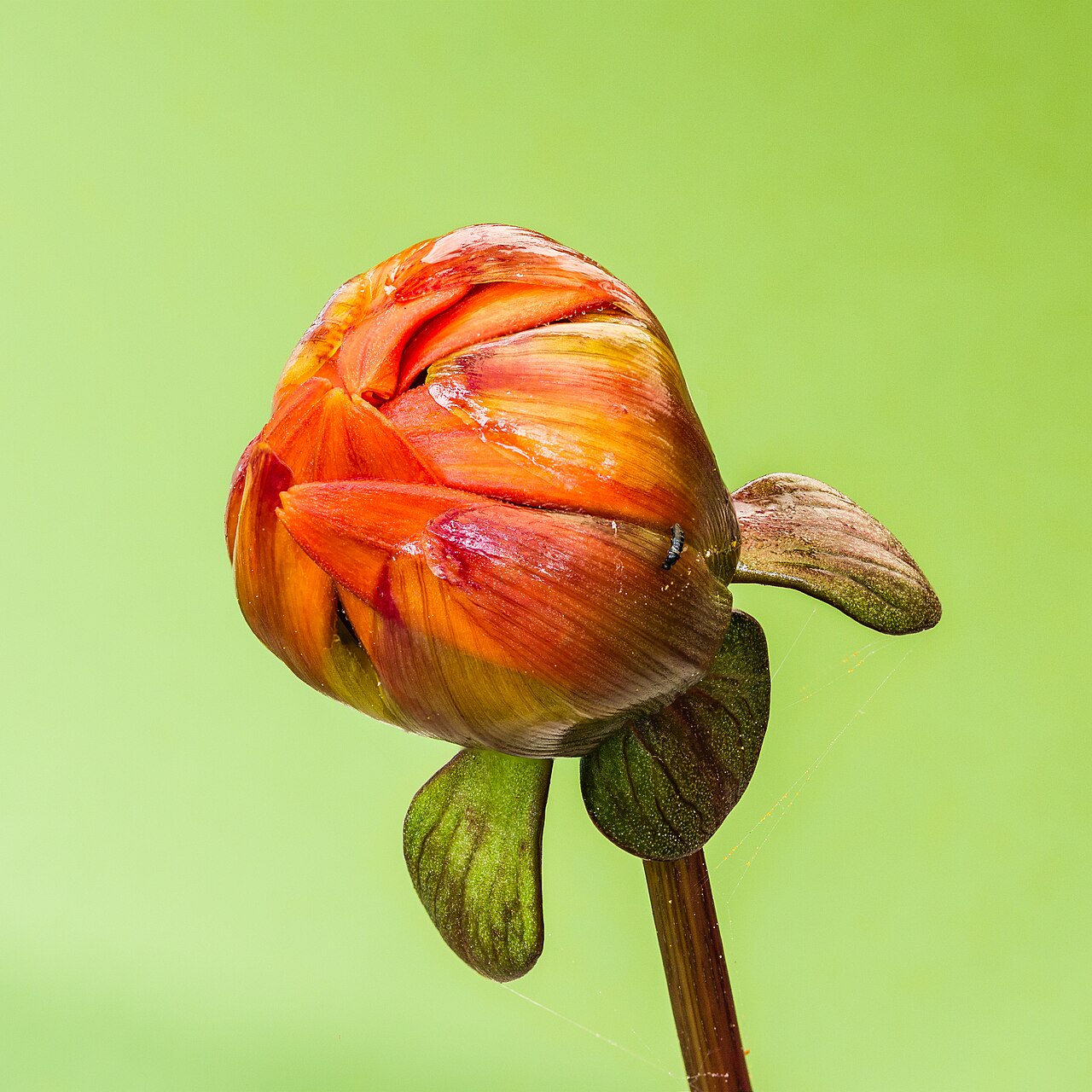
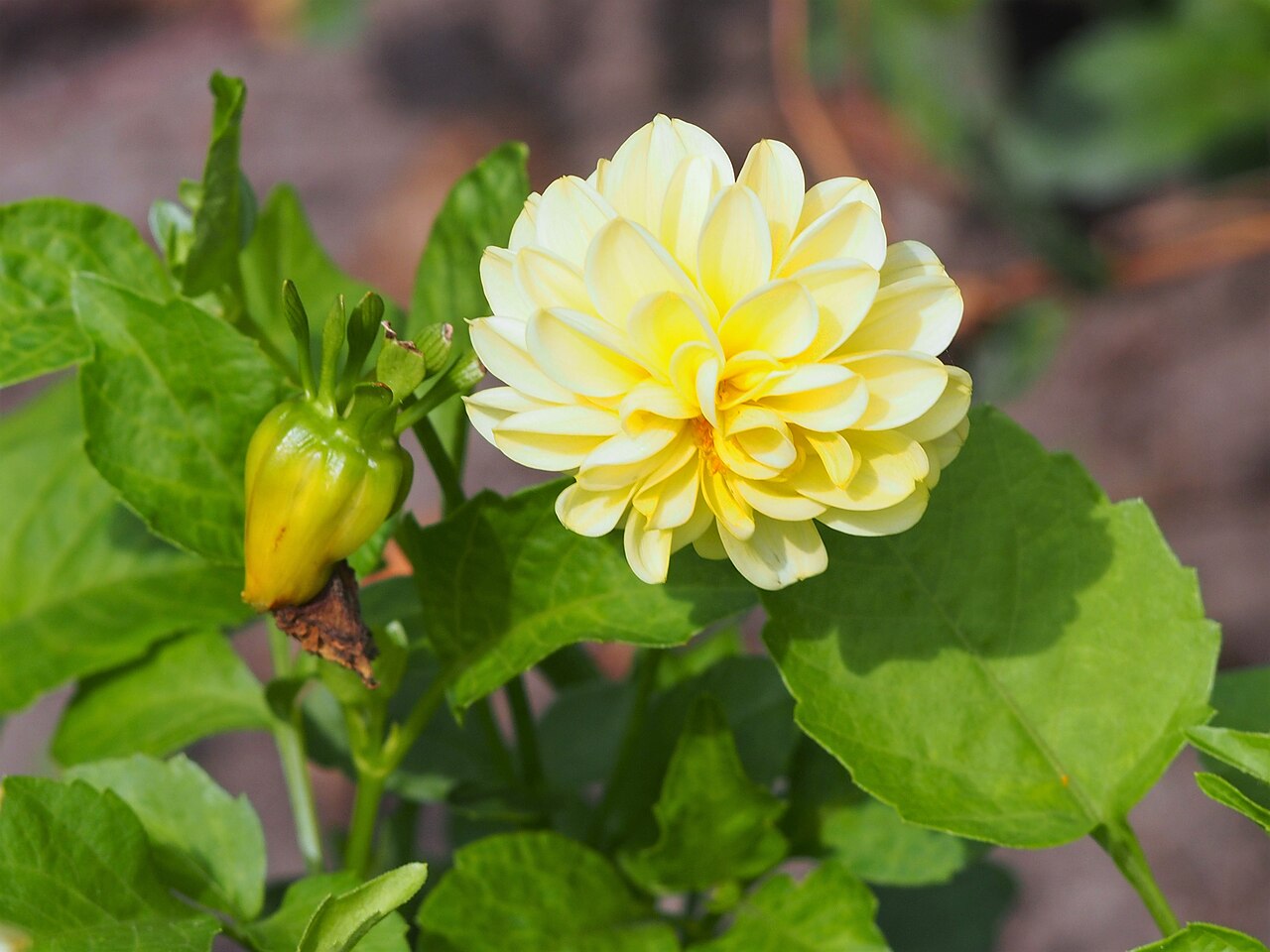
On a very tall, dense plant, early buds can sit hidden among the upper leaves. Part the foliage at the stem tips and look for small, round, firm green buds.
If you find them, the plant is on its way. Keep watering and be patient.
If you see buds that turn brown and drop before opening, look back at heat and water first. Also check the buds for insect damage; NC State lists aphids, leafhoppers and caterpillars among dahlia pests.
Once flowers start, NC State recommends deadheading to extend blooming. Our guide to deadheading dahlias shows how to tell spent blooms from new buds.
Troubleshooting at a Glance
| Planted late, large-flowered variety | Probably just early. Look for buds and wait. |
| Stretched, leaning, fewer than 6 hours sun | Too shady. Plan to move it next spring. |
| Huge, dark green, fed often or near lawn | Excess nitrogen. Stop feeding; soil test. |
| Buds stalled during a dry spell | Water stress. Water deeply and mulch. |
| Healthy plant, very hot weather | Heat pause. Keep watered; expect blooms as nights cool. |
| One tall central stem, never pinched | Pinch next year at 3–4 leaf pairs. |
What to Do This Season
Support it first. A tall, top-heavy dahlia that finally sets buds can snap in the first storm. Our guide to staking dahlias after they’ve grown shows how to add support without stabbing the tubers.
Stop high-nitrogen feeding and let the plant settle. Don’t try to force flowers with extra fertilizer.
Keep moisture steady through the rest of summer, especially in hot spells.
Don’t cut it back hard. Removing the top of a tall plant this late usually delays flowers further. Remove only damaged or broken stems.
Plan the move. If shade is the issue, mark the plant and lift it at the end of the season. Our tuber planting guide covers choosing a sunnier spot next spring.
A Season-by-Season Plan for Next Year
- Fall: dig and store tubers after frost, labeling which ones grew tall without flowering.
- Winter: choose the sunniest bed you have, away from lawn fertilizer. Get a soil test if you haven’t.
- Spring: plant after frost in warm soil, adding compost rather than high-nitrogen fertilizer. Set stakes for tall varieties at planting.
- Early summer: pinch at three to four leaf pairs. Water deeply once shoots are growing and mulch the bed.
- Mid to late summer: keep watering steady, watch for buds, and deadhead as soon as flowering starts.
For the full growing picture, see our dahlia growing guide and our dahlia planting basics. If dahlias just won’t flower in a shadier spot, a sun-loving native perennial such as purple coneflower may be a better fit there; it handles summer heat well and doesn’t need lifting each fall.
Frequently Asked Questions
Why is my dahlia tall with lots of leaves but no flowers?
The most common causes are too little direct sun, too much nitrogen, or simply a variety that blooms late. Check sun hours and recent feeding first, then look closely for hidden buds.
How long after planting do dahlias bloom?
It depends on variety and climate. Many take a couple of months or more from planting, and some late varieties don’t bloom until September. Large-flowered types are usually slower than small border dahlias.
Will fertilizer make my dahlias bloom?
Not if the problem is too much nitrogen already. High-nitrogen products push leaves and stems. Base any feeding on a soil test rather than adding more by default.
Do dahlias stop blooming in hot weather?
They can slow down. NC State notes dahlias may languish in summer heat, and many gardeners see flowering pick up again as nights cool in late summer.
Should I cut back a tall dahlia that isn’t flowering?
Usually not this late in the season. Cutting the top off forces new side growth, which delays flowers further. Support the plant instead and plan to pinch earlier next year.
Sources
- NC State Extension Gardener Plant Toolbox, Dahlia: light needs, summer heat, bloom season, deadheading, staking and common pests.
- University of Minnesota Landscape Arboretum, Dahlia Trial Garden: At-Home Gardening & Care: full sun, regular fertilization, pinching at 3–4 leaf pairs.
- Illinois Extension, Tender bulbs make for summer delights: full sun for optimal flowering and consistent watering for blooms.
- UC Master Gardeners of Placer and Nevada Counties, Glorious Dahlias (The Curious Gardener, Spring 2016): bloom timing, late varieties, watering, morning sun.
- Longfield Gardens, Why Didn’t My Dahlias Bloom?: sun hours, nitrogen near lawns, days to flowering, midsummer heat pause.