Native Ornamental for North Dakota: Best Choices for Sustainable Landscaping
Last updated: August 22, 2026
Native ornamental plants for North Dakota just make sense. They’re tough, attractive, and handle the state’s wild climate swings with way less fuss.
These plants already know the local drill, so they don’t need as much water or maintenance. Plus, they throw a lifeline to native wildlife.
Purple coneflower (Echinacea purpurea) is a favorite here—hardy, eye-catching, and almost impossible to mess up. Prairie smoke, wild bergamot, and northern sea oats also pull their weight and look great doing it.
If you want to keep North Dakota’s natural vibe alive, native ornamentals are the way to go. Pick plants that match your soil and weather, and you’ll end up with a yard that feels both beautiful and right for the place.
Understanding Native Ornamentals in North Dakota
Native ornamentals in North Dakota are totally woven into the region’s ecosystem and climate. They’ve carved out their own roles in the northern Great Plains, adapting to whatever the land throws at them.
Definition and Key Traits
These are plants that popped up naturally in North Dakota, no human help required. They’ve figured out how to handle the wild temperature swings, weird soils, and unpredictable rain.
Drought tolerance? Check. Surviving brutal winters? Absolutely. Lots of them bloom in summer and feed pollinators with seeds or nectar.
You’ll see them in all sorts of places—prairies, wetlands, and open woods. They really fit the Great Plains look.
Native Range and Natural Occurrence
Most of North Dakota’s native ornamentals stick to temperate ecosystems in the Great Plains. You’ll find them bridging the gap between grasslands and the riverbanks or lakesides.
Their hangouts change a bit depending on the species. Tallgrass and mixed-grass prairies are common spots.
They show up in floodplains, dry uplands, and wetlands. Each of those habitats has its own special set of native ornamentals.
Distinguishing Native From Non-Native Species
Native ornamentals have been around in North Dakota for ages. Non-native plants? They’re often newcomers from other continents and don’t always play nice with local wildlife.
You can spot the difference by looking at how they spread seeds, their root systems, and even their seasonal timing. For example:
| Trait | Native Ornamentals | Non-Native Species |
|---|---|---|
| Adaptation | Suited to local climate and soil | Often require additional care |
| Wildlife Support | Provides food and habitat | Often less beneficial or invasive |
| Growth Patterns | Synchronized with local seasons | May grow unpredictably |
Knowing these differences honestly makes it way easier to pick plants that just work here.
Popular Native Ornamental Trees and Shrubs
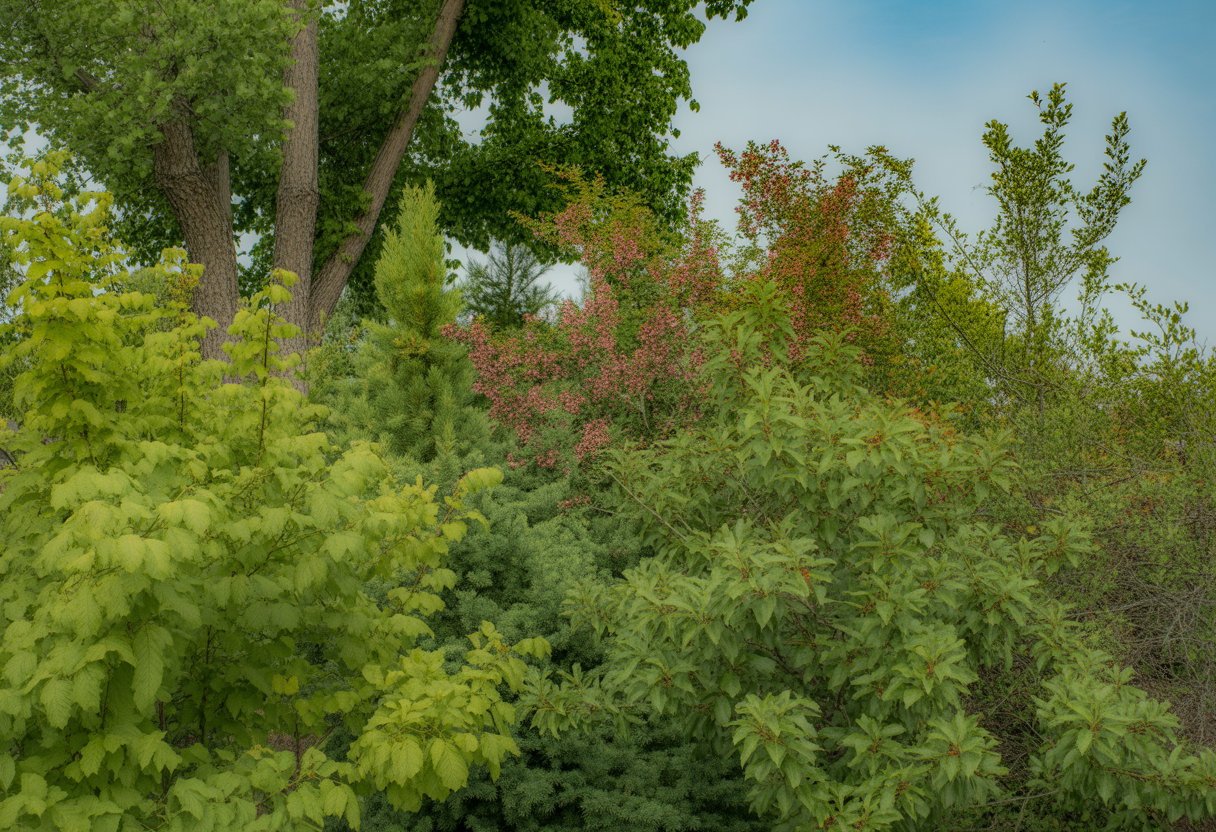
North Dakota’s landscape has a solid lineup of native trees, shrubs, grasses, and vines that look great and last. They’re tough, bring a lot of visual interest, and help out the ecosystem, too.
Native Trees for Landscaping
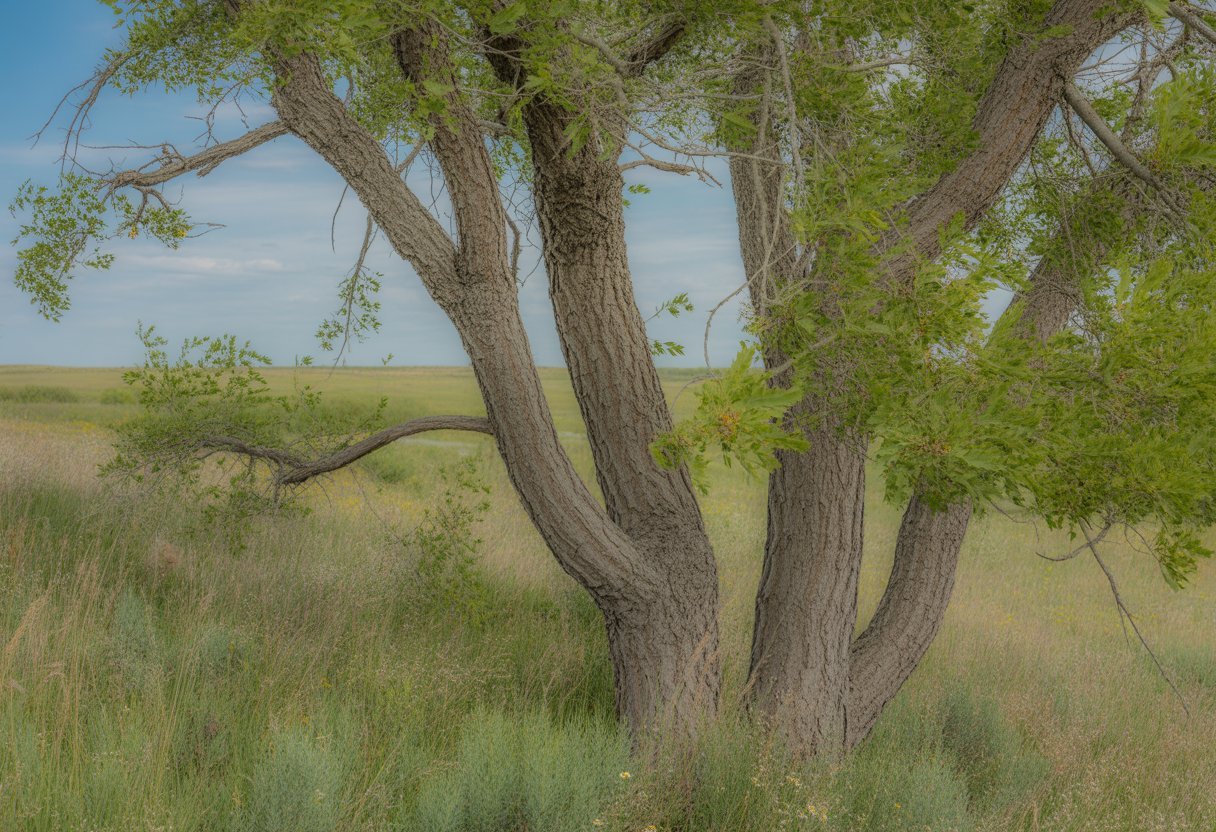
You can’t go wrong with green ash, bur oak, American elm, box elder, cottonwood, or quaking aspen. Green ash grows fast and doesn’t mind city life.
Bur oak is a beast—sturdy, long-lived, and those lobed leaves are pretty iconic. American elm gives you classic shade and, thanks to native improvements, shrugs off a lot of diseases.
Box elder fits into all sorts of soils and works well in wild-looking yards. Cottonwood and quaking aspen bring height and drama, but you’ll need room for their big root systems.
Ornamental Shrubs for North Dakota
American plum (Prunus americana) and red osier dogwood are two native shrubs that really stand out. American plum bursts with white flowers in spring and drops edible fruit that wildlife love.
Red osier dogwood? Those red twigs in winter are hard to beat, and the summer flowers are a bonus. It’s also a go-to for erosion control near water.
Both shrubs handle different soils and give birds and pollinators a place to hang out. They work well as borders or natural screens.
Noteworthy Grasses and Vines
Blue grama (Bouteloua gracilis) is a native grass that asks for almost nothing—just a little water—and adds cool texture. It grows in dense clumps with those signature curved seed heads.
Virginia creeper climbs fences or trellises, showing off green leaves that go deep red in fall. Birds go for its berries, and it’s happy even in the shade.
Adding these grasses and vines gives your yard more layers and keeps things interesting through the seasons.
Ecological Benefits and Habitat Considerations
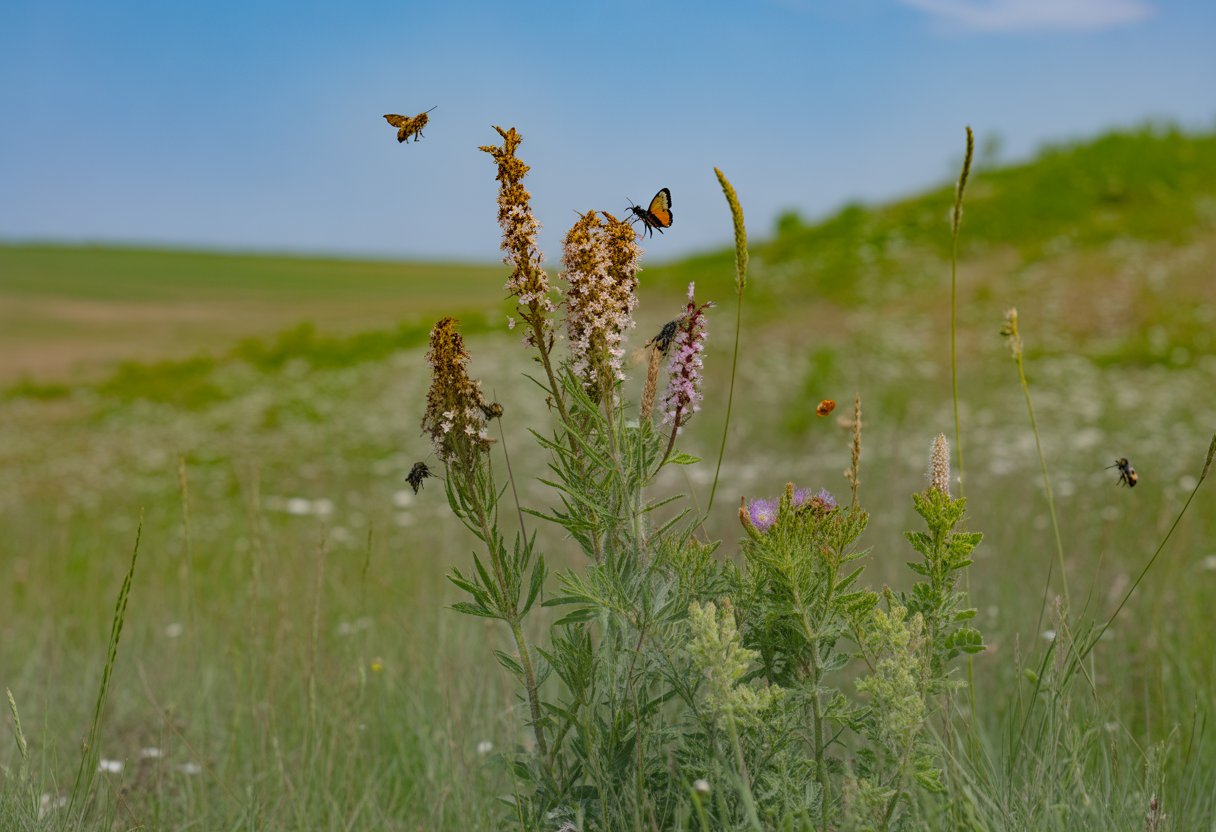
Native ornamentals in North Dakota keep local ecosystems ticking. They fit right into prairie and woodland communities and handle the state’s tough climate and soils.
Supporting Wildlife and Pollinators
These plants give crucial habitat and food to mule deer, bees, butterflies, and a bunch of bird species. Native flowers bring in native bees, which, honestly, are often better pollinators than imports.
Shrublands and riverbanks get a boost, too. Native ornamentals offer shelter and breeding spots for small mammals and birds.
They also help keep predator-prey relationships balanced by supporting insects that amphibians and reptiles eat.
Role in Prairie and Woodland Ecosystems
In prairies, native ornamentals help hold the soil together and keep nutrients cycling. They team up with grasses to stop erosion, especially on slopes or by water.
Woodland areas need native understory plants to build up layers of vegetation. More layers mean more places for insects, birds, and mammals, which adds up to a stronger, more resilient ecosystem.
Adaptation to Local Climate and Soil
Native ornamentals know how to handle North Dakota’s wild temperature swings and unpredictable rain. Their roots reach deep for moisture, so they survive droughts that knock out less adapted plants.
They do well in sandy loam or clay soils—typical for both riverbanks and uplands. Because they’re so well-suited, you don’t need much irrigation or chemicals, making them a smart pick for sustainable landscaping.
Landscape Design and Management Considerations
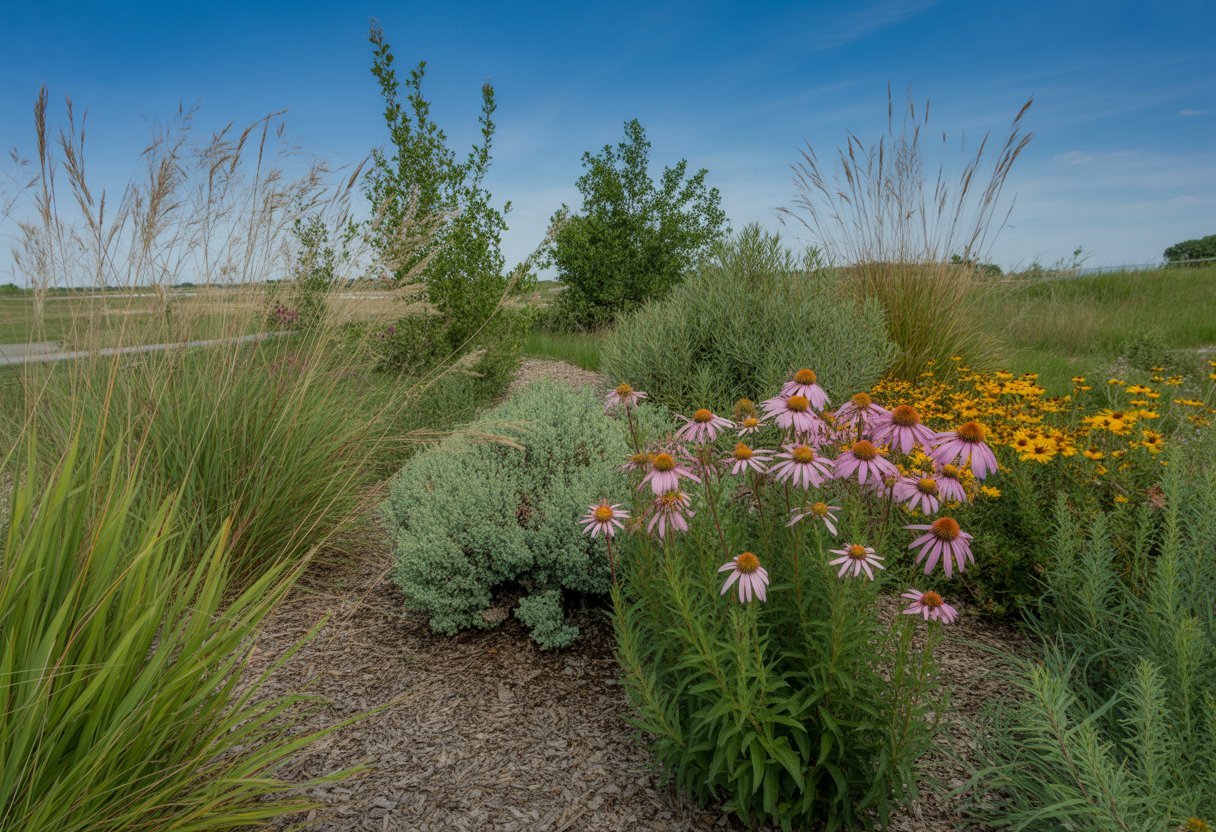
You can’t just drop native ornamentals anywhere and expect magic. They need the right spot and a bit of ongoing care, but nothing too crazy.
Site Selection and Sunlight Needs
Most native ornamentals here want full sun—six hours or more of direct light. If you give them enough sun, you’ll get better blooms and sturdier plants.
Soil matters too. Most natives like well-drained soil but can handle everything from sand to loam. If your spot stays soggy, pick moisture-loving species or try a different area.
Wind is another thing. Prairie natives can take a beating, but even they appreciate a little windbreak to ease the stress.
Matching the plant to your microclimate just makes life easier.
Maintenance and Successional Status
Native ornamentals don’t need much upkeep, but you’ll want to think about their successional status. Early successional types grow fast and might need thinning now and then.
Perennials benefit from seasonal pruning to clear out dead stuff and spark new growth. If your soil’s decent and you’ve chosen the right plants, you probably won’t need much fertilizer.
Keep an eye out for invasive weeds and pests. Mulching helps lock in moisture and keep weeds down, but don’t overdo it—let the plants do their thing.
Fire Effects and Ecological Characteristics
Fire plays a huge role in shaping native plants in North Dakota. Lots of ornamentals here have picked up fire-adaptive traits—think deep roots or the knack for resprouting after a burn.
Landscape managers sometimes use controlled burns, or just cut plants to mimic those fire effects. This approach keeps plants vigorous and helps hold back woody plants that want to take over. Fire also keeps prairies open and, honestly, a lot more diverse.
Knowing these botanical characteristics gives managers a real edge. They can make smarter choices that help native ornamentals thrive along with their ecosystems.