
ʻĀweoweo (Chenopodium oahuense)
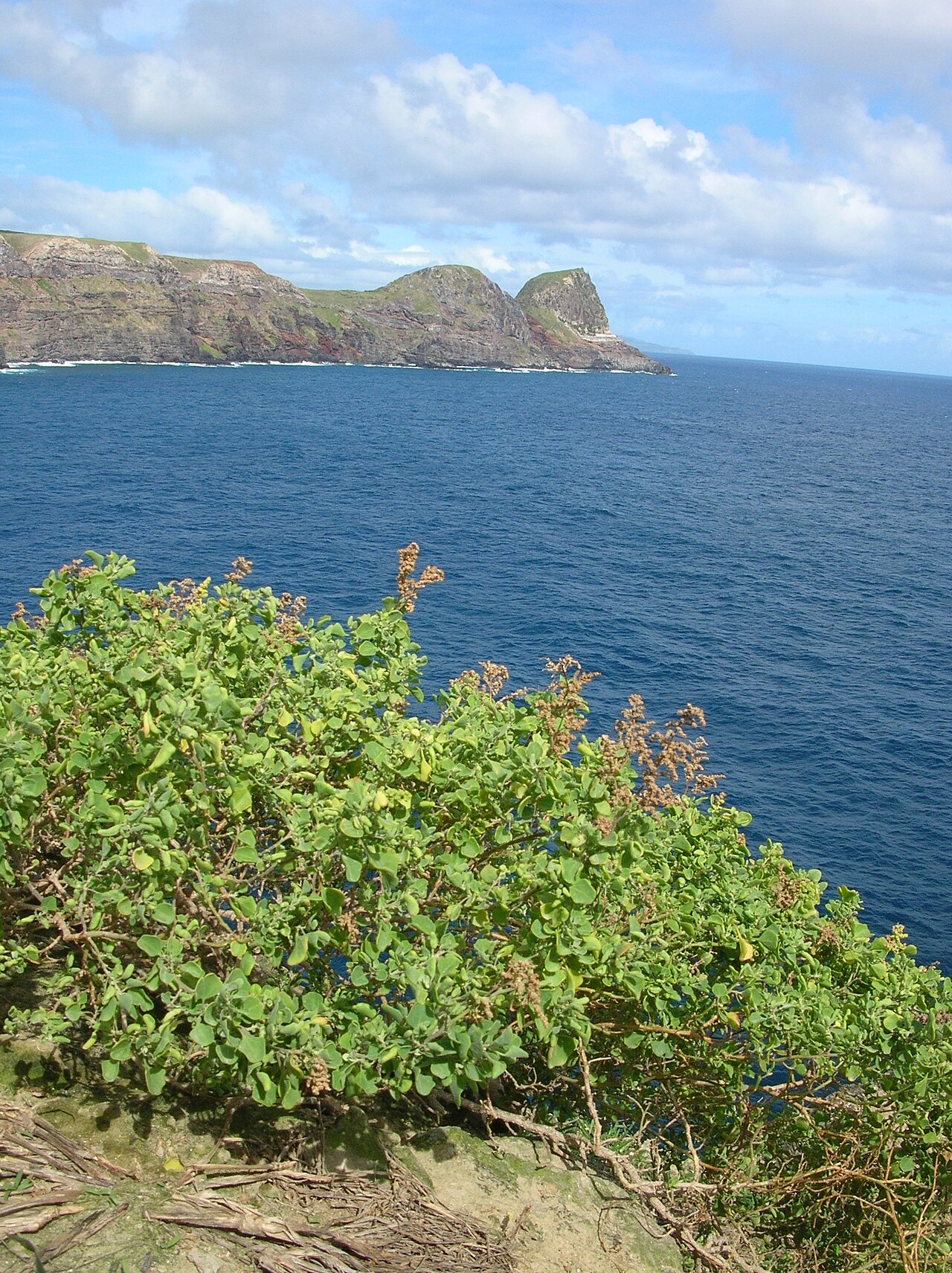
Chenopodium oahuense, known in Hawaiian as ʻĀweoweo and also as ʻāheahea, alaweo and kāhaihai, is a native Hawaiian goosefoot: a soft, gray-green, aromatic shrub of the amaranth family (Amaranthaceae) with small, fleshy, three-lobed leaves and branched clusters of tiny greenish flowers. It is a relative of quinoa, spinach and lambsquarters, and like them its leaves were cooked and eaten as greens in old Hawaiʻi.
ʻĀweoweo is endemic to the Hawaiian Islands. It grows on most of the main islands and on several of the Northwestern Hawaiian Islands, including Nīhoa, Necker (Mokumanamana), French Frigate Shoals, Laysan and Lisianski, in an unusually wide range of habitats, from beaches, seabird islets and lava fields to dry forest and, on the largest islands, high-elevation subalpine shrubland. It is not federally listed, though conservation ranks treat it as vulnerable.
Tough, fast-growing and drought tolerant, ʻāweoweo is a favorite for dryland and coastal restoration and an easy native shrub for sunny gardens. This guide covers how to identify it, where it grows, how to grow it and its value to seabirds and Hawaiian culture.
Identification
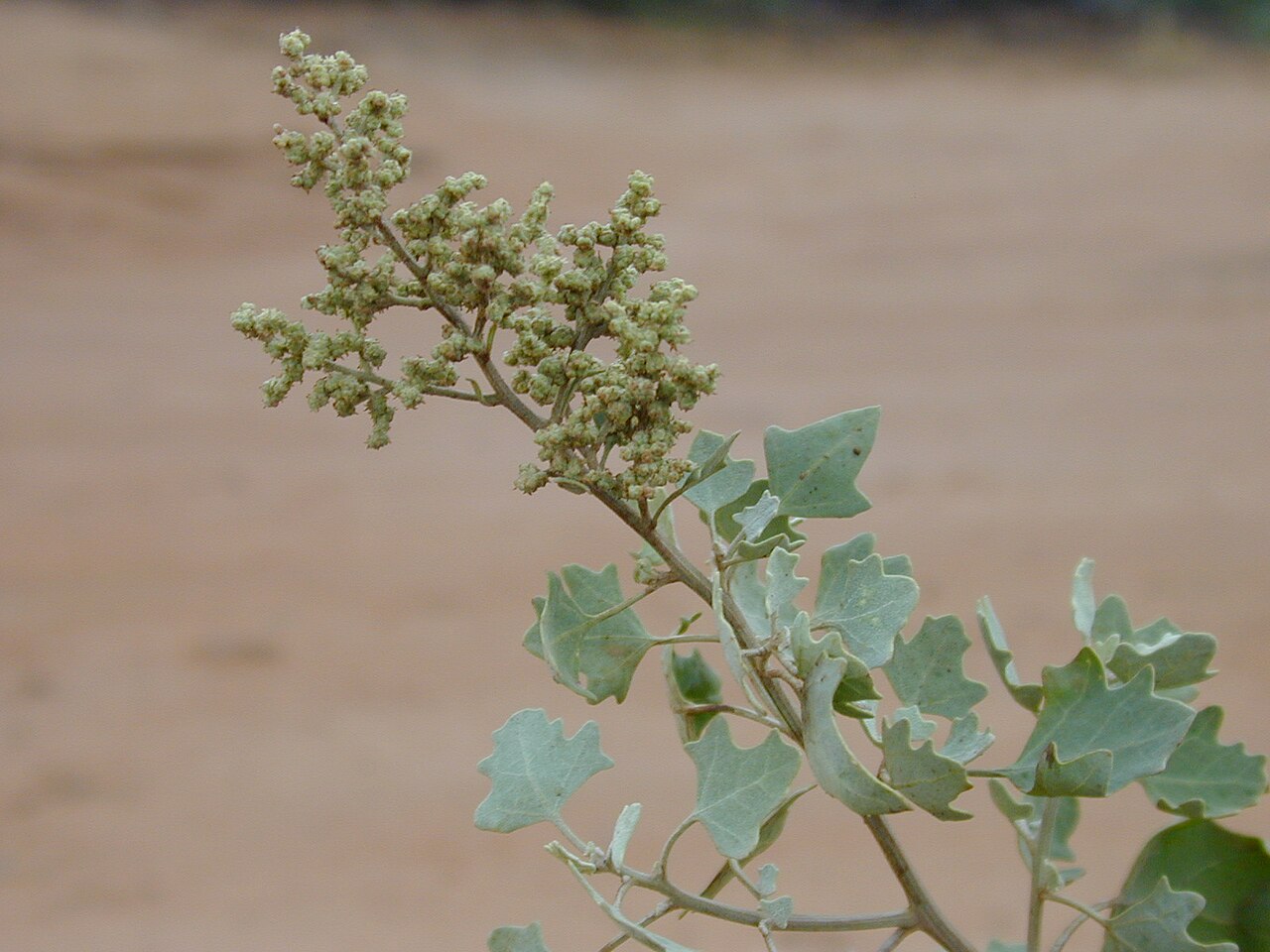
ʻĀweoweo looks like a woody, shrubby version of the familiar weedy lambsquarters. Its small, three-lobed, grayish, slightly mealy leaves are the best clue.
Growth Habit
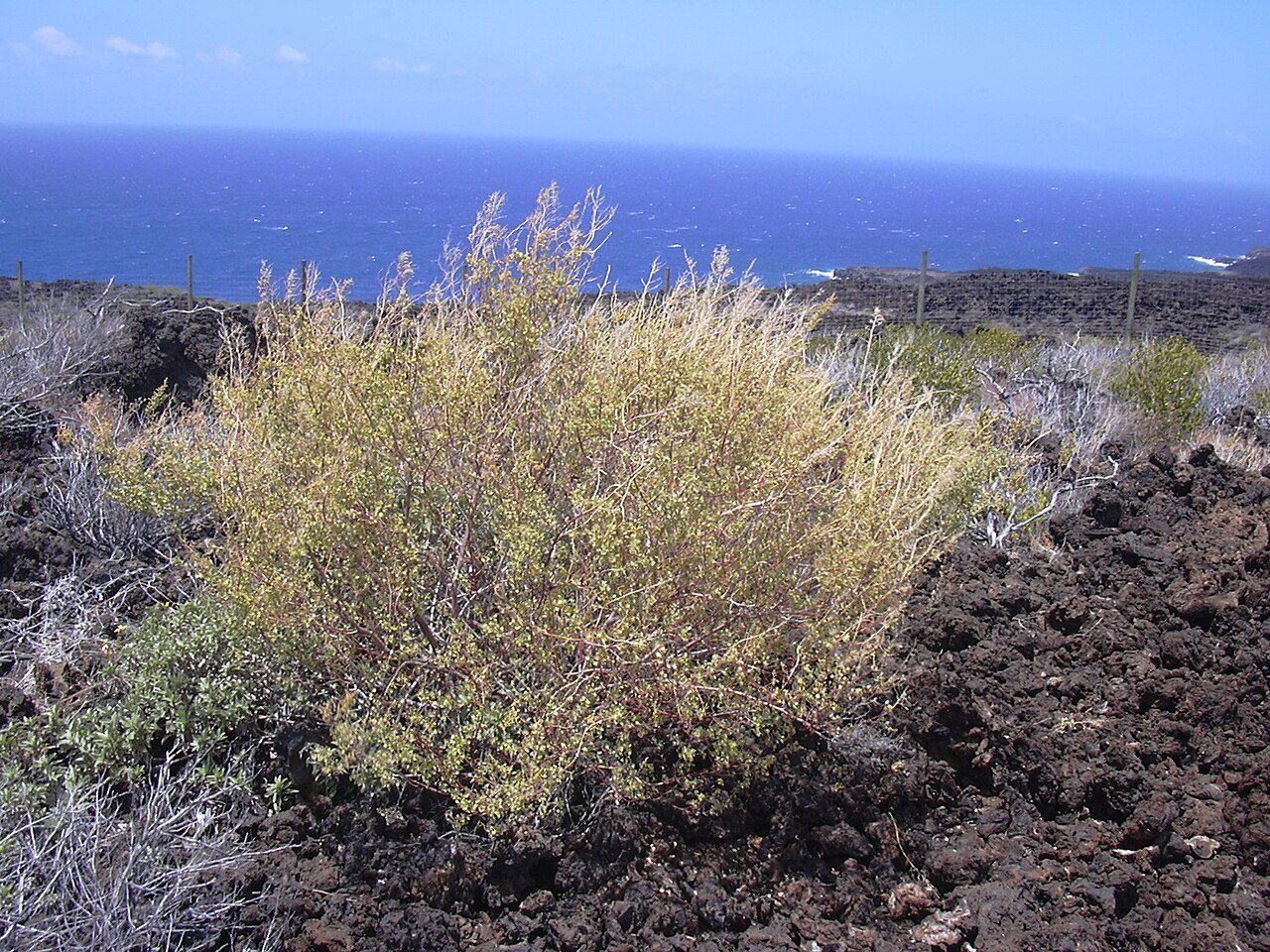
A much-branched, evergreen shrub, usually 1 to 6 feet tall and often wider than tall. On windswept coasts and islets it may be low and mounded; in sheltered dry forest it can become a larger, open shrub. Older stems are woody and the bark is grayish. In long dry spells it may drop many of its leaves.
Leaves
Leaves are alternate, small (about ½ to 1½ inches long), somewhat fleshy and usually three-lobed, shaped like a goose’s foot. They are gray-green and covered with fine, mealy hairs, especially underneath, and many plants have a distinctive, slightly pungent smell when the leaves are crushed.
Flowers
The flowers are tiny, greenish to grayish, and have no petals. They are packed into small clusters along branched, upright spikes (panicles) at the branch tips. Plants flower through much of the year, especially after rain, and are wind-pollinated.
Fruit & Look-alikes
Each flower produces a single tiny, shiny black seed enclosed in the dry, persistent flower parts. Introduced weedy goosefoots, such as lambsquarters (Chenopodium album) and nettle-leaf goosefoot, are annual herbs rather than woody shrubs, and their leaves are usually larger and toothed rather than neatly three-lobed.
Quick Facts
| Scientific Name | Chenopodium oahuense (Meyen) Aellen |
| Family | Amaranthaceae (amaranth family; formerly Chenopodiaceae) |
| Plant Type | Evergreen shrub; Hawaiian endemic |
| Mature Height | 1–6 ft |
| Mature Spread | 2–6 ft |
| Growth Rate | Fast |
| Sun Exposure | Full sun |
| Water Needs | Low; very drought tolerant once established |
| Soil Type | Sand, coral, cinder, lava or rocky soils with good drainage |
| Soil pH | Neutral to alkaline; tolerates slightly acidic soil |
| Bloom Time | Much of the year, especially after rain |
| Flower Color | Greenish to grayish, inconspicuous |
| Fall Color | None; gray-green |
| Fruit | Tiny black seed in a dry calyx |
| Deer Resistant | No; browsed by goats and deer |
| USDA Hardiness Zones | 10–12 |
Native Range
ʻĀweoweo is endemic to Hawaiʻi and grows on most of the main islands, as well as on Nīhoa, Necker (Mokumanamana), French Frigate Shoals, Laysan and Lisianski in the Northwestern Hawaiian Islands. It is one of the most common native shrubs on Hawaiʻi’s small offshore islets, such as Mokeʻehia off Maui and Mānana off Oʻahu, where it grows among nesting seabirds.
Few Hawaiian plants grow across such a wide range of habitats. On the coast it grows on sand, coral rubble, sea cliffs and young lava; inland it occurs in dry shrubland and dry forest; and on Maui and Hawaiʻi Island it extends up into high-elevation dry shrubland and subalpine habitats. Plants from different places can look different, from low, fleshy coastal forms to taller upland shrubs.
Grazing by goats and cattle, fire, coastal development and invasive grasses have eliminated many lowland populations. Because it grows fast and tolerates poor soil, wind and salt, it is now widely used in restoration on Kahoʻolawe, on Midway Atoll and on many coastal sites around the main islands.
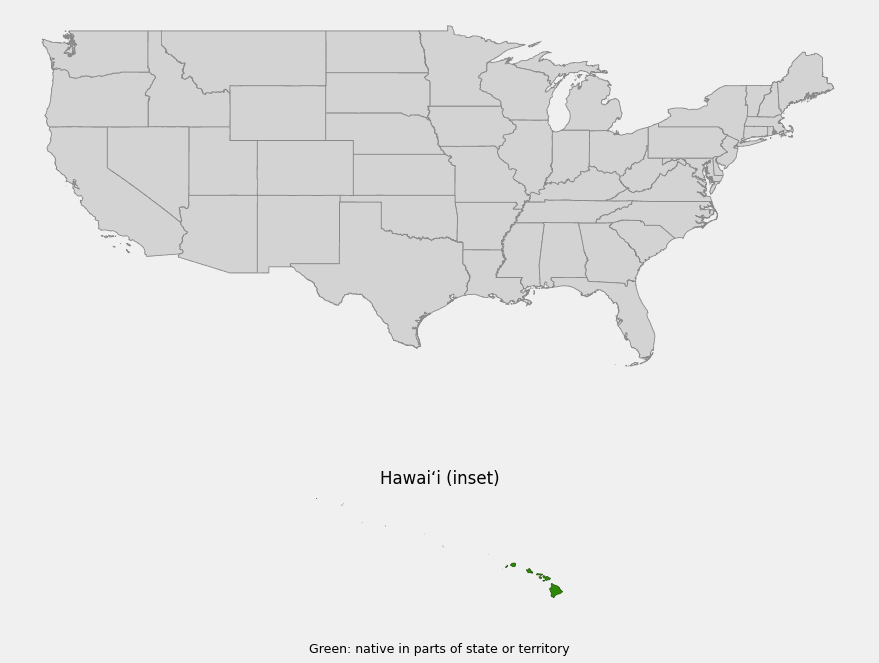
📋 Regional plant lists featuring ʻĀweoweo: Hawaii
Growing & Care Guide
ʻĀweoweo is easy to grow and is widely available from Hawaiian native plant nurseries. It is not rare, but buy nursery-grown plants and never dig plants or strip seed from wild populations, especially on protected seabird islets, which are off-limits without a permit. Hawaiʻi restricts bringing plants and soil in from other states, so use island-grown stock.
Light
Full sun. In shade it becomes leggy and weak.
Soil & Water
Any well-drained soil, including sand, coral rubble, cinder and rocky lava. It is very drought tolerant once established and tolerates salt spray and wind. Water young plants regularly, then only during long dry spells. Overwatering and poorly drained, heavy soil shorten its life.
Planting Tips
Use it in coastal and dryland gardens, as an informal hedge or screen, on banks for erosion control, or as a soft gray-green background for flowering natives. Space plants about 3 to 4 feet apart. It is suited to frost-free gardens (zones 10 to 12) from the coast to upland dry areas in Hawaiʻi.
Pruning & Maintenance
Prune to shape after flowering and cut back older, woody plants by up to a third to keep them dense. It is fast-growing but can be short-lived, so replace old plants with seedlings. Watch for scale insects and aphids.
Propagation
Grows readily from fresh seed sown on the surface of a well-drained mix and kept lightly moist. Tip cuttings also root easily. It sometimes self-seeds in gardens.
Landscape Uses
- Coastal and dry native gardens: a tough, gray-green shrub for sun, wind and salt
- Restoration plantings: a fast-growing pioneer for coastal, dryland and islet restoration
- Seabird habitat: provides shelter and nesting material for nesting seabirds
- Erosion control: holds sand and soil on dry, exposed slopes
Wildlife & Ecological Value
ʻĀweoweo is a keystone shrub of Hawaiʻi’s seabird islands and dry coastal ecosystems.
For Pollinators
It is wind-pollinated and offers little nectar, but its foliage supports native insects, including caterpillars of native moths.
For Birds
On seabird islets and in the Northwestern Hawaiian Islands, seabirds nest in and beneath ʻāweoweo. Red-footed boobies and other seabirds build nests in its branches, and sooty terns and other ground-nesting birds use it for shelter and nesting material. Its small seeds are eaten by seed-eating birds.
For Mammals
Hawaiʻi’s only native land mammal is the Hawaiian hoary bat, which hunts insects along coasts and dry forest. Goats, deer and cattle browse ʻāweoweo heavily, and keeping them out has been essential to its recovery.
Ecosystem Role
As a fast-growing shrub on sand, lava and eroded soils, ʻāweoweo stabilizes the ground and creates sheltered spots where other native plants and animals can establish.
Cultural & Historical Uses
In old Hawaiʻi, ʻāweoweo leaves were cooked and eaten as greens, much like its relatives spinach and lambsquarters, especially in times of scarcity. Its hard wood was used to make fishhooks, including shark hooks. The plant was also used in traditional medicine, including remedies for the skin and preparations given to nursing mothers and children.
Safety note: like other goosefoots, ʻāweoweo leaves contain oxalates and saponins, and they should only be eaten cooked and in moderation, if at all. Do not use it medicinally without guidance from a knowledgeable practitioner.
The species was first collected on Oʻahu, which gives it its name oahuense. Because plants vary so much from coast to mountain, botanists have described separate subspecies for some coastal populations. Like all of Hawaiʻi’s native plants, its ancestors crossed thousands of miles of open ocean, most likely as tiny seeds carried by birds.
Frequently Asked Questions
Is ʻāweoweo native to Hawaiʻi?
Yes. It is endemic, found only in the Hawaiian Islands, where it grows on most of the main islands and several Northwestern Hawaiian Islands.
Is ʻāweoweo edible?
Its leaves were cooked and eaten as greens in old Hawaiʻi. Like spinach and lambsquarters, it contains oxalates and saponins, so it should only be eaten cooked and in moderation, if at all.
How do I grow ʻāweoweo?
Plant it in full sun in any well-drained soil, water it until it is established and then sparingly. It tolerates drought, wind and salt and grows quickly from seed or cuttings.
Why is ʻāweoweo important for seabirds?
On offshore islets and in the Northwestern Hawaiian Islands, it is one of the main shrubs that seabirds nest in and under, and it holds the sandy soil around their nests.
Is it related to quinoa?
Yes. It belongs to the same genus as quinoa (Chenopodium quinoa) and lambsquarters, in the amaranth family.

Looking for a nursery that carries ʻĀweoweo?
Browse our native plant nursery directory: Hawaii

