Chocolate Daisy (Berlandiera lyrata)
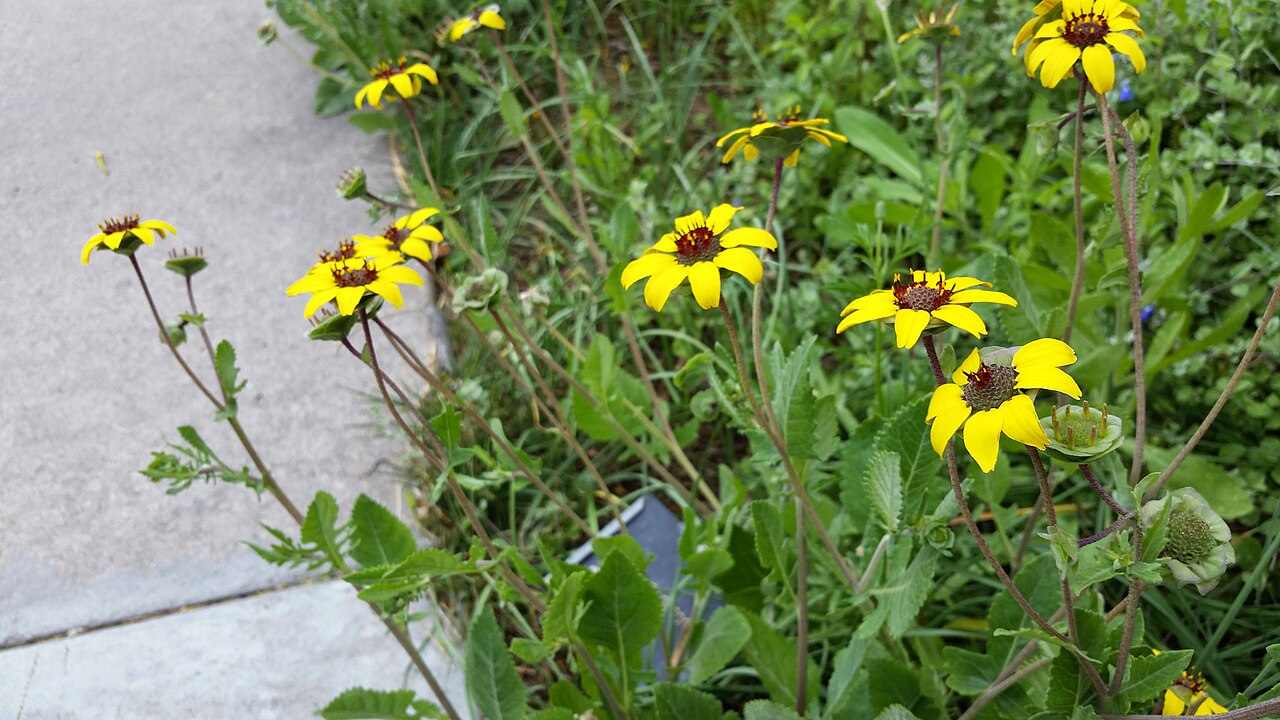
Berlandiera lyrata, commonly called Chocolate Daisy or Chocolate Flower (also known as lyreleaf greeneyes), is a low, bushy perennial wildflower of the southwestern desert grasslands prized for one unusual trait: its bright yellow, daisy-like flowers release a genuine chocolate fragrance, most noticeable in the cool air of early morning before the sun warms the blooms and the petals begin to fold. This member of the Asteraceae (sunflower) family forms a mounded clump of deeply lobed, gray-green leaves topped from spring through fall with cheerful yellow flowers surrounding a dark maroon to brown central disk.
Native to the rocky plains, mesas, and grasslands of the Trans-Pecos and Chihuahuan Desert region, Chocolate Daisy is remarkably tough and drought-tolerant once established, continuing to bloom through summer heat that stops many other perennials. The flowers close partway through the day and reopen the following morning, a rhythm that rewards gardeners who step outside early to catch the fragrance at its peak.
Beyond its novelty scent, Chocolate Daisy is valued in xeriscape and pollinator gardens for its long bloom season, low water needs, and the architectural interest of its papery, lantern-like seed heads, which persist after the petals drop and add texture to the fall and winter garden.
Identification
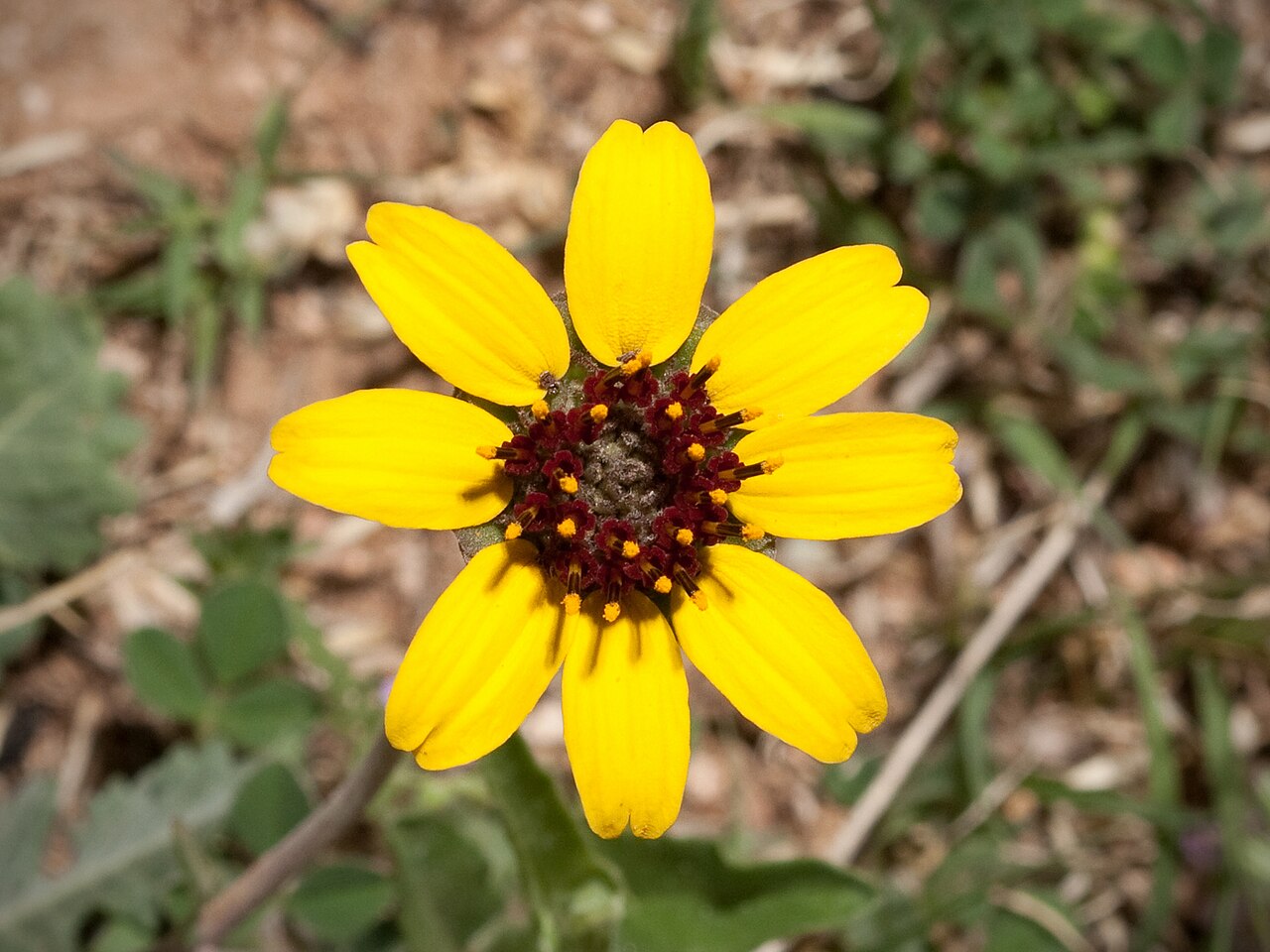
Chocolate Daisy is identified by its low, mounding habit, deeply lobed gray-green leaves, and bright yellow daisy flowers with a dark reddish-brown center that smell distinctly of chocolate in the cool morning air.
Leaves
The leaves are gray-green, softly hairy, and deeply lobed in a lyre-shaped (lyrate) pattern — broader and rounded toward the tip with smaller lobes toward the leaf base — giving the species its scientific name. Leaves are arranged mostly near the base of the plant, 2 to 5 inches long, and form a loose, mounded rosette from which flowering stems rise.
Flowers
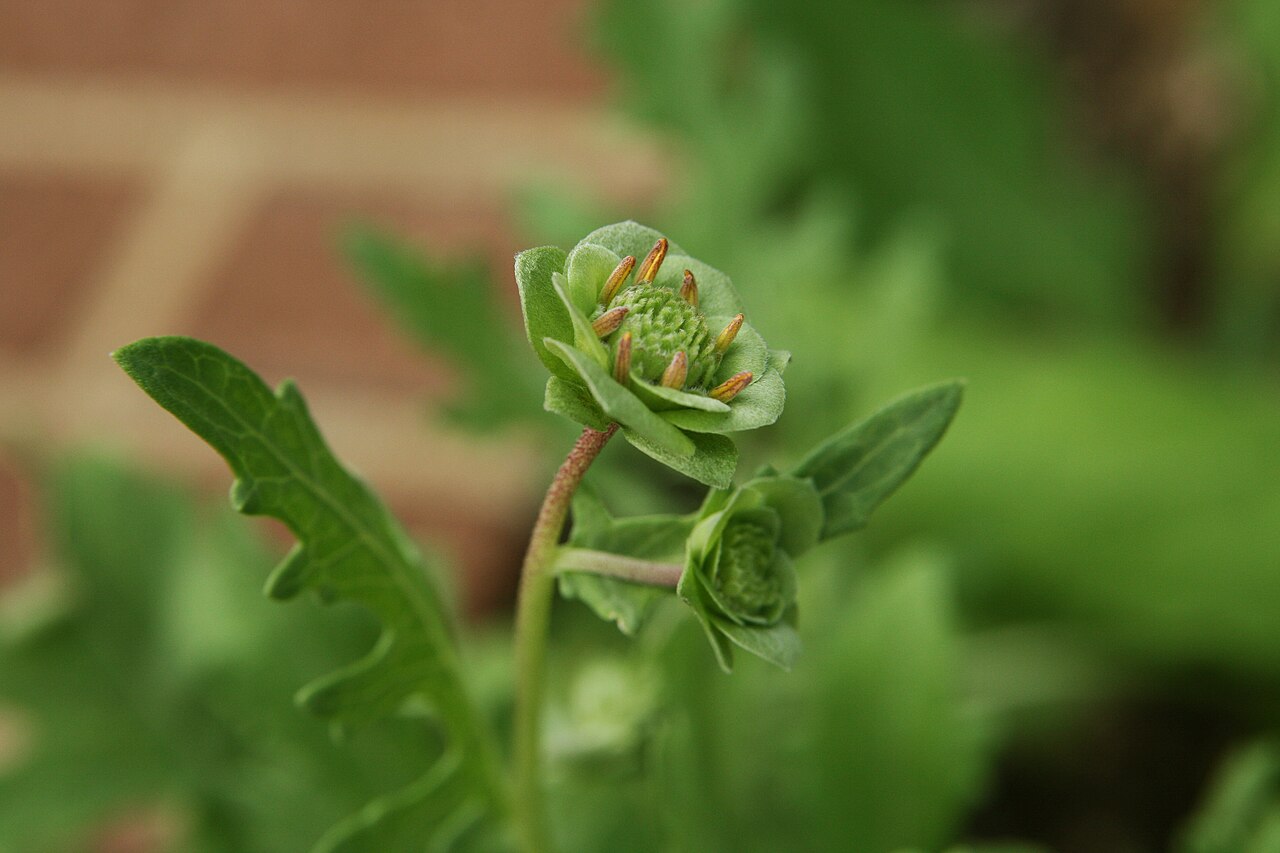
Flower heads are 1 to 2 inches across, with 7 to 10 bright yellow ray petals surrounding a cluster of small, dark maroon to brown disk flowers at the center. Blooms appear on slender stems held above the foliage from spring through late fall, opening fully in cool morning temperatures and partially closing as the day warms — a pattern most visitors notice before they ever catch the chocolate scent itself.
Fruit & Seed Heads
After the ray petals drop, the papery green bracts that cupped the flower remain, drying to a tan, star-shaped seed head that resembles a small paper lantern or pressed flower. These dried seed heads persist on the plant and are often used in dried arrangements; each bract encloses a single seed that eventually falls free.
Quick Facts
| Scientific Name | Berlandiera lyrata |
| Family | Asteraceae (Sunflower) |
| Plant Type | Herbaceous Perennial Wildflower |
| Mature Height | 1–2 ft |
| Mature Spread | 1–2 ft |
| Growth Rate | Moderate |
| Sun Exposure | Full Sun |
| Water Needs | Low |
| Soil Type | Rocky, sandy or loamy; well-drained |
| Soil pH | 7.0–8.5 (neutral to alkaline) |
| Bloom Time | April – November |
| Flower Color | Yellow with maroon-brown center |
| Fall Color | Tan, papery seed heads |
| Fruit | Dry, star-shaped bracted seed head |
| Deer Resistant | Yes |
| USDA Hardiness Zones | 5–10 |
Native Range
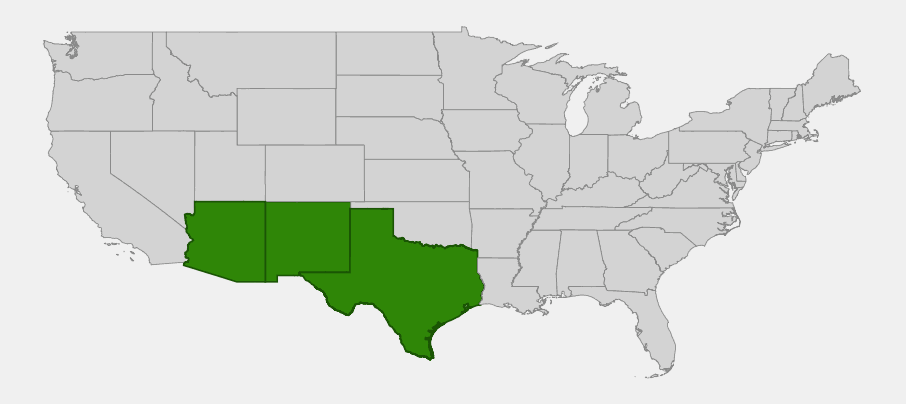
Chocolate Daisy is native to the arid grasslands, mesas, and rocky plains of the southwestern United States, with its core range across Arizona, New Mexico, and the Trans-Pecos and western half of Texas. It grows mainly in Chihuahuan and Sonoran Desert grassland communities at elevations roughly between 3,500 and 7,000 feet.
Within this range, Chocolate Daisy favors open, sunny ground in dry sandy loams, rocky limestone soils, and disturbed areas such as roadsides and old fields, often growing alongside mesquite, oak, and juniper in grassland-shrubland transition zones. Its deep taproot allows it to persist through long dry spells that would kill shallower-rooted wildflowers.
Chocolate Daisy is sometimes listed more broadly across the southern Great Plains in general references, but confirmed county-level native records concentrate in Arizona, New Mexico, and Texas; gardeners farther east and north should treat it as a drought-adapted ornamental rather than assume local native status without confirming county records for their specific area.
📋 Regional plant lists featuring Chocolate Daisy: South and West Texas · Arizona & New Mexico
Growing & Care Guide
Chocolate Daisy is an easygoing, long-blooming wildflower that thrives on neglect once its roots are established, making it a staple of low-water gardens throughout the Southwest.
Light
Plant in full sun for the strongest bloom and the most compact, floriferous habit. In partial shade the plant stretches, blooms less, and becomes more prone to flopping.
Soil & Water
Chocolate Daisy needs sharp drainage above all else; it struggles and often rots in heavy, poorly drained clay. Sandy, rocky, or gravelly soils that mimic its native mesas and plains suit it best. Once established, usually within the first growing season, it needs little supplemental water and tolerates extended drought, though occasional deep watering during the hottest months keeps bloom production going strong.
Planting Tips
Set out plants in spring or fall, spacing them 12 to 18 inches apart to allow for their mounding habit. Chocolate Daisy also establishes readily from direct-sown seed in fall, taking advantage of winter moisture to germinate before the following spring.
Pruning & Maintenance
Deadheading spent flower heads encourages more continuous bloom through the growing season, though many gardeners leave some seed heads in place for their ornamental texture and to allow self-seeding. Cut the plant back by about half in late winter or early spring to encourage fresh, compact new growth. Established plants are generally short-lived perennials, often persisting 3 to 5 years, but they readily reseed themselves in favorable sites.
Propagation
Propagate by seed, either direct-sown in fall or started in containers; germination is generally reliable without special pretreatment. Established clumps do not divide well due to the deep taproot, so seed is the most practical method for increasing plantings.
Landscape Uses
- Pollinator and butterfly gardens — long bloom season provides season-long nectar
- Xeriscape and rock gardens paired with other low-water Southwest natives
- Border and edging plant for its tidy, mounding habit
- Cut and dried flower arrangements — the papery seed heads hold their form when dried
- Fragrance gardens planted near seating areas to enjoy the morning chocolate scent
Wildlife & Ecological Value
Chocolate Daisy is a dependable nectar and pollen source across a long bloom season in habitats where flowering plants can be scarce during the hottest, driest months.
For Pollinators
Native bees, honeybees, and a variety of butterflies visit the flowers throughout the spring-to-fall bloom period, drawn to both the nectar and the accessible, open flower structure typical of the sunflower family.
For Birds
Seed-eating birds, including native sparrows, forage on the seeds held within the dried, star-shaped bracts once the flowering season ends, particularly through fall and winter.
For Mammals
The foliage is browsed lightly by some wildlife, though the plant is not a primary forage species; its greater wildlife value lies in the nectar, pollen, and seed it provides rather than as browse.
Ecosystem Role
As a long-blooming perennial in dry grassland and desert-edge habitats, Chocolate Daisy helps sustain pollinator populations through the hottest parts of the growing season when many other wildflowers have finished blooming, and its deep taproot contributes to soil stability on the open, often disturbed ground it favors.
Cultural & Historical Uses
Chocolate Daisy is best known among Southwestern gardeners and naturalists for its distinctive morning chocolate fragrance, a trait documented in botanical literature for well over a century and a frequent point of fascination in regional wildflower guides. The genus Berlandiera honors Jean-Louis Berlandier, a French-born botanist and physician who conducted extensive plant collecting expeditions through Texas and northern Mexico in the 1820s and 1830s.
There is limited documented history of Indigenous use of this particular species compared to some of its more widely utilized desert neighbors, though its common presence across the grasslands of the Southwest has made it a familiar sight to generations of ranchers and rural communities in the region, often noted simply for the pleasant scent that drifts across open range on a cool morning.
In contemporary horticulture, Chocolate Daisy has become a favorite in native plant and water-wise gardening movements across the Southwest, prized as much for its low maintenance and long bloom as for the novelty of its fragrance.
Frequently Asked Questions
Does Chocolate Daisy really smell like chocolate?
Yes. The flowers release a genuine chocolate-like fragrance, strongest in the cool air of early morning. The scent fades as the day warms and the petals begin to close, so morning is the best time to enjoy it.
Why do the flowers close during the day?
The ray petals typically fold partially closed as temperatures rise through the day and reopen the following cool morning, a pattern common in several desert daisy relatives that helps the plant conserve moisture during the hottest hours.
How long does Chocolate Daisy live?
Individual plants are generally short-lived perennials, often persisting around 3 to 5 years, but established plantings tend to self-seed readily in well-suited sites, maintaining a patch over time even as individual plants come and go.
Is Chocolate Daisy native to my state if I live outside Arizona, New Mexico, or Texas?
Confirmed county-level native records are concentrated in Arizona, New Mexico, and Texas. Older references sometimes list a broader range across the southern Plains, but gardeners elsewhere should treat it as a well-adapted drought-tolerant ornamental rather than assume native status without checking local county records.
What soil does Chocolate Daisy need?
Sharp drainage matters more than soil fertility. Sandy, rocky, or gravelly soils suit it best; heavy clay that stays wet is the most common cause of failure with this species.

Looking for a nursery that carries Chocolate Daisy?
Browse our native plant nursery directory: Texas · New Mexico · Arizona