
Crabwood (Gymnanthes lucida)
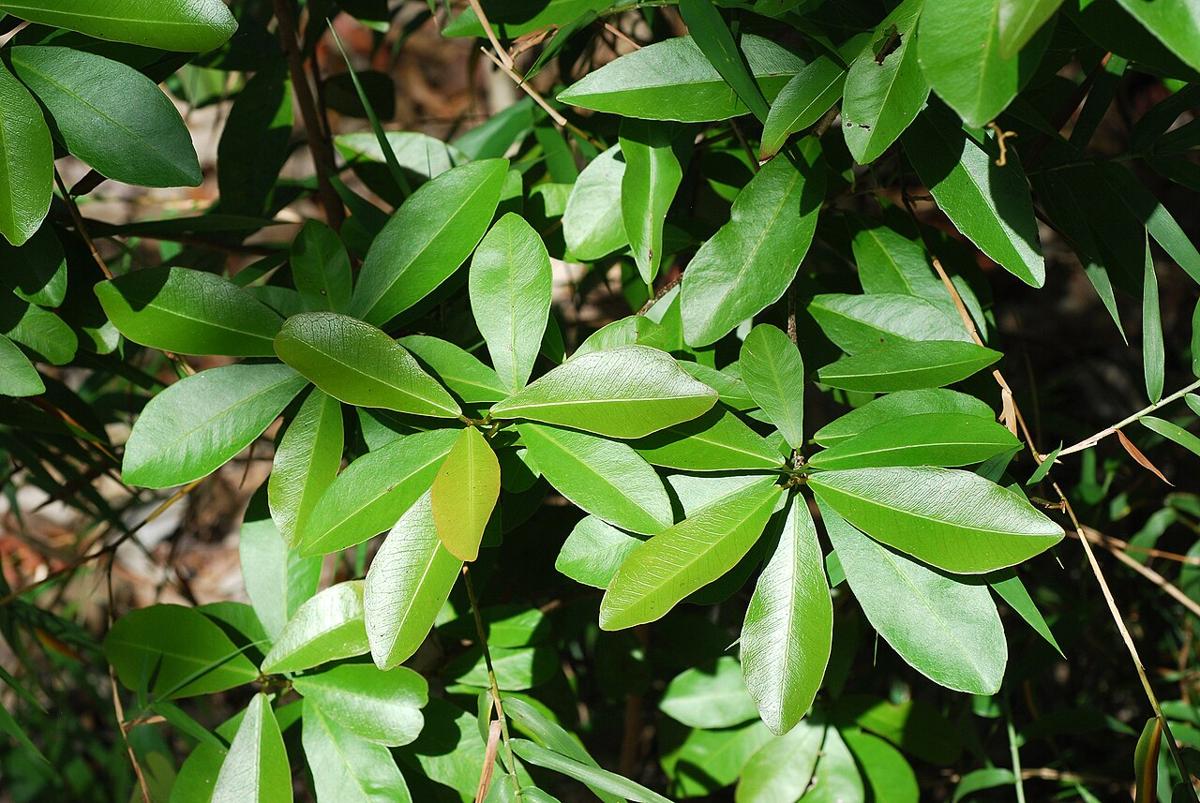
Gymnanthes lucida, commonly known as Crabwood (also called oysterwood), is a slow-growing evergreen tree native to the tropical hardwood hammocks and coastal berms of South Florida. A member of the spurge family, it is notable as the only tree native to Florida with an asymmetrically “eared” leaf base — a small but distinctive identification feature that sets it apart from every other hammock species.
Crabwood typically grows as an erect small tree 10 to 25 feet tall, with a single trunk and a narrow, upright crown of glossy, leathery leaves. Its dense, extremely hard wood — among the hardest of any Florida native tree — has historically given it value as a durable, if minor, timber species, while in the modern landscape it is valued as a tough, salt-tolerant hammock native for South Florida gardens.
Identification
Crabwood is identified by its glossy, leathery, oval leaves clustered toward the branch tips, each with a subtly asymmetrical, “eared” base — a feature unique among Florida’s native trees — combined with an erect, single-trunked growth habit and narrow crown.
Bark & Stems
Bark is smooth and gray on young trees, becoming finely fissured with age. The wood beneath is exceptionally dense and hard, among the heaviest of any Florida native tree, which historically made it useful for small, durable wooden items.
Leaves
Leaves are simple, alternate, oval to elliptic, 2 to 4 inches long, thick, leathery and glossy dark green, clustered toward the ends of branches. The leaf base is subtly asymmetrical or “eared” on one side — the single most reliable identification feature distinguishing crabwood from Florida’s other native trees.
Flowers
Flowers are small, greenish-yellow and inconspicuous, borne in slender spikes at the leaf axils, typical of the spurge family and easily overlooked against the glossy foliage.
Fruit & Seeds
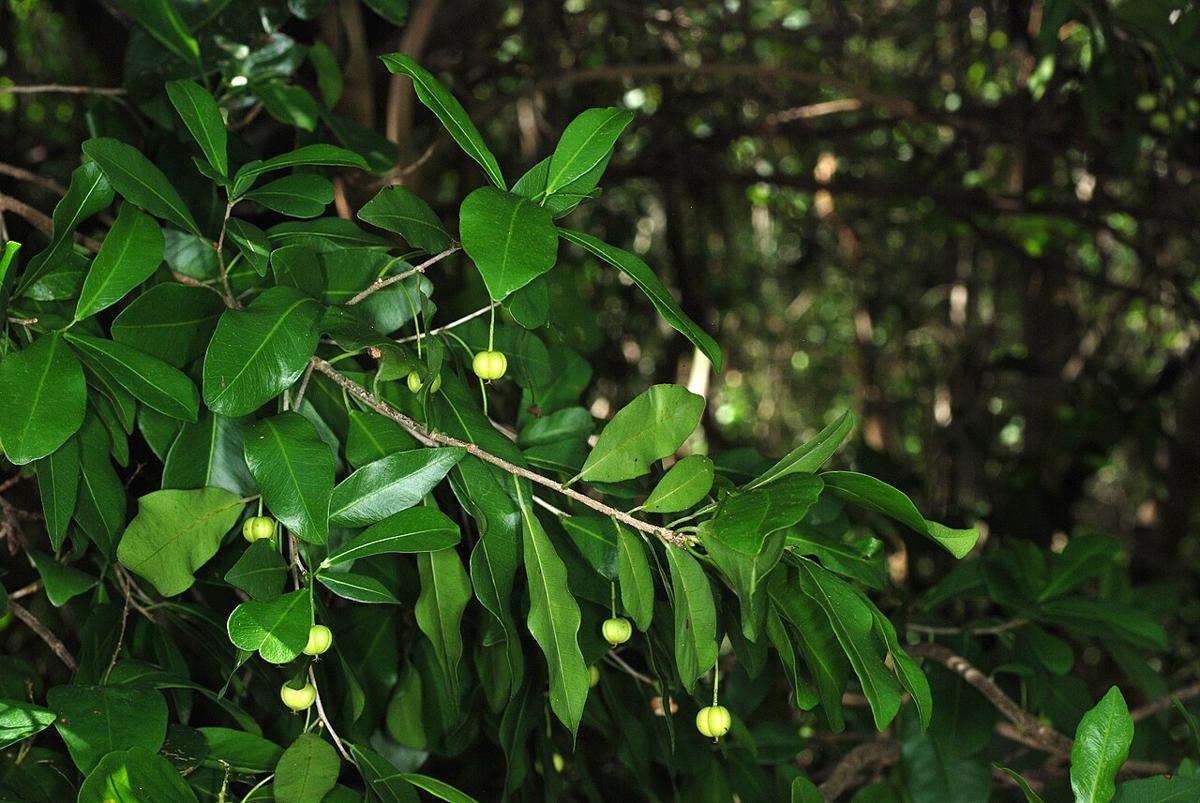
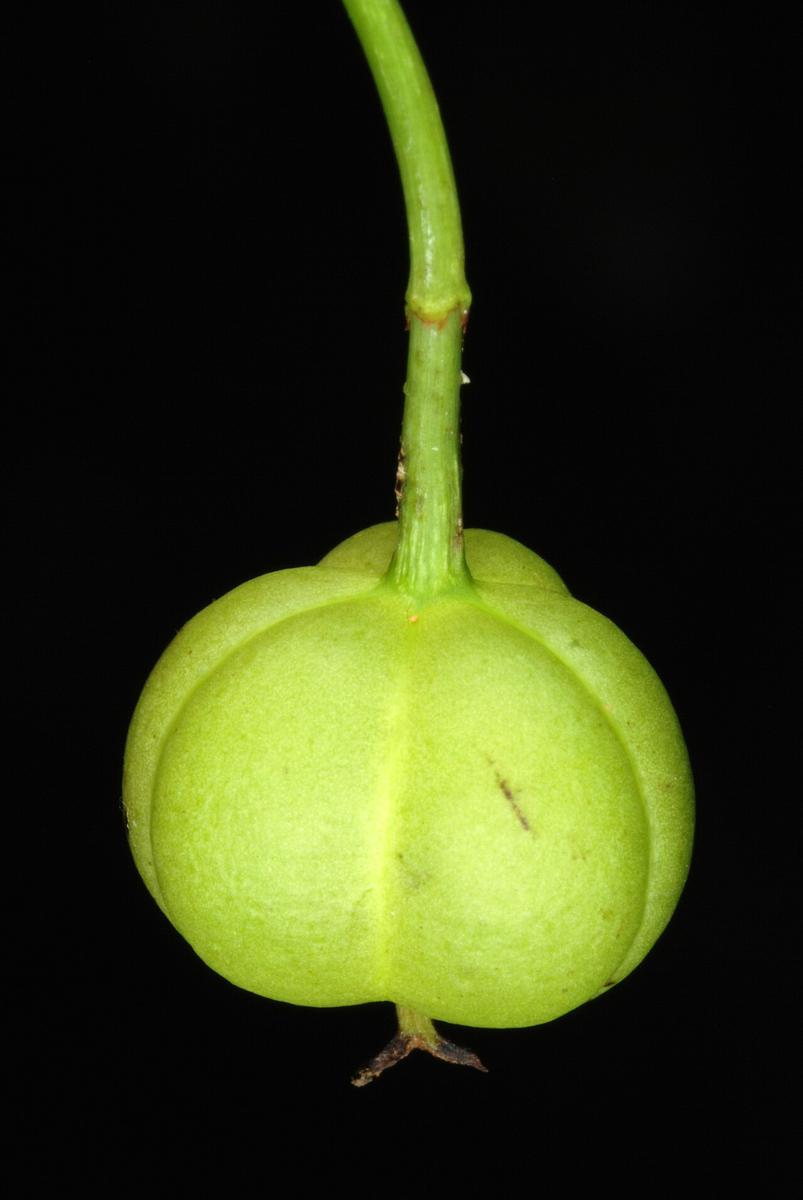
Flowers develop into small, round, three-lobed green capsules hanging on slender stalks, each lobe containing a single seed. As with many Euphorbiaceae, the capsules dry and split explosively at maturity to eject their seeds a short distance from the parent plant.
Quick Facts
| Scientific Name | Gymnanthes lucida |
| Family | Euphorbiaceae (Spurge family) |
| Plant Type | Evergreen tree |
| Mature Height | 10–25 ft |
| Mature Spread | 8–15 ft |
| Growth Rate | Slow |
| Sun Exposure | Full Sun to Part Shade |
| Water Needs | Low once established |
| Soil Type | Rocky limestone or sandy soils; well-drained |
| Soil pH | Neutral to alkaline |
| Bloom Time | Spring through fall |
| Flower Color | Greenish-yellow |
| Fall Color | Evergreen; no seasonal color change |
| Fruit | Small three-lobed green capsule |
| Deer Resistant | Yes, generally |
| USDA Hardiness Zones | 10b – 11 |
Native Range
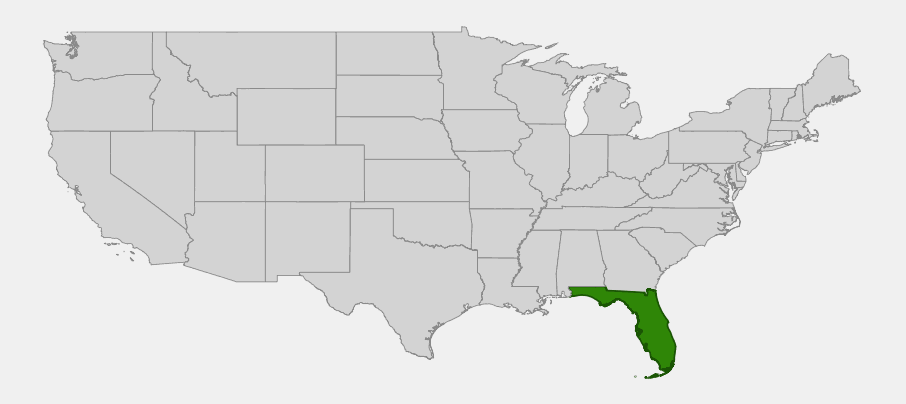
Crabwood is native to coastal and southern Florida, including the Florida Keys, where it grows in tropical maritime hammocks, rockland hammocks and on coastal berms. Beyond the continental U.S., it is native to the Bahamas, the wider Caribbean, Mexico and Central America. It does not occur naturally outside Florida within the continental United States and has essentially no cold tolerance.
Within its native hammocks it typically grows as a mid-to-upper understory tree, often alongside other characteristic rockland hammock species, tolerating both coastal exposure and the filtered light beneath taller canopy trees.
📋 Regional plant lists featuring Crabwood: none yet — Crabwood is native only to coastal South Florida and the Keys, and no plantnative.org regional list currently covers that area; see our full native plant directory for other South Florida natives.
Growing & Care Guide
Crabwood is a slow-growing but tough, low-maintenance tree once established, well suited to the rocky, well-drained soils and salt-influenced conditions typical of South Florida’s coastal hammocks — but it has essentially no cold tolerance outside the warmest parts of the state.
Light
It adapts to full sun or the partial shade of a hammock understory, with fuller sun generally producing a denser, more compact crown.
Soil & Water
Crabwood thrives in rocky limestone or sandy, well-drained soils typical of South Florida hammocks and tolerates drought and some salt exposure well once established. It needs only occasional supplemental water beyond the establishment period.
Planting Tips
Because it is slow-growing, choose a permanent site from the start and be patient as the tree develops its narrow, upright form. Its compact crown makes it a good fit for narrower planting strips than many broader-canopied hammock trees.
Pruning & Maintenance
Minimal pruning is needed; remove dead or damaged wood as needed. Established trees are notably low-maintenance, tolerating South Florida’s hurricane-prone climate well thanks to their dense, strong wood.
Landscape Uses
Crabwood’s narrow form and toughness suit several South Florida landscape roles:
- Narrow planting strips and tight landscape spaces where a compact tree is needed
- Hammock restoration and native habitat plantings
- Coastal and salt-exposed sites where few trees tolerate the conditions
- Specimen tree for its glossy, distinctive foliage
Wildlife & Ecological Value
Crabwood contributes to the structure and food web of South Florida’s tropical hardwood hammocks as both a cover plant and a minor seed source.
For Birds
Seeds released from the splitting capsules provide incidental food for hammock-dwelling birds, while the tree’s dense, upright crown offers shelter and perching sites within the layered structure of the hammock community.
For Pollinators & Insects
The small flower spikes attract bees and other small pollinating insects typical of hammock habitats through an extended spring-to-fall bloom period.
Ecosystem Role
As a component of Florida’s tropical hardwood hammock and coastal berm communities — increasingly fragmented habitat types — crabwood contributes to the canopy and understory diversity that supports the broader hammock wildlife community, alongside associated natives like Jamaica caper and coffee colubrina.
Cultural & Historical Uses
Crabwood’s extremely dense, hard wood has historically been valued in the Caribbean and South Florida for small, durable wooden items and construction pieces where strength mattered more than size, a trait shared with other exceptionally hard-wooded hammock trees. Its alternate common name, oysterwood, is thought to reference either the texture or historical use of the wood, though the exact origin is not well documented.
Today the species is valued chiefly for its ecological role and its distinctive, easily identified foliage, rather than for any ongoing commercial or craft use.
Frequently Asked Questions
How do I identify crabwood?
Look for glossy, leathery leaves clustered toward the branch tips with a subtly asymmetrical, “eared” base on one side — crabwood is the only native Florida tree with this leaf feature, making it a reliable identification mark.
Why is crabwood also called oysterwood?
The alternate common name oysterwood likely references the texture or historical use of its exceptionally dense, hard wood, though the precise origin of the name is not well documented.
Is crabwood a fast-growing tree?
No — it is slow-growing, which is part of why it has a narrow, compact crown well suited to tight planting spaces, but it also means patience is needed for a tree to reach a substantial size.
How cold hardy is crabwood?
It is reliably hardy only in USDA zones 10b–11 and has essentially no frost tolerance, restricting it to the warmest coastal and southern parts of Florida.
Does crabwood tolerate salt exposure?
Yes, reasonably well — it grows naturally on coastal berms and in maritime hammocks, making it a suitable choice for near-coastal South Florida landscapes.

Looking for a nursery that carries Crabwood?
Browse our native plant nursery directory: Florida
For other South Florida hammock natives that pair well with crabwood, see our pages on Florida Silver Palm and Pitch Apple. For more South Florida landscaping ideas, see our guides to shade trees for South Florida and privacy trees for Florida.

