
Desert Wild Grape (Vitis girdiana)
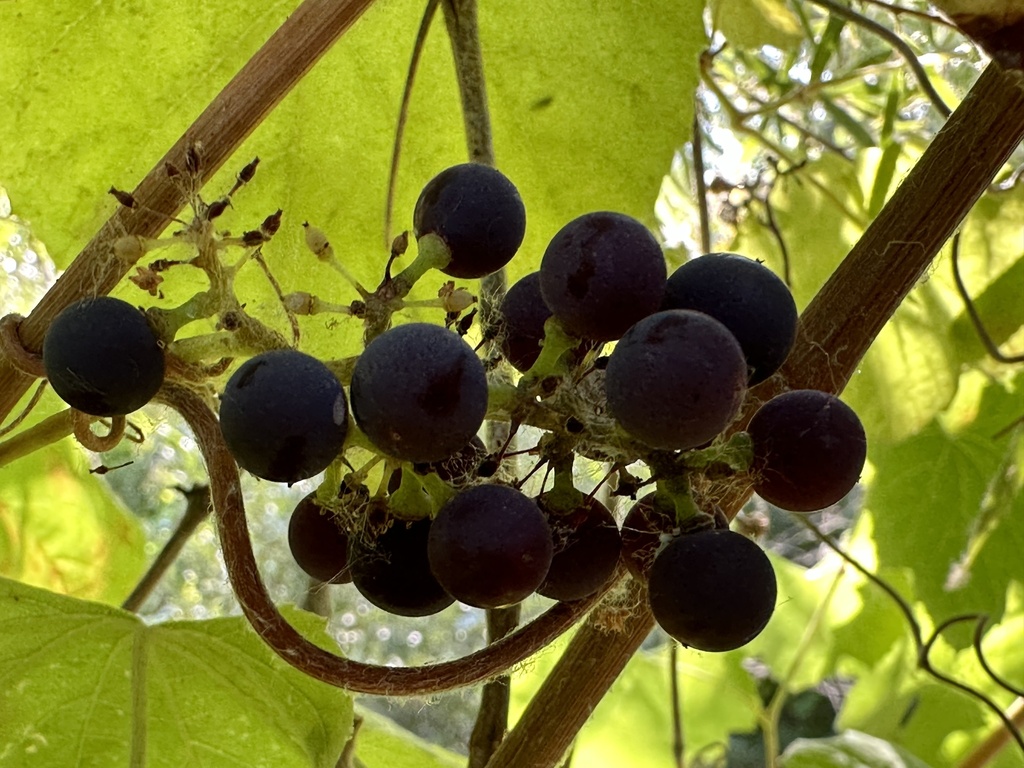
Vitis girdiana, known as Desert Wild Grape, valley grape, coyote grape or southern California grape, is a woody native grapevine of southern California and Baja California. It grows along streams and in shady canyons from the coastal hills to the edge of the deserts, climbing over willows, sycamores and oaks or sprawling across boulders. In late summer it carries clusters of small, sweet-tart, blue-black grapes that feed birds, mammals and people.
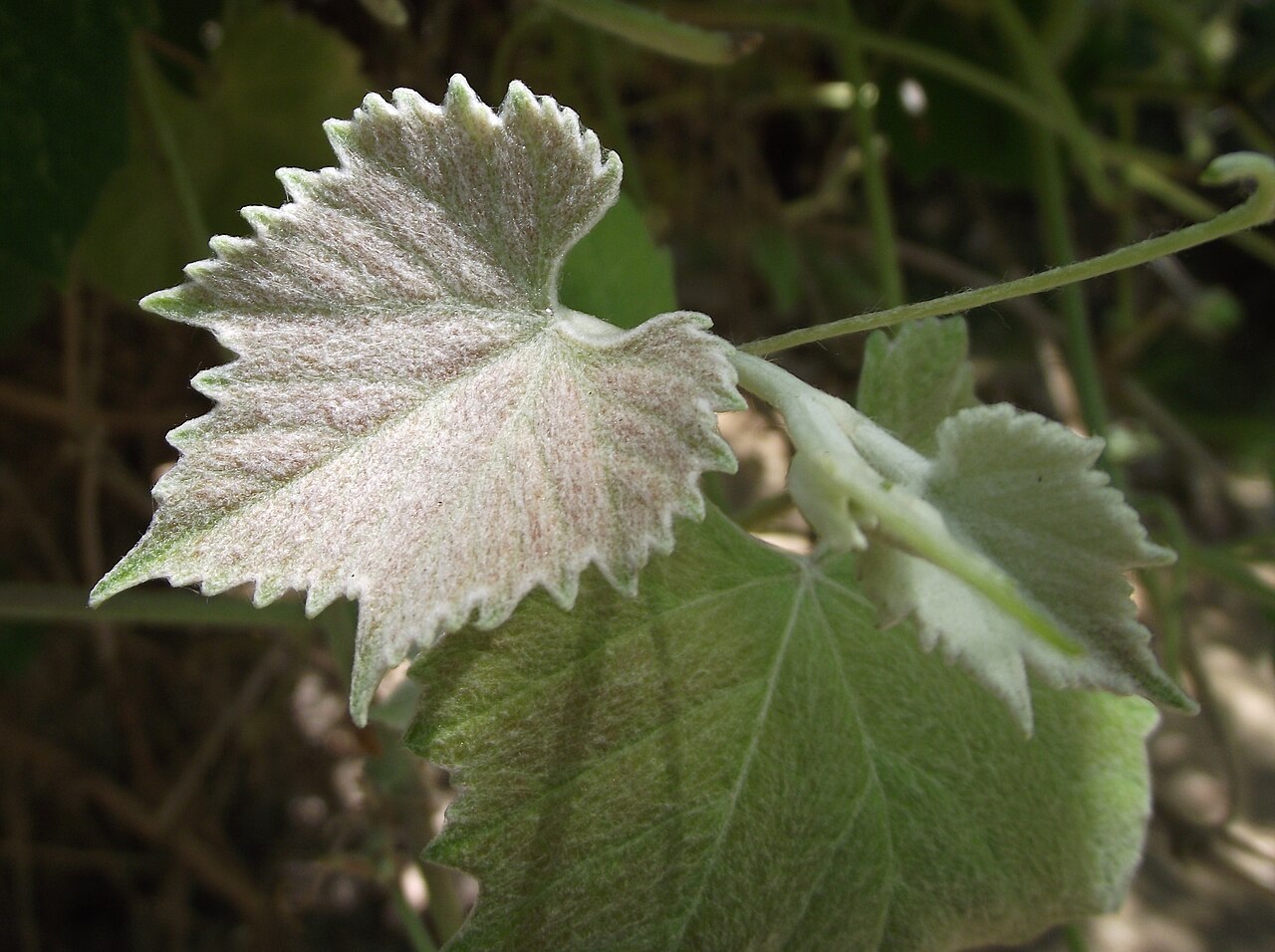
It is closely related to California Wild Grape, which grows farther north, but desert wild grape is easy to recognize by its woolly coat. Young shoots and new leaves are covered with white to grayish hairs, and many leaves keep a felted underside all season. It belongs to the grape family (Vitaceae) and is a true wild relative of the wine and table grapes grown in California vineyards.
For native gardeners in southern California, it is one of the best plants for covering a fence, arbor or slope quickly, providing summer shade and fruit for wildlife, and adding a riparian feel to a water-wise garden. This guide covers how to identify it, where it grows, how to grow it, and its long history as a food plant for the Indigenous peoples of the region.
Identification
Desert wild grape is a typical wild grapevine, with tendrils, broad leaves and loose clusters of small grapes. What sets it apart is its hairiness and its southern, often dry, canyon setting.
Stems & Tendrils
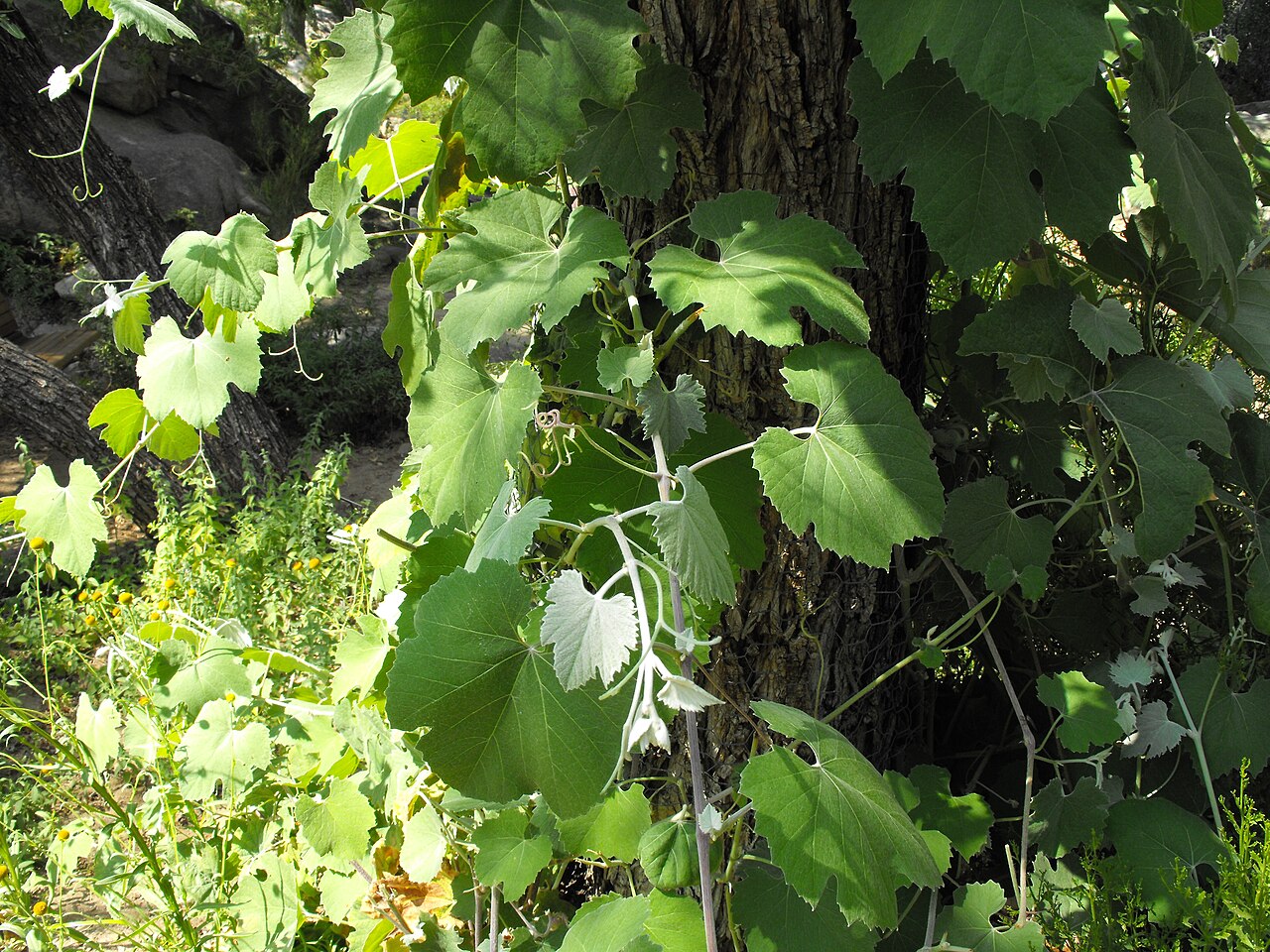
It is a deciduous woody vine that climbs with forked tendrils, reaching 10 to 30 feet or more in trees, or forms a mound over shrubs and rocks where nothing taller is available. Old stems have shredding brown bark. New shoots are woolly or cobwebby with white hairs, and the tendrils often look silvery when young.
Leaves
The leaves are heart-shaped to kidney-shaped, about 2 to 5 inches across, with toothed edges and sometimes three shallow lobes. They are covered with woolly hairs when young, and many stay grayish and felted beneath through summer. In fall they turn yellow and then drop. California wild grape has leaves that become nearly hairless and often turn red in fall, which helps separate the two where their ranges come close.
Flowers
In spring the vine produces small, fragrant, greenish flowers in branched clusters opposite the leaves. Like most wild grapes, individual plants are usually male or female, so only female plants set fruit, and they need a male vine nearby for pollination.
Fruit
The grapes are round, black to blue-black and usually no more than about ⅓ inch (8 mm) across, often with a whitish bloom. They ripen in late summer and fall, in loose clusters. They are edible and sweet-tart when fully ripe, with relatively large seeds and thin flesh.
Quick Facts
| Scientific Name | Vitis girdiana Munson |
| Family | Vitaceae (grape family) |
| Plant Type | Deciduous woody vine |
| Mature Height | 10–30+ ft climbing; 3–6 ft as a sprawling mound |
| Mature Spread | 10–30 ft |
| Growth Rate | Fast |
| Sun Exposure | Full sun to partial shade |
| Water Needs | Moderate; drought tolerant once established, best with occasional deep watering |
| Soil Type | Sandy, loamy or rocky soils along streams and in canyon bottoms; adaptable |
| Soil pH | About 6.0–8.0 |
| Bloom Time | April–June |
| Flower Color | Greenish; small and fragrant |
| Fall Color | Yellow |
| Fruit | Small black to blue-black grapes, about ⅓ in, late summer–fall |
| Deer Resistant | No; deer browse new shoots |
| USDA Hardiness Zones | 8–10 |
Native Range
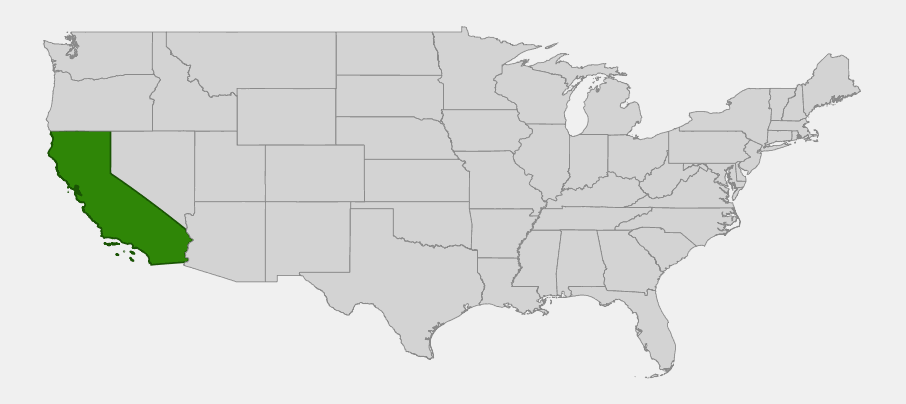
Desert wild grape is native to southern California and northern Baja California, Mexico. USDA PLANTS lists California as its only U.S. state. In California it grows mainly in the South Coast, the Transverse and Peninsular Ranges, the coastal valleys of Los Angeles, Orange, Riverside and San Diego counties, and the canyons that drain toward the Colorado and Mojave deserts, such as Whitewater Canyon at the foot of San Gorgonio Mountain.
Its habitat is almost always tied to water. It grows along streams, washes, springs and seeps, and in canyon bottoms where roots can reach moisture below a dry surface. On the desert edges it is confined to canyons with permanent or seasonal water, which is where the name “desert” wild grape comes from. It grows from near sea level up to about 4,000 to 5,000 feet.
Riparian habitats in southern California have been heavily altered by development, flood control channels and invasive plants such as giant reed (Arundo donax), so many former grape thickets are gone. The species is still widespread, though, and it is easy to see in regional parks and preserves with natural streams.
📋 Regional plant lists featuring Desert Wild Grape: California & Nevada
Growing & Care Guide
Desert wild grape is an easy, fast, rewarding vine for southern California gardens. Native plant nurseries sell it, often alongside California wild grape and its hybrids. It suits large gardens, fences and arbors better than small spaces, since a single vine can cover a large area in a few years.
Light
It grows in full sun to partial shade. Along the coast it takes full sun easily. In hot inland gardens it appreciates afternoon shade or a spot where its roots stay cool while the vine climbs into the sun.
Soil & Water
It tolerates most soils, including sand, clay and rocky ground, as long as drainage is reasonable. In the wild its roots reach groundwater, so in gardens it looks best with deep watering every two to four weeks in summer. Established plants survive longer dry spells but may drop leaves early. No fertilizer is needed.
Planting Tips
Plant from containers in fall or winter so roots establish with the rains. Give it a sturdy support from the start: a strong fence, arbor, pergola or a tree it can climb. It can also be left to sprawl over a slope or boulders as a large groundcover. Plant both a male and a female vine, or choose a plant sold as fruiting, if you want grapes.
Pruning & Maintenance
Prune in winter while the vine is dormant, cutting back long canes to keep it within bounds. Heavy pruning is tolerated. Powdery mildew can appear in shady, humid spots but rarely harms the plant. Keep vines away from vineyards if you live in a grape-growing area, since wild and cultivated grapes share pests and diseases.
Propagation
Hardwood cuttings taken in winter root easily. It also grows from seed cleaned from ripe fruit and sown in fall or cold-stratified for a couple of months before spring sowing. Seedlings vary in sex, so cuttings from a known fruiting vine are the best way to get grapes.
Landscape Uses
- Arbors, pergolas and fences: fast summer shade that drops its leaves in winter to let in sun
- Riparian and canyon restoration: along streams, swales and drainages within its native range
- Slope cover: sprawling vines help hold soil on banks and slopes
- Wildlife gardens: fruit for birds and mammals, cover for nesting birds
- Edible landscaping: small, tart grapes for fresh eating, jelly, juice or raisins
Wildlife & Ecological Value
Wild grapes are among the most important wildlife plants in riparian areas, and desert wild grape plays that role along southern California’s streams and canyons.
For Pollinators
The small, fragrant flowers attract native bees, flies and other small insects in spring. Grape foliage is a host for caterpillars of several moths, including sphinx moths such as the achemon sphinx, and the western grapeleaf skeletonizer, a native moth of the Southwest.
For Birds
Many birds eat the ripe grapes, including mockingbirds, thrashers, western bluebirds, robins, grosbeaks, finches and quail. Dense grape tangles over willows and sycamores provide nesting cover for songbirds, including the least Bell’s vireo, an endangered riparian bird of southern California.
For Mammals
Coyotes, gray foxes, raccoons, skunks, ground squirrels and woodrats eat fallen grapes, which is where the name “coyote grape” comes from. Deer browse the leaves and young shoots.
Ecosystem Role
Desert wild grape adds a vine layer to riparian woodlands, linking the canopy with the shrub layer and creating shade that keeps streams cooler. Animals that eat the fruit spread its seeds along waterways and canyons.
Cultural & Historical Uses
Desert wild grape was an important food for the Indigenous peoples of southern California. The Kumeyaay ate the grapes fresh or dried them into raisins and cooked them. The Luiseño, who called the plant makwit, cooked the fruit, and the Cahuilla ate it fresh, cooked or dried and also made it into a drink. The Kumeyaay also rubbed the sap on thinning hair as a hair treatment.
Thomas Volney Munson, the Texas grape breeder who studied American wild grapes in the late nineteenth century, described the species in 1887. Munson was famous for his work with native grapes as rootstocks and breeding stock, and his studies helped show how wild American grapes resisted the pests and diseases that devastated European vineyards.
Today desert wild grape is mostly valued by native gardeners and restoration ecologists. It brings the look of a southern California stream into gardens, and it supports the birds and other wildlife of riparian habitats, which have shrunk greatly over the last century.
Frequently Asked Questions
Are desert wild grapes edible?
Yes. The small black grapes are edible when fully ripe, though they are tart, seedy and small compared with cultivated grapes. They are good for jelly, juice and raisins. Make sure you have identified the plant correctly, since some unrelated vines also have dark berries.
How is desert wild grape different from California wild grape?
Desert wild grape grows mainly in southern California and is noticeably woolly, with white hairs on new shoots and the undersides of leaves, and its leaves usually turn yellow in fall. California wild grape grows from central California northward, becomes nearly hairless, and often has red fall color.
Is desert wild grape drought tolerant?
It is moderately drought tolerant once established, but it grows naturally where its roots can reach water. In gardens, occasional deep summer watering keeps it green and fruitful. Without it, the vine survives but may drop leaves early.
Why doesn’t my desert wild grape have fruit?
Most wild grape vines are either male or female, and only females bear fruit. A male vine nearby is needed for pollination. Vines grown from seed may turn out to be male, so buy a known fruiting plant or a cutting from one if you want grapes.
Will it take over my garden?
It is vigorous and can cover a large area, but it does not spread by runners. Annual winter pruning keeps it in bounds. It is best on a strong support where it has room to grow.

Looking for a nursery that carries Desert Wild Grape?
Browse our native plant nursery directory: California

