
Doctorbush (Plumbago zeylanica)
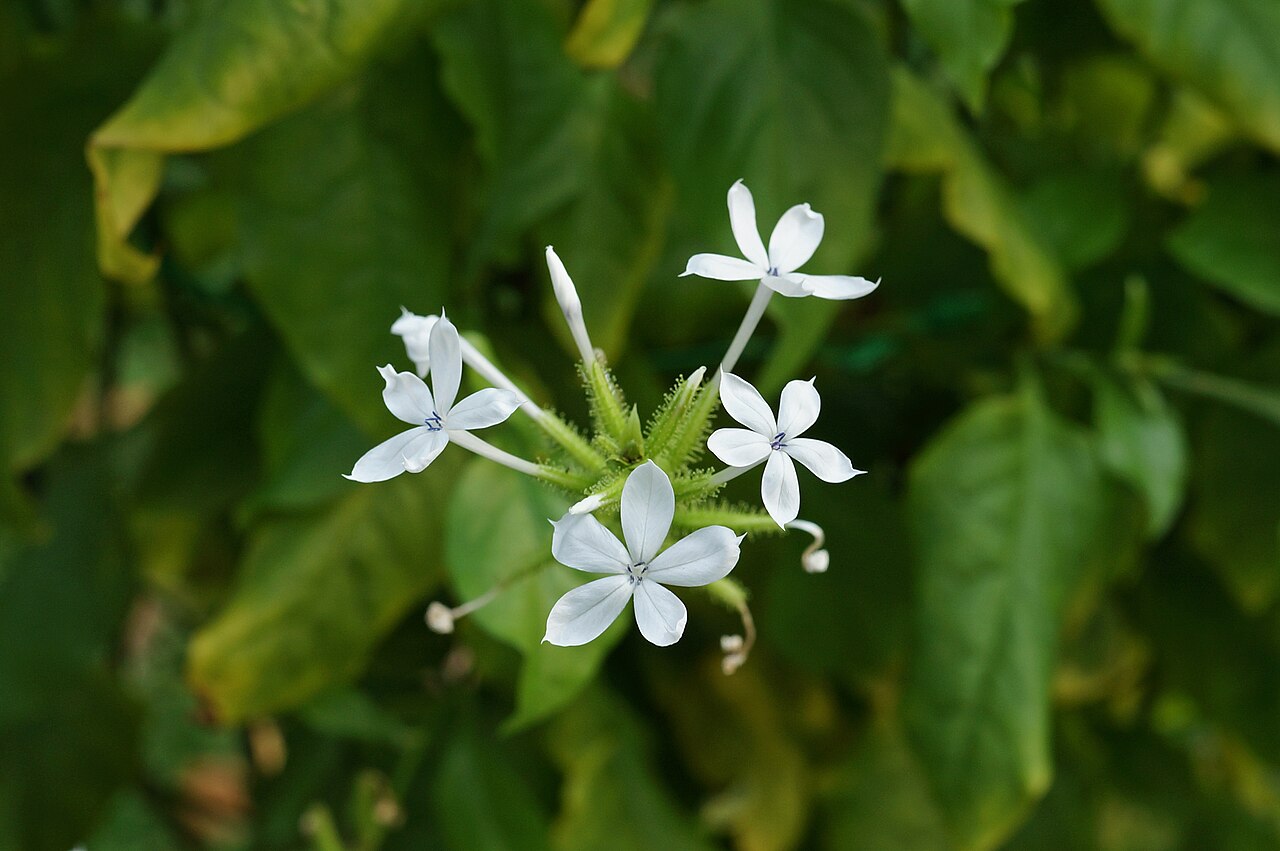
Plumbago zeylanica, called Doctorbush or wild leadwort, is a sprawling perennial with thin green leaves and spikes of clean white flowers. It is the wild relative of the blue plumbago sold in every southern garden center, and it flowers nearly all year in frost-free climates. In Florida it grows in the shade and half-shade of coastal hammocks, shell mounds and thicket edges; in Hawaii, where it is called ‘ilie‘e, it grows in dry lowland shrubland and on coastal cliffs.
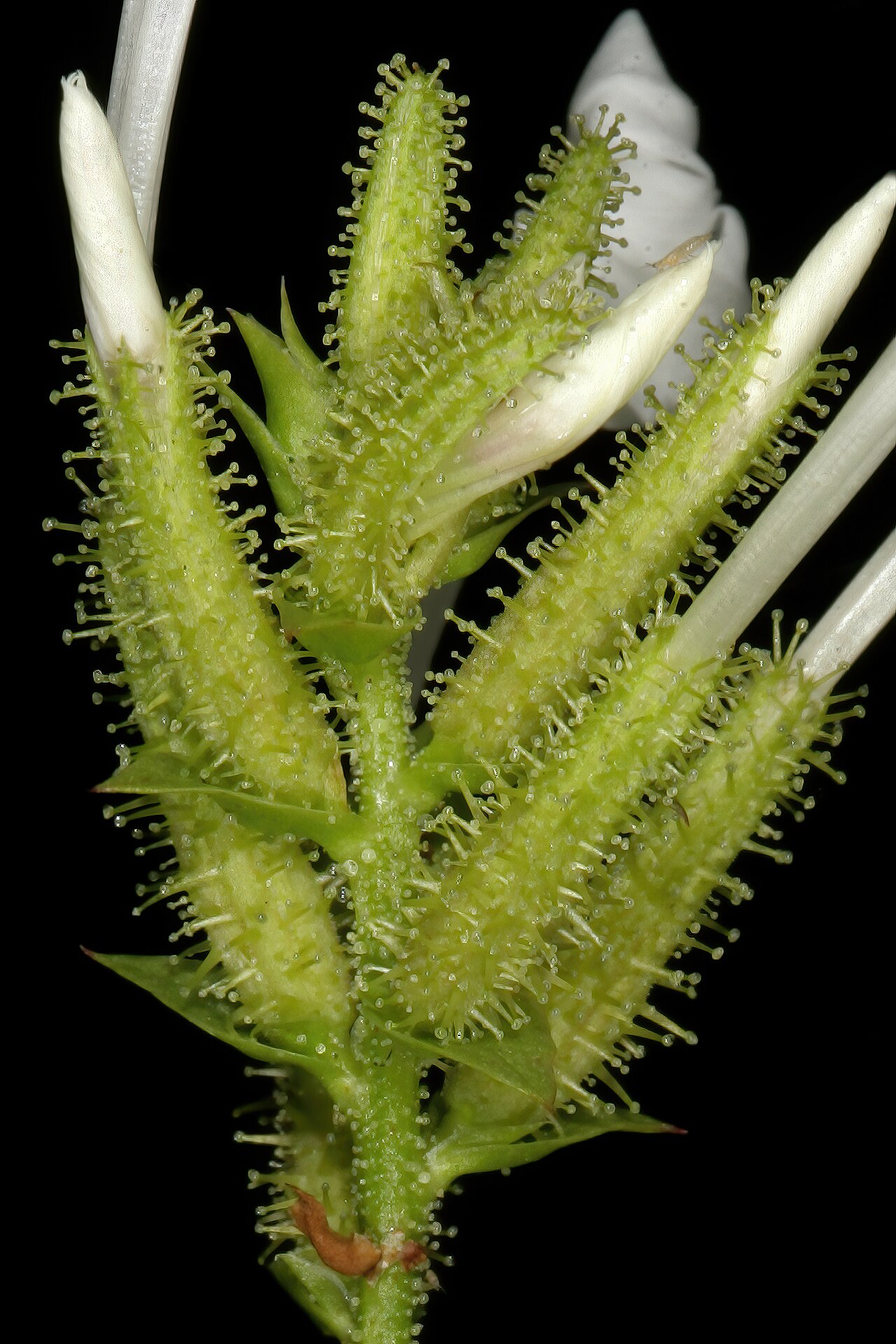
Two things make it memorable. The first is the calyx: the green tube under each flower is covered in stalked glands that end in beads of glue. Brush past a plant and the ripening fruits stick to your clothes, which is exactly how the species gets around. The second is the sap. The roots and stems contain plumbagin, a compound that irritates and can blister skin, and that chemistry is behind both the name doctorbush and a long record of folk medicinal use across the tropics.
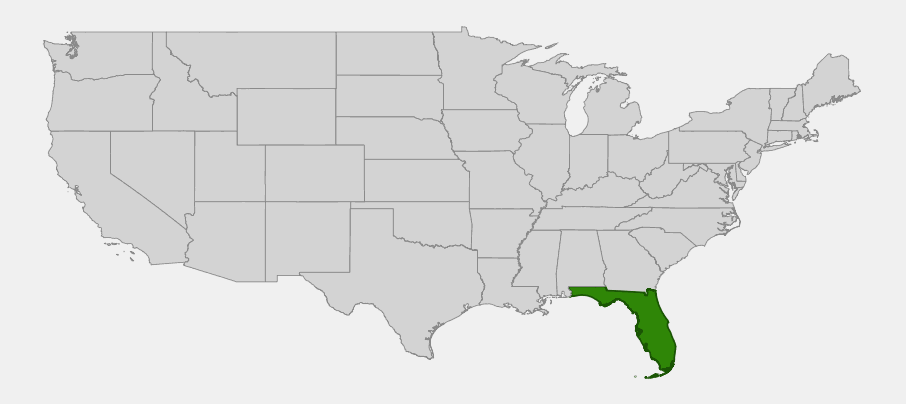
Its native status in the continental United States is unsettled. The Atlas of Florida Plants treats Plumbago zeylanica as native in Florida, and Flora of North America and ITIS also consider it native in the continental U.S. USDA PLANTS does not: it maps native status only for Hawaii and records the Florida, Texas and Arizona plants without a native designation. We follow the Atlas and treat it as a Florida native while noting the disagreement, and it is unambiguously native in Hawaii.
Identification
Doctorbush is easy to walk past when it is not flowering, because it has no strong shape of its own. Once you learn the sticky calyx and the white, phlox-like flowers you will not confuse it with anything else in a Florida hammock.
Habit & Stems
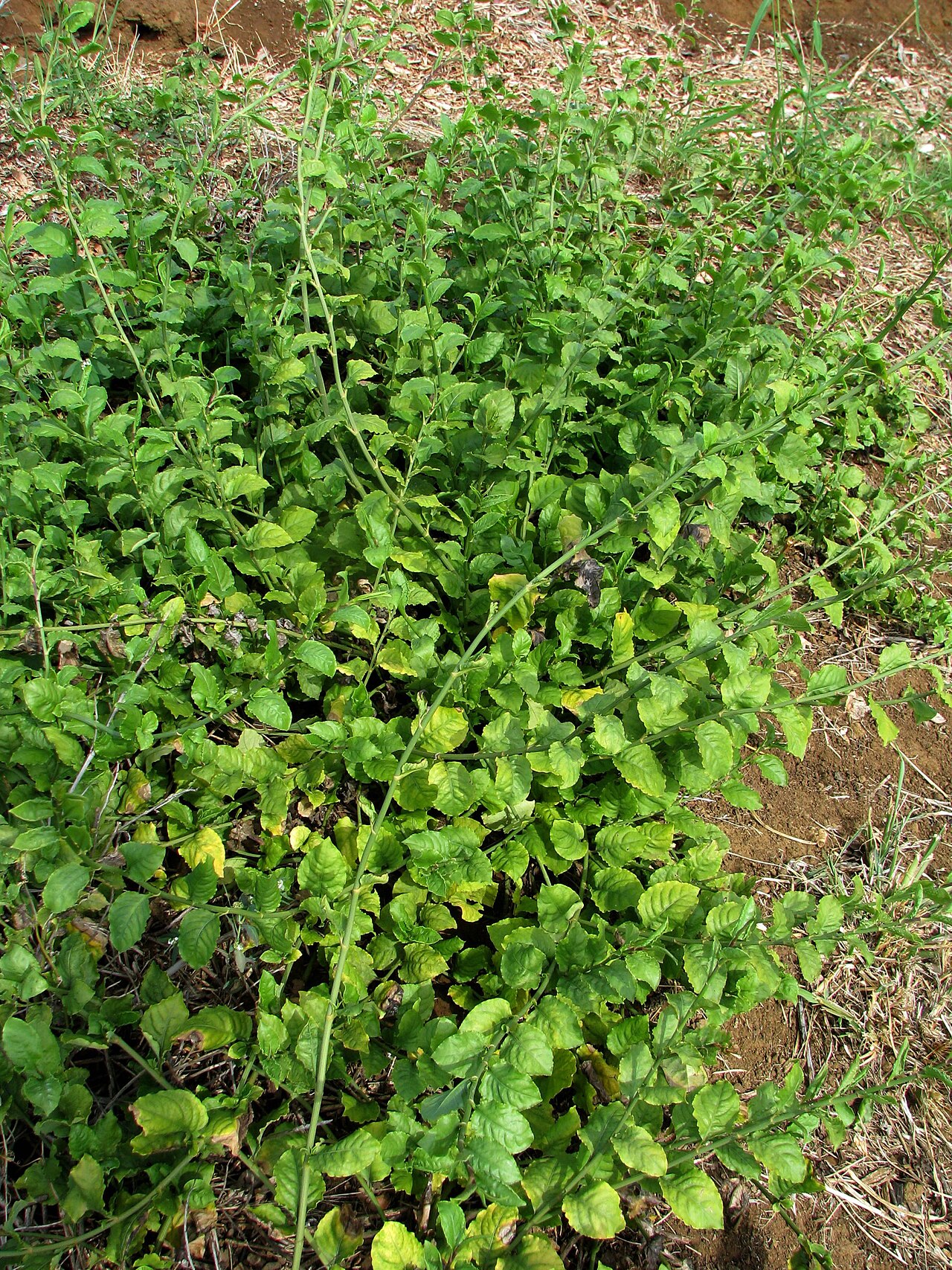
This is a perennial herb that behaves like a weak shrub or a scrambling vine, depending on what it can lean on. Stems rise from a woody rootstock, are green and ribbed when young, and reach 2 to 4 feet when free-standing or 8 to 10 feet when climbing through shrubs. They are not true climbers, with no tendrils or twining; they simply sprawl, snag and keep growing. Plants often form loose colonies where stems root at the nodes or where the rootstock spreads.
Leaves
Leaves are alternate, thin, simple and untoothed, oval to lance-shaped, 2 to 5 inches long, tapering to a short winged stalk that often clasps the stem with small lobes. They are bright to medium green, sometimes with a fine whitish powder underneath, and they wilt quickly in drought and recover just as quickly after rain. Older leaves may develop reddish or yellow margins. There is nothing aromatic about them.
Flowers
Flowers are carried in slender terminal spikes 2 to 12 inches long, with a few open at a time over weeks. Each flower has a narrow tube about an inch long that flares into five rounded white lobes roughly three-quarters of an inch across, often with a faint blue-violet line down the center of each lobe. The green calyx around the tube is the giveaway: it is covered in short stalked glands tipped with sticky fluid. Flowering is essentially continuous in frost-free parts of Florida and Hawaii, with the heaviest display in the warm, wet months.
Fruit & Seeds
The fruit is a narrow dry capsule enclosed in the persistent sticky calyx. When ripe the whole unit detaches and glues itself to fur, feathers or clothing, then splits to release one small seed. This is why doctorbush turns up along trails, under bird perches, and on disturbed hammock edges. Birds and mammals move it reliably over short distances, and ocean drift and human traffic explain its presence throughout the tropics.
Quick Facts
| Scientific Name | Plumbago zeylanica (syn. P. scandens; USDA symbol PLZE) |
| Family | Plumbaginaceae (leadwort family) |
| Plant Type | Evergreen perennial herb to weak shrub; sprawling or scrambling |
| Mature Height | 2–4 ft free-standing; to 8–10 ft when it scrambles through shrubs |
| Mature Spread | 3–6 ft; spreads into loose colonies |
| Growth Rate | Fast |
| Sun Exposure | Part shade to full sun; best with bright shade in the hottest sites |
| Water Needs | Low to moderate once established; wilts and recovers readily |
| Soil Type | Sandy, shelly or limestone soils, hammock leaf litter; good drainage |
| Soil pH | Slightly acid to strongly alkaline, about 6.0–8.5 |
| Bloom Time | Year-round in frost-free areas; heaviest spring through fall |
| Flower Color | White, often with a faint blue-violet midline on each lobe |
| Fall Color | None; evergreen where frost-free |
| Fruit | Narrow capsule enclosed in a sticky glandular calyx that clings to fur and clothing |
| Deer Resistant | Yes; the acrid sap deters browsing |
| USDA Hardiness Zones | 9–11; tops freeze in zone 9 and resprout |
Native Range
Doctorbush is pantropical. It grows across Africa, southern and southeastern Asia, Australia, the Pacific islands, the Caribbean and tropical America, and botanists still argue about where it originated and how much of that range is natural. In U.S. territory, USDA PLANTS lists it as native in Hawaii and records it in Arizona, Florida, Hawaii and Texas, but does not assign a native status to the continental populations. The Atlas of Florida Plants lists it as native in Florida, and Flora of North America and ITIS treat the continental U.S. plants as native.
In Florida it is a south and central peninsula plant, recorded from coastal counties on both the Atlantic and Gulf sides and through the Keys. Look for it in the broken shade of coastal and tropical hammocks, on shell mounds and old Indian middens, along hammock edges and fence rows, and in disturbed thickets on limestone or shell. The Texas and Arizona material, long treated under the name Plumbago scandens, grows in brush country, canyons and desert washes; most current treatments combine it with P. zeylanica.
In Hawaii, ‘ilie‘e is indigenous and grows on all the main islands, from sea level to around 2,000 feet, in dry coastal shrubland, on lava and coral flats, and on cliff faces. It is a standard component of dry lowland restoration plantings there and one of the easier Hawaiian natives to grow. Because it is a genuine native in Hawaii and at worst a very long-established resident in Florida, it is a sound choice for native plantings in both places.
📋 Regional plant lists featuring Doctorbush: North & South Florida · Hawaii
Growing & Care Guide
Doctorbush is one of the least demanding native perennials in south Florida, and the main skill in growing it is deciding where its sprawl is welcome. Give it bright shade, poor soil and a shrub to lean on, then cut it back when it gets in the way.
Light
Part shade suits it best, which is how it grows in the wild under hammock canopy. It also takes full sun, where it stays shorter, denser and yellower-leaved, and deep shade, where it gets lanky and flowers sparsely. In an exposed, unirrigated sunny bed, give it afternoon shade or expect it to wilt on hot days.
Soil & Water
Any reasonably drained soil works, including the shell, marl and limestone soils of coastal south Florida and the thin red soils of dry Hawaiian lowlands. It does not want rich, constantly moist ground, where it grows soft and floppy. Water new plantings weekly for the first couple of months. After that, established plants need water only in extended drought, and they tolerate a lot of wilting before they suffer any real damage. No fertilizer is needed.
Planting Tips
Plant from containers at any time of year in frost-free areas, ideally at the start of the rainy season. Set plants 3 to 4 feet apart at the base of a shrub, along a fence line, or at the back of a shaded bed where the stems can lean on something. Avoid putting it beside a path or doorway: the sticky fruits will end up on everyone’s clothes and on the dog. It takes a few seasons to form a good colony.
Pruning & Maintenance
Cut it back hard whenever it outgrows its space; it resprouts quickly from the woody base. An annual shearing to a foot or so in late winter keeps it compact and encourages fresh flowering stems. Wear gloves and long sleeves when you prune, since the sap can irritate skin. Where it seeds into places you do not want, pull seedlings while small. Remove spent flower spikes if you want to limit self-sowing.
Propagation
Softwood or semi-hardwood cuttings taken in warm weather root easily in moist sand or perlite, usually within a few weeks. Division of the woody crown works in the cool season. Seed germinates without special treatment if sown fresh in a warm, bright place, though separating the glue-covered fruits is tedious; many growers simply press whole sticky fruits onto the surface of damp potting mix. Wear gloves for all of it.
Landscape Uses
- Shaded native beds: a long-blooming white-flowered filler under hammock trees and large shrubs
- Butterfly gardens: the larval host plant for Cassius blue and marine blue butterflies
- Hammock and coastal restoration: a fast-establishing understory perennial for disturbed hammock edges in south Florida
- Hawaiian dry-land plantings: ‘ilie‘e is a standard species in dry coastal and lowland restoration on all main islands
- Informal screening: left to scramble through a fence or an open shrub, it fills gaps and flowers at eye level
Wildlife & Ecological Value
A plant that flowers every month of the year in a frost-free climate is worth more to wildlife than its modest appearance suggests, and doctorbush earns most of its keep as a butterfly host.
For Pollinators
The long-tubed white flowers are built for butterflies and long-tongued moths, and they are visited steadily by skippers, sulphurs and hairstreaks, as well as by bees working the throat for pollen. The real value is as a larval host: doctorbush and its garden relatives are the food plants of the Cassius blue (Leptotes cassius) and the marine blue (Leptotes marina), tiny blue butterflies whose caterpillars feed on flower buds and developing fruits. Where there is plumbago, there are usually Cassius blues.
For Birds
Birds do not eat the seeds, but they are important dispersers. The sticky fruits attach to feathers and are carried from hammock to hammock, which is part of why the species turns up on isolated keys and islands. The dense sprawling growth also gives ground-feeding and low-nesting birds cover at the edge of a hammock.
For Mammals
The plumbagin in the sap makes the foliage unpalatable, and deer, rabbits and rodents generally avoid it. Mammals move the sticky fruits in their fur, which does the plant more good than browsing would do harm.
Ecosystem Role
Doctorbush is a gap and edge species. It colonizes openings created by storms, fallen trees and trails in tropical hammocks, holds soil while slower woody plants establish, and then persists in the understory. Its chemistry makes it largely free of herbivores other than the specialist blue butterflies, and its sticky fruits give it one of the most effective short-distance dispersal systems of any plant in the hammock flora.
Cultural & Historical Uses
Linnaeus named Plumbago zeylanica in 1753 from Sri Lankan material, which is what zeylanica, “of Ceylon”, records. The genus name comes from the Latin plumbum, lead; Pliny described a plant used to treat a lead-colored eye condition, and the name carried over. American botanists long used the name Plumbago scandens for New World plants, but the two are now generally treated as one widespread species, with P. zeylanica as the older and correct name.
The common name doctorbush comes from the plant’s heavy use in folk medicine across the tropics. Root and stem preparations have been used in Africa, India, Southeast Asia and the Caribbean for skin conditions, as a counter-irritant and in many other ways. The active compound, plumbagin, is a naphthoquinone, and it genuinely blisters skin at modest concentrations; in India the root has a documented history of misuse as an abortifacient and has caused poisonings. In Hawaii, the sap of ‘ilie‘e was used as a dark dye for tattooing and as a medicine, and the juice was applied to the skin for several complaints. None of this is a recommendation. Treat the plant as an irritant, wear gloves when pruning, keep the sap away from eyes, and do not ingest any part of it.
In gardens the familiar plumbago is the South African Plumbago auriculata, with pale blue flowers, which is a non-native ornamental throughout the warm South. Doctorbush is its white-flowered American and Hawaiian counterpart, grown in native plant gardens, butterfly gardens and restoration plantings rather than in the mainstream nursery trade. Florida and Hawaii native nurseries both carry it, and in Hawaii it is one of the plants most often recommended to beginners starting a native dry-land garden.
Frequently Asked Questions
Is doctorbush native to Florida?
The Atlas of Florida Plants lists it as native in Florida, as do Flora of North America and ITIS for the continental United States generally. USDA PLANTS does not assign it a native status outside Hawaii. We follow the Atlas and treat it as a Florida native while noting the disagreement; it is unquestionably native in Hawaii, where it is called ‘ilie‘e.
Is doctorbush the same as the blue plumbago in garden centers?
No. The common blue-flowered plumbago is Plumbago auriculata, a South African shrub that is not native anywhere in the United States. Doctorbush is Plumbago zeylanica, with white flowers and a looser, more sprawling habit. The two are close relatives and both host Cassius blue butterflies.
Is doctorbush poisonous?
Treat it as an irritant plant. The sap contains plumbagin, which can redden and blister skin on contact and is toxic if swallowed. Wear gloves and long sleeves when pruning, wash after handling, keep it away from eyes, and do not use it medicinally.
Why do the seeds stick to everything?
The green calyx around each flower is covered with stalked glands that secrete a sticky fluid. The calyx stays on the ripening fruit, so the whole package glues itself to fur, feathers and clothing and gets carried away. It is an efficient dispersal system and a good reason not to plant doctorbush right beside a walkway.
How do I keep it from taking over?
Shear it back to about a foot in late winter and cut wayward stems any time. Remove spent flower spikes to limit seeding, and pull volunteer seedlings while they are small. It spreads steadily but it is shallow-rooted and easy to pull, and it is not considered invasive within its native range.

Looking for a nursery that carries Doctorbush?
Browse our native plant nursery directory: Florida & Hawaii