
Fan-Leaved Tiquilia (Tiquilia plicata)
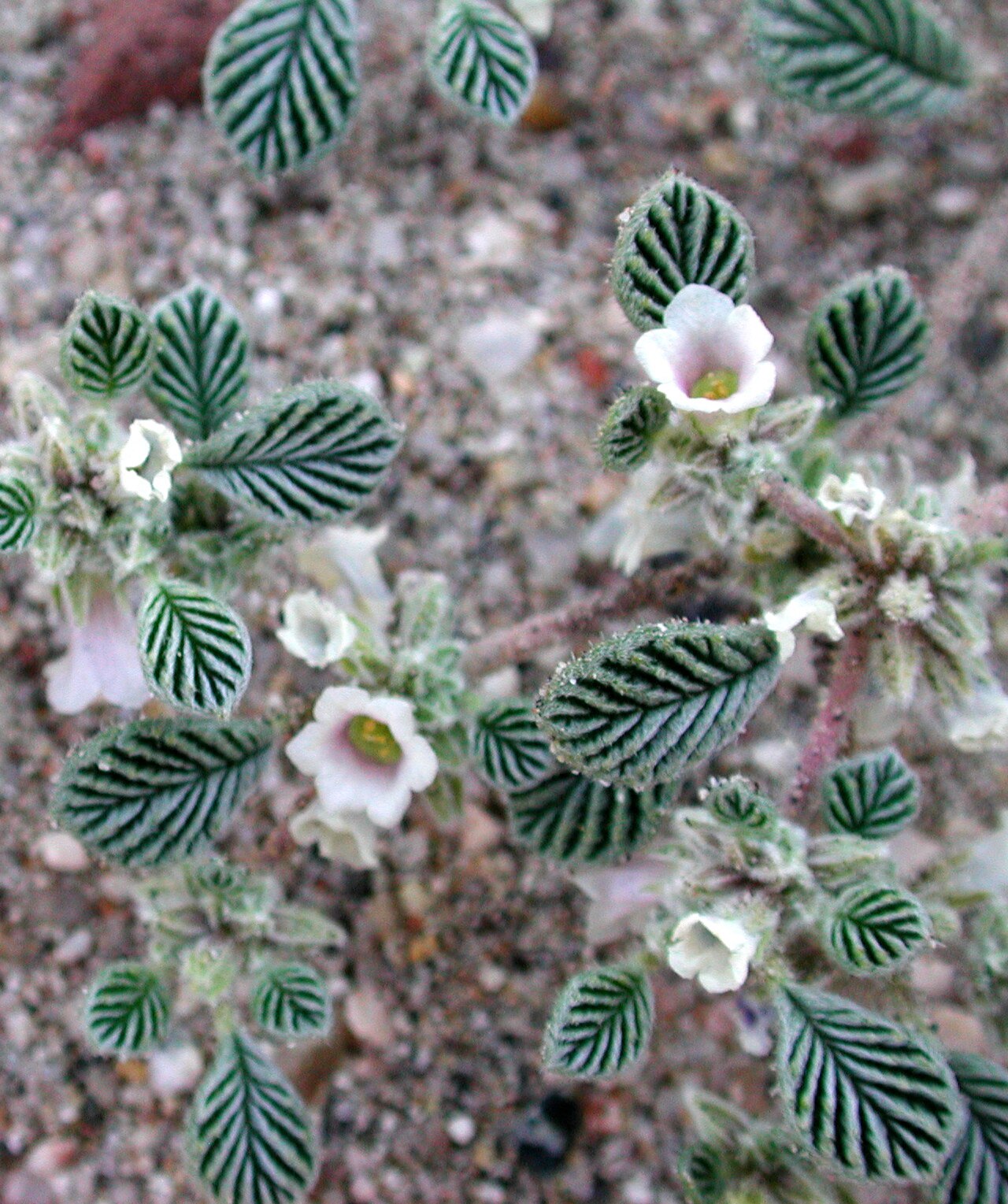
Tiquilia plicata, known as Fan-Leaved Tiquilia or, in USDA PLANTS, fanleaf crinklemat, is a low, mat-forming perennial of the sand dunes and sandy flats of the Mojave and Sonoran Deserts. It belongs to the borage family in the broad sense (Boraginaceae); some botanists place Tiquilia in the separate family Ehretiaceae. It was long known as Coldenia plicata.
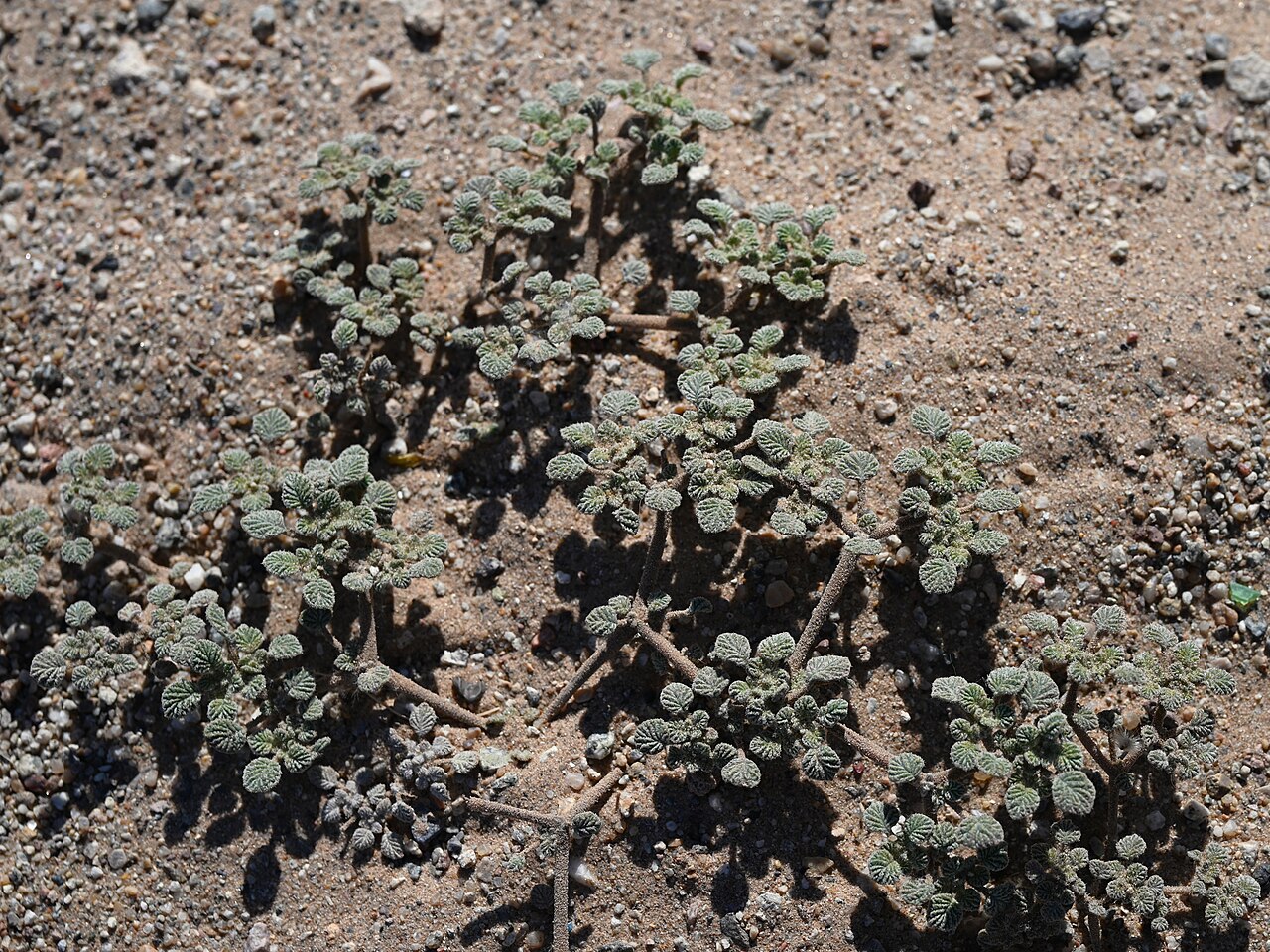
The plant hugs the ground, rarely standing more than about 4 inches tall, and spreads outward from a woody root crown in a flat, branching mat. Its most striking feature is the foliage: each small, oval leaf is folded into deep parallel pleats, like a tiny fan or a crinkled paper, and covered in silvery hairs. From spring into early summer, small funnel-shaped flowers in lavender, pink or white open among the leaves.
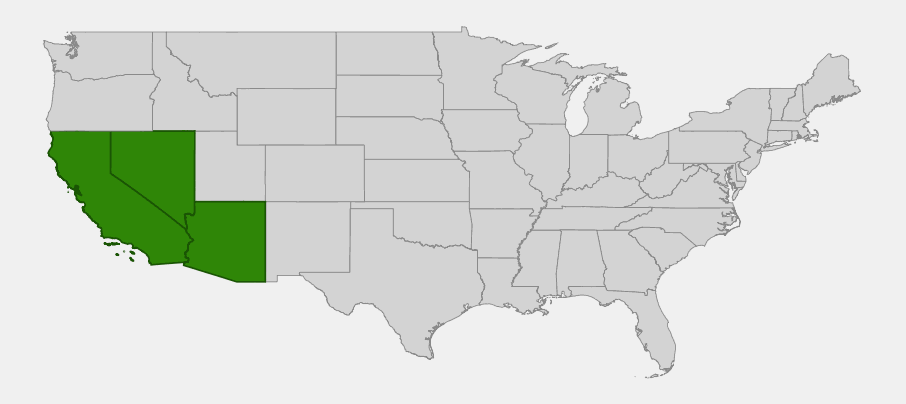
In the United States it grows only in southeastern California, western Arizona and southern Nevada, and its range continues into northwestern Mexico. Fan-leaved tiquilia helps hold loose sand in place and offers small flowers to native bees in one of the harshest habitats in North America. This guide covers how to identify it, where it grows, what it takes to grow it, and its role in desert ecosystems.
Identification
Fan-leaved tiquilia is easiest to recognize by its leaves. Few other desert plants have small, silvery leaves so deeply pleated along the veins. Look for a flat mat on open sand, often partly buried, with pale flowers tucked among the leaves.
Roots & Growth Habit
The plant grows from a deep, woody taproot that reaches down to moisture beneath the dry sand. From the root crown, many slender, branching stems spread flat along the ground, forming a loose mat that is usually less than 4 inches tall. Older plants can cover a patch of sand a foot or two across. Stems that are buried by drifting sand keep growing toward the surface.
Leaves
The leaves are small, usually well under an inch long, oval to nearly round and borne on short stalks. Their veins are deeply impressed, so the blade is folded into regular pleats that fan out from the midrib, which is the meaning of the species name plicata (“folded”). Dense, stiff, flattened hairs give the leaves a gray-green or silvery look, with darker green showing in the grooves between the pleats.
Flowers
The flowers are small, funnel-shaped and five-lobed, about a quarter of an inch across, in pale lavender, pink, bluish or nearly white, often with a yellowish throat. They sit singly or in small clusters in the leaf axils, nestled in the foliage. The main bloom is from March to July, and plants may flower again after summer rain.
Fruit & Seeds
After flowering, each flower produces a small dry fruit that splits into up to four tiny nutlets, hidden in the persistent, hairy calyx. The seeds fall close to the parent plant and are moved around by wind and shifting sand.
Look-alikes
Several other tiquilias grow in the same deserts. Palmer’s crinklemat (Tiquilia palmeri) and Nuttall’s crinklemat (Tiquilia nuttallii) have flat or only slightly creased leaves; the deeply fan-pleated leaves of T. plicata separate it from both. Low mats of spurge (Euphorbia) also grow on desert sand, but they have milky sap and paired leaves without pleats.
Quick Facts
| Scientific Name | Tiquilia plicata (Torr.) A.T. Richardson |
| Family | Boraginaceae (borage family); sometimes placed in Ehretiaceae |
| Plant Type | Mat-forming herbaceous perennial or subshrub from a woody taproot |
| Mature Height | 2–4 in |
| Mature Spread | 1–2 ft |
| Growth Rate | Slow to moderate |
| Sun Exposure | Full sun |
| Water Needs | Very low; desert rainfall only |
| Soil Type | Loose sand, dunes and sandy or gravelly flats; perfect drainage |
| Soil pH | Neutral to alkaline (about 7.0–8.5) |
| Bloom Time | March–July, sometimes again after summer rain |
| Flower Color | Lavender, pink, pale blue or white |
| Fall Color | None; leaves stay gray-green |
| Fruit | Tiny nutlets enclosed in the hairy calyx |
| Deer Resistant | Not well documented |
| USDA Hardiness Zones | 8–10 |
Native Range
Fan-leaved tiquilia is a plant of the hot deserts of the American Southwest. USDA PLANTS lists it as native to Arizona, California and Nevada, and it also grows in Baja California and Sonora, Mexico. It is a typical plant of the lower Colorado River valley and the sandy basins around it.
In California it grows in the Mojave and Colorado (Sonoran) Deserts, including the Imperial Sand Dunes and sandy flats of San Bernardino, Riverside and Imperial Counties. In Arizona it occurs mainly in the western and southwestern deserts, along sandy river terraces of the Gila, Hassayampa and Colorado drainages. In Nevada it reaches the southern tip of the state near the Colorado River.
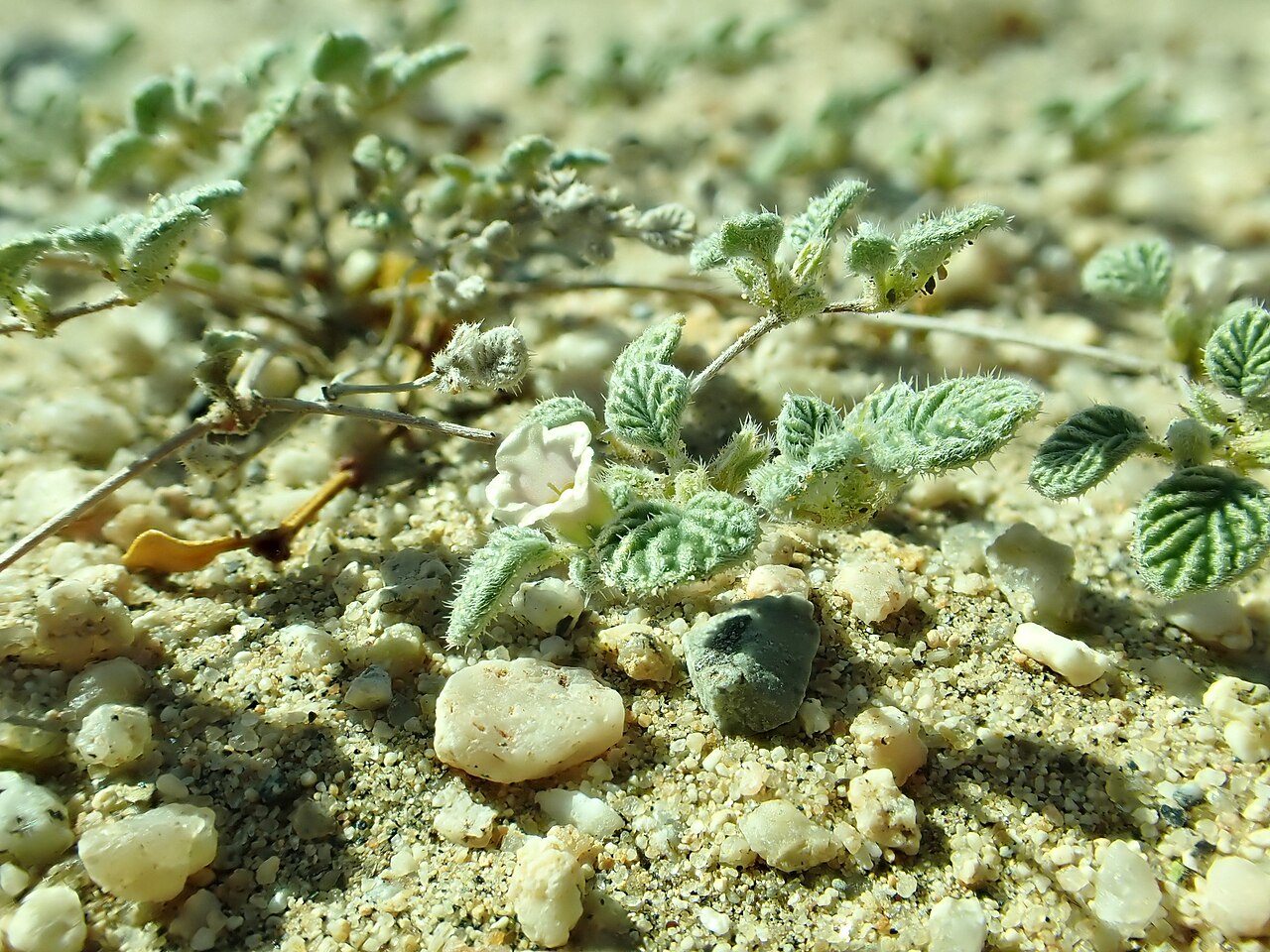
Its habitat is almost always loose sand: active and stabilized dunes, sand sheets, sandy washes and gravelly flats in creosote bush scrub, mostly at low elevations. It tolerates extreme heat, intense sun and drifting sand, and it is often one of the few perennials on open dunes.
📋 Regional plant lists featuring Fan-Leaved Tiquilia: Arizona & New Mexico · California & Nevada
Growing & Care Guide
Fan-leaved tiquilia is rarely available from nurseries and is mainly of interest to desert gardeners, botanic gardens and dune restoration projects. If you garden in the low desert on sandy soil, it can work as a tiny, silver ground cover. Outside its desert home it is very difficult to keep alive, because it needs sand, heat and almost no water.
Light
Give it full, all-day sun. In the wild it grows on open sand with no shade at all, and in shade it becomes weak and short-lived.
Soil & Water
It needs pure sand or very sandy, gravelly soil with perfect drainage; heavy or rich soil will rot the roots. Once established, it lives on natural desert rainfall. Water young plants occasionally during their first season, then stop. Overwatering, especially in summer heat, is the most likely way to kill it.
Planting Tips
Use it in a sandy desert garden, a dune-themed planting or a gravel bed, with plenty of open space around it so it is not crowded or shaded. Plant small container-grown plants in fall or late winter, setting them at the same depth as in the pot. Combine it with other sand lovers such as desert sand verbena, dune evening primrose and white bursage.
Pruning & Maintenance
No pruning is needed. Keep competing weeds, especially non-native grasses and Sahara mustard, away from it. Do not mulch with bark or organic material; if anything, use sand or fine gravel.
Propagation
Propagation is by seed, which is seldom sold. Sow the tiny nutlets shallowly in pure sand in warm weather and keep them barely moist until they germinate, then move seedlings into deep pots so the taproot can develop. Plants with established taproots do not transplant well, so never dig them from the wild; leave wild dune plants in place.
Landscape Uses
- Desert sand gardens: a silvery, ground-hugging mat for pure sand
- Dune restoration: a native perennial that helps hold loose sand
- Rock and gravel gardens: fine-textured, pleated foliage that stands out against stone
- Pollinator plantings: small spring flowers visited by native bees
- Botanical and educational gardens: a striking example of desert leaf adaptations
Wildlife & Ecological Value
Fan-leaved tiquilia is small, but on open dunes, where few plants grow, it matters.
For Pollinators
The small, funnel-shaped flowers are visited by small native bees and other insects in spring. Because the plant flowers over a long season and sometimes again after summer rain, it can offer nectar and pollen when other dune plants are finished.
For Birds
Ground-foraging birds of the desert, such as sparrows and quail, may eat the small nutlets, and the mats offer a little cover for insects that birds feed on.
For Mammals
Desert rodents such as kangaroo rats and pocket mice collect small seeds from sandy ground, and the tiny nutlets of tiquilia are likely part of the seed supply on dunes. The low mats are seldom grazed.
Ecosystem Role
On dunes and sand sheets, perennial mats like fan-leaved tiquilia trap blowing sand and slow its movement, creating small hummocks and sheltered spots where seeds of annual wildflowers can settle. Its deep taproot lets it persist through long droughts, so it remains part of the dune plant community in years when annuals fail to appear.
Cultural & Historical Uses
The species name plicata comes from Latin and means “folded” or “pleated,” a direct reference to the fan-like leaves. The genus name Tiquilia is derived from a Peruvian name for one of the South American species; the genus has species in the deserts of both North and South America. The plant was described by John Torrey as Coldenia plicata and later moved to Tiquilia by Alan T. Richardson.
The pleated, hairy leaves are a good example of how desert plants cope with heat and drought. The dense hairs reflect sunlight and slow water loss, and the folds may help shade parts of the leaf surface. The leaves are often dusted or partly buried with sand, which also protects them.
Because it grows on dunes, fan-leaved tiquilia is affected by off-highway vehicle use and by invasive plants such as Sahara mustard that crowd sandy habitats. Visitors to desert dunes can help by staying on designated routes and leaving native plants in place.
Frequently Asked Questions
Why is it called fan-leaved tiquilia?
Each small leaf is folded into deep, parallel pleats that spread like a fan. USDA calls it fanleaf crinklemat for the same reason: crinkled leaves on a low mat.
Where does fan-leaved tiquilia grow?
It grows on sand dunes, sand sheets and sandy flats in the Mojave and Sonoran Deserts of southeastern California, western Arizona and southern Nevada, and in northwestern Mexico.
Is it the same as Coldenia plicata?
Yes. Coldenia plicata is an older name for the same plant. Most North American desert species once placed in Coldenia are now in Tiquilia.
Can I grow fan-leaved tiquilia in my garden?
Only in a hot, dry climate with sandy, fast-draining soil and full sun. It needs very little water and quickly rots in rich soil or with regular irrigation. Use seed or nursery-grown plants, never plants dug from the wild.
Is fan-leaved tiquilia good for pollinators?
Yes, on a small scale. Its little lavender to white flowers are visited by small native bees in spring and sometimes again after summer rain.

Looking for a nursery that carries Fan-Leaved Tiquilia?
Browse our native plant nursery directory: Arizona · California · Nevada

