Hairy Manzanita (Arctostaphylos columbiana)
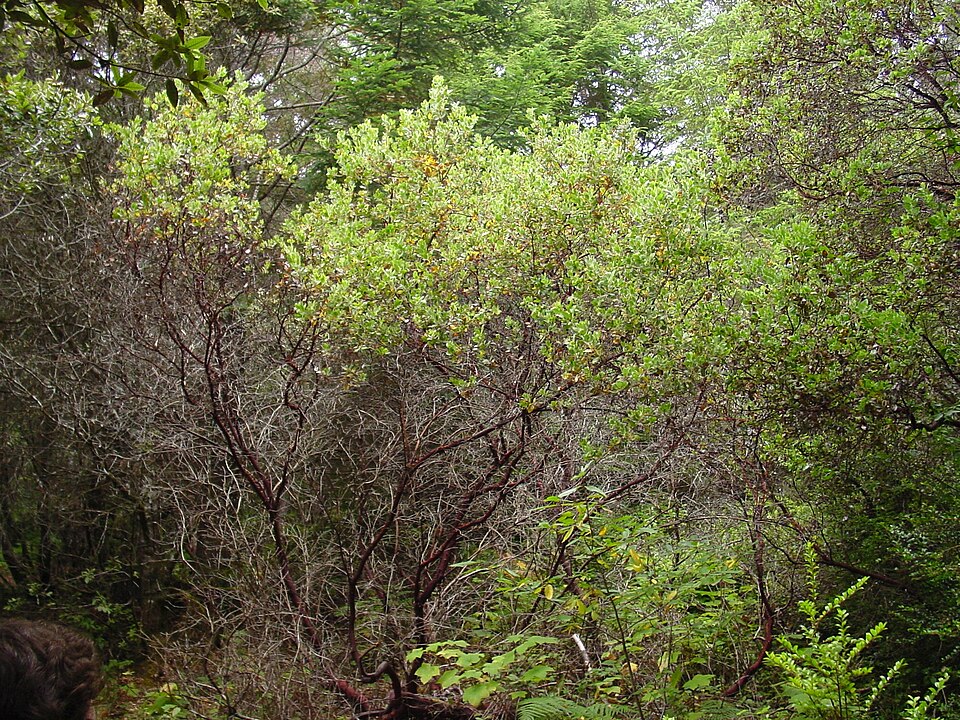
Arctostaphylos columbiana, commonly known as Hairy Manzanita, is a distinctive and resilient evergreen shrub that embodies the rugged beauty of Pacific Coast chaparral and forest communities. This remarkable member of the heath family stands as one of the most adaptable manzanitas, thriving from coastal bluffs to mountain slopes throughout its range. Distinguished by its hairy leaves and branches, beautiful urn-shaped flowers, and distinctive red berries, Hairy Manzanita represents the quintessential Pacific Northwest understory shrub, perfectly adapted to the region’s Mediterranean climate and diverse growing conditions.
Quick Facts
| Scientific Name | Arctostaphylos columbiana |
| Plant Type | Evergreen shrub or small tree |
| Height | 10–15 ft |
| Sun Exposure | Full sun to partial shade |
| Water Needs | Very low (drought tolerant) |
| Soil Type | Well-drained, acidic, rocky or sandy soils |
| Soil pH | 4.5-6.5 (acidic) |
| Bloom Time | February-May |
| Flower Color | White to pink, urn-shaped clusters |
| USDA Hardiness Zones | 7-10 |
| USDA Data | USDA (County-Level Data) |
Identification
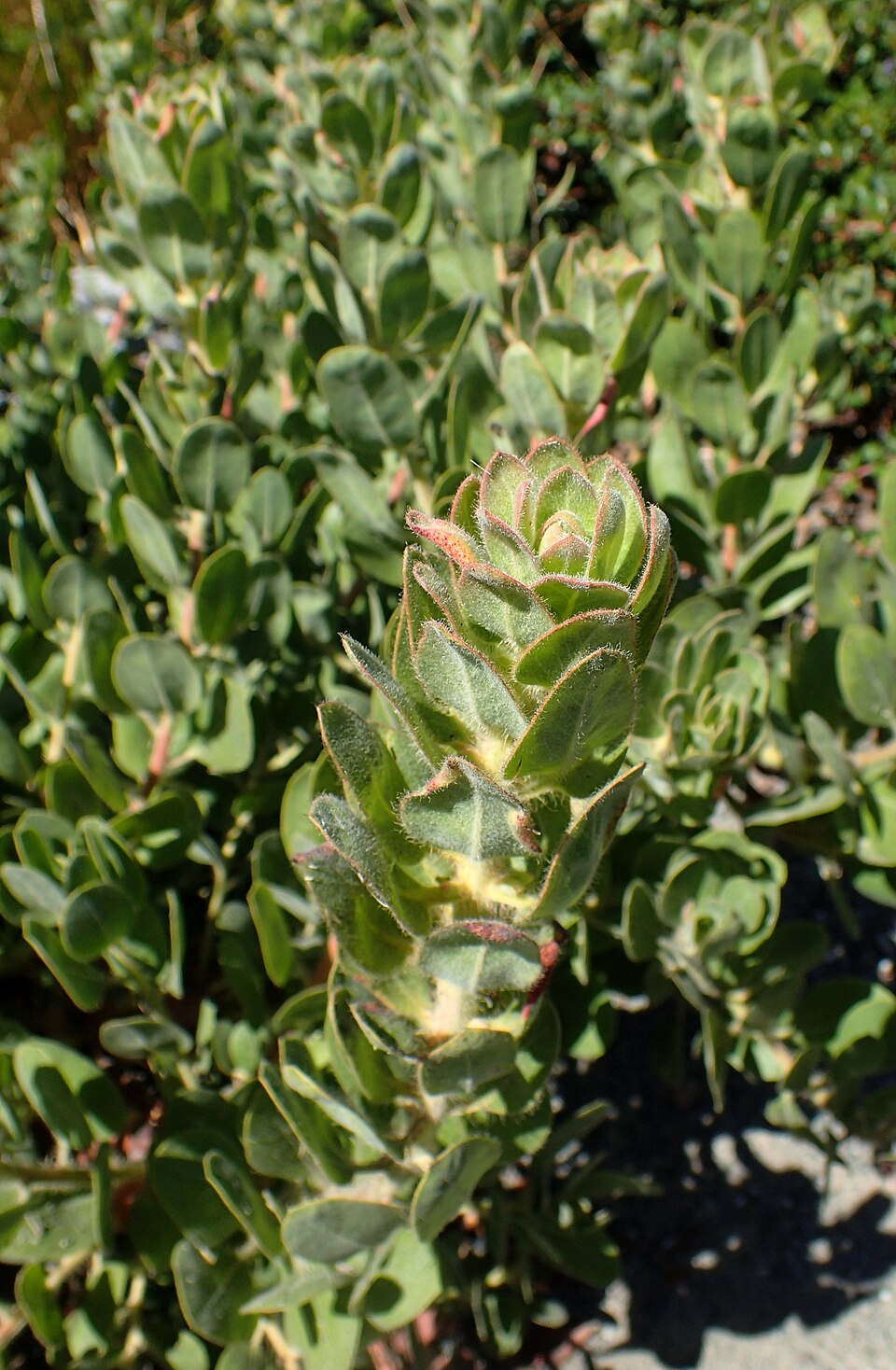
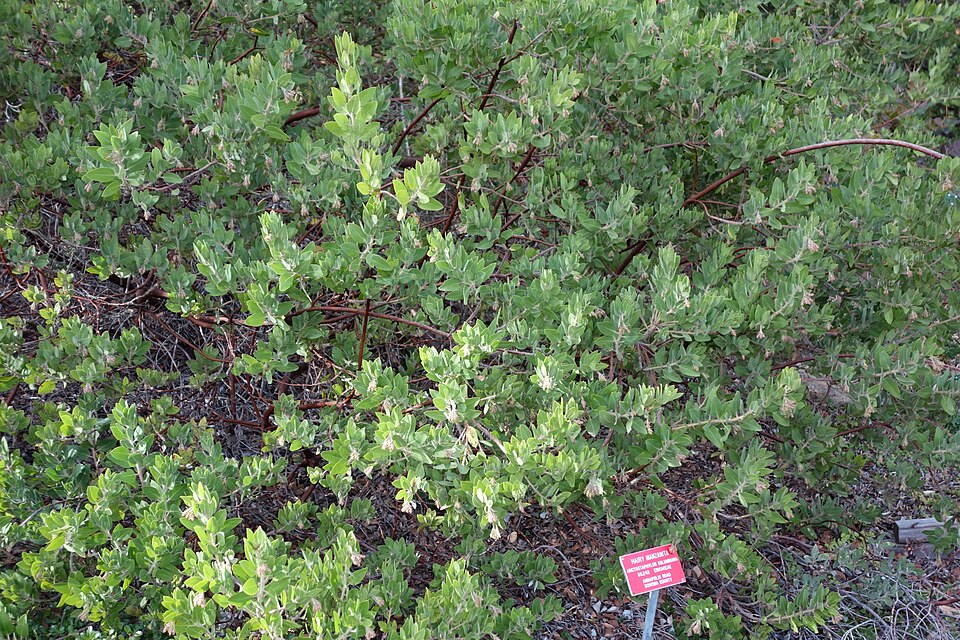
Hairy Manzanita can be readily identified by several distinctive characteristics that set it apart from other Pacific Coast shrubs. The most notable feature, referenced in its common name, is the fine, soft hairs that cover the leaves, young stems, and flower clusters, giving the entire plant a somewhat fuzzy or velvety appearance. This pubescence is particularly noticeable on young growth and helps distinguish it from smooth-leaved manzanita species.
Growth Form and Structure
This versatile shrub exhibits considerable variation in size and form depending on growing conditions. In optimal sites, it can reach 16 feet in height and develop into a small tree with a defined trunk, while in harsh coastal conditions or poor soils, it may remain a compact shrub of 3-4 feet. The branching pattern is typically irregular and somewhat open, creating an attractive architectural silhouette that changes with the seasons and growing conditions.
Leaves
The leaves of Hairy Manzanita are oval-shaped, typically 1-2.5 inches long and about half as wide, with a distinctive pale bluish-green color that helps reflect intense sunlight. The leaf surfaces are covered with fine hairs on both sides, though this is more pronounced on young foliage. The leaves are arranged alternately along the stems and remain on the plant year-round, providing continuous color and texture. During periods of stress or in winter, the leaves may take on reddish or purplish tints, adding seasonal interest.
Bark and Stems
Young branches are noticeably hairy and often reddish-brown in color, while older stems develop the characteristic smooth, reddish bark typical of manzanitas. As the plant matures, the bark becomes increasingly smooth and develops the beautiful red to mahogany coloration that makes manzanitas so distinctive. The bark often peels in thin sheets, revealing lighter-colored inner bark beneath.
Flowers
The flowers are perhaps the most charming feature of Hairy Manzanita. They appear in dense, terminal clusters (racemes) from February through May, with peak bloom typically occurring in March and April. Individual flowers are small, typically 1/4 inch long, and have the distinctive urn or bell shape characteristic of the heath family. The flowers range from pure white to pale pink, often with subtle darker markings, and emit a light, honey-like fragrance that attracts various pollinators.
Fruit
Following successful pollination, the flowers develop into small, round berries (technically drupes) that ripen from green to bright red, typically by late summer or early fall. These berries are about 1/4 to 1/2 inch in diameter and contain several hard seeds. The berries are an important food source for wildlife, though they are somewhat dry and mealy compared to commercial berries.
Native Range
Hairy Manzanita has an extensive native range that stretches along the Pacific Coast from northern California to southwestern British Columbia, demonstrating remarkable adaptability to diverse climatic and environmental conditions. This broad distribution reflects the species’ ability to thrive in various habitats, from sea-level coastal bluffs to mountain slopes at elevations up to 3,000 feet.
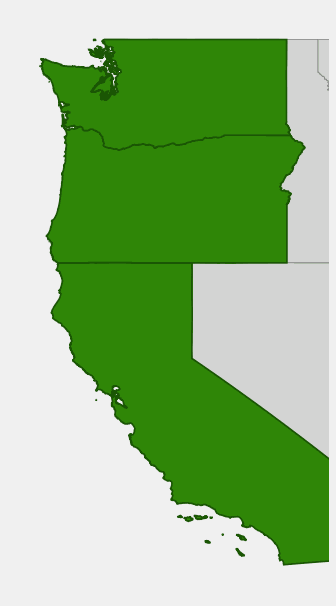
Within its range, Hairy Manzanita typically grows in open, rocky areas where it receives good drainage and protection from the most intense coastal winds. It’s commonly found in forest clearings, along forest edges, on rocky outcroppings, and in areas recovering from disturbance such as fire or logging. The species shows particular affinity for areas with well-drained, acidic soils and is often found growing alongside other members of the heath family.
📋 Regional plant lists featuring Hairy Manzanita: Western Oregon & Western Washington
Growing & Care Guide
Hairy Manzanita is an outstanding choice for Pacific Coast gardeners seeking a low-maintenance, drought-tolerant shrub with year-round interest. Its adaptability to various growing conditions, combined with its ecological benefits and ornamental value, makes it suitable for a wide range of landscape applications.
Site Selection
Choose a planting site that provides excellent drainage, as this is the most critical factor for success with Hairy Manzanita. The plant thrives in full sun to partial shade, though flowering and overall vigor are best in locations receiving at least 6 hours of direct sunlight daily. Avoid low-lying areas where water might collect, as manzanitas are highly susceptible to root rot in poorly drained soils. Slopes, raised beds, or naturally well-drained areas are ideal.
Soil Requirements
Hairy Manzanita strongly prefers acidic soils with a pH between 4.5 and 6.5, reflecting its natural association with areas where organic matter from coniferous trees has acidified the soil. The soil should be well-draining but not necessarily fertile – in fact, overly rich soils can lead to excessive vegetative growth at the expense of flowering. Sandy or rocky soils are perfectly acceptable and often preferred. If planting in heavy clay, amend with coarse sand and organic matter to improve drainage, or consider creating a raised planting area.
Water Management
Once established (typically after the second growing season), Hairy Manzanita is extremely drought tolerant and requires very little supplemental watering. In fact, overwatering is one of the most common causes of failure with this species. During the establishment period, water deeply but infrequently, allowing the soil to dry out between waterings. Once established, the plant can typically survive on natural rainfall alone in most Pacific Coast locations, though occasional deep watering during extended dry periods may be beneficial.
Planting
Plant Hairy Manzanita in fall or early winter when temperatures are cool and natural rainfall will help with establishment. Dig a planting hole only as deep as the root ball but significantly wider to encourage lateral root development. Avoid amending the backfill soil, as this can create drainage issues. Plant at the same depth the plant was growing in its container, and water thoroughly after planting. Apply a 2-3 inch layer of organic mulch around the plant, keeping it several inches away from the stem to prevent fungal problems.
Pruning and Maintenance
Hairy Manzanita requires minimal pruning and generally looks best when allowed to develop its natural form. Remove dead, damaged, or diseased wood as needed, and lightly prune to shape the plant if desired. Avoid heavy pruning, as manzanitas are slow to recover from extensive cutting. Any pruning should be done immediately after flowering to avoid removing next year’s flower buds. The plant benefits from occasional removal of lower branches to improve air circulation and showcase the attractive bark.
Wildlife & Ecological Value
Hairy Manzanita provides exceptional ecological value, supporting a diverse community of wildlife throughout the year. As a native species that has co-evolved with Pacific Coast fauna, it offers resources and habitat that exotic plants simply cannot match.
Pollinators and Beneficial Insects
The early spring flowers of Hairy Manzanita provide crucial nectar and pollen at a time when few other plants are blooming, making it particularly valuable for native bees, butterflies, and other pollinators emerging from winter dormancy. Native solitary bees, including various mining bees and mason bees, are frequent visitors to manzanita flowers. The plant also supports various beneficial insects throughout the growing season, including predatory mites and parasitic wasps that help control pest populations in the garden.
Birds
Many bird species benefit from Hairy Manzanita throughout the year. The berries are consumed by various songbirds, including thrushes, waxwings, and finches, while the dense branching structure provides excellent nesting sites for smaller birds. Hummingbirds visit the flowers for nectar, and the plant’s evergreen nature provides year-round cover and roosting sites. Ground-foraging birds such as towhees and sparrows often search for insects and seeds beneath the shrub’s canopy.
Mammals
Various mammals also benefit from Hairy Manzanita. The berries are eaten by chipmunks, squirrels, and other small mammals, while deer occasionally browse the foliage, though the plant is generally considered deer-resistant due to its somewhat tough, hairy leaves. The dense growth habit provides cover for small mammals and nesting sites for various creatures.
Ecosystem Functions
Beyond its direct wildlife value, Hairy Manzanita plays important ecological roles. Its extensive root system helps prevent soil erosion on slopes, while the evergreen foliage provides year-round soil protection. The plant’s ability to resprout from its root crown after fire makes it valuable in fire-adapted ecosystems, where it helps stabilize soil and provide quick wildlife habitat recovery following burns.
Landscape Design and Uses
Hairy Manzanita offers numerous possibilities for creative landscape design, from naturalistic gardens to more formal settings. Its year-round interest, low maintenance requirements, and wildlife benefits make it a valuable addition to sustainable landscape designs.
Native Plant Gardens
In native plant gardens, Hairy Manzanita serves as an excellent anchor plant, providing structure and year-round interest while creating habitat for wildlife. It pairs beautifully with other Pacific Coast natives such as Ceanothus, Pacific Madrone, and various native grasses and wildflowers. The plant’s natural form and seasonal changes provide a constantly evolving display throughout the year.
Mediterranean and Drought-Tolerant Gardens
The drought tolerance and Mediterranean climate adaptation of Hairy Manzanita make it perfect for water-wise landscaping. It combines well with other drought-tolerant plants and requires minimal irrigation once established, making it ideal for sustainable garden designs focused on water conservation.
Restoration and Erosion Control
For restoration projects and erosion control applications, Hairy Manzanita offers the perfect combination of rapid establishment, deep rooting, and wildlife habitat creation. Its ability to thrive in poor soils and harsh conditions makes it valuable for rehabilitating disturbed sites.
Cultural & Historical Uses
Hairy Manzanita holds deep cultural significance among Indigenous peoples of the Pacific Northwest and California, who have utilized this plant for thousands of years. The Chinook, Kalapuya, and other Coast Range tribes traditionally harvested the reddish-brown berries in late summer and early fall, eating them fresh or drying them for winter storage. The berries were often ground into flour for making nutritious cakes and flatbreads, providing essential carbohydrates and vitamins during lean months.
Beyond food, Indigenous communities used manzanita for numerous practical purposes. The hard, dense wood was carved into tools and implements, while the smooth, reddish bark was used for basketry and cordage. The leaves were sometimes employed medicinally for treating stomach ailments and skin conditions, though such uses should not be attempted without proper knowledge and guidance.
Early European settlers and homesteaders also came to appreciate manzanita berries, using them to make jellies, beverages, and even a type of cider. The berries have a distinctive tart, slightly sweet flavor with hints of apple – hence the Spanish name “manzanita,” meaning “little apple.” Today, while commercial cultivation remains limited, some specialty food producers still create manzanita jelly and other products celebrating this unique native flavor.
In modern times, Hairy Manzanita has gained recognition as an excellent native landscape plant, valued for its drought tolerance, year-round interest, and wildlife benefits. It plays an important role in ecological restoration projects, particularly in areas recovering from fire or other disturbances, where its ability to stabilize soil and provide habitat makes it invaluable for ecosystem recovery.
Frequently Asked Questions
How long does it take for Hairy Manzanita to establish from planting?
Hairy Manzanita typically takes 2-3 years to fully establish after planting. During this time, provide occasional deep watering during dry periods, but avoid overwatering. Once established, the plant becomes very drought tolerant and low-maintenance.
Can I eat Hairy Manzanita berries?
Yes, the berries are edible and were traditionally consumed by Indigenous peoples. They have a tart, slightly sweet flavor and can be eaten fresh or used to make jellies and beverages. However, harvest responsibly and leave plenty for wildlife, as many animals depend on these berries.
When does Hairy Manzanita bloom?
Hairy Manzanita typically blooms from March through May, depending on elevation and weather conditions. The small, urn-shaped flowers are white to pale pink and hang in attractive clusters, providing early nectar for pollinators when few other plants are blooming.
Is Hairy Manzanita fire-resistant?
While not completely fireproof, Hairy Manzanita has evolved with periodic fires and can resprout from its root crown after top-kill by fire. Its dense, low growth habit and relatively moist leaves provide some fire resistance compared to more flammable vegetation.
How much sun does Hairy Manzanita need?
Hairy Manzanita performs best in full sun to partial shade. In coastal areas, it tolerates more shade, while inland locations require more sun exposure. Too much shade can result in leggy growth and reduced flowering and fruiting.

Looking for a nursery that carries Hairy Manzanita?
Browse our native plant nursery directory: Oregon · Washington