
Lemmon’s Marigold (Tagetes lemmonii)
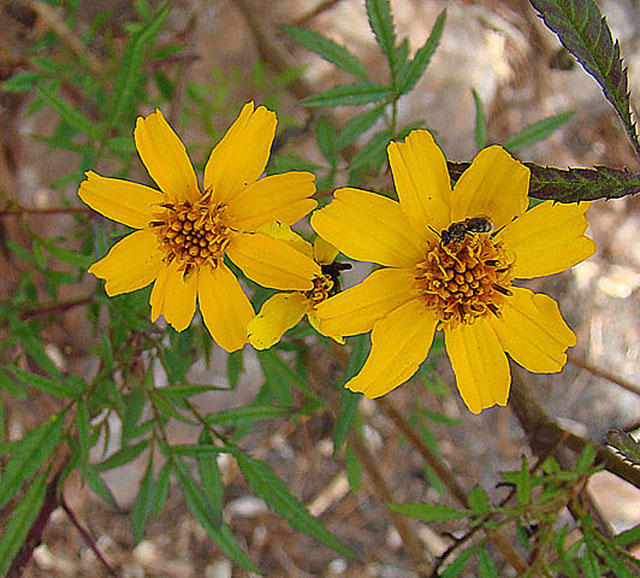
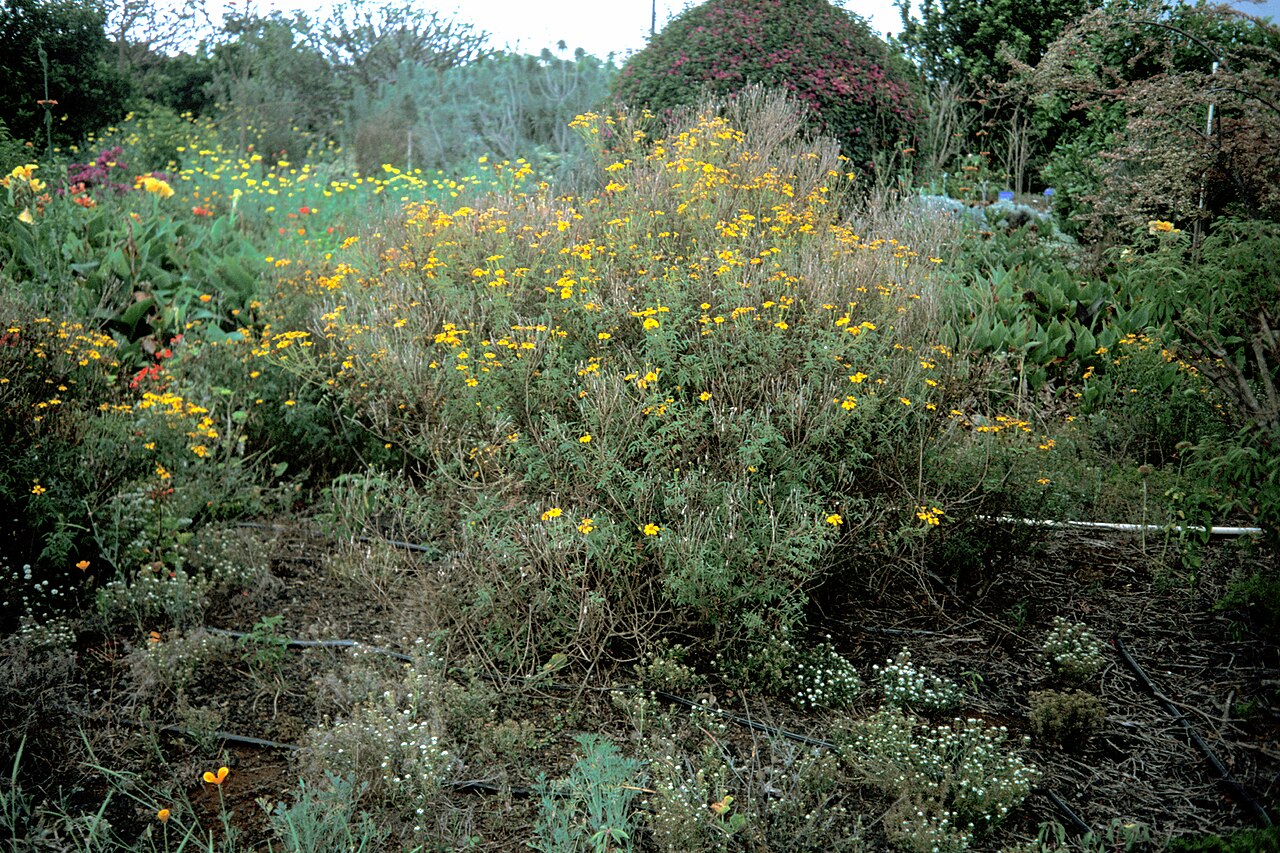
Tagetes lemmonii, known as Lemmon’s Marigold, Copper Canyon daisy, Mount Lemmon marigold, mountain marigold or Mexican bush marigold, is a shrubby, aromatic perennial in the aster family (Asteraceae). It forms a rounded mound 3 to 6 feet tall and wide, with finely divided, deep green leaves that release a powerful scent when touched, and it covers itself with golden-yellow, daisy-like flowers, mainly from late summer through fall and again in spring.
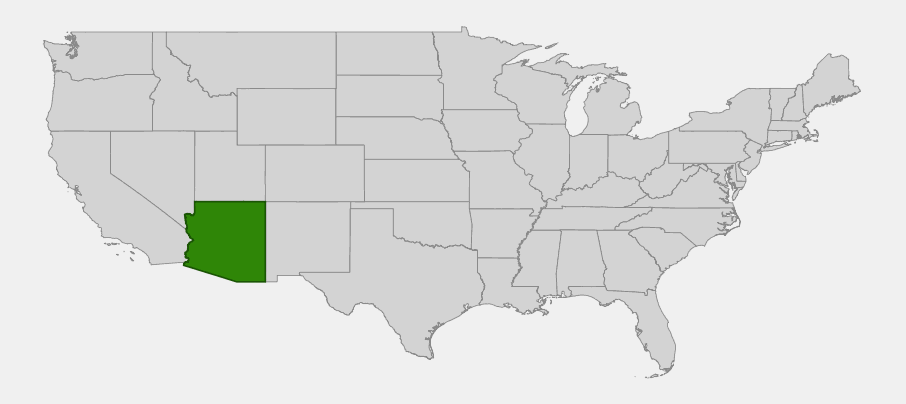
In the United States it is native only to southeastern Arizona, where it grows in the mountains of the Sky Islands region, along canyon streams, on moist slopes and in rocky openings at roughly 4,000 to 8,000 feet. Its range continues south into the Sierra Madre Occidental of Sonora, Chihuahua and Sinaloa in Mexico, including the Copper Canyon country that gave it its most popular nursery name.
Gardeners in California, the Southwest and the Gulf states grow it for its long fall bloom, its tolerance of heat and drought, and its deer resistance. This guide explains how to identify it, where it grows wild, and how to grow and prune it so that it stays compact and floriferous.
Identification
Lemmon’s marigold is very different from the familiar annual garden marigolds (Tagetes erecta and T. patula). It is a long-lived shrubby plant with single, daisy-like flower heads, and its leaves have a much stronger fragrance.
Stems & Growth Habit
It is a much-branched perennial that becomes woody at the base, usually 3 to 6 feet tall and as wide, with slender, upright to arching stems. In cold winters the stems die back and the plant resprouts from the base in spring; in mild areas it remains shrubby and evergreen.
Leaves
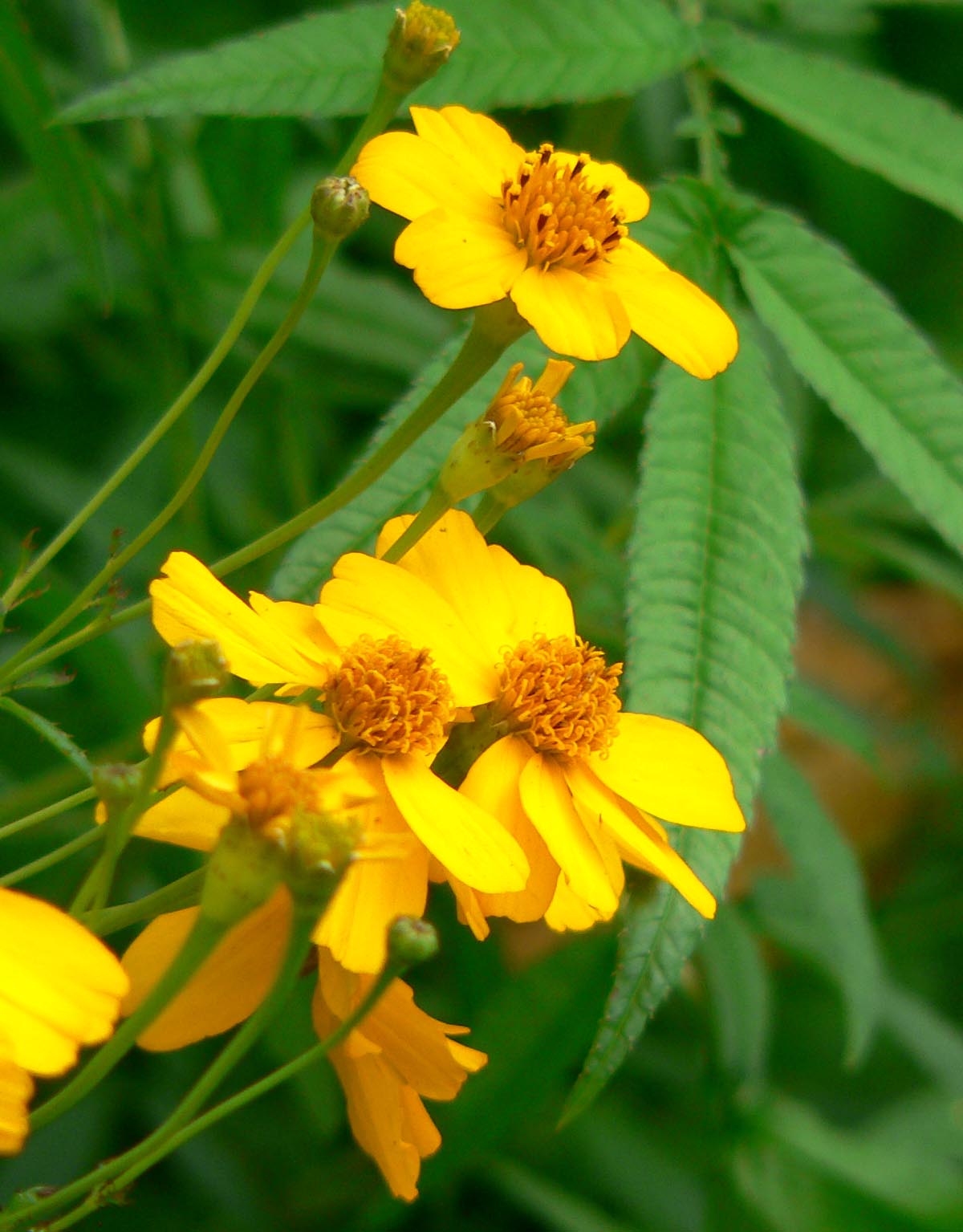
Leaves are opposite and pinnately divided into about 5 to 13 narrow, lance-shaped leaflets with finely toothed edges, each leaf about 2 to 4 inches long. The leaflets are dotted with small translucent oil glands, visible when held up to the light. Crushed leaves release a strong, complex aroma that people describe variously as passionfruit, citrus, mint, marigold or even skunk-like; the scent varies between plants and is a reliable identification clue.
Flowers
The flower heads are about 1 to 2 inches across, held singly or in small loose clusters at the ends of the stems. Each head has usually 5 to 8 broad, golden-yellow to yellow-orange ray flowers surrounding a center of small orange-yellow disk flowers. It flowers in response to shortening days, so blooming peaks from late summer into fall in the wild, and in mild gardens it may flower through winter and again in spring.
Fruit & Seeds
After flowering each disk and ray flower produces a slender, black, ridged seed (cypsela) about ⅓ inch long, topped by a few small scales. The dry seeds scatter from the heads in late fall and winter.
Quick Facts
| Scientific Name | Tagetes lemmonii A. Gray |
| Family | Asteraceae (aster family) |
| Plant Type | Aromatic shrubby perennial (subshrub) |
| Mature Height | 3–6 ft |
| Mature Spread | 3–6 ft |
| Growth Rate | Fast |
| Sun Exposure | Full sun to light afternoon shade |
| Water Needs | Low to moderate; drought tolerant once established |
| Soil Type | Well-drained loam, sandy or rocky soil |
| Soil pH | About 6.0–8.0 |
| Bloom Time | Late summer through fall; also winter and spring in mild climates |
| Flower Color | Golden yellow to yellow-orange |
| Fall Color | None; evergreen in mild winters |
| Fruit | Narrow black seeds (cypselae) |
| Deer Resistant | Yes; the strongly scented foliage is rarely browsed |
| USDA Hardiness Zones | 8–11 (top may freeze in zone 8 and regrow) |
Native Range
Lemmon’s marigold has a small U.S. range. USDA PLANTS lists it as native to the lower 48 states, and its U.S. populations are in the mountains of southeastern Arizona, the “Sky Islands” ranges near the Mexican border. The Lady Bird Johnson Wildflower Center describes it as native to the mountains of southern Arizona and adjacent northern Mexico.
There it grows along streams and in other moist soils in grasslands, in canyon bottoms, on cliffs and in rocky openings in oak and pine-oak woodland, at roughly 4,000 to 8,000 feet. Plants often appear in the partial shade of canyon walls and trees, and they bloom after the summer monsoon rains.
South of the border it ranges through the Sierra Madre Occidental of Sonora, Chihuahua and Sinaloa, including the Barranca del Cobre (Copper Canyon). It is widely cultivated in California, the Southwest, the Gulf Coast and mild climates around the world, and it occasionally escapes from gardens, but its wild range in the United States is limited to Arizona.
📋 Regional plant lists featuring Lemmon’s Marigold: Arizona & New Mexico
Growing & Care Guide
Lemmon’s marigold is an easy, tough perennial for sunny, dry gardens. It grows quickly, tolerates heat and poor soil, and needs little water once established. The main job is pruning, which keeps it from becoming leggy and floppy.
Light
Plant it in full sun for the most compact growth and heaviest bloom. In the low desert, light afternoon shade helps it through the hottest months. In too much shade it becomes lanky and flowers sparsely. Because it blooms in response to short days, avoid planting it right next to bright night lighting, which can delay flowering.
Soil & Water
It grows in most well-drained soils, including sandy, rocky and clay loam soils, from slightly acidic to alkaline. Avoid heavy, waterlogged soil, especially in winter. Water regularly through the first summer, then deeply every two to four weeks in hot, dry weather. Overwatering and rich soil make it grow tall and soft. In containers use a well-drained potting mix and let the top inch dry between waterings.
Planting Tips
Give each plant 4 to 6 feet of space. Plant in spring or early fall. Because its fragrance is strong, place it where you can enjoy brushing past it occasionally, but some people prefer it a few feet back from a doorway or patio. It combines well with salvias, penstemons, ornamental grasses and other drought-tolerant perennials that bloom earlier in the season.
Pruning & Maintenance
Prune it hard, by about half, in early summer (around June) to keep it compact and encourage dense, bushy growth before fall bloom; avoid pruning after midsummer, because flower buds form as days shorten. After the main bloom, or in late winter in cold areas, remove frost-damaged or old woody stems. Plants that become sparse after several years can be cut back to 6 to 12 inches to rejuvenate them. It has few pests; spider mites may appear on plants stressed by drought.
Propagation
Softwood cuttings root easily in spring and summer in moist sand or potting mix. Seed can be sown in spring in a warm spot and germinates within a few weeks. Plants also self-sow modestly in some gardens.
Landscape Uses
- Fall color in dry gardens: golden flowers when most other plants are finished
- Deer-resistant plantings: strongly aromatic leaves deter browsing
- Pollinator gardens: late-season nectar for bees and butterflies
- Informal hedges and slopes: fast, mounding growth that fills space quickly
- Containers: large pots on sunny patios, pruned to stay compact
Wildlife & Ecological Value
In the canyons of southeastern Arizona, Lemmon’s marigold blooms in the post-monsoon season, when its bright flowers are an important food source for insects preparing for winter.
For Pollinators
The flowers are visited by many bees, including native bees and honey bees, as well as butterflies, flies and beetles. Its late bloom gives migrating and overwintering butterflies a nectar source in fall.
For Birds
Finches and sparrows may eat the seeds that drop in late fall and winter, and the dense, shrubby growth provides cover for small birds.
For Mammals
Its strongly aromatic, oil-rich foliage is rarely eaten by deer, rabbits or javelinas, which is one reason gardeners in the Southwest like it.
Ecosystem Role
Along mountain streams and in rocky openings it helps stabilize soils and provides late-season resources for insects. Like other Tagetes, its leaves contain aromatic oils that discourage many plant-feeding insects.
Cultural & Historical Uses
The species was described by Asa Gray of Harvard and named for the botanist John Gill Lemmon, who, together with his wife, the botanist and artist Sara Plummer Lemmon, collected plants in the mountains of southern Arizona in the early 1880s. Mount Lemmon in the Santa Catalina Mountains near Tucson is named for Sara Lemmon, who climbed it during their botanical work.
In Mexico, several wild Tagetes species are used as herbal teas and seasonings, and the genus includes the famous Mexican marigolds of Día de los Muertos. The nursery name “Copper Canyon daisy” refers to the Barranca del Cobre of Chihuahua, where the species grows in the wild. It became popular in American gardens in the late 20th century as a drought-tolerant, deer-resistant shrub for fall color.
Safety note: the leaves contain strong aromatic oils. Some people find the smell unpleasant, and handling the foliage can irritate sensitive skin, so wear gloves when pruning if you react to it. The plant is not commonly used as food or medicine, so do not eat it or use it as a tea.
Frequently Asked Questions
Is Lemmon’s marigold the same as Copper Canyon daisy?
Yes. Copper Canyon daisy, Mount Lemmon marigold, mountain marigold and Mexican bush marigold are all common names for Tagetes lemmonii.
Is Tagetes lemmonii native to the United States?
Yes. It is native to the mountains of southeastern Arizona and to northern Mexico. In the U.S. it grows wild only in Arizona.
When does Lemmon’s marigold bloom?
It blooms mainly from late summer through fall, triggered by shortening days. In mild climates it can keep flowering through winter and bloom again in spring.
What does Lemmon’s marigold smell like?
The leaves have a strong scent that people describe as passionfruit, citrus, mint or marigold, and some find it skunky. The scent varies between plants.
How do I keep Lemmon’s marigold from getting leggy?
Cut it back by about half in early summer, give it full sun, and water sparingly once it is established. Avoid pruning after midsummer so you do not remove the fall flower buds.

Looking for a nursery that carries Lemmon’s Marigold?
Browse our native plant nursery directory: Arizona

