
Milkbark (Drypetes diversifolia)
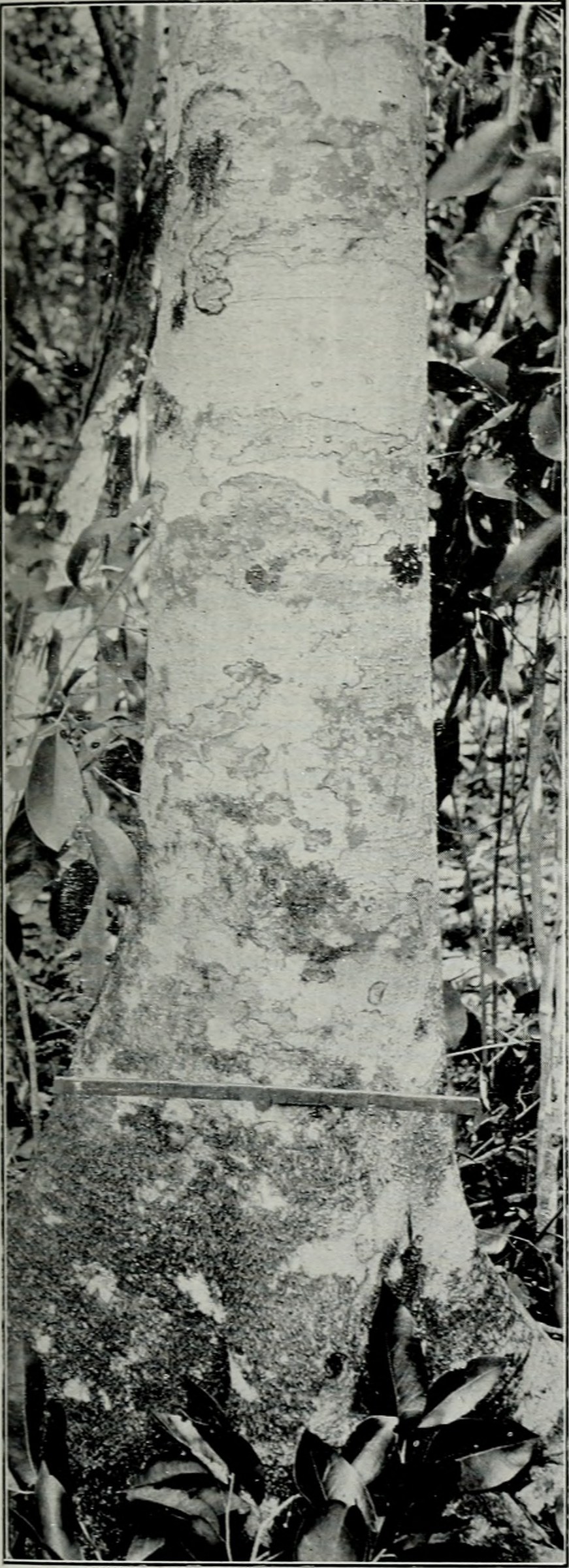
Drypetes diversifolia, known as Milkbark, is one of the rarest native trees in the continental United States, found nowhere in the country except a scattering of hardwood hammocks in the Florida Keys. A member of the Putranjivaceae family (formerly placed in the spurge family, Euphorbiaceae), Milkbark gets its common name from its smooth, pale gray to whitish bark, which is often mottled with patches of darker gray, brown, or yellow lichen — a trait that makes a mature trunk almost unmistakable once you know what to look for.
In the wild, Milkbark grows as a medium-sized evergreen tree with an erect trunk and a dense, rounded crown, typically reaching 20 to 30 feet tall, occasionally more under ideal conditions. It is dioecious, meaning individual trees bear either male or female flowers, never both, and both sexes are needed nearby for fruit to set. The small, leathery, dark green leaves and inconspicuous yellowish-white flowers are easy to overlook, but the tree’s restricted range and conservation status make it a point of pride for anyone restoring authentic Keys rockland hammock habitat.
Because Milkbark is so narrowly distributed — essentially confined to the Florida Keys and a handful of islands in Biscayne National Park — it is rarely available in the nursery trade and is almost never seen in mainland landscaping. This page is written for gardeners and land stewards within its native Keys range who want to grow an authentic, locally rare hammock tree rather than for general Florida landscaping use.
Identification
Milkbark is a medium, slow-growing tree with an erect trunk and a compact, rounded crown, typically taller than it is broad. It can reach up to about 46 feet in exceptional South Florida specimens, though most mature trees are considerably smaller.
Bark & Stems
The bark is the tree’s signature feature: smooth and pale gray to nearly white, usually overlaid with irregular patches of gray, brown, or yellowish lichen that give the trunk a blotchy, camouflage-like pattern. Young twigs are slender and smooth, and the overall silhouette is an erect, single trunk rather than a multi-stemmed shrub form.
Leaves
Leaves are simple, alternate, and leathery, roughly 2 to 4 inches long, dark glossy green above and paler beneath, with smooth or very slightly toothed margins. They are evergreen and diagnostic year-round, which helps with identification even when the tree is not in flower.
Flowers
Milkbark is dioecious, with small, inconspicuous yellowish-white flowers borne in clusters in the leaf axils. Flowering occurs in spring, generally May into June, and because male and female flowers occur on separate trees, a female tree needs a male tree growing nearby to produce fruit.
Fruit & Seeds
Female trees produce small, rounded drupes that ripen in fall. Fruit production in the wild is limited by the species’ scarcity and the need for a nearby male tree, which is part of why natural regeneration is slow across its limited range.
Quick Facts
| Scientific Name | Drypetes diversifolia |
| Family | Putranjivaceae |
| Plant Type | Evergreen Tree |
| Mature Height | 20–30 ft, to 46 ft in rare cases |
| Mature Spread | Narrower than tall; dense rounded crown |
| Growth Rate | Slow |
| Sun Exposure | Light Shade to Part Sun |
| Water Needs | Average; moist, well-drained soil |
| Soil Type | Moist, well-drained limestone with humusy top layer |
| Soil pH | Neutral to alkaline (limestone-based) |
| Bloom Time | May – June |
| Flower Color | Yellowish-white |
| Fall Color | None; evergreen |
| Fruit | Small rounded drupes on female trees only |
| Deer Resistant | Generally yes |
| USDA Hardiness Zones | 10b–11 |
Native Range
In the United States, Milkbark is known only from the Florida Keys and a handful of islands in Biscayne National Park in Miami-Dade County, including the area in and around Elliott Key; it has not been documented on the Miami-Dade mainland. Outside the U.S., it also occurs in the Bahamas. With an estimated 25 or fewer populations rangewide, it is tracked as a rare species by the Florida Natural Areas Inventory.
Milkbark grows in rockland hammocks, the dense, broadleaf tropical forests that develop on outcrops of oolitic limestone across the Keys. It favors the moist, humusy pockets of soil that collect in limestone solution holes and crevices within these hammocks, growing alongside other West Indian hammock species rather than in open or disturbed ground.
Because its entire U.S. range sits within one of the most hurricane- and development-pressured landscapes in the country, Milkbark’s long-term survival depends heavily on protected hammock preserves. Planting it within its native range helps support genetic diversity and provides a buffer against the loss of wild populations to storms, sea-level rise, and habitat fragmentation.
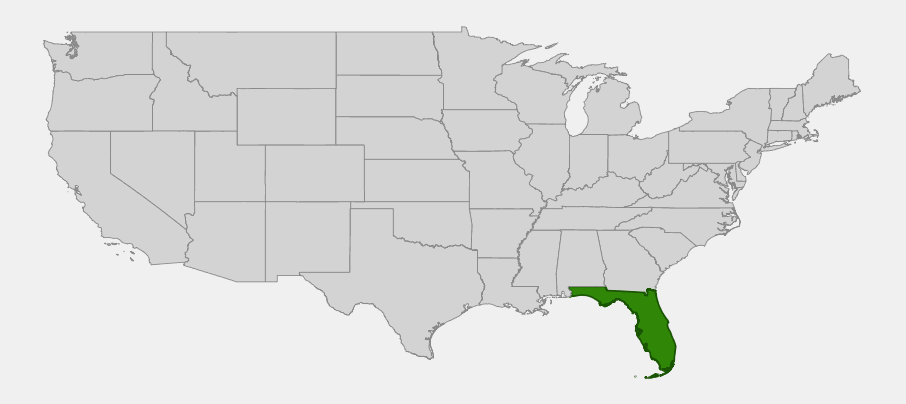
📋 Milkbark’s U.S. range is confined to the Florida Keys and is not currently covered by any of our regional native plant lists.
Growing & Care Guide
For general background on why building a hammock planting around native trees like Milkbark pays off ecologically, see our guide to the benefits of planting native trees.
Milkbark is only appropriate for gardeners within its native Florida Keys range, where it serves as an authentic, locally rare addition to hammock restoration plantings. It is slow-growing and best treated as a patient, long-term specimen rather than a quick landscape fix.
Light
Milkbark grows naturally in the light shade of a hammock canopy and does well in filtered light to part sun. A site that mimics its understory origins, with some overhead canopy or afternoon shade, tends to produce the healthiest growth.
Soil & Water
It needs moist, well-drained, limestone-based soil with a humusy top layer, much like the solution holes and leaf-litter pockets of a natural rockland hammock. It does not tolerate standing water or prolonged flooding, and like most hammock trees it has limited tolerance for salt water intrusion.
Planting Tips
Because Milkbark is dioecious, a single isolated tree will not set fruit; if seed production matters to your project, plant more than one individual where space allows. Source plants only from reputable native nurseries given the species’ rarity, and avoid any collection from wild populations. Plant in a sheltered hammock-like setting protected from strong salt wind.
Pruning & Maintenance
Established trees need very little pruning beyond removing dead or storm-damaged wood. Because growth is slow, heavy pruning should be avoided; let the tree develop its naturally dense, rounded crown.
Propagation
Milkbark is propagated from seed collected from ripe female-tree fruit, though germination and nursery availability are both limited by how rare the species is. Patience is required at every stage, from sourcing seed to waiting out the tree’s slow early growth.
Landscape Uses
- Rockland hammock restoration plantings in the Florida Keys
- Specimen tree valued for its distinctive pale, blotchy bark
- Conservation plantings supporting a rare, range-restricted native
- Shaded understory companion beneath taller hammock canopy trees
Wildlife & Ecological Value
As an uncommon component of an already limited habitat type, Milkbark contributes to the structural diversity of Keys rockland hammocks, which support a wide range of specialized wildlife found almost nowhere else in the country.
For Birds
The dense evergreen canopy provides year-round cover and nesting structure for hammock songbirds, while the fruit of female trees offers a food source for fruit-eating birds that move through Keys hammocks.
For Pollinators
Though the small flowers are inconspicuous, they are visited by a range of small native insects that pollinate many of the Keys’ hammock tree species, which largely rely on insect rather than wind pollination.
Ecosystem Role
Milkbark adds to the closed-canopy structure of rockland hammock, a globally rare plant community. Every additional individual, especially one of a rare species like this, helps buffer small, fragmented hammock remnants against storm damage and genetic bottlenecks. Gardeners looking to extend this kind of habitat value into a home landscape may also want to read our tips on planting native trees for wildlife and building a wildlife habitat garden.
Cultural & Historical Uses
Milkbark has no significant history of commercial or widespread medicinal use, largely because its range has always been small and its wood production limited. Early 20th-century botanical surveys, including Elbert Little’s work on Florida’s trees, documented it primarily as a noteworthy rarity of the Keys hammocks rather than a tree of economic importance.
Within the Keys, old-growth hammock trees like Milkbark have long been valued simply for being part of the native hardwood hammock community that early naturalists and botanists worked to document and, later, to protect. Its presence in a hammock is often treated today as an indicator of relatively undisturbed, high-quality habitat.
There is no record of Milkbark being used medicinally, and no part of the tree should be assumed safe to consume; like many of its hammock neighbors, it is grown and valued today strictly for conservation, restoration, and its ornamental bark rather than for any traditional use.
Frequently Asked Questions
Is Milkbark endangered?
It is not federally listed, but it is tracked as a rare species by the Florida Natural Areas Inventory, with an estimated 25 or fewer populations known rangewide, all within the Florida Keys and nearby islands.
Can I grow Milkbark outside the Florida Keys?
It is only recommended within its native range in Monroe and Miami-Dade counties. It needs the frost-free, limestone-based hammock conditions found there and is not suited to general Florida landscaping further north.
Why is the bark so pale and blotchy?
The smooth, whitish bark naturally develops patches of gray, brown, or yellow lichen as the tree matures, which is where the common name “Milkbark” comes from. It is one of the most reliable ways to identify the tree in the field.
Does Milkbark need a companion tree to produce fruit?
Yes. Milkbark is dioecious, with separate male and female trees, so a female tree will only set fruit if a male tree is growing nearby to provide pollen.
Where can I find Milkbark for sale?
It is rarely offered commercially. Check with native plant nurseries that specialize in South Florida hammock species, and always confirm plants were propagated, not collected from wild populations.

Looking for a nursery that carries Milkbark?
Browse our native plant nursery directory: Florida and nearby states

