
Lancewood (Ocotea coriacea)
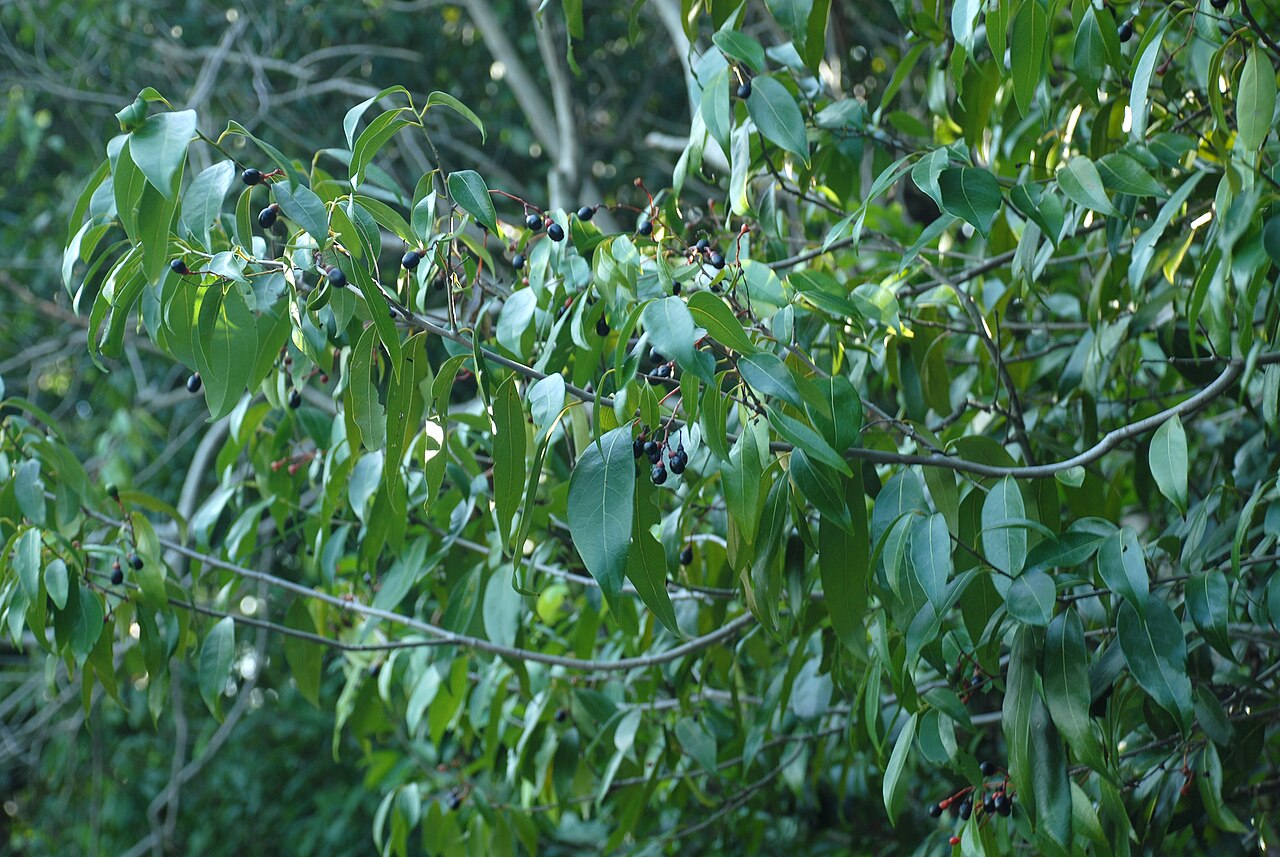
Ocotea coriacea, commonly known as Lancewood, is a common canopy and subcanopy tree of South and Central Florida’s hardwood hammocks, prized for its aromatic foliage, tidy rounded crown, and attractive warty reddish-brown bark. A member of the Lauraceae (laurel family) — the same family as avocado and bay laurel — Lancewood shares the family’s characteristic fragrant, oil-rich leaves, which release a spicy scent when crushed.
Botanists have classified this species under several scientific names over the decades: it has been called Nectandra coriacea, the name still used by the USDA PLANTS database and many older references, and more recently Damburneya coriacea in some current treatments that reassign the Florida species of Ocotea to a separate genus. This page follows Ocotea coriacea, a widely used and well-documented name in Florida floras and native plant references, and treats Nectandra coriacea and Damburneya coriacea as the same plant under alternate classifications rather than as distinct species.
Growing as a medium tree with a narrow, round-topped crown of slender, spreading branches, Lancewood typically reaches 20 to 30 feet tall and is often about as broad as it is tall, especially when young. It is one of the more common hammock hardwoods within its range, making it both ecologically important and relatively available to native plant gardeners working on hammock-style landscapes.
Identification
Lancewood is a medium tree with a narrow, round-topped crown of slender, spreading branches, and straight, often angled trunks 6 to 15 inches in diameter.
Bark & Stems
Bark is gray when young, maturing to a dark reddish-brown covered in numerous small warts, a distinctive texture that helps with identification even without leaves or fruit present.
Leaves
Leaves are smooth-edged, dark green and glossy above, paler beneath, with a yellow midrib, typically 3 to 6 inches long. Crushed leaves release a spicy, aromatic scent, a useful way to distinguish Lancewood from the similar but unscented foliage of Guiana Plum.
Flowers
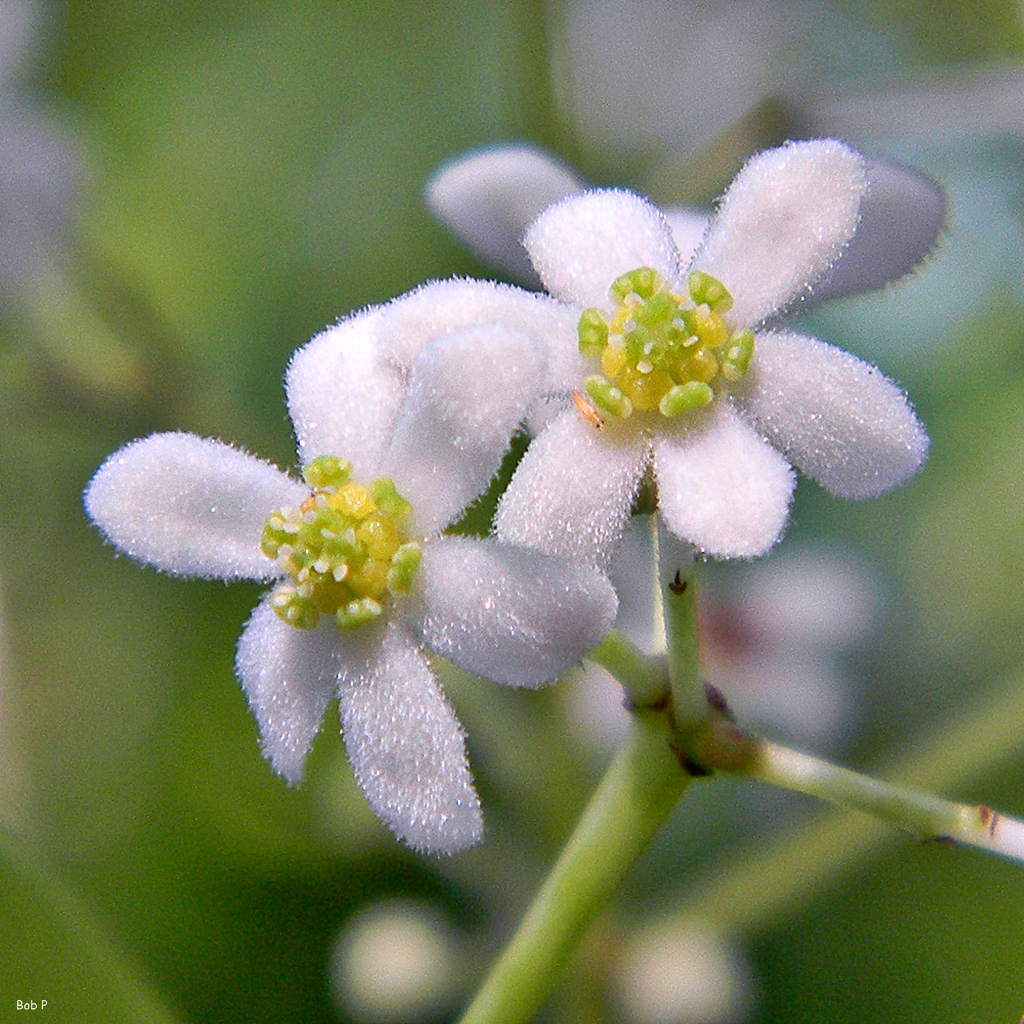
Small white flowers with fuzzy, hairy petals and a cluster of yellow-green stamens appear in the leaf axils. Though individually tiny, they are produced in enough quantity to be noticeable up close, and they are insect-pollinated.
Fruit & Seeds
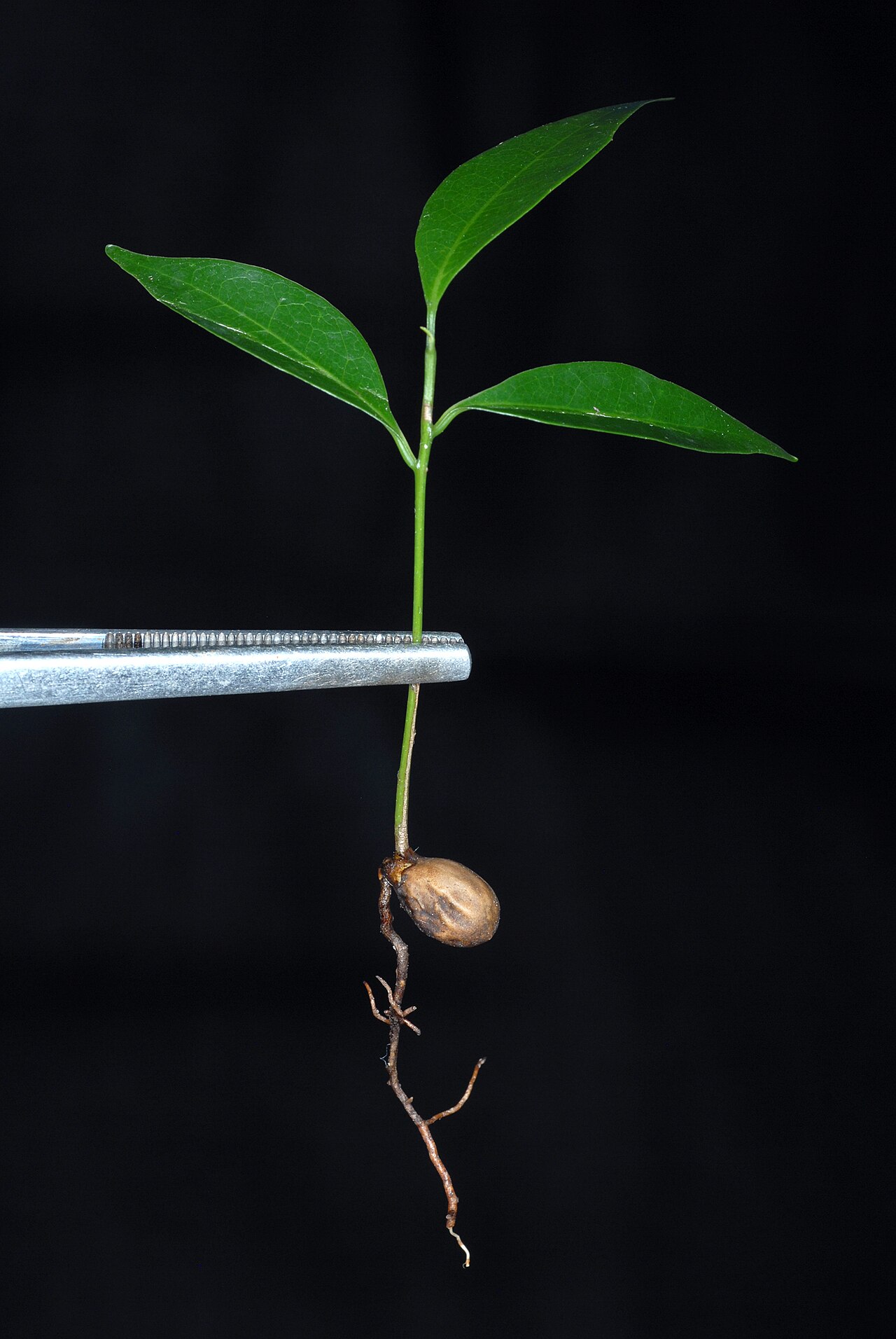
Fruit is a small, round drupe that ripens from green through red tones to glossy black, often with many fruit in various stages present on the same branch at once. Each fruit contains a single large seed that germinates readily, producing a seedling with a short, broad taproot beneath a pair of simple young leaves.
Quick Facts
| Scientific Name | Ocotea coriacea (syn. Nectandra coriacea, Damburneya coriacea) |
| Family | Lauraceae (Laurel) |
| Plant Type | Evergreen Tree |
| Mature Height | 20–30 ft |
| Mature Spread | Often as broad as tall, especially when young |
| Growth Rate | Moderate to fast |
| Sun Exposure | Part Shade to Part Sun |
| Water Needs | Average |
| Soil Type | Moist, well-drained sandy or limestone soils |
| Soil pH | Neutral to alkaline |
| Bloom Time | Spring |
| Flower Color | White |
| Fall Color | None; evergreen |
| Fruit | Round drupes ripening green to black |
| Deer Resistant | Generally yes; aromatic foliage |
| USDA Hardiness Zones | 10a–11 |
Native Range
Lancewood has the widest Florida range of the hammock hardwoods on this list, occurring from the Monroe County Keys north to Volusia County on the Atlantic side and Highlands and Collier counties inland and on the Gulf side. Interestingly, it is apparently absent from much of the Keys themselves despite ranging north from Monroe County’s mainland portions, a pattern noted in regional botanical surveys. Outside the United States it also grows in the West Indies, Mexico, and Central America.
It is a common canopy and subcanopy tree in hammocks throughout this range, growing alongside other hardwood hammock species such as Gumbo Limbo, West Indian Mahogany, and Guiana Plum, and it is one of the more readily available hammock hardwoods for restoration plantings because of how widespread and locally common it is.
Because its native range extends well north of the Keys into Central Florida, Lancewood is a practical, relatively fast-growing choice for a much broader group of Florida gardeners than many of its rarer hammock relatives, while still being an authentic, ecologically appropriate native selection.
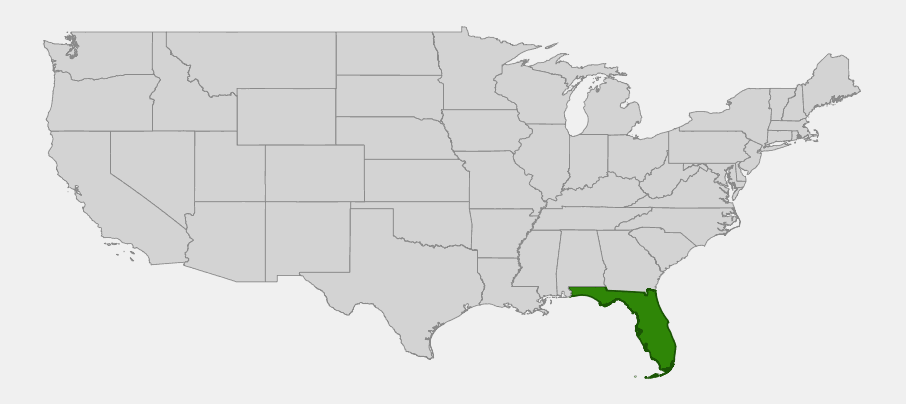
📋 Lancewood’s U.S. range is confined to Florida and is not currently covered by any of our regional native plant lists.
Growing & Care Guide
Lancewood is a relatively easygoing, moderate-to-fast-growing native tree well suited to hammock-style landscaping across much of peninsular Florida. For a broader look at why native species like this one outperform typical ornamental choices, see our article on the benefits of planting native trees.
Light
It grows best in part shade to part sun, reflecting its natural role as a canopy and subcanopy tree that often germinates and establishes beneath taller hammock trees before filling out its own crown.
Soil & Water
Lancewood prefers moist, well-drained sandy or limestone soils and benefits from some organic content; it can struggle in very nutrient-poor sites. It has limited tolerance for prolonged flooding by salt or brackish water, so it is best sited back from direct tidal influence.
Planting Tips
Lancewood transplants well from container stock and is more widely available at native plant nurseries than many of its rarer hammock relatives. It makes a good anchor specimen for hammock restoration plantings or buffer screens given its relatively quick growth and attractive, rounded form.
Pruning & Maintenance
Minimal pruning is needed beyond removing dead or crossing branches; the tree naturally develops a tidy, rounded crown. Established Lancewood is relatively low-maintenance and tolerant of occasional storm damage common in Florida.
Propagation
Propagation is from seed collected from ripe black fruit; seeds germinate readily, producing a seedling with a short taproot. This relative ease of propagation is part of why Lancewood is more commonly available in the nursery trade than rarer hammock species.
Landscape Uses
- Specimen or accent tree for residential and commercial native landscapes
- Buffer or screen planting thanks to its dense, rounded crown
- Hammock restoration as a common canopy and subcanopy component
- Wildlife garden centerpiece valued for abundant fruit
Wildlife & Ecological Value
As one of the more common hardwood hammock trees across its range, Lancewood plays an outsized ecological role simply through its abundance and the amount of fruit it produces.
For Birds
The abundant black fruit is heavily used by fruit-eating hammock birds, which help disperse Lancewood’s large seeds to hammock gaps and edges throughout its range.
For Mammals
Small mammals in hammock habitats also take advantage of fallen fruit, contributing to further seed dispersal away from parent trees.
For Pollinators
Lancewood’s small, fuzzy white flowers are insect-pollinated, drawing a range of native bees and other pollinators that help support the broader web of flowering hammock species blooming in spring.
Ecosystem Role
As a common canopy and subcanopy tree, Lancewood contributes significantly to the structure and fruit production of Florida’s hardwood hammocks, helping support the fruit-eating wildlife that depends on a steady supply of hammock tree fruit through the year. Our guide to planting native trees for wildlife covers more ways a tree like this can anchor a wildlife-friendly yard.
Cultural & Historical Uses
The common name “Lancewood” refers to historical use of its straight, strong stems by aboriginal Floridians as spears or lances, a practical application of the wood’s strength and straightness. The alternate name “Torchwood,” sometimes applied to this species, references the oil-rich wood’s historical use as a source of resinous material that burns readily, a trait shared by several aromatic members of the laurel family.
Taxonomically, Lancewood has had an unsettled history, having been classified at different times as Nectandra coriacea, Ocotea coriacea, and more recently Damburneya coriacea as botanists have revised the boundaries of several closely related laurel genera in the Americas. All three names refer to the same Florida hammock tree described on this page.
There is no reliable record of Lancewood being used medicinally, and no part of the plant should be assumed safe to eat, despite its relationship to the edible avocado within the laurel family. Today it is valued primarily as a landscape and restoration tree rather than for any traditional product.
Frequently Asked Questions
Is Lancewood the same as Nectandra coriacea?
Yes. Nectandra coriacea is an older scientific name for the same tree, still used by the USDA PLANTS database, and Damburneya coriacea is a more recent alternate classification; all three names refer to the same species covered on this page.
Why do Lancewood leaves smell spicy when crushed?
Lancewood is a member of the laurel family (Lauraceae), the same family as bay laurel and avocado, and shares the family’s oil-rich, aromatic foliage.
How is Lancewood different from Guiana Plum?
The two often grow in similar hammock habitat, but Lancewood’s crushed leaves are aromatic while Guiana Plum’s are not, and Lancewood’s bark is warty and reddish-brown rather than smooth reddish to light brown.
Does Lancewood grow in the Florida Keys?
Its range extends from Monroe County’s mainland portions north through much of peninsular Florida, but it is apparently absent from much of the Keys themselves, unlike many of its hammock relatives.
Is Lancewood easy to find at native plant nurseries?
Yes, relatively speaking. Because it is common, fast-growing, and propagates readily from seed, Lancewood is more widely available than many rarer South Florida hammock trees.

Looking for a nursery that carries Lancewood?
Browse our native plant nursery directory: Florida and nearby states

