Modoc Cypress (Hesperocyparis bakeri)
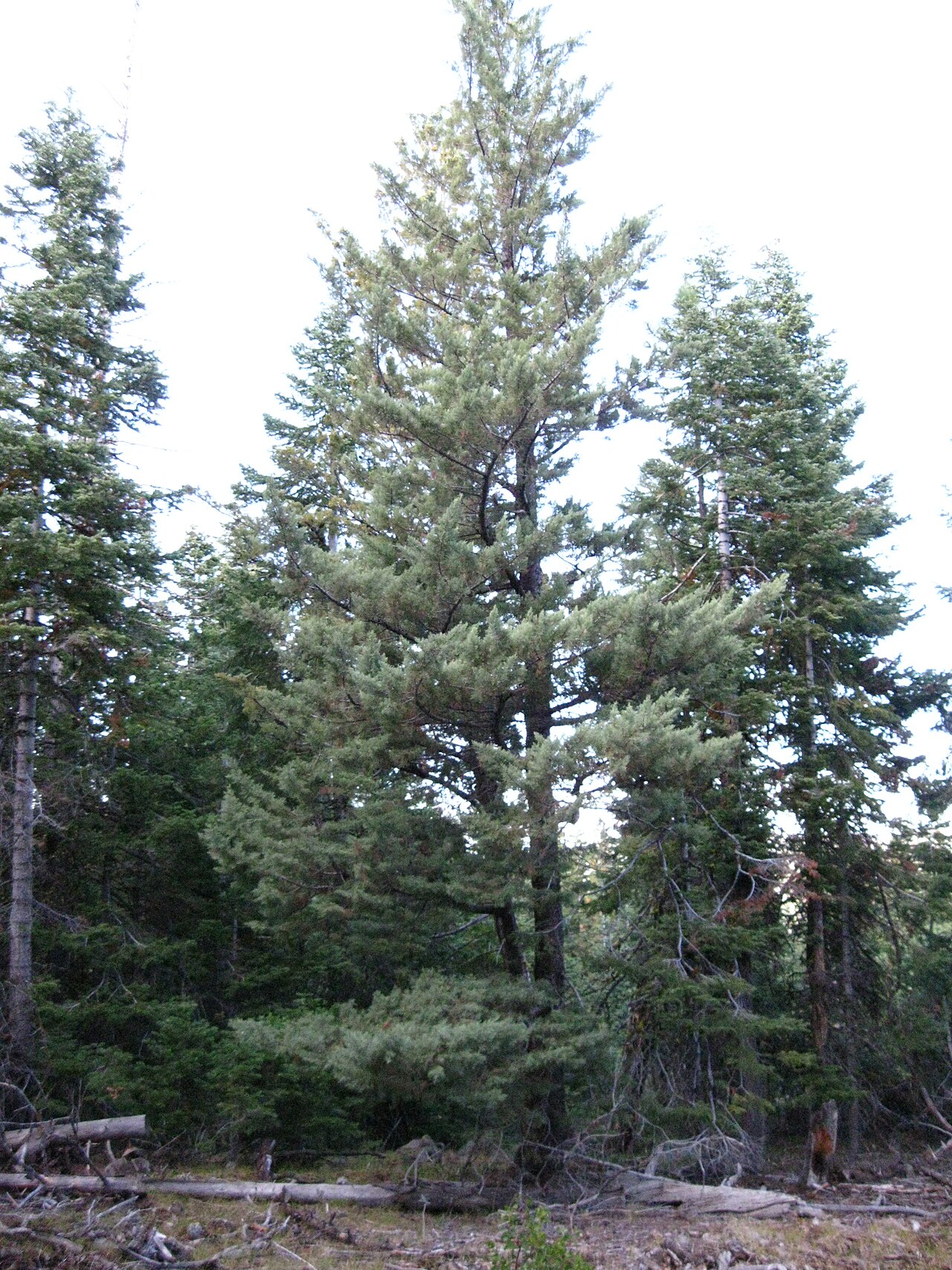
Hesperocyparis bakeri (formerly Cupressus bakeri), known as Modoc cypress, Baker cypress, or Siskiyou cypress, is a rare, cold-hardy conifer found only in a handful of scattered populations across far northern California and extreme southwestern Oregon. It is likely the northernmost-occurring cypress species in the world, surviving harsh winters on the Modoc Plateau and in the southern Cascades where few other cypresses could persist.
This is a tree of difficult ground. Modoc cypress grows almost exclusively on serpentine soils and old volcanic lava flows — sites too poor or rocky for faster-growing competitors — where it slowly develops into a tall, narrow, strikingly handsome conifer with aromatic, pendulous foliage and richly colored young bark. Ranked a California Rare Plant Rank 4.2 species (moderately threatened, limited distribution) and globally Vulnerable, it is uncommon in cultivation but highly prized by conifer specialists for its rarity, cold hardiness, and ornamental form.
Modoc cypress was first described in 1909 by Willis Linn Jepson, who briefly reclassified it in 1923 as a variety of MacNab cypress before later botanists restored its status as a full species. Along with California’s other native cypresses, it now sits in the genus Hesperocyparis, following taxonomic revisions adopted by USDA PLANTS, Plants of the World Online, and World Flora Online.
Identification
Modoc cypress is a tree with a distinctly conical crown, typically growing 30 to 82 feet tall, exceptionally to 130 feet in the most favorable sites, with a trunk diameter usually under 20 inches but occasionally reaching 40 inches on old specimens. Unlike the shrubby, multi-trunked MacNab cypress, Modoc cypress develops a single, upright trunk and a narrow, spire-like form that stands out clearly among the pines and firs it often grows alongside.
Bark
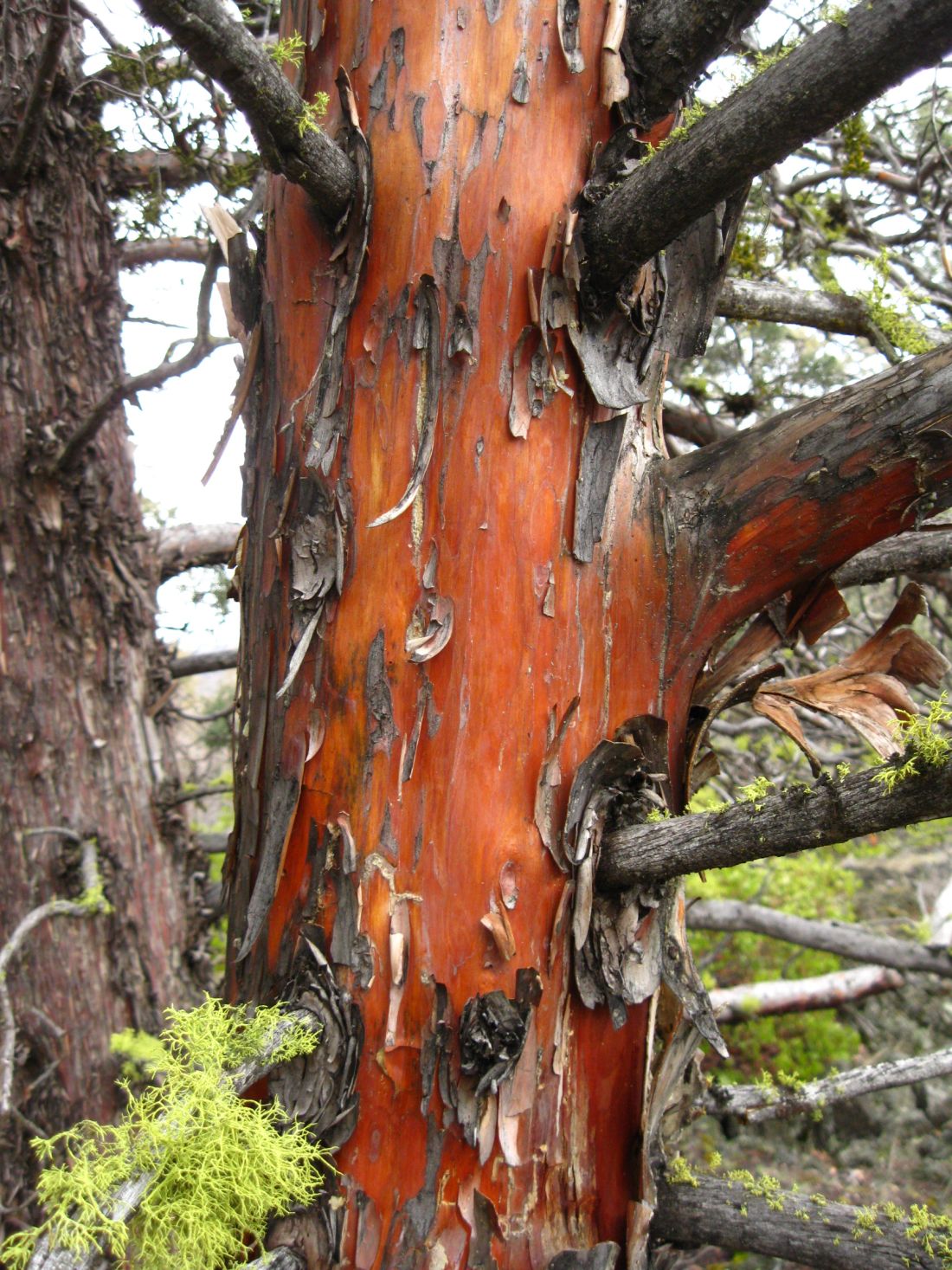
Bark is thin and strikingly colored: bright reddish-orange on young trees and branches, weathering to gray with age, and peeling in thin, curling strips that reveal fresh orange-red bark beneath — one of the most distinctive and attractive features of this species in the field.
Leaves
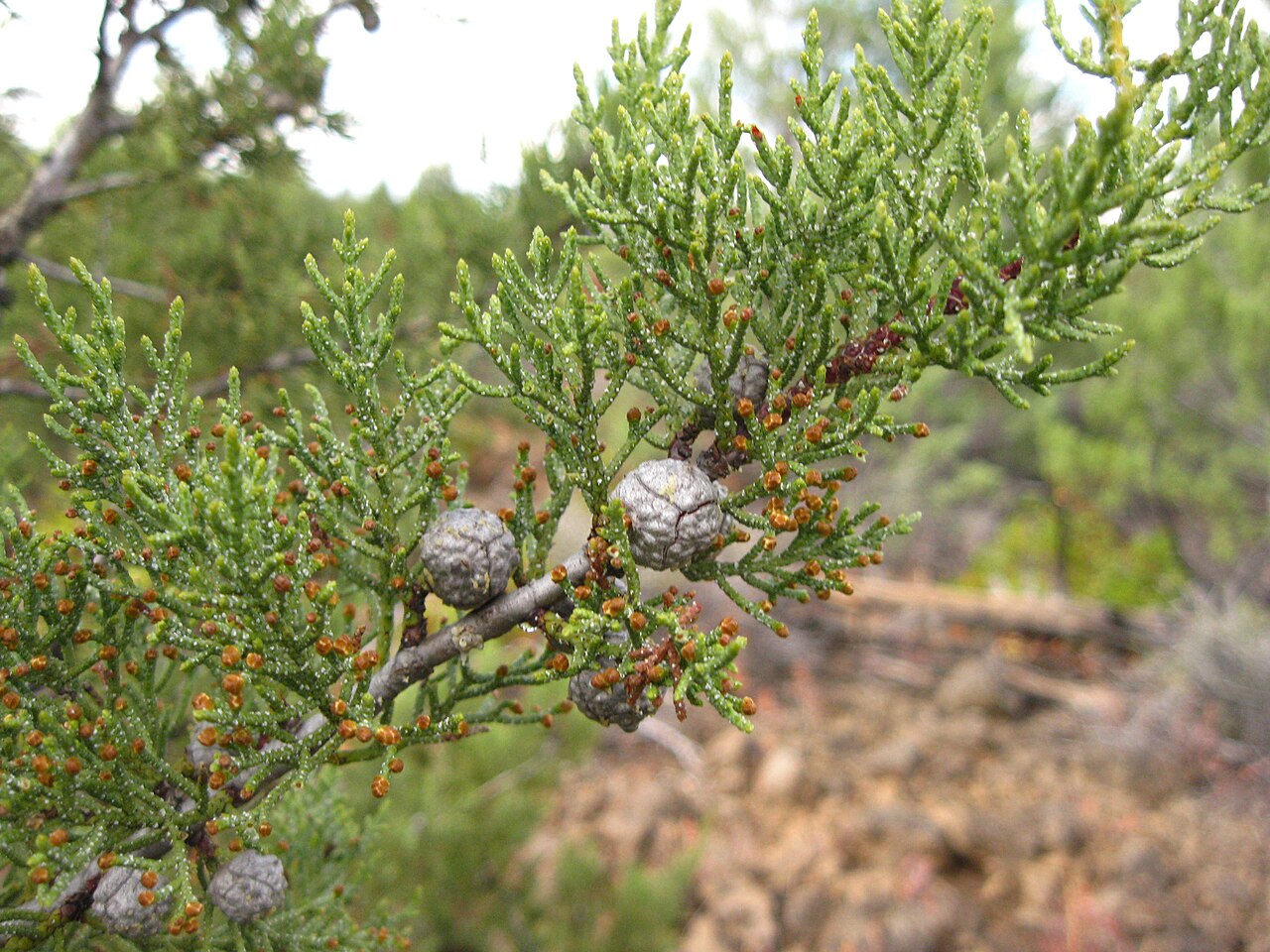
Foliage grows in sparse, drooping (pendulous) sprays on rounded rather than flattened branchlets — a detail that distinguishes it from MacNab cypress, whose foliage is held in flat, fan-like sprays. Color ranges from dull gray-green to glaucous blue-green, and the scale-like leaves, each about 0.08 to 0.2 inch long, release a strong, resinous fragrance when crushed.
Flowers & Cones
Modoc cypress is monoecious, shedding pollen from small staminate cones, about 0.12 to 0.2 inch long, in February and March. Ovulate (seed) cones are globose to oblong, 0.4 to 1 inch long, with 6 to 8 (occasionally 4 or 10) scales covered in warty resin glands. Cones start green to brown and mature to gray or gray-brown over 20 to 24 months. Like other California cypresses, the cones are closed and serotinous, typically remaining sealed on the tree until opened by the heat of a wildfire, which also exposes the bare mineral soil the seeds need to germinate.
Quick Facts
| Scientific Name | Hesperocyparis bakeri (syn. Cupressus bakeri) |
| Family | Cupressaceae (Cypress) |
| Plant Type | Evergreen Conifer Tree |
| Mature Height | 30–82 ft (exceptionally to 130 ft) |
| Mature Spread | 10–20 ft, narrow and conical |
| Growth Rate | Slow |
| Sun Exposure | Full Sun |
| Water Needs | Low once established |
| Soil Type | Serpentine or volcanic/lava-derived; rocky, well-drained |
| Soil pH | 6.0–8.0 |
| Bloom Time | February – March (pollen cones) |
| Flower Color | Reddish-brown (staminate cones) |
| Fall Color | Evergreen, no fall color change |
| Fruit | Globose to oblong, resin-warty seed cones to 1 in |
| Deer Resistant | Yes |
| USDA Hardiness Zones | 5–8 |
Native Range
Modoc cypress is a rare endemic restricted to a small part of far northern California and extreme southwestern Oregon. In California it occurs in scattered, often small populations in Siskiyou, Modoc, Shasta, Plumas, and Tehama counties, spanning the Modoc Plateau, southern Cascade Range, Klamath Mountains, and northern Sierra Nevada. In Oregon it is known from a very limited number of sites in Josephine and Jackson counties, in the state’s southwestern corner. It is probably the northernmost-occurring cypress in the world.
Typical habitat is harsh and marginal: serpentine soils and old lava flows at elevations of roughly 3,000 to 6,600 feet, in chaparral and yellow pine forest settings where Modoc cypress’s tolerance for poor, rocky ground lets it avoid competition from faster-growing conifers. It grows in small, scattered stands rather than large forests, often as a minor component within stands of ponderosa pine, Jeffrey pine, or incense cedar.
Like California’s other native cypresses, Modoc cypress depends substantially on fire: its closed, resin-sealed cones generally require the heat of a wildfire to open and release seed onto the bare mineral soil seedlings require. Because of its rarity, limited distribution, and dependence on a functioning fire regime, it is ranked a California Rare Plant Rank 4.2 species (moderately threatened, limited distribution) and assessed as globally Vulnerable.
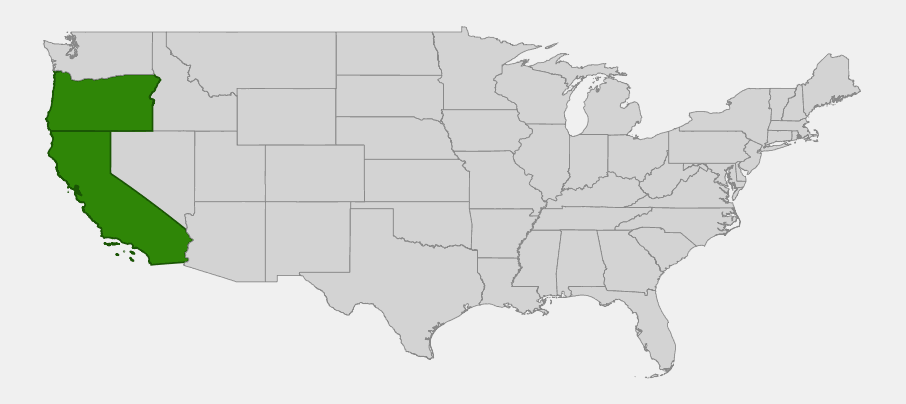
📋 Regional plant lists featuring Modoc cypress: California & Nevada · Western Oregon & Western Washington
Growing & Care Guide
Modoc cypress is an excellent choice for gardeners in its native range or similarly cold, dry-summer climates who want an unusual, slow-growing specimen conifer for rocky, poor-soil sites. It is among the more cold-hardy cypresses in cultivation, a useful trait for high-elevation or interior gardens.
Light
Plant in full sun. As with other native cypresses, seedlings require bright light and bare mineral soil to establish, and mature trees thin out in shaded conditions.
Soil & Water
Give it rocky, well-drained soil — serpentine or volcanic-derived soils are ideal, mimicking its native habitat on lava flows and ultramafic rock. Avoid rich, regularly irrigated garden beds, which encourage root disease in a species adapted to lean, dry sites. Established trees are drought tolerant and need little supplemental water once their deep root system is established.
Planting Tips
Plant container-grown stock in fall to take advantage of winter moisture for establishment. Choose an open, sunny site with excellent drainage, and avoid soil amendments that enrich the native lean soil profile this species is adapted to. Because wild seed germination is naturally limited to post-fire conditions, nursery-propagated container stock is the most reliable way to establish this species in cultivation.
Pruning & Maintenance
Little pruning is required beyond removing dead wood; the naturally narrow, conical form needs no shaping. Avoid fertilizing and excess irrigation, both of which run counter to this species’ adaptations to poor, rocky soils.
Landscape Uses
Good uses for this rare, cold-hardy native conifer include:
- Specimen plantings showcasing its narrow conical form and colorful peeling bark
- Rock gardens and dry slope plantings on poor or rocky soils
- Serpentine and volcanic soil restoration within its native range
- Xeriscaping for low-water, cold-hardy landscapes
- Conifer collections valuing its rarity and distinctive form
Wildlife & Ecological Value
As a rare, long-lived conifer in fire-adapted montane plant communities, Modoc cypress provides structural habitat in landscapes where few other trees tolerate the same harsh, rocky ground.
For Birds
The narrow, dense canopy offers nesting and roosting cover for montane conifer-forest birds, including chickadees, nuthatches, and small raptors that perch in the taller, more open-grown trees overlooking surrounding chaparral or pine forest.
For Mammals
Small mammals and mule deer use the cover provided by Modoc cypress stands, particularly where they form denser thickets at the margins of surrounding pine forest. The persistent woody structure of mature groves provides stable long-term shelter in otherwise sparse, rocky terrain.
For Pollinators
Like other cypresses, Modoc cypress is wind-pollinated and offers little floral reward, but its late-winter pollen shed in February and March provides an early pollen source for generalist insects active during mild interior winter weather, when few other plants are flowering at these elevations.
Ecosystem Role
Modoc cypress is a rare but ecologically important component of the fire-adapted forests and chaparral of the Modoc Plateau, southern Cascades, and Klamath Mountains, contributing structural diversity to stands otherwise dominated by pines. Its tolerance for serpentine and volcanic soils allows it to occupy ecological niches unavailable to faster-growing competitors, and its fire-dependent regeneration ties its long-term persistence directly to the natural fire cycles of these interior forest and chaparral communities.
Cultural & Historical Uses
Because of its remote, scattered distribution in rugged, high-elevation terrain, Modoc cypress has limited documented use by Indigenous peoples of the region compared to more widespread and accessible timber species. It is primarily significant today as a rare botanical and horticultural subject rather than for historical utilitarian use.
Willis Linn Jepson first described the species in 1909 as Cupressus bakeri, but revised his own view in 1923, reclassifying it as a variety of MacNab cypress. Later botanical research restored its status as a distinct species, and in recent decades it has, like California’s other native cypresses, been moved into the genus Hesperocyparis, now recognized by USDA PLANTS, Plants of the World Online, and World Flora Online as the correct placement for New World cypresses.
In modern horticulture, Modoc cypress is valued by conifer collectors and native plant gardeners in cold, dry-summer climates for its rarity, striking reddish bark, and unusually strong cold tolerance relative to most other California cypresses, making it one of the more promising native cypresses for higher-elevation or interior native gardens.
Frequently Asked Questions
How rare is Modoc cypress?
It is quite rare, known from only a handful of scattered populations across five California counties and two Oregon counties. It is ranked California Rare Plant Rank 4.2 (moderately threatened, limited distribution) and assessed globally as Vulnerable.
How can I tell Modoc cypress apart from MacNab cypress?
Modoc cypress grows as a single-trunked, narrow, conical tree, often quite tall, with drooping foliage on rounded branchlets and distinctive reddish, peeling bark. MacNab cypress is shorter and shrubbier, with a broad sparse crown, no dominant trunk, and foliage in flat, fan-like sprays rather than rounded, pendulous sprays.
Why does Modoc cypress need fire to regenerate well?
Its seed cones are closed and sealed with resin, typically requiring the heat of a wildfire to open and release seed onto bare mineral soil, which is what the seedlings need to establish. Without periodic fire, cone opening and seedling establishment are much less common.
Is Modoc cypress cold hardy?
Yes, notably so for a cypress — it is considered one of the more cold-hardy cypress species in cultivation, tolerating USDA zones as cold as 5, a reflection of its native range at relatively high, snowy elevations in interior northern California and southern Oregon.
Can I grow Modoc cypress outside its native range?
It can succeed in similarly cold, dry-summer climates with rocky, well-drained soil, but it is poorly suited to humid, wet-summer regions or to rich, regularly irrigated garden soils, both of which run counter to the lean, rocky conditions it evolved for.

Looking for a nursery that carries Modoc cypress?
Browse our native plant nursery directory: California · Oregon