Pacific Ninebark (Physocarpus capitatus)
Physocarpus capitatus, commonly known as Pacific Ninebark, is a spectacular deciduous shrub that exemplifies the understated elegance of Pacific Northwest native plants. With its cascading clusters of creamy white flowers, distinctive bark that peels in multiple layers, and brilliant fall color, this member of the rose family provides year-round interest while supporting diverse wildlife communities throughout the Pacific Coast region. Pacific Ninebark represents one of the most versatile and reliable native shrubs available to gardeners, combining exceptional ornamental value with outstanding ecological benefits and remarkable adaptability to various growing conditions.
The plant’s common name derives from its unique bark characteristic, where the outer bark peels away in thin layers to reveal different colored bark beneath, creating a distinctive multi-layered appearance that provides winter interest even after the leaves have fallen. This native treasure grows naturally along stream banks, forest edges, and moist slopes from Alaska south to Northern California, typically reaching 4 to 12 feet in height with an equal spread, forming dense, gracefully arching colonies that provide exceptional wildlife habitat.
What makes Pacific Ninebark particularly valuable to both gardeners and ecosystems is its remarkable adaptability and ecological generosity. The shrub thrives in conditions ranging from full sun to partial shade, tolerates both wet and moderately dry soils, and produces abundant flowers that attract dozens of pollinator species, followed by distinctive inflated seed pods that birds and small mammals eagerly consume. Its dense branching structure creates ideal nesting sites for songbirds, while the layered canopy provides thermal cover for wildlife year-round.
Identification
Pacific Ninebark is easily recognizable by several distinctive characteristics that make it stand out among Pacific Northwest natives. The shrub typically grows 4 to 12 feet tall and wide, though exceptional specimens in optimal conditions can reach 15 feet. It develops a gracefully arching, somewhat irregular growth habit with multiple stems arising from the base, creating an informal but attractive natural form.
Bark & Stems
The most distinctive feature is the bark, which gives the plant its common name. As the shrub matures, the outer bark peels away in multiple thin layers, revealing bark of different colors and textures beneath — creating a “nine-bark” layered appearance. New stems are smooth and reddish-brown, gradually developing the characteristic peeling bark as they age. This exfoliating bark provides exceptional winter interest and is one of the plant’s most ornamental features.
Leaves
The leaves are alternate, simple, and palmately lobed, typically 2 to 4 inches long and nearly as wide. Each leaf has 3 to 5 shallow to moderate lobes with serrated edges, resembling a small maple leaf. The upper surface is bright to medium green, while the underside is paler. In fall, the foliage turns brilliant shades of yellow, orange, and red before dropping, providing outstanding autumn color that can rival any ornamental shrub.
Flowers & Fruit
The flowers appear in late spring to early summer (typically May through July) in dense, hemispherical clusters called corymbs, each containing 20 to 40 individual small flowers. Each flower is about ¼ to ⅜ inch across with 5 white to creamy petals and numerous prominent stamens that give the flower clusters a distinctive fluffy appearance. The flowers are mildly fragrant and extremely attractive to pollinators.
Following successful pollination, the flowers develop into distinctive inflated seed pods that turn reddish-brown as they mature. These papery pods persist through winter, adding textural interest to the winter landscape while providing seeds for birds and small mammals. Each pod contains several small, shiny seeds that can be collected for propagation.
Quick Facts
| Scientific Name | Physocarpus capitatus |
| Family | Rosaceae (Rose) |
| Plant Type | Deciduous Shrub |
| Mature Width | 4–12 ft (1.2–3.6 m) |
| Growth Rate | Moderate to Fast |
| Sun Exposure | Full Sun to Full Shade |
| Water Needs | High |
| Soil Type | Moist, well-drained; adaptable |
| Soil pH | 5.5–7.5 (slightly acidic to slightly alkaline) |
| Bloom Time | May – July |
| Flower Color | Creamy white |
| Fall Color | Yellow, orange, red |
| Fruit | Inflated reddish-brown seed pods |
| Deer Resistant | Moderately (occasionally browsed) |
| USDA Hardiness Zones | 5–9 |
Native Range
Pacific Ninebark is native to the Pacific Coast region of North America, with a natural distribution extending from southeastern Alaska south through British Columbia, Washington, Oregon, and into northern California. The species typically grows from sea level to elevations of about 6,000 feet, showing remarkable adaptability to different climatic conditions within its range.
In its native habitat, Pacific Ninebark most commonly occurs along stream banks, in moist forest openings, and on north-facing slopes where moisture levels remain relatively consistent. It thrives in the understory of mixed coniferous-deciduous forests, often growing alongside Western Red Cedar, Douglas Fir, Bigleaf Maple, and Red Alder. The species is particularly common in riparian zones where its extensive root system helps stabilize stream banks and prevent erosion.
Within the Pacific Northwest, Pacific Ninebark shows preferences for certain ecological niches. In coastal areas, it tolerates the salt-laden air and thrives in the cool, moist conditions. Further inland, it seeks out the moister microsites — stream corridors, north-facing slopes, and forest edges where fog and morning dew provide supplemental moisture. This distribution pattern reflects the plant’s preference for consistent moisture and its intolerance of extreme drought.
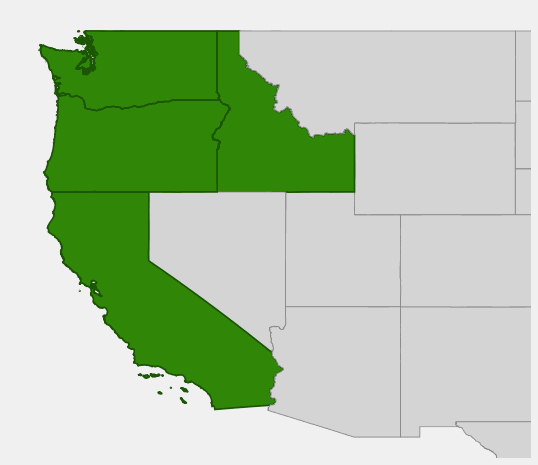
📋 Regional plant lists featuring Pacific Ninebark: Western Oregon & Western Washington
Growing & Care Guide
Pacific Ninebark ranks among the easiest and most rewarding native shrubs to grow, combining exceptional adaptability with minimal maintenance requirements once established. Its tolerance for various growing conditions makes it an excellent choice for both novice and experienced gardeners seeking reliable native plants for their landscapes.
Light Requirements
This versatile shrub performs well in full sun to partial shade, though flowering is most abundant with at least 4-6 hours of direct sunlight daily. In full sun locations, the plant develops a denser, more compact form with maximum flowering, while in partial shade it takes on a more open, graceful habit. In coastal areas, it tolerates full sun well due to the naturally cooler, moister climate, but inland locations benefit from some afternoon shade during the hottest part of summer.
Soil & Water Requirements
Pacific Ninebark is remarkably adaptable to different soil types but performs best in moist, well-draining soil rich in organic matter. It tolerates clay soils better than many natives, making it valuable for challenging sites. The plant prefers consistent moisture, especially during the growing season, but established specimens show surprising drought tolerance once their deep root system develops.
When planting, improve heavy clay soils by adding compost or aged bark mulch to improve drainage and organic content. In sandy soils, incorporate organic matter to help retain moisture. A 2-3 inch layer of organic mulch around the base helps maintain soil moisture and suppress weeds, but keep mulch away from direct contact with the stems to prevent fungal issues.
Planting & Establishment
Plant Pacific Ninebark in fall or early spring for best establishment. Choose a site with morning sun and afternoon shade for optimal performance, especially in hotter inland areas. Space plants 6-8 feet apart for individual specimens, or 4-5 feet apart for informal hedging or mass plantings. The shrub transplants easily from containers and typically establishes quickly when planted at the appropriate time.
Pruning & Maintenance
Pacific Ninebark requires minimal pruning but benefits from occasional maintenance to keep it looking its best. Prune in late winter or early spring before new growth begins, removing any dead, damaged, or crossing branches. The plant flowers on new wood, so spring pruning won’t affect blooming.
For rejuvenation pruning, you can cut the entire shrub back to 12-18 inches from the ground in late winter. This drastic pruning stimulates vigorous new growth and can restore overgrown or declining specimens. The plant responds well to this treatment and will quickly regrow to full size within 2-3 growing seasons.
Landscape Uses
Pacific Ninebark’s versatility makes it valuable in numerous landscape applications:
- Specimen planting — showcases the distinctive bark and seasonal interest
- Informal hedging — creates living privacy screens with year-round interest
- Mass plantings — excellent for naturalizing large areas
- Riparian restoration — stabilizes stream banks and wetland edges
- Wildlife gardens — provides food and nesting sites for diverse species
- Woodland gardens — thrives in partial shade beneath taller trees
- Erosion control — extensive root system stabilizes slopes
- Rain gardens — tolerates periodic flooding and wet soils
Companion Plants
Pacific Ninebark combines beautifully with other Pacific Northwest natives. Try pairing it with Western Red Cedar for evergreen structure, Vine Maple for complementary fall color, or Red-flowering Currant for additional spring blooms. Native ferns like Sword Fern create excellent textural contrast in partially shaded locations.
Wildlife & Ecological Value
Pacific Ninebark stands out as one of the most ecologically valuable native shrubs in the Pacific Northwest, supporting an impressive diversity of wildlife throughout all seasons. Its combination of flowers, seeds, dense branching structure, and extended seasonal interest makes it a keystone species in native plant communities.
For Pollinators
The abundant creamy white flower clusters bloom during the critical late spring to early summer period, providing essential nectar and pollen when many native pollinators are most active. Native bees, including bumblebees, mason bees, and sweat bees, are frequent visitors, along with beneficial wasps, hover flies, and various butterfly species. The flowers’ accessible structure and generous nectar production make them particularly valuable for shorter-tongued pollinators that struggle with deeper flowers.
For Birds
Pacific Ninebark provides exceptional value for birds throughout the year. During nesting season, the dense, multi-stemmed structure offers ideal sites for songbirds including American Robins, Song Sparrows, Towhees, and various finches. The inflated seed pods that persist through winter provide important food sources for seed-eating birds, while the complex branching pattern offers excellent thermal cover during cold months.
Game birds like Ruffed Grouse consume both the seeds and buds, while hummingbirds occasionally visit the flowers, though they prefer the nectar-rich blooms of companion plants like Red-flowering Currant.
For Mammals
The dense growth habit provides excellent cover for small mammals including chipmunks, squirrels, and various rodents. Deer occasionally browse the foliage, though the plant typically recovers well from light browsing. The seeds provide food for small mammals, while the shelter value extends to larger animals seeking cover during weather extremes.
Ecosystem Role
In riparian environments, Pacific Ninebark plays a crucial role in stabilizing stream banks and preventing erosion. Its extensive root system binds soil while its above-ground growth filters runoff and reduces sedimentation. The shrub also contributes to the complex habitat structure that supports diverse bird and mammal communities in forest edge environments.
As a member of the rose family, Pacific Ninebark supports various specialized insects, including several species of aphids that in turn support predatory insects and serve as food for small birds. This complex web of interactions demonstrates the plant’s importance beyond its obvious ornamental and wildlife feeding values.
Cultural & Historical Uses
Pacific Ninebark holds significant cultural importance among Indigenous peoples of the Pacific Northwest, who have utilized this versatile plant for thousands of years. The plant’s distinctive bark, flexible stems, and useful wood made it valuable for numerous traditional applications that demonstrate the sophisticated ethnobotanical knowledge of coastal and inland tribes.
The Chinook, Cowlitz, and other Lower Columbia River tribes used Pacific Ninebark stems for making basketry, taking advantage of the plant’s flexible young branches that could be harvested sustainably without killing the parent plant. The peeling bark was sometimes used as tinder for fire-starting, as the papery layers catch spark easily and burn reliably even when slightly damp — a crucial characteristic in the often-wet Pacific Northwest climate.
Various Indigenous groups also employed Pacific Ninebark for medicinal purposes, though specific traditional uses varied among different tribes and should not be attempted without proper cultural knowledge and guidance. The inner bark and leaves were sometimes prepared as decoctions for treating various ailments, reflecting the sophisticated understanding of plant chemistry possessed by traditional healers.
Early European settlers and homesteaders quickly learned to appreciate Pacific Ninebark for its practical qualities. The flexible stems were used for making rustic furniture, tool handles, and farm implements. The dense growth habit made it useful for creating windbreaks and living fences around homesteads, while its tolerance for wet soils made it valuable for stabilizing areas around springs and drainage ways.
In modern times, Pacific Ninebark has gained recognition not only as an outstanding native landscape plant but also as an important species for ecological restoration. Its ability to stabilize soil, provide wildlife habitat, and thrive in disturbed conditions makes it invaluable for restoring degraded riparian areas, abandoned industrial sites, and other challenging environments. Contemporary landscape architects and restoration ecologists prize it for its combination of beauty and functionality.
Frequently Asked Questions
How fast does Pacific Ninebark grow?
Pacific Ninebark has a moderate to fast growth rate, typically adding 12-24 inches per year under favorable conditions. Young plants may grow even faster during their first few years of establishment. Growth rate depends on moisture availability, light levels, and soil quality.
When does Pacific Ninebark bloom, and how long do the flowers last?
Pacific Ninebark typically blooms from late May through July, depending on elevation and local climate. The flower clusters remain attractive for 3-4 weeks, gradually transitioning to the distinctive inflated seed pods that provide continued interest through fall and winter.
Can I grow Pacific Ninebark from seed?
Yes, Pacific Ninebark can be grown from seed, though the process requires patience. Collect ripe seeds from the papery pods in fall, cold stratify them in the refrigerator for 2-3 months, then sow in spring. Germination can be variable, and seedlings grow slowly for the first year or two.
Is Pacific Ninebark deer resistant?
Pacific Ninebark is moderately deer resistant — deer will occasionally browse it but generally prefer other plants. In areas with heavy deer pressure, young plants may need protection until they become established and reach sufficient size to tolerate occasional browsing.
How much space does Pacific Ninebark need?
Allow 6-8 feet between plants for individual specimens, or 4-5 feet for informal hedging. Mature plants can reach 8-12 feet in both height and width under optimal conditions, so plan accordingly. The plant can be pruned to maintain smaller sizes if needed.

Looking for a nursery that carries Pacific Ninebark?
Browse our native plant nursery directory: Oregon · Washington