
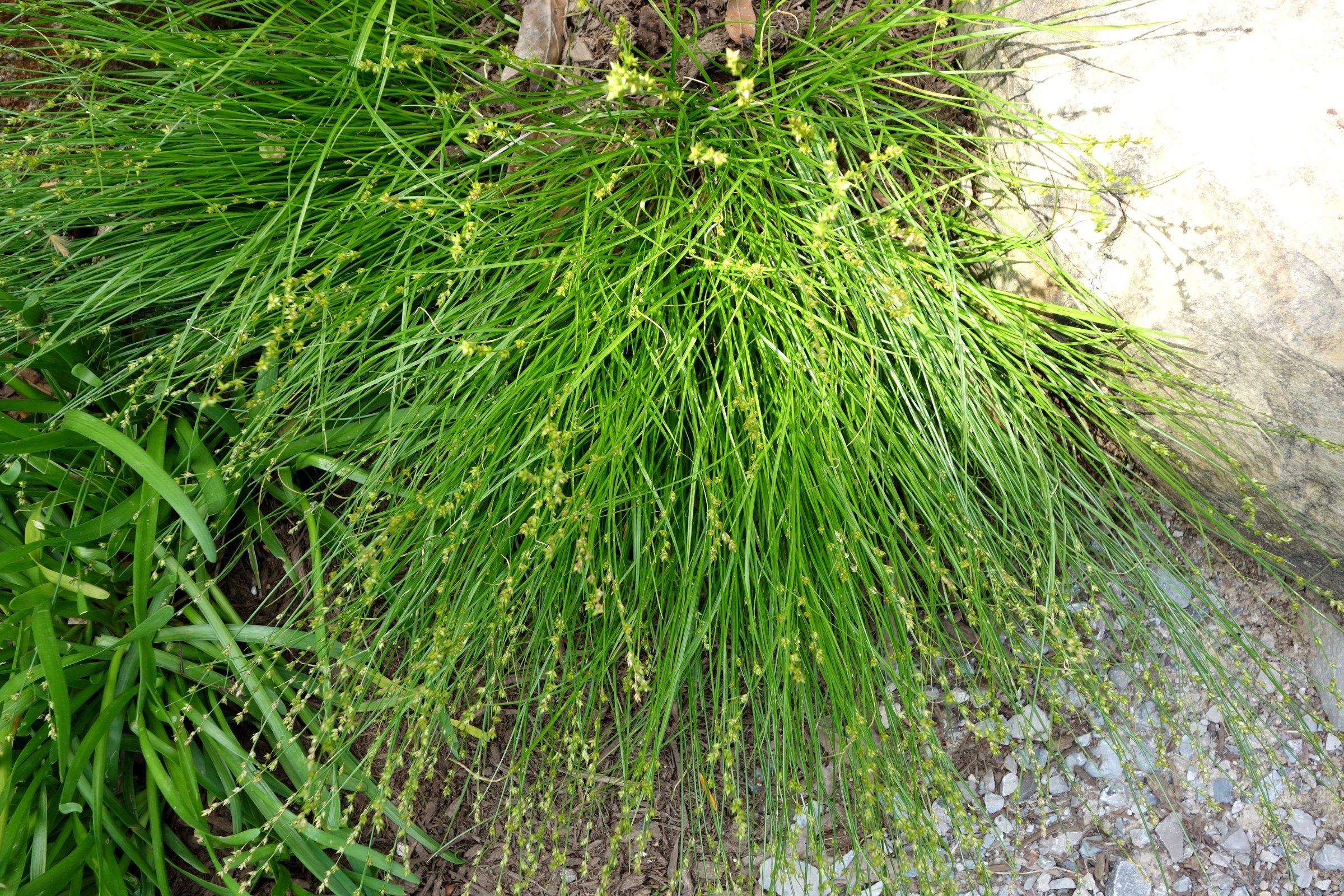
Eastern star sedge forms a neat, fountain-shaped clump of thread-fine leaves. Photo: Daderot, Wikimedia Commons (CC0) Carex radiata, commonly called eastern star sedge or straight-styled
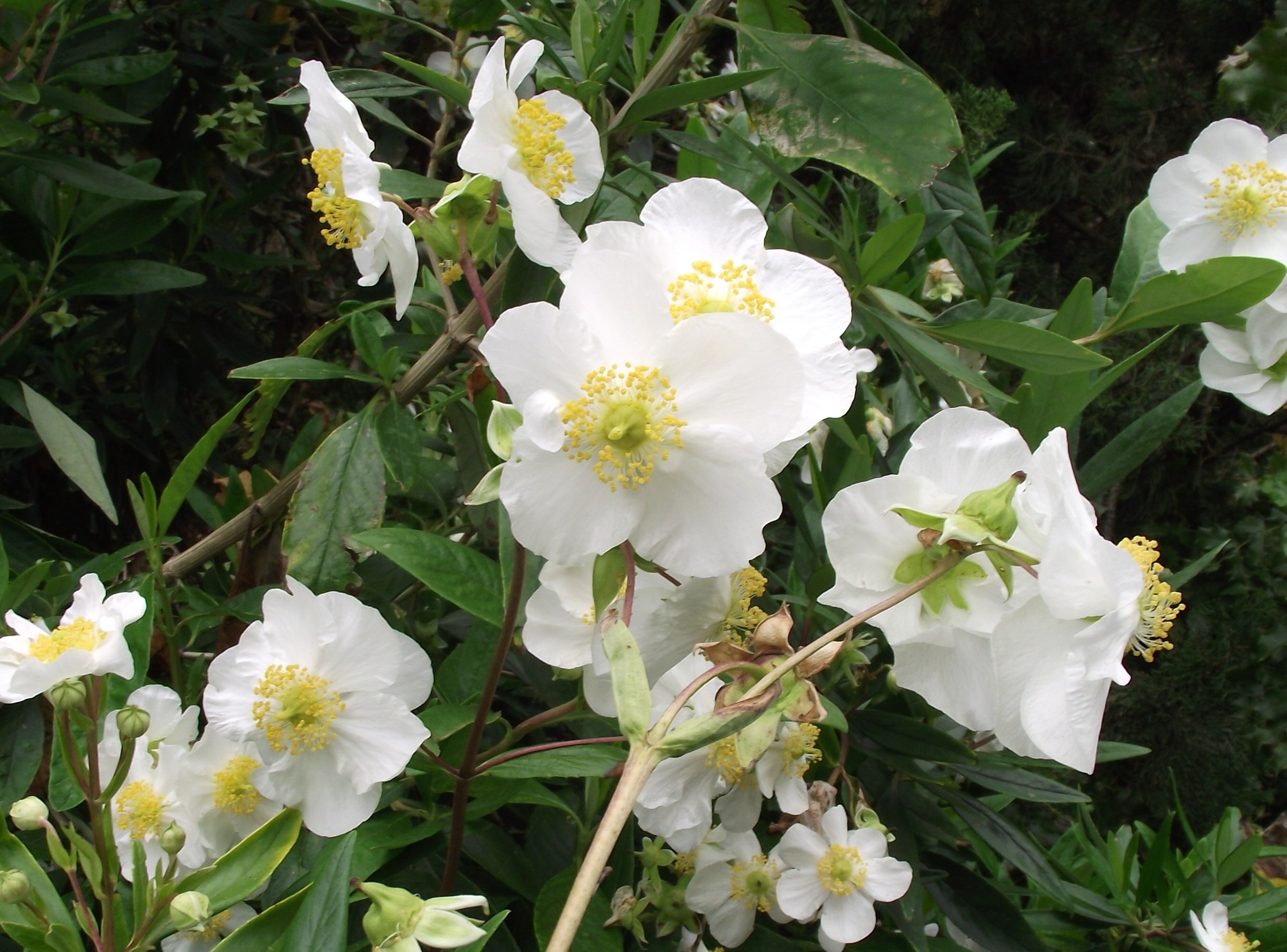
Bush anemone in bloom, grown from Fresno County stock at a botanic garden. Photo: Stickpen, Wikimedia Commons (CC0) Carpenteria californica, commonly known as bush anemone
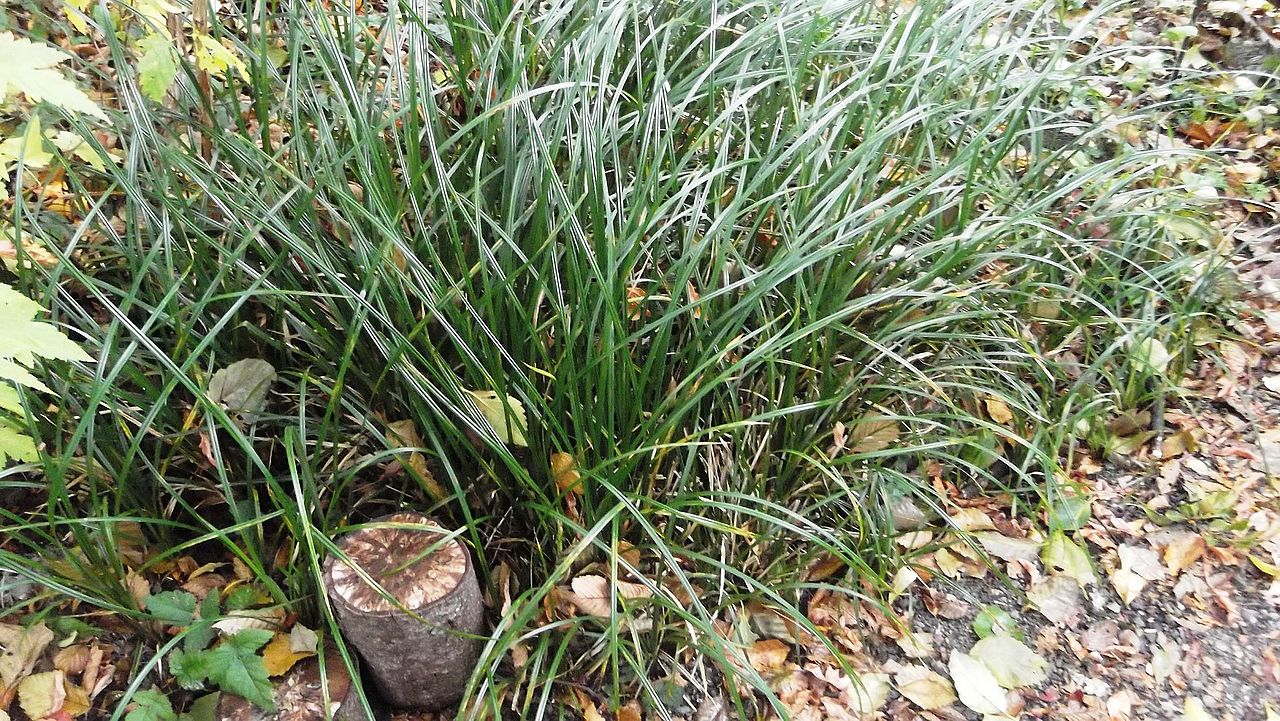
A mature clump of Slough Sedge, showing its dense, fountain-like mound of glossy dark green leaves. Photo: brewbooks, Wikimedia Commons (CC BY-SA 2.0) Carex obnupta,
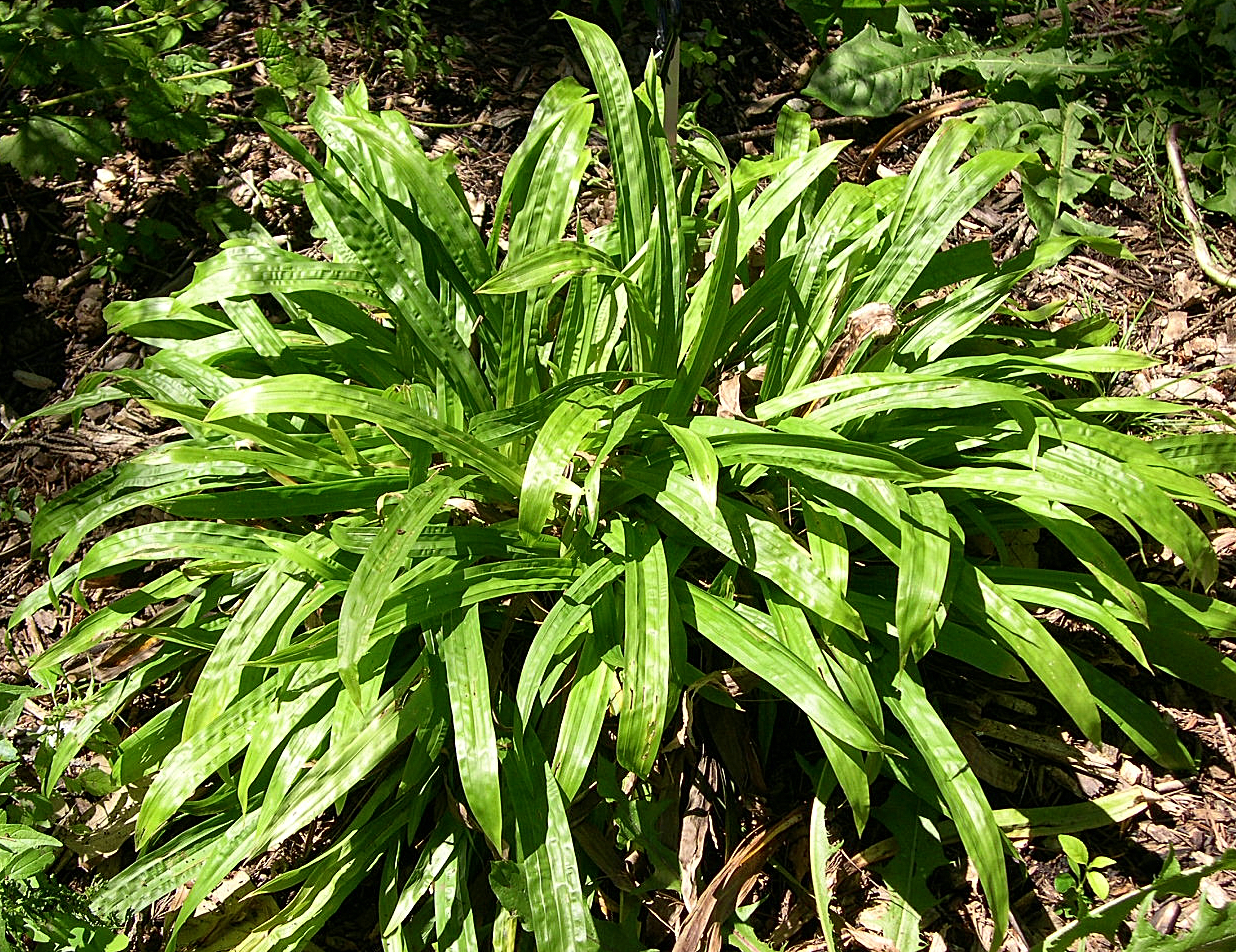
A mature clump of Seersucker Sedge, its wide leaves radiating out in a distinctive fountain shape. Photo: Jay Sturner, Wikimedia Commons (CC BY 2.0) Carex
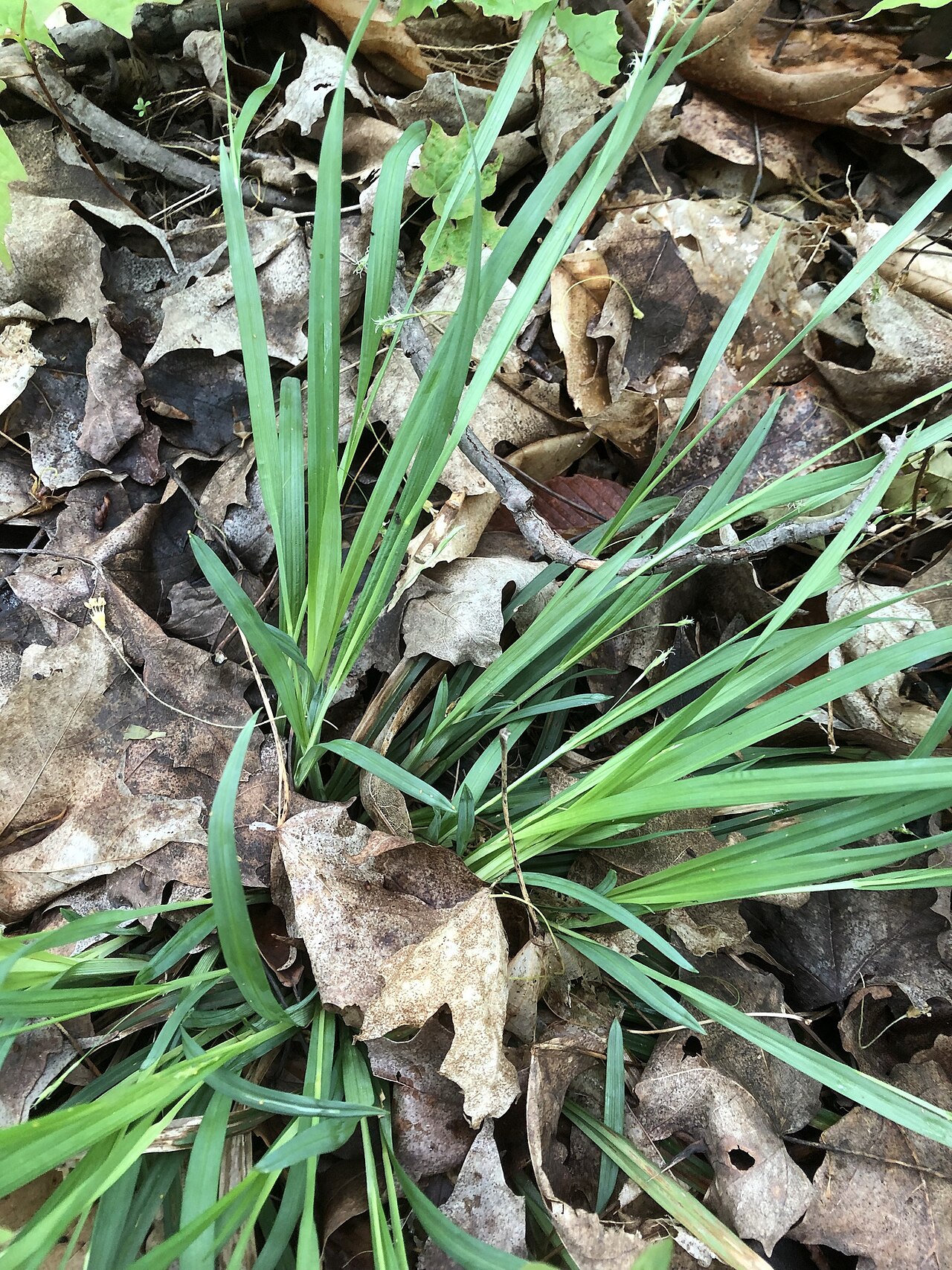
Creeping Sedge forms loose, fountain-like tufts of arching leaves on the floor of rich deciduous woods. Photo: Jenn (McPhee) Dyson, Wikimedia Commons (CC BY-SA 4.0)
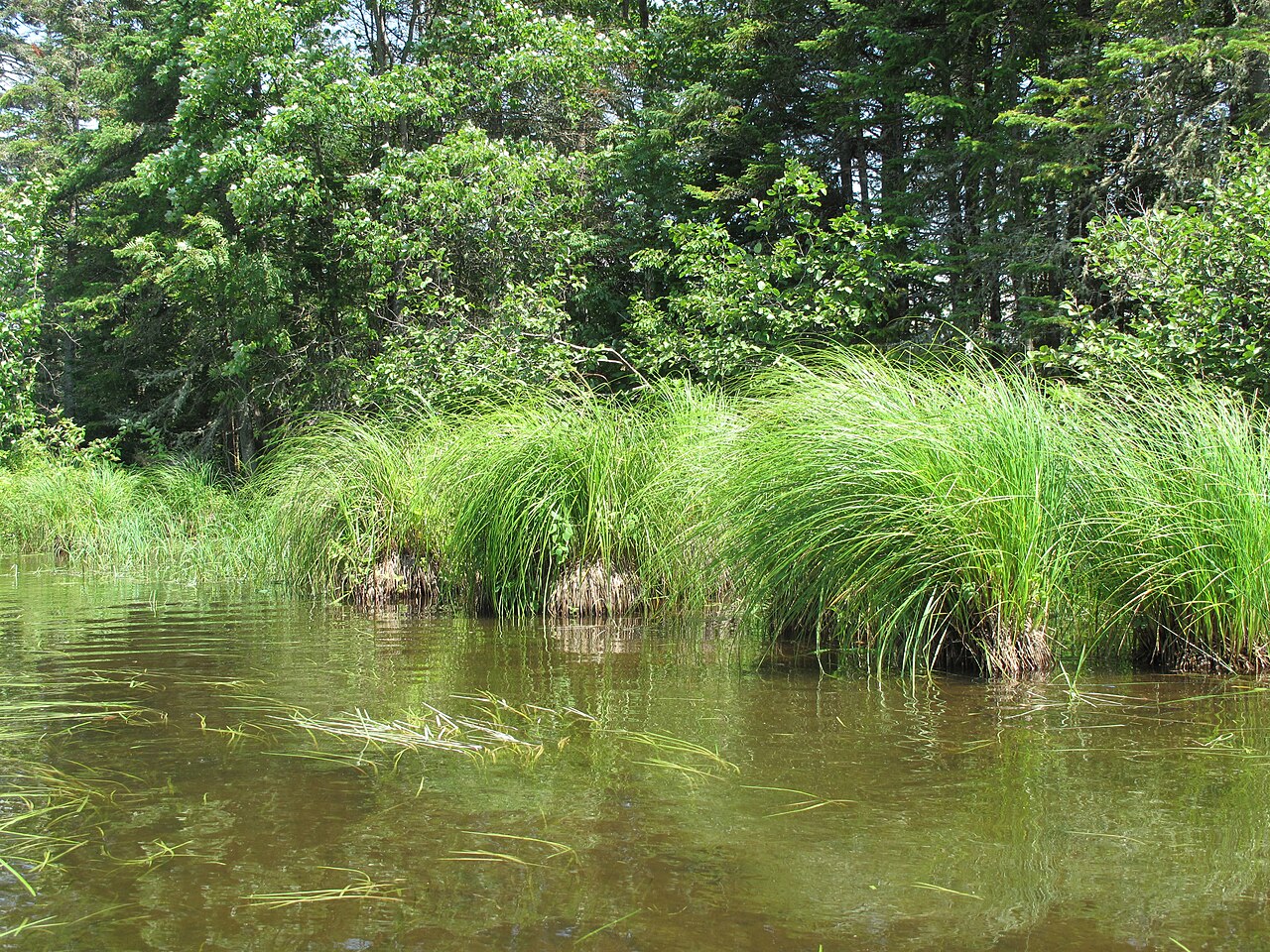
Lake sedge forming its characteristic shoreline tussocks in shallow water. Photo: Gilles Ayotte, Wikimedia Commons (CC BY-SA 4.0) Carex lacustris, known as lake sedge (and
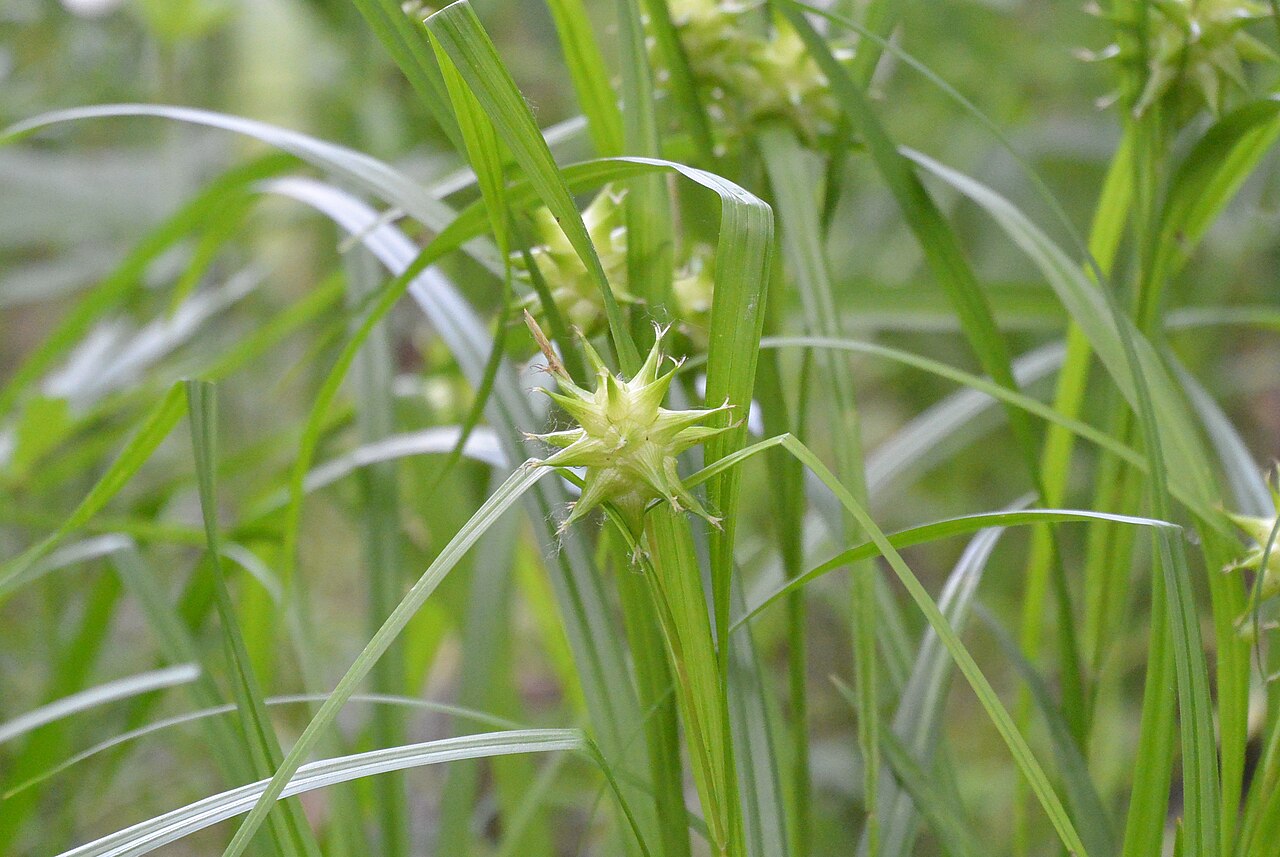
Gray’s sedge growing wild near Cedar Rapids, Iowa. Photo: Thomas D. Fischer, Wikimedia Commons (CC BY-SA 4.0) Carex grayi, known as Gray’s sedge or mace
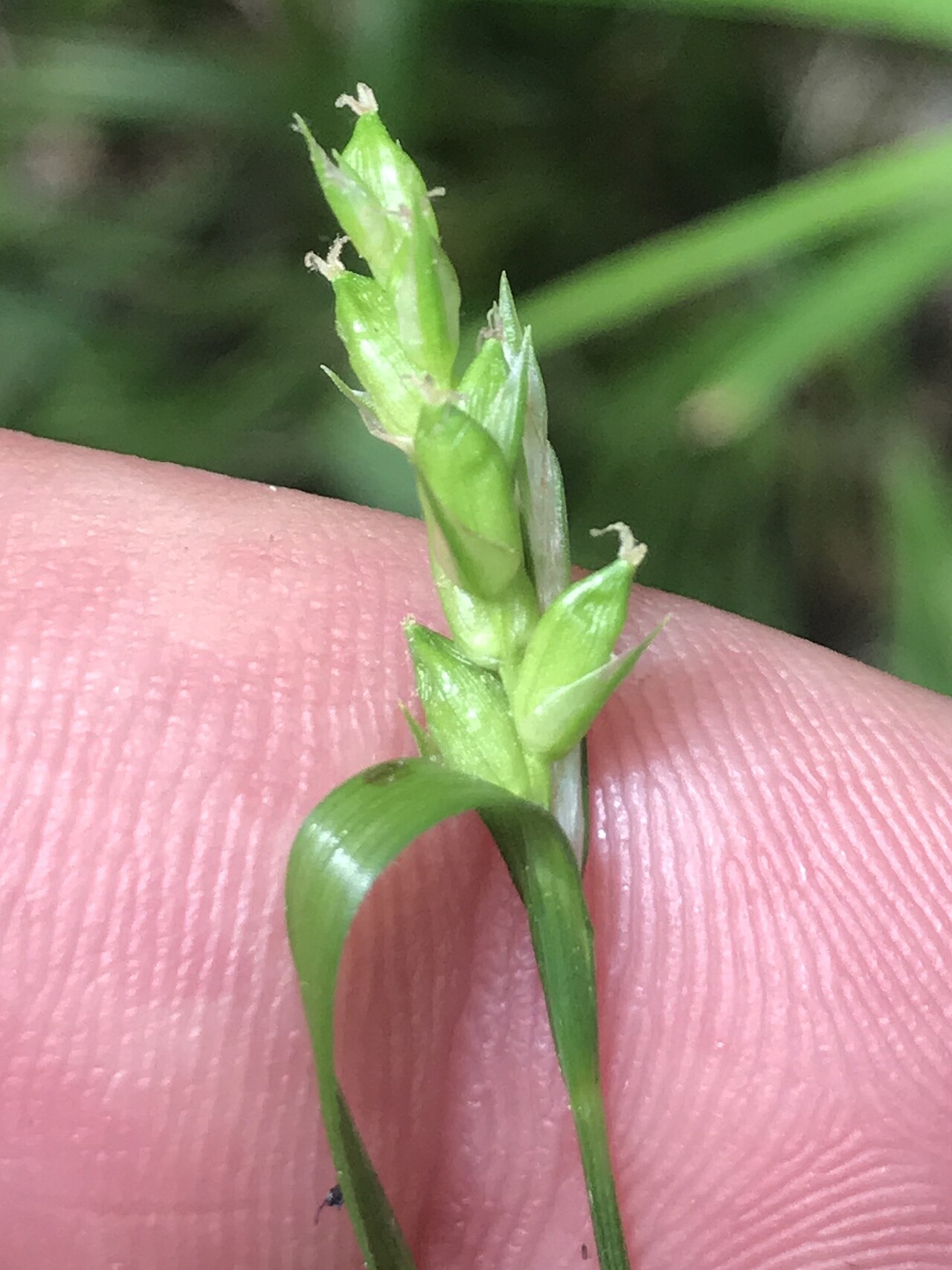
Eastern narrowleaf sedge, showing the narrow arching leaf and spiky perigynia typical of the species. Photo: iNaturalist contributor / Summit Metro Parks (CC BY 4.0)
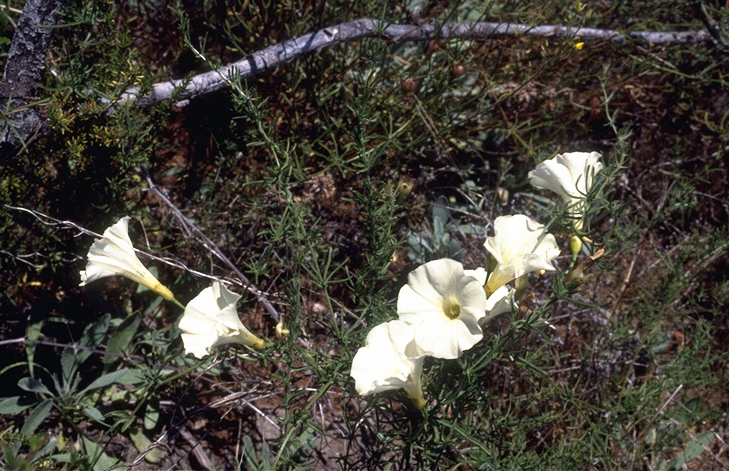
Stebbins’ morning-glory flower. Photo: U.S. Bureau of Land Management (public domain) Calystegia stebbinsii, known as Stebbins’ Morning-glory or Stebbins’ false bindweed, is one of the
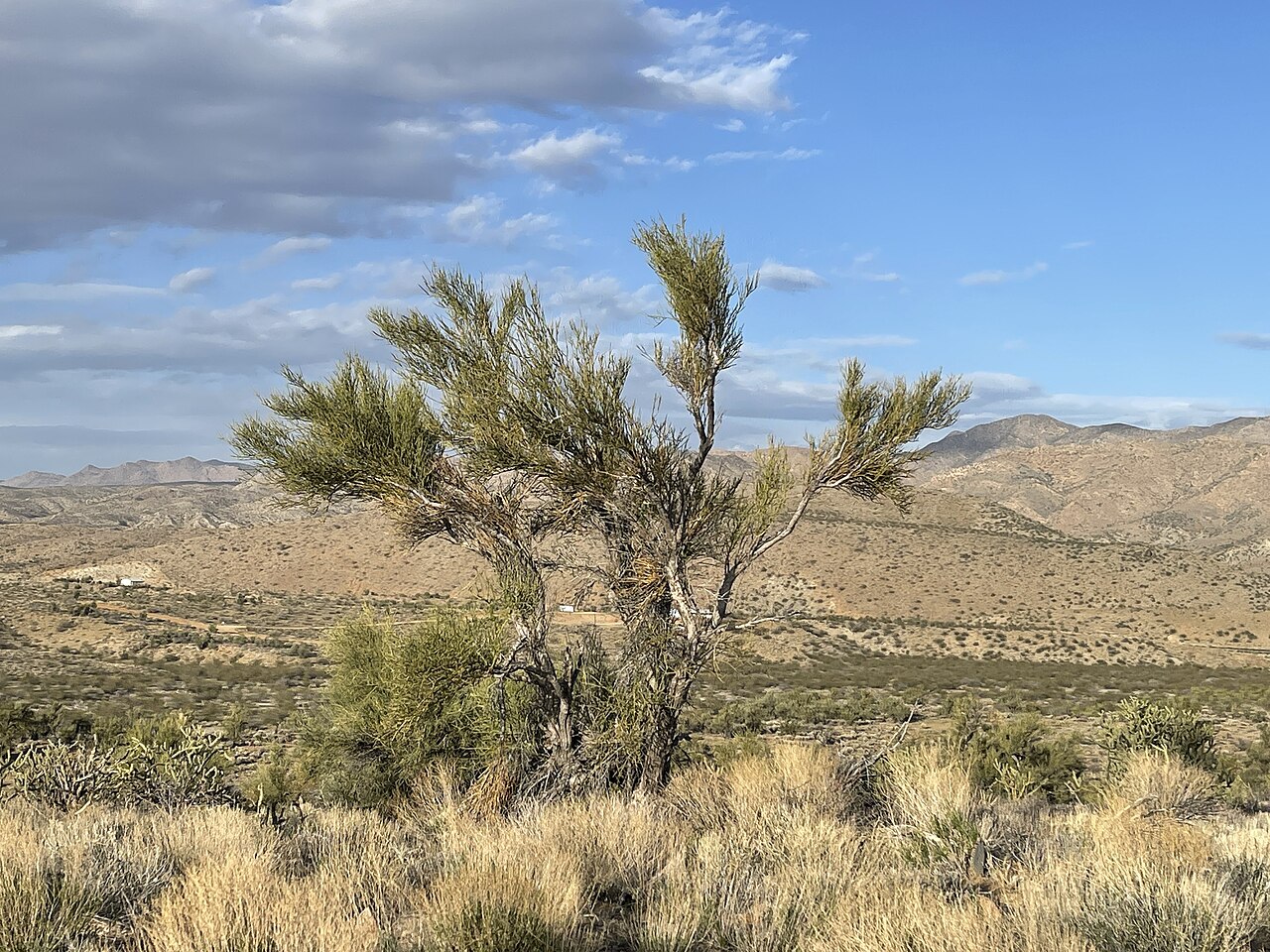
A mature crucifixion thorn near Kingman, Arizona, showing its leafless, broom-like crown of green stems. Photo: CK2AZ, Wikimedia Commons / iNaturalist (CC BY 4.0) Canotia
View More