
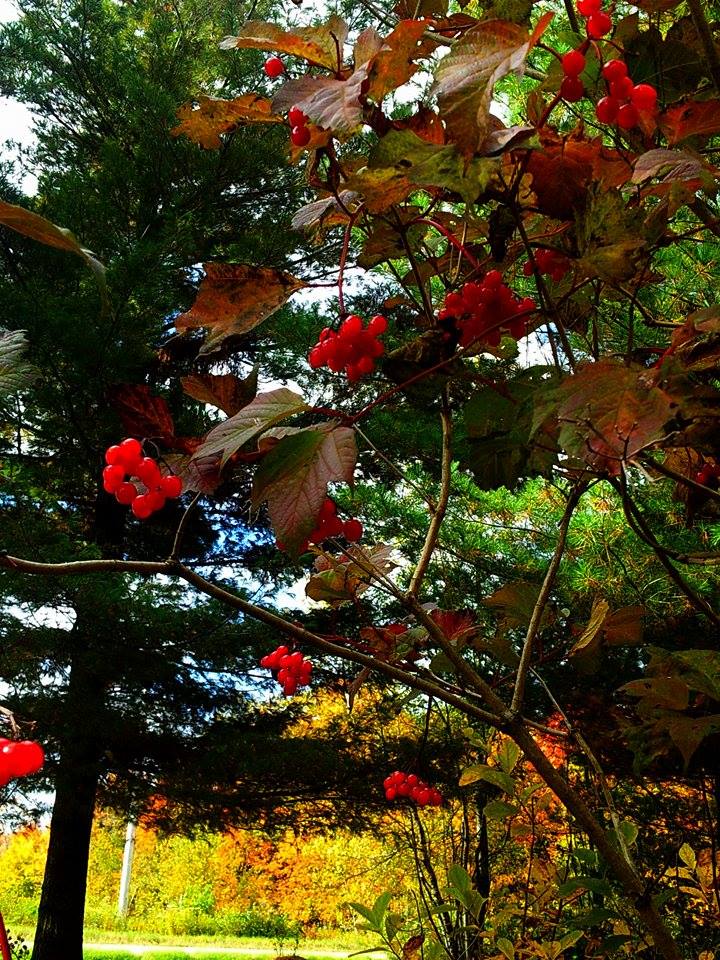
American Highbush Cranberry with characteristic bright red berries and maple-like three-lobed leaves. Photo: Wikimedia Commons (CC BY-SA 4.0) Viburnum trilobum, commonly known as American Highbush
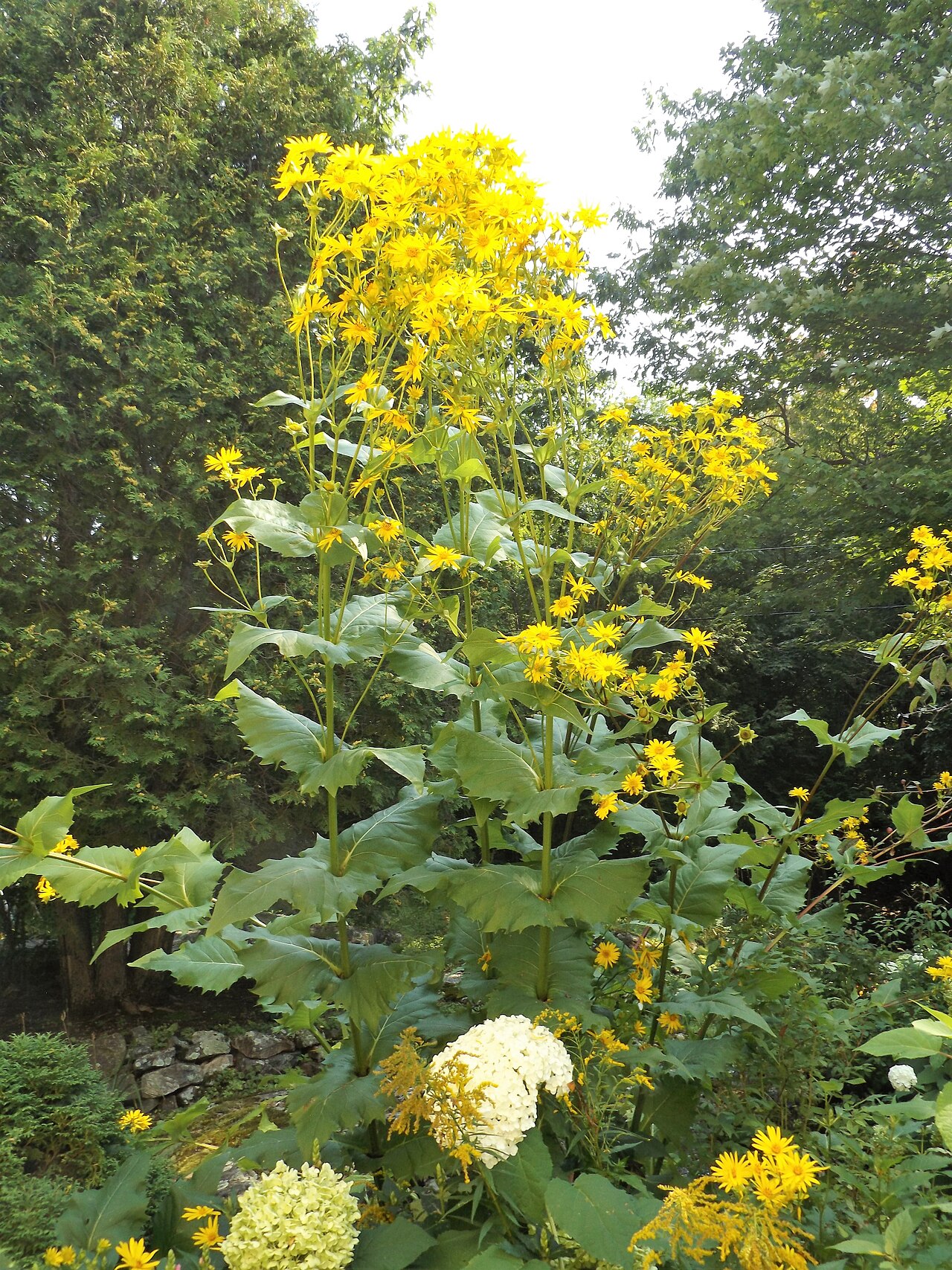
Cup Plant towers over the garden on square stems, with opposite leaf pairs fused around the stem and topped by yellow flower clusters. Photo: Pandries,
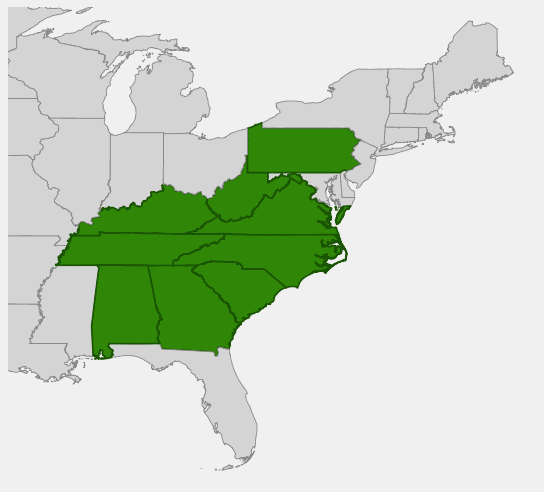
Cinnamonbark’s white flower racemes bloom in summer with an intensely sweet fragrance. Photo: sonnia hill (CC BY 2.0), Wikimedia Commons Clethra acuminata, commonly known as
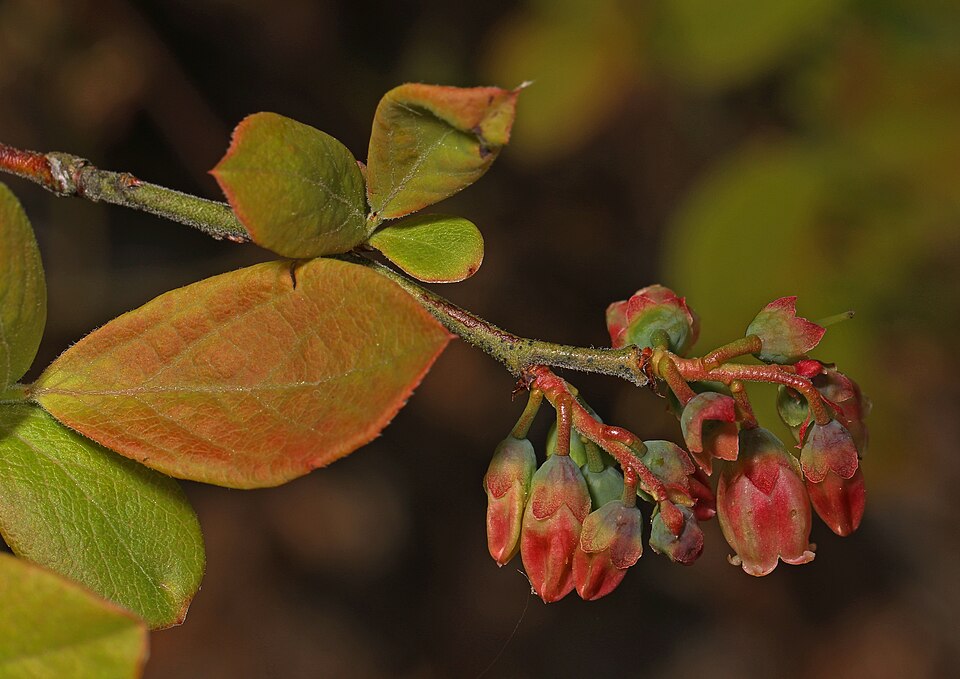
Highbush Blueberry in its natural woodland habitat with characteristic oval leaves and multi-stemmed growth form. Photo: Wikimedia Commons (CC BY 2.0) Vaccinium corymbosum, commonly known
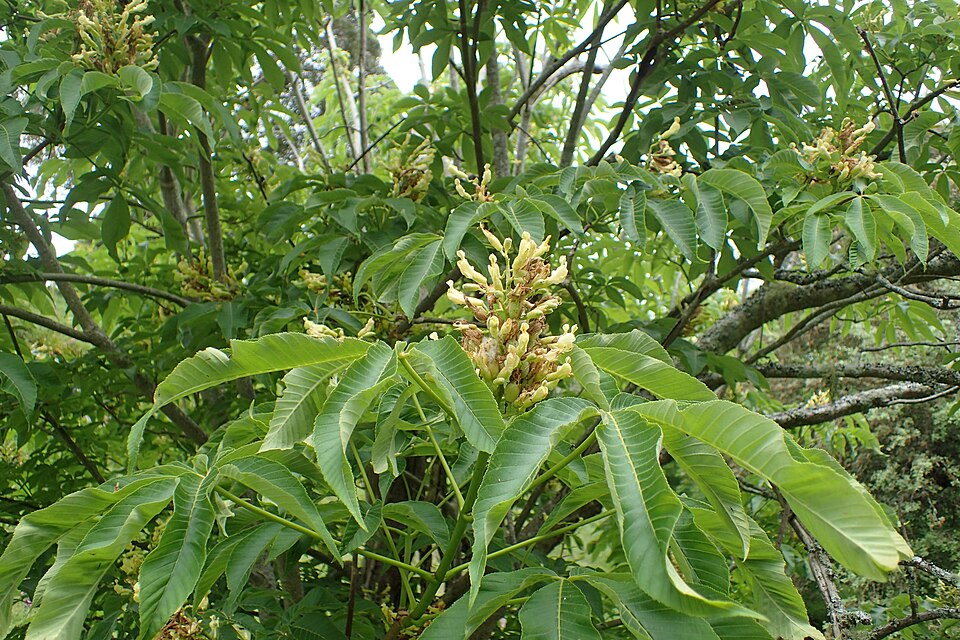
Yellow Buckeye’s distinctive palmate leaves and developing flower clusters in spring. Photo: Wikimedia Commons (CC BY-SA 4.0) Aesculus flava, commonly known as Yellow Buckeye, Sweet
Flowering Dogwood in full bloom displaying the iconic white bracts that make it one of spring’s most celebrated native trees. Photo: Wikimedia Commons (CC BY-SA
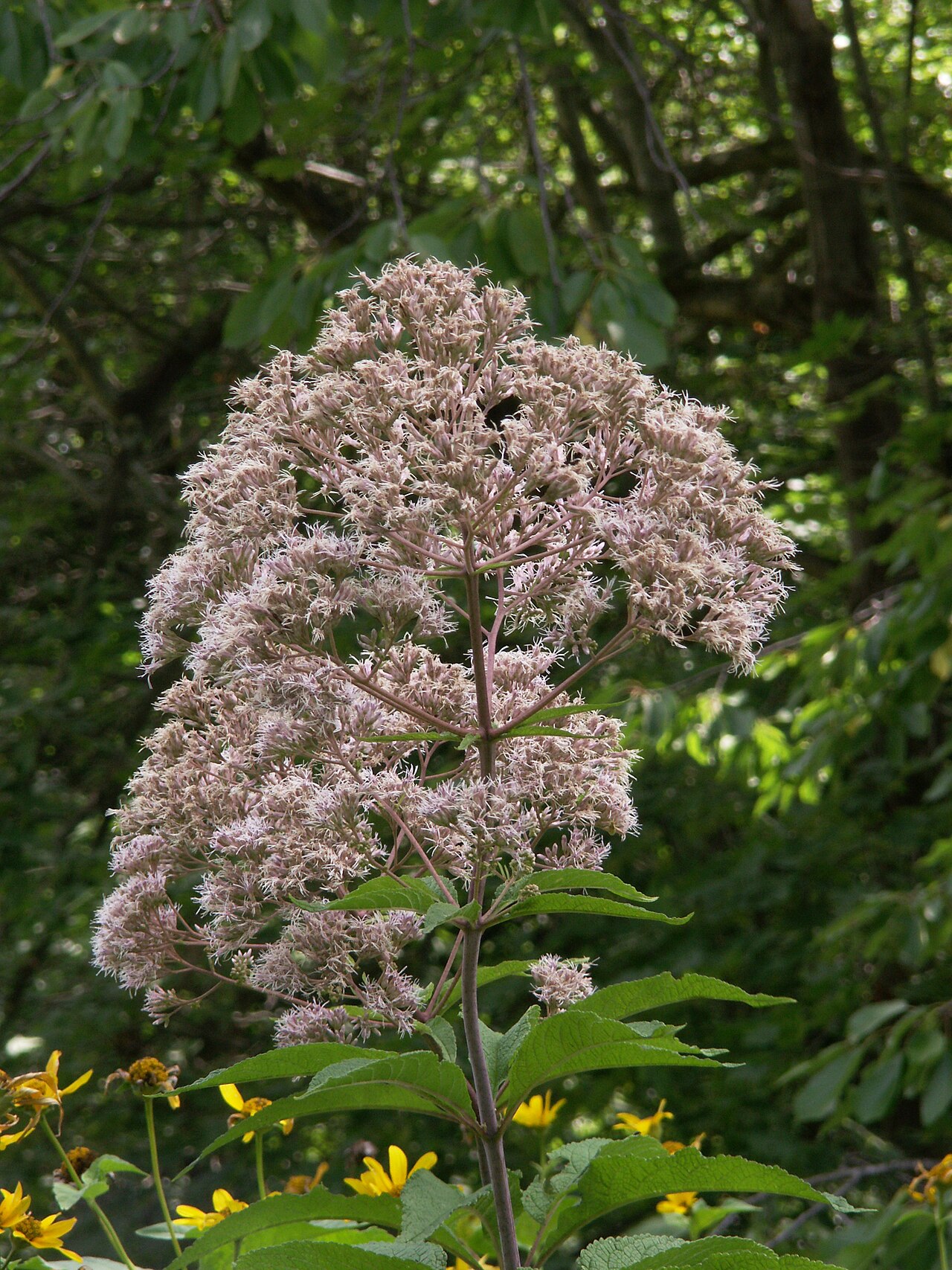
A flowering Joe-Pye Weed plant showing its massive domed corymb atop whorled leaves. Photo: Cbaile19, via Wikimedia Commons (CC0) Eupatorium fistulosum, commonly known as Joe-Pye
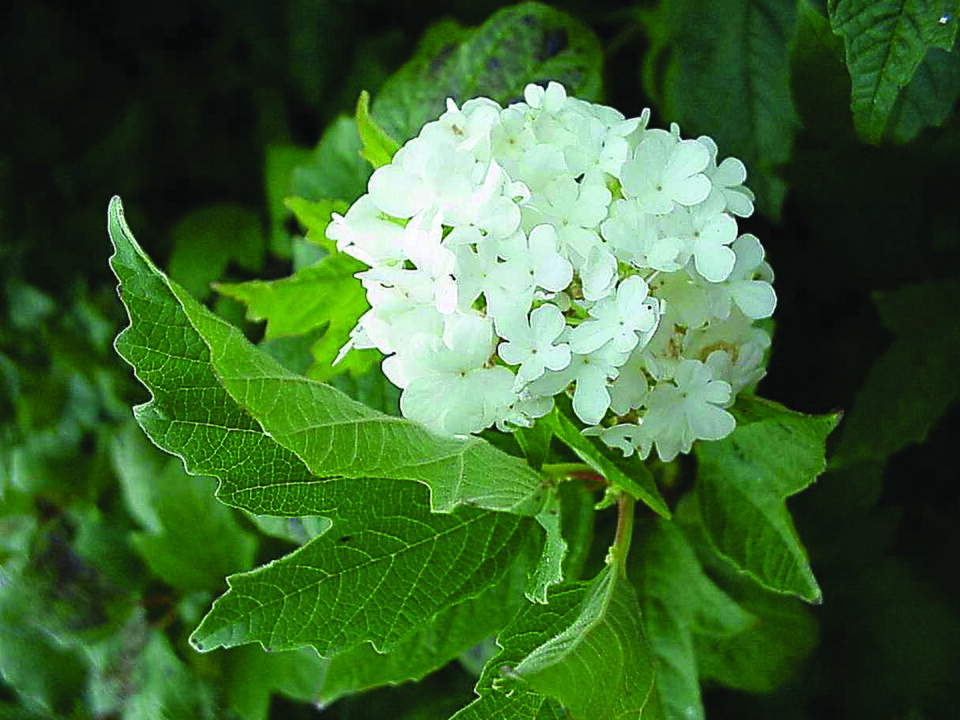
Wild Hydrangea displaying its characteristic large clusters of creamy white flowers in summer bloom. Photo: NPS (Public Domain) Hydrangea arborescens, commonly known as Wild Hydrangea,
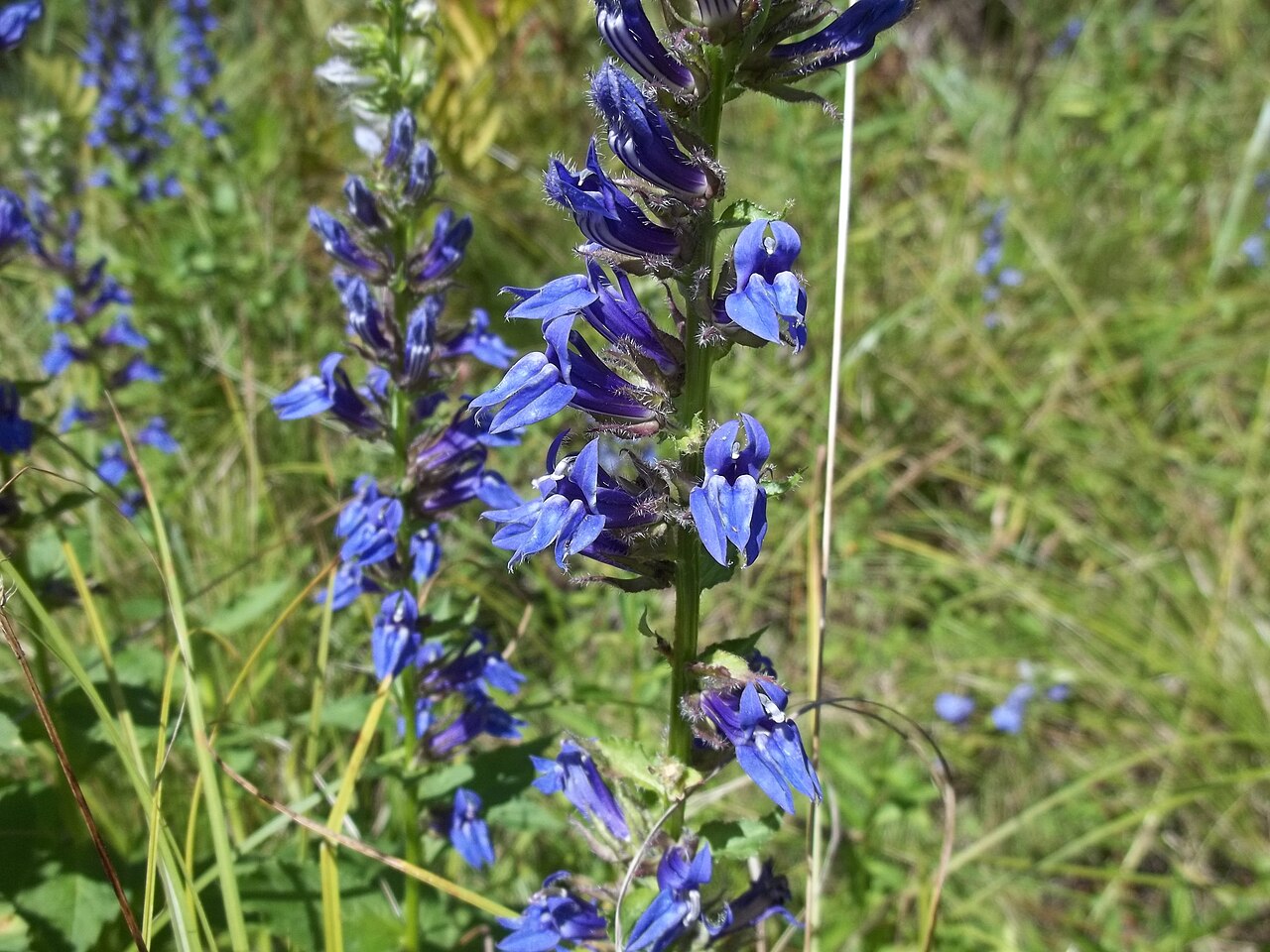
Great Blue Lobelia sends up erect, unbranched spikes of brilliant blue tubular flowers in late summer and early fall. Photo: HLWolfe, via Wikimedia Commons (CC
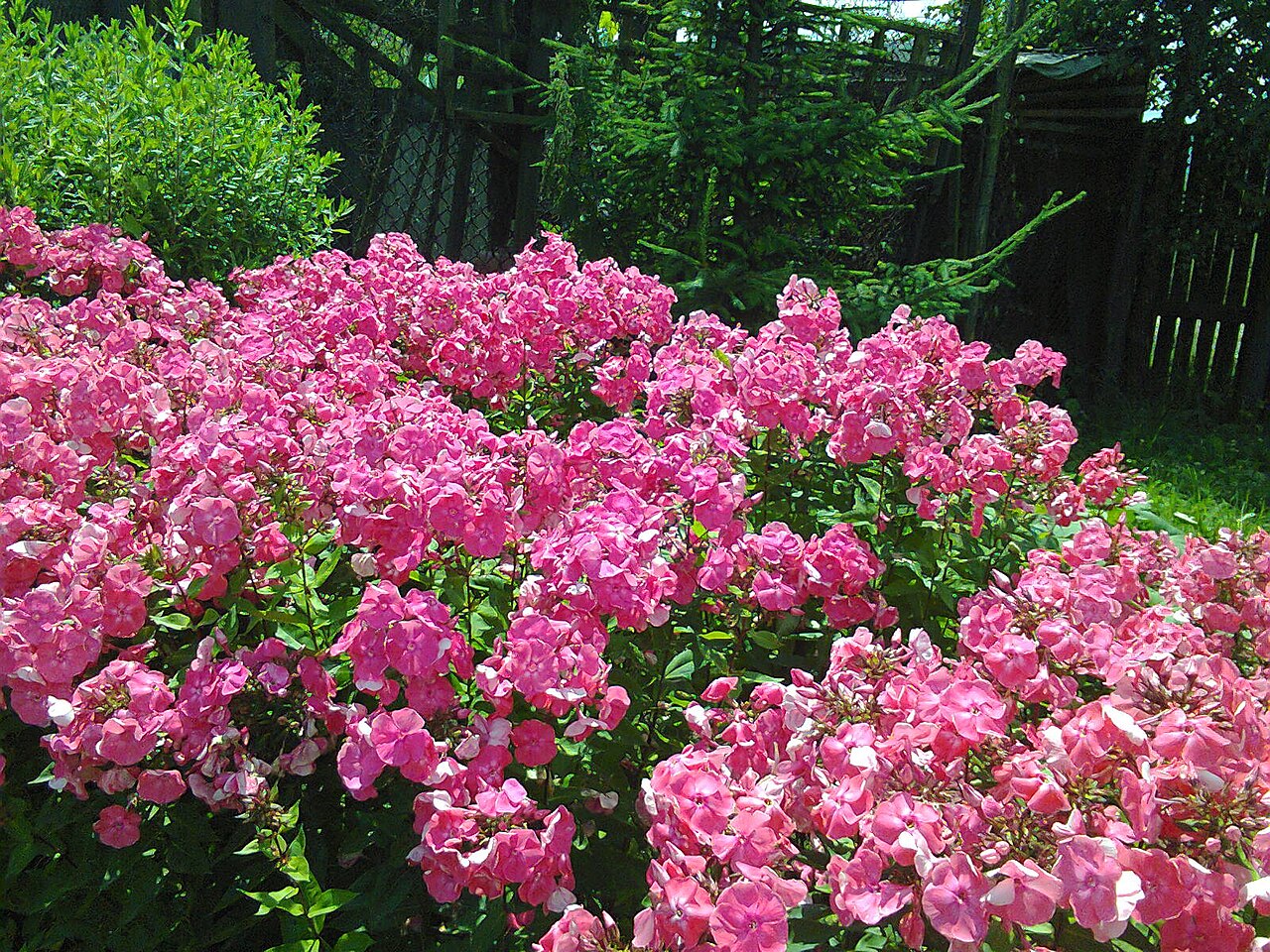
Summer Phlox forms dense clumps topped with large, dome-shaped panicles of fragrant flowers through mid and late summer. Photo: DenesFeri, via Wikimedia Commons (CC BY-SA
View More