

Red Oak blooming in spring with characteristic lobed leaves emerging and pendant catkins. Photo: Wikimedia Commons (CC BY-SA 3.0) Quercus rubra, commonly known as Red
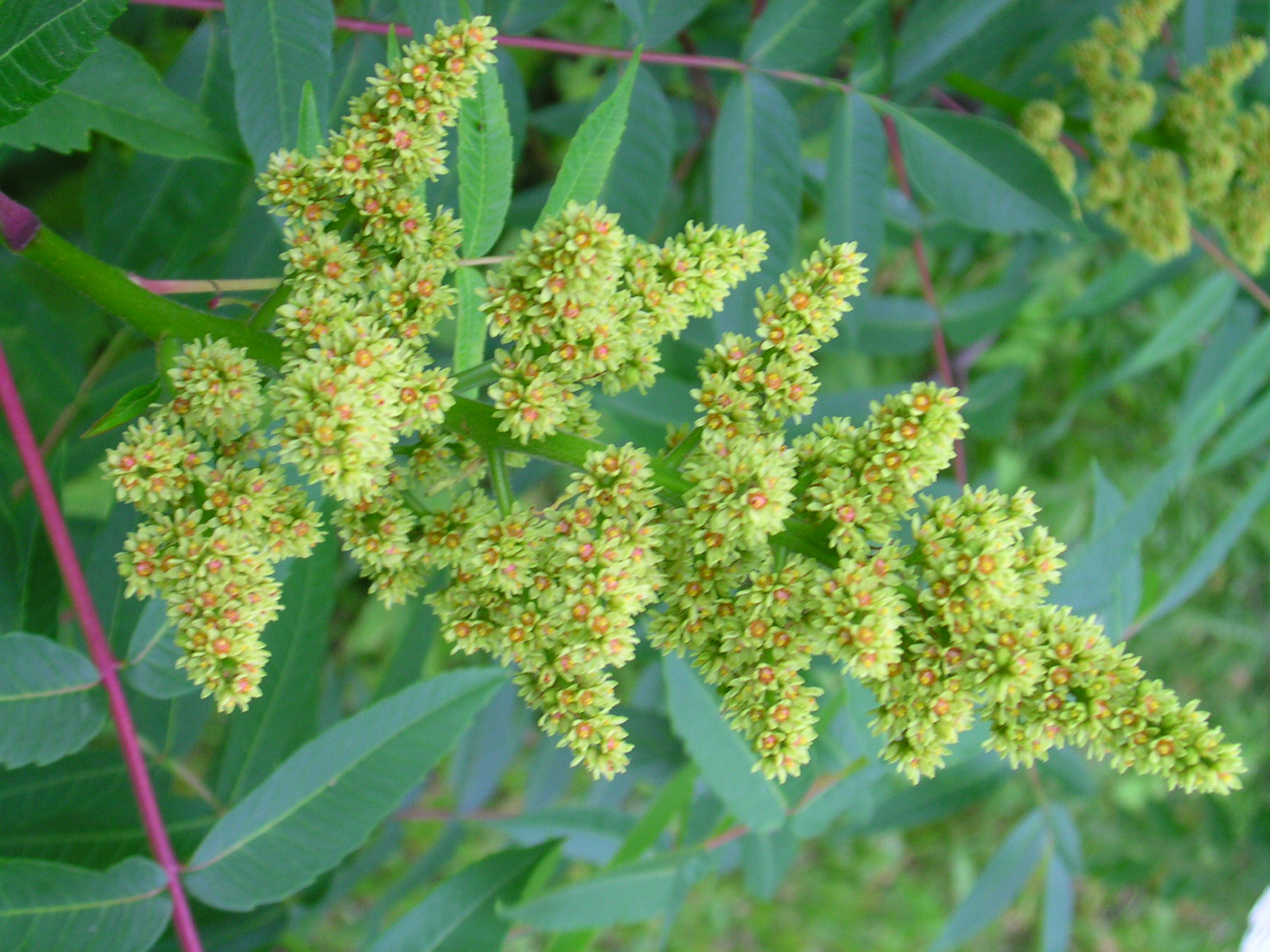
Smooth Sumac’s long, pinnately compound leaves and smooth, reddish stems set it apart from its hairy-stemmed relatives. Photo: Superior National Forest (CC BY 2.0), Wikimedia
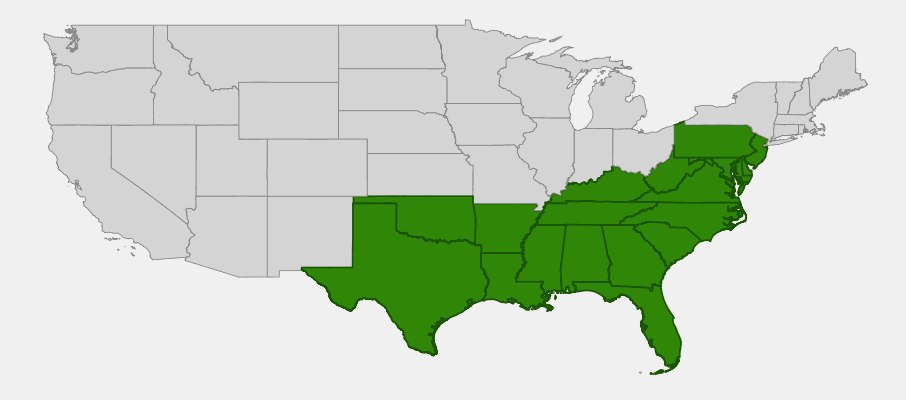
Allegheny Chinquapin (Castanea pumila). Photo: Matthew C. Perry/USGS (Public Domain) Castanea pumila, commonly known as Chinquapin, Dwarf Chestnut, or Allegheny Chinquapin, is a remarkable native
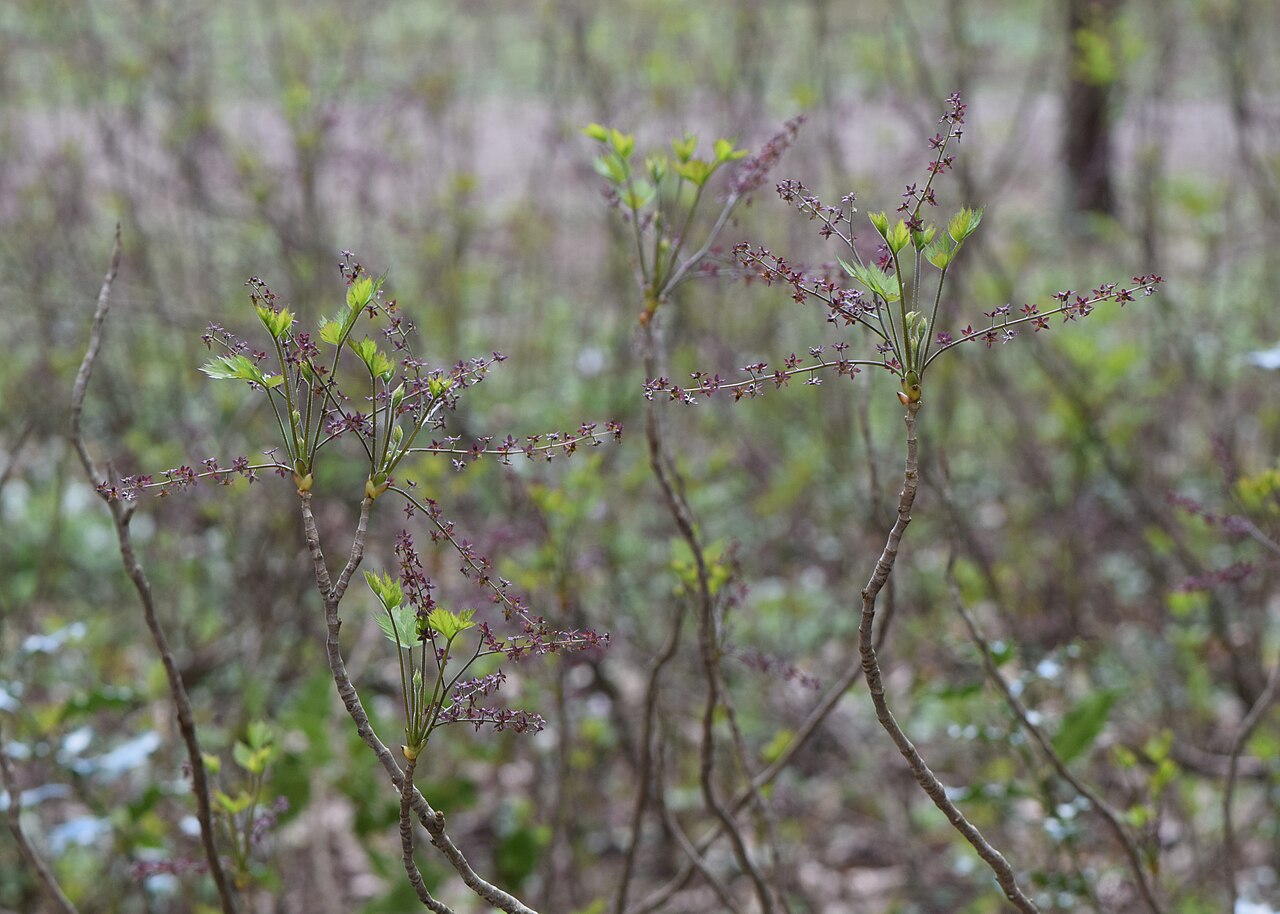
A Yellow Root colony in early spring, flowering before the compound leaves fully unfurl. Photo: Krzysztof Ziarnek, Kenraiz, Wikimedia Commons (CC BY-SA 4.0) Xanthorhiza simplicissima,

Cercis canadensis, commonly known as Eastern Redbud, Redbud, or Judas Tree, is one of North America’s most beloved native flowering trees, heralding spring’s arrival with

Sassafras tree showing characteristic growth form and distinctive lobed leaves. Photo: Wikimedia Commons (CC BY-SA 4.0) Sassafras albidum, commonly known as Sassafras, White Sassafras, or
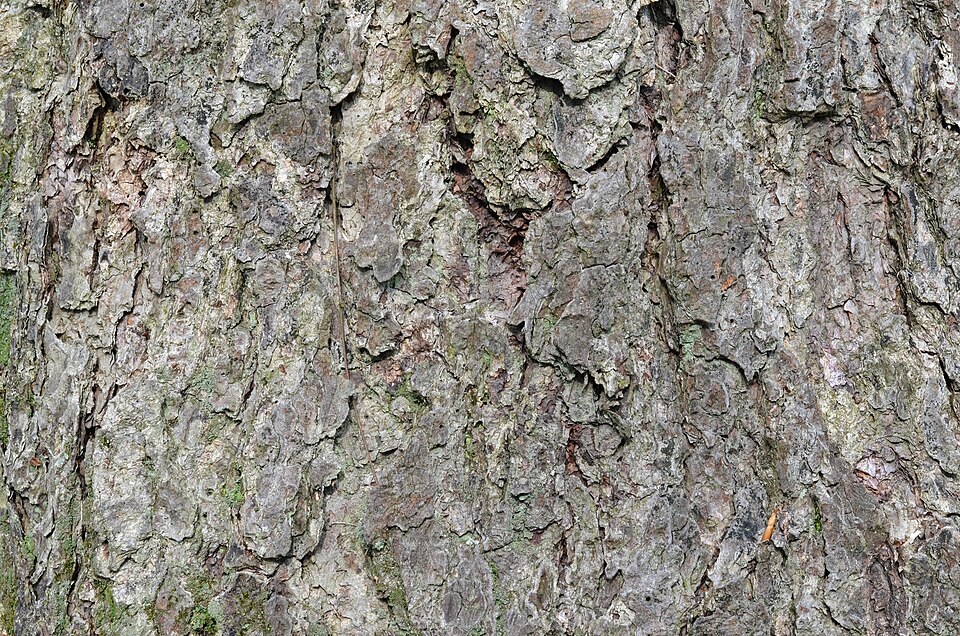
River Birch showing characteristic multi-trunk form and distinctive peeling bark. Photo: Wikimedia Commons (CC BY-SA 4.0) Betula nigra, commonly known as River Birch, Black Birch,
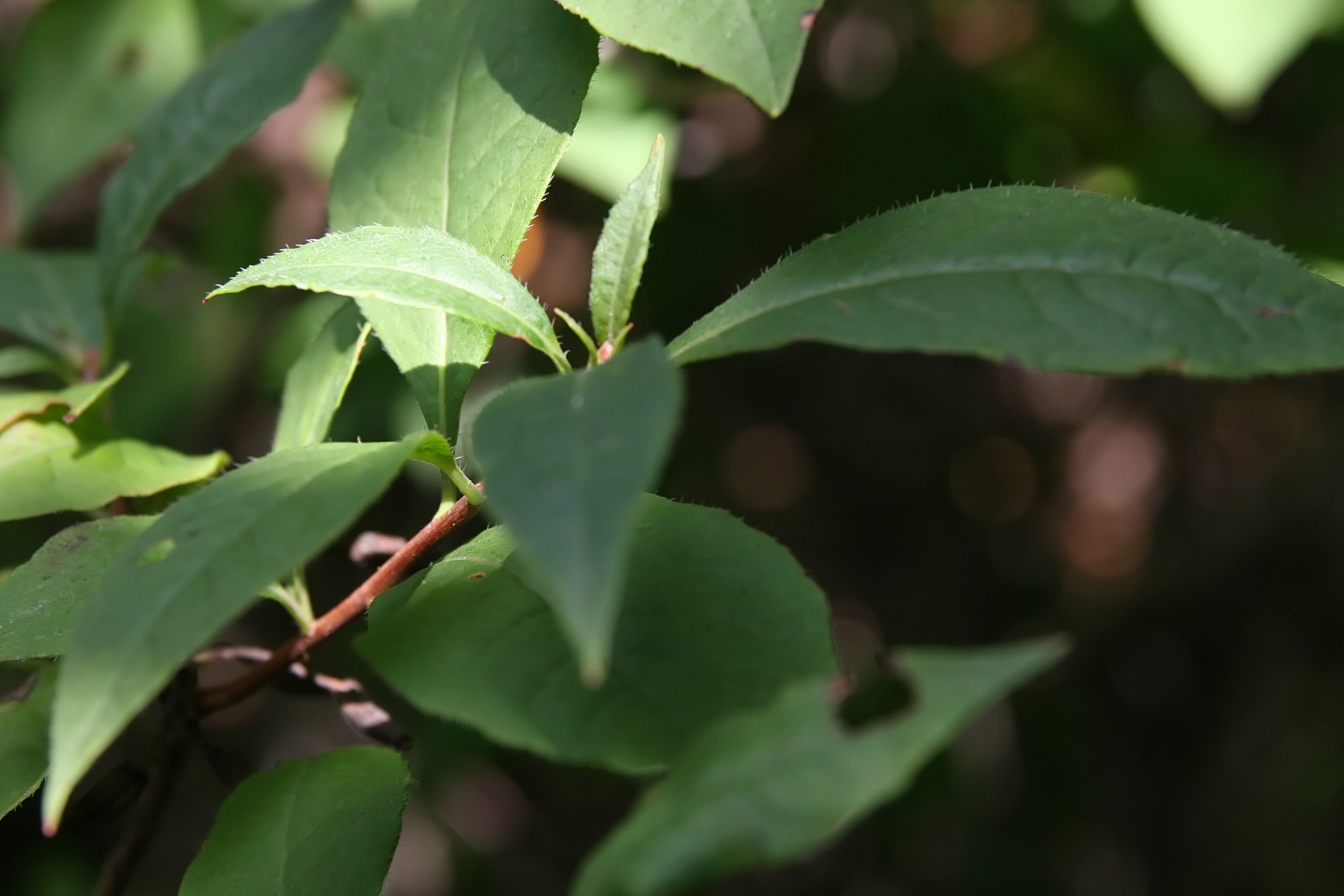
Pinkshell Azalea blooming with its distinctive pink to white flowers dotted with orange freckles. Photo: David J. Stang (CC BY-SA 4.0) Rhododendron vaseyi, commonly known
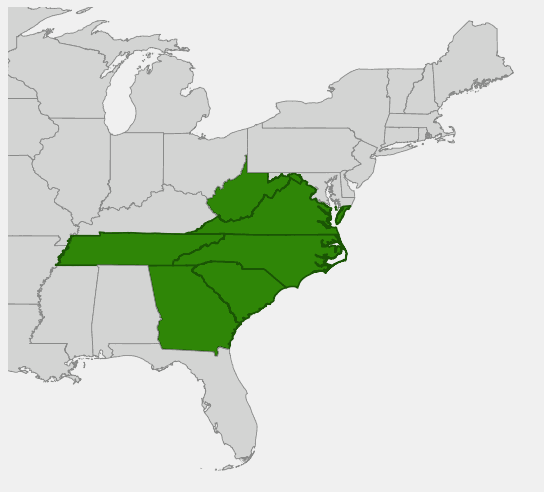
Carolina Hemlock with its characteristic needles arranged spirally around the twigs and small pendant cones. Photo: Douglas Goldman, Wikimedia Commons (CC BY-SA 4.0) Tsuga caroliniana,
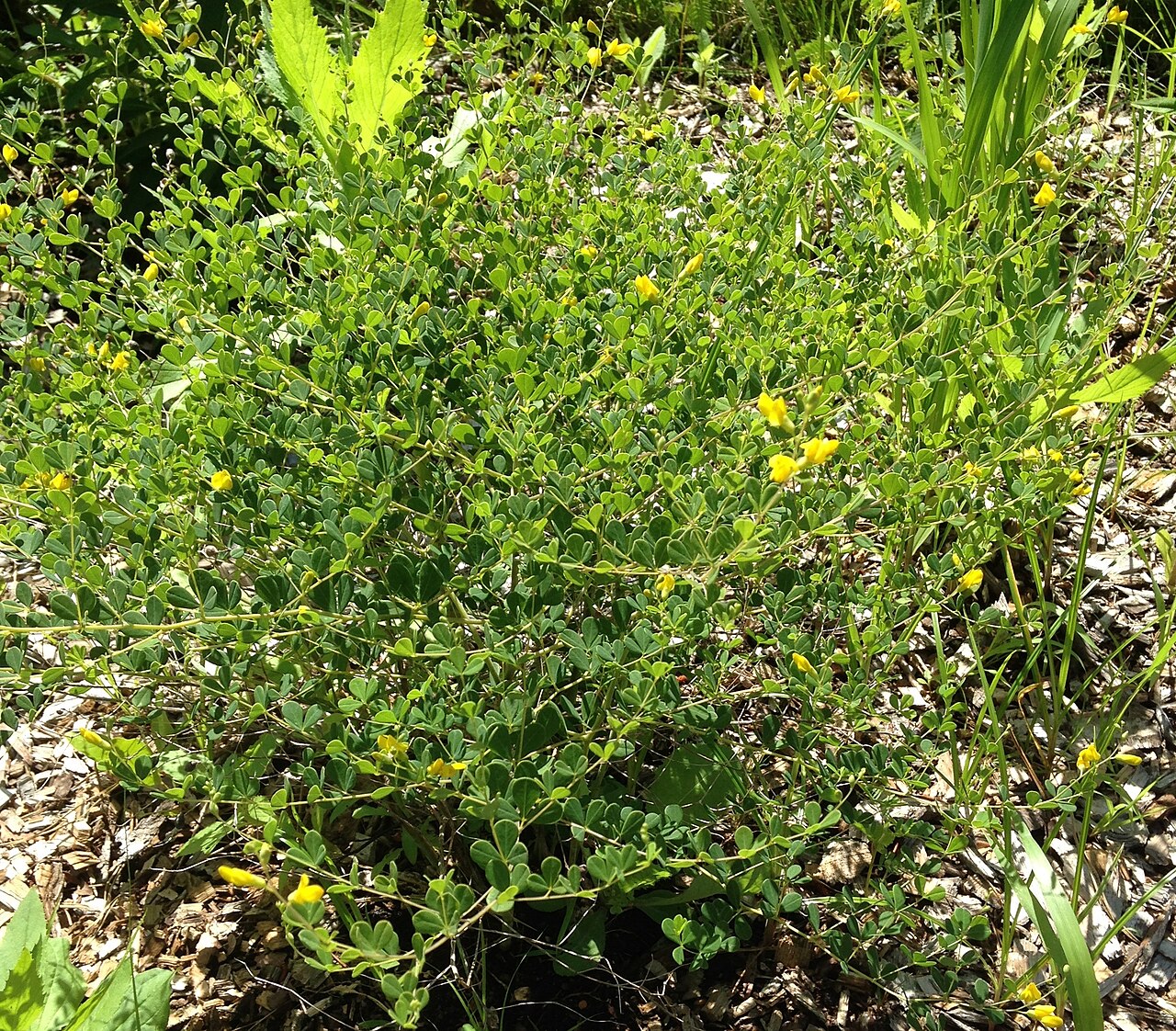
A bushy Wild Indigo clump in bloom, its blue-green foliage dotted with small bright yellow pea-like flowers. Photo: BeckyLaboy, Wikimedia Commons (CC BY 4.0) Baptisia
View More