
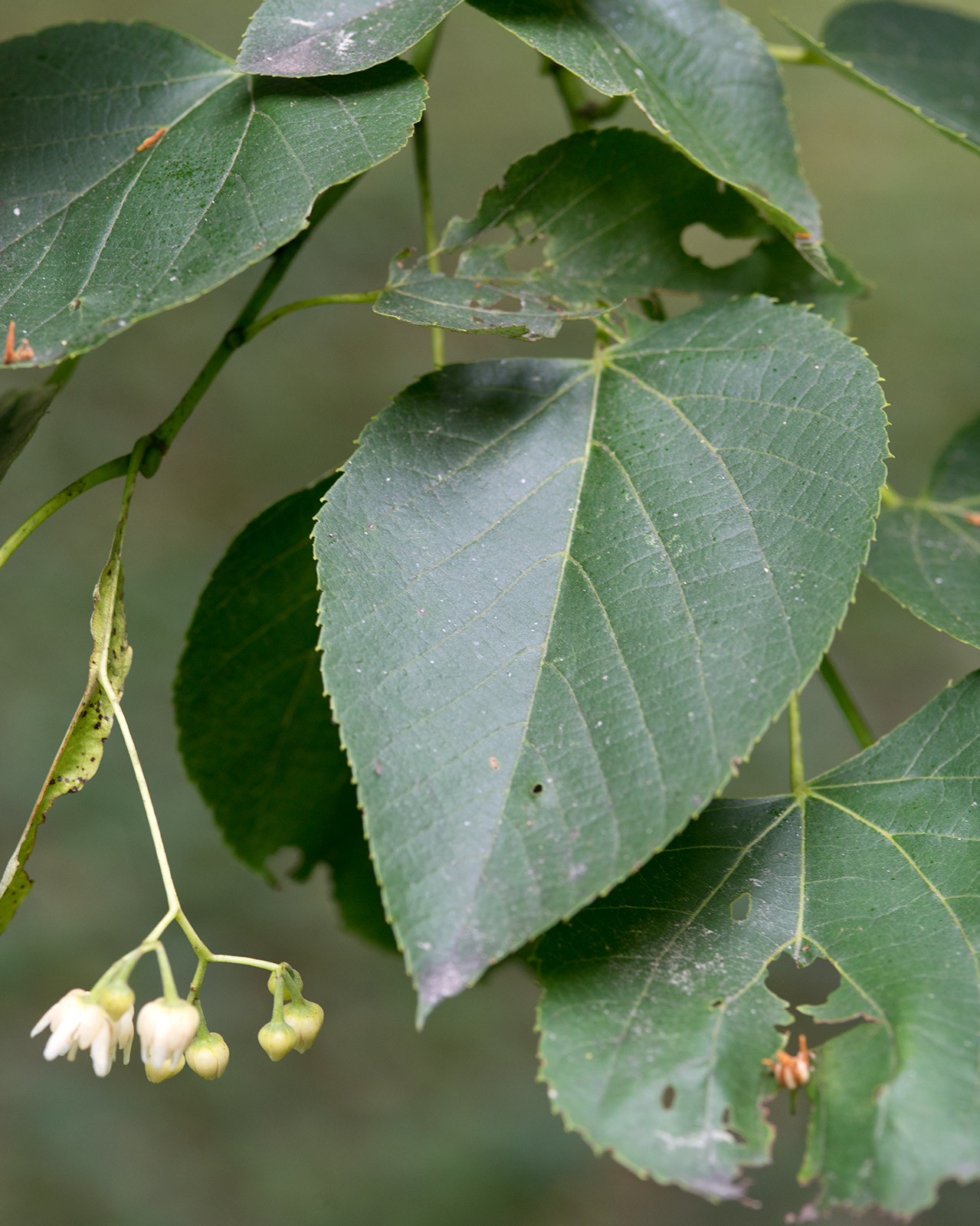
Basswood foliage and fragrant flower clusters that attract numerous pollinators. Photo: Wikimedia Commons (CC BY-SA 2.0) Tilia americana, commonly known as Basswood, American Basswood, or
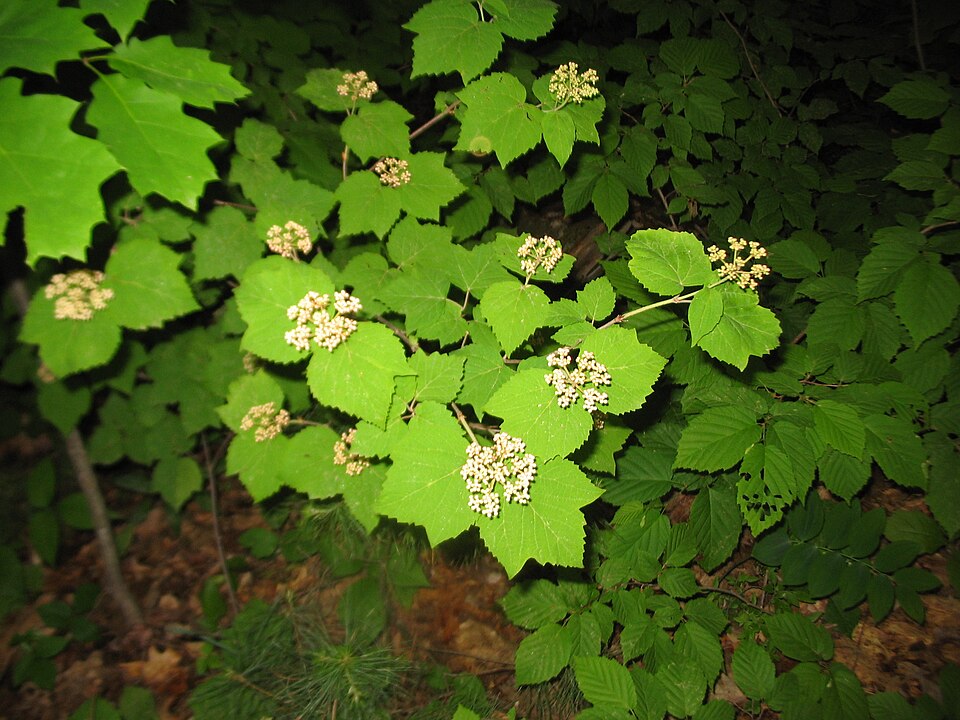
Maple-leaf Viburnum displaying its distinctive three-lobed leaves and creamy-white flower clusters. Photo: Wikimedia Commons (CC BY-SA) Viburnum acerifolium, commonly known as Maple-leaf Viburnum, Dockmackie, or
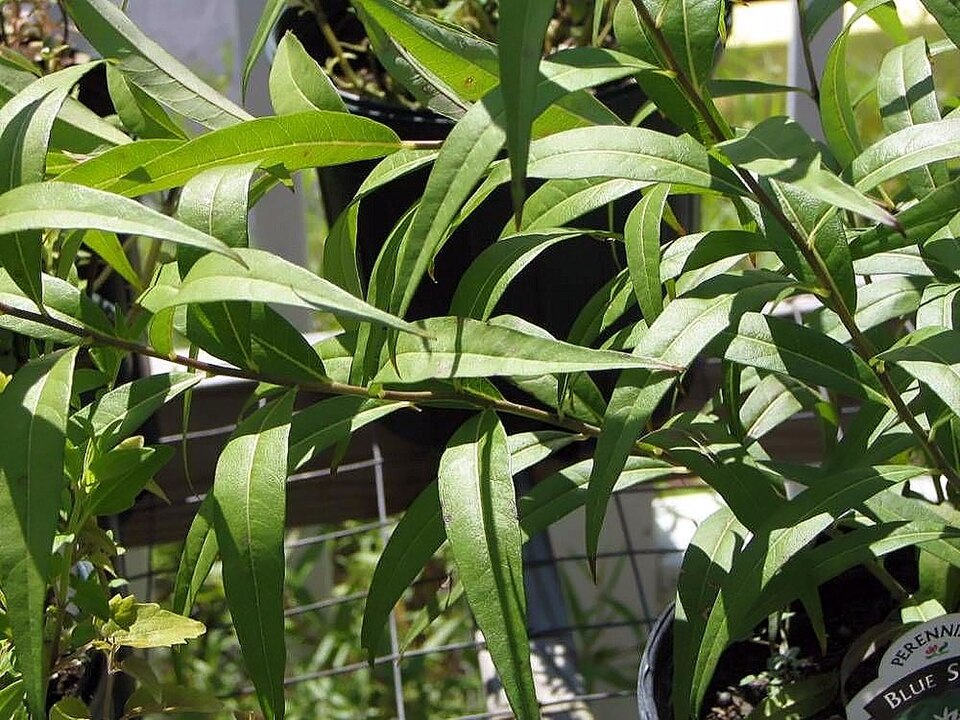
Blue Star showcases its distinctive pale blue, star-shaped flowers in late spring clusters. Photo: Wikimedia Commons (CC BY-SA 3.0) Amsonia tabernaemontana, commonly known as Blue
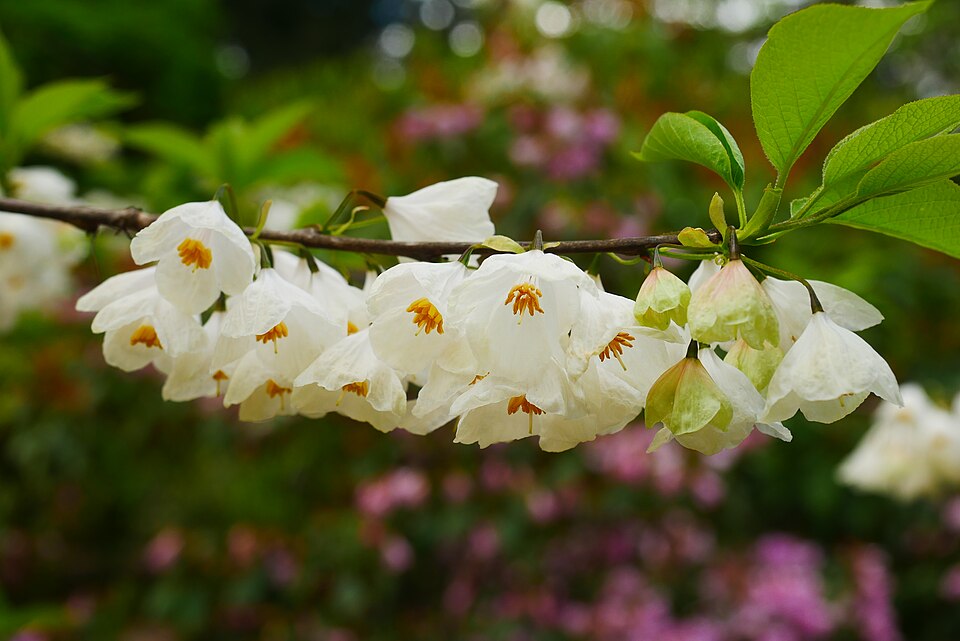
Carolina Silverbell’s distinctive drooping white bell-shaped flowers in early spring. Photo: Wikimedia Commons (CC BY-SA 4.0) Halesia carolina, commonly known as Carolina Silverbell or Two-winged
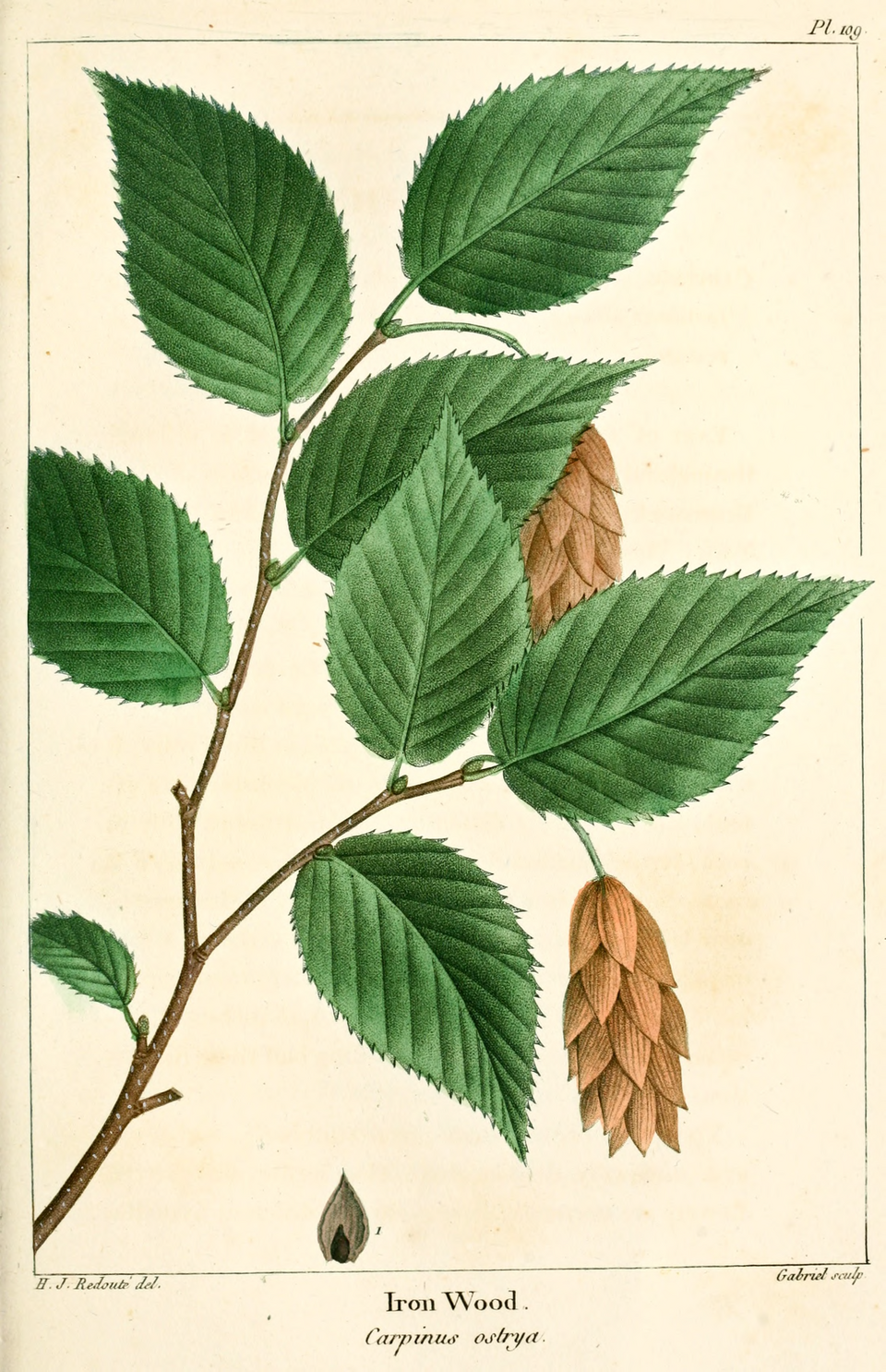
Ironwood showing characteristic hop-like fruiting clusters and shreddy bark. Photo: Wikimedia Commons (Public Domain) Ostrya virginiana, commonly known as Ironwood, American Hophornbeam, or Eastern Hophornbeam,
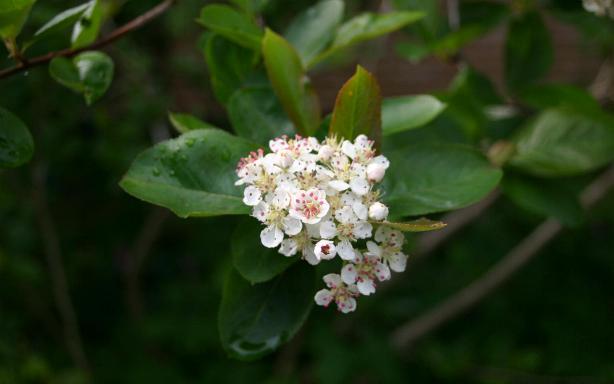
Black Chokeberry in bloom, displaying clusters of white flowers that will develop into dark purple-black berries. Photo: Wikimedia Commons (CC BY-SA 3.0) Aronia melanocarpa, commonly
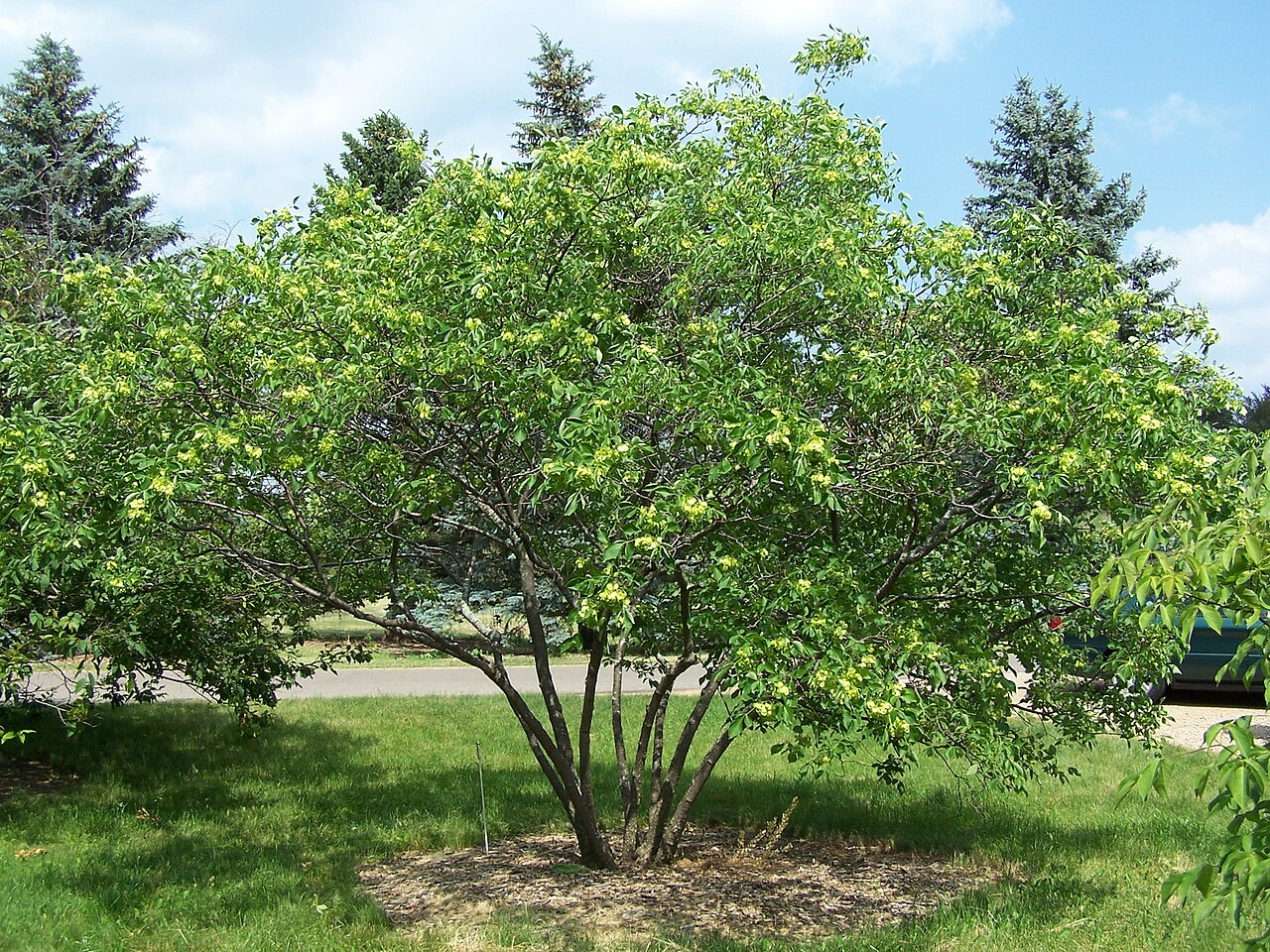
A mature, multi-stemmed Hop Tree in flower, showing its rounded, spreading habit. Photo: SEWilco, Wikimedia Commons (CC BY-SA 3.0) Ptelea trifoliata, commonly known as Hop
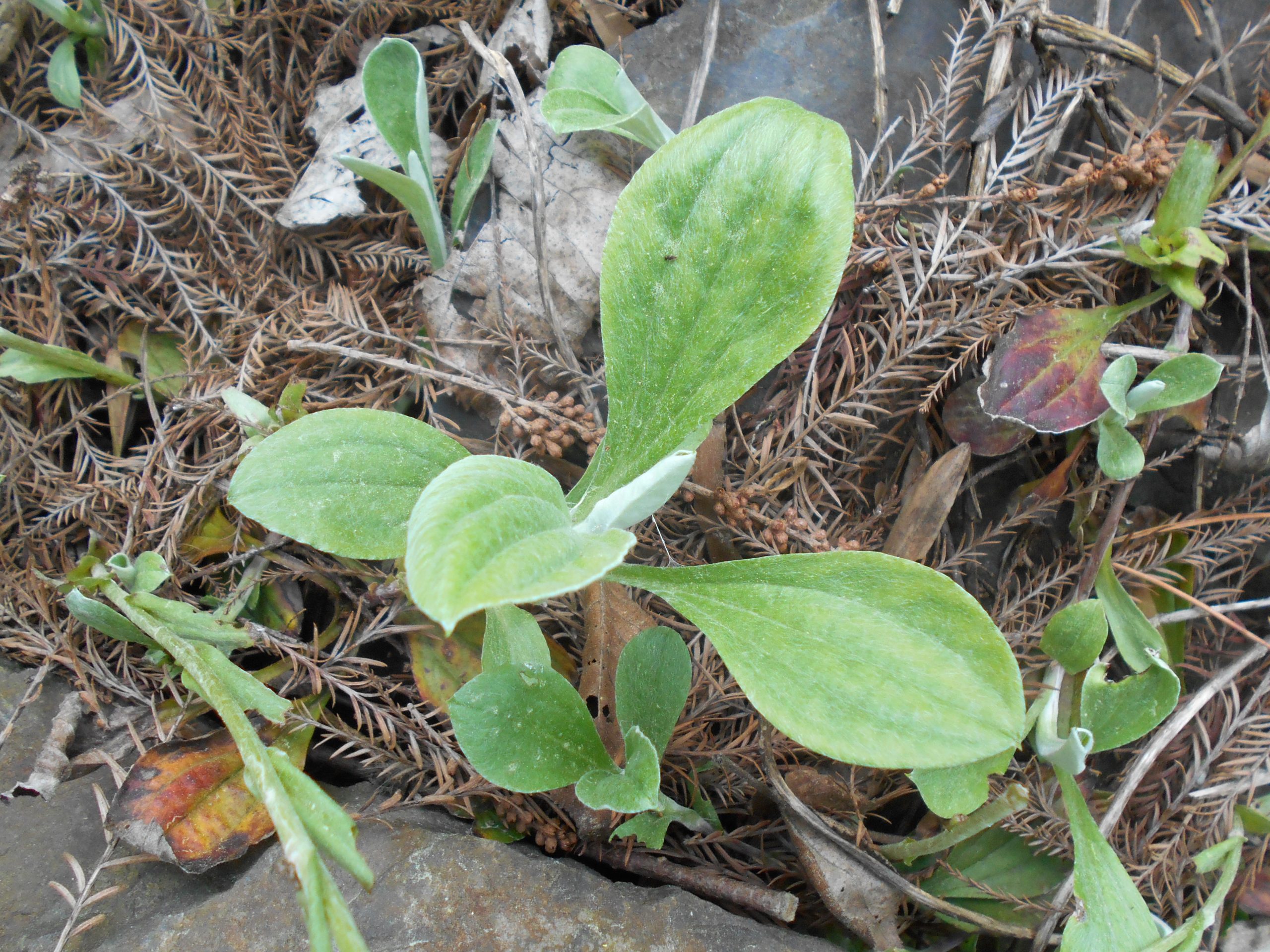
Pussy’s Toes forming a low carpet of silvery-white woolly rosettes beneath forest trees. Photo: Wikimedia Commons (CC BY-SA 4.0) Antennaria plantaginifolia, commonly known as Pussy’s
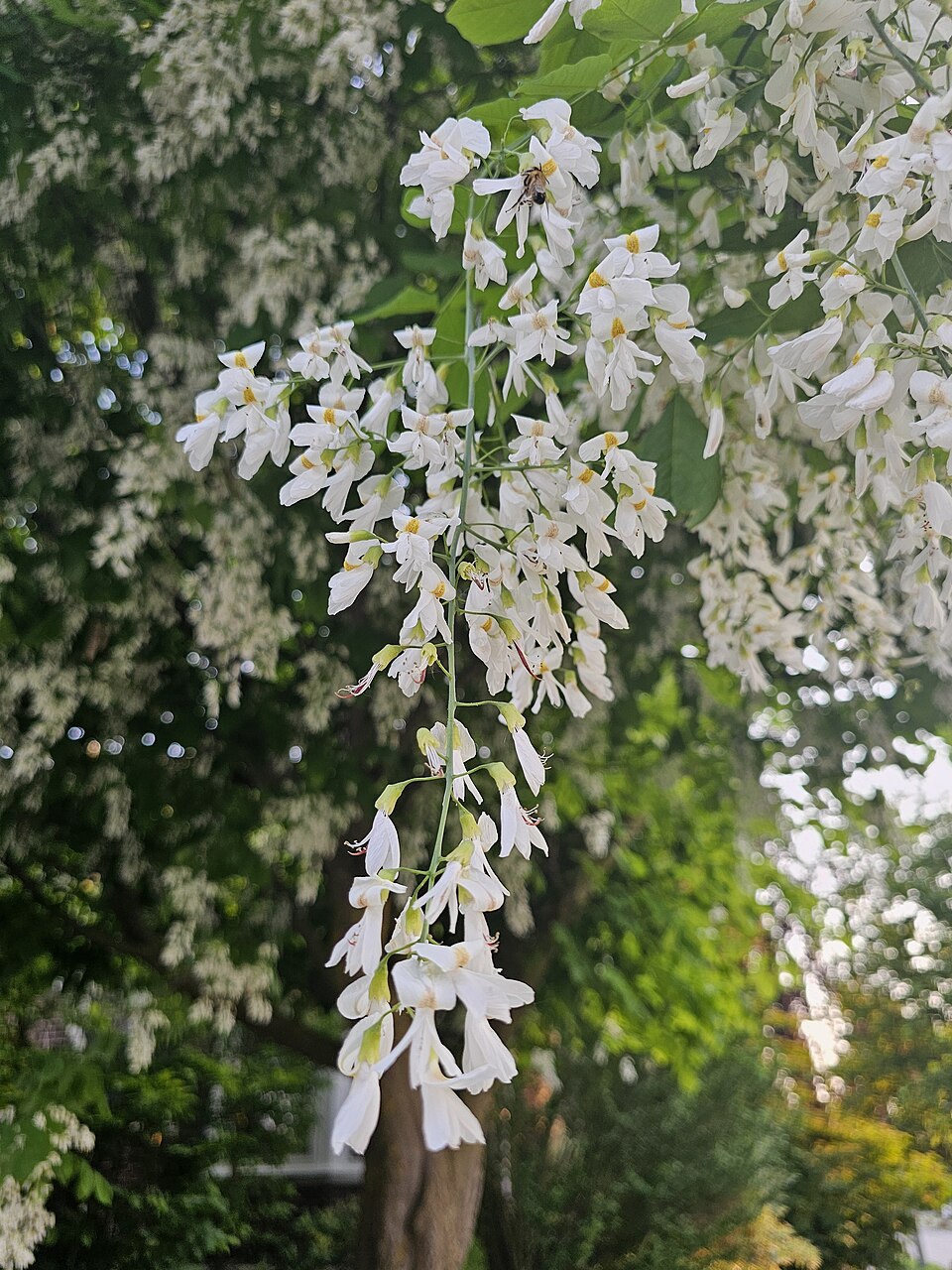
Yellowwood’s spectacular spring flower display features drooping clusters of fragrant white flowers that resemble wisteria blooms. Photo: Wikimedia Commons (CC BY-SA 4.0) Cladrastis kentuckea, commonly
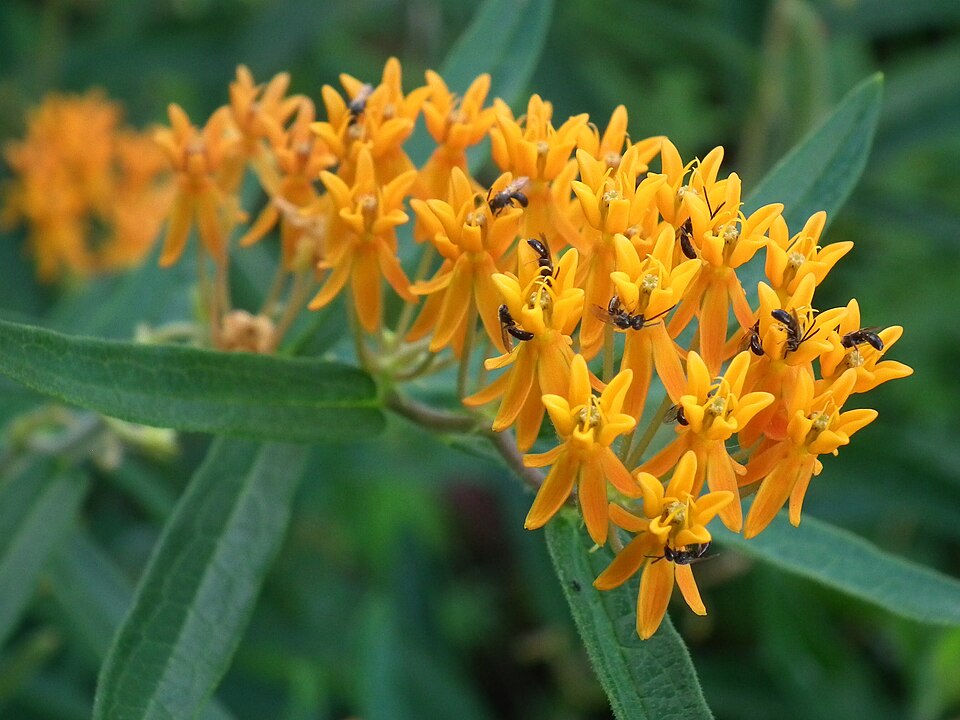
Butterfly Weed’s spectacular orange flower clusters attract butterflies from across the landscape. Photo: Wikimedia Commons (CC0) Asclepias tuberosa, commonly known as Butterfly Weed or Orange
View More