Red Alder (Alnus rubra)
Alnus rubra, commonly known as Red Alder or Oregon Alder, stands as one of the most ecologically important and rapidly growing native trees of the Pacific Northwest. Despite its common name suggesting red coloration, this deciduous tree is actually distinguished by its distinctive smooth, pale gray to whitish bark and bright green foliage. Red Alder is a pioneer species that quickly colonizes disturbed areas, stream banks, and logged sites, playing a crucial role in forest succession and soil improvement throughout its range.
As the largest native alder species in North America, Red Alder typically reaches 60 to 100 feet in height with a trunk diameter of 1 to 3 feet, though exceptional specimens can grow even larger in ideal conditions. The tree’s most remarkable ecological contribution is its ability to fix atmospheric nitrogen through root nodules containing Frankia bacteria, enriching forest soils and creating favorable conditions for other native species to establish. This nitrogen-fixing capability makes Red Alder invaluable for restoration projects and natural forest regeneration.
Beyond its ecological significance, Red Alder produces some of the Pacific Northwest’s most valuable hardwood, prized by furniture makers and woodworkers for its light color, fine grain, and excellent finishing properties. The tree’s rapid growth, beautiful fall color, and exceptional wildlife value make it an outstanding choice for native landscaping, riparian restoration, and sustainable forestry throughout Oregon, Washington, California, Alaska, Idaho, and British Columbia.
Identification
Red Alder is easily identified by its distinctive combination of smooth, pale gray bark, oval leaves with pronounced veins, and characteristic reproductive structures. The tree typically grows as a tall, straight-trunked specimen with a narrow, oval crown, though it can develop multiple trunks in forest openings or along stream banks where it has more space to spread.
Bark & Trunk
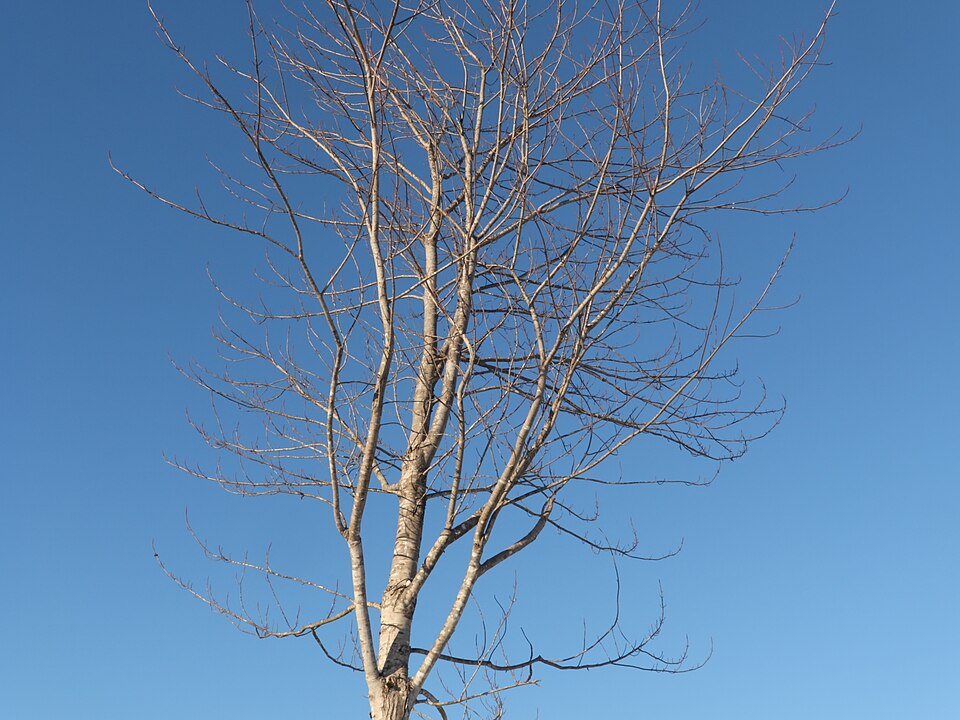
The bark is perhaps Red Alder’s most distinctive feature—smooth and pale gray to nearly white, often with darker horizontal markings and patches of orange or brown lichen. Young bark is particularly smooth and light-colored, becoming slightly rougher and developing shallow furrows only on very old, large trunks. The trunk is typically straight and columnar, clear of branches for much of its height in forest settings, with distinctive lenticels (breathing pores) visible as dark horizontal lines on young bark.
Leaves
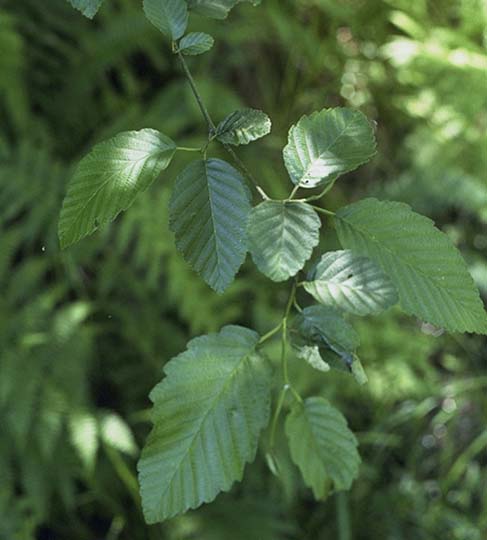
The leaves are simple, alternate, and broadly oval to elliptical, measuring 3 to 6 inches long and 2 to 4 inches wide. They have a distinctive serrated (toothed) margin and prominent parallel veins that give the leaves a distinctly ribbed texture. The upper surface is dark green, while the underside is paler and may be slightly fuzzy on young leaves. The leaves turn bright yellow in fall before dropping, creating spectacular autumn displays along streams and forest edges.
Flowers & Fruit
Red Alder is monoecious, producing both male and female flowers on the same tree. The male flowers appear as drooping catkins (aments) 4 to 6 inches long that emerge before the leaves in early spring, releasing clouds of yellow pollen. Female flowers are smaller, cone-like structures that appear at the same time. The fruit consists of small, woody cones about ½ to 1 inch long that persist on the tree through winter, releasing tiny winged seeds from fall through early spring. These persistent cones are excellent identifying features during the dormant season.
Quick Facts
| Scientific Name | Alnus rubra |
| Family | Betulaceae (Birch) |
| Plant Type | Deciduous Tree |
| Mature Height | 40–100 ft |
| Trunk Diameter | 1–3 ft (0.3–0.9 m) |
| Growth Rate | Fast (2–3 ft per year) |
| Sun Exposure | Full Sun |
| Water Needs | High |
| Soil Type | Adaptable; prefers moist, well-drained |
| Soil pH | 5.0–7.5 (acidic to slightly alkaline) |
| Bloom Time | March – April |
| Flower Color | Yellow-green catkins |
| Fall Color | Bright yellow |
| Fruit | Small woody cones with winged seeds |
| Deer Resistant | No (deer and elk browse foliage and twigs) |
| USDA Hardiness Zones | 6–9 |
Native Range
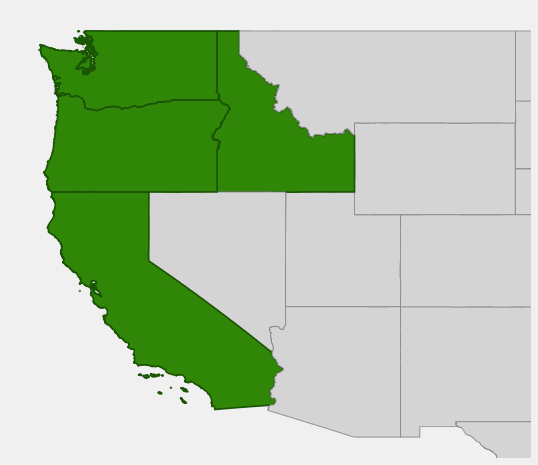
Red Alder has an extensive Pacific coastal distribution, ranging from southeastern Alaska south through British Columbia, Washington, Oregon, and California to Santa Barbara County. The species extends inland through the Columbia River Gorge and into northern Idaho, always associated with areas of high moisture availability. This distribution reflects Red Alder’s adaptation to the mild, moist climate of the Pacific Coast region, where it occupies streamside corridors, moist valley bottoms, and areas with year-round water availability.
Throughout its range, Red Alder is most commonly found along streams, rivers, wetland edges, and other areas with reliable moisture. The species is particularly abundant in the Puget Sound lowlands, the Columbia River Valley, and coastal river systems from Northern California to Southeast Alaska. Red Alder also colonizes disturbed sites including logged areas, avalanche chutes, and areas cleared by fire or windthrow, where its rapid growth and nitrogen-fixing ability give it a competitive advantage over many other species.
The tree commonly associates with other moisture-loving species including Black Cottonwood, Bigleaf Maple, Western Hemlock, and Douglas-fir. In riparian zones, Red Alder often forms nearly pure stands that create distinctive white-barked corridors along waterways. These alder groves are particularly important for stabilizing stream banks, filtering runoff, and providing crucial wildlife habitat in both natural and disturbed landscapes.
📋 Regional plant lists featuring Red Alder: Western Oregon & Western Washington
Growing & Care Guide
Red Alder is one of the easiest native trees to grow successfully, combining rapid growth with remarkable adaptability to various site conditions. Its fast growth rate—often 2 to 3 feet per year—and tolerance of disturbed soils make it excellent for quick screening, erosion control, and restoration projects where fast establishment is important.
Light
Red Alder grows best in full sun but tolerates partial shade reasonably well, especially when young. In full sun, the tree develops a dense, well-formed crown and reaches its maximum growth potential. In partial shade, growth may be somewhat slower, but the tree still performs well and can compete effectively with other species. Red Alder is somewhat intolerant of deep shade and may become spindly if grown in heavily shaded conditions.
Soil & Water
Red Alder is remarkably adaptable to various soil conditions but prefers moist, well-drained soils. The tree thrives in everything from sandy loam to clay, and its nitrogen-fixing ability allows it to grow well even in nutrient-poor soils. Red Alder prefers consistent moisture but can tolerate brief dry periods once established. Avoid sites that are waterlogged for extended periods, though the tree can handle seasonal flooding better than most species. The soil pH can range from acidic to slightly alkaline (5.0-7.5).
Planting Tips
Plant Red Alder in fall or early spring for best establishment. The tree transplants easily and can be successfully established from bare root or container stock. Choose a location with adequate space for the tree’s mature size and rapid growth. Red Alder is excellent for difficult sites including compacted soils, disturbed areas, and sites needing quick erosion control. Space trees 15–25 feet apart for screening or 30–40 feet apart for specimen plantings.
Pruning
Red Alder requires minimal pruning and naturally develops an attractive form. Remove lower branches gradually if a clear trunk is desired, and prune out any dead, damaged, or crossing branches. The best time for pruning is during the dormant season to avoid bleeding sap. Young trees may benefit from light pruning to establish good structure, but mature trees rarely need attention.
Landscape Uses
Red Alder’s rapid growth and adaptability make it valuable for numerous landscape applications:
- Riparian restoration and stream bank stabilization
- Quick screening and privacy barriers
- Erosion control on slopes and disturbed areas
- Soil improvement through nitrogen fixation
- Wildlife habitat creation and enhancement
- Windbreaks and shelter belts
- Timber production for sustainable woodworking
- Naturalistic landscaping in moist areas
Wildlife & Ecological Value
Red Alder is exceptionally valuable for wildlife and ecosystem health, supporting a complex web of relationships that extend far beyond the tree itself. Its nitrogen-fixing ability enriches forest soils, while its rapid growth and distinctive habitat create conditions that benefit numerous species throughout the Pacific Northwest.
Birds
Red Alder seeds are consumed by at least 15 species of birds, including American Goldfinches, Pine Siskins, Common Redpolls, and various sparrows. The persistent woody cones provide winter food during the scarce months when many other seed sources are depleted. The tree’s open branching structure provides excellent nesting sites for numerous songbirds, while woodpeckers including Red-breasted Sapsuckers frequently work the bark for insects and may excavate nesting cavities in dead alder wood. Great Blue Herons and other large birds often use tall alders near water for roosting and nesting.
Mammals
Beaver heavily utilize Red Alder for both food and dam construction, often creating distinctive “beaver meadows” in alder groves along streams. The bark and twigs are browsed by deer, elk, and moose, particularly during winter when other food sources are scarce. Small mammals including voles, mice, and shrews benefit from the rich invertebrate communities that develop in alder leaf litter. Black bears occasionally browse young alder shoots and use alder groves for cover and travel corridors.
Pollinators
The early-spring catkins provide crucial pollen resources for bees and other pollinators when few other plants are flowering. Native bees, including various mason bees and leafcutter bees, collect alder pollen during the brief but intensive flowering period. The abundance of early pollen makes Red Alder particularly valuable for supporting overwintering bee populations and early-season colony development.
Ecosystem Role
Red Alder’s most important ecosystem contribution is its nitrogen-fixing ability, which can add 100-300 pounds of nitrogen per acre per year to forest soils. This soil enrichment benefits the entire plant community, allowing other native species to establish and thrive. Red Alder groves create distinctive microclimates that are cooler and moister than surrounding areas, supporting shade-tolerant understory species. The tree’s rapid colonization of disturbed areas helps stabilize soils, prevent erosion, and initiate forest succession processes that eventually lead to complex, mature forest communities.
Cultural & Historical Uses
Red Alder holds significant cultural importance for Indigenous peoples throughout the Pacific Northwest, where it was valued for both practical uses and its role in traditional ecological management. Coast Salish, Chinook, Quinault, and numerous other tribes considered Red Alder an essential resource for toolmaking, medicine, and food preparation. The inner bark was harvested and dried to create a reddish-orange dye that was highly prized for coloring basketry materials, clothing, and ceremonial items—this use is likely the origin of the common name “red” alder.
The wood was extensively used for carving bowls, spoons, dishes, and other household implements. Red Alder’s fine grain and light color made it ideal for items that came into contact with food, and the wood doesn’t impart any taste or odor to stored foods. Indigenous craftspeople also used alder charcoal for artwork and face painting, as it produces a deep black pigment when burned under controlled conditions.
Medicinally, the inner bark was prepared as a tea or poultice to treat various ailments including skin conditions, wounds, and digestive problems. The bark’s astringent properties made it valuable for treating diarrhea and other digestive issues, while externally it was applied to cuts, burns, and skin irritations. Some tribes also used alder bark tea as a general tonic, particularly during spring when fresh foods were becoming available.
During the early logging era, Red Alder was initially considered a “weed tree” and was often burned to make way for more commercially valuable conifers like Douglas-fir. This attitude began changing dramatically in the 1960s when the wood’s excellent properties for furniture, cabinetry, and veneer became widely recognized. Today, Red Alder is the Pacific Northwest’s premier hardwood, prized by furniture makers and woodworkers for its light color, fine grain, excellent machining properties, and ability to take stain and finish beautifully. It’s commonly used for kitchen cabinets, furniture, interior millwork, and musical instruments throughout the region, commanding premium prices in specialty wood markets.
Frequently Asked Questions
Why is it called “Red Alder” when the bark is white?
The name comes from the reddish-orange color that appears when the inner bark is exposed to air and oxidizes. Indigenous peoples used this inner bark to create red and orange dyes. When the tree is cut, the freshly exposed wood and bark surfaces quickly turn from white to orange-red, giving the species its common name.
How fast does Red Alder really grow?
Red Alder is one of the fastest-growing native trees in the Pacific Northwest, typically adding 2-3 feet per year under good conditions. Young trees can grow even faster—4-5 feet annually—in ideal sites with ample moisture and full sun. This rapid growth makes it excellent for quick screening and erosion control projects.
Do Red Alders really fix nitrogen like legumes?
Yes! Red Alder has root nodules containing Frankia bacteria that convert atmospheric nitrogen into forms plants can use. A mature alder grove can add 100-300 pounds of nitrogen per acre per year to the soil, significantly enriching the growing conditions for other plants in the area.
Is Red Alder good firewood?
Red Alder burns readily and produces good heat, but it burns quickly and doesn’t create long-lasting coals like oak or madrone. It’s excellent for kindling and quick fires, and many people appreciate that it produces minimal smoke and burns cleanly. The wood seasons quickly—often ready to burn within a year of cutting.
Can Red Alder grow away from water?
While Red Alder prefers moist conditions and is most common near streams, it can grow in various conditions once established. However, it performs best with consistent moisture and may struggle in very dry sites. For areas without natural water sources, occasional deep watering during dry spells will help ensure success.
Looking for a nursery that carries Red Alder?
Browse our native plant nursery directory: Oregon · Washington