Skeletonleaf Goldeneye (Viguiera stenoloba)
Viguiera stenoloba, known as Skeletonleaf Goldeneye or Resinbush, is a tough, rounded, evergreen-to-semi-evergreen shrub native to the rocky deserts and limestone hills of West Texas, the Trans-Pecos, and southern New Mexico. A member of the sunflower family (Asteraceae), it earns its common name from its narrow, deeply divided, almost thread-like leaves, which give the whole plant a delicate, feathery, skeletal appearance quite unlike the coarser foliage of most desert shrubs.
Despite its fine-textured look, Skeletonleaf Goldeneye is a genuinely tough plant, thriving in some of the hottest, driest, rockiest sites in the Chihuahuan Desert. From spring through fall — and nearly year-round in mild winters — it produces a steady, often prolific display of bright golden-yellow, daisy-like flowers that stand out clearly against its green, resinous foliage, making it one of the most reliably colorful native shrubs for Trans-Pecos and South Texas Plains gardens.
Because it tolerates extreme heat, reflected sun, and rocky, alkaline soil while needing very little supplemental water, Skeletonleaf Goldeneye has become an increasingly popular low-maintenance landscape shrub across its native range and in similarly hot, dry climates nearby. Its long bloom season and genuine drought toughness make it a dependable choice for xeriscape gardens looking for sustained color without high water demands.
Identification
Skeletonleaf Goldeneye forms a rounded, bushy shrub, typically 2 to 4 feet tall and similarly wide, with a dense, twiggy structure covered in fine, feathery foliage. Its overall silhouette is softer and more finely textured than most of its Chihuahuan Desert shrub neighbors.
Bark & Stems
Stems are slender, woody at the base, and resinous, often with a slightly sticky feel from the plant’s resin content (the source of the alternate common name “Resinbush”). Young growth is light green, maturing to gray-brown bark on older stems.
Leaves
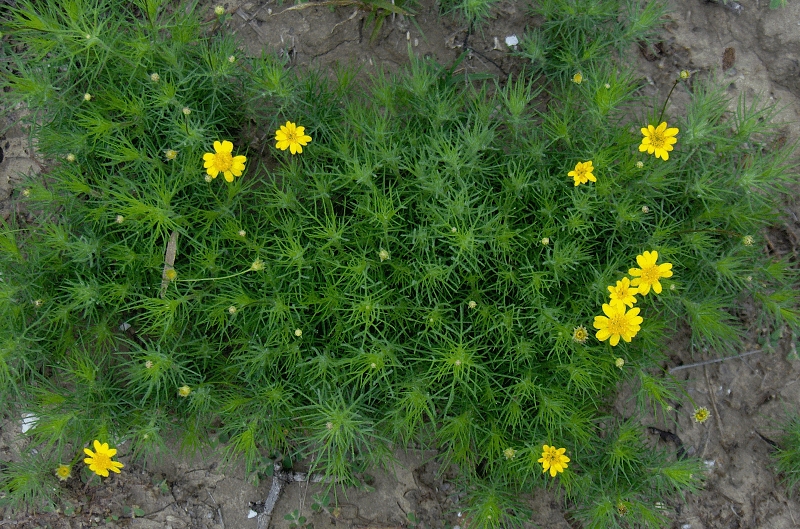
Leaves are the plant’s signature feature: narrow, deeply pinnately divided into thread-like segments, giving the foliage a lacy, almost fern-like or “skeleton” appearance. The leaves are resinous and aromatic, gray-green to bright green depending on moisture conditions, and present on the plant through most of the year in mild climates.
Flowers
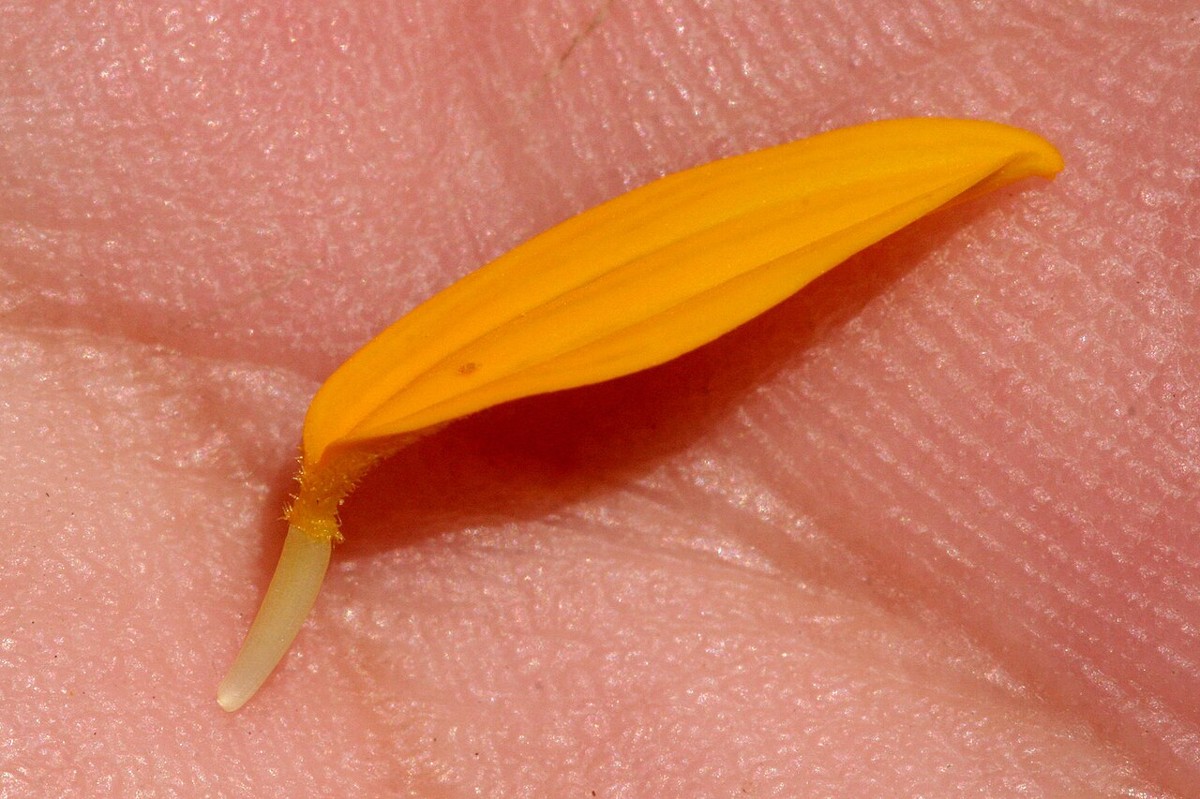
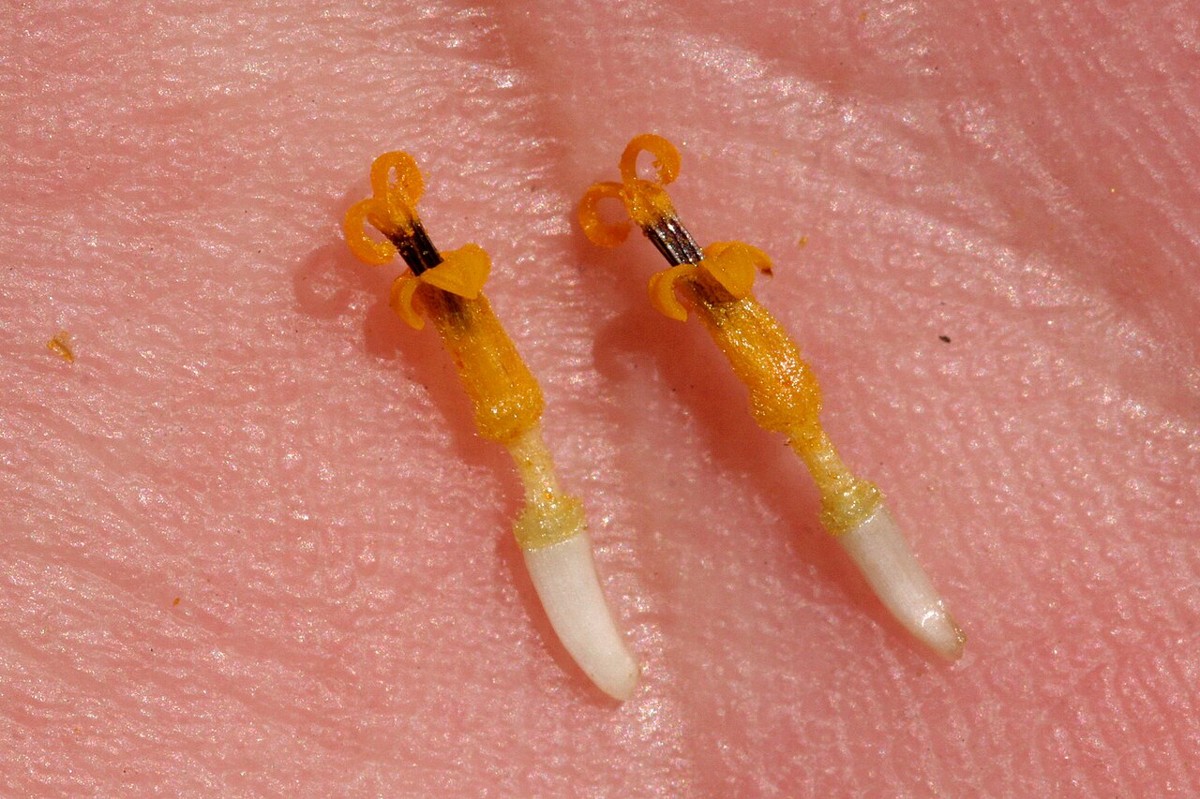
Flowers are classic daisy-form composite heads, about 1 to 1½ inches across, with bright golden-yellow ray florets surrounding a slightly darker yellow-orange disk center. Flowers are borne singly on long, slender stalks held above the foliage, making them visible and effective from a distance. Bloom is heaviest in spring and fall but can continue sporadically through summer and into a mild winter, especially after rain.
Fruit & Seeds
After flowering, small, dry, single-seeded achenes form within the spent flower heads, typical of the sunflower family. They are not ornamentally significant but do provide minor seed for birds.
Quick Facts
| Scientific Name | Viguiera stenoloba |
| Family | Asteraceae (Sunflower/Daisy) |
| Plant Type | Evergreen to Semi-evergreen Shrub |
| Mature Height | 2–4 ft |
| Mature Spread | 2–4 ft |
| Growth Rate | Moderate to fast |
| Sun Exposure | Full Sun |
| Water Needs | Low |
| Soil Type | Rocky, caliche, limestone, sand, clay; well-drained |
| Soil pH | 7.0–8.5 (neutral to alkaline) |
| Bloom Time | Spring – Fall, sporadic in mild winters |
| Flower Color | Golden yellow |
| Fall Color | None (evergreen to semi-evergreen) |
| Fruit | Small dry achenes |
| Deer Resistant | Yes (resinous, aromatic foliage) |
| USDA Hardiness Zones | 7–10 |
Native Range
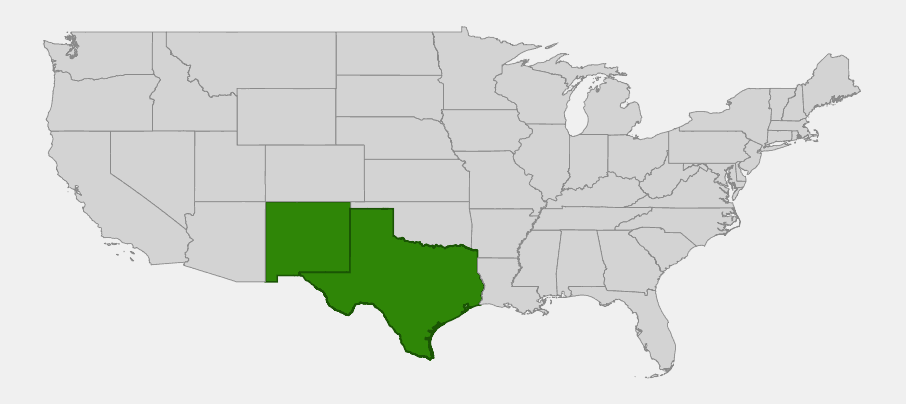
Skeletonleaf Goldeneye is native to West Texas and southern New Mexico, with its core range concentrated in the Trans-Pecos and Rio Grande Plains, extending less commonly into the western Edwards Plateau and north into southeastern New Mexico. Its range continues south into adjacent Mexico, including Chihuahua and Coahuila, reaching as far south as Zacatecas.
Within this range, it grows on dry, rocky sites — limestone hills, caliche flats, and desert scrub — often locally abundant in desert and semi-desert habitats of the Trans-Pecos. It associates with other Chihuahuan Desert plants such as creosote bush, lechuguilla, and various agaves, typically at elevations from about 2,500 to 5,500 feet.
Gardeners in similarly hot, dry climates elsewhere in the Southwest can grow Skeletonleaf Goldeneye successfully, but should recognize that its documented native range is limited to West Texas, southeastern New Mexico, and adjacent northern Mexico, and favor other, more locally native composite shrubs where a strictly native planting is the specific goal.
📋 Regional plant lists featuring Skeletonleaf Goldeneye: South and West Texas, Arizona & New Mexico
Growing & Care Guide
Light
Plant Skeletonleaf Goldeneye in full sun. It flowers most heavily and holds its compact form best with at least six to eight hours of direct light.
Soil & Water
This shrub is adaptable to a wide range of soils — sand, loam, clay, and rocky caliche — as long as drainage is good. It is genuinely drought tolerant once established, needing supplemental water only during the first growing season; overwatering and poor drainage are far more likely to cause problems than dry conditions.
Planting Tips
Plant in spring or fall, choosing a site with full sun and reliable drainage. Space plants 3 to 4 feet apart to allow the rounded form to fill in; a single plant can grow quickly into an effective flowering mass within a couple of seasons.
Pruning & Maintenance
Skeletonleaf Goldeneye responds well to a hard cutback in late winter or early spring, which rejuvenates the plant and encourages dense, floriferous new growth. Deadheading spent flowers can help extend bloom, though it is not strictly necessary given the plant’s naturally long flowering season.
Propagation
Propagate from seed, which germinates readily, or from semi-hardwood cuttings taken during the growing season. Self-sown seedlings often appear near established plants in favorable sites.
Landscape Uses
- Long-blooming color shrub for xeriscape and rock gardens
- Informal low hedge or mass planting
- Pollinator garden anchor for extended-season bloom
- Fine-textured foliage contrast plant among coarser desert shrubs
- Low-water foundation planting in hot, reflected-sun sites
Wildlife & Ecological Value
For Pollinators
The long, reliable bloom season makes Skeletonleaf Goldeneye a valuable nectar source for native bees and butterflies across much of the growing year, filling a gap when many other desert plants have finished flowering.
Birds
Seed-eating birds forage the small achenes from spent flower heads, and the dense, twiggy structure offers useful cover for small birds in open desert scrub.
Mammals
The resinous, aromatic foliage generally discourages browsing by deer, making Skeletonleaf Goldeneye a dependable choice in areas with significant deer pressure.
Ecosystem Role
As a reliable, long-blooming component of Chihuahuan Desert plant communities, Skeletonleaf Goldeneye provides season-spanning nectar resources and structural diversity among the taller, woodier shrubs and succulents of its native habitat.
Cultural & Historical Uses
Skeletonleaf Goldeneye has no well-documented history of significant Indigenous or settler utilitarian use; its primary significance has been ecological, as a long-blooming, drought-adapted native of the Trans-Pecos and Rio Grande Plains.
Its resinous foliage and alternate common name, “Resinbush,” reflect its chemistry, which is of interest to desert botanists studying the various resin and terpene compounds that many Chihuahuan Desert shrubs produce as drought and herbivory adaptations, though it has no established history of extraction or use by people.
In recent decades, as interest in native and low-water landscaping has grown across Texas and the Southwest, Skeletonleaf Goldeneye has become an increasingly popular nursery offering, valued specifically for its long bloom season and genuine drought toughness relative to its showy, consistent yellow flower display.
Frequently Asked Questions
How long does Skeletonleaf Goldeneye bloom?
It has one of the longer bloom seasons among Chihuahuan Desert native shrubs, flowering from spring through fall and even sporadically through mild winters, especially after rain.
Why is it called “Skeletonleaf”?
The name refers to its finely divided, thread-like leaves, which give the foliage a delicate, lacy, almost skeletal appearance quite different from the broader leaves of most desert shrubs.
How much water does Skeletonleaf Goldeneye need?
Very little once established. It is adapted to rocky, fast-draining desert soils and tolerates a wide range of soil types, but performs poorly in heavy, consistently wet conditions.
Is Skeletonleaf Goldeneye deer resistant?
Yes, generally, thanks to its resinous, aromatic foliage, which most deer tend to avoid, making it a dependable choice in areas with heavy browsing pressure.
Can Skeletonleaf Goldeneye be grown outside Texas and New Mexico?
Yes, in similarly hot, dry climates within USDA zones 7–10, though it should be understood as a cultivated planting outside its native West Texas and southeastern New Mexico range rather than a locally native species.
Looking for a nursery that carries native plants for your area? Check these regional native plant nursery directories: Texas, New Mexico.