Small-flowered Anemone (Anemone parviflora)
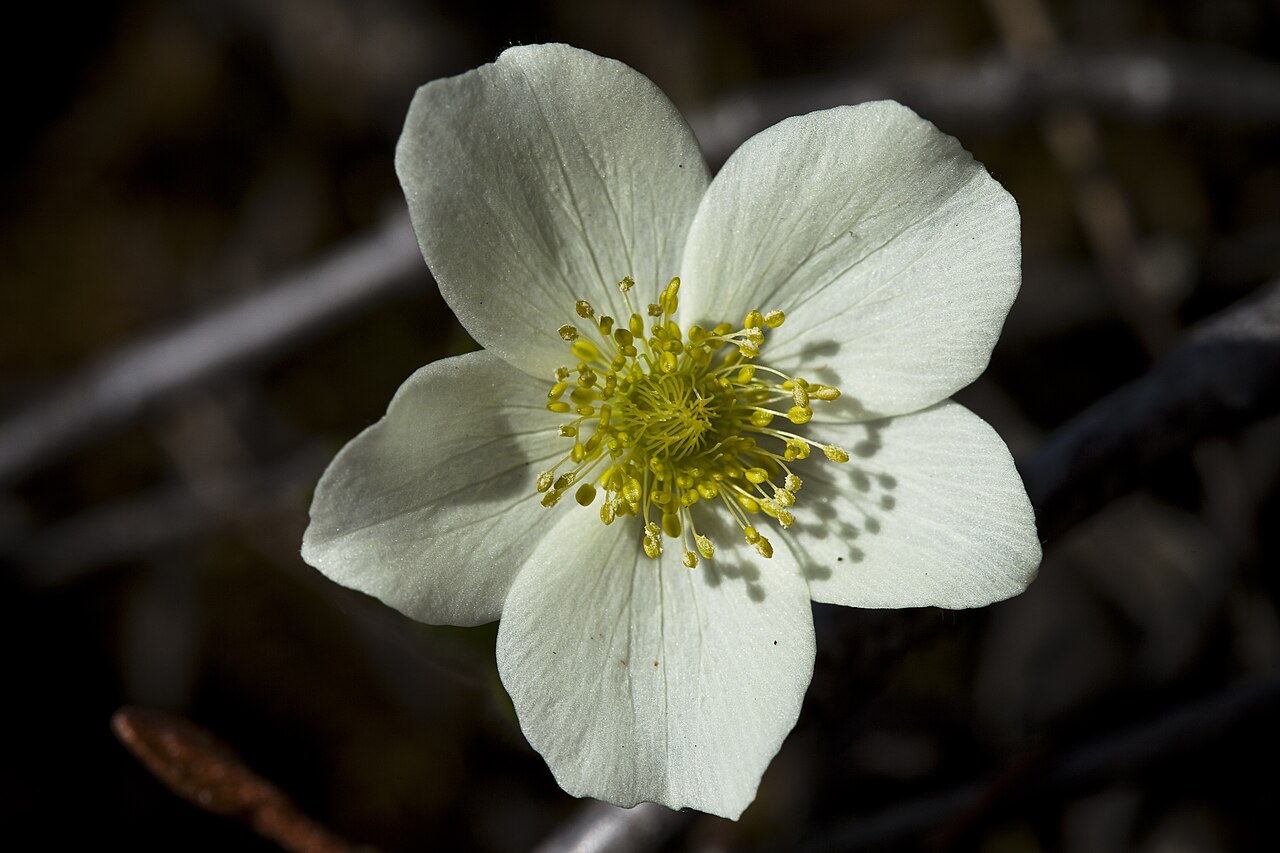
Anemone parviflora, commonly called Small-flowered Anemone (also known as northern anemone or windflower), is a low, early-blooming wildflower of cold, open country across the far north and the high mountains of the western United States. It belongs to the buttercup family, Ranunculaceae, and like many of its relatives it is a compact perennial that spends most of the year as a short rhizome underground, pushing up a tidy rosette of three-lobed leaves and a single nodding white flower as soon as snow releases its hold on the ground each spring.
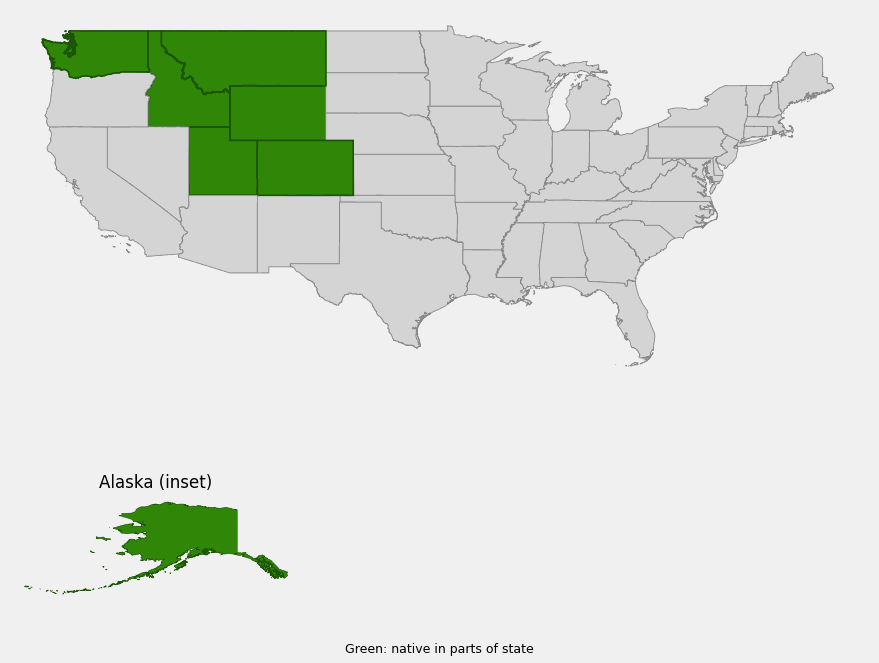
In the United States this anemone is overwhelmingly an Alaska plant, common across tundra, gravel bars, and subalpine meadows from the Arctic coast south through the interior. South of Alaska it becomes a true mountain specialist, turning up in scattered, often very local, alpine and subalpine populations in the northern Rocky Mountains of Washington, Idaho, Montana and Wyoming, with a few outlying colonies reaching south into the high country of Utah and Colorado. It is not a Great Lakes or northeastern plant; despite sometimes being lumped in with other circumboreal wildflowers that do reach Michigan, Wisconsin or Minnesota, small-flowered anemone itself has no confirmed native populations anywhere in that region.
For gardeners, small-flowered anemone is a plant for a very specific niche: a cool, sunny rock garden, alpine trough, or high-elevation native planting that can mimic the gritty, well-drained, snow-fed sites it grows in naturally. It is not a plant for typical lowland gardens, and like other anemones its sap is mildly toxic, so it is grown for its tidy white spring flowers rather than any culinary or medicinal use.
Identification
Small-flowered anemone is a small, non-woody perennial, usually just 2 to 8 inches (5–20 cm) tall in flower, spreading slowly by short rhizomes to form loose, open colonies rather than dense mats. The whole plant has a neat, uncluttered look, with its leaves held close to the ground and a single flower stalk rising just above them.
Leaves
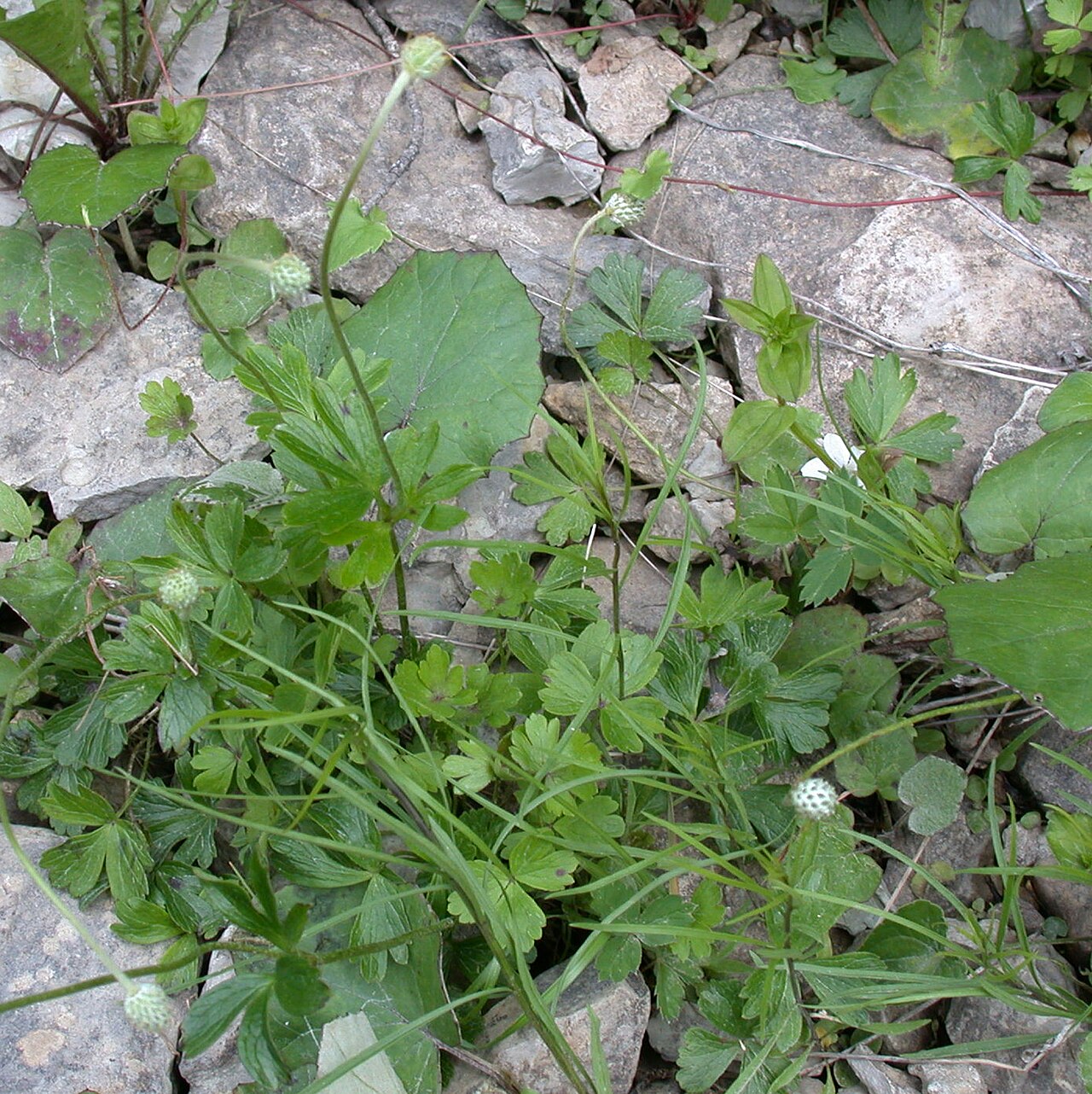
The basal leaves are long-stalked and divided into three main lobes, each lobe further toothed or shallowly cut, giving the leaf a rounded, somewhat maple-leaf silhouette. They are smooth to sparsely hairy, medium green, and typically 1 to 2 inches (2.5–5 cm) across. A pair of smaller, stalkless leaves (an involucre) sits partway up the flowering stem, a few inches below the flower — a standard anemone trait that helps distinguish the genus from superficially similar buttercups.
Flowers
Each stem carries a single flower, up to 1 inch (2.5 cm) across, with five to eight white, oval petal-like sepals (anemones lack true petals) surrounding a dense boss of yellow stamens. The undersides of the sepals are often tinged pale blue or lavender, especially before the flower fully opens. Flowering begins as soon as the ground thaws, typically May into July depending on elevation and latitude, and each plant blooms for only a short window.
Fruit & Seeds
After flowering, the stamens and sepals fall away and the central cluster of seed-like achenes expands into a dense, woolly, globe-shaped head, grayish to greenish and noticeably fuzzy from fine hairs that aid wind dispersal. These seed heads persist on the short stalks into summer and are often more conspicuous in the field than the flowers themselves.
Quick Facts
| Scientific Name | Anemone parviflora |
| Family | Ranunculaceae (Buttercup) |
| Plant Type | Herbaceous perennial wildflower |
| Mature Height | 2–8 in (5–20 cm) |
| Mature Spread | 4–8 in, slowly spreading by rhizome |
| Growth Rate | Slow |
| Sun Exposure | Full Sun to Part Shade |
| Water Needs | Average, with reliable snowmelt moisture in spring |
| Soil Type | Gritty, rocky, well-drained; tolerates lean mineral soil |
| Soil pH | Neutral to slightly alkaline |
| Bloom Time | May – July (varies with elevation and snowmelt) |
| Flower Color | White, sometimes blue-tinged beneath |
| Fall Color | None; foliage dies back after seed set |
| Fruit | Woolly, globe-shaped head of achenes |
| Deer Resistant | Yes (toxic sap discourages browsing) |
| USDA Hardiness Zones | 2–6 |
Native Range
Small-flowered anemone is primarily a plant of Alaska and arctic and subarctic Canada, where it is common and widespread on tundra, gravel river bars, and open subalpine slopes. Within the Lower 48, its range contracts sharply to a scattering of alpine and subalpine populations in the northern Rocky Mountains: Washington’s Cascades and northeastern ranges, the mountains of Idaho, Montana and Wyoming, and a few disjunct, high-elevation stations reaching south into western Colorado and Utah.
Typical habitat is open, cold, well-drained ground: rocky slopes and ridges, gravelly stream terraces, tundra, and subalpine to alpine meadows, usually above or near timberline in the Rockies and from near sea level to the mountains in Alaska. Soils are often thin, mineral, and influenced by limestone. The species is notably absent from forested, lowland, or humid-temperate habitats, which is why it never established in the Great Lakes states, New England, or the rest of the eastern United States despite occupying similar latitudes to the north in Canada.
Because it depends on open, undisturbed alpine and subarctic habitat, small-flowered anemone is not a plant of disturbed ground or roadsides, and the southern Rocky Mountain populations are naturally sparse and isolated rather than declining from human pressure. It is best appreciated in place on a mountain hike, or grown deliberately from nursery-propagated stock in a rock garden that recreates its cold, open, gritty home conditions.
📋 Regional plant lists featuring Small-flowered Anemone: Alaska · Idaho, Eastern Oregon & Eastern Washington · Montana & Wyoming · Utah & Western Colorado
Growing & Care Guide
Small-flowered anemone is a specialist plant best suited to rock gardens, alpine troughs, and high-elevation native plantings rather than ordinary garden beds. Recreating its naturally cold, open, sharply drained home conditions is the key to keeping it happy.
Light
Give it full sun to light part shade. In its mountain and tundra habitat the growing season is short and intensely bright, so plants generally flower best and stay compact with as much direct sun as the site allows, especially in cooler climates. In warmer lowland gardens outside its comfort zone, light afternoon shade can help compensate for summer heat it would never experience in the wild.
Soil & Water
Plant it in gritty, mineral, sharply drained soil — a standard rock-garden or scree mix of coarse sand, grit, and a little loam suits it well. It wants consistent moisture during spring growth and flowering, mimicking snowmelt, but must dry out between waterings and never sit in heavy, wet, or poorly drained ground, which quickly rots the rhizomes. A neutral to slightly alkaline pH is ideal.
Planting Tips
Small-flowered anemone is a true alpine and performs best in climates with cold winters and short, cool summers; it struggles in hot, humid, or mild-winter regions. Plant nursery-propagated divisions or container stock in a raised rock garden bed, trough, or scree slope where drainage is excellent. Avoid competition from taller, vigorous perennials, since this is a small plant easily shaded or crowded out.
Propagation
Propagate by dividing the rhizomes in early spring or immediately after flowering, replanting divisions promptly since they dry out quickly. Seed can also be sown fresh in fall and left outdoors to receive the cold, moist stratification it needs over winter; germination the following spring is often slow and uneven.
Landscape Uses
- Alpine and rock gardens, where its small scale and early bloom fit naturally among stones and grit
- Troughs and raised scree beds that can be given sharp drainage not easily achieved in open ground
- High-elevation native plantings in mountain communities within its range
- Collector and native-plant society gardens specializing in regional alpine flora
Wildlife & Ecological Value
In its demanding tundra and alpine habitat, small-flowered anemone contributes to a short but important burst of early-season floral resources.
For Pollinators
The flowers are visited by early-emerging flies and small native bees, which rely on the limited number of plants in bloom this early in the short alpine and subarctic growing season. The open, shallow flower shape makes pollen and nectar easy to access for a range of small flying insects.
For Birds & Mammals
Like most anemones, the foliage contains protoanemonin, an irritant compound that makes the plant unpalatable and mildly toxic to browsing mammals, which is part of why it is rarely grazed even by deer and other herbivores sharing its mountain habitat. Small mammals and birds make general use of the tundra and meadow plant communities it grows within, though the anemone itself is not a notable food source.
Ecosystem Role
As one of the earliest bloomers on the tundra and in subalpine meadows, small-flowered anemone is part of the brief flush of flowering plants that structures the short arctic and alpine growing season, helping to stabilize thin, rocky soils with its rhizome system in places where few other plants can establish.
Cultural & Historical Uses
Small-flowered anemone has little recorded history of use by Indigenous peoples of the north, in contrast to some other tundra and subarctic plants gathered for food or medicine; its toxicity and small size likely limited any practical use. It is best known today simply as one of the characteristic early wildflowers of the Alaskan and Canadian arctic, a familiar sight to hikers and naturalists on spring and summer trips into tundra and alpine country.
Like other anemones, every part of the plant contains protoanemonin, a compound that can irritate skin on contact and is toxic if eaten, causing mouth and digestive irritation. It has no history of food or medicinal use and should not be handled by anyone with sensitive skin without care, nor should any part of it be eaten.
Its main modern significance is horticultural and botanical: as a true circumboreal alpine species shared across Alaska, Canada, and the mountains of Europe and Asia, it is of interest to rock-gardeners and alpine plant collectors seeking authentic high-latitude and high-elevation natives for specialized plantings.
Frequently Asked Questions
Is small-flowered anemone native to the Great Lakes region?
No. Despite occurring at similar latitudes in Canada, small-flowered anemone has no confirmed native populations in Michigan, Wisconsin, Minnesota, or anywhere else in the Great Lakes states. In the Lower 48 it is known only from scattered alpine and subalpine sites in the northern Rocky Mountains of Washington, Idaho, Montana, Wyoming, Utah and Colorado.
Is small-flowered anemone poisonous?
Yes. Like other anemones, it contains protoanemonin, which is toxic if eaten and can irritate the skin on contact. Keep it away from pets and children who might chew on garden plants, and consider wearing gloves when dividing or handling it.
Can I grow small-flowered anemone in a typical garden bed?
Not easily. It is an alpine and subarctic specialist that needs sharp drainage, cold winters, and a short, cool growing season. It performs far better in a rock garden, trough, or scree bed than in an ordinary lowland perennial border, and struggles in hot, humid climates.
How is small-flowered anemone different from wood anemone?
Small-flowered anemone (Anemone parviflora) is an arctic and alpine plant of Alaska and the northern Rockies with leathery, three-lobed leaves and a woolly seed head, while wood anemone (Anemone quinquefolia) is a woodland species of the eastern and northern United States with thinner, five-parted leaves. The two do not share range or habitat.
When does small-flowered anemone bloom?
It blooms as soon as snow melts from its site, which can range from May at lower elevations and higher latitudes in Alaska to July at the highest, coldest sites in the southern Rocky Mountains.