
Small-leaved Rose (Rosa minutifolia)
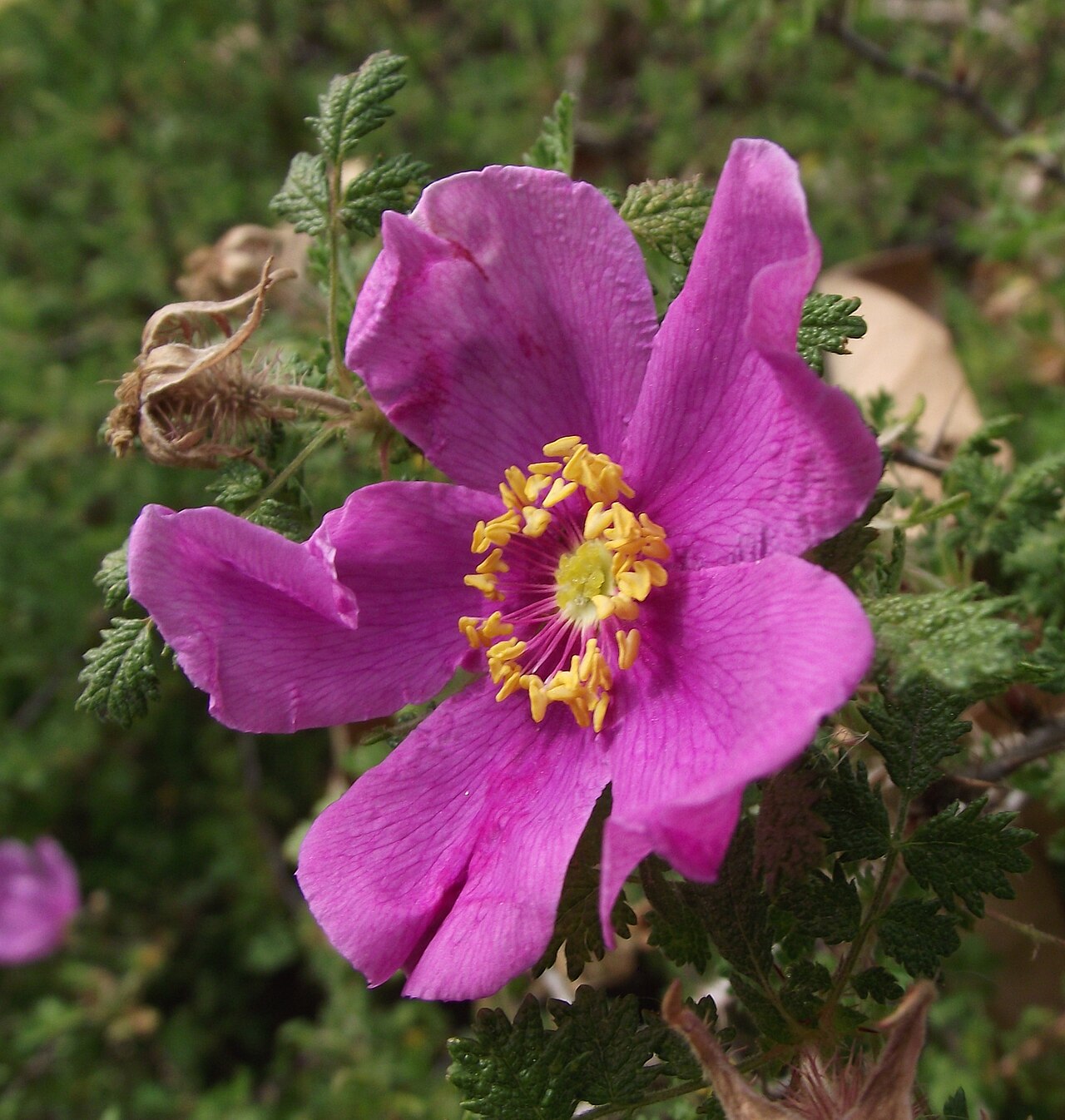
Rosa minutifolia, the Small-leaved Rose (USDA: Baja rose; also called Baja littleleaf rose), is a dense, spiny shrub of the coastal chaparral and sage scrub of northern Baja California, Mexico. Its leaves are the smallest of any rose in the world, with leaflets only about ⅛ to ¼ inch long, and in late winter it covers itself with deep pink, single flowers about 1 to 1½ inches across.
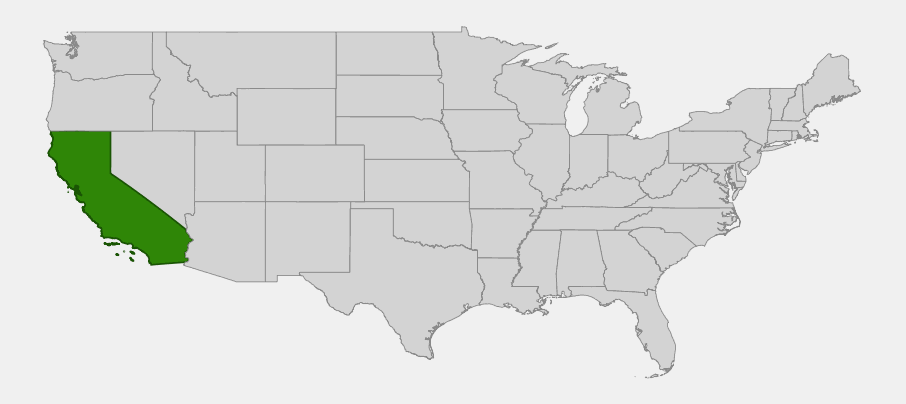
In the United States it has been known only from a tiny population on Otay Mesa in southern San Diego County, California, just north of the Mexican border, at the northern tip of its range. Development of the mesa destroyed most of that population. It is listed as endangered under the California Endangered Species Act, the California Native Plant Society treats it as rare in California, and NatureServe now ranks it as presumed extirpated as a wild plant in California. Wild populations remain in northwestern Baja California.
Because it is so rare in the wild, most people know this rose from botanic gardens and native plant gardens in Southern California, where it is grown as a remarkably drought-tolerant shrub. This guide covers identification, its range and conservation status, how to grow it from nursery stock, and its wildlife value. Never collect plants, cuttings or seed from wild plants; buy only nursery-propagated stock.
Identification
Small-leaved rose is a low, densely branched, very prickly shrub with tiny, deeply toothed leaves and pink single roses. No other rose in California has leaves nearly as small.
Stems & Habit
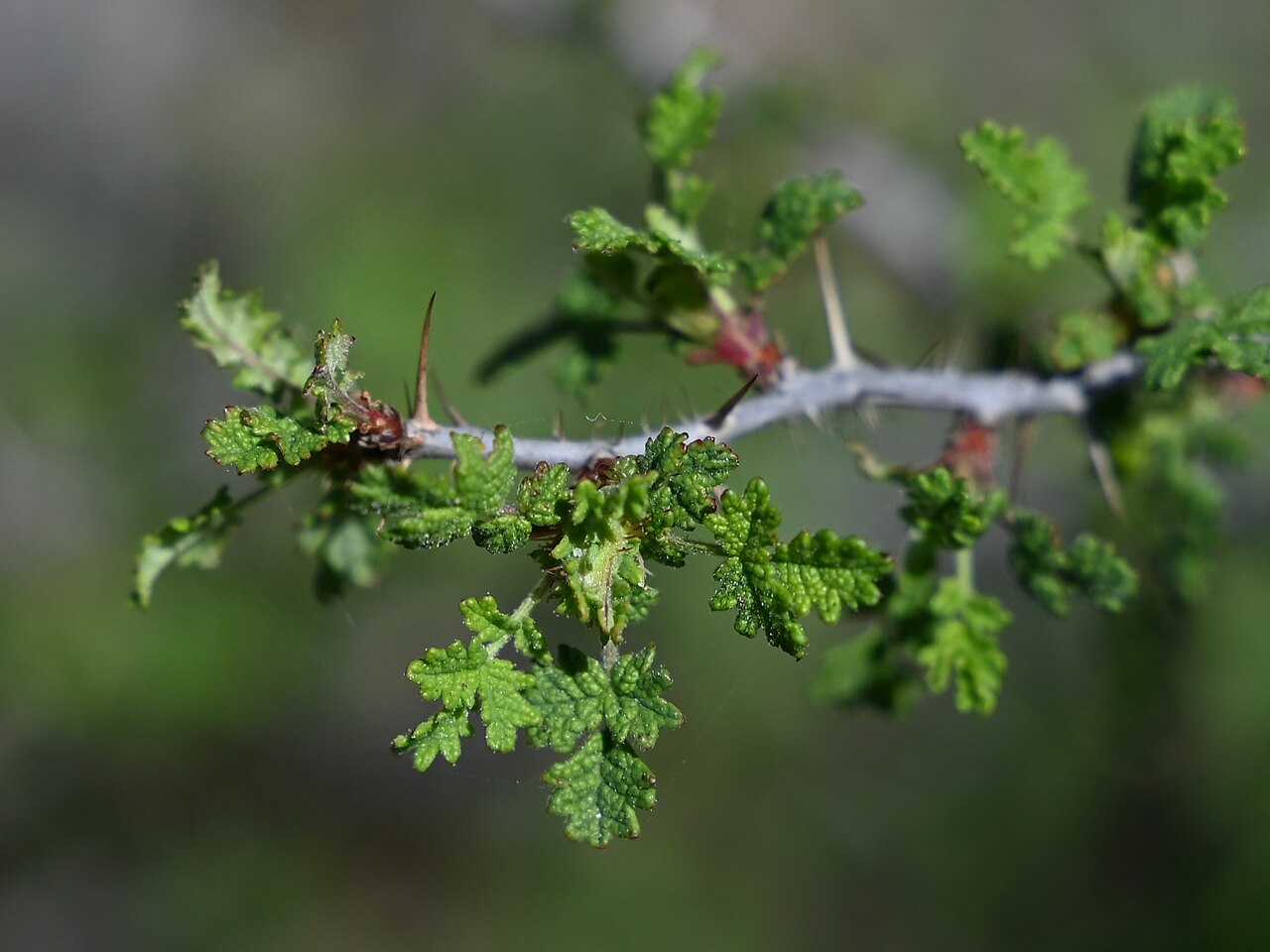
It forms a dense, rounded shrub or small thicket about 1 to 4 feet tall and wide, with low, arching, intricately branched stems. The stems carry many slender, straight prickles about 1/16 to ½ inch long, often reddish on new growth. In summer drought the plant drops its leaves and becomes a tangle of bare, spiny stems until rain returns.
Leaves
Leaves are pinnately compound with five to seven tiny, rounded leaflets, each about 3 to 6 millimeters long, with edges deeply toothed about halfway to the midvein. They are finely hairy and bright to gray-green, giving the foliage a lacy, almost fern-like look.
Flowers
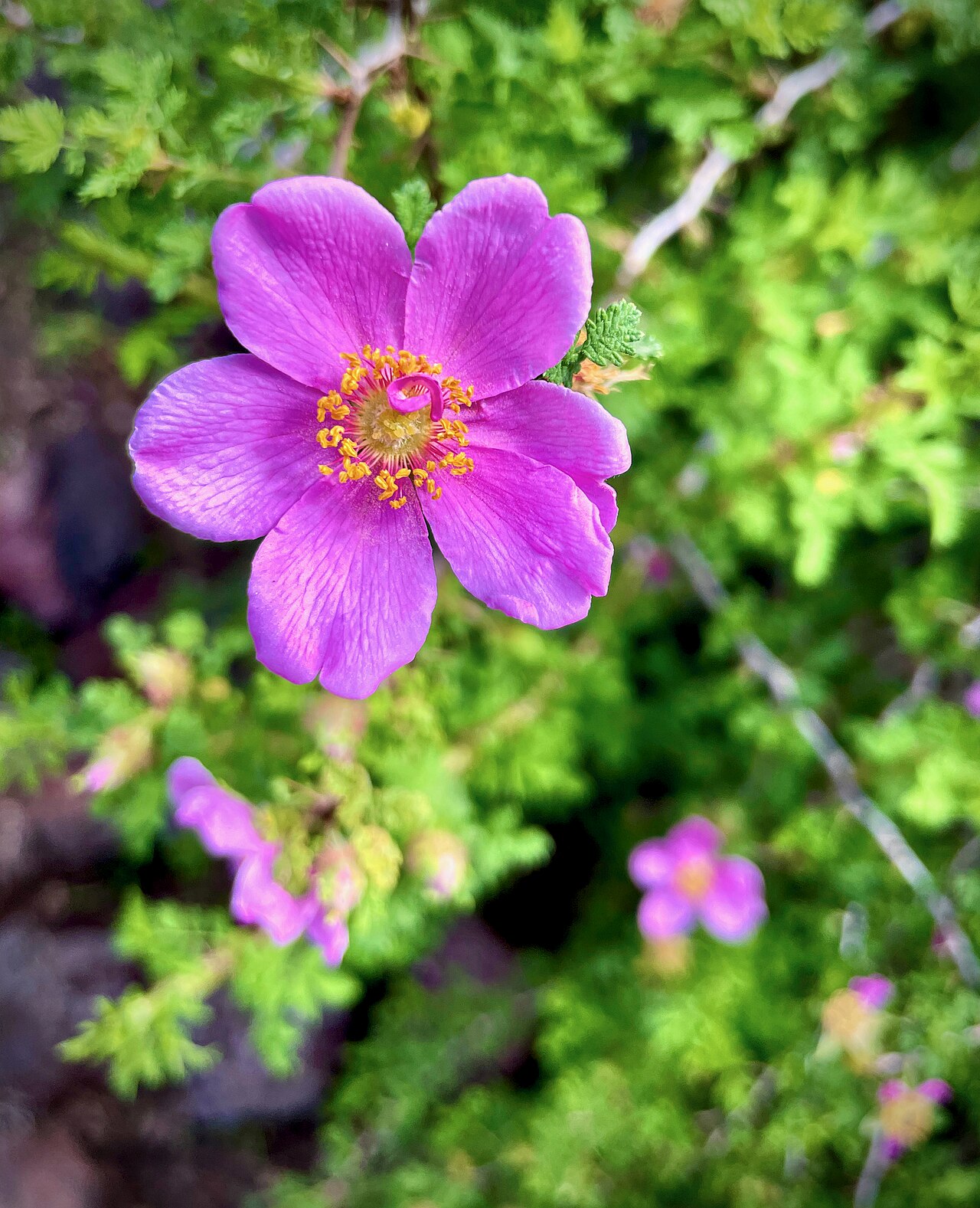
Flowers are borne singly at the ends of short branches from about February to April, making it the earliest-blooming native rose in California. Each has five broad petals ½ to ¾ inch long, deep pink to pale pink or rarely white, around a ring of golden stamens.
Fruit & Look-alikes
The hips are small, round and bristly, about ¼ inch across, with the sepals persisting at the tip. Other native roses of Southern California, such as California Wild Rose, have much larger leaflets, ½ inch or more long, and bloom later in spring and summer. Because of its unusual leaves, some botanists once placed it in a separate genus, Hesperhodos.
Quick Facts
| Scientific Name | Rosa minutifolia Engelm. |
| Family | Rosaceae (rose family) |
| Plant Type | Drought-deciduous shrub |
| Mature Height | 1–4 ft |
| Mature Spread | 2–4 ft; can form small thickets |
| Growth Rate | Moderate |
| Sun Exposure | Full sun to light shade |
| Water Needs | Very low once established |
| Soil Type | Well-drained loam, clay loam or sandy soils |
| Soil pH | About 6.0–8.0 |
| Bloom Time | February–April |
| Flower Color | Deep pink to pale pink, rarely white |
| Fall Color | None; leafless in summer drought |
| Fruit | Small round bristly hip, about ¼ in |
| Deer Resistant | Moderately; protected by dense prickles |
| USDA Hardiness Zones | 9–11 |
Native Range
Small-leaved rose is native to the Pacific coast of northern Baja California, Mexico, and barely reaches the United States. USDA PLANTS lists it only for California, where it was known from a single population on Otay Mesa in southern San Diego County, near the border. It grew in coastal sage scrub and chaparral on the mesa’s clay soils, an area that has since been largely converted to industrial and commercial development.
Because of this, it is listed as endangered by the State of California under the California Endangered Species Act, and the California Native Plant Society includes it among the state’s rare plants. NatureServe ranks it as presumed extirpated in California, meaning no confirmed wild plants are known to remain there, while the species as a whole is considered vulnerable (G3). Its survival in the wild depends on the populations in Baja California.
In Baja California it grows in chaparral and coastal sage scrub on mesas, hillsides and canyon slopes near the coast, in a Mediterranean climate with mild, wet winters and long, dry summers. These habitats are also under pressure from development and agriculture. Plants descended from the Otay Mesa population and from Baja California are maintained in botanic gardens and native nurseries in Southern California.
📋 Regional plant lists featuring Small-leaved Rose: California & Nevada
Growing & Care Guide
Small-leaved rose is a choice plant for dry gardens in coastal Southern California and is offered by some native plant nurseries and botanic garden sales. Buy only nursery-propagated plants. Because it is listed as endangered in California, wild plants, cuttings and seed must never be taken. Growing it in gardens is one way to keep this rare rose in cultivation.
Light
Full sun near the coast; light afternoon shade inland. It blooms best in sun.
Soil & Water
It needs well-drained soil and adapts to loam, clay loam and sandy soils. Once established, it is extremely drought tolerant and needs little or no summer water; it will simply drop its leaves in a long dry season. A deep watering once a month in summer keeps it leafy, and a mulch layer helps. Avoid frequent summer irrigation and poorly drained soil.
Planting Tips
Plant in fall or early winter, at the start of the rainy season, so roots establish before summer. Give it room away from paths because of the prickles. It combines well with sages, buckwheats, lemonade berry and other coastal sage scrub plants, and it can serve as a low barrier hedge.
Pruning & Maintenance
Little pruning is needed. Remove dead stems in late summer or fall, wearing heavy gloves. Do not fertilize. It is not bothered by most rose diseases in dry climates, but overwatering can lead to root rot.
Propagation
It can be grown from semi-hardwood cuttings taken in fall or winter, which root fairly readily, or from seed. Seed needs a period of cold, moist stratification of a few months before sowing. Suckers from established garden plants can also be separated. Use only garden or nursery plants as a source.
Landscape Uses
- Dry Mediterranean gardens: a tough, summer-dry shrub for coastal Southern California
- Habitat and barrier hedges: dense, prickly growth deters foot traffic and shelters small birds
- Conservation gardens: helps keep a state-endangered rose in cultivation
- Winter and early spring color: pink flowers when little else in the chaparral is blooming
Wildlife & Ecological Value
Small-leaved rose is part of the coastal sage scrub and chaparral plant community, where its early flowers and dense, spiny growth benefit insects and birds.
For Pollinators
The open, single flowers offer abundant pollen to native bees, including bumble bees and solitary bees, as well as honey bees and beetles. Like most wild roses, they produce little or no nectar, so they are visited mainly for pollen. Their late-winter bloom provides food early in the season.
For Birds
The tangled, prickly stems give small birds such as wrentits, California towhees and sparrows protected cover and nesting sites. Birds also eat the small hips.
For Mammals
Its prickles discourage browsing by deer and rabbits. Small mammals such as woodrats and mice may eat the hips and shelter under the shrub.
Ecosystem Role
As a drought-deciduous shrub, it is adapted to the long dry summers of the Baja California and San Diego coast, dropping its leaves to save water. It adds structural diversity to coastal sage scrub, and its rarity makes it an indicator of the loss of this habitat along the border region.
Cultural & Historical Uses
George Engelmann described Rosa minutifolia in 1882. The name minutifolia means “with very small leaves.” Its tiny, deeply toothed leaflets are so unusual for a rose that some botanists later placed it, together with a few other desert roses of Mexico and the Southwest, in a separate genus, Hesperhodos; most botanists today keep it in Rosa.
It is the smallest-leaved rose in the world and is admired by rose specialists and native plant gardeners alike. Botanic gardens in California, including the Santa Barbara Botanic Garden, the San Diego Botanic Garden and the Regional Parks Botanic Garden in Berkeley, grow it, and it has been shared through native plant sales.
Its story in California is an example of how a plant at the edge of its range can be lost to development. The Otay Mesa population was the only one north of the border, and as the mesa was developed, the wild roses disappeared. Gardens now help keep this lineage alive.
Frequently Asked Questions
Is small-leaved rose endangered?
In California, yes. It is listed as endangered under the California Endangered Species Act and is considered rare by the California Native Plant Society. NatureServe ranks it as presumed extirpated in the wild in California. It is not federally listed, and wild populations remain in Baja California, Mexico.
Where does small-leaved rose grow in the wild?
In coastal chaparral and sage scrub of northwestern Baja California, Mexico. In the United States it was known only from Otay Mesa in southern San Diego County, where the population was nearly or entirely lost to development.
Can I grow small-leaved rose?
Yes, in dry, frost-light climates such as coastal Southern California (about zones 9–11). Buy nursery-propagated plants, give it sun and good drainage, and water sparingly once established. Never collect from wild plants.
Why does small-leaved rose lose its leaves in summer?
It is drought-deciduous. In long, dry summers it drops its tiny leaves to save water and grows new ones when rain returns in fall and winter.
When does small-leaved rose bloom?
From about February to April. It is the earliest-blooming native rose in California.

Looking for a nursery that carries Small-leaved Rose?
Browse our native plant nursery directory: California

